
The Dorsolateral PFC: Understanding This Key Region's Role in Depression's Executive Impact


Welcome to Mind Care Guide.
Feeling lost in the fog of depression, struggling with focus and clarity? You're not alone. We understand. This is where we delve into the neuroscience behind those challenges, specifically exploring the role of depression executive function brain regions, and how understanding them can be a crucial step towards reclaiming your mental well-being. Ready to unlock the secrets of the dorsolateral PFC and its profound impact? Let's begin your journey of understanding.
The Dorsolateral PFC: Understanding This Key Region's Role in Depression's Executive Impact
- Introduction: The Dorsolateral Prefrontal Cortex (DLPFC) and Depression
- Depression and Executive Function: A Closer Look
- The Dorsolateral Prefrontal Cortex (DLPFC): A Key Brain Region in Executive Function
- DLPFC Dysfunction in Depression: Neuroimaging and Neuropathological Findings
- The DLPFC and Specific Executive Function Deficits in Depression
- Therapeutic Interventions Targeting the DLPFC for Depression
- The Future of DLPFC Research in Depression Treatment
- Conclusion: Restoring DLPFC Function for Improved Mental Well-being
-
Frequently Asked Questions
- How does depression affect executive function?
- Which brain regions are most affected in depression regarding executive function?
- What is the role of the dorsolateral prefrontal cortex (DLPFC) in executive function?
- Can impaired executive function worsen depression?
- Are there treatments that target the DLPFC to improve executive function in depression?
- Final Reflection: Rewiring the Executive Mind: Hope from the Dorsolateral PFC
- Unlock Your Brain's Potential: Take Charge of Your Mental Wellbeing
Introduction: The Dorsolateral Prefrontal Cortex (DLPFC) and Depression
Overview of the Prefrontal Cortex (PFC) and Its Functions
The prefrontal cortex (PFC) is the most anterior part of the frontal lobe, situated at the very front of the brain. This complex region is often considered the seat of higher-order cognitive functions, playing a critical role in what makes us uniquely human. Its functions encompass a wide range of abilities, including planning, decision-making, working memory, social behavior, and personality expression.
Essentially, the PFC acts as the brain's command center, integrating information from various brain regions to guide goal-directed behavior and regulate emotions. Its intricate network of connections allows it to exert top-down control over other neural circuits, enabling us to inhibit impulsive actions and adapt our behavior to changing circumstances.
Beyond these core functions, the PFC is also deeply involved in regulating emotional responses. It helps us interpret and appraise emotional stimuli, modulate the intensity of our feelings, and make choices based on emotional information. Different subregions within the PFC specialize in various aspects of this emotional processing.
Damage or dysfunction in the PFC can lead to significant impairments in executive function and emotional regulation, contributing to a variety of neurological and psychiatric conditions. Understanding the specific roles of its subregions, such as the dorsolateral prefrontal cortex, is crucial for comprehending the neural basis of complex disorders like depression and identifying the brain regions involved in depression executive function.
Introducing the Dorsolateral Prefrontal Cortex (DLPFC)
The dorsolateral prefrontal cortex (DLPFC) is a specific subregion of the PFC, located on the outer, upper surface of the frontal lobe. It is a highly interconnected area, receiving input from and sending projections to numerous other brain regions, including posterior parietal cortex, temporal cortex, and subcortical structures like the basal ganglia and thalamus. This extensive connectivity highlights its role as a central hub for integrating information from different parts of the brain. The DLPFC is particularly renowned for its critical involvement in executive functions, the set of cognitive processes necessary for controlling and regulating our thoughts and behaviors.
Functionally, the DLPFC is heavily implicated in cognitive control, which includes processes like maintaining attention, managing working memory, switching between tasks, and inhibiting irrelevant information. It provides the neural substrate for holding information in mind and manipulating it, enabling us to solve problems, plan sequences of actions, and make deliberate decisions. Research using neuroimaging techniques has consistently shown activation in the DLPFC during tasks that require significant mental effort and cognitive flexibility. Its impairment is strongly linked to difficulties in these areas, making it a prime candidate for understanding the brain regions underlying depression executive function deficits.
Depression's Impact on Executive Function: The DLPFC Connection
Major depressive disorder (MDD) is characterized by persistent low mood and loss of interest, but it also frequently involves significant cognitive impairments, particularly affecting executive functions. Individuals with depression often report difficulties with concentration, decision-making, planning, and memory. These cognitive symptoms are not merely secondary effects of low mood but represent core features of the illness that can significantly impact daily functioning and quality of life. The severity of these executive deficits can vary widely among individuals but are often present even during remission, suggesting they may represent a vulnerability or a lasting impact of the disorder.
Emerging research strongly implicates the DLPFC as a key brain region contributing to these executive function deficits in depression. Studies utilizing functional magnetic resonance imaging (fMRI) have frequently observed altered activity patterns in the DLPFC of depressed patients, particularly when they are engaged in tasks requiring working memory or cognitive control.
Furthermore, the degree of DLPFC dysfunction often correlates with the severity of executive symptoms reported by patients. This body of evidence points towards the DLPFC as a critical component within the network of brain regions impacting executive function in depression, providing a target for both understanding the disorder's mechanisms and developing targeted therapies.
Depression and Executive Function: A Closer Look
Defining Executive Function and Its Components
Executive function is an umbrella term for a set of cognitive processes that enable us to plan, focus attention, remember instructions, and juggle multiple tasks successfully. These skills are essential for managing oneself and one's resources to achieve a goal. Key components of executive function include working memory, which is the ability to hold and manipulate information in mind; inhibitory control, which involves suppressing impulses or distracting information; and cognitive flexibility, the capacity to switch between different tasks or perspectives. Other components often included are planning, organization, initiation of action, and problem-solving.
These components do not operate in isolation but work together in a coordinated manner. For example, planning a meal requires holding ingredients and steps in working memory, inhibiting the urge to snack beforehand, and potentially being flexible if an ingredient is missing. Executive functions are crucial for navigating complex daily life, from managing finances to maintaining social relationships. Deficits in these areas can manifest as difficulty starting tasks, staying organized, completing projects, or controlling emotions. Understanding these components is vital when examining how depression affects the brain regions responsible for executive function.
How Depression Affects Executive Skills: Attention, Inhibition, and Cognitive Flexibility
Depression significantly impacts various executive skills, often leading to noticeable impairments in daily life. Attention is frequently compromised, with individuals reporting difficulty concentrating, being easily distracted, or feeling mentally foggy. This can make it challenging to focus on work, studies, or even simple conversations. Studies using neuropsychological tests often show slower processing speeds and reduced sustained attention in depressed individuals compared to healthy controls.
Inhibitory control can also be affected. While not always as pronounced as other deficits, some individuals with depression may struggle with inhibiting negative thoughts or impulses, or find it harder to filter out irrelevant information. Cognitive flexibility is another area heavily impacted. Depressed individuals often find it difficult to shift between different tasks, adapt to new rules, or see alternative solutions to problems. This can contribute to feelings of being stuck or overwhelmed. These widespread effects on core executive functions highlight the profound way depression alters the brain regions supporting these critical cognitive abilities.
The Role of Executive Dysfunction in Depression Severity and Treatment Outcomes
Executive dysfunction is not merely a symptom of depression; it can also influence the severity of the illness and impact treatment outcomes. Individuals with more pronounced executive deficits tend to experience more severe depressive symptoms, including greater functional impairment in areas like work, social interactions, and self-care. For instance, difficulty with planning and initiation can make it harder to engage in activities that could improve mood, such as exercise or social outings.
Furthermore, executive dysfunction can pose challenges for psychological therapies like Cognitive Behavioral Therapy (CBT), which often require patients to actively engage in cognitive restructuring, behavioral activation planning, and homework assignments – tasks that rely heavily on intact executive skills. Research suggests that executive function impairment can predict poorer response to standard antidepressant medications and psychotherapies. This underscores the importance of addressing these cognitive deficits directly, perhaps through targeted interventions focusing on the specific brain regions impacting executive function in depression, such as the DLPFC, to improve overall treatment success and recovery.
The Dorsolateral Prefrontal Cortex (DLPFC): A Key Brain Region in Executive Function
Anatomy and Connectivity of the DLPFC
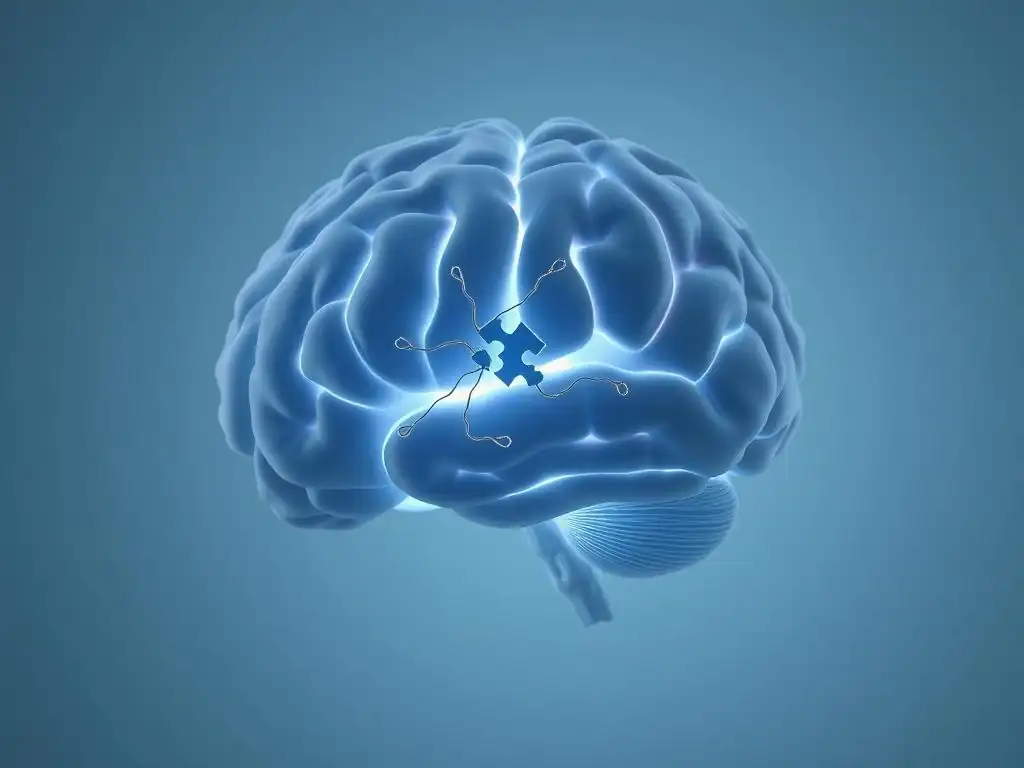
The dorsolateral prefrontal cortex (DLPFC) corresponds roughly to Brodmann areas 9 and 46 in the human brain. Anatomically, it sits superior and lateral to the orbitofrontal cortex and anterior to the premotor cortex. It is characterized by a six-layered neocortical structure, typical of association areas, with a particularly dense layer III known for housing pyramidal neurons involved in complex processing. The DLPFC is distinguished by its extensive reciprocal connections with a wide array of other brain regions, forming crucial neural circuits.
These connections include strong reciprocal links with the posterior parietal cortex, forming the core of the fronto-parietal network critical for attention and working memory. It also connects extensively with the temporal cortex, including areas involved in processing sensory information and memory. Subcortically, the DLPFC is heavily connected with the basal ganglia, particularly the caudate nucleus, forming cortico-striatal-thalamic loops that are vital for goal-directed behavior, habit formation, and executive control.
Furthermore, it receives modulatory input from neurotransmitter systems, including dopamine and serotonin, which are known to be dysregulated in depression. This rich connectivity profile underscores its central role in integrating information and coordinating activity across distributed brain regions supporting executive function.
DLPFC's Role in Cognitive Control and Working Memory
The DLPFC is considered a cornerstone of cognitive control, the ability to regulate thoughts and actions in accordance with internal goals. This involves processes like maintaining attention on relevant stimuli while ignoring distractions, switching flexibly between tasks, and inhibiting prepotent responses. Studies using tasks requiring sustained attention or response inhibition consistently show robust activation in the DLPFC. For example, during the Stroop task (naming the color of ink while ignoring the word), the DLPFC is highly active as individuals suppress the automatic tendency to read the word.
Perhaps the most well-established function of the DLPFC is its critical role in working memory. This isn't just about holding information temporarily; it's about actively manipulating and using that information to guide behavior. The DLPFC is thought to be involved in maintaining goal-relevant information online, resisting interference from irrelevant information, and updating the contents of working memory as needed.
Neuroimaging studies, such as those using n-back tasks where participants must remember stimuli presented several steps prior, reliably show increased DLPFC activity correlated with task difficulty. Impairments in working memory, often linked to DLPFC dysfunction, are a significant part of the executive function deficits observed in depression.
How the DLPFC Mediates Decision-Making and Planning
Decision-making and planning are complex executive functions that rely heavily on the integrated activity of various brain regions, with the DLPFC playing a pivotal role. In the context of decision-making, the DLPFC is involved in evaluating potential outcomes, considering future consequences, and integrating information from other brain areas, including emotional and value-based signals from the ventromedial PFC and orbitofrontal cortex. It helps us make rational choices by holding different options in mind and comparing their potential benefits and risks. Dysfunction in the DLPFC can lead to impaired judgment and difficulty making choices, particularly in complex or uncertain situations.
For planning, the DLPFC is essential for setting goals, breaking down complex tasks into smaller steps, sequencing those steps logically, and monitoring progress towards the goal. It allows us to mentally simulate future actions and their potential results. Tasks requiring strategic planning, such as navigating a complex maze or managing a budget, activate the DLPFC. The difficulty many individuals with depression face in initiating and completing tasks, often described as psychomotor retardation or lack of motivation, is strongly linked to impairments in these planning and initiation functions mediated by brain regions like the DLPFC.
DLPFC Dysfunction in Depression: Neuroimaging and Neuropathological Findings
Neuroimaging Studies: Reduced DLPFC Activity in Depressed Individuals
Neuroimaging research has consistently provided compelling evidence for altered DLPFC activity in individuals with major depressive disorder. Functional magnetic resonance imaging (fMRI) studies, which measure brain activity by detecting changes in blood flow, frequently report reduced neural activity in the DLPFC of depressed patients compared to healthy controls. This hypoactivity is often observed during tasks that specifically engage executive functions, such as working memory tasks, cognitive control paradigms, and decision-making challenges. For example, one meta-analysis pooling data from multiple fMRI studies found a consistent pattern of decreased activation in the left DLPFC during various cognitive tasks in depressed participants.
Furthermore, resting-state fMRI studies, which examine brain activity when participants are not performing a specific task, have also revealed aberrant connectivity patterns involving the DLPFC in depression. The DLPFC is part of the brain's central executive network (CEN), which is typically anti-correlated with the default mode network (DMN), involved in self-referential thought and rumination.
In depression, this anti-correlation is often weakened, suggesting impaired top-down control by the DLPFC over the DMN, potentially contributing to excessive rumination and difficulty disengaging from negative thoughts. These findings strongly support the notion that the DLPFC is one of the key brain regions involved in depression executive function deficits.
Neuropathological Changes in the DLPFC in Depression
Beyond functional changes, studies have also investigated structural and cellular alterations in the DLPFC in the context of depression. Post-mortem studies examining brain tissue from individuals who had depression have reported various neuropathological findings in the DLPFC. These include reductions in neuronal size and density, particularly in the deeper layers of the cortex. Some studies have also observed changes in the number and morphology of glial cells, such as astrocytes and microglia, suggesting neuroinflammatory processes may be involved.
Furthermore, changes in synaptic markers and dendritic arborization (the branching of dendrites, which receive signals from other neurons) have been reported. For instance, reductions in synaptic protein levels and decreased dendritic complexity in DLPFC neurons have been observed in some studies. While these findings can be variable across studies and influenced by factors like medication history, they collectively suggest that depression is associated with subtle but significant structural and cellular changes in the DLPFC, which could underlie the observed functional deficits and contribute to the impairment of depression executive function.
The Impact of Stress and Inflammation on DLPFC Function in Depression
Chronic stress is a well-known risk factor for depression, and research indicates it can significantly impact DLPFC structure and function. Prolonged exposure to stress hormones like cortisol can lead to atrophy and reduced connectivity in prefrontal regions, including the DLPFC. This stress-induced neurotoxicity can impair the DLPFC's ability to exert cognitive control and regulate emotional responses, thus contributing to depressive symptoms and executive dysfunction. For example, studies in animal models have shown that chronic stress can reduce dendritic length and spine density in prefrontal neurons, mirroring some findings in human post-mortem studies of depression.
Neuroinflammation, characterized by increased levels of inflammatory markers in the brain, is also increasingly recognized as a contributor to depression pathophysiology. Pro-inflammatory cytokines can interfere with neurotransmitter systems crucial for DLPFC function, such as dopamine and serotonin. They can also impair neurogenesis and synaptic plasticity.
Evidence suggests that elevated inflammatory markers are associated with reduced gray matter volume and altered connectivity in the DLPFC in depressed individuals. This interplay between stress, inflammation, and neurobiological changes in the DLPFC provides a compelling mechanism by which these factors contribute to the cognitive and emotional symptoms of depression, affecting the brain regions responsible for executive function.
The DLPFC and Specific Executive Function Deficits in Depression
Working Memory Impairment and the DLPFC
Working memory deficits are among the most consistently reported cognitive impairments in depression, and they are strongly linked to dysfunction in the DLPFC. Tasks requiring individuals to hold and manipulate information in mind, such as remembering a phone number while simultaneously performing another mental task, are particularly challenging for many depressed individuals. Neuroimaging studies frequently show reduced activation in the DLPFC during these working memory tasks in patients compared to healthy controls.
For instance, during an n-back task, where participants must recall a stimulus presented 'n' steps earlier, individuals with depression often show less robust DLPFC activation and poorer performance as the task difficulty (increasing 'n') increases. This suggests that the DLPFC's capacity to maintain and process information online is compromised in depression. The severity of working memory impairment often correlates with the degree of hypoactivity observed in the DLPFC, highlighting this region's critical role in the working memory component of depression executive function deficits.
Cognitive Flexibility and DLPFC Dysfunction
Cognitive flexibility, the ability to switch between different concepts, tasks, or response sets, is another executive function frequently impaired in depression, and the DLPFC is a key player in this process. Tasks like the Wisconsin Card Sorting Test (WCST), which requires participants to learn sorting rules and then flexibly switch to new rules based on feedback, are often challenging for individuals with depression. Difficulties in cognitive flexibility can manifest as getting stuck on negative thought patterns (rumination) or struggling to adapt to changes in routine or problem-solving strategies.
Neuroimaging studies have shown that the DLPFC is highly active during tasks requiring cognitive set-shifting. Reduced activity or altered connectivity within the DLPFC and its connections to other brain regions, such as the anterior cingulate cortex, are often observed in depressed individuals performing these tasks. This suggests that impaired DLPFC function contributes significantly to the rigidity in thinking and difficulty adapting that are characteristic of cognitive inflexibility in depression, impacting the brain regions necessary for flexible executive function.
Planning and Decision-Making Deficits Linked to the DLPFC in Depression
Difficulties with planning and decision-making are common complaints among individuals with depression. Initiating tasks, organizing steps, and making choices, even simple ones, can feel overwhelming. This is consistent with the known role of the DLPFC in these higher-level executive functions. The DLPFC is crucial for formulating goals, sequencing actions, and evaluating potential outcomes, all of which are necessary for effective planning and decision-making.
Studies using tasks like the Tower of London test, which assesses planning ability by requiring participants to move discs to match a target configuration in the fewest possible moves, have shown that depressed individuals often perform poorly. This poor performance is frequently associated with altered activity or connectivity in the DLPFC. Similarly, difficulties in making decisions, particularly those involving weighing risks and rewards, have been linked to DLPFC dysfunction in depression. These findings reinforce the DLPFC's position as a central node among the brain regions critical for depression executive function related to planning and decision-making.
Therapeutic Interventions Targeting the DLPFC for Depression

Transcranial Magnetic Stimulation (TMS) of the DLPFC for Depression
Given the evidence of DLPFC dysfunction in depression, therapeutic interventions that directly target this brain region have been developed. Transcranial Magnetic Stimulation (TMS) is a non-invasive brain stimulation technique that uses magnetic pulses delivered to the scalp to modulate neural activity in specific brain areas. High-frequency TMS applied to the left DLPFC is an FDA-approved treatment for major depressive disorder, particularly for individuals who have not responded to antidepressant medication.
The rationale behind targeting the left DLPFC with excitatory TMS is to increase its activity, aiming to normalize the hypoactivity observed in many depressed individuals. Multiple clinical trials have demonstrated the efficacy of TMS of the left DLPFC in reducing depressive symptoms. While the exact mechanisms are still being researched, it is believed that TMS not only directly stimulates the targeted region but also influences connectivity within the wider brain networks involved in mood regulation and executive function, including other brain regions involved in depression executive function.
Cognitive Training and Rehabilitation to Improve DLPFC Function
Cognitive training and rehabilitation programs are designed to improve specific cognitive skills through targeted exercises. For individuals with depression, these programs often focus on improving executive functions such as working memory, attention, and cognitive flexibility, which are heavily reliant on the DLPFC. These interventions can be delivered individually or in groups and often involve computer-based tasks that gradually increase in difficulty.
The goal of cognitive training is to promote neuroplasticity, potentially strengthening the neural circuits involving the DLPFC and improving its function. While research on the direct impact of cognitive training on DLPFC activity in depression is ongoing, studies in other populations with executive dysfunction have shown that intensive cognitive training can lead to improvements in performance and corresponding changes in brain activity patterns, including in the DLPFC. Integrating cognitive training alongside traditional therapies may offer a way to directly address the executive function deficits linked to specific brain regions in depression.
Pharmacological Treatments and Their Impact on DLPFC Activity
While traditional antidepressant medications primarily target neurotransmitter systems like serotonin and norepinephrine, they can also indirectly influence activity in the DLPFC and related brain regions involved in executive function. Neurotransmitters like dopamine and serotonin are known to modulate prefrontal cortex function, including working memory and cognitive control processes mediated by the DLPFC. Antidepressants that enhance the availability of these neurotransmitters may therefore contribute to improvements in executive function over time.
Some studies using neuroimaging have shown that successful treatment with antidepressant medication is associated with changes in DLPFC activity and connectivity. For example, some research suggests that antidepressant treatment can normalize previously reduced DLPFC activation during cognitive tasks. However, the effects can be variable depending on the specific medication and the individual patient. While not directly targeting the DLPFC in the same way as TMS or cognitive training, pharmacological interventions can play a role in restoring overall brain network balance, potentially including the function of brain regions crucial for depression executive function like the DLPFC.
The Future of DLPFC Research in Depression Treatment
Personalized Medicine Approaches Targeting DLPFC Function
The recognition that DLPFC dysfunction contributes significantly to depression executive function and overall symptom severity opens the door for more personalized treatment approaches. Future research is likely to focus on identifying specific biomarkers, perhaps derived from neuroimaging or genetic profiles, that predict which individuals with depression are most likely to benefit from interventions targeting the DLPFC. For example, identifying distinct patterns of DLPFC hypoactivity or connectivity abnormalities in individual patients could guide treatment selection, steering them towards TMS or cognitive interventions if their profile suggests significant DLPFC involvement.
Furthermore, personalized medicine might involve tailoring the parameters of interventions like TMS based on individual brain anatomy and connectivity. Advanced neuroimaging techniques could be used to precisely target the most functionally relevant area within the DLPFC for each patient, potentially improving treatment efficacy. Understanding the heterogeneity of depression and the specific ways the DLPFC and other brain regions are affected in different individuals will be key to developing truly personalized treatment strategies.
Novel Neurostimulation Techniques for DLPFC Modulation
Beyond conventional TMS, researchers are exploring novel neurostimulation techniques that could offer more precise or effective ways to modulate DLPFC activity for depression treatment. These include techniques like theta-burst stimulation (TBS), a faster and potentially more efficient form of TMS, and transcranial alternating current stimulation (tACS) or transcranial direct current stimulation (tDCS), which use weaker electrical currents to influence neural oscillations or membrane excitability.
Another promising area is the development of closed-loop neurostimulation, where brain activity is monitored in real-time (e.g., using EEG) and stimulation is delivered only when specific patterns associated with dysfunction are detected. This could allow for more adaptive and potentially more effective modulation of DLPFC activity. Research into these advanced techniques aims to refine our ability to specifically target and restore the function of brain regions involved in depression executive function and mood regulation.
Understanding the Interplay Between the DLPFC and Other Brain Regions in Depression
While the DLPFC plays a crucial role, depression is a complex disorder involving dysfunction across multiple interconnected brain regions. Future research will continue to investigate how the DLPFC interacts with other areas, such as the ventromedial prefrontal cortex (vmPFC), amygdala, hippocampus, and cingulate cortex, within broader neural networks implicated in mood, emotion regulation, and executive function. Understanding the disrupted connectivity patterns between the DLPFC and these regions is essential for a comprehensive picture of depression pathophysiology.
For example, research is exploring how impaired top-down control from the DLPFC contributes to hyperactivity in limbic regions like the amygdala, leading to increased emotional reactivity. Similarly, investigating how DLPFC dysfunction affects its interactions with the striatum might shed light on anhedonia and motivational deficits. A deeper understanding of these network-level dysfunctions, involving the DLPFC and other brain regions impacting executive function in depression, will pave the way for more integrated and effective treatments that target not just individual regions but entire dysfunctional circuits.
Conclusion: Restoring DLPFC Function for Improved Mental Well-being
Summarizing the DLPFC's Crucial Role in Depression's Executive Impact
The dorsolateral prefrontal cortex (DLPFC) stands out as a key brain region profoundly implicated in the executive function deficits frequently observed in major depressive disorder. This area is critical for core cognitive processes such as working memory, cognitive control, planning, and decision-making. When the DLPFC is functioning optimally, it enables us to focus, plan, solve problems, and regulate our behavior effectively.
However, in depression, neuroimaging studies consistently reveal reduced activity and altered connectivity within the DLPFC, particularly during tasks requiring these executive skills. These findings underscore the DLPFC's central role among the brain regions contributing to depression executive function challenges.
The consequences of DLPFC dysfunction in depression extend beyond mere cognitive inconvenience. Impairments in executive function can significantly worsen the severity of depressive symptoms, make it harder for individuals to engage in activities that support recovery, and potentially predict poorer responses to standard treatments. The difficulties with concentration, decision-making, and planning commonly reported by those with depression are directly linked to the compromised ability of the DLPFC to perform its essential functions.
The Importance of Addressing DLPFC Dysfunction in Depression Treatment
Given the significant impact of DLPFC dysfunction on both the cognitive and affective symptoms of depression, therapeutic strategies that specifically target this brain region hold considerable promise. While traditional treatments like medication and psychotherapy are valuable, directly addressing the underlying neural substrates, such as altered DLPFC activity, could enhance treatment efficacy and improve long-term outcomes. Interventions like transcranial magnetic stimulation (TMS) of the DLPFC have demonstrated clinical effectiveness, highlighting the therapeutic potential of modulating this region's activity.
Furthermore, incorporating cognitive rehabilitation techniques aimed at strengthening executive skills reliant on the DLPFC can be a crucial adjunct to treatment. By actively exercising these cognitive abilities, individuals may be able to promote neuroplastic changes that improve DLPFC function and connectivity. Recognizing the DLPFC as a critical component of the network of brain regions affecting executive function in depression is essential for developing more comprehensive and effective treatment plans that address the full spectrum of the disorder's impact.
Hope for the Future: Optimizing DLPFC Function for Enhanced Cognitive and Emotional Well-being
The growing understanding of the DLPFC's role in depression executive function offers significant hope for the future of mental health treatment. Ongoing research into personalized medicine approaches and novel neurostimulation techniques promises more targeted and potentially more effective ways to restore optimal DLPFC function. By tailoring interventions based on individual brain profiles and utilizing advanced technologies, clinicians may be better equipped to address the specific neural deficits contributing to a person's depression.
Moreover, continued research into the complex interplay between the DLPFC and other brain regions involved in mood and cognition will deepen our understanding of depression as a network disorder. This holistic perspective can inform the development of integrated treatments that target multiple dysfunctional circuits simultaneously. Ultimately, optimizing the function of the DLPFC and its connections holds immense potential for not only alleviating depressive symptoms but also enhancing overall cognitive abilities and promoting lasting emotional resilience and well-being.
Frequently Asked Questions
How does depression affect executive function?
Depression can significantly impair executive function, leading to difficulties with planning, decision-making, and working memory. This is often due to changes in brain regions associated with these cognitive processes.
Which brain regions are most affected in depression regarding executive function?
The dorsolateral prefrontal cortex (DLPFC) is a key region affected in depression. Its impaired function contributes to the executive dysfunction seen in individuals experiencing depressive symptoms.
What is the role of the dorsolateral prefrontal cortex (DLPFC) in executive function?
The DLPFC is crucial for higher-level cognitive processes like working memory, planning, and cognitive flexibility. It allows us to organize thoughts and actions, critical for executive function.
Can impaired executive function worsen depression?
Yes, impaired executive function can create a negative feedback loop, exacerbating depressive symptoms. Difficulty focusing and problem-solving can increase feelings of helplessness and hopelessness, common in depression.
Are there treatments that target the DLPFC to improve executive function in depression?
Yes, treatments like Transcranial Magnetic Stimulation (TMS) and certain medications aim to modulate DLPFC activity. These interventions are designed to improve executive function and alleviate symptoms of depression.
Final Reflection: Rewiring the Executive Mind: Hope from the Dorsolateral PFC
The intricate relationship between the dorsolateral prefrontal cortex (dlPFC) and executive dysfunction in depression is not merely an academic curiosity; it's a critical pathway to understanding and ultimately treating this debilitating illness. The research presented highlights the dlPFC's crucial role in cognitive control, and its impairment directly contributes to the pervasive challenges faced by individuals struggling with depression, impacting everything from planning and decision-making to emotional regulation. This understanding offers a tangible target for therapeutic interventions, moving beyond simply managing symptoms to addressing the underlying neurological mechanisms.
The ongoing exploration of the dlPFC's role in depression is profoundly impactful, shifting the narrative from a purely psychological perspective to a neurobiological one. This shift offers hope, suggesting that targeted interventions can potentially "rewire" the brain to improve executive function and, consequently, alleviate the debilitating effects of depression. The brain is plastic, and we can change it. This is not just a metaphor; it is a scientific fact.
- Norman Doidge. This quote underscores the potential for therapeutic interventions to positively impact the dlPFC and, in turn, improve the lives of those affected by depression.
Consider the implications of this research on your own life. Perhaps you've witnessed the struggles of someone battling depression, or perhaps you've experienced these challenges firsthand. This article is not just about the dlPFC; it's about hope, resilience, and the remarkable capacity of the human brain to heal and adapt.
Take a moment to reflect on the power of understanding the neurobiological underpinnings of mental illness. Seek out resources, support networks, and professional help if needed. Remember, you are not alone, and the path to recovery, while challenging, is paved with the growing understanding of the brain's remarkable plasticity and our capacity for healing.
Unlock Your Brain's Potential: Take Charge of Your Mental Wellbeing
Thanks for exploring the fascinating role of the dorsolateral PFC in depression with us! You've now gained valuable insights into a key brain region impacting executive function. Ready to put this knowledge into action?
- Prioritize one small, manageable goal: Identify a single task you've been putting off due to feelings of overwhelm or low motivation, and dedicate just 15 minutes to working on it today. This is your direct application of the Dorsolateral PFC insights!
- Explore mindfulness techniques: Even 5 minutes of mindful breathing can help regulate your prefrontal cortex and improve focus. This complements the first step by boosting your executive function capacity.
- Share your experience: Tell us in the comments below how focusing on one small goal impacted your day! Your experience can help inspire others on their journey.
What small step will you take today to strengthen your brain's executive function?