
Beyond Mood: The Profound Impact of Depression on Your PFC's Executive Authority


Welcome to Mind Care Guide, a sanctuary for understanding and nurturing your mental well-being.
Ever wondered how depression goes beyond just feeling down? Our exploration into the Depression impairs prefrontal cortex reveals a profound impact on your brain's executive function. Discover how this crucial area, the prefrontal cortex (PFC), is affected and what you can do to reclaim your cognitive authority. Are you ready to understand the neuroscience behind your struggles and find pathways to healing?
Beyond Mood: The Profound Impact of Depression on Executive Function
- Introduction: Depression and Executive Function
- Core Components of Executive Function
- How Depression Impacts Executive Function
- The Impact of Impaired Executive Function on Daily Life
- Treatment Strategies to Improve Executive Function
- Neuroplasticity and Cognitive Recovery
- The Role of Neuroimaging
- Distinguishing Depression-Related Cognitive Impairment from Other Conditions
- Future Directions in Research
- Conclusion: Reclaiming Cognitive Function
-
Frequently Asked Questions
- How does depression specifically affect the prefrontal cortex (PFC)?
- What are the most common executive function impairments associated with depression and a less active PFC?
- Can the effects of depression on the prefrontal cortex be reversed or mitigated?
- Besides medication and therapy, what other resources are available to support PFC function in individuals with depression?
- How does "Mind Care Guide" assist individuals in understanding and addressing the impact of depression on their prefrontal cortex?
- Final Reflection: Reclaiming Executive Function from the Grip of Depression
- Unlock Your Brain's Full Potential: Take Charge of Your Executive Function
Introduction: Depression and Executive Function
Understanding the Connection Between Depression and Cognitive Function
When we think about depression, the first symptoms that often come to mind are low mood, sadness, and loss of interest. However, depression is a complex condition that extends far beyond emotional distress. A significant, often overlooked, aspect is its profound impact on cognitive abilities. Research consistently shows that individuals experiencing depression frequently report difficulties with concentration, memory, and decision-making. These cognitive challenges are not merely side effects of feeling down; they represent a core component of the disorder, significantly affecting daily functioning and quality of life. Understanding this connection is crucial for a comprehensive approach to managing depression.
The cognitive symptoms of depression are directly linked to changes in brain function, particularly in areas responsible for higher-level thinking. Studies using neuroimaging techniques reveal altered activity and structure in regions like the prefrontal cortex (PFC), hippocampus, and amygdala in people with depression. The prefrontal cortex, often referred to as the brain's executive control center, is particularly vulnerable. This is why the phrase "depression impairs prefrontal cortex" resonates with the lived experience of many individuals struggling with the condition. These impairments can persist even when mood symptoms improve, highlighting the need to address them specifically in treatment.
Why Executive Function Matters in Mental Well-being
Executive functions are a set of cognitive processes that allow us to plan, organize, regulate our behavior, and achieve goals. They are essential for navigating daily life, from simple tasks like remembering to pay a bill to complex ones like managing a challenging work project or making significant life decisions. These functions include working memory, cognitive flexibility, inhibitory control, planning, and problem-solving. They act like the conductor of an orchestra, coordinating various mental processes to perform complex actions effectively.
Impairment in executive functions can have a cascading effect on overall mental well-being. Difficulties in these areas can exacerbate feelings of hopelessness and frustration, making it harder to engage in activities that could improve mood, such as exercise or social interaction. For someone whose depression impairs prefrontal cortex function, even simple tasks can feel overwhelming, leading to avoidance and further withdrawal. Recognizing the importance of executive function in mental health underscores the need for interventions that target these specific cognitive deficits alongside traditional mood-focused treatments.
Core Components of Executive Function
What are Executive Functions?
Executive functions are a collection of interconnected cognitive skills primarily governed by the prefrontal cortex. They enable goal-directed behavior and the ability to adapt to novel situations. These functions are critical for self-regulation, allowing individuals to control impulses, manage time, and switch between tasks efficiently. Think of them as the mental tools needed to execute plans, solve problems, and make rational decisions in a dynamic environment. They develop throughout childhood and adolescence, reaching full maturity in early adulthood, and are susceptible to disruption by various factors, including mental health conditions like depression.
These cognitive processes don't operate in isolation; they work together seamlessly to facilitate complex thought and action. For example, planning a trip requires working memory to hold details in mind, cognitive flexibility to adjust to unexpected changes, and inhibitory control to resist distractions. When depression impairs prefrontal cortex function, this coordinated system can falter, leading to observable difficulties in everyday tasks. Understanding the specific components of executive function helps us pinpoint exactly how depression affects a person's ability to think and act effectively.
Key Executive Functions Affected by Depression
Working Memory Deficits
Working memory is the ability to hold and manipulate information in mind over short periods to guide behavior. It's essential for tasks like following instructions, doing mental arithmetic, or remembering the beginning of a sentence while reading the end. Individuals with depression often report feeling "foggy" or having trouble keeping track of things, which is a direct manifestation of impaired working memory. Studies have shown that performance on working memory tasks is significantly reduced in depressed individuals compared to healthy controls, with effect sizes often ranging from medium to large.
This deficit isn't just an inconvenience; it profoundly impacts daily life. Someone with depression might struggle to complete multi-step tasks at work, follow conversations, or remember appointments. This can lead to increased errors, decreased productivity, and heightened feelings of inadequacy. The compromised ability to hold and process information is a key way that depression impairs prefrontal cortex function, as the dorsolateral prefrontal cortex is heavily involved in working memory processes.
Cognitive Flexibility Challenges
Cognitive flexibility is the ability to switch between different tasks, thoughts, or strategies depending on the situation. It allows us to adapt to changing rules, consider multiple perspectives, and think creatively. People with depression often exhibit reduced cognitive flexibility, finding it difficult to shift their focus away from negative thoughts or change their approach when a plan isn't working. This can manifest as rumination, where individuals get stuck on negative thought loops, or difficulty adjusting to unexpected changes in routine.
This rigidity can make problem-solving challenging and contribute to feelings of being trapped or unable to cope. For instance, if a common solution to a problem doesn't work, someone with impaired cognitive flexibility due to depression might struggle to generate alternative approaches. This is strongly linked to dysfunction in areas of the prefrontal cortex, particularly the medial and orbital prefrontal regions, which are crucial for evaluating outcomes and adjusting behavior. The reduced capacity for flexible thinking is another significant way that depression impairs prefrontal cortex function.
Inhibitory Control Difficulties
Inhibitory control is the ability to suppress inappropriate thoughts, behaviors, or impulses. It allows us to resist distractions, delay gratification, and regulate emotional responses. In depression, inhibitory control can be compromised, leading to difficulties in resisting negative thoughts, controlling emotional outbursts, or stopping unhelpful behaviors like excessive worry or isolation. This can make it harder to engage in positive coping strategies or break cycles of negative thinking.
For example, someone with impaired inhibitory control might find it very difficult to stop dwelling on a past mistake or resist the urge to withdraw from social situations, even when they know it's not beneficial. This aspect of executive function is strongly associated with the ventral and medial prefrontal cortex. When depression impairs prefrontal cortex activity in these areas, the ability to regulate automatic responses is diminished, contributing to the persistent negative affect and behavioral patterns seen in the disorder.
How Depression Impacts Executive Function
Neurobiological Mechanisms Linking Depression and Cognitive Impairment
The link between depression and cognitive impairment is rooted in complex neurobiological changes. One primary mechanism involves alterations in brain activity and connectivity. Functional MRI studies have shown that individuals with depression often exhibit reduced activity in certain areas of the prefrontal cortex, particularly during tasks requiring executive functions. Furthermore, there are often disruptions in the connectivity between the prefrontal cortex and other brain regions, such as the amygdala (involved in processing emotions) and the hippocampus (involved in memory). This altered communication network can impair the brain's ability to regulate mood, process information, and execute goal-directed behaviors.
Beyond structural and functional changes, neurotransmitter imbalances play a critical role. Depression is often associated with dysregulation of neurotransmitters like serotonin, norepinephrine, and dopamine, which are vital for mood regulation, attention, and cognitive processing. Dopamine, in particular, is heavily involved in reward, motivation, and executive functions mediated by the prefrontal cortex. Deficiencies or imbalances in these neurochemicals can directly impact the efficiency of neural circuits responsible for working memory, planning, and decision-making. This neurochemical disruption is a fundamental way that depression impairs prefrontal cortex function and subsequent cognitive abilities.
Altered Brain Activity and Connectivity
Neuroimaging research consistently highlights abnormal brain activity patterns in individuals with depression. Studies often show decreased activity in dorsal areas of the prefrontal cortex (like the dorsolateral PFC), which are crucial for planning and working memory, particularly during cognitively demanding tasks. Conversely, increased activity is sometimes observed in ventral and medial prefrontal regions, which are involved in emotional processing and self-referential thought, potentially contributing to rumination. These findings suggest a shift in how the brain allocates resources, with an overemphasis on emotional processing at the expense of executive control.
Connectivity studies further reveal that the communication pathways within the brain are disrupted. The default mode network (DMN), a network active when the mind is at rest or engaged in self-referential thought, is often hyperactive and poorly regulated by the prefrontal cortex in depression. This poor regulation can lead to excessive self-focus and rumination, distracting from external tasks requiring executive function.
Additionally, connectivity between the prefrontal cortex and limbic regions (like the amygdala) is often altered, contributing to difficulties in emotional regulation and potentially impacting cognitive performance under stress. These changes in neural networks are key to understanding how depression impairs prefrontal cortex function and broad cognitive abilities.
Neurotransmitter Imbalances and Cognitive Performance
The traditional understanding of depression focused on serotonin and norepinephrine, but research now emphasizes the role of other neurotransmitters, particularly dopamine, in the cognitive symptoms. Dopamine is crucial for motivation, reward processing, and aspects of executive function like working memory, attention, and cognitive flexibility, largely through its action in the prefrontal cortex. Reduced dopaminergic signaling in the PFC is associated with decreased motivation and impaired performance on cognitive tasks requiring effort and flexible thinking.
Furthermore, imbalances in glutamate and GABA, the brain's primary excitatory and inhibitory neurotransmitters, respectively, are also implicated. These neurotransmitters are essential for synaptic plasticity and efficient communication between neurons. Dysregulation can affect the fine-tuning of neural circuits involved in executive functions. While antidepressant medications primarily target serotonin and norepinephrine, their effect on dopamine and other systems, and how this translates to cognitive improvement, is an active area of research. Understanding these neurochemical underpinnings helps explain why depression impairs prefrontal cortex function and contributes to cognitive deficits.
The Role of Stress and Inflammation
Chronic stress is a significant risk factor for both depression and cognitive impairment. Prolonged exposure to stress hormones like cortisol can damage neurons, particularly in the hippocampus (affecting memory) and the prefrontal cortex (affecting executive functions). High levels of cortisol can impair synaptic plasticity, reduce neurogenesis (the birth of new neurons), and disrupt the delicate balance of neurotransmitters. This neurotoxic effect of stress hormones is a direct pathway through which adversity can lead to both mood and cognitive symptoms.
Increasing evidence also points to the role of inflammation in depression and cognitive dysfunction. Chronic low-grade inflammation, often associated with stress and other lifestyle factors, can affect brain function by altering neurotransmitter metabolism, disrupting the blood-brain barrier, and impacting neural circuits.
Inflammatory markers like cytokines can interfere with the synthesis and function of neurotransmitters like serotonin and dopamine, and they can directly impair the function of neurons in the prefrontal cortex and other areas critical for cognition. This inflammatory pathway offers another biological explanation for how depression impairs prefrontal cortex function and contributes to the cognitive fog experienced by many.
The Impact of Impaired Executive Function on Daily Life
Work and Academic Performance
Impaired executive function can significantly hinder performance in work and academic settings. Tasks that require organization, planning, sustained attention, and problem-solving become much more challenging. Students might struggle to manage their coursework, prioritize assignments, or concentrate during lectures. Employees might find it difficult to meet deadlines, manage multiple projects simultaneously, or adapt to new procedures. This can lead to decreased productivity, errors, difficulty learning new skills, and ultimately, reduced performance or even job/academic loss.
For instance, a marketing manager with depression might find it nearly impossible to plan and execute a complex campaign, constantly missing deadlines or making poor strategic decisions due to difficulties with planning and decision-making. A university student might fail to complete assignments on time because of challenges with task initiation and organization, despite understanding the material. These real-world consequences highlight how the cognitive symptoms, driven by how depression impairs prefrontal cortex function, can be just as debilitating as the mood symptoms in impacting a person's ability to function effectively in structured environments.
Executive function deficits can also strain personal relationships and social interactions. Cognitive flexibility is needed to understand different perspectives in a conversation or relationship conflict. Inhibitory control helps regulate emotional responses and prevent impulsive reactions. Working memory is necessary to follow conversations and remember details about others. When these functions are impaired, individuals with depression may struggle to communicate effectively, manage conflict constructively, or engage meaningfully with friends and family.
Someone whose depression impairs prefrontal cortex function might misinterpret social cues, have difficulty regulating their emotions during disagreements, or seem forgetful or inattentive during conversations due to poor working memory and attention. This can lead to misunderstandings, conflict, and social withdrawal, further exacerbating feelings of isolation often associated with depression. The inability to smoothly navigate social situations due to cognitive challenges adds another layer of difficulty to maintaining supportive relationships, which are vital for recovery.
Decision-Making and Planning
One of the most noticeable impacts of impaired executive function in depression is on decision-making and planning. These processes rely heavily on the prefrontal cortex's ability to evaluate options, anticipate consequences, and sequence steps towards a goal. Individuals with depression often report difficulty making decisions, even simple ones, sometimes experiencing "analysis paralysis" or making impulsive or poor choices. Planning for the future can feel overwhelming or impossible, contributing to feelings of hopelessness.
For example, someone struggling with depression might postpone important financial decisions, leading to negative consequences, or find it impossible to plan simple daily activities like grocery shopping or getting out of bed. This difficulty in organizing behavior over time and evaluating potential outcomes is a direct consequence of how depression impairs prefrontal cortex function. It affects not just major life choices but also the ability to manage the small, everyday tasks that build a sense of agency and progress, making recovery feel even more distant.
Treatment Strategies to Improve Executive Function
Antidepressant Medications and Cognitive Effects
Traditional antidepressant medications primarily target neurotransmitters like serotonin and norepinephrine to alleviate mood symptoms. While their primary effect is on mood, some studies suggest they can also have positive effects on cognitive function, particularly as mood improves. By reducing the severity of depression, these medications can indirectly enhance cognitive performance by decreasing rumination, improving sleep, and increasing motivation, all of which can positively impact executive functions.
However, the direct impact of antidepressants on specific executive functions is less clear and can vary depending on the medication and the individual. Some research indicates that certain classes of antidepressants might have more pronounced effects on specific cognitive domains than others. For instance, some studies suggest that medications affecting norepinephrine and dopamine may have a more direct impact on attention and executive control.
It's important to note that cognitive improvement might lag behind mood improvement, and some cognitive deficits can persist even with successful pharmacological treatment of mood symptoms. Addressing how depression impairs prefrontal cortex function might require more targeted approaches.
Cognitive Behavioral Therapy (CBT) and Cognitive Training
Psychotherapies like Cognitive Behavioral Therapy (CBT) are effective treatments for depression that can also help improve cognitive function. CBT helps individuals identify and challenge negative thought patterns and develop more adaptive coping strategies. By addressing rumination and negative biases, CBT can indirectly free up cognitive resources and improve mental flexibility. Learning problem-solving skills within CBT can also directly enhance planning and decision-making abilities.
In addition to traditional therapy, specific cognitive training programs are being developed and tested to target executive function deficits directly. These programs involve structured exercises designed to improve working memory, attention, and cognitive flexibility through repeated practice. While research is still evolving, studies show promising results, with some individuals demonstrating improvements in specific cognitive domains. These strategies offer a way to directly counter how depression impairs prefrontal cortex function and its related cognitive abilities.
Lifestyle Modifications: Diet, Exercise, and Sleep
Lifestyle factors play a significant role in both mood and cognitive health. Regular physical exercise has robust evidence supporting its benefits for both depression and executive function. Exercise increases blood flow to the brain, promotes the release of neurotrophic factors like BDNF (Brain-Derived Neurotrophic Factor) that support neuron growth and survival, and influences neurotransmitter levels. Studies show that aerobic exercise can improve working memory, attention, and cognitive flexibility. Aiming for at least 150 minutes of moderate-intensity exercise per week is often recommended.
Adequate and quality sleep is also crucial for cognitive function. Sleep deprivation impairs attention, working memory, and decision-making. Depression often disrupts sleep patterns, creating a vicious cycle where poor sleep worsens both mood and cognitive symptoms. Prioritizing sleep hygiene and addressing sleep disturbances are essential steps. Furthermore, a balanced diet rich in omega-3 fatty acids, antioxidants, and vitamins is important for brain health. These nutrients support neuronal function and reduce inflammation, potentially mitigating some of the neurobiological effects by which depression impairs prefrontal cortex function.
Neuroplasticity and Cognitive Recovery
Can Executive Function Recover?
The good news is that the brain possesses neuroplasticity – the ability to change and adapt throughout life. This means that even after being affected by conditions like depression, the brain can reorganize itself, form new neural connections, and potentially recover lost function. While severe or long-standing depression can cause significant changes, the brain's capacity for change offers hope for improving executive function. Recovery is often a gradual process, influenced by the severity and duration of the depression, the individual's age, and the interventions used.
Evidence from studies using neuroimaging shows that successful treatment of depression, whether through medication or therapy, can lead to normalization of activity and connectivity in brain regions, including the prefrontal cortex. This suggests that the neural circuits underlying executive functions can regain some of their efficiency. While some individuals may experience residual cognitive difficulties, significant improvement is possible with targeted interventions and time. The brain's ability to adapt provides a biological basis for the potential to reverse some of the effects of how depression impairs prefrontal cortex function.
Strategies to Promote Neuroplasticity and Enhance Cognition
Mindfulness Practices
Mindfulness involves paying attention to the present moment without judgment. Regular mindfulness practice has been shown to improve attention, working memory, and emotional regulation – all components of executive function. By training the mind to focus and observe thoughts without getting carried away by them, mindfulness can strengthen the neural circuits involved in attention and inhibitory control, particularly in the prefrontal cortex.
Studies on long-term meditators show structural and functional changes in brain areas associated with executive control and self-awareness. Even short-term mindfulness interventions have demonstrated improvements in cognitive flexibility and working memory. Incorporating mindfulness or meditation into a daily routine can be a practical way to actively promote neuroplasticity and enhance cognitive function, helping to counteract the ways that depression impairs prefrontal cortex function.
Cognitive Training Exercises
Just like physical exercise strengthens muscles, cognitive exercises can strengthen specific brain functions. Software programs and therapy-guided tasks designed to challenge working memory, attention switching, and problem-solving can help improve performance in these areas. These exercises require focused effort and repetition, which are key drivers of neuroplastic change.
For example, dual n-back tasks (requiring remembering stimuli presented 'n' steps back while also remembering their position 'n' steps back) have been shown in some studies to improve working memory capacity. Brain training games, while sometimes controversial in their claims, often target executive function skills. When used as part of a broader treatment plan and ideally guided by a professional, cognitive training can provide targeted stimulation to the prefrontal cortex and other relevant brain regions, directly addressing how depression impairs prefrontal cortex function.
The Role of Neuroimaging
Using fMRI to Assess Brain Activity
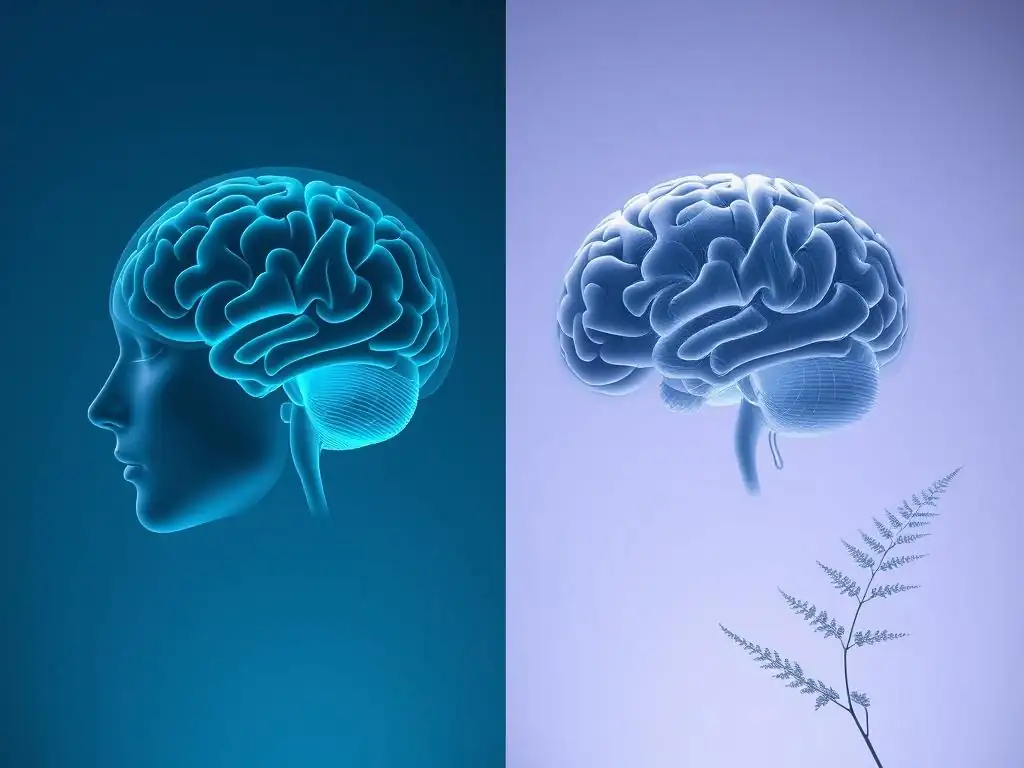
Functional Magnetic Resonance Imaging (fMRI) is a powerful tool that allows researchers to observe brain activity in real-time by detecting changes in blood flow. In the context of depression and executive function, fMRI is used to identify which brain regions are more or less active during cognitive tasks and how different areas communicate with each other. Studies using fMRI have provided crucial insights into the neural basis of cognitive deficits in depression, showing altered activity patterns in the prefrontal cortex, anterior cingulate cortex, and parietal cortex during tasks requiring working memory, cognitive control, and attention.
For example, fMRI studies might show reduced activation in the dorsolateral prefrontal cortex during a working memory challenge in a depressed individual compared to a healthy control. They can also reveal abnormal connectivity patterns, such as decreased communication between the prefrontal cortex and other networks. These findings help researchers understand the underlying mechanisms by which depression impairs prefrontal cortex function and guide the development of targeted interventions. While primarily a research tool, these insights inform clinical understanding and treatment approaches.
Brain Stimulation Techniques (TMS, tDCS)
Brain stimulation techniques, such as Transcranial Magnetic Stimulation (TMS) and Transcranial Direct Current Stimulation (tDCS), offer potential therapeutic avenues by directly modulating brain activity. TMS uses magnetic pulses to stimulate specific areas of the brain, often targeting the dorsolateral prefrontal cortex, which is hypoactive in depression and critical for executive functions. TMS is an FDA-approved treatment for depression and has shown promise in alleviating mood symptoms. Research is ongoing to understand its direct impact on cognitive function, with some studies suggesting potential benefits for executive function in depressed individuals.
tDCS uses a weak electrical current delivered through electrodes placed on the scalp to modulate neuronal excitability in targeted brain regions, including the prefrontal cortex. It is less invasive and more portable than TMS but is still largely considered experimental for depression and cognitive enhancement. Early research suggests tDCS applied to the prefrontal cortex may improve cognitive performance in certain populations, including those with depression. These techniques represent exciting possibilities for directly addressing the neural changes by which depression impairs prefrontal cortex function, offering a complementary approach to medication and psychotherapy.
Differentiating Executive Dysfunction in Depression from ADHD
Executive dysfunction is not unique to depression; it is also a core feature of Attention-Deficit/Hyperactivity Disorder (ADHD). However, there are key differences that help clinicians differentiate between the two. In ADHD, executive dysfunction is typically present from childhood and is a pervasive, lifelong challenge affecting multiple areas of life. The difficulties in ADHD often stem from primary deficits in attention, impulsivity, and hyperactivity, which then lead to problems with executive functions like planning and organization.
In contrast, executive dysfunction in depression is usually acquired, emerging concurrently with or following the onset of mood symptoms. The cognitive difficulties in depression are often characterized by psychomotor slowness, reduced motivation, and negative cognitive biases that exacerbate executive function deficits. While both conditions involve difficulties with attention and organization, the underlying cause, onset, and associated symptom profiles differ. A thorough clinical history, including age of onset and the presence of core mood symptoms, is crucial for accurate diagnosis, ensuring that the treatment addresses the specific way depression impairs prefrontal cortex function versus the developmental differences seen in ADHD.
Understanding the Overlap and Differences with Anxiety Disorders
Anxiety disorders also frequently involve cognitive symptoms that can overlap with executive dysfunction seen in depression. Excessive worry and rumination, common in anxiety, consume cognitive resources and can impair attention and working memory. Avoidance behaviors driven by anxiety can also limit opportunities to practice and strengthen executive skills. Both conditions can impact the prefrontal cortex, albeit potentially through different mechanisms or with different patterns of activity.
However, the nature of the cognitive impairment can differ. While depression often involves psychomotor slowing and a generalized cognitive "fog," anxiety-related cognitive issues might be more driven by intrusive thoughts, hypervigilance, and difficulty disengaging from perceived threats. The emotional intensity of anxiety can acutely disrupt executive control.
It's also common for individuals to experience both depression and anxiety concurrently, making it challenging to disentangle the cognitive effects of each. Clinicians assess the primary diagnosis based on the full symptom profile, recognizing that addressing either condition can lead to improvements in cognitive function, including the specific ways that depression impairs prefrontal cortex function.
Future Directions in Research
Exploring Novel Therapeutic Targets
Research continues to explore novel therapeutic targets for both the mood and cognitive symptoms of depression. Beyond traditional monoamine neurotransmitters, attention is focusing on systems like glutamate, GABA, and pathways involved in neuroinflammation and neuroplasticity. Developing medications that specifically target these systems may offer new ways to improve cognitive function in depression, potentially by directly modulating the activity and connectivity of the prefrontal cortex. For example, drugs that enhance synaptic plasticity or reduce neuroinflammation are being investigated.
Furthermore, research is exploring the potential of psychedelic compounds (like psilocybin and ketamine), which have shown rapid antidepressant effects and may also influence neuroplasticity and cognitive function. Understanding the precise mechanisms by which these novel agents act on the brain, particularly how they might influence the prefrontal cortex and executive networks, is a critical area of study. These efforts aim to move beyond serendipitous findings to develop treatments specifically designed to counteract how depression impairs prefrontal cortex function and restore cognitive health.
Personalizing Treatment Approaches
Recognizing that depression and its impact on cognition vary significantly from person to person, a key future direction is personalizing treatment approaches. This involves using biomarkers (such as genetic profiles, neuroimaging data, or inflammatory markers) to predict which individuals are most likely to benefit from specific treatments, whether they are medications, therapies, or brain stimulation techniques. For example, neuroimaging patterns might help identify individuals whose executive dysfunction is primarily linked to hypoactivity in certain PFC areas, suggesting they might respond better to interventions that stimulate those regions.
Developing personalized cognitive training programs that adapt to an individual's specific profile of executive deficits is another area of focus. Instead of a one-size-fits-all approach, treatments could be tailored to target the most impaired cognitive domains. This personalized medicine approach, informed by a deeper understanding of the neurobiological underpinnings of how depression impairs prefrontal cortex function in each individual, holds the promise of more effective and efficient recovery for both mood and cognitive symptoms.
Conclusion: Reclaiming Cognitive Function
The Importance of Addressing Cognitive Function in Depression Treatment
It is clear that depression is more than a mood disorder; it is a condition that significantly impacts the brain's ability to perform executive functions, essential for navigating daily life. The cognitive impairments, stemming from how depression impairs prefrontal cortex function, can be debilitating, affecting work, relationships, and overall independence. Therefore, addressing cognitive function should be a central component of comprehensive depression treatment, alongside efforts to alleviate mood symptoms. Ignoring these cognitive challenges risks incomplete recovery and persistent difficulties for individuals.
Integrating assessments of executive function into clinical practice can help identify these deficits early. Treatment plans should then consider strategies specifically aimed at improving cognition, whether through targeted therapies, medication choices that may have cognitive benefits, lifestyle interventions, or emerging techniques like cognitive training and brain stimulation. A holistic approach acknowledges the full spectrum of depression's impact, moving beyond just lifting mood to restoring the cognitive vitality necessary for a fulfilling life.
Empowering Individuals to Take Control of Their Mental Well-being
Understanding the impact of depression on executive function empowers individuals to take an active role in their recovery. Learning about how depression impairs prefrontal cortex function can help destigmatize cognitive difficulties, framing them as symptoms of a treatable condition rather than personal failings. This knowledge allows individuals to advocate for comprehensive treatment that includes cognitive support and to adopt lifestyle strategies that can promote brain health and neuroplasticity.
By implementing strategies like regular exercise, good sleep hygiene, mindfulness, and potentially cognitive exercises, individuals can actively work towards improving their executive functions. Setting realistic goals, breaking down tasks, and using organizational tools can also help manage day-to-day challenges while cognitive function recovers. Recovery from depression is a journey that involves addressing both the emotional and cognitive aspects. By understanding the profound impact of depression on the brain and executive authority, individuals can feel more in control and hopeful about reclaiming their cognitive abilities and overall mental well-being.
Frequently Asked Questions
How does depression specifically affect the prefrontal cortex (PFC)?
Depression often leads to a reduction in PFC activity, impacting its ability to regulate emotions and make decisions. This can manifest as difficulties with planning, focus, and problem-solving.
What are the most common executive function impairments associated with depression and a less active PFC?
Common impairments include difficulty concentrating, trouble with working memory, and impaired cognitive flexibility. This makes it harder to adapt to changing situations.
Can the effects of depression on the prefrontal cortex be reversed or mitigated?
Yes, with appropriate treatment, such as therapy and/or medication, the PFC's function can improve. Lifestyle changes like exercise and mindfulness can also help.
Besides medication and therapy, what other resources are available to support PFC function in individuals with depression?
Resources include cognitive training exercises designed to improve focus and memory. Support groups and stress management techniques can also be beneficial.
How does "Mind Care Guide" assist individuals in understanding and addressing the impact of depression on their prefrontal cortex?
"Mind Care Guide" offers information, support, and resources tailored to understanding and managing depression. We provide access to expert advice and practical strategies for improving mental well-being.
Final Reflection: Reclaiming Executive Function from the Grip of Depression
The debilitating effects of depression extend far beyond a fleeting low mood; they represent a significant compromise of the prefrontal cortex's (PFC) executive authority, impacting nearly every facet of daily life. This impairment, as explored throughout this article, isn't simply a matter of feeling sad; it's a neurological reality that affects decision-making, planning, emotional regulation, and even basic cognitive functions. Understanding this connection is crucial for developing effective treatment strategies and fostering a more compassionate and informed approach to mental health.
The pervasive influence of depression on the PFC's executive functions is a continuing challenge, shaping not only individual lives but also the broader social and cultural landscape. We see its impact in reduced productivity, strained relationships, and increased societal burdens. The stigma surrounding mental illness further exacerbates the problem, preventing many from seeking help and hindering open conversations about this critical issue. The mind is not a vessel to be filled, but a fire to be kindled.
– Plutarch. This quote highlights the potential for growth and recovery, but only if we actively address the underlying neurological challenges posed by depression's impact on the PFC.
Now, consider your own life. Have you experienced moments where decision-making felt clouded, motivation faltered, or emotional regulation proved elusive? Perhaps these experiences offer a glimpse into the subtle yet powerful ways depression can hijack the PFC's executive functions. I urge you to reflect on this connection, to seek professional help if needed, and to advocate for a more understanding and supportive environment for those struggling with depression. By acknowledging the profound impact of this illness on the brain, we can pave the way for more effective treatments, stronger support systems, and ultimately, a brighter future for those affected.
Unlock Your Brain's Full Potential: Take Charge of Your Executive Function
Thanks for taking the time to explore the profound connection between depression and your prefrontal cortex. You've gained valuable insights into how depression impacts your executive functions, and now it's time to put that knowledge into action.
Here's how you can start reclaiming your cognitive power:
- Prioritize one small, achievable goal related to your executive function today. This could be anything from making your bed to completing a single work task. Celebrate your success!
- Consider journaling about your executive function experiences this week. This can help you identify patterns and track your progress.
- Share this article with someone who might benefit. Let's start a conversation about mental health and brain function!
Ready to strengthen your prefrontal cortex and build a more resilient you? What's one small step you'll take today to improve your executive function?