
Valerian Root for Stress & Sleep: Effectiveness, Dosage, and Safety


Welcome to Mind Care Guide, a safe space to explore your mental well-being.
Feeling overwhelmed and searching for a natural way to unwind? You're not alone. We understand the struggle, and that's why we've dedicated this guide to exploring the potential benefits of Valerian root for stress & sleep. Could this ancient herb be the key to unlocking a more peaceful night and a calmer day? Let's delve into its effectiveness, proper dosage, and safety considerations, and discover if it's the right choice for you.
Valerian Root for Stress & Sleep: Effectiveness, Dosage, and Safety | Mind Care Guide
- Understanding the Stress & Sleep Connection: Why Valerian Root Might Help
- Valerian Root: A Natural Remedy for Stress and Insomnia
- Valerian Root for Stress Relief: Does It Really Work?
- Valerian Root for Sleep Improvement: A Deeper Dive
- Dosage and Administration: Finding the Right Amount of Valerian Root
- Potential Side Effects and Safety Considerations
- Choosing the Right Valerian Root Supplement: Quality Matters
- Maximizing the Benefits: Combining Valerian Root with Other Healthy Habits
- Conclusion: Is Valerian Root Right for You? A Summary and Recommendation
-
Frequently Asked Questions
- What is valerian root, and how does it relate to stress and sleep?
- How effective is valerian root for reducing stress and improving sleep?
- What is the recommended dosage of valerian root for stress and sleep?
- Are there any potential side effects or safety concerns associated with valerian root?
- Where can I find reliable information and support related to stress, sleep, and mental well-being?
- Final Reflection: Unlocking the Calming Power of Valerian Root
- Unlock Your Inner Calm: Take Control of Stress and Sleep
Understanding the Stress & Sleep Connection: Why Valerian Root Might Help
The Vicious Cycle of Stress and Sleeplessness: How It Impacts Mental Well-being
Chronic stress is intrinsically linked to sleep disturbances, creating a challenging cycle that significantly impacts mental well-being. When we experience stress, our body activates the fight-or-flight response, releasing hormones like cortisol. Elevated cortisol levels can disrupt the body's natural sleep-wake cycle, making it difficult to fall asleep or stay asleep. A 2015 study published in Sleep Science highlighted that perceived stress levels were strongly correlated with insomnia severity in a cohort of over 1,000 participants, demonstrating the tangible impact of stress on sleep patterns.
Furthermore, insufficient or poor-quality sleep exacerbates stress levels. Lack of sleep impairs the prefrontal cortex, the part of the brain responsible for executive functions like problem-solving and emotional regulation. This impairment can make individuals more reactive to stressors, less able to cope with challenges, and more prone to anxiety and irritability. Research indicates that even a single night of poor sleep can increase anxiety levels by up to 30%, illustrating how quickly this negative feedback loop between Valerian root stress sleep challenges can take hold and negatively affect overall mental health.
Exploring Natural Solutions: Why Valerian Root Is Gaining Popularity
As awareness grows regarding the interconnectedness of stress and sleep and the potential drawbacks of conventional medications, many individuals are turning to natural remedies. There's a rising interest in botanical supplements that may offer a gentler approach to managing these common issues. This shift is partly driven by a desire for fewer side effects and a preference for holistic wellness practices. The market for herbal supplements targeting stress and sleep has seen substantial growth, reflecting this increasing consumer demand for natural alternatives.
Among the plethora of options, Valerian root has emerged as a particularly popular choice for those seeking natural support for Valerian root stress sleep concerns. Its long history of traditional use for calming purposes, coupled with ongoing scientific investigation, lends it credibility as a potential aid. Unlike some synthetic options, Valerian root is often perceived as less likely to cause dependency or severe morning grogginess, although individual responses can vary. This perception, supported by some research findings, contributes significantly to its appeal as a go-to herbal remedy for managing mild to moderate stress and improving sleep quality.
Valerian Root: A Natural Remedy for Stress and Insomnia
What is Valerian Root? Exploring Its Origins and Traditional Uses
Valerian root (Valeriana officinalis) is derived from a perennial flowering plant native to Europe and Asia. Its use as a medicinal herb dates back centuries, with historical records indicating its application in ancient Greece and Rome. Hippocrates, often considered the father of Western medicine, described its therapeutic properties, and Galen later prescribed it for insomnia. Throughout the Middle Ages, it was commonly used for nervousness, trembling, and headaches, solidifying its reputation as a calming agent.
Traditional medicine systems across various cultures incorporated Valerian root for its sedative and anxiolytic (anxiety-reducing) effects. It was often brewed as a tea or used in tinctures to treat conditions ranging from restlessness and sleep disorders to digestive issues linked to stress. This extensive history of traditional use, spanning thousands of years and multiple continents, provides a strong foundation for understanding its potential benefits, particularly in addressing Valerian root stress sleep disturbances.
How Does Valerian Root Work? Unveiling Its Mechanisms of Action in the Brain
The exact mechanisms by which Valerian root exerts its effects are complex and believed to involve multiple compounds found within the plant. These include valerenic acids, iridoids (like valepotriates), and essential oils. Research suggests that these compounds may interact with various neurotransmitter systems in the brain, primarily those involved in regulating mood, anxiety, and sleep. While not fully understood, the synergistic action of these components is thought to contribute to its overall calming and sleep-promoting properties, making Valerian root a subject of significant scientific interest regarding Valerian root stress sleep relief.
One key area of focus is Valerian root's potential interaction with the gamma-aminobutyric acid (GABA) system. GABA is the primary inhibitory neurotransmitter in the central nervous system, meaning it helps to reduce neuronal excitability and promote relaxation. By potentially enhancing GABAergic activity, Valerian root may help to quiet the nervous system, leading to reduced feelings of stress and anxiety and facilitating the onset and maintenance of sleep. This interaction with the GABA system is considered a leading hypothesis for how Valerian root helps manage Valerian root stress sleep issues.
The Role of GABA: How Valerian Root Influences Relaxation
GABA acts like a brake pedal for the brain. When GABA binds to its receptors, it reduces the firing rate of neurons, which in turn decreases overall brain activity. This inhibitory effect is crucial for transitioning into a relaxed state and preparing the brain for sleep. Many prescription anti-anxiety medications and sedatives work by enhancing GABA signaling.
Valerian root compounds, particularly valerenic acids, are thought to interact with GABA receptors or potentially increase the availability of GABA in the synaptic cleft. While the precise mechanism isn't identical to pharmaceutical drugs, the outcome appears to be a similar calming effect. This interaction helps explain why Valerian root is traditionally used and scientifically studied for its ability to reduce nervousness and promote a sense of tranquility, directly addressing the stress component of Valerian root stress sleep challenges.
Valerian Root for Stress Relief: Does It Really Work?
Clinical Evidence: Examining Studies on Valerian Root and Stress Reduction
Clinical research on Valerian root for stress reduction has yielded mixed but promising results. Some studies suggest a positive effect on subjective feelings of anxiety and stress, particularly in individuals experiencing mild to moderate levels. For instance, a double-blind, placebo-controlled study published in Phytotherapy Research involving participants with generalized anxiety found that those taking Valerian extract reported reduced anxiety symptoms compared to the placebo group after several weeks.
However, not all studies show a significant difference compared to placebo, and the effects can vary depending on the dosage, the specific extract used, and the duration of the study. A review of multiple studies concluded that while Valerian root appears safe, the evidence for its efficacy in treating specific anxiety disorders is not conclusive enough to recommend it over conventional treatments.
Nonetheless, for general feelings of stress or nervousness not associated with a diagnosed disorder, many individuals and some studies indicate a noticeable calming effect, contributing to its reputation as a potential aid for Valerian root stress sleep issues.
Real-World Experiences: User Testimonials on Valerian Root for Anxiety
Beyond clinical trials, anecdotal evidence from users provides valuable insight into the practical effects of Valerian root on stress and anxiety. Many individuals report a subtle but noticeable reduction in feelings of tension and worry after taking Valerian root, especially during periods of heightened stress. For example, a common testimonial might describe feeling "less on edge" or "more able to handle daily pressures" when regularly using Valerian root as part of their evening routine to address Valerian root stress sleep difficulties.
Online forums and product reviews frequently feature personal accounts of Valerian root helping to quiet racing thoughts and promote a sense of calm that makes it easier to unwind. While these testimonials are subjective and not a substitute for scientific data, they reflect the real-world experiences of people who have found Valerian root beneficial for managing mild anxiety symptoms and improving their ability to relax before sleep. These personal stories underscore its popularity as a natural option for those seeking support for Valerian root stress sleep concerns.
Comparing Valerian Root to Other Stress-Relieving Supplements: Ashwagandha and L-Theanine
When exploring natural options for stress, Valerian root is often compared to other popular supplements like Ashwagandha and L-Theanine. Ashwagandha is an adaptogenic herb, traditionally used in Ayurvedic medicine to help the body adapt to stress. It's often taken daily to support overall stress resilience and cortisol balance. Studies have shown Ashwagandha can significantly reduce cortisol levels and perceived stress in chronically stressed individuals.
L-Theanine, an amino acid found primarily in green tea, is known for promoting relaxation without causing drowsiness. It affects brain waves, increasing alpha waves associated with a calm, focused state. L-Theanine is often used for acute stress relief or to promote relaxation during the day. While all three target stress, Valerian root is perhaps most strongly associated with promoting sleep in addition to calming effects, making it a dual-purpose option for Valerian root stress sleep issues, whereas Ashwagandha is more about long-term stress adaptation and L-Theanine for immediate relaxation.
Valerian Root vs. Ashwagandha: Which is better for stress?
Choosing between Valerian root and Ashwagandha for stress depends largely on the type of stress experienced and the desired outcome. If your primary concern is acute stress that prevents you from relaxing or falling asleep in the evening, Valerian root might be a more suitable choice due to its more immediate sedative properties. Many users take Valerian root specifically before bedtime to help manage the stress that contributes to insomnia.
In contrast, if you experience chronic stress throughout the day, feel generally run down, and are looking for something to help your body build resilience to stress over time, Ashwagandha is often the preferred option. Ashwagandha's adaptogenic effects are cumulative and work to modulate the stress response axis.
Therefore, for managing Valerian root stress sleep issues where sleep is significantly impacted by evening stress, Valerian root may be directly helpful, while Ashwagandha might address the underlying chronic stress contributing to sleep problems over time. Some individuals even find benefit in using both, though it's wise to consult a healthcare provider before combining supplements.
Valerian Root for Sleep Improvement: A Deeper Dive
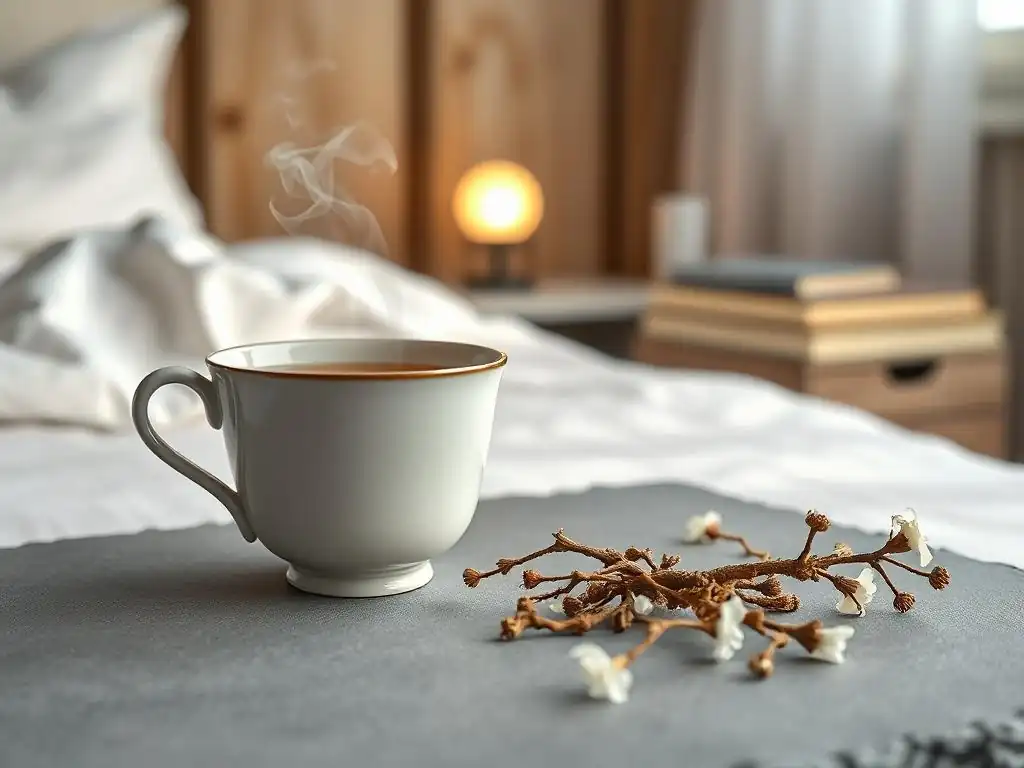
Scientific Studies: Investigating Valerian Root's Impact on Sleep Quality and Duration
The efficacy of Valerian root for sleep improvement has been the subject of numerous scientific studies, with results showing varying degrees of positive impact. Some studies suggest that Valerian root can help reduce the time it takes to fall asleep (sleep latency) and improve overall sleep quality, particularly in individuals experiencing mild to moderate insomnia. A meta-analysis published in the American Journal of Medicine in 2006 reviewed 16 studies and concluded that Valerian might improve sleep quality without producing morning grogginess, although the evidence was not uniformly strong across all trials.
More recent research continues to explore its effects. A study published in Sleep Medicine involving women experiencing sleep disturbances during menopause found that Valerian extract significantly improved sleep quality compared to placebo after 4 weeks of treatment. While results can be inconsistent across different populations and study designs, a significant body of evidence suggests that Valerian root offers a modest benefit for improving sleep quality, which is a key component for those struggling with Valerian root stress sleep challenges.
Using Valerian Root for Insomnia: Practical Tips and Strategies
For individuals seeking to use Valerian root for insomnia, practical application is key. It's often recommended to take Valerian root approximately 30 minutes to 2 hours before bedtime to allow time for its effects to manifest. Consistency can also be important; some studies suggest that the benefits of Valerian root for sleep may become more noticeable after regular use for a few days or even weeks, rather than providing immediate relief from a single dose.
Here are some practical tips for incorporating Valerian root for insomnia:
- [ ] Start with a lower dose and gradually increase if needed, staying within recommended ranges.
- [ ] Take it consistently at the same time each evening.
- [ ] Be patient; noticeable improvements might take 1-2 weeks.
- [ ] Combine it with good sleep hygiene practices.
Using Valerian root as part of a comprehensive approach to managing Valerian root stress sleep issues, which includes establishing a regular sleep schedule and creating a relaxing bedtime routine, is often more effective than relying on the supplement alone.
Valerian Root vs. Melatonin: A Comparison for Sleep Aid
Valerian root and Melatonin are two of the most popular natural sleep aids, but they work differently and may be suitable for different types of sleep issues. Melatonin is a hormone naturally produced by the body that signals the onset of night and helps regulate the sleep-wake cycle (circadian rhythm). It is often used to help with sleep onset difficulties, jet lag, or adjusting to shift work, particularly when the timing of sleep needs to be shifted.
Valerian root, as discussed, is believed to work through interaction with the GABA system, promoting relaxation and reducing anxiety, which can make it easier to fall asleep and stay asleep. It may be more helpful for individuals whose insomnia is primarily driven by stress, anxiety, or general restlessness rather than a disrupted circadian rhythm. Understanding this distinction is crucial when choosing between Valerian root and Melatonin for addressing Valerian root stress sleep problems.
Why Valerian Root Might Be a Better Option for Some
For individuals whose sleep problems are closely tied to stress, anxious thoughts, or an inability to "switch off" at night, Valerian root might be a more effective choice than Melatonin. While Melatonin helps regulate the timing of sleep, Valerian root helps promote the state of relaxation necessary for sleep to occur naturally. If you find yourself lying awake with a racing mind or feeling physically tense due to stress, Valerian root's calming properties could be particularly beneficial.
Additionally, some people report experiencing vivid dreams or feeling groggy in the morning after taking Melatonin, even at low doses. While Valerian root can also cause side effects, it may be less likely to interfere with dream recall or cause morning drowsiness for some individuals, making it a preferred option for those sensitive to Melatonin's effects. Ultimately, the best choice depends on the individual's specific sleep challenges and how they respond to each supplement when addressing Valerian root stress sleep concerns.
Dosage and Administration: Finding the Right Amount of Valerian Root
Determining the Optimal Dosage for Stress and Sleep
Determining the optimal dosage of Valerian root for stress and sleep can be challenging because there is no single standard recommendation that works for everyone. Dosages used in clinical studies vary widely, typically ranging from 400 mg to 900 mg of Valerian extract per dose. For sleep, a common recommendation based on research is around 400-600 mg of extract taken shortly before bedtime.
For stress relief during the day, lower doses, such as 200-400 mg, might be taken up to three times daily, although this can sometimes cause drowsiness. It's crucial to follow the specific dosage instructions on the product label, as the concentration of active compounds can vary significantly between different extracts and manufacturers. Starting with the lowest effective dose and gradually increasing if necessary is a prudent approach to find the right Valerian root stress sleep dose for your needs.
Different Forms of Valerian Root: Capsules, Teas, and Extracts
Valerian root is available in several forms, each with its own characteristics. Capsules and tablets are perhaps the most common and convenient forms, offering standardized dosages of extract. These are easy to take and mask the strong, often unpleasant odor of Valerian root. Dosages are clearly marked, making it easier to control intake.
Valerian root tea is another traditional method of consumption. It involves steeping the dried root in hot water. While soothing, the concentration of active compounds in tea can be inconsistent, and the taste and smell are often described as earthy or even "stinky."
Liquid extracts (tinctures) offer a more concentrated form than tea and can be added to water or juice. They are absorbed relatively quickly but also share the characteristic strong flavor. Choosing the form often comes down to personal preference for taste, convenience, and desired speed of effect when using Valerian root for Valerian root stress sleep support.
Timing is Key: When to Take Valerian Root for Best Results
The timing of Valerian root administration is critical, especially when using it for sleep. For insomnia, the most common recommendation is to take a dose approximately 30 minutes to 2 hours before you plan to go to bed. This timeframe allows the active compounds to be absorbed and begin exerting their calming effects as you prepare for sleep.
If using Valerian root for general stress relief throughout the day, smaller doses can be taken as needed, but be mindful of potential drowsiness. Some individuals find it helpful to take a dose in the late afternoon to help unwind before the evening, particularly if daytime stress contributes significantly to their Valerian root stress sleep issues later at night. Consistency in timing, especially for sleep, can help reinforce the body's natural sleep cues.
Potential Side Effects and Safety Considerations
Understanding Potential Side Effects of Valerian Root
While generally considered safe for most adults when taken at recommended doses for short periods (typically up to 4-6 weeks), Valerian root can cause side effects in some individuals. The most commonly reported side effects are mild and may include:
- Headache
- Dizziness
- Stomach upset (nausea, abdominal cramps)
- Unusual dreams
- Restlessness or excitability (paradoxical effect)
Some people also experience a feeling of morning grogginess, although this is often less common or less severe than with some prescription sleep medications. If side effects occur, reducing the dose or discontinuing use is usually sufficient to resolve them. It's important to pay attention to your body's response when starting Valerian root for Valerian root stress sleep issues.
Drug Interactions: What to Avoid When Taking Valerian Root
Valerian root can interact with certain medications, which is a crucial safety consideration. Due to its potential sedative effects and interaction with the GABA system, it should be used with extreme caution or avoided altogether if you are taking:
- Sedatives or tranquilizers (e.g., benzodiazepines like Xanax or Valium, barbiturates)
- Antidepressants (especially those affecting serotonin, although interactions are less common)
- Antihistamines that cause drowsiness (e.g., diphenhydramine)
- Opioid pain medications
- Alcohol
Combining Valerian root with these substances can enhance their sedative effects, potentially leading to excessive drowsiness, impaired coordination, and other dangerous side effects. Always consult with a healthcare provider or pharmacist before taking Valerian root if you are currently on any prescription medications or other supplements to ensure there are no potential drug interactions affecting your Valerian root stress sleep management plan.
Valerian Root During Pregnancy and Breastfeeding: Safety Guidelines
The safety of Valerian root during pregnancy and breastfeeding has not been adequately studied. Therefore, it is generally recommended that pregnant and breastfeeding women avoid using Valerian root. The potential effects of the compounds in Valerian root on fetal development or infant health are unknown.
Given the lack of sufficient research and the principle of caution, it is best for expectant and new mothers to err on the side of safety. If you are pregnant, breastfeeding, or planning to become pregnant and are experiencing stress or sleep difficulties, it is essential to discuss safe and appropriate treatment options with your healthcare provider. They can recommend alternatives that have established safety profiles for use during these critical periods, ensuring both your well-being and that of your child without relying on Valerian root for stress and sleep support.
Choosing the Right Valerian Root Supplement: Quality Matters

Key Factors to Consider When Buying Valerian Root
When selecting a Valerian root supplement, quality is paramount to ensure effectiveness and safety. The concentration and consistency of active compounds can vary significantly between products. Look for supplements that specify the amount of Valerian extract per serving, rather than just listing the total weight of the raw root powder. Extracts, particularly those standardized to contain a certain percentage of valerenic acids, are often considered more reliable.
Consider the form of the supplement (capsule, tea, tincture) based on your preference and how you plan to use it for Valerian root stress sleep support. Reputable brands will provide information about their sourcing and manufacturing processes. Avoid products with excessive fillers, artificial colors, or preservatives. Prioritizing quality helps ensure you are getting a consistent and potentially effective dose.
Recommended Valerian Root Products for Stress and Sleep
While I cannot recommend specific brands or products directly, I can guide you on what to look for in a high-quality Valerian root supplement for stress and sleep. Look for products that are transparent about their ingredients and sourcing. Many consumers prefer brands that use organic Valerian root and employ extraction methods that preserve the beneficial compounds.
Consider products that have positive reviews from other users who have taken the supplement specifically for Valerian root stress sleep issues. While reviews are subjective, they can offer insights into general effectiveness and user experience. Focus on brands that have a good reputation in the natural health industry and are known for their commitment to quality and purity.
Analyzing Ingredients and Third-Party Certifications: Ensuring Product Quality
To truly ensure the quality of a Valerian root supplement, examine the ingredient list carefully. A high-quality extract should be the primary ingredient, often listed with its concentration or standardization (e.g., standardized to 0.8% valerenic acids). Be wary of proprietary blends that don't disclose the amounts of individual ingredients.
Third-party certifications provide an extra layer of assurance regarding product quality, purity, and potency. Look for certifications from organizations like NSF International, USP (United States Pharmacopeia), or ConsumerLab. These certifications indicate that the product has been independently tested to verify that it contains what the label claims and is free from harmful contaminants. Choosing products with such certifications is a wise step when seeking effective and safe Valerian root for stress and sleep.
Maximizing the Benefits: Combining Valerian Root with Other Healthy Habits
Lifestyle Changes for Stress Reduction: Complementing Valerian Root
While Valerian root can be a helpful tool for managing stress, its effectiveness is often enhanced when combined with positive lifestyle changes. Incorporating regular physical activity is a powerful stress reliever; even moderate exercise like walking or yoga can help reduce tension and improve mood. A balanced diet rich in whole foods provides the nutrients necessary for optimal brain function and stress resilience.
Limiting caffeine and alcohol intake, particularly in the evening, can also significantly impact both stress levels and sleep quality. Both substances can disrupt sleep patterns and exacerbate anxiety. By adopting these healthier habits alongside using Valerian root for Valerian root stress sleep support, you create a more robust strategy for managing your mental well-being.
Mindfulness and Relaxation Techniques: Enhancing Valerian Root's Effects
Practicing mindfulness and relaxation techniques can further amplify the benefits of Valerian root. Techniques such as deep breathing exercises, progressive muscle relaxation, meditation, or guided imagery help activate the body's relaxation response, counteracting the stress response. Dedicating even just 10-15 minutes a day to these practices can make a noticeable difference in your overall stress levels.
Using Valerian root as part of a relaxing bedtime routine that includes these techniques can be particularly effective for addressing Valerian root stress sleep issues. For example, taking Valerian root tea while practicing deep breathing before bed can create a powerful synergistic effect, preparing both your mind and body for restful sleep.
Creating a Sleep-Friendly Environment: Optimizing Your Sleep Hygiene
Optimizing your sleep environment and habits, collectively known as sleep hygiene, is fundamental for improving sleep quality, regardless of whether you use supplements. Ensure your bedroom is dark, quiet, and cool. Invest in a comfortable mattress and pillows. Establish a consistent sleep schedule, going to bed and waking up at roughly the same time each day, even on weekends.
Avoid electronic devices (phones, tablets, TVs) in the hour leading up to bedtime, as the blue light they emit can interfere with melatonin production. By creating an environment conducive to sleep and practicing good habits, you provide the best possible foundation for Valerian root to work effectively in supporting your Valerian root stress sleep goals.
Conclusion: Is Valerian Root Right for You? A Summary and Recommendation
Weighing the Pros and Cons: Making an Informed Decision
Deciding whether Valerian root is the right option for managing your stress and sleep challenges involves weighing its potential benefits against the possible drawbacks. On the positive side, Valerian root has a long history of traditional use, is generally considered safe for short-term use, and may offer a natural alternative for reducing mild to moderate stress and improving sleep quality without the risk of dependency associated with some prescription medications. Many users report positive experiences using Valerian root for Valerian root stress sleep issues.
However, the scientific evidence supporting its efficacy is sometimes inconsistent, side effects like headache or grogginess can occur in some individuals, and it can interact with certain medications. It is not recommended for pregnant or breastfeeding women. Making an informed decision requires considering your individual symptoms, health status, current medications, and preferences for natural versus conventional treatments.
Where to Buy High-Quality Valerian Root Supplements
When you decide to purchase Valerian root supplements for Valerian root stress sleep support, prioritizing quality is essential. Look for reputable brands known for transparency in sourcing and manufacturing. Seek out products that clearly state the dosage of Valerian extract and ideally are standardized to valerenic acids.
Consider purchasing from established health food stores, pharmacies, or online retailers that specialize in high-quality dietary supplements. Checking for third-party certifications like USP or NSF can provide added confidence in the product's purity and potency. Remember to read product reviews, but rely primarily on information about ingredient quality and testing when making your selection. Consulting with a healthcare professional before starting any new supplement, including Valerian root, is always recommended, especially if you have underlying health conditions or are taking other medications.
Frequently Asked Questions
What is valerian root, and how does it relate to stress and sleep?
Valerian root is an herbal supplement traditionally used to promote relaxation and improve sleep quality. It's believed to interact with brain receptors to reduce anxiety and encourage rest.
How effective is valerian root for reducing stress and improving sleep?
Studies show that valerian root may be effective for some individuals in reducing mild stress and improving sleep latency (time to fall asleep). However, results are often variable and more research is needed.
What is the recommended dosage of valerian root for stress and sleep?
Dosage varies, but commonly recommended doses range from 400-900mg of valerian root extract taken 30-60 minutes before bedtime. Always start with a lower dose and consult a healthcare professional.
Are there any potential side effects or safety concerns associated with valerian root?
Possible side effects include dizziness, headache, and stomach upset. It's important to be cautious when combining valerian root with other sedatives or alcohol. Consult your doctor before use, especially if you have underlying health conditions.
Mind Care Guide offers a comprehensive guide to mental well-being, providing information, support, and resources for various mental health challenges, including stress and sleep disorders.
Final Reflection: Unlocking the Calming Power of Valerian Root
The search for natural remedies for stress and sleep continues to surge, and valerian root, with its long history of use, stands as a compelling option in this ever-growing market. Its efficacy, while needing further robust scientific investigation, offers a promising avenue for those seeking gentler alternatives to pharmaceutical sleep aids. The potential benefits, coupled with the relatively low risk of side effects when used correctly, make it a topic worthy of continued exploration and responsible consideration.
The impact of chronic stress and sleep deprivation on modern society is undeniable, affecting our physical and mental well-being in profound ways. The quest for effective and safe solutions is a deeply personal one, reflecting a broader societal shift towards holistic wellness. The body achieves what the mind believes.
This simple yet powerful statement underscores the importance of finding natural pathways to manage stress and improve sleep quality, and valerian root represents one such pathway deserving of thoughtful consideration. Its enduring presence in traditional medicine highlights its significance across cultures and generations.
Consider your own relationship with stress and sleep. Are you prioritizing self-care and exploring natural options to improve your well-being? This article serves as a starting point, not an end point. Further research, consultation with healthcare professionals, and mindful self-assessment are crucial steps in determining if valerian root is the right choice for you. Embrace the opportunity to understand your body's needs and actively participate in your journey towards a healthier, more restful life.
Unlock Your Inner Calm: Take Control of Stress and Sleep
Thanks for taking the time to explore the world of valerian root with us! We hope you've gained valuable insights into its potential benefits for stress and sleep. Now, it's time to put this knowledge into action.
- Prioritize your sleep hygiene: Start by tracking your sleep patterns for a week. Note your bedtime, wake-up time, and any factors affecting your rest. This personalized data will be invaluable in determining next steps for better sleep.
- Experiment with a Valerian Tea Ritual: Try incorporating a calming valerian tea into your evening routine. Note how it affects your sleep and energy levels – everyone reacts differently.
- Share your experiences: Connect with our community! Share your experiences with valerian root in the comments below – your insights can help others on their journey to better sleep and stress management.
What small change will you make tonight to improve your sleep quality?