
Mindful Walking: A Moving Meditation to Soothe Anxiety


Welcome!
Feeling overwhelmed? You're not alone. At Mind Care Guide, we understand the daily struggles that anxiety can bring. That's why we're dedicated to providing you with compassionate support and practical tools to navigate your mental well-being journey.
In this article, we'll explore a simple yet powerful technique: mindful walking. Can consciously connecting with each step truly reduce anxiety? Discover how this moving meditation can help you find calm amidst the chaos and unlock a sense of inner peace. Let's begin!
Mindful Walking: A Moving Meditation to Soothe Anxiety
- Understanding Mindful Walking and Anxiety Relief
- Getting Started with Mindful Walking for Anxiety
- Integrating Mindful Walking into Your Daily Routine for Sustained Anxiety Relief
- Advanced Mindful Walking Practices for Anxiety
- The Long-Term Impact of Mindful Walking on Anxiety and Mental Health
- Mindful Walking: A Powerful Tool for Anxiety Reduction and Mental Wellness
- Frequently Asked Questions
- Final Reflection: The Path to Calm: Walking Your Way to Peace
- Unlock Your Inner Calm: Start Walking Mindfully Today!
Understanding Mindful Walking and Anxiety Relief
What is Mindful Walking? Exploring the Basics
Mindful walking is a practice that combines the physical act of walking with the mental discipline of mindfulness. Unlike a typical stroll where your mind might wander to errands or worries, mindful walking involves deliberately bringing your attention to the present moment. This means noticing the sensations in your body, the feeling of your feet touching the ground, the movement of your limbs, and the rhythm of your breath.
It's about engaging your senses with the experience of walking itself, rather than focusing on a destination or allowing your thoughts to drift uncontrolled. The goal isn't to walk fast or cover a certain distance, but to cultivate awareness and presence with each step.
This practice is essentially a form of moving meditation. While traditional meditation often involves sitting still, mindful walking offers an accessible alternative for those who find stillness challenging or prefer movement. It transforms an everyday activity into an opportunity for self-awareness and calm. By intentionally directing attention away from internal chatter and towards sensory input, mindful walking helps to anchor you in the here and now, providing a respite from the often overwhelming thoughts associated with anxiety.
How Mindful Walking Reduces Anxiety: The Science Behind It
The practice of mindful walking reduces anxiety through several interconnected physiological and psychological mechanisms. Physically, the rhythmic movement of walking has been shown to stimulate the vagus nerve, which plays a key role in regulating the body's stress response. Activation of the vagus nerve helps shift the nervous system from the 'fight or flight' sympathetic state towards the 'rest and digest' parasympathetic state, promoting a sense of calm. Studies have indicated that even moderate physical activity, like walking, can lower levels of cortisol, the primary stress hormone, contributing to a significant reduction in overall stress and anxiety levels.
Psychologically, mindful walking counters anxiety by interrupting the cycle of worry and rumination. Anxiety often involves getting caught in loops of negative thoughts about the past or future. By focusing attention on present-moment sensations—the feeling of air on your skin, the sound of your footsteps, the simple act of breathing—mindful walking redirects mental energy away from these anxious thought patterns.
This intentional shift in focus strengthens your ability to detach from distressing thoughts, viewing them as temporary mental events rather than absolute truths. This practice builds resilience and teaches the mind to return to a state of calm presence, making mindful walking reduce anxiety effectively over time.
Benefits of Mindful Walking for Anxiety and Mental Wellbeing
Incorporating mindful walking into your routine offers a multitude of benefits specifically targeted at reducing anxiety and enhancing overall mental wellbeing. One significant advantage is its accessibility; it requires no special equipment or location beyond a safe space to walk, making it easy to practice regularly. Regular engagement with mindful walking can lead to a noticeable decrease in the frequency and intensity of anxious feelings. By consistently practicing present-moment awareness, individuals develop a greater capacity to observe anxious thoughts without becoming overwhelmed by them, fostering emotional regulation.
Beyond direct anxiety reduction, mindful walking cultivates a deeper connection with oneself and the surrounding environment. This enhanced awareness can lead to increased self-compassion and a greater appreciation for the simple aspects of life, both of which are protective factors against anxiety and depression. Furthermore, the physical aspect of walking contributes to improved mood by releasing endorphins, often referred to as "feel-good" chemicals. Combining this physical benefit with the mental clarity gained through mindfulness creates a powerful synergy that supports robust mental health, affirming that mindful walking reduce anxiety and boosts overall resilience.
Getting Started with Mindful Walking for Anxiety
Preparing for Your Mindful Walk: Setting the Stage
Preparation for mindful walking is simple but crucial for maximizing its anxiety-reducing benefits. Begin by choosing a time when you can dedicate at least 10-20 minutes without feeling rushed or interrupted. It's helpful to select a relatively quiet and safe environment where you feel comfortable, such as a park, a quiet street, or even a hallway in your home.
Wear comfortable shoes and clothing appropriate for the weather. Before you step out, take a moment to set an intention for your walk. This intention could be as simple as "I intend to be present with each step" or "I intend to use this walk to find a sense of calm."
Physically, a brief warm-up is advisable, though not strictly necessary for a slow, mindful pace. Mentally, try to leave behind any distractions—put your phone on silent or leave it at home if possible. This preparation phase is about creating a dedicated space, both physically and mentally, for the practice. It signals to your mind and body that this time is for focused awareness and self-care, setting a positive tone for how mindful walking reduce anxiety during your session.
Step-by-Step Guide to Mindful Walking for Anxiety Reduction
Here is a step-by-step guide to practicing mindful walking to help reduce anxiety:
Step 1: Find a Quiet and Safe Location
Choose a place where you feel safe and can walk without significant distractions. This could be a peaceful park trail, a less-busy sidewalk, or even a quiet path around your garden. The familiarity and safety of the location allow you to relax and focus inward.
Step 2: Focus on Your Breath
As you begin walking, gently bring your attention to your breath. Notice the sensation of air entering and leaving your body. You don't need to change your breathing, just observe its natural rhythm. Synchronizing your steps with your breath can be helpful for some people; for example, inhaling for three steps and exhaling for three steps.
Step 3: Pay Attention to Your Body Sensations During Walking
Shift your awareness to the physical sensations of walking. Notice the feeling of your feet inside your shoes, the contact of your soles with the ground, the movement of your legs and arms, and the swing of your hips. Feel the weight shifting from one foot to the other. Pay attention to the posture of your body.
Step 4: Acknowledge and Release Anxious Thoughts
Thoughts, especially anxious ones, will inevitably arise. When they do, gently acknowledge them without judgment. Imagine them like clouds drifting across the sky or leaves floating down a stream. Then, consciously guide your attention back to your breath and the physical sensations of walking. This is a core practice in how mindful walking reduce anxiety by weakening the grip of intrusive thoughts.
Step 5: Expand Your Awareness to Your Surroundings
Once you feel grounded in your body and breath, gently expand your awareness to include your surroundings. Notice what you see, hear, and smell. Pay attention to the colors, shapes, sounds of nature or urban life, and scents in the air. Experience these sensory inputs fully, but without getting lost in analysis or judgment. If your mind wanders, simply return your focus to your breath and body, then gently re-expand your awareness.
Mindful Walking Techniques for Deeper Anxiety Management
Body Scan While Walking: Enhancing Sensory Awareness
A body scan meditation can be integrated into mindful walking for a deeper practice aimed at releasing tension, often held unconsciously as a result of anxiety. As you walk, systematically bring your attention to different parts of your body, starting from your feet and moving upwards. Spend a few moments focusing on the sensations in your feet, then your ankles, calves, knees, and so on, all the way up to the crown of your head. Notice any areas of tension, discomfort, or ease without trying to change them, simply observing.
This technique enhances your sensory awareness and helps you become more attuned to how anxiety manifests physically in your body. By simply acknowledging these sensations during your walk, you can begin to process and potentially release some of the physical tension associated with mental stress. This active exploration of bodily sensation while moving is a powerful way how mindful walking reduce anxiety by addressing its physical components.
Walking Meditation with Mantras: Combining Movement and Affirmations
Combining walking with a mantra can provide a steady focal point for the mind, making it easier to stay present and counter negative thought patterns often fueled by anxiety. A mantra can be a word, phrase, or sound that you repeat silently or softly to yourself with each step or breath. Choose a mantra that resonates with a feeling of calm, safety, or strength, such as "peace," "calm," "I am safe," or "step by step."
For example, you might repeat "peace" with every inhale and "calm" with every exhale, or repeat your chosen phrase silently with each step. When your mind wanders, gently bring it back to the repetition of the mantra and the rhythm of your walk. This technique provides a gentle anchor that helps quiet the mental noise and reinforces positive or calming thoughts, proving effective in how mindful walking reduce anxiety by providing a simple, repetitive focus.
Integrating Mindful Walking into Your Daily Routine for Sustained Anxiety Relief
Creating a Mindful Walking Schedule
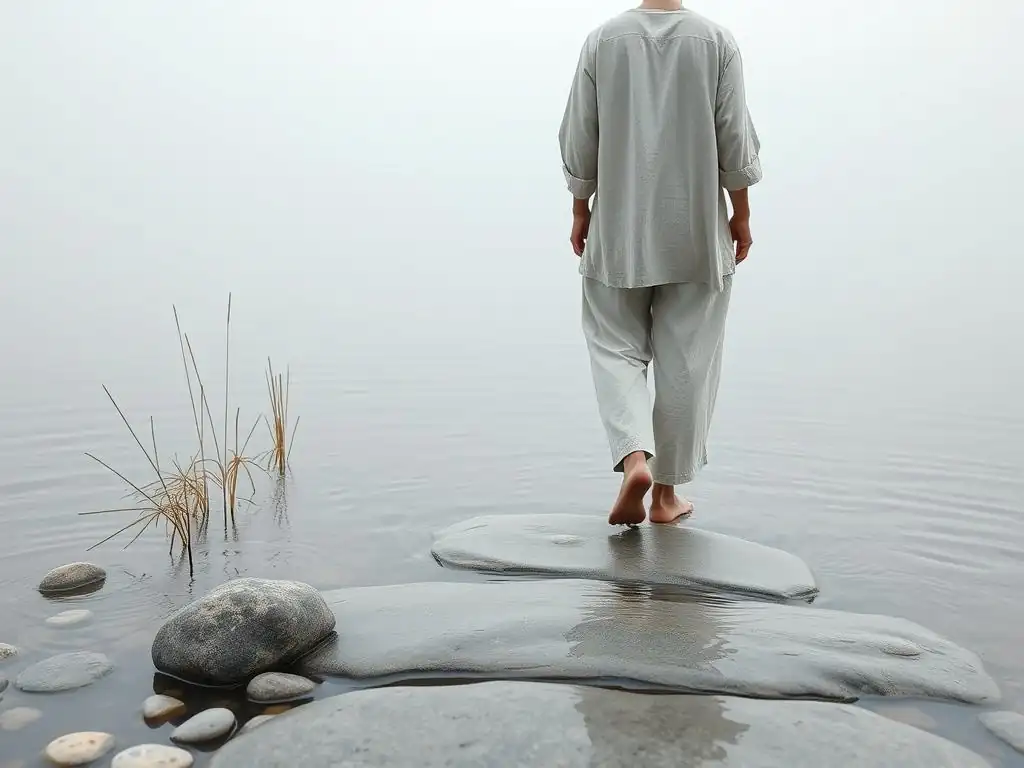
Consistency is key to experiencing the full benefits of mindful walking for sustained anxiety relief. Aim to incorporate mindful walking into your routine regularly, even if it's just for 10-15 minutes a few times a week initially. Consider scheduling your mindful walk at a specific time of day, perhaps first thing in the morning to start your day grounded, during a lunch break to clear your head, or in the evening to unwind before bed. Treat it like any other important appointment.
Start small to build the habit, and gradually increase the duration or frequency as you feel comfortable. Even short, consistent periods of mindful movement can make a significant difference in managing anxiety over time. Finding a walking buddy who is also interested in mindfulness can provide accountability and make the practice more enjoyable, helping to solidify mindful walking reduce anxiety as a regular part of your life.
Combining Mindful Walking with Other Anxiety Management Techniques
Mindful walking is a powerful tool on its own, but its effectiveness in managing anxiety can be amplified when combined with other complementary techniques. For instance, practicing deep breathing exercises for a few minutes before or after your walk can enhance the calming effect. Journaling about your experience during or after the walk can help process any insights or feelings that arose, providing further emotional release.
Other beneficial pairings include listening to calming music or nature sounds specifically designed for mindfulness while walking (though be mindful of safety if using headphones in public). Incorporating gentle stretching or yoga poses before or after your walk can also help release physical tension. By integrating mindful walking with these practices, you create a holistic approach to anxiety management that addresses both mind and body, demonstrating how mindful walking reduce anxiety within a broader wellness strategy.
Overcoming Challenges in Mindful Walking Practice
Dealing with Distractions and Wandering Thoughts
One of the most common challenges in mindful walking, especially for individuals prone to anxiety, is dealing with distractions and a wandering mind. It's important to remember that the goal isn't to stop thinking altogether, but to become aware of when your mind has wandered and gently guide it back to the present moment. This process of noticing and returning is the very essence of mindfulness practice and is where its power to reduce anxiety lies.
When you notice your mind drifting into worries or planning, acknowledge the thought without judgment ("Ah, there's a thought about my meeting tomorrow"). Then, deliberately shift your attention back to your chosen anchor—your breath, the sensation of your feet, or the sights and sounds around you. This isn't a failure; it's an opportunity to practice patience and self-compassion. The more you practice bringing your attention back, the stronger this 'muscle' of focus becomes, making it easier for mindful walking reduce anxiety by reducing the hold of intrusive thoughts.
Adapting Mindful Walking to Different Environments
While a quiet park is ideal, it's not always accessible. Mindful walking can be adapted to various environments, even busy or noisy ones. The key is to adjust your focus. In a bustling urban area, you might focus more intently on the physical sensations within your body to create an internal anchor amidst external chaos. You could also focus on specific sensory details, like the patterns in the pavement or the feeling of the breeze, rather than trying to take in everything at once.
Even walking indoors, like around your office building or home, can be a mindful practice. Focus intensely on the simple mechanics of walking—the lift, the forward motion, the placement of the foot. Adapting your focus allows you to maintain presence regardless of your surroundings. This adaptability ensures that you can use mindful walking reduce anxiety no matter where you are, making it a versatile tool for daily life.
Advanced Mindful Walking Practices for Anxiety
Walking Meditation on a Labyrinth: A Deeper Dive
Walking a labyrinth offers a unique and deeply meditative experience that can be particularly effective for profound anxiety reduction. Unlike a maze, a labyrinth has only one path leading to the center and back out again, requiring no choices or navigation. The simple, winding path encourages a slower, more deliberate pace. As you walk the path, the repetitive motion and turning provide a natural rhythm that can help quiet the mind and facilitate a state of walking meditation.
The journey into the center can be a time for releasing worries or reflecting on a specific intention, while the time spent in the center can be for receiving insights or finding calm. The walk back out symbolizes integration and returning to the world with renewed awareness. This structured yet open-ended practice provides a container for focused contemplation and movement, offering a potent method for how mindful walking reduce anxiety by providing a symbolic journey inward and outward.
Mindful Hiking: Connecting with Nature for Enhanced Anxiety Reduction
Combining mindful walking with hiking in natural environments significantly enhances its anxiety-reducing potential. Nature has a well-documented calming effect on the nervous system. Being immersed in natural surroundings—trees, fresh air, varied terrain, the sounds of birds or water—provides a rich sensory experience that naturally draws attention outward and away from internal worries.
Mindful hiking involves paying close attention to the sensations of walking on uneven ground, the smells of the forest or earth, the sights of changing flora and fauna, and the sounds of the natural world. This deep engagement with the environment amplifies the grounding effect of mindful walking. Studies have shown that spending time in nature can lower blood pressure and stress hormone levels more effectively than walking in urban settings, making mindful hiking an exceptionally powerful way how mindful walking reduce anxiety while fostering a deeper connection with the natural world.
The Long-Term Impact of Mindful Walking on Anxiety and Mental Health
Maintaining Consistency in Your Mindful Walking Practice
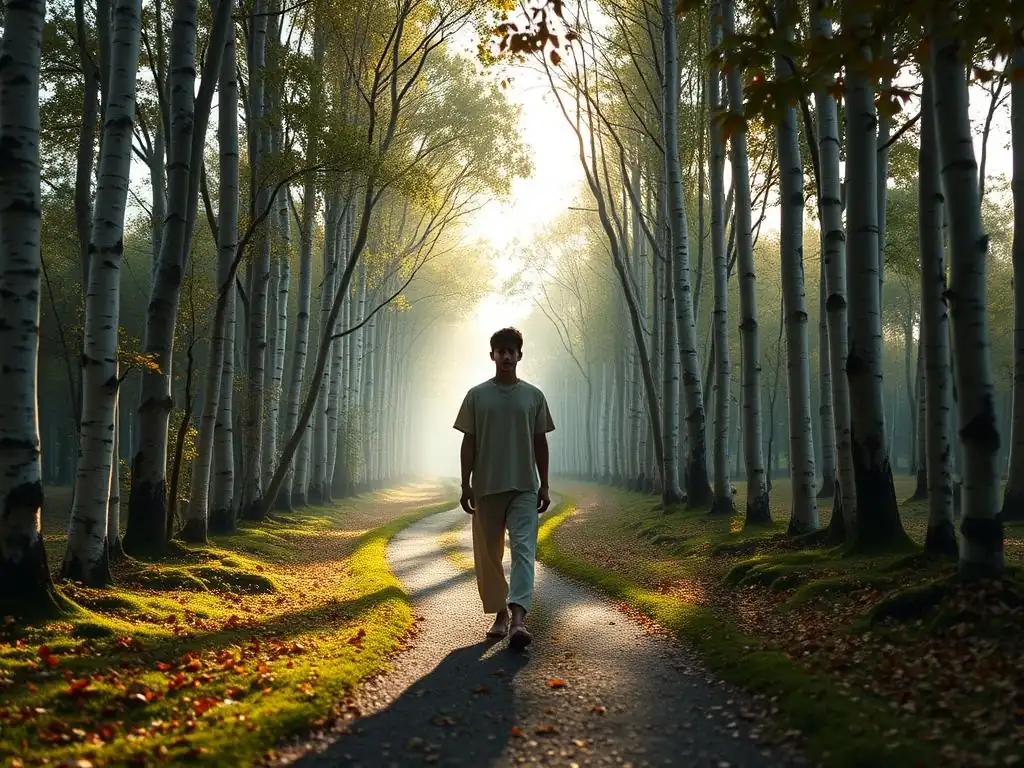
The true long-term impact of mindful walking on anxiety and mental health stems from consistent practice. Like any skill, mindfulness strengthens with regular exercise. Committing to a regular schedule, even if it's just 10-15 minutes daily or several times a week, builds resilience against anxiety over time. This consistency helps train the brain to be less reactive to anxious thoughts and more capable of returning to a state of calm presence.
Over months and years, this regular engagement with mindful walking can fundamentally change your relationship with anxiety. You may find that anxious feelings arise less frequently, are less intense when they do appear, and dissipate more quickly. Maintaining consistency might involve setting reminders, planning your walks in advance, or reflecting on the positive changes you've noticed to stay motivated. This dedication ensures that mindful walking reduce anxiety not just in the moment, but as a lasting benefit.
Tracking Your Progress and Recognizing the Benefits
Actively tracking your progress can be a powerful motivator and help you recognize the subtle yet significant benefits of mindful walking on your anxiety levels. This doesn't need to be complicated; simply keeping a brief journal entry after your walk noting how you felt before and after, or jotting down any insights or observations, can be illuminating. You might track your anxiety level on a scale of 1-10, note changes in your mood, or record instances where you felt more able to handle stressful situations.
Over time, reviewing these notes can provide tangible evidence of how the practice is helping. You might notice a trend of lower anxiety scores after walks, improved sleep quality, or a greater sense of peace throughout your day. Recognizing these positive changes reinforces the value of the practice and encourages continued commitment, solidifying the understanding of how mindful walking reduce anxiety and enhance overall wellbeing.
Resources for Continued Learning and Support in Mindful Walking
For those interested in deepening their mindful walking practice and finding additional support for anxiety management, various resources are available. Many mindfulness centers and meditation groups offer guided walking meditations or workshops. Numerous books and online platforms provide detailed instructions, guided audio walks, and insights into the philosophy and practice of mindful movement.
Exploring resources focused on combining mindfulness with physical activity can offer new perspectives and techniques. Connecting with a therapist or counselor who incorporates mindfulness into their practice can also provide personalized guidance on how to best use mindful walking reduce anxiety within your specific circumstances. Utilizing these resources can help sustain your practice and continue to unlock its profound benefits for mental health.
Mindful Walking: A Powerful Tool for Anxiety Reduction and Mental Wellness
Frequently Asked Questions
How does mindful walking differ from regular walking?
Mindful walking emphasizes present moment awareness during the activity, unlike regular walking which often involves distraction and multitasking. It's about focusing on the sensations of walking.
Can mindful walking really reduce anxiety?
Yes, studies show that mindful walking can be effective in reducing anxiety symptoms by promoting relaxation and emotional regulation. It helps shift focus away from anxious thoughts.
How often should I practice mindful walking to see results?
Consistency is key. Even short, regular sessions (15-30 minutes) of mindful walking several times a week can significantly contribute to anxiety reduction.
What techniques are involved in mindful walking?
Focus on your breath, body sensations, and surroundings. Pay attention to the movement of your feet, the air on your skin, and the sounds around you, without judgment.
Are there any specific environments that are better for mindful walking?
While any environment can work, nature is often preferred due to its calming and restorative effects. Quiet parks or trails can enhance the mindfulness experience.
Final Reflection: The Path to Calm: Walking Your Way to Peace
The simple act of walking, when approached mindfully, offers a powerful antidote to the pervasive anxiety of modern life. It's a readily accessible tool, requiring no special equipment or expertise, yet capable of profound impact on our mental and emotional well-being. This accessibility, coupled with its effectiveness, makes mindful walking a vital practice for navigating the stresses of today's world.
The influence of mindful walking extends beyond individual stress reduction; it's a quiet revolution in how we approach self-care. It challenges the fast-paced, always-on culture that often fuels anxiety, offering a counter-narrative of stillness and presence. This shift towards inner awareness resonates deeply with a growing desire for authentic connection and self-compassion. The journey of a thousand miles begins with a single step,
Lao Tzu wisely observed, and in the context of mindful walking, each step becomes a moment of conscious connection to ourselves and the world around us.
Now, consider your own journey. What steps can you take today to incorporate mindful walking into your routine? Even five minutes of focused attention on your breath and the sensation of your feet on the ground can make a difference. Embrace the opportunity to cultivate inner peace, one mindful step at a time. Let the path ahead be not just a physical journey, but a journey towards a calmer, more centered you.
Unlock Your Inner Calm: Start Walking Mindfully Today!
Thanks for taking the time to explore the power of mindful walking with us! We hope you discovered a new path towards easing anxiety and finding inner peace. Now it's time to put your newfound knowledge into practice.
- Begin your mindful walk today: Even 10 minutes can make a difference. Focus on your breath, your senses, and the feeling of your feet on the ground. This is your primary step towards cultivating inner calm.
- Share your experience: Let others know how mindful walking has impacted you. Inspire them to join you on this journey to serenity.
- Try a guided mindful walking meditation: Search online for free audio guides to deepen your practice and discover new perspectives.
Ready to experience the transformative power of mindful movement? What small step will you take to incorporate mindful walking into your daily routine?