
Benzodiazepines and GABA: Understanding Anxiety Medication and Your Brain

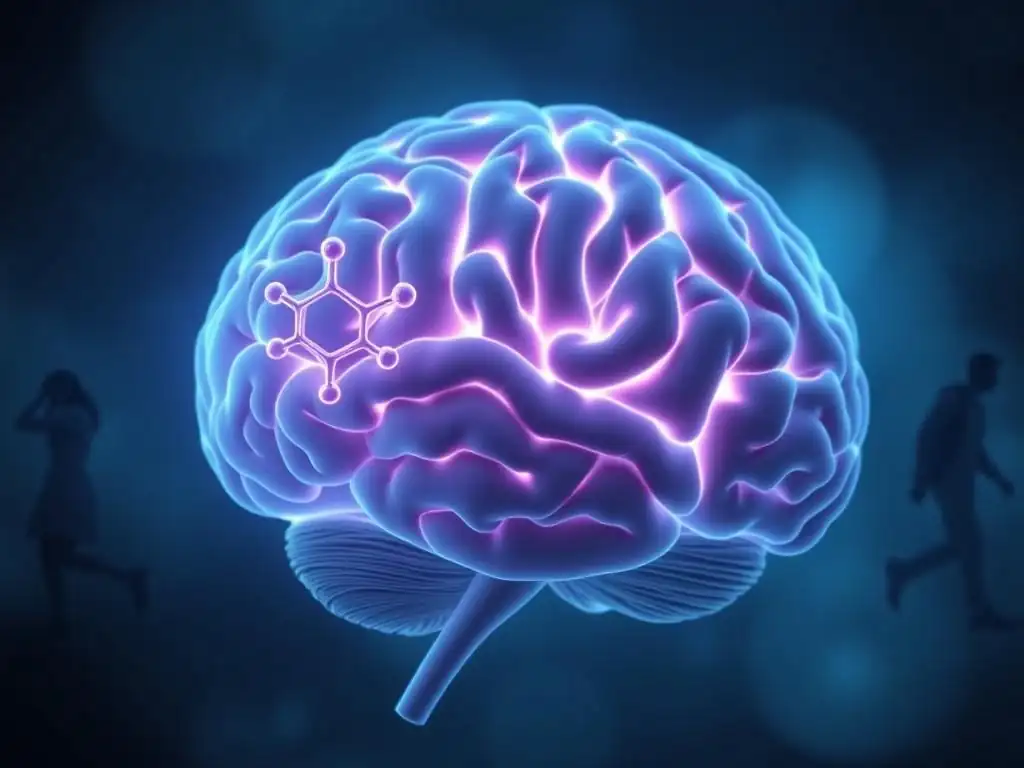
Welcome to Mind Care Guide, a safe space dedicated to understanding and nurturing your mental well-being.
Feeling overwhelmed by anxiety and the medications designed to help? You're not alone. In this article, we delve into the complex relationship between Benzodiazepines, anxiety, and brain function, specifically exploring how these medications interact with GABA. Curious about what's really happening inside your mind? Let's unravel the science together and empower you with knowledge.
Benzodiazepines and GABA: Understanding Anxiety Medication and Your Brain - Mind Care Guide
- Introduction to Benzodiazepines and Anxiety Management
- The GABA Neurotransmitter System: Key to Anxiety Relief
- Benzodiazepines: How They Work on the GABA System
- Benefits of Benzodiazepines for Anxiety Treatment
- Potential Side Effects and Risks of Benzodiazepine Use
- Alternatives to Benzodiazepines for Anxiety: A Holistic Approach
- Responsible Benzodiazepine Use: Safety Guidelines
- Benzodiazepines and Brain Health: A Balanced Perspective
- Conclusion: Empowering Your Mental Well-being with Knowledge About Benzodiazepines
-
Frequently Asked Questions
- What are benzodiazepines and how do they relate to anxiety?
- How do benzodiazepines affect brain function?
- What is GABA and why is it important in relation to anxiety and benzodiazepines?
- What are the potential risks or side effects associated with taking benzodiazepines?
- Where can I find more information and support related to anxiety and benzodiazepines?
- Final Reflection: Unraveling the Benzodiazepine-Brain Connection
- Unlock Your Understanding of Anxiety: Next Steps
Introduction to Benzodiazepines and Anxiety Management
Anxiety Disorders and the Role of Medication
Anxiety disorders represent a group of mental health conditions characterized by excessive worry, fear, and nervousness that can significantly impact daily life. Millions of people worldwide experience these challenges, ranging from generalized anxiety disorder (GAD) and panic disorder to social anxiety and specific phobias. While therapeutic approaches like psychotherapy are foundational in managing anxiety, medication often plays a crucial role, particularly in acute or severe cases, or when symptoms are debilitating. Medications can help alleviate intense symptoms, making it possible for individuals to engage more effectively in therapy and regain control over their lives.
The decision to use medication for anxiety is a complex one, involving careful consideration of symptom severity, duration, potential underlying causes, and individual health profiles. Antianxiety medications work by influencing various chemical pathways in the brain. Understanding how these medications, particularly benzodiazepines, interact with the brain's chemistry is vital for making informed decisions about treatment and managing expectations. This understanding sheds light on the mechanisms behind symptom relief and also highlights the potential considerations and risks associated with their use.
The Brain's Chemistry: An Overview for Mental Well-being
The human brain is an incredibly complex organ where billions of neurons communicate through chemical messengers called neurotransmitters. These neurotransmitters regulate everything from mood and sleep to thought processes and emotional responses. A delicate balance of these chemicals is essential for optimal mental well-being. Disruptions in neurotransmitter systems are often implicated in various mental health conditions, including anxiety disorders, depression, and mood swings.
Key neurotransmitters involved in mood and anxiety include serotonin, norepinephrine, dopamine, and Gamma-Aminobutyric Acid (GABA). Serotonin and norepinephrine, for instance, are targets for many antidepressant and anti-anxiety medications like SSRIs and SNRIs. GABA, however, is the primary inhibitory neurotransmitter in the central nervous system. It acts like a brake pedal, slowing down neuronal activity. Understanding the role of GABA is particularly important when discussing Benzodiazepines anxiety brain function, as these medications primarily target the GABA system to exert their calming effects.
The GABA Neurotransmitter System: Key to Anxiety Relief
What is GABA (Gamma-Aminobutyric Acid)? Its Function in the Brain
Gamma-Aminobutyric Acid, or GABA, is the chief inhibitory neurotransmitter in the mammalian central nervous system. Its main function is to reduce neuronal excitability throughout the nervous system. Think of neurons as electrical wires; GABA helps to dampen the electrical signals, preventing them from firing too rapidly or excessively. This inhibitory action is critical for maintaining balance in brain activity. Without sufficient GABAergic inhibition, neurons can become overactive, leading to symptoms associated with anxiety, seizures, and other neurological conditions.
GABA is synthesized in the brain from glutamate, the primary excitatory neurotransmitter, in a process that highlights the intricate balance between excitation and inhibition. Once released from a neuron, GABA binds to specific receptors on neighboring neurons, triggering a response that makes the target neuron less likely to fire. This widespread inhibitory influence means that GABA plays a vital role in regulating muscle tone, sleep cycles, and, significantly, the brain circuits involved in fear and anxiety responses. Its calming effect on neuronal activity makes it a key player in the brain's natural system for managing stress and promoting relaxation.
GABA Receptors: Targets for Benzodiazepine Action
GABA exerts its effects by binding to specialized protein structures on the surface of neurons called GABA receptors. There are several types of GABA receptors, but the most relevant ones for understanding Benzodiazepines anxiety brain function are the GABA-A receptors. These receptors are complex structures embedded in the neuronal membrane, typically composed of five protein subunits arranged around a central pore. When GABA binds to the GABA-A receptor, it opens a channel that allows negatively charged chloride ions to flow into the neuron.
The influx of chloride ions makes the inside of the neuron more negative, a process called hyperpolarization. This hyperpolarization makes it harder for the neuron to reach the threshold required to fire an electrical impulse. GABA-A receptors have multiple binding sites for different molecules, including GABA itself, barbiturates, alcohol, and importantly, benzodiazepines.
Benzodiazepines do not bind to the same site as GABA, but rather to a distinct site on the receptor. When benzodiazepines bind to this site, they don't open the channel on their own, but they change the shape of the receptor in a way that makes it easier for GABA to bind and increases the frequency with which the channel opens when GABA is present.
The Link Between GABA Deficiency and Anxiety Symptoms
Research suggests a strong connection between dysregulation of the GABA system and the experience of anxiety. While it's difficult to measure GABA levels directly in the brains of living individuals, studies using techniques like magnetic resonance spectroscopy (MRS) have sometimes shown altered GABA concentrations in certain brain regions associated with anxiety, such as the amygdala and prefrontal cortex, in people with anxiety disorders compared to healthy individuals. Furthermore, genetic studies have identified variations in genes related to GABA synthesis, transport, and receptor function that may increase vulnerability to anxiety.
Functionally, if the GABA system is impaired – whether due to insufficient GABA production, reduced receptor sensitivity, or fewer receptors – the brain's inhibitory control is weakened. This can lead to excessive firing of neurons in circuits involved in fear and worry, contributing to the heightened state of arousal and apprehension characteristic of anxiety disorders.
For example, the amygdala, a brain region central to processing fear, may become hyperactive if not sufficiently inhibited by GABA. This overactivity can manifest as panic attacks, persistent worry, and an exaggerated startle response, underscoring the crucial role of a well-functioning GABA system in maintaining emotional regulation and preventing excessive anxiety.
Benzodiazepines: How They Work on the GABA System
Mechanism of Action: Enhancing GABA's Effects
Benzodiazepines exert their primary therapeutic effects by modulating the activity of the GABA-A receptor. Unlike GABA itself, which is a direct agonist (meaning it directly activates the receptor), benzodiazepines are positive allosteric modulators. This means they bind to a site on the GABA-A receptor distinct from where GABA binds. Their binding doesn't activate the receptor directly but enhances the receptor's response to GABA when GABA is also present. Essentially, benzodiazepines make the GABA-A receptor more sensitive to GABA.
When a benzodiazepine is bound to its site on the receptor, and GABA subsequently binds, the chloride ion channel opens more frequently than it would with GABA alone. This increased frequency of channel opening leads to a greater influx of chloride ions into the neuron. The resulting hyperpolarization further inhibits the neuron's ability to fire, leading to a widespread dampening of neuronal activity in various brain regions. This enhanced inhibitory effect is the core mechanism by which benzodiazepines reduce the overactivity in brain circuits associated with anxiety, agitation, muscle spasms, and seizures.
Benzodiazepines and Enhanced GABAergic Neurotransmission
The impact of benzodiazepines on the brain's chemistry is centered on boosting the effectiveness of GABAergic neurotransmission. By increasing the frequency of chloride channel opening mediated by GABA-A receptors, benzodiazepines amplify the inhibitory signals throughout the brain. This enhanced inhibition is particularly effective in calming down hyperactive neural pathways that contribute to anxiety symptoms. For example, in the limbic system, which includes the amygdala and hippocampus and is heavily involved in emotional processing and the fear response, increased GABAergic activity can reduce the intensity of fear and worry signals.
The extent to which benzodiazepines enhance GABAergic transmission depends on the specific benzodiazepine and the dosage, but the general principle is the same: they make the brain more receptive to GABA's calming influence. This leads to a rapid reduction in symptoms like racing thoughts, physical tension, and panic. Understanding this mechanism is crucial for comprehending Benzodiazepines anxiety brain function – they don't create a new calming signal, but rather turn up the volume on the brain's existing inhibitory system, providing acute relief from overwhelming anxiety.
Different Types of Benzodiazepines and Their Effects on Brain Function
Benzodiazepines are a class of drugs, but they are not all identical. They differ in their chemical structure, potency, speed of onset, and duration of action. These differences influence how quickly they affect the brain and how long their effects last, which in turn impacts their specific uses in anxiety treatment. For example, some benzodiazepines like alprazolam or lorazepam have a relatively rapid onset and shorter half-life, making them useful for acute panic attacks where quick relief is needed. They quickly enhance GABAergic activity, leading to a rapid calming effect on brain function related to acute anxiety.
Others, like diazepam or clonazepam, have a slower onset but longer half-life, meaning their effects on brain function related to anxiety persist for a longer duration. These might be considered for more generalized anxiety, though their long-term use is often discouraged due to risks.
The specific way each benzodiazepine interacts with different subtypes of GABA-A receptors (which vary slightly in composition across different brain regions) can also contribute to variations in their clinical effects, including differences in their sedative, muscle relaxant, anti-anxiety, and anticonvulsant properties. However, the fundamental mechanism of enhancing GABA's inhibitory effect remains consistent across the class when considering Benzodiazepines anxiety brain function.
Benefits of Benzodiazepines for Anxiety Treatment

Reducing Anxiety and Panic Symptoms with Benzodiazepines
One of the primary benefits of benzodiazepines is their ability to rapidly and effectively reduce severe anxiety and panic symptoms. For individuals experiencing debilitating panic attacks, characterized by intense fear, physical symptoms like racing heart, shortness of breath, and dizziness, benzodiazepines can provide swift relief. By enhancing GABA's inhibitory action, they quickly calm the overactive neural circuits driving the panic response. This can interrupt an escalating panic attack, preventing it from reaching its full, terrifying peak.
Similarly, for severe, acute episodes of generalized anxiety or situational anxiety (like intense fear before a medical procedure), benzodiazepines can significantly dampen the overwhelming feelings of worry and physical tension. This rapid symptomatic relief is often crucial in crisis situations or when anxiety is so severe that it prevents an individual from functioning or engaging in necessary activities or therapies. The effectiveness of benzodiazepines in providing this immediate calming effect on Benzodiazepines anxiety brain function is well-documented in clinical practice.
Using Benzodiazepines for Short-Term Anxiety Relief
Due to their potential for dependence and side effects, benzodiazepines are generally recommended for short-term use in managing anxiety. They are particularly valuable for bridging the gap until other treatments, such as SSRIs or psychotherapy, become effective, which can often take several weeks. For instance, a doctor might prescribe a low dose of a benzodiazepine for a few weeks at the start of SSRI treatment to manage initial symptom exacerbation or provide relief while waiting for the antidepressant effect to kick in.
They are also useful for managing transient, severe anxiety caused by specific stressors, such as grief, acute trauma, or medical procedures. In these situations, a limited course of benzodiazepines can help the individual cope with the immediate crisis without needing long-term medication. The goal is typically to use the lowest effective dose for the shortest possible duration to mitigate risks while still leveraging their potent effect on Benzodiazepines anxiety brain function for acute symptom control.
Generalized Anxiety Disorder and Panic Disorder: Specific Anxiety Disorders Addressed by Benzodiazepines
Benzodiazepines are commonly used in the initial management of both Generalized Anxiety Disorder (GAD) and Panic Disorder, among other anxiety conditions. For Panic Disorder, their rapid onset makes them highly effective in stopping or significantly reducing the severity of panic attacks when they occur. They can also be used prophylactically for a short period if panic attacks are very frequent and debilitating.
In GAD, while not typically a first-line long-term treatment, benzodiazepines can be used to manage severe, acute exacerbations of worry and tension. For example, if someone with GAD experiences a significant increase in symptoms due to a stressful life event, a short course might be prescribed. Clinical guidelines often reserve benzodiazepines for severe anxiety or when other treatments have been insufficient, emphasizing short-term use (often defined as 2-4 weeks) due to the risks associated with prolonged reliance on their impact on Benzodiazepines anxiety brain function.
Potential Side Effects and Risks of Benzodiazepine Use
Common Side Effects of Benzodiazepines: Drowsiness, Dizziness, and More
While effective for acute anxiety relief, benzodiazepines are associated with several potential side effects. The most common side effects are related to their sedative properties, resulting from the widespread enhancement of GABAergic inhibition in the brain. These include drowsiness, sedation, fatigue, and dizziness. These effects can impair coordination, concentration, and reaction time, posing risks for activities like driving or operating machinery.
Other common side effects can include muscle weakness, impaired memory (anterograde amnesia, difficulty forming new memories), confusion, and blurred vision. In some individuals, particularly the elderly, benzodiazepines can paradoxically cause agitation, irritability, or confusion. The severity and type of side effects can vary depending on the specific benzodiazepine, the dosage, and individual sensitivity. It's crucial for patients to be aware of these potential effects and discuss them with their healthcare provider.
Risks of Benzodiazepine Dependence and Withdrawal
One of the most significant risks associated with benzodiazepine use is the development of physical dependence. Dependence can occur even when taking the medication exactly as prescribed, particularly with daily use over several weeks or months. Physical dependence means the brain and body have adapted to the presence of the drug and require it to function "normally." If the medication is stopped or the dose is rapidly reduced, withdrawal symptoms can occur.
Benzodiazepine withdrawal symptoms can range from mild anxiety, insomnia, and restlessness to more severe manifestations like tremors, seizures, hallucinations, and psychosis. The severity of withdrawal often depends on the dose and duration of use, as well as the specific benzodiazepine (shorter-acting benzodiazepines may lead to more intense, rapid-onset withdrawal). This risk of dependence and the difficulty of withdrawal are primary reasons why these medications are generally recommended only for short-term use. The brain's adaptation to enhanced GABAergic activity makes tapering off the medication under medical supervision essential.
Long-Term Effects of Benzodiazepine Use on Brain Function
Prolonged use of benzodiazepines can potentially lead to more persistent changes in brain function. While the exact long-term impact is an area of ongoing research, concerns exist regarding cognitive function. Some studies suggest a possible association between long-term benzodiazepine use and impairments in memory, concentration, and executive function, although disentangling medication effects from underlying anxiety or other conditions can be challenging.
There are also concerns about potential structural or functional changes in the brain with chronic use, though conclusive evidence and causality are difficult to establish. The brain's GABA system may adapt to chronic benzodiazepine presence, potentially leading to tolerance (requiring higher doses for the same effect) and altered receptor sensitivity. This complex interaction between long-term benzodiazepine exposure and Benzodiazepines anxiety brain function highlights the importance of exploring alternative long-term strategies for managing chronic anxiety.
Benzodiazepine Interactions with Other Medications or Substances
Benzodiazepines are central nervous system (CNS) depressants, and their effects can be dangerously amplified when combined with other substances that also depress CNS activity. The most significant and potentially life-threatening interaction is with alcohol. Both benzodiazepines and alcohol enhance GABA's inhibitory effects, but through slightly different mechanisms and on different sites of the GABA-A receptor. Combining them leads to a synergistic effect, causing profound sedation, respiratory depression, coma, and even death.
Other substances that interact with benzodiazepines include opioids, barbiturates, certain antidepressants, antihistamines, and muscle relaxants. These combinations can increase the risk of excessive sedation, respiratory problems, and impaired cognitive function. It is absolutely critical for anyone taking benzodiazepines to inform their healthcare provider about all other medications, supplements, and substances they are using to avoid dangerous interactions and understand the full scope of Benzodiazepines anxiety brain function interactions.
Alternatives to Benzodiazepines for Anxiety: A Holistic Approach
Non-Pharmacological Anxiety Treatments: Therapy and Lifestyle Changes
Given the risks associated with long-term benzodiazepine use, non-pharmacological approaches and other medications are often preferred for the chronic management of anxiety. Psychotherapy, particularly Cognitive Behavioral Therapy (CBT), is a highly effective first-line treatment for various anxiety disorders. CBT helps individuals identify and challenge anxious thought patterns and develop coping strategies. Exposure therapy, a component of CBT, is particularly effective for phobias and panic disorder.
Lifestyle changes also play a significant role. Regular physical exercise has been shown to reduce anxiety symptoms, potentially by influencing neurotransmitter levels and reducing stress hormones. Mindfulness meditation and relaxation techniques can help individuals manage anxious thoughts and physiological responses. Ensuring adequate sleep, maintaining a balanced diet, and limiting caffeine and alcohol intake are also important components of a holistic approach to managing anxiety, addressing factors that can influence Benzodiazepines anxiety brain function and overall mental state.
Other Anxiety Medications: SSRIs, SNRIs, and More
Several classes of medications are used for the long-term management of anxiety disorders and are generally preferred over benzodiazepines for this purpose due to a lower risk of dependence. Selective Serotonin Reuptake Inhibitors (SSRIs) and Serotonin-Norepinephrine Reuptake Inhibitors (SNRIs) are commonly prescribed. These medications work by increasing the availability of serotonin and/or norepinephrine in the brain, neurotransmitters that play a key role in mood and anxiety regulation. While they take several weeks to become fully effective, they do not carry the same risk of rapid dependence as benzodiazepines.
Other medications used for anxiety include buspirone, which affects serotonin receptors and is not related to benzodiazepines; beta-blockers, which can help manage the physical symptoms of anxiety (like rapid heart rate) but don't affect the psychological symptoms; and sometimes even certain anticonvulsants or antipsychotics in specific cases. These alternatives offer different mechanisms of action on brain chemistry compared to benzodiazepines and are often more suitable for ongoing anxiety management.
Cognitive Behavioral Therapy, Mindfulness Meditation, and Exercise: Specific Alternative Therapies for Anxiety
Delving deeper into specific non-pharmacological alternatives highlights their proven efficacy:
- Cognitive Behavioral Therapy (CBT): CBT is an evidence-based therapy that teaches patients to recognize and modify the negative thought patterns and behaviors that fuel anxiety. A typical course of CBT might involve 12-20 sessions and has been shown in numerous studies to significantly reduce symptoms of GAD, panic disorder, and social anxiety. For example, a study published in the Journal of Consulting and Clinical Psychology found that a majority of patients receiving CBT for panic disorder achieved significant symptom reduction or remission.
- Mindfulness Meditation: Mindfulness practices involve focusing on the present moment without judgment. Regular mindfulness meditation can help individuals become more aware of their anxious thoughts and feelings without getting overwhelmed by them. Research, including studies using fMRI, suggests that mindfulness can alter brain activity in areas associated with anxiety, such as the amygdala, potentially influencing the same brain circuits that benzodiazepines affect but through a different, non-pharmacological pathway. A meta-analysis in JAMA Internal Medicine indicated that meditation programs can moderately improve anxiety symptoms.
- Exercise: Physical activity is a powerful tool for managing anxiety. Exercise releases endorphins, which have mood-boosting effects, and can also reduce stress hormones like cortisol. Engaging in regular aerobic exercise, such as brisk walking, jogging, or swimming for 30 minutes most days of the week, has been shown in multiple studies to reduce anxiety symptoms comparable to or in conjunction with medication or therapy. The positive impact of exercise on overall brain health also indirectly supports better management of anxiety symptoms, offering a complementary approach to understanding Benzodiazepines anxiety brain function.
Responsible Benzodiazepine Use: Safety Guidelines
Consulting with a Healthcare Professional Before Starting Benzodiazepines
The decision to start benzodiazepine treatment should always be made in close consultation with a qualified healthcare professional, such as a medical doctor or psychiatrist. Self-medication with benzodiazepines is extremely dangerous due to the risks of improper dosage, interactions, and dependence. A healthcare provider can accurately diagnose the type and severity of anxiety disorder, assess potential underlying causes, and determine if benzodiazepines are an appropriate treatment option, considering the individual's medical history, other medications, and potential for misuse or dependence.
The healthcare professional will discuss the potential benefits and risks, explain how the medication works on Benzodiazepines anxiety brain function, and outline the treatment plan, including dosage, duration, and criteria for discontinuation. They can also discuss alternative treatment options and integrate benzodiazepine use into a broader treatment strategy that may include therapy and lifestyle changes.
Following Prescribed Dosage and Monitoring Effects
Once prescribed, it is critically important to take benzodiazepines exactly as directed by the healthcare provider. This includes adhering strictly to the prescribed dosage, frequency, and duration of treatment. Taking more than the prescribed dose or taking it more often will not necessarily provide greater relief but significantly increases the risk of side effects, tolerance, and dependence.
Patients should also monitor their response to the medication and report any side effects or lack of efficacy to their doctor. Keeping a simple log of symptoms and medication timing can be helpful. Regular follow-up appointments allow the healthcare provider to assess the effectiveness of the treatment, monitor for side effects or signs of dependence, and make necessary adjustments to the dosage or treatment plan. This careful monitoring is essential for safe use and managing the impact of Benzodiazepines anxiety brain function.
Avoiding Alcohol and Other Depressants While Taking Benzodiazepines
As previously mentioned, combining benzodiazepines with alcohol or other central nervous system depressants is highly dangerous and should be strictly avoided. This includes prescription medications, over-the-counter drugs (like some antihistamines or sleep aids), and illicit substances. The synergistic depressive effect can lead to severe sedation, respiratory depression, impaired coordination, memory loss, and increased risk of accidents or overdose.
Patients should inform their doctor about all substances they consume, including alcohol, recreational drugs, and even large amounts of caffeine, as these can interact with benzodiazepines or exacerbate anxiety. Understanding the potential interactions and avoiding risky combinations is a fundamental safety guideline for anyone using benzodiazepines to manage anxiety.
Gradual Tapering and Withdrawal Under Medical Supervision
Due to the risk of withdrawal symptoms, benzodiazepines should never be stopped abruptly, especially if taken regularly for more than a few weeks. Discontinuation should always be done gradually under the supervision of a healthcare professional. A tapering schedule involves slowly reducing the dose over a period of time, allowing the brain to adjust to the decreasing levels of the medication and the return of its own natural GABAergic activity.
The specific tapering schedule will depend on the dose and duration of use, the type of benzodiazepine, and individual factors. A slow taper, sometimes lasting weeks or months, can significantly reduce the severity of withdrawal symptoms. Trying to stop "cold turkey" can precipitate severe and potentially dangerous withdrawal symptoms, underscoring the need for medical guidance throughout the discontinuation process. This managed approach is key to mitigating the negative effects on Benzodiazepines anxiety brain function during withdrawal.
Benzodiazepines and Brain Health: A Balanced Perspective
Understanding the Impact of Benzodiazepines on Cognitive Function
The impact of benzodiazepines on cognitive function is a significant consideration, particularly with chronic use. While they can improve focus and reduce distraction by calming anxiety in the short term, their sedative effects can also impair cognitive abilities. Studies have shown that even at therapeutic doses, benzodiazepines can affect aspects of memory (especially the ability to form new memories), concentration, and psychomotor speed. This impact is often more pronounced in older adults.
There is ongoing research into whether long-term benzodiazepine use is associated with a persistent increase in the risk of cognitive decline or dementia. Some observational studies have suggested a link, but these studies are complex and cannot definitively prove causation. Factors like the underlying anxiety itself, co-occurring conditions, and other medications can also affect cognitive function. A balanced perspective acknowledges the potential for short-term cognitive effects and the need for caution and careful monitoring with long-term use, while also recognizing that for some individuals, the benefit of symptom relief outweighs these potential risks in certain circumstances.
Promoting Brain Health During and After Benzodiazepine Treatment
Regardless of benzodiazepine use, promoting overall brain health is crucial for managing anxiety and supporting recovery. During a course of benzodiazepine treatment, focusing on healthy habits can help mitigate potential cognitive side effects and support the brain's resilience. This includes getting adequate sleep (though benzodiazepines can sometimes disrupt natural sleep architecture), engaging in regular physical activity, maintaining a nutrient-rich diet, and staying mentally and socially active.
After discontinuing benzodiazepines, especially after long-term use, supporting brain health is vital for recovery. Continuing with therapy, incorporating mindfulness and stress-reduction techniques, and maintaining a healthy lifestyle can help the brain re-establish its natural balance of neurotransmitter activity. Activities that promote neuroplasticity, such as learning new skills or engaging in mentally stimulating tasks, may also be beneficial. A holistic approach to brain health complements the understanding of how Benzodiazepines anxiety brain function interacts and supports recovery.
Novel Anxiolytics and GABA Modulators: Future Research and Developments in Anxiety Medication
The field of psychopharmacology is continually evolving, with ongoing research into new medications for anxiety that may offer benefits with fewer risks than traditional benzodiazepines. Scientists are exploring novel compounds that target the GABA system in more specific ways or influence other neurotransmitter systems involved in anxiety.
For example, some research focuses on positive allosteric modulators that are more selective for specific subtypes of GABA-A receptors found in brain regions primarily associated with anxiety, potentially reducing unwanted sedative or addictive effects. Other avenues include developing drugs that modulate GABA synthesis or metabolism, or target other receptor systems involved in anxiety, such as glutamate or neuropeptides. Future developments aim to provide effective anxiety relief with a better safety profile, building upon our understanding of how anxiety affects the brain and how current medications like benzodiazepines influence Benzodiazepines anxiety brain function.
Conclusion: Empowering Your Mental Well-being with Knowledge About Benzodiazepines
Making Informed Decisions About Anxiety Treatment
Understanding how benzodiazepines affect the brain, particularly their interaction with the GABA system, is crucial for anyone considering or undergoing treatment for anxiety with these medications. Armed with knowledge about their mechanism of action, benefits for acute relief, and significant risks of dependence and side effects, individuals can have more informed conversations with their healthcare providers. This knowledge empowers patients to actively participate in treatment decisions, weigh the pros and cons based on their specific situation, and understand why these medications are typically prescribed for short durations.
Making informed decisions also involves being aware of alternative treatment options, such as psychotherapy and other classes of medications that are often preferred for long-term anxiety management. It's about finding the right tools for the job, recognizing that while benzodiazepines can be powerful allies in times of acute crisis, they are not typically a sustainable solution for chronic anxiety.
Seeking Professional Guidance for Mental Health Concerns
Anxiety disorders are complex, and effective treatment often requires professional guidance. If you are struggling with anxiety, the first step is to consult with a healthcare provider or mental health professional. They can provide an accurate diagnosis, help you understand your symptoms, and develop a personalized treatment plan. This plan may involve medication, therapy, lifestyle changes, or a combination of approaches.
A professional can also guide you through the safe use of any prescribed medications, monitor your progress, manage potential side effects, and navigate the process of tapering off medication if necessary. Relying on expert advice ensures that your treatment is safe, effective, and tailored to your individual needs, providing the best chance for recovery and improved mental well-being.
Understanding the Complex Relationship Between Benzodiazepines, GABA, and Brain Function
The relationship between benzodiazepines, GABA, and brain function is a fascinating and critical area of understanding for anyone dealing with anxiety. Benzodiazepines exert their potent anti-anxiety effects by enhancing the inhibitory action of GABA, effectively calming overactive brain circuits. This mechanism provides rapid relief but also underlies the risks of sedation, cognitive impairment, dependence, and withdrawal.
Appreciating this complex interaction, understanding the benefits and limitations of benzodiazepines, and being aware of alternative strategies are essential components of managing anxiety effectively and safely. By combining knowledge about Benzodiazepines anxiety brain function with professional guidance and a holistic approach to mental health, individuals can navigate their anxiety journey more confidently and empower themselves towards lasting well-being.
Frequently Asked Questions
What are benzodiazepines and how do they relate to anxiety?
Benzodiazepines are a class of medication primarily used to treat anxiety and other conditions. They work by enhancing the effects of GABA, a neurotransmitter that reduces brain activity, leading to a calming effect.
How do benzodiazepines affect brain function?
Benzodiazepines primarily affect brain function by binding to GABA receptors, increasing GABA's inhibitory effect. This reduces neuronal excitability, leading to decreased anxiety and a sedative effect. Over time, this interaction can lead to tolerance and dependence.
What is GABA and why is it important in relation to anxiety and benzodiazepines?
GABA (gamma-aminobutyric acid) is the brain's primary inhibitory neurotransmitter. It reduces neuronal excitability. Benzodiazepines work by amplifying GABA's effects, which helps to reduce anxiety symptoms.
What are the potential risks or side effects associated with taking benzodiazepines?
Common side effects include drowsiness, dizziness, and impaired coordination. Long-term use can lead to tolerance, dependence, and withdrawal symptoms upon discontinuation. There are also risks of cognitive impairment and rebound anxiety.
Mind Care Guide offers comprehensive information, support, and resources for mental well-being. Consult with a healthcare professional for personalized advice and treatment options. It's important to seek professional help for anxiety management.
Final Reflection: Unraveling the Benzodiazepine-Brain Connection
The intricate relationship between benzodiazepines, GABA, and anxiety remains a crucial area of understanding, especially given the widespread use of these medications and the ongoing need for effective anxiety treatments. The prevalence of anxiety disorders highlights the urgency of continued research and a nuanced public understanding of how these drugs impact brain function, both positively and negatively. This knowledge empowers individuals to make informed decisions about their healthcare and advocate for personalized approaches to anxiety management.
The exploration of benzodiazepines and their mechanism of action within the GABAergic system has profoundly shaped my understanding of anxiety and its treatment. It's striking how a seemingly simple interaction at the receptor level can have such far-reaching consequences for an individual's mental and physical well-being. The potential for both relief and dependence underscores the delicate balance inherent in psychiatric medication. The goal of treatment is not to eliminate anxiety altogether, but to manage it effectively and improve quality of life.
This quote encapsulates the crucial need for a holistic approach, considering both the pharmacological and psychological aspects of anxiety management.
Consider the information presented in this article. Reflect on your own understanding of anxiety and its treatment. Are you, or someone you know, currently using benzodiazepines? If so, what are your experiences? This journey of understanding doesn't end here; it's a continuous process of learning and self-advocacy. Take the time to engage in open conversations with your healthcare provider, explore alternative therapies, and prioritize self-care strategies to build resilience and manage anxiety effectively. Your mental health is invaluable, and understanding the science behind its treatment empowers you to take control of your well-being.
Unlock Your Understanding of Anxiety: Next Steps
Thanks for taking the time to delve into the fascinating world of benzodiazepines and GABA! We hope you gained valuable insights into how anxiety medication interacts with your brain. Now, let's put that knowledge into action.
- Dive Deeper: Explore reputable sources like the National Institute of Mental Health (NIMH) website to learn more about anxiety treatment options and coping strategies. This will empower you to make informed decisions about your well-being.
- Share Your Thoughts: Leave a comment below – what surprised you most about the connection between benzodiazepines and GABA? Sharing your perspectives helps others on their journey to understanding anxiety.
- Start a Conversation: Talk to your doctor or therapist about your anxieties and any questions you may have regarding medication options. This is a crucial step in managing your mental health effectively.
Ready to take control of your mental wellness? What’s the first step you’ll take today to better understand your anxiety?