
Neurotransmitter Receptors: The Other Half of the Brain Chemistry Equation Explained

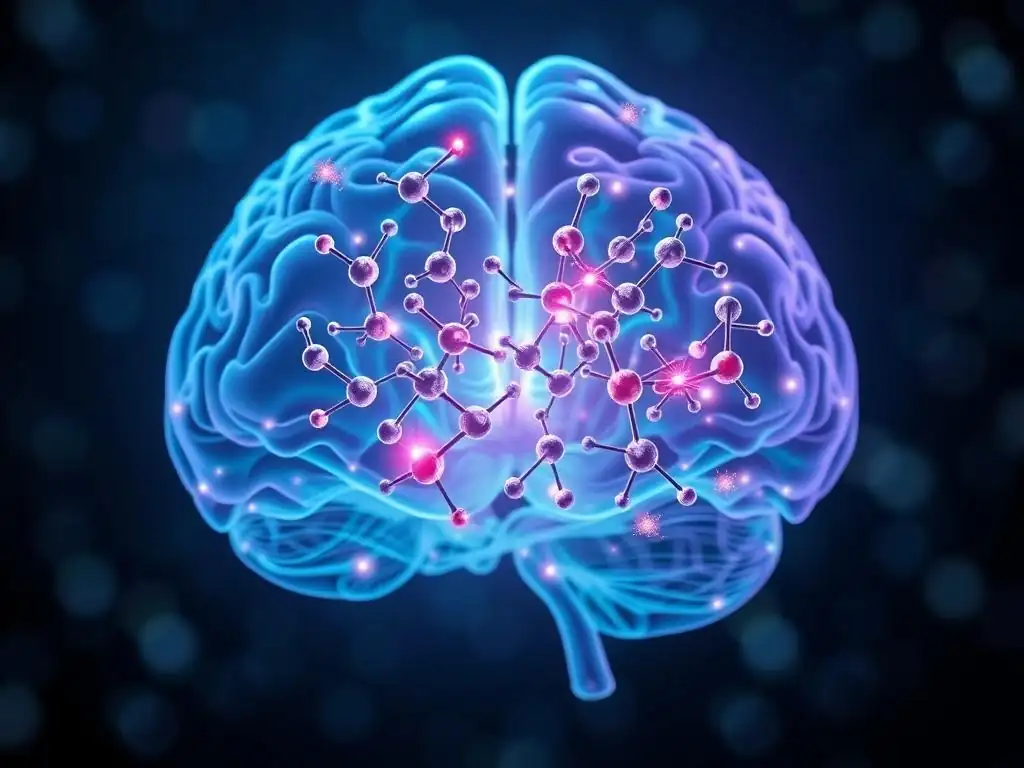
Welcome to Mind Care Guide.
Feeling like your brain chemistry is a puzzle with missing pieces? You're not alone. It's easy to focus on neurotransmitters themselves, but what about the crucial role of their receptors? This guide dives deep into understanding neurotransmitter receptor imbalances, exploring how these often-overlooked components can significantly impact your mental well-being. Curious to learn how these tiny gatekeepers hold the key to unlocking a healthier, more balanced mind? Let's explore...
Neurotransmitter Receptors: The Other Half of the Brain Chemistry Equation Explained
- Introduction to Neurotransmitter Receptors and Mental Health
- What are Neurotransmitter Receptors? A Detailed Overview
- The Impact of Neurotransmitter Receptor Modulation on Mental Illness
- Factors Contributing to Neurotransmitter Receptor Modulation
- Assessing Neurotransmitter Receptor Function
- Treatment Strategies for Neurotransmitter Receptor Modulation
- The Future of Neurotransmitter Receptor Research and Mental Health Treatment
- Conclusion: Optimizing Brain Chemistry Through Receptor Understanding
-
Frequently Asked Questions
- ### What exactly are neurotransmitter receptors, and why are they important for mental well-being?
- ### What are some common symptoms of neurotransmitter receptor imbalances?
- ### How can neurotransmitter receptor imbalances be diagnosed?
- ### What are some potential causes of neurotransmitter receptor imbalances?
- ### What are some treatment options for addressing neurotransmitter receptor imbalances?
- Final Reflection: Rebalancing the Equation: Understanding Neurotransmitter Receptors
- Unlock Your Brain's Potential: Mastering Neurotransmitter Receptors
Introduction to Neurotransmitter Receptors and Mental Health
Why Understanding Neurotransmitter Receptor Function is Crucial for Mental Well-being
Our brains are intricate networks of billions of neurons constantly communicating with each other. This communication, or neurotransmission, relies on chemical messengers called neurotransmitters. However, the story doesn't end with the release of these chemicals; it's equally about how the receiving neurons listen.
This is where neurotransmitter receptors come into play – they are the specialized proteins on the surface of neurons (or sometimes within them) that detect and respond to specific neurotransmitters, translating chemical signals into electrical ones that drive brain activity. Understanding neurotransmitter receptor function is therefore absolutely crucial because these receptors dictate how the brain processes information, regulates mood, controls behavior, and perceives the world.
Dysfunction in these receptors, whether due to genetic factors, environmental influences, or lifestyle choices, can lead to altered signaling pathways. This altered signaling is often at the heart of various mental health challenges.
For instance, if receptors for a mood-regulating neurotransmitter like serotonin aren't functioning correctly – perhaps they are too few, too many, or less sensitive – the neuron receiving the signal won't respond appropriately, potentially contributing to feelings of depression or anxiety. A deeper understanding of these receptors provides a more complete picture beyond just neurotransmitter levels, offering valuable insights into the complex biological underpinnings of conditions and paving the way for more targeted and effective treatments.
The Role of Receptors in Neurotransmission and Brain Function
Neurotransmission is a sophisticated process involving a presynaptic neuron releasing neurotransmitters into the synaptic cleft, the tiny gap between neurons. These neurotransmitters then travel across the cleft and bind to specific receptors on the postsynaptic neuron. This binding is like a key fitting into a lock; only the correct neurotransmitter (the key) can activate its corresponding receptor (the lock).
Once activated, the receptor triggers a response within the postsynaptic neuron, which can be excitatory (making the neuron more likely to fire an electrical impulse) or inhibitory (making it less likely to fire). This precise activation and inhibition process is fundamental to all brain functions, from simple reflexes to complex thought processes and emotional regulation.
The sheer diversity and specific distribution of neurotransmitter receptors throughout the brain allow for incredibly fine-tuned control over neural circuits. For example, receptors for the neurotransmitter dopamine are highly concentrated in areas associated with reward, motivation, and movement. Receptors for glutamate, the brain's primary excitatory neurotransmitter, are widespread and critical for learning and memory.
The functional state of these receptors – their number, sensitivity, and availability – directly impacts the strength and nature of synaptic transmission. Therefore, disruptions in receptor function can profoundly alter neural circuit activity, leading to observable changes in cognition, mood, and behavior that are characteristic of many mental health conditions.
What are Neurotransmitter Receptors? A Detailed Overview
Defining Neurotransmitter Receptors: The Key to Neural Communication
Neurotransmitter receptors are specialized protein molecules embedded in the cell membrane of neurons, primarily on the postsynaptic side of a synapse, but also found on presynaptic neurons (autoreceptors) and glial cells. Their fundamental role is to receive chemical signals from neurotransmitters released by neighboring neurons and translate these signals into a cellular response. Think of them as the neuron's ears, listening for specific chemical messages. Each receptor is typically designed to bind with high affinity to a particular neurotransmitter or a small group of structurally similar neurotransmitters. This specificity ensures that the brain's chemical signaling is precise and orderly.
Upon binding their specific neurotransmitter, these receptors undergo a conformational change – essentially altering their shape. This change is the critical step that initiates a cascade of events within the receiving neuron.
Depending on the type of receptor and the neurotransmitter, this can lead to a direct opening or closing of ion channels, altering the electrical potential across the neuron's membrane, or it can trigger a more complex series of intracellular signaling pathways. This intricate process of binding and signal transduction is the basis by which chemical messages are converted into electrical or biochemical signals, ultimately influencing the neuron's excitability, gene expression, and overall function within neural circuits.
Types of Neurotransmitter Receptors: Ionotropic vs. Metabotropic Receptors
Neurotransmitter receptors are broadly classified into two main categories based on their mechanism of action: ionotropic receptors and metabotropic receptors. This distinction is crucial for Understanding neurotransmitter receptor imbalances and their effects.
Ionotropic receptors, also known as ligand-gated ion channels, are the simpler and faster-acting type. They are protein complexes that contain both a neurotransmitter binding site and an ion channel as part of the same structure. When a neurotransmitter binds to an ionotropic receptor, it causes a rapid change in the receptor's shape, which directly opens or closes the associated ion channel. This allows specific ions (such as sodium, potassium, calcium, or chloride) to flow across the cell membrane.
The influx or efflux of these ions quickly alters the electrical potential of the postsynaptic neuron, leading to a rapid excitatory or inhibitory effect. Examples include the AMPA, NMDA, and kainate receptors for glutamate, the GABA-A receptor for GABA, and the nicotinic acetylcholine receptor. Their speed makes them essential for rapid synaptic transmission required for processes like sensory perception and motor control.
Metabotropic receptors, also known as G protein-coupled receptors (GPCRs), are more complex and slower-acting than ionotropic receptors, but they can produce longer-lasting and more diverse effects. They do not contain ion channels directly. Instead, when a neurotransmitter binds to a metabotropic receptor, it activates an intracellular protein called a G protein.
The activated G protein then dissociates and interacts with other enzymes or ion channels within the cell, initiating a cascade of biochemical events. This often involves the production of "second messengers" (like cyclic AMP or calcium) that can open or close ion channels indirectly, activate enzymes, or influence gene expression.
Examples include the muscarinic acetylcholine receptors, adrenergic receptors for norepinephrine, most serotonin receptors (like 5-HT1A, 5-HT2A), and all dopamine receptors (D1-D5). Their ability to amplify signals and influence multiple cellular processes makes them critical for modulating synaptic strength, regulating neuronal excitability over time, and influencing long-term changes in neural circuits involved in learning, memory, and mood.
The Structure and Function of Receptors: How They Bind Neurotransmitters
The structure of neurotransmitter receptors is key to their function. Both ionotropic and metabotropic receptors are typically transmembrane proteins, meaning they span the cell membrane with portions extending outside the cell (where the neurotransmitter binds) and portions extending inside the cell (where they interact with intracellular components).
For ionotropic receptors, the structure often involves multiple protein subunits assembled around a central pore that forms the ion channel. For instance, the GABA-A receptor is commonly composed of five subunits (e.g., alpha, beta, gamma subunits) arranged around a central chloride channel. The binding sites for GABA are located at the interfaces between specific subunits on the extracellular side.
When GABA binds, it causes a conformational shift in the subunits, opening the chloride channel and allowing chloride ions to flow into the neuron, which typically inhibits neuronal firing. The precise arrangement and type of subunits determine which neurotransmitter binds, which ions pass through, and how the receptor is modulated by other substances (like benzodiazepines or alcohol binding to the GABA-A receptor).
Metabotropic receptors, being GPCRs, share a common structural motif: a single polypeptide chain that snakes back and forth across the cell membrane seven times, forming seven transmembrane helices. The neurotransmitter binding site is usually located within a pocket formed by these helices on the extracellular side or within the membrane itself. The intracellular loops and the C-terminal tail of the protein interact with the G protein.
When a neurotransmitter binds, it stabilizes an active conformation of the receptor, allowing it to interact with and activate the intracellular G protein. This intricate structural arrangement ensures that external chemical signals are effectively transduced into internal cellular responses, illustrating the sophisticated molecular machinery underlying brain chemistry and the potential implications of Understanding neurotransmitter receptor imbalances for overall health.
The Impact of Neurotransmitter Receptor Modulation on Mental Illness
Understanding Neurotransmitter Receptor Modulation and Mental Health Disorders
Neurotransmitter receptor modulation refers to any change in the function or expression of these crucial proteins. This can involve alterations in:
- The number of receptors on the cell surface (upregulation or downregulation).
- The sensitivity of receptors to their neurotransmitter.
- The efficiency of the receptor's signaling pathway downstream.
- The balance between different receptor subtypes for the same neurotransmitter.
These modulations can arise from various factors, including genetic variations, exposure to stress, chronic substance use, inflammation, or long-term use of psychiatric medications. When receptor function is significantly altered, it disrupts the finely tuned balance of excitation and inhibition within specific brain circuits. For example, if there's a reduction in the number or sensitivity of inhibitory GABA receptors in a circuit responsible for fear responses, that circuit might become overactive, contributing to anxiety symptoms.
Conversely, an overabundance or hypersensitivity of dopamine D2 receptors in certain brain regions is implicated in the positive symptoms of schizophrenia. Understanding neurotransmitter receptor imbalances provides a crucial lens through which to view the complex biological underpinnings of mental health disorders, highlighting why treatments targeting these receptors can be effective.
The impact of receptor modulation is not uniform across the brain; it is highly dependent on the specific brain region, cell type, and receptor subtype involved. For instance, while alterations in dopamine D2 receptors in the striatum are linked to psychosis, changes in dopamine D1 receptors in the prefrontal cortex might be more relevant to cognitive deficits seen in the same condition.
Similarly, different subtypes of serotonin receptors have distinct roles: while activation of 5-HT1A receptors is often associated with reduced anxiety and depression, activation of 5-HT2A receptors can contribute to anxiety and have hallucinogenic effects. Therefore, understanding which specific receptors are modulated, where in the brain, and how, is fundamental to deciphering the specific biological mechanisms underlying different mental health conditions and developing targeted therapeutic interventions.
Specific Receptor Modulation and Their Associated Mental Health Conditions
Dopamine Receptor Modulation and Psychosis: A Closer Look
Dopamine, a key neurotransmitter involved in reward, motivation, and movement, plays a significant role in the pathophysiology of psychotic disorders like schizophrenia. A long-standing hypothesis, supported by decades of research, suggests that an overactivity of dopamine signaling, particularly through the D2 receptor subtype, is central to the positive symptoms of schizophrenia, such as hallucinations and delusions. Studies using Positron Emission Tomography (PET) imaging have, in some cases, shown increased dopamine release or increased density or sensitivity of D2 receptors in certain brain regions like the striatum in individuals with schizophrenia compared to healthy controls.
Antipsychotic medications, the primary pharmacological treatment for psychosis, largely exert their effects by blocking dopamine D2 receptors. First-generation antipsychotics like haloperidol have a high affinity for blocking D2 receptors. While effective at reducing positive symptoms, their broad D2 blockade, especially in areas controlling movement, can lead to motor side effects (e.g., parkinsonism).
Newer, second-generation antipsychotics (e.g., olanzapine, risperidone) also target D2 receptors but often have additional actions on other receptors, particularly serotonin 5-HT2A receptors, which is thought to contribute to their efficacy against negative symptoms and potentially reduce motor side effects. The effectiveness of D2 receptor blockade in treating psychosis provides strong evidence for the crucial role of dopamine receptor modulation, specifically D2 receptor overactivity or hypersensitivity, in the development and manifestation of psychotic symptoms.
Serotonin Receptor Modulation and Mood Disorders: Exploring the Connection
Serotonin (5-hydroxytryptamine, 5-HT) is a neurotransmitter widely recognized for its role in regulating mood, sleep, appetite, and cognition. Dysregulation of serotonin signaling has been strongly implicated in mood disorders such as major depressive disorder and anxiety disorders. The serotonin system is complex, involving at least 14 different receptor subtypes (5-HT1 to 5-HT7, with several sub-subtypes), each with distinct locations and functions in the brain and periphery. Alterations in the expression or function of specific serotonin receptors can significantly impact mood regulation.
For instance, reduced function or density of 5-HT1A autoreceptors (located on the presynaptic neuron) can lead to increased serotonin release, while reduced sensitivity of postsynaptic 5-HT1A receptors in mood-regulating areas like the hippocampus and prefrontal cortex has been associated with depression and anxiety. Conversely, overactivity of 5-HT2A receptors in certain circuits might contribute to anxiety and agitation. The most common class of antidepressants, Selective Serotonin Reuptake Inhibitors (SSRIs), work by increasing the concentration of serotonin in the synaptic cleft by blocking its reuptake.
The therapeutic effects of SSRIs are thought to be mediated, at least in part, by downstream adaptations in serotonin receptor function and density over time, such as the desensitization of presynaptic 5-HT1A autoreceptors and potential changes in postsynaptic receptor sensitivity. Understanding neurotransmitter receptor imbalances within the complex serotonin system is vital for developing more nuanced treatments for mood disorders.
GABA Receptor Modulation and Anxiety Disorders: Understanding the Link
Gamma-aminobutyric acid (GABA) is the primary inhibitory neurotransmitter in the central nervous system. It acts like a brake, reducing the excitability of neurons. This inhibitory function is critical for preventing excessive neuronal firing and maintaining a state of calm and stability in brain circuits. GABA exerts its effects primarily through two types of receptors: GABA-A receptors (ionotropic) and GABA-B receptors (metabotropic). Dysfunction in GABA signaling, particularly through GABA-A receptors, is strongly linked to anxiety disorders.
GABA-A receptors are ligand-gated chloride channels. When GABA binds, the channel opens, allowing chloride ions to flow into the neuron, making it more negatively charged and thus less likely to fire. Reduced GABAergic tone, either due to insufficient GABA release or reduced function/number of GABA-A receptors, can lead to hyperexcitability in brain regions involved in fear and anxiety, such as the amygdala and prefrontal cortex.
Medications commonly used to treat acute anxiety, such as benzodiazepines (e.g., alprazolam, lorazepam), work by binding to specific sites on the GABA-A receptor, distinct from the GABA binding site, and enhancing the receptor's response to GABA. This allosteric modulation increases the frequency or duration of chloride channel opening, thereby boosting inhibitory signaling.
While effective for short-term relief, the potential for dependence highlights the need for careful consideration when modulating these receptors pharmacologically. The link between impaired GABAergic inhibition via receptor dysfunction and heightened anxiety is a clear example of how Understanding neurotransmitter receptor imbalances relates directly to mental health conditions.
Factors Contributing to Neurotransmitter Receptor Modulation
Genetic Predisposition to Receptor Variation: The Role of Genes
Our genes play a significant role in determining the structure, number, and distribution of neurotransmitter receptors in the brain. Variations in genes that code for receptor proteins, enzymes involved in their synthesis or degradation, or proteins that regulate their trafficking and placement on the cell membrane can lead to individual differences in receptor function. These genetic polymorphisms (common variations in DNA sequences) can influence how effectively a receptor binds its neurotransmitter, how efficiently it signals, or how many receptors are produced.
For example, specific genetic variations in the gene encoding the dopamine D4 receptor (DRD4) have been associated with personality traits and a potential increased risk for conditions like Attention-Deficit/Hyperactivity Disorder (ADHD). Similarly, polymorphisms in genes for serotonin receptors (e.g., 5-HT1A, 5-HT2A) and the serotonin transporter can influence susceptibility to mood and anxiety disorders.
While no single gene dictates mental illness, these genetic variations can create a biological vulnerability by subtly altering neurotransmitter receptor function, potentially affecting how an individual's brain responds to stress or other environmental factors. This genetic predisposition is a key piece in the puzzle of Understanding neurotransmitter receptor imbalances.
Environmental Factors Affecting Receptor Expression and Sensitivity
Beyond genetics, environmental factors exert powerful influences on neurotransmitter receptor function throughout life. Early life stress, such as childhood trauma or neglect, can have long-lasting effects on receptor expression and sensitivity in various brain regions involved in stress response and emotional regulation. For instance, chronic stress in animal models has been shown to alter the expression of glutamate receptors (like NMDA receptors) and GABA receptors in areas like the hippocampus and prefrontal cortex, impacting synaptic plasticity and contributing to vulnerability to depression and anxiety later in life.
Exposure to toxins, drugs of abuse, and even chronic inflammation can also modulate receptor function. Chronic use of stimulants like cocaine or amphetamines, for example, significantly alters dopamine receptor expression and sensitivity in the reward pathways, contributing to addiction and withdrawal symptoms. Furthermore, diet and exposure to certain chemicals can influence the availability of precursors for neurotransmitter synthesis or impact the cell membrane environment where receptors reside. These environmental influences highlight the dynamic nature of the brain and its receptors, demonstrating that receptor function is not static but can be significantly shaped by external experiences and exposures.
The Impact of Lifestyle Choices on Neurotransmitter Receptor Health
Lifestyle choices can profoundly influence the health and function of neurotransmitter receptors. Regular physical exercise has been shown to positively impact the expression and sensitivity of various receptors, including dopamine receptors in the striatum and glutamate receptors in the hippocampus, potentially contributing to improved mood, cognitive function, and reduced risk of neurodegenerative diseases.
A balanced diet rich in essential fatty acids, vitamins, and minerals provides the necessary building blocks for healthy cell membranes and protein synthesis, which are critical for proper receptor structure and function. For example, Omega-3 fatty acids are important components of neuronal membranes and can influence receptor fluidity and signaling.
Conversely, poor diet, lack of sleep, chronic stress, and substance abuse can negatively impact receptor health. Chronic stress, as mentioned, can alter receptor expression. Poor sleep patterns can disrupt the delicate balance of neurotransmitter release and receptor responsiveness. Substance abuse often directly targets and hijacks receptor systems, leading to maladaptive changes that contribute to addiction and withdrawal. Making conscious, healthy lifestyle choices is a powerful, non-pharmacological way to support optimal neurotransmitter receptor function and promote overall brain health, serving as a foundational element in addressing or preventing issues related to Understanding neurotransmitter receptor imbalances.
Assessing Neurotransmitter Receptor Function
Challenges in Assessing Receptor Function: Current Diagnostic Limitations
Directly assessing neurotransmitter receptor function in the living human brain is challenging and represents a significant limitation in clinical practice. Unlike measuring blood levels of hormones or metabolites, receptors are located within the brain's complex architecture, embedded in cell membranes. Current diagnostic methods for mental health conditions primarily rely on clinical interviews, behavioral observations, and symptom checklists. These methods are essential for diagnosis but do not provide objective biological measures of specific neurotransmitter or receptor activity.
While some indirect measures exist, such as analyzing metabolites of neurotransmitters in cerebrospinal fluid, these don't directly tell us about receptor density or sensitivity. Brain imaging techniques like fMRI can show brain activity patterns, but these reflect the downstream consequences of neurotransmission and receptor activation, not the receptors themselves.
The inability to easily and reliably measure receptor status in individuals makes it difficult to precisely identify which specific receptor systems are dysfunctional in a given patient, hindering personalized treatment approaches based on a biological profile. This lack of direct assessment contributes to the trial-and-error nature often experienced in finding effective psychiatric medications.
Emerging Technologies for Receptor Imaging and Analysis: Positron Emission Tomography (PET)
Despite the challenges, significant progress has been made in developing technologies to image neurotransmitter receptors in vivo. Positron Emission Tomography (PET) is currently the most advanced technique used for this purpose, primarily in research settings. PET involves injecting a small amount of a radioactive tracer molecule (a radioligand) into the bloodstream. These radioligands are designed to bind specifically to certain types of neurotransmitter receptors or transporters in the brain.
By measuring the distribution and concentration of the bound radioligand using a PET scanner, researchers can estimate the density and availability of specific receptors in different brain regions. For example, PET has been used extensively to study dopamine D2 receptor density in the striatum in schizophrenia, opioid receptor availability in addiction, and serotonin transporter density in depression.
While PET provides invaluable insights into receptor systems and has significantly advanced our Understanding neurotransmitter receptor imbalances in research, it is expensive, requires specialized equipment and expertise, and involves radiation exposure, limiting its routine use in clinical diagnosis. However, ongoing research aims to develop more sensitive and specific radioligands and potentially alternative imaging techniques.
The Importance of Comprehensive Mental Health Evaluation
Given the current limitations in directly assessing receptor function clinically, a comprehensive mental health evaluation remains paramount. A thorough evaluation involves a detailed history of symptoms, personal and family medical history, social history, and a mental status examination. This process helps clinicians identify symptom patterns, potential triggers, and contributing factors that point towards certain diagnoses and potential underlying neurobiological systems that might be involved.
While we may not be able to directly image a patient's serotonin 5-HT1A receptor density in a standard clinic visit, understanding their specific presentation – for example, symptoms of low mood, sleep disturbance, and changes in appetite – combined with knowledge about how different receptor systems are implicated in these symptoms, guides treatment decisions. Furthermore, considering lifestyle factors, stress levels, and potential genetic predispositions discussed earlier, as identified through a comprehensive evaluation, provides a more holistic picture.
This multi-faceted approach, integrating clinical observation with our growing understanding of neurobiology, is essential for making informed treatment choices and supporting individuals effectively, even without direct receptor measurements.
Treatment Strategies for Neurotransmitter Receptor Modulation
Medications Targeting Specific Receptors: Selective Serotonin Reuptake Inhibitors (SSRIs), Benzodiazepines, Antipsychotics
Pharmacological interventions are a cornerstone of treatment for many mental health conditions, and a large class of these medications works by directly or indirectly modulating neurotransmitter receptor function.
- Selective Serotonin Reuptake Inhibitors (SSRIs): As mentioned, SSRIs (e.g., fluoxetine, sertraline) increase serotonin levels in the synapse by blocking the serotonin transporter, leading to increased binding of serotonin to its postsynaptic receptors. While they don't directly act on receptors, the increased neurotransmitter availability leads to downstream changes in receptor sensitivity and signaling over time, contributing to their therapeutic effects on mood and anxiety.
- Benzodiazepines: These medications (e.g., diazepam, clonazepam) are positive allosteric modulators of GABA-A receptors. They bind to a site on the receptor distinct from the GABA binding site, enhancing the receptor's response to GABA. This boosts inhibitory signaling, leading to sedative, anxiolytic, and muscle relaxant effects. They are primarily used for short-term management of severe anxiety or insomnia dueably to the risk of dependence.
- Antipsychotics: First-generation antipsychotics (e.g., haloperidol) are potent blockers of dopamine D2 receptors. Second-generation antipsychotics (e.g., clozapine, risperidone) block D2 receptors but also interact with other receptors, notably serotonin 5-HT2A receptors. By blocking these receptors, they reduce excessive signaling in specific pathways implicated in psychotic symptoms.
These examples illustrate how targeting specific receptor types or influencing neurotransmitter availability to impact receptor binding is a primary strategy in psychopharmacology for addressing issues related to Understanding neurotransmitter receptor imbalances.
Receptor-Specific Therapies and Interventions: Cognitive Behavioral Therapy (CBT)
While medications directly target receptors or neurotransmitter levels, other therapeutic interventions, particularly psychotherapies, are also believed to influence brain chemistry and receptor function, albeit indirectly. Cognitive Behavioral Therapy (CBT), for example, is a highly effective psychotherapy for conditions like depression and anxiety. CBT helps individuals identify and change negative thought patterns and behaviors that contribute to their distress.
Emerging research using neuroimaging techniques is providing evidence that successful psychotherapy, such as CBT, can lead to measurable changes in brain activity and structure, including alterations in neurotransmitter systems and potentially receptor expression or sensitivity in relevant brain circuits (e.g., prefrontal cortex, amygdala). While the precise mechanisms are still being investigated, it is hypothesized that by facilitating new learning and altering emotional responses and behavioral patterns, CBT can induce neuroplastic changes that involve the modulation of synaptic connections and potentially the receptors that underpin them.
This suggests that therapeutic interventions focused on behavioral and cognitive change can also contribute to optimizing brain chemistry and addressing the functional consequences of neurotransmitter receptor imbalances.
The Role of Lifestyle Modifications in Promoting Receptor Health
Adopting healthy lifestyle habits can be a powerful tool for supporting optimal neurotransmitter receptor function and overall brain health. These modifications can work in concert with or sometimes reduce the need for pharmacological interventions by promoting a healthier environment for neurochemical signaling.
Diet and Nutrition for Optimal Receptor Function
Proper nutrition is fundamental for brain health. The brain requires a steady supply of nutrients to synthesize neurotransmitters, maintain cell membranes, and produce receptor proteins. For instance, adequate intake of omega-3 fatty acids, found in fatty fish, flaxseeds, and walnuts, is crucial for the fluidity and function of neuronal membranes, which house receptors. B vitamins (like B6, B12, and folate) are essential cofactors for the synthesis of several neurotransmitters, including serotonin, dopamine, and GABA.
Magnesium plays a role in regulating NMDA glutamate receptors and GABA receptors. Ensuring a balanced diet rich in whole foods, fruits, vegetables, lean proteins, and healthy fats provides the necessary building blocks and cofactors to support healthy neurotransmission and receptor function. Conversely, diets high in processed foods, sugar, and unhealthy fats can contribute to inflammation and oxidative stress, negatively impacting neuronal health and potentially disrupting receptor function.
Exercise and its Impact on Neurotransmitter Receptor Sensitivity
Regular physical activity has profound positive effects on brain health. Exercise increases blood flow to the brain, promotes neurogenesis (the growth of new neurons), and influences the production and turnover of neurotransmitters. Furthermore, studies have shown that exercise can modulate neurotransmitter receptor expression and sensitivity.
For example, aerobic exercise has been linked to increased dopamine D2 receptor availability in the striatum, which is relevant for motivation and reward processing, and improvements in glutamate receptor function in areas associated with learning and memory. Exercise can also influence the balance of excitatory and inhibitory signaling by impacting GABA and glutamate receptors. These exercise-induced adaptations in receptor systems contribute to the well-documented benefits of physical activity on mood, cognitive function, and stress resilience, making it a valuable strategy for supporting healthy brain chemistry and mitigating the effects of potential neurotransmitter receptor imbalances.
Stress Management Techniques for Receptor Regulation
Chronic stress is a major risk factor for many mental health conditions and has been shown to negatively impact neurotransmitter receptor function. Techniques aimed at managing stress can therefore play a vital role in promoting receptor health and regulating neurochemical balance. Practices such as mindfulness meditation, deep breathing exercises, yoga, and spending time in nature can activate the parasympathetic nervous system, counteracting the effects of the stress response.
These stress management techniques can influence the release of stress hormones like cortisol, which in turn can impact receptor expression and function, particularly in areas like the hippocampus and prefrontal cortex. For example, chronic stress can lead to a reduction in glutamate receptor density in the hippocampus, impairing cognitive function, while stress management may help buffer against these effects. By reducing the physiological burden of chronic stress, these techniques help create a more stable neurochemical environment, supporting the proper function and regulation of neurotransmitter receptors and contributing to overall mental well-being.
The Future of Neurotransmitter Receptor Research and Mental Health Treatment
Promising Avenues for Receptor-Targeted Therapies
The field of psychiatric research is increasingly focused on developing more precise and targeted treatments that act on specific neurotransmitter receptor subtypes or modulate their activity in novel ways. Moving beyond simply increasing or decreasing overall neurotransmitter levels, future therapies aim to selectively target receptors in specific brain regions or influence the balance between different receptor subtypes.
One promising avenue is the development of allosteric modulators. Unlike traditional agonists or antagonists that directly activate or block the receptor, allosteric modulators bind to a different site on the receptor and alter its response to the primary neurotransmitter. For instance, positive allosteric modulators (PAMs) could enhance the effect of a neurotransmitter only when it is present, potentially offering a more nuanced way to boost signaling in deficient systems with fewer side effects compared to simply increasing the neurotransmitter concentration globally. Research is exploring PAMs for glutamate receptors (like NMDA and AMPA receptors) and GABA-A receptors for conditions like depression, schizophrenia, and anxiety. Another area is the development of biased agonists, which activate only specific downstream signaling pathways of a receptor, potentially separating therapeutic effects from unwanted side effects. These advanced approaches represent exciting possibilities for more effective and personalized treatments by refining our ability to modulate neurotransmitter receptor function.
Personalized Medicine Approaches Based on Receptor Profiling
A significant limitation in current psychiatric treatment is the variability in patient response to medications. This variability is likely influenced by individual differences in genetics, environment, and lifestyle, which collectively impact a person's specific neurotransmitter and receptor profile. The future of mental health treatment is moving towards personalized medicine, where treatment decisions are informed by an individual's unique biological characteristics, including their receptor profile.
As technologies for assessing receptor function, such as advanced PET imaging or potentially less invasive techniques, become more accessible and refined, it may become possible to profile a patient's receptor status for key neurotransmitters. For example, identifying that a patient with depression has reduced sensitivity of a specific serotonin receptor subtype could guide the choice of medication or therapy that is most likely to restore function in that particular system.
Similarly, understanding the genetic variations influencing a patient's dopamine receptor expression might inform the selection and dosing of antipsychotic medications. While routine clinical receptor profiling is not yet standard practice, ongoing research into biomarkers and genetic testing is laying the groundwork for a future where treatment for mental health conditions is tailored to an individual's specific neurochemical landscape, offering a more precise approach to addressing neurotransmitter receptor imbalances.
The Potential of Gene Therapy for Correcting Receptor Abnormalities
Looking further into the future, gene therapy holds potential as a revolutionary approach for addressing mental health conditions rooted in genetic abnormalities affecting neurotransmitter receptors. If a specific mental illness is linked to a known genetic defect causing a receptor to be non-functional, expressed at incorrect levels, or located in the wrong place, gene therapy could theoretically be used to correct the underlying genetic issue.
This could involve delivering a functional copy of the gene for the receptor to the relevant brain cells, using techniques like viral vectors. Alternatively, gene editing technologies like CRISPR-Cas9 could potentially be used to repair or modify the faulty gene in situ. While still largely in the preclinical research phase for psychiatric disorders, the potential to directly address the root genetic cause of receptor dysfunction is immense.
Challenges include safely and efficiently delivering genetic material to specific brain regions and cell types, ensuring precise gene editing without off-target effects, and understanding the complex interplay of multiple genes and environmental factors in mental illness. However, the prospect of correcting fundamental biological deficits at the genetic level offers a powerful vision for future treatments aiming to restore normal neurotransmitter receptor function.
Conclusion: Optimizing Brain Chemistry Through Receptor Understanding
The Importance of a Holistic Approach to Mental Well-being, Considering Both Neurotransmitters and Receptors
Understanding brain chemistry requires looking beyond just the neurotransmitters themselves and appreciating the equally vital role of their receptors. Neurotransmitters are the messages, but receptors are the receivers that interpret those messages and initiate action. Both components must function correctly and in concert for healthy brain signaling and overall mental well-being. Focusing solely on neurotransmitter levels without considering the state of their receptors provides only half the picture and can lead to an incomplete understanding of complex conditions. For example, having sufficient serotonin is less impactful if the postsynaptic receptors are not sensitive enough to respond effectively.
A holistic approach to mental well-being recognizes the intricate interplay between neurotransmitters and receptors, as well as the myriad factors that influence them – genetics, environment, lifestyle, and psychological experiences. It emphasizes that optimizing brain chemistry isn't just about medication; it involves supporting the entire neurobiological system through a combination of targeted interventions, therapeutic support, and healthy habits. Addressing issues related to Understanding neurotransmitter receptor imbalances means considering how diet, exercise, sleep, stress management, and social connections all contribute to maintaining the delicate balance required for optimal brain function.
Empowering Individuals with Knowledge about Neurotransmitter Receptor Modulation and Mental Health
Knowledge is a powerful tool in managing mental health. Empowering individuals with a clearer understanding of concepts like neurotransmitter receptor modulation helps demystify the biological basis of their experiences. It moves beyond simplistic explanations like "just a chemical imbalance" to provide a more nuanced view of how complex systems in the brain contribute to feelings, thoughts, and behaviors.
Learning about how factors like stress, sleep, and lifestyle can influence receptor function provides individuals with actionable insights and motivates them to adopt strategies that support their brain health. Understanding that medications target specific receptors can also help individuals engage more effectively in their treatment, ask informed questions, and feel more in control of their health journey. While the science of receptors is complex, communicating its core principles in an accessible way fosters informed self-care, reduces stigma, and encourages a proactive approach to mental well-being, highlighting the profound impact of Understanding neurotransmitter receptor imbalances on personal health.
Frequently Asked Questions
### What exactly are neurotransmitter receptors, and why are they important for mental well-being?
Neurotransmitter receptors are protein structures on nerve cells that bind to neurotransmitters, triggering specific responses. They're crucial because they're the "receiving end" of brain communication, directly impacting mood, behavior, and cognitive function. Imbalances can lead to various mental health challenges.
### What are some common symptoms of neurotransmitter receptor imbalances?
Symptoms vary widely but can include mood swings, anxiety, depression, difficulty concentrating, and sleep disturbances. Changes in appetite and motivation are also frequently observed. The specific symptoms depend on which receptors are affected.
### How can neurotransmitter receptor imbalances be diagnosed?
Diagnosing imbalances directly is complex. While blood and urine tests can assess neurotransmitter levels, they don't always reflect receptor function. Diagnosis often involves assessing symptoms and medical history, sometimes with specialized testing.
### What are some potential causes of neurotransmitter receptor imbalances?
Several factors can contribute, including genetics, chronic stress, poor diet, and exposure to toxins. Substance abuse and certain medications can also significantly alter receptor function over time.
### What are some treatment options for addressing neurotransmitter receptor imbalances?
Treatment often involves a combination of approaches, including medication, therapy, and lifestyle changes. Targeted therapies, such as specific medications that bind to receptors, can help restore balance, along with diet and exercise improvements.
Final Reflection: Rebalancing the Equation: Understanding Neurotransmitter Receptors
The intricate dance of neurotransmitters and their receptors is not merely a scientific curiosity; it's the very foundation of our thoughts, feelings, and behaviors. A deeper understanding of this interaction, particularly the often-overlooked role of receptor imbalances, is crucial for navigating the complexities of mental and physical health in our increasingly stressful world. Ignoring this fundamental aspect of brain chemistry leaves us with an incomplete picture, hindering effective treatment and prevention strategies.
The impact of receptor dysfunction extends far beyond the clinical setting. It touches upon our daily experiences, influencing everything from our ability to focus and learn to the quality of our relationships and our overall sense of well-being. The subtle shifts in receptor sensitivity can have profound consequences, shaping our emotional landscape and influencing our responses to stress. As the renowned neuroscientist Eric Kandel stated, The mind is what the brain does,
and understanding the mechanisms by which the brain functions, including the crucial role of receptors, is paramount to understanding the mind itself.
Now, consider your own experiences. Have you ever felt persistently anxious, depressed, or struggled with focus? Perhaps you've noticed how stress impacts your mood or energy levels. These experiences, often attributed to broader mental health conditions, may have their roots in the delicate balance (or imbalance) of neurotransmitter receptors.
Take this opportunity to reflect on your own well-being and consider the potential role of receptor function in your life. Seek further information, discuss your concerns with a healthcare professional, and explore the possibilities for achieving a more balanced and harmonious internal chemistry. Your journey towards a healthier, more fulfilling life begins with understanding the intricate mechanisms that govern your mind and body.
Unlock Your Brain's Potential: Mastering Neurotransmitter Receptors
Thanks for diving deep into the fascinating world of neurotransmitter receptors! You've gained valuable insights into how these tiny players orchestrate so much of our brain's activity. Now, let's put that knowledge into action.
- Craft your own personalized neurotransmitter "diet": Based on what you've learned, consider how you might adjust your lifestyle (diet, exercise, stress management) to support optimal receptor function. This is the key takeaway—it's about applying this knowledge!
- Share your 'aha!' moment: Did a specific concept resonate with you? Share your key takeaway in the comments below! Let's spark a conversation and learn from each other.
- Explore related Mind Care Guide articles: Delve deeper into specific neurotransmitters or related brain health topics to expand your understanding further. You can find many articles related to the topic on MindCareGuide.org
What specific lifestyle change will you implement first to optimize your neurotransmitter receptor function?