
Beat Teacher Burnout: Why Mindfulness is Your Essential Tool for Wellbeing

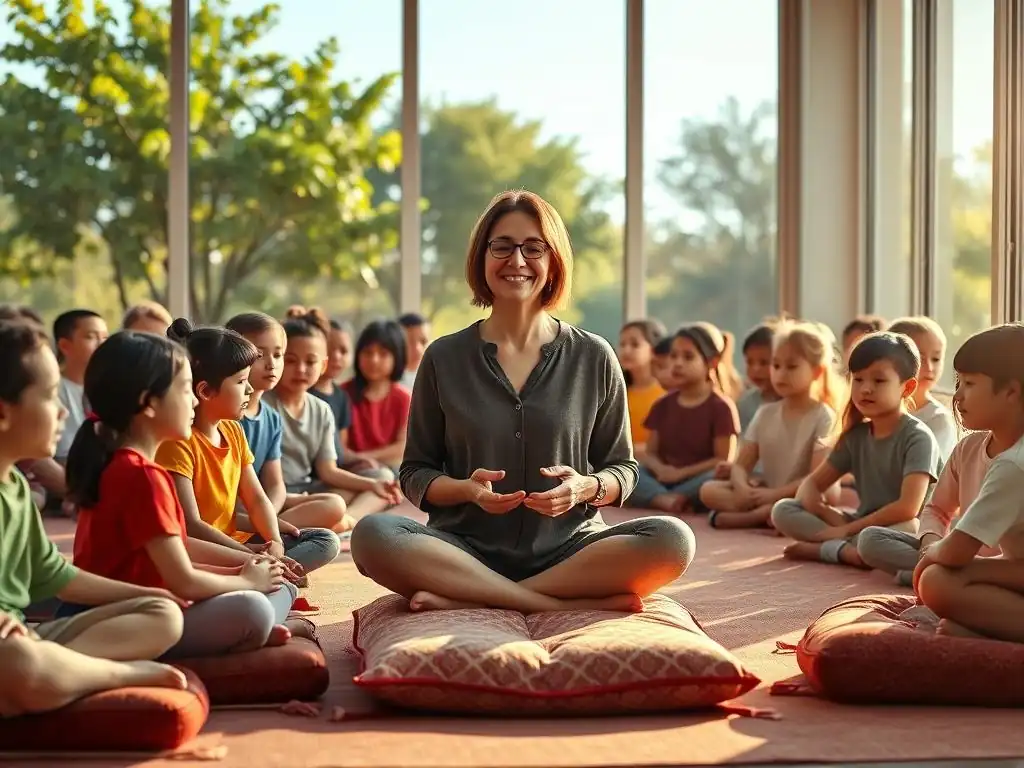
Welcome to Mind Care Guide, a sanctuary for your mental well-being.
Are you a teacher feeling the relentless weight of burnout? You're not alone. We understand the immense pressures you face daily. Discover how mindfulness can be your powerful ally in reclaiming your energy and finding renewed purpose. Dive into our article, " Mindfulness reduces teacher burnout," and begin your journey towards a more balanced and fulfilling life, one mindful breath at a time. What if just a few moments of stillness could transform your entire outlook? Let's explore that possibility together...
Beat Teacher Burnout: Why Mindfulness is Your Essential Tool for Wellbeing
- Understanding Teacher Burnout: A Growing Crisis in Education
- Mindfulness: A Powerful Antidote to Teacher Burnout
- How Mindfulness Reduces Teacher Burnout: Practical Strategies
- Integrating Mindfulness into the Classroom: A Guide for Teachers
- Long-Term Wellbeing: Sustaining Mindfulness Practice for Teacher Resilience
- The Future of Education: Prioritizing Teacher Wellbeing Through Mindfulness
-
Frequently Asked Questions
- How does mindfulness specifically help reduce teacher burnout?
- What are some practical mindfulness exercises teachers can incorporate into their daily routines?
- How can schools and administrations support teachers in practicing mindfulness?
- Is there any scientific evidence supporting the claim that mindfulness reduces teacher burnout?
- How long does it typically take to see a noticeable reduction in burnout symptoms after starting a mindfulness practice?
- Final Reflection: Cultivating Calm in the Classroom
- Unveil Your Inner Calm: Reclaim Your Teaching Passion
Understanding Teacher Burnout: A Growing Crisis in Education
Defining Teacher Burnout: Signs, Symptoms, and Impact
Teacher burnout is a state of physical, emotional, and mental exhaustion caused by prolonged exposure to stress and demands in the educational environment. It's more than just feeling tired; it's characterized by emotional exhaustion, depersonalization (a cynical or detached attitude towards students and the job), and a reduced sense of personal accomplishment. Educators experiencing burnout may feel overwhelmed, lose motivation, struggle with concentration, and even develop physical symptoms like headaches or insomnia. This chronic stress significantly impairs their ability to teach effectively and connect with students.
The impact of teacher burnout extends far beyond the individual educator. It affects classroom climate, student learning outcomes, and the overall health of the school community. High levels of burnout contribute to increased absenteeism, lower job satisfaction, and ultimately, higher teacher turnover rates. This instability disrupts the learning environment and places additional strain on remaining staff. Addressing burnout is crucial not only for the wellbeing of teachers but for the future of education itself.
The Alarming Statistics: Prevalence and Consequences of Teacher Burnout
The prevalence of teacher burnout is a significant concern across many countries. Reports from surveys often indicate that a substantial portion of the teaching workforce experiences high levels of stress and burnout symptoms. For instance, a large-scale survey might find that over 40% of teachers consider leaving the profession within their first five years, with stress and burnout being major contributing factors. Another study might reveal that over 60% of teachers report their job is "always" or "often" stressful, significantly higher than the average across other professions.
The consequences of this widespread burnout are dire. Financially, high turnover costs schools millions annually in recruitment and training expenses. More importantly, it diminishes educational quality. Teachers struggling with burnout may have less energy for lesson planning, classroom management becomes more challenging, and their capacity for empathy and patience with students can decrease. This creates a negative cycle where teacher stress impacts student behavior and performance, which in turn increases teacher stress, highlighting the urgent need for effective interventions like using mindfulness reduces teacher burnout.
Root Causes of Teacher Burnout: Identifying the Stressors
Numerous factors contribute to the high levels of stress and burnout experienced by teachers. Among the most frequently cited are excessive workload, including long hours spent grading, planning, and administrative tasks, often extending far beyond the school day. Another significant stressor is managing challenging student behaviors and large class sizes, which can make it difficult to provide individual attention and maintain a positive learning environment. Lack of administrative support and limited autonomy in decision-making also play a crucial role, leaving teachers feeling isolated and disempowered.
Furthermore, external pressures such as standardized testing requirements, ever-changing curriculum mandates, and often inadequate salaries add layers of stress. Teachers frequently report feeling undervalued and unsupported by policymakers and the wider community. The emotional labor involved in teaching – constantly managing one's own emotions while responding empathetically to students' needs – is also a major, often underestimated, cause of exhaustion. Identifying these root causes is the first step in developing strategies, such as incorporating mindfulness, that can effectively address and reduce teacher burnout.
Mindfulness: A Powerful Antidote to Teacher Burnout
What is Mindfulness? A Simple Definition for Educators
Mindfulness can be simply defined as paying attention, on purpose, to the present moment, without judgment. It's about bringing a gentle, curious awareness to whatever is happening right now – whether it's your thoughts, feelings, bodily sensations, or the environment around you. For educators, this means noticing the sounds of the classroom, the feeling of your feet on the floor, the thoughts racing through your mind about the next lesson, or the frustration bubbling up during a challenging interaction, all without getting swept away by them or labeling them as good or bad.
Practicing mindfulness is not about emptying your mind or achieving a state of perfect calm, which can be an intimidating idea for busy teachers. Instead, it's about cultivating a different relationship with your experiences. It's learning to observe the constant flow of internal and external events with greater clarity and less reactivity. This practice builds a mental space between stimulus (a stressful event) and response (reacting with frustration or exhaustion), allowing for more thoughtful and less emotionally driven reactions. This fundamental shift in perspective is key to how mindfulness reduces teacher burnout.
The Science Behind Mindfulness: How it Works in the Brain
Research into the neuroscience of mindfulness reveals tangible changes in the brain associated with regular practice. Studies using fMRI scans have shown that mindfulness meditation can lead to changes in the amygdala, the brain's fear and stress response center. With consistent practice, the amygdala tends to show decreased activity, meaning the brain is less likely to go into fight-or-flight mode in response to stressors. Simultaneously, the prefrontal cortex, associated with executive functions like attention, decision-making, and emotional regulation, often shows increased activity and thickness.
These changes in brain structure and function explain how mindfulness helps mitigate stress and burnout. By strengthening the prefrontal cortex and calming the amygdala, mindfulness enhances a teacher's ability to manage stress more effectively, regulate difficult emotions, and maintain focus amidst distractions. It literally rewires the brain to be more resilient to stress, which is a significant factor in why mindfulness reduces teacher burnout and supports long-term wellbeing in demanding professions like education.
Benefits of Mindfulness for Teachers: Beyond Burnout Reduction
While a primary benefit is certainly how mindfulness reduces teacher burnout, the practice offers a wealth of advantages that enhance both professional effectiveness and personal life. Improved stress management is foundational, but teachers also report increased patience and emotional resilience, enabling them to navigate challenging classroom dynamics with greater composure. Mindfulness cultivates a stronger sense of presence, allowing educators to be more fully engaged with their students and find greater joy in the teaching process itself.
Beyond the classroom, teachers who practice mindfulness often experience better sleep quality, reduced anxiety, and an overall improvement in their physical health. The practice can also enhance self-compassion, helping teachers be kinder to themselves when faced with mistakes or setbacks, a critical skill in a profession where self-criticism can be high. Ultimately, integrating mindfulness into daily life equips teachers with tools not just to survive, but to thrive, fostering a sense of wellbeing that extends far beyond their professional role.
How Mindfulness Reduces Teacher Burnout: Practical Strategies
Mindfulness Techniques for Stress Reduction: Immediate Relief Methods
When stress levels are soaring, teachers need practical tools they can use in the moment to find immediate relief. Simple mindfulness techniques can be easily integrated into a busy school day, offering quick resets. These practices don't require extensive time or special equipment, making them accessible during short breaks between classes, planning periods, or even during challenging moments in the classroom. Learning these techniques is a direct way to begin using mindfulness reduces teacher burnout on a daily basis.
Deep Breathing Exercises for Teachers: A Quick Mindfulness Practice
One of the most accessible mindfulness techniques is focused breathing. Teachers can practice this sitting at their desk, standing in the hallway, or even while supervising students quietly. A simple method is the 4-7-8 technique: inhale deeply through the nose for a count of four, hold the breath for a count of seven, and exhale slowly through the mouth for a count of eight. Repeating this just a few times can calm the nervous system, lower heart rate, and create a sense of immediate presence and calm. This brief pause allows teachers to interrupt the stress response cycle.
Another effective breathing exercise is mindful belly breathing. Place one hand on your chest and the other on your abdomen. Breathe in deeply through your nose, feeling your abdomen rise, while keeping your chest relatively still. Exhale slowly through your mouth, feeling your abdomen fall. Focus your attention entirely on the sensation of the breath entering and leaving your body. Even three to five cycles of deep, conscious breaths can significantly reduce feelings of overwhelm and bring you back to the present moment, offering a tangible way that mindfulness reduces teacher burnout in stressful situations.
Body Scan Meditation for Educators: Cultivating Awareness
The body scan is a longer practice, typically ranging from 10 to 30 minutes, though shorter versions are possible. It involves systematically bringing your attention to different parts of your body, noticing any sensations without judgment. This practice helps teachers become more aware of where they hold tension and stress in their bodies, which is common with burnout. Lie down or sit comfortably and gently bring attention to your toes, then your feet, ankles, and so on, slowly moving up through the body, noticing warmth, tingling, pressure, or absence of sensation.
For busy educators, a mini body scan can be done in just a few minutes. While sitting at your desk, close your eyes (if comfortable) or soften your gaze. Bring attention to your feet on the floor, noticing the contact and pressure. Then, bring attention to your hands resting on your lap or desk.
Finally, notice the sensations in your shoulders and neck, areas where teachers often carry a lot of tension. Gently release any tension you find on an exhale. This brief check-in can help teachers reconnect with their physical selves and release accumulated stress, demonstrating how mindfulness reduces teacher burnout by increasing somatic awareness.
Mindful Movement for Teachers: Incorporating Gentle Exercise
Mindful movement involves bringing conscious awareness to physical activity, no matter how brief or gentle. It's not about intense exercise, but about paying attention to the sensations in your body as you move. Simple practices like a mindful walk during a lunch break, focusing on the feeling of your feet hitting the ground and the rhythm of your breath, can be incredibly grounding. Stretching mindfully between classes, paying attention to the stretch and release in your muscles, can also alleviate physical tension.
Even within the classroom, teachers can incorporate mindful movement. Standing up and stretching, rolling your shoulders, or gently moving your neck while bringing awareness to the sensations can provide a quick physical and mental break. If you have a few minutes, practicing gentle yoga poses like a standing forward bend or a simple twist can release tension. The key is to move with intention and awareness, using the physical sensations as anchors to the present moment. Incorporating mindful movement is another practical way that mindfulness reduces teacher burnout by addressing the physical manifestations of stress.
Cultivating Emotional Regulation Through Mindfulness
Mindfulness significantly enhances emotional regulation, a critical skill for teachers who navigate a wide spectrum of emotions daily – their own, and those of their students. Emotional regulation isn't about suppressing feelings, but about developing the capacity to experience emotions fully without being overwhelmed by them and to respond to them in skillful ways. This ability is vital for maintaining composure in challenging situations and preventing emotional exhaustion, a core component of burnout. Learning this skill is key to how mindfulness reduces teacher burnout by building inner resilience.
Recognizing and Accepting Emotions: A Key to Teacher Wellbeing
A fundamental aspect of mindful emotional regulation is learning to recognize and accept emotions as they arise, without judgment. Instead of pushing away feelings like frustration, anger, or sadness, mindfulness encourages teachers to acknowledge them with curiosity: "Ah, there is frustration." This simple act of non-judgmental observation creates distance from the emotion, preventing immediate, reactive responses. It's about understanding that emotions are temporary states, not defining characteristics.
By practicing acceptance, teachers can reduce the secondary suffering that often comes from resisting difficult emotions ("I shouldn't feel angry," "It's unprofessional to feel this stressed"). This self-compassionate approach allows emotions to flow through without getting stuck. Developing this capacity to sit with discomfort is profoundly empowering and is a core mechanism by which mindfulness reduces teacher burnout by preventing emotional overwhelm and fostering greater inner peace.
Responding Mindfully to Difficult Situations in the Classroom
Mindfulness provides teachers with the pause needed to respond thoughtfully rather than react impulsively to challenging classroom situations. When a student misbehaves, a lesson plan goes awry, or a parent sends a difficult email, the initial impulse might be frustration or defensiveness. A mindful teacher, however, can notice that initial emotional surge without immediately acting on it. They can take a conscious breath, ground themselves in the present moment, and then choose a response that is aligned with their values and the needs of the situation, rather than being driven by raw emotion.
This ability to create space between stimulus and response allows for more effective problem-solving and de-escalation. Instead of reacting with anger to disruptive behavior, a mindful teacher might respond with calm firmness and curiosity about the underlying cause. This shift in response style not only benefits the teacher by reducing stress but also creates a more positive and predictable classroom environment for students. This skillful navigation of challenges is a practical demonstration of how mindfulness reduces teacher burnout by transforming stressful interactions into opportunities for mindful engagement.
Improving Focus and Concentration with Mindfulness
Teaching demands significant mental focus – juggling lesson plans, monitoring student engagement, responding to questions, and managing multiple tasks simultaneously. Burnout often manifests as difficulty concentrating, forgetfulness, and feeling scattered. Mindfulness practices, particularly those focused on attention, can help teachers sharpen their focus, improve their ability to sustain attention, and become less susceptible to distractions, thereby directly combating the cognitive impairments associated with burnout. This enhanced focus is another way mindfulness reduces teacher burnout by improving efficiency and reducing errors caused by lack of attention.
Mindful Lesson Planning: Creating Intentional and Engaging Activities
Mindfulness can transform the often-stressful task of lesson planning into a more focused and creative process. Instead of rushing through planning while thinking about a million other things, a mindful approach involves dedicating focused attention to the task at hand. This could mean starting a planning session with a few mindful breaths, setting a clear intention for what you want to achieve, and then immersing yourself fully in the process, noticing when your mind wanders and gently bringing it back.
Approaching lesson planning mindfully allows teachers to be more present with the material and their students' needs, leading to more intentional and engaging lesson designs. It can also reduce the feeling of being overwhelmed by breaking the task into manageable chunks and focusing on one aspect at a time. This focused approach not only improves the quality of lessons but also makes the planning process less stressful, contributing to how mindfulness reduces teacher burnout by making daily tasks more manageable and less draining.
Reducing Distractions: Staying Present with Students
The classroom is full of potential distractions – emails pinging, administrative tasks piling up, thoughts about personal life, and the constant demands of students. Mindfulness helps teachers become more aware of these internal and external distractions without getting pulled away by them. By practicing bringing attention back to the present moment – whether it's focusing on the student speaking, the activity happening, or the task at hand – teachers can improve their ability to stay present and engaged with their students.
This enhanced presence allows teachers to be more responsive to student needs, notice subtle cues they might otherwise miss, and create a stronger connection with their class. It also reduces the mental fragmentation that contributes to burnout, where the mind is constantly jumping between tasks and worries. By training the attention through mindfulness, teachers can cultivate a sense of calm focus amidst the chaos of the school day, illustrating how mindfulness reduces teacher burnout by increasing presence and reducing mental clutter.
Integrating Mindfulness into the Classroom: A Guide for Teachers
Implementing mindfulness practices doesn't have to be limited to a teacher's personal life; it can also be woven into the fabric of the classroom environment. Introducing simple mindfulness activities to students can create a calmer, more focused learning atmosphere, which in turn benefits the teacher by reducing classroom management challenges and fostering a more positive dynamic. Integrating mindfulness into the classroom is a proactive step that supports both student and teacher wellbeing, reinforcing how mindfulness reduces teacher burnout by improving the overall school climate.
Mindfulness Activities for Students: Creating a Calm Learning Environment
Teachers can introduce short, age-appropriate mindfulness activities to their students. These might include a one-minute breathing exercise at the start of class to help students transition and focus, a guided body scan before a test to reduce anxiety, or a mindful listening exercise where students close their eyes and focus on all the sounds they can hear for a minute. Even simple practices like mindful eating during snack time, encouraging students to notice the texture, smell, and taste of their food, can cultivate presence.
Another popular activity is the "Mind Jar," a jar filled with water, glitter, and glue. Shaking the jar simulates a busy, chaotic mind; watching the glitter slowly settle represents the mind calming down. Students can shake the jar when they feel upset and watch the glitter settle as they take deep breaths. These activities not only teach students valuable self-regulation skills but also create moments of calm and focus in the classroom, making the teaching environment less stressful and contributing to how mindfulness reduces teacher burnout by fostering a more settled class.
Leading by Example: Modeling Mindfulness for Your Students
Perhaps the most powerful way teachers can integrate mindfulness into the classroom is by modeling it themselves. When teachers openly practice mindfulness – taking a conscious breath before responding to a question, pausing before reacting to a disruption, or simply acknowledging their own feelings ("I'm feeling a bit rushed right now, let's take a moment...") – they demonstrate to students what mindfulness looks like in action. Students learn by observing, and seeing their teacher navigate challenges with greater calm and presence provides a powerful lesson in emotional intelligence and resilience.
Modeling mindfulness also makes the practice feel normal and accessible to students. It shows them that it's okay to pause, to feel, and to choose a response. A teacher who visibly practices mindfulness creates a classroom culture that values presence, patience, and emotional awareness. This positive classroom climate inherently reduces some of the daily stressors that contribute to teacher burnout, illustrating the ripple effect of how mindfulness reduces teacher burnout not just personally, but through the environment created.
Addressing Challenges and Concerns: Overcoming Obstacles to Implementation
Implementing mindfulness in the classroom can face challenges, including limited time, lack of training, and skepticism from students, parents, or administrators. Teachers may feel they don't have enough time in an already packed curriculum to dedicate to mindfulness activities. Starting small is key – even one or two minutes a day can make a difference. Integrating mindfulness into existing routines, like using mindful listening during story time or mindful transitions between subjects, can be more feasible than carving out large blocks of time.
Lack of training is another hurdle. Many resources are available, from online courses to workshops specifically designed for educators. Starting with personal practice is often the best foundation. Addressing skepticism requires clear communication about the benefits, perhaps sharing articles or research on how mindfulness reduces stress and improves focus in educational settings. Focusing on simple, non-religious practices and framing them as tools for focus and calm can make them more palatable. Persistence and patience are essential, recognizing that building a mindful classroom culture is a gradual process.
Long-Term Wellbeing: Sustaining Mindfulness Practice for Teacher Resilience

The benefits of mindfulness for teachers are cumulative. While immediate stress reduction is possible, the deeper impacts on resilience, emotional regulation, and overall wellbeing come from consistent, long-term practice. Sustaining a personal mindfulness routine is crucial for building lasting resilience against the chronic stressors of teaching and ensuring that mindfulness continues to reduce teacher burnout over the course of a career. It's an ongoing commitment to self-care and professional sustainability.
Creating a Personal Mindfulness Routine: Making it a Habit
Making mindfulness a habit requires intentionality and flexibility. It doesn't mean meditating for an hour every day; even short, regular practices can be highly effective. Teachers can start by committing to just 5-10 minutes daily, perhaps in the morning before school, during a lunch break, or in the evening. This could involve sitting meditation, mindful walking, or simply mindful awareness while doing everyday activities like drinking coffee or commuting. The key is consistency, even if for short durations.
Finding a time and place that works consistently is important, but so is being adaptable. Some days, a formal sit might not be possible, but a teacher could practice mindful breathing for a minute while standing in line or mindfully stretching between classes. Using apps or guided meditations can help maintain motivation and provide structure. Tracking progress, perhaps through journaling about how practices felt or noting moments of increased calm or presence during the day, can also reinforce the habit and highlight how mindfulness reduces teacher burnout over time.
Seeking Support and Resources: Connecting with the Mindfulness Community
Teachers don't have to embark on their mindfulness journey alone. Connecting with others who are also practicing mindfulness can provide valuable support, shared experiences, and motivation. Many schools or districts now offer professional development in mindfulness. Online communities, local meditation groups, or mindfulness classes offer opportunities to learn from experienced practitioners and connect with peers. Sharing challenges and successes with others can make the practice feel less isolating.
Accessing reliable resources is also important. Books, websites, and apps dedicated to mindfulness for stress reduction and wellbeing provide guided practices, theoretical background, and practical tips. Some organizations specifically focus on bringing mindfulness to educators. Utilizing these resources can deepen understanding and provide new techniques to explore, helping teachers sustain their practice and maximize the benefits of how mindfulness reduces teacher burnout.
Measuring Your Progress: Tracking the Impact of Mindfulness on Wellbeing
While mindfulness is not about achieving perfect results, reflecting on the impact of the practice can be motivating and help teachers refine their approach. This isn't formal scientific measurement, but rather a personal assessment. Teachers can keep a simple journal, noting things like: "Did I feel less reactive in a difficult situation today?" "Did I feel more present during a lesson?" "Did I notice my stress levels fluctuating?" "Was I able to let go of frustrating thoughts more easily?"
Another way to track progress is simply by paying attention to overall feelings of stress, energy levels, sleep quality, and job satisfaction over time. While external circumstances in teaching won't disappear, noticing a shift in how you respond to them – feeling more resilient, less overwhelmed, or more able to bounce back from challenging days – indicates that the practice is having a positive effect. This personal evidence reinforces the power of how mindfulness reduces teacher burnout and encourages continued commitment.
The Future of Education: Prioritizing Teacher Wellbeing Through Mindfulness
Recognizing the profound impact of teacher burnout on individuals and the education system, there is a growing movement to prioritize teacher wellbeing. Integrating mindfulness into professional development and school culture is emerging as a key strategy in this effort. Shifting the focus from solely student outcomes to the wellbeing of the educators who facilitate that learning is essential for creating sustainable, thriving school communities. Embracing how mindfulness reduces teacher burnout is not just a personal choice for teachers, but a systemic imperative.
Case Study: Baltimore City Public Schools' Mindfulness Initiative
Baltimore City Public Schools offers a compelling example of a large urban district that has invested in mindfulness for both students and staff. Recognizing high levels of stress and trauma affecting their school community, the district partnered with organizations to implement comprehensive mindfulness programs. This included professional development for teachers on personal mindfulness practices and strategies for integrating mindfulness into the classroom. The initiative aimed to improve student focus and emotional regulation while simultaneously supporting teacher wellbeing and reducing stress.
Reports from the initiative have indicated positive outcomes. Teachers participating in the program reported feeling less stressed, more resilient, and better equipped to handle challenging classroom behaviors. The focus on teacher wellbeing was seen not as separate from student success, but as foundational to it. By investing in practices like mindfulness, the district demonstrated a commitment to addressing the root causes of stress and burnout, showing how a systemic approach to mindfulness reduces teacher burnout and creates a healthier educational ecosystem.
Expert Opinion: The Role of Mindfulness in Educational Reform
Educational experts and researchers increasingly highlight the critical role of teacher wellbeing in school effectiveness and the potential of mindfulness as a tool for systemic change. Leaders in educational psychology and policy argue that focusing solely on curriculum and testing is insufficient; attention must be paid to the human element – the emotional and mental health of both students and teachers. Mindfulness is seen as a powerful, evidence-based intervention that addresses the significant stressors inherent in the profession.
Commentators suggest that integrating mindfulness training into teacher preparation programs and ongoing professional development should become standard practice. They argue that equipping teachers with these skills is not a luxury, but a necessity for building a resilient teaching workforce capable of navigating the complexities of 21st-century education. This perspective underscores the belief that prioritizing teacher wellbeing through practices like mindfulness reduces teacher burnout and is fundamental to achieving meaningful and lasting educational reform.
Call to Action: Advocate for Mindfulness in Your School
If you are a teacher, administrator, parent, or community member concerned about teacher burnout and wellbeing, consider becoming an advocate for mindfulness in your school or district. Start conversations with colleagues, administrators, and parent-teacher associations about the benefits of mindfulness for both teachers and students. Share resources, research findings on how mindfulness reduces teacher burnout, and success stories from other schools.
Suggest starting small, perhaps with a voluntary mindfulness group for staff or a pilot program in a few classrooms. Advocate for professional development opportunities focused on mindfulness and stress reduction. The collective voice of a school community can be powerful in driving change. By championing initiatives that support teacher wellbeing through mindfulness, you contribute to creating a healthier, more supportive environment for everyone in the school community, ultimately strengthening the foundation of education itself.
Frequently Asked Questions
How does mindfulness specifically help reduce teacher burnout?
Mindfulness helps by promoting self-awareness and emotional regulation, allowing teachers to better manage stress and prevent feeling overwhelmed. This reduces the chronic stress that leads to burnout.
What are some practical mindfulness exercises teachers can incorporate into their daily routines?
Simple exercises include focused breathing, body scan meditations, and mindful walking. These techniques can be practiced for just a few minutes each day to increase present moment awareness.
How can schools and administrations support teachers in practicing mindfulness?
Schools can offer mindfulness training workshops, create dedicated relaxation spaces, and integrate mindfulness practices into staff meetings to foster a supportive environment.
Is there any scientific evidence supporting the claim that mindfulness reduces teacher burnout?
Yes, numerous studies show that mindfulness interventions can significantly reduce symptoms of burnout such as emotional exhaustion and depersonalization in teachers.
How long does it typically take to see a noticeable reduction in burnout symptoms after starting a mindfulness practice?
While individual results vary, many teachers report experiencing a positive impact within a few weeks of consistently practicing mindfulness. Regular practice is key to sustained benefits.
Final Reflection: Cultivating Calm in the Classroom
The relentless demands of teaching are leaving educators feeling depleted, but the path to resilience lies within. Teacher burnout is a crisis, impacting not only individual well-being but also the quality of education our children receive. This article has explored the powerful role mindfulness can play in mitigating this pervasive problem, offering practical strategies to navigate the challenges of the profession and cultivate a sense of inner peace.
The impact of teacher burnout extends far beyond the individual; it ripples through classrooms, schools, and ultimately, society. The emotional toll on educators affects their ability to connect meaningfully with students, fostering a less engaging and supportive learning environment. As educator and author, Brené Brown, wisely stated, Vulnerability is not weakness; it's our greatest measure of courage.
Embracing mindfulness allows teachers to acknowledge their vulnerabilities, manage stress effectively, and ultimately, show up authentically for themselves and their students. This act of self-care is not selfish; it's essential for creating a thriving educational ecosystem.
Now, consider your own well-being. What small steps can you take today to incorporate mindfulness into your daily routine? Perhaps it's a few minutes of deep breathing before your first class, a mindful walk during your lunch break, or a conscious effort to savor a moment of quiet reflection at the end of the day. Remember, the journey to reducing burnout is a personal one, and every mindful moment is a step towards a more balanced, fulfilling, and ultimately, more impactful teaching experience. Invest in yourself, and watch the positive effects radiate outwards.
Unveil Your Inner Calm: Reclaim Your Teaching Passion
Thanks for taking the time to explore the power of mindfulness in combating teacher burnout! We hope you've gained valuable insights into how this practice can revitalize your teaching journey and enhance your overall well-being.
Now, it's time to put these insights into action. Here are a few ways to continue your mindfulness journey:
- Begin a daily mindfulness practice: Even 5-10 minutes of focused breathing or meditation can make a world of difference. Start small and build consistency. This is your primary step towards lasting change.
- Share this article with a fellow teacher: Let's build a supportive community focused on teacher wellbeing.
- Explore different mindfulness techniques: Experiment with guided meditations, mindful walking, or even mindful eating to find what resonates with you most.
Ready to prioritize your mental health and rediscover your passion for teaching? What's one small step you'll take today to incorporate mindfulness into your daily routine?