
Why Stress Makes You Anxious: The AmygdalaPFC Biological Pathway

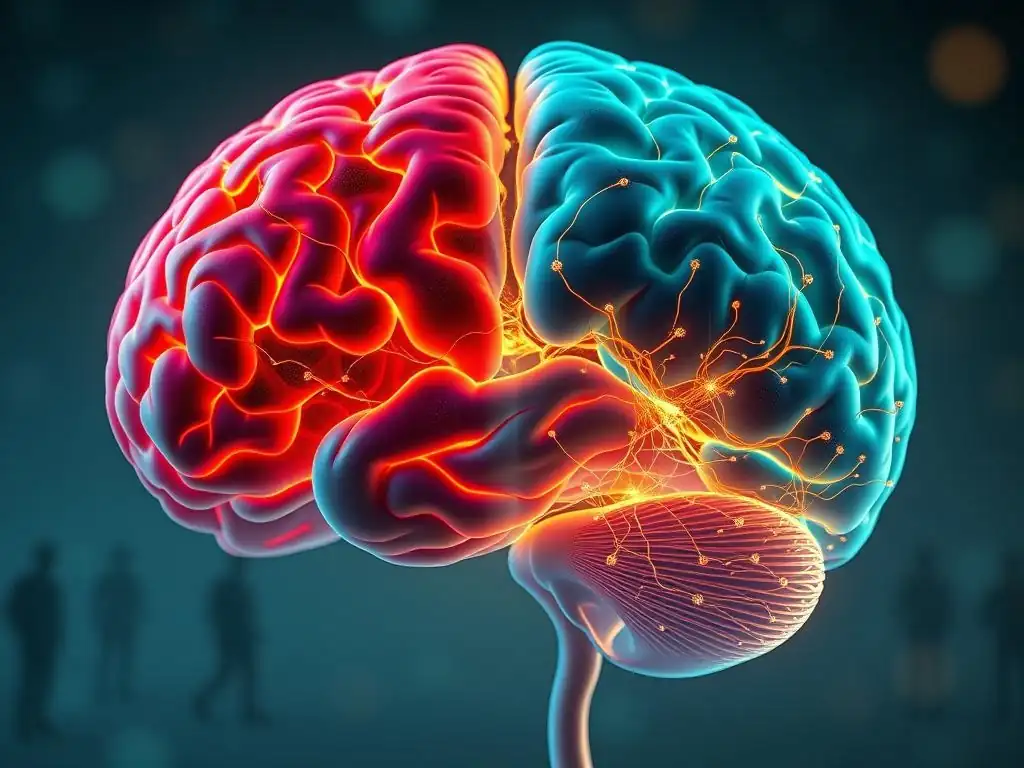
Welcome to Mind Care Guide, your sanctuary for understanding and nurturing mental well-being. Feeling overwhelmed by stress and anxiety? You're not alone. We delve into the stress anxiety amygdala pathway connection, unraveling the neuroscience behind these feelings. This understanding is the first step towards reclaiming control. Curious to learn how your brain's response to stress might be triggering your anxiety? Let's explore together...
- Understanding the Gut-Brain Connection: An Introduction to the Microbiome-Mental Health Link
- The Gut Microbiome: Your Body's Ecosystem and its Impact on the Brain
- The Vagus Nerve: The Primary Communication Pathway
- The Gut-Brain Axis: A Bidirectional Communication System
- Imbalances in the Gut-Brain Axis and Mental Health Disorders
- The Biological Impact: Neurotransmitters and Hormones Involved in Gut-Brain Connection
- Long-Term Effects of Gut Dysbiosis on Mental Well-being
- Strategies to Regulate the Gut-Brain Axis and Improve Mental Health
- Conclusion: Re-Establishing Balance in the Gut-Brain Axis for Mental Well-being
-
Frequently Asked Questions
- How does the amygdala contribute to anxiety when stressed?
- What is the prefrontal cortex (PFC) and its role in managing stress and anxiety?
- What is the amygdala-PFC pathway and how does it relate to stress and anxiety?
- Can lifestyle changes impact the amygdala-PFC connection and reduce stress and anxiety?
- Are there therapeutic interventions that specifically target the amygdala-PFC pathway for anxiety disorders?
- Final Reflection: Unraveling the Stress-Anxiety Connection
- Unlock Your Calm: Take Control of Your Anxiety
Understanding the Gut-Brain Connection: An Introduction to the Microbiome-Mental Health Link
Exploring the Link Between Gut Health and Mental Well-being
The intricate relationship between our digestive system and our brain is far more profound than previously understood. This bidirectional communication pathway, known as the Gut-Brain Axis, is a complex network involving the central nervous system, the enteric nervous system (often called the "second brain" located in the gut), the immune system, and the vast community of microorganisms residing in our intestines – the gut microbiome. Research has increasingly highlighted how the composition and health of this gut microbiome can significantly influence our mood, behavior, and overall mental well-being.
Scientific studies, including those published in journals like Nature and Cell, have provided compelling evidence linking gut health and conditions such as anxiety and depression. For instance, studies in animal models have shown that transplanting gut microbes from depressed humans into germ-free mice can induce depressive-like behaviors in the mice. While human studies are more complex, epidemiological data indicates a higher prevalence of gastrointestinal issues like Irritable Bowel Syndrome (IBS) in individuals diagnosed with anxiety and depression, suggesting a strong correlation between gut health and mental health challenges.
The Role of the Microbiome and Vagus Nerve in Mental Health
The gut microbiome, a diverse ecosystem of bacteria, viruses, fungi, and other microbes, plays a crucial role in mediating the gut-brain connection. These microorganisms produce a variety of compounds, including short-chain fatty acids (SCFAs) like butyrate, propionate, and acetate, which can enter the bloodstream and affect brain function. Furthermore, the microbiome influences the production of neurotransmitters and modulates the immune system, both of which have direct implications for mental health.
A primary conduit for communication along the Gut-Brain Axis is the vagus nerve, the longest cranial nerve in the body. It serves as a superhighway connecting the brain directly to the gut, transmitting signals in both directions. The gut microbiome can directly stimulate vagal nerve endings, sending signals about the state of the gut environment to the brain. This neural pathway is vital for regulating mood, stress responses, and even cognitive processes. A healthy, balanced microbiome contributes to a well-functioning vagus nerve, supporting mental well-being.
The Gut Microbiome: Your Body's Ecosystem and its Impact on the Brain
Microbiome Function in Producing Neurotransmitters
The gut microbiome is surprisingly adept at producing a wide array of neuroactive compounds, including neurotransmitters that are traditionally associated with the brain. For example, a significant portion of the body's serotonin, a key neurotransmitter involved in mood regulation, digestion, and sleep, is produced by enterochromaffin cells in the gut, with gut bacteria playing a role in modulating its production and availability. Bacteria species like Lactobacillus and Bifidobacterium are known to influence GABA (gamma-aminobutyric acid) levels, an inhibitory neurotransmitter that helps calm the nervous system and reduce anxiety.
Beyond serotonin and GABA, gut microbes also contribute to the production of dopamine precursors, which are crucial for motivation and reward pathways in the brain. While the direct passage of some large neurotransmitter molecules from the gut to the brain is limited by the blood-brain barrier, the signals sent via the vagus nerve or the metabolic byproducts produced by bacteria can significantly impact neurotransmitter synthesis and activity within the brain itself. This highlights the profound influence of the gut ecosystem on the delicate balance of brain chemistry.
How Gut Inflammation Affects the Brain
Chronic inflammation originating in the gut can have far-reaching effects on the brain, contributing to mental health issues. When the gut lining becomes compromised, a condition sometimes referred to as "leaky gut," inflammatory molecules and bacterial components can leak into the bloodstream. These substances can then travel to the brain, crossing the blood-brain barrier and triggering neuroinflammation – inflammation within the brain tissue.
Neuroinflammation is increasingly recognized as a contributing factor in the development and exacerbation of conditions like depression, anxiety, and even neurodegenerative diseases. Inflammatory cytokines, signaling molecules released by immune cells, can interfere with neurotransmitter function, impair neuroplasticity (the brain's ability to adapt and form new connections), and damage brain cells. This inflammatory cascade initiated in the gut creates a hostile environment in the brain, negatively impacting mood, cognitive function, and stress resilience.
Gut Dysbiosis and Mental Health Disorders
Gut dysbiosis, an imbalance in the composition and function of the gut microbiome, is frequently observed in individuals with mental health disorders. This imbalance can involve a reduction in beneficial bacteria, an increase in potentially harmful microbes, or a decrease in the overall diversity of the microbial community. Dysbiosis can disrupt the production of beneficial compounds like SCFAs, impair the gut barrier function, and promote chronic low-grade inflammation.
Studies have shown distinct differences in the gut microbial profiles of people with major depressive disorder (MDD) or generalized anxiety disorder (GAD) compared to healthy individuals. For instance, some research suggests a decrease in species like Faecalibacterium prausnitzii, known for its anti-inflammatory properties, in individuals with depression. This altered microbial landscape can lead to disrupted communication along the Gut-Brain Axis, contributing to altered stress responses, mood instability, and increased vulnerability to anxiety and depression.
The Vagus Nerve: The Primary Communication Pathway
Vagus Nerve's Role in Parasympathetic Nervous System Activity
The vagus nerve is a key component of the autonomic nervous system, which controls involuntary bodily functions. Specifically, it is the principal nerve of the parasympathetic nervous system (PNS), often referred to as the "rest and digest" system. Activation of the vagus nerve promotes relaxation, slows heart rate, aids digestion, and reduces inflammation. In essence, it helps the body return to a state of calm after experiencing stress.
A healthy vagus nerve exhibits good "vagal tone," meaning it is responsive and efficiently signals the body to relax. High vagal tone is associated with resilience to stress, better mood regulation, and improved overall health outcomes. Conversely, low vagal tone is linked to increased inflammation, impaired stress response, and a higher risk of various health issues, including mental health challenges.
How Gut Health Influences Vagal Tone
The state of the gut microbiome and the health of the gut lining directly influence vagal tone. Gut bacteria can produce metabolites, such as SCFAs, that interact with receptors on vagal nerve endings in the gut wall. These interactions send signals to the brain via the vagus nerve, influencing its activity. For example, butyrate produced by beneficial bacteria is known to nourish gut cells and strengthen the gut barrier, reducing inflammation that could irritate vagal endings.
Furthermore, the presence of a diverse and balanced microbiome helps maintain the integrity of the gut barrier, preventing inflammatory substances from entering the bloodstream and potentially disrupting vagal signaling. Dysbiosis or inflammation in the gut can irritate the vagus nerve, sending distress signals to the brain and potentially leading to decreased vagal tone over time. Supporting gut health is therefore a crucial strategy for improving vagal function and promoting a calmer state.
Low Vagal Tone and Increased Vulnerability to Mental Illness
Individuals with low vagal tone tend to have a diminished capacity to regulate their stress response and emotional reactivity. When faced with stressors, their bodies may remain in a heightened state of alert for longer periods, contributing to feelings of anxiety and difficulty relaxing. This impaired "rest and digest" function means the body struggles to switch off the "fight or flight" response.
Research has consistently found correlations between low vagal tone and increased susceptibility to anxiety disorders, depression, and even PTSD. For example, studies have shown that individuals with lower resting vagal tone are more likely to report higher levels of worry and rumination. Strengthening vagal tone through various techniques, including those targeting gut health, is emerging as a promising avenue for improving resilience and managing mental health symptoms.
The Gut-Brain Axis: A Bidirectional Communication System
How the Gut and Brain Communicate Through Hormones and Cytokines
Communication along the Gut-Brain Axis is not solely reliant on the vagus nerve. The gut and its inhabitants also communicate with the brain via endocrine (hormonal) and immune pathways. Enteroendocrine cells in the gut lining produce hormones like cholecystokinin (CCK) and peptide YY (PYY) in response to food, which signal satiety to the brain. Ghrelin, the "hunger hormone," is also produced in the gut and influences appetite regulation in the brain. These gut hormones can affect mood and behavior.
Moreover, the gut houses a significant portion of the body's immune cells. When the gut microbiome is imbalanced or the gut lining is compromised, these immune cells can release inflammatory cytokines. These signaling molecules can enter the bloodstream and travel to the brain, where they can trigger neuroinflammation and interfere with neurotransmitter systems. This immune-mediated pathway is a critical link between gut health, inflammation, and mental health conditions.
The Gut-Brain Axis in Healthy Emotional Regulation
In a healthy state, the Gut-Brain Axis functions harmoniously, supporting balanced emotional regulation. A diverse and balanced gut microbiome contributes to a robust gut barrier, reduces systemic inflammation, produces beneficial metabolites, and supports healthy vagal tone. These factors collectively ensure smooth communication between the gut and the brain, facilitating appropriate stress responses and stable mood.
For example, SCFAs produced by gut bacteria can nourish brain cells, support the production of neurotrophic factors essential for brain health (like BDNF), and reduce neuroinflammation. A well-functioning vagus nerve ensures timely signals are sent between the gut and brain, helping to regulate physiological responses to stress. This integrated system allows for effective processing of emotional information and maintaining mental well-being.
Imbalances in the Gut-Brain Axis and Mental Health Disorders
Chronic Inflammation and Gut-Brain Disconnection
Chronic low-grade inflammation, often originating from gut dysbiosis or a compromised gut barrier, acts as a major disruptor of the Gut-Brain Axis. Persistent inflammation can impair the integrity of the blood-brain barrier, allowing inflammatory molecules from the periphery to enter the brain more easily. Once in the brain, these molecules trigger neuroinflammation, which can damage neurons and interfere with neurotransmitter signaling pathways crucial for mood and cognitive function.
This chronic inflammatory state effectively creates a "disconnection" or impaired communication along the Gut-Brain Axis. Instead of receiving balanced signals supporting homeostasis, the brain receives persistent distress signals related to inflammation and gut irritation. This constant inflammatory burden contributes significantly to the pathology of depression and anxiety, making it harder for the individual to regulate their mood and stress responses.
The Impact of Dysfunctional Gut-Brain Communication on Mood
Dysfunctional communication within the Gut-Brain Axis can manifest as significant mood disturbances. For instance, altered production or signaling of neurotransmitters like serotonin and dopamine, influenced by the gut microbiome and inflammation, can directly impact feelings of happiness, motivation, and pleasure. Reduced vagal tone, often a consequence of gut issues, impairs the body's ability to calm down, leading to heightened anxiety and difficulty managing stress.
Furthermore, the metabolic byproducts of a dysbiotic microbiome can include compounds that are neurotoxic or interfere with brain function. For example, some harmful bacteria can produce lipopolysaccharides (LPS), potent inflammatory molecules that can trigger widespread inflammation and negatively impact brain health. This constant assault on the brain via inflammatory and metabolic pathways originating from the gut contributes significantly to feelings of sadness, hopelessness, irritability, and worry characteristic of depression and anxiety.
The Biological Impact: Neurotransmitters and Hormones Involved in Gut-Brain Connection
Serotonin Production in the Gut
While often associated with the brain, roughly 90% of the body's serotonin is produced in the gut by specialized cells called enterochromaffin cells. This gut-derived serotonin primarily functions locally to regulate gut motility and secretion. However, the production and availability of serotonin in the gut are influenced by the gut microbiome. Certain bacteria can produce precursors to serotonin or metabolites that stimulate its release from enterochromaffin cells.
Although most gut-derived serotonin doesn't cross the blood-brain barrier, it plays a crucial role in signaling along the Gut-Brain Axis, particularly via the vagus nerve. Alterations in gut serotonin levels or signaling, influenced by dysbiosis, can send abnormal signals to the brain, potentially contributing to mood disorders. This underscores the importance of a healthy gut environment for maintaining appropriate serotonin balance and signaling.
The Influence of Gut Bacteria on Dopamine Levels
While dopamine is primarily produced in the brain, research suggests that gut bacteria can influence its levels and activity, albeit indirectly compared to serotonin. Some gut bacteria species are capable of producing dopamine precursors, such as L-DOPA. While the direct transport of L-DOPA from the gut to the brain is limited, systemic levels of these precursors could potentially influence dopamine synthesis.
Moreover, the inflammatory and metabolic state of the gut, heavily influenced by the microbiome, can impact dopamine system function in the brain. Neuroinflammation triggered by gut issues can impair dopaminergic neurons and signaling, affecting motivation, reward processing, and mood. Thus, maintaining a healthy gut microbiome supports a less inflammatory environment, indirectly benefiting dopamine pathways in the brain.
Neuroplasticity and the Gut-Brain Axis: Dietary Changes Impact
Neuroplasticity, the brain's ability to reorganize itself by forming new neural connections, is vital for learning, memory, and recovery from injury or stress. The Gut-Brain Axis significantly influences neuroplasticity, particularly through the production of neurotrophic factors like Brain-Derived Neurotrophic Factor (BDNF). BDNF is essential for the growth, survival, and function of neurons.
Dietary interventions aimed at improving gut health, such as increasing fiber intake or consuming fermented foods, can lead to changes in the gut microbiome that promote the production of beneficial SCFAs like butyrate. Butyrate has been shown in studies to increase BDNF expression in the brain, particularly in areas like the hippocampus, which is critical for memory and mood regulation. This demonstrates a direct link between dietary choices, gut health, and the brain's capacity for adaptation and resilience.
Long-Term Effects of Gut Dysbiosis on Mental Well-being
Increased Risk of Anxiety and Depression
Chronic gut dysbiosis and the resulting inflammation and impaired Gut-Brain Axis communication significantly increase the long-term risk of developing or exacerbating anxiety and depression. The constant inflammatory signals and altered neurotransmitter signaling create a persistent state of vulnerability. Individuals with chronic gut issues like IBS or Inflammatory Bowel Disease (IBD), conditions often associated with dysbiosis and inflammation, have substantially higher rates of clinical anxiety and depression compared to the general population.
For example, estimates suggest that up to 60% of individuals with IBS also experience significant symptoms of anxiety or depression. This is not merely a consequence of dealing with a chronic illness; research indicates that the gut pathology itself contributes to the psychological symptoms via the Gut-Brain Axis. Addressing gut health is therefore a critical component in the long-term management and prevention of these mental health conditions.
Reduced Cognitive Function and Memory
Beyond mood disorders, chronic gut dysbiosis can also negatively impact cognitive function over time. The neuroinflammation triggered by gut-derived inflammatory molecules can impair synaptic function and damage neurons, particularly in areas of the brain involved in learning and memory, such as the hippocampus. This can lead to symptoms like brain fog, difficulty concentrating, and memory problems.
Studies in both animal models and humans have linked specific microbial profiles or gut inflammatory markers to impaired cognitive performance. For instance, elderly individuals with higher levels of certain inflammatory cytokines linked to gut health may show faster rates of cognitive decline. Maintaining a healthy Gut-Brain Axis through dietary and lifestyle interventions is crucial for supporting long-term cognitive vitality and potentially reducing the risk of age-related cognitive impairment.
Potential for Developing Neurodegenerative Diseases
Emerging research suggests a potential link between chronic gut dysbiosis, neuroinflammation, and an increased risk of developing neurodegenerative diseases such as Alzheimer's disease and Parkinson's disease. The chronic inflammatory state originating in the gut may contribute to the accumulation of misfolded proteins or other pathological processes in the brain that are characteristic of these conditions.
While this area of research is still developing, studies have identified differences in the gut microbiome composition in individuals with Parkinson's disease, for instance, and have explored the role of alpha-synuclein aggregation (a hallmark of Parkinson's) potentially starting in the gut and spreading to the brain via the vagus nerve. Addressing gut health early in life and maintaining it throughout adulthood may offer a potential strategy for mitigating the risk of these devastating conditions.
Strategies to Regulate the Gut-Brain Axis and Improve Mental Health
Probiotics and Prebiotics for a Healthy Microbiome
Incorporating probiotics and prebiotics into your diet is a key strategy for cultivating a healthy and balanced gut microbiome. Probiotics are live beneficial bacteria that, when consumed in adequate amounts, confer a health benefit to the host. They can be found in fermented foods like yogurt, kefir, sauerkraut, and kimchi, or taken as supplements. Different probiotic strains have varying effects; some Lactobacillus and Bifidobacterium strains, for example, have shown promise in studies for improving mood and reducing anxiety symptoms.
Prebiotics are non-digestible fibers that serve as food for beneficial gut bacteria, stimulating their growth and activity. Excellent sources of prebiotics include garlic, onions, leeks, asparagus, bananas, and oats. By nourishing the beneficial microbes already present in the gut, prebiotics help shift the microbial balance towards a healthier state, which in turn supports better Gut-Brain Axis function and potentially improves mental well-being.
Dietary Changes for Reduced Inflammation
Adopting an anti-inflammatory diet is crucial for calming gut inflammation and supporting the Gut-Brain Axis. This involves significantly reducing or eliminating processed foods, refined sugars, unhealthy fats (like trans fats and excessive saturated fats), and excessive consumption of red and processed meats, all of which can promote gut dysbiosis and inflammation.
Instead, focus on a diet rich in whole, unprocessed foods:
- Fruits and vegetables (especially colorful ones high in antioxidants and fiber)
- Whole grains (like oats, brown rice, quinoa)
- Lean protein sources (like fish rich in omega-3 fatty acids, poultry, legumes)
- Healthy fats (like olive oil, avocados, nuts, seeds)
- Fermented foods (as mentioned above)
This type of diet provides the necessary fiber to feed beneficial bacteria, supplies anti-inflammatory compounds, and helps maintain a strong gut barrier, all of which contribute to a healthier Gut-Brain Axis and improved mood.
Exercise and its Positive Effects on the Gut Microbiome and Mental Health
Regular physical exercise is not only beneficial for physical health but also has a profound positive impact on both the gut microbiome and mental health. Studies have shown that exercise can increase the diversity and abundance of beneficial bacteria species in the gut, such as those that produce SCFAs. This favorable shift in the microbial community can reduce inflammation and improve gut barrier function.
Furthermore, exercise is a well-established mood booster and stress reducer. It increases the production of endorphins, improves sleep quality, and helps regulate stress hormones. The positive effects of exercise on the gut microbiome and its direct benefits for mental health create a synergistic loop, where being active supports a healthier gut, which in turn supports a healthier mind. Aim for at least 150 minutes of moderate-intensity exercise per week, as recommended by health guidelines.
Stress Management Techniques for Gut Health and Mental Well-being
Given the bidirectional nature of the Gut-Brain Axis, chronic stress can negatively impact gut health, leading to dysbiosis and inflammation, while poor gut health can exacerbate stress and anxiety. Therefore, implementing effective stress management techniques is vital for regulating the Gut-Brain Axis and improving mental well-being. Techniques that activate the parasympathetic nervous system and improve vagal tone are particularly helpful.
Practices such as deep diaphragmatic breathing, meditation, yoga, mindfulness, and spending time in nature have all been shown to improve vagal tone and reduce stress hormone levels. Engaging in these activities regularly can help calm the nervous system, reduce gut motility disturbances often associated with stress, and create a more favorable environment for beneficial gut bacteria. Prioritizing stress reduction is a powerful tool for supporting both gut health and mental resilience.
Conclusion: Re-Establishing Balance in the Gut-Brain Axis for Mental Well-being
The Importance of Understanding the Gut-Brain Connection
Recognizing the profound connection between our gut and our brain is a critical step towards a more holistic approach to mental health. It moves beyond viewing mental health solely as a chemical imbalance in the brain and acknowledges the intricate interplay between the digestive system, its microbial inhabitants, the immune system, and the nervous system. Understanding the Gut-Brain Axis empowers individuals to consider their gut health as a vital component of their overall mental well-being.
This knowledge highlights that factors influencing gut health – such as diet, stress levels, exercise, and antibiotic use – can have significant downstream effects on mood, anxiety, and cognitive function. It provides a scientific basis for lifestyle interventions that target the gut as a means to support mental health, offering complementary strategies to traditional approaches.
Hope for Recovery and Improved Mental Health Through Gut Health
The research on the Gut-Brain Axis offers significant hope for individuals struggling with mental health challenges. It suggests that by focusing on improving gut health, it may be possible to positively influence brain function and alleviate symptoms of anxiety, depression, and other conditions. Strategies like dietary changes, incorporating probiotics and prebiotics, managing stress, and exercising are not just general health recommendations; they are targeted interventions that can directly impact the communication pathways between the gut and the brain.
While addressing gut health is not a standalone cure for complex mental health disorders, it represents a promising and increasingly evidence-based avenue for support. By nurturing a healthy gut microbiome and reducing inflammation, individuals can work towards re-establishing balance in the Gut-Brain Axis, potentially leading to improved mood stability, reduced anxiety, enhanced stress resilience, and a greater sense of overall mental well-being. This integrated approach underscores the body's remarkable capacity for healing when its various systems are supported.
Frequently Asked Questions
How does the amygdala contribute to anxiety when stressed?
The amygdala, the brain's fear center, becomes overactive under stress. This heightened activity triggers a cascade of responses leading to feelings of anxiety.
What is the prefrontal cortex (PFC) and its role in managing stress and anxiety?
The prefrontal cortex (PFC) is responsible for rational thought and emotional regulation. It normally inhibits the amygdala, but stress can weaken this connection.
What is the amygdala-PFC pathway and how does it relate to stress and anxiety?
This pathway is the communication channel between the amygdala and PFC. When stress disrupts this pathway, the amygdala's fear response goes unchecked, increasing anxiety.
Can lifestyle changes impact the amygdala-PFC connection and reduce stress and anxiety?
Yes, practices like mindfulness, exercise, and proper sleep can strengthen the PFC and improve its ability to regulate the amygdala's activity, reducing stress and anxiety.
Are there therapeutic interventions that specifically target the amygdala-PFC pathway for anxiety disorders?
Yes, therapies like Cognitive Behavioral Therapy (CBT) aim to re-train the amygdala-PFC connection by helping individuals challenge anxious thoughts and behaviors, thus reducing reactivity.
Final Reflection: Unraveling the Stress-Anxiety Connection
Understanding the amygdala-PFC pathway is not just an academic exercise; it's the key to unlocking a healthier, less anxious future. The intricate dance between the amygdala's fear response and the prefrontal cortex's rational thought, as detailed in this article, directly impacts our daily lives, shaping our reactions to stress and influencing our overall well-being. Ignoring this biological reality means missing a crucial opportunity for self-improvement and mental health management.
The ongoing influence of stress on our society is undeniable, manifesting in everything from increased rates of anxiety disorders to decreased productivity and strained relationships. The constant barrage of information and pressure in modern life only exacerbates the problem. The price of anxiety is high, but the price of not facing it is higher.
This quote perfectly encapsulates the importance of understanding the mechanisms behind stress-induced anxiety, allowing us to confront the issue head-on rather than allowing it to control us. It's a personal journey of self-discovery, requiring both knowledge and self-compassion.
You now possess a deeper understanding of the biological underpinnings of stress and anxiety. This knowledge is power. Use it to cultivate self-awareness, identify your personal triggers, and develop coping mechanisms that work for you. Practice mindfulness, engage in activities that calm your nervous system, and seek professional help when needed. Remember, understanding the amygdala-PFC pathway is the first step toward taking control of your response to stress and building a more resilient and peaceful life. The journey to a calmer you begins with understanding your own biology.
Unlock Your Calm: Take Control of Your Anxiety
Thanks for diving deep into the fascinating world of the amygdala-PFC pathway and how stress impacts anxiety! We hope you gained valuable insights into understanding and managing your stress response. Now it's time to put that knowledge into action.
- Master a simple mindfulness technique: Even 5 minutes of focused breathing can make a significant difference in calming your nervous system. Try it now – you might be surprised by the immediate effect!
- Share your "aha!" moment: Did something from the article resonate particularly strongly with you? Share your key takeaway with others on social media – spreading awareness can be incredibly empowering.
- Explore resources for stress management: Consider dedicating some time this week to researching additional stress-reduction techniques like yoga, meditation apps, or even nature walks.
What small step will you take today to nurture your calm and reduce your anxiety levels?