
Navigating the Teen Years: Mindfulness Strategies for High Schoolers

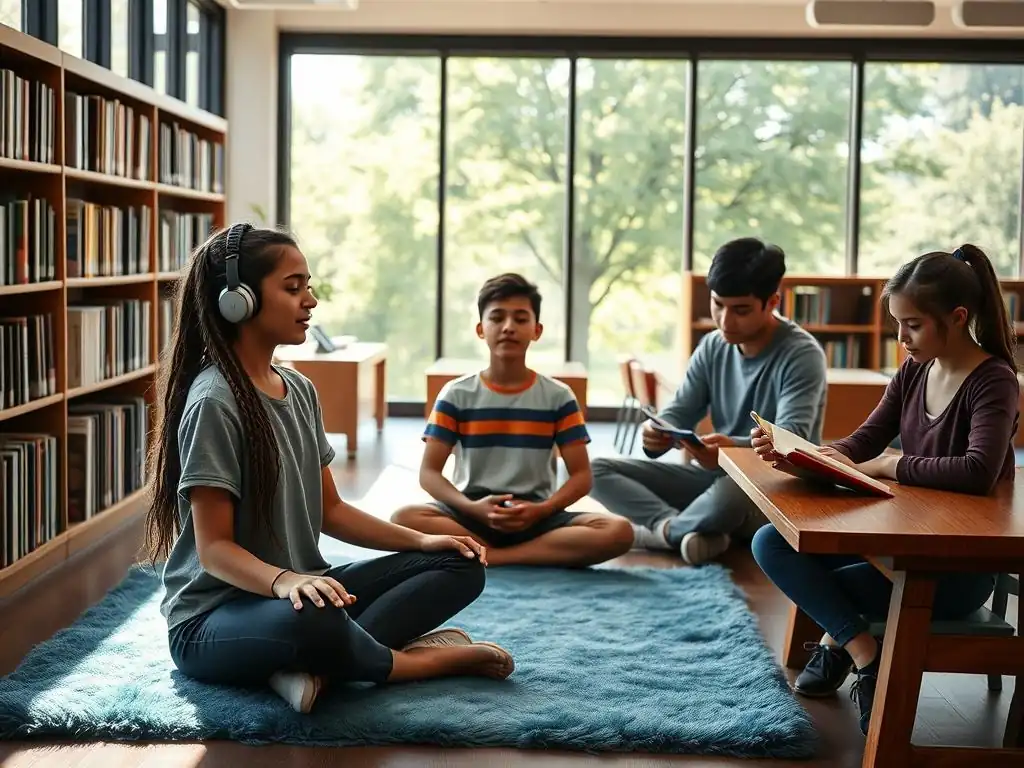
Welcome to Mind Care Guide, a sanctuary for your well-being.
Feeling overwhelmed by the pressures of teen life? You're not alone. Many high schoolers struggle with anxiety, and finding healthy coping mechanisms can be tough. This week, we delve into Mindfulness for teen anxiety, exploring practical strategies to help you navigate the ups and downs with greater ease. Curious to discover how a few moments of mindful breathing can make a world of difference? Let's begin...
Navigating Academic Stress: Mindfulness Strategies for College Students
- Understanding Stress in College and the Power of Mindfulness
- Practical Mindfulness Techniques for Stress Relief
- Integrating Mindfulness into Daily Life at University
- Overcoming Challenges and Maintaining a Mindfulness Practice
- Resources for Students: Mindfulness Apps and Websites
- Conclusion: Embracing Mindfulness for a Balanced and Successful College Experience
-
Frequently Asked Questions
- What is mindfulness and how can it help with teen anxiety?
- How can mindfulness be incorporated into a busy high schooler's schedule?
- Are there specific mindfulness exercises that are particularly effective for teen anxiety?
- What are the potential benefits of mindfulness beyond anxiety reduction for teenagers?
- Where can teens and parents find more resources and support related to mindfulness for anxiety?
- Final Reflection: Cultivating Calm in the Storm of Adolescence
- Unlock Your Teen's Inner Calm: Practical Steps to Thrive
Understanding Stress in College and the Power of Mindfulness
The Prevalence of Stress Among College Students
College life, while a period of growth and learning, is also frequently marked by significant stress. Studies consistently show high levels of stress among university students. For instance, the American College Health Association's National College Health Assessment often reports that a majority of students (sometimes upwards of 60-70%) identify stress as a significant factor impacting their academic performance and overall well-being.
This stress stems from a confluence of factors, including demanding coursework, financial burdens, social pressures, and navigating newfound independence. The constant pressure to succeed academically, coupled with the challenge of balancing multiple responsibilities, creates a fertile ground for anxiety and burnout.
This pervasive stress isn't just a minor inconvenience; it has tangible effects on students' lives. High stress levels are linked to reduced academic performance, difficulty concentrating, sleep disturbances, and an increased risk of mental health issues such as anxiety and depression.
A survey by the Association for University and College Counseling Center Directors might indicate that a large percentage of students seeking counseling do so primarily due to anxiety and stress related to academics and adjusting to college life. Understanding the sheer scale of this issue underscores the critical need for effective strategies to manage the unique pressures faced by college students.
How Mindfulness Can Help Manage Stress Symptoms
Mindfulness offers a powerful antidote to the relentless cycle of stress by teaching students how to relate differently to their thoughts and feelings. Instead of being swept away by worries about exams or assignments, mindfulness helps students observe these pressures without judgment. This ability to detach from overwhelming thoughts can significantly reduce the intensity of stress responses. Research, including studies published in journals like Mindfulness, has shown that regular mindfulness practice can lead to measurable reductions in perceived stress, anxiety, and depressive symptoms among student populations. It equips students with tools to navigate challenges more calmly.
Furthermore, mindfulness techniques help regulate the physiological symptoms of stress. Practices like mindful breathing can calm the nervous system, lowering heart rate and blood pressure which often spike during stressful periods. By fostering greater self-awareness, students can identify stress triggers earlier and apply coping strategies before stress becomes overwhelming. This proactive approach to managing stress is invaluable in a demanding academic environment. Implementing mindfulness strategies can transform how college students experience and respond to the pressures of university life, moving from reactivity to thoughtful engagement.
What is Mindfulness? A Practical Definition for College Students
At its core, mindfulness for college students involves paying attention to the present moment with openness, curiosity, and non-judgment. It's not about emptying the mind or achieving a state of perfect calm, but rather about noticing what is happening right now – whether it's a thought about an upcoming deadline, a feeling of tension in the shoulders, or the sound of rain outside – without getting caught up in analyzing, judging, or wishing it were different.
For a student juggling classes, work, and social life, this means bringing focused awareness to one task at a time, like truly listening during a lecture or fully engaging with a conversation.
Practically speaking, mindfulness can be integrated into countless daily activities. It can be as simple as taking three conscious breaths before opening an email about grades, or as structured as a 10-minute guided meditation session. The key is consistent practice, even in small doses. The goal is to cultivate an inner resilience that allows students to face academic challenges and personal difficulties with greater clarity and composure, rather than being overwhelmed by them. This present-moment awareness is the foundation upon which effective stress management techniques are built.
Practical Mindfulness Techniques for Stress Relief
Breathing Exercises for Immediate Stress Reduction
Breathing exercises are perhaps the most accessible and immediate mindfulness tools available to college students. They can be performed anywhere, anytime, offering a quick way to interrupt the stress response. Focusing on the breath anchors you to the present moment, diverting attention away from racing thoughts about assignments or social anxieties. Just a few minutes of conscious breathing can lower cortisol levels and activate the body's relaxation response. These simple techniques provide an immediate sense of calm and control during moments of acute stress, such as before a presentation or during an exam.
Integrating breathing exercises into your routine doesn't require significant time. Taking a few deep breaths before entering a classroom, pausing to focus on your breath between study sessions, or using breathwork to help fall asleep are all effective strategies. Consistency builds familiarity, making these techniques readily available when stress arises. Mastering even one or two simple breathing methods can significantly enhance a student's ability to manage daily pressures and maintain emotional equilibrium.
Alternate Nostril Breathing: Balancing the Mind
Alternate Nostril Breathing, known as Nadi Shodhana in yoga, is a powerful technique for calming the nervous system and balancing the left and right hemispheres of the brain. It involves closing one nostril and inhaling through the other, then switching and exhaling through the first nostril and inhaling through the second, and so on. This rhythmic, controlled breathing helps to quiet mental chatter and reduce anxiety. It's particularly useful when feeling overwhelmed or scattered, promoting a sense of centeredness.
Practicing Alternate Nostril Breathing for even 5-10 minutes can shift your state from stressed to serene. It can be done sitting comfortably before a challenging class or in the evening to wind down. While it requires a bit more coordination than simple deep breathing, its balancing effect on energy levels and mental clarity makes it a valuable tool for college students navigating demanding schedules and emotional ups and downs.
4-7-8 Breathing: Promoting Relaxation and Sleep
The 4-7-8 breathing technique, popularized by Dr. Andrew Weil, is a simple yet potent method for inducing relaxation and promoting sleep. It involves inhaling quietly through the nose for a count of four, holding the breath for a count of seven, and exhaling completely through the mouth with a whooshing sound for a count of eight. This cycle is repeated several times. The prolonged exhale helps to slow the heart rate and release tension, making it an excellent tool for unwinding before bed or calming down during a stressful situation.
Students struggling with sleep due to academic worries or finding it hard to relax after intense study sessions can benefit greatly from 4-7-8 breathing. Doing this technique for just four cycles can significantly reduce feelings of anxiety and make it easier to transition into a restful state. It's a portable relaxation tool that can be used in your dorm room, in a quiet corner of the library, or anywhere you need to quickly de-stress.
Mindful Meditation for College Students: Cultivating Inner Calm
Formal mindful meditation practices involve dedicating a specific period to sitting quietly and focusing your attention, often on the breath, bodily sensations, or sounds. This regular practice builds the capacity for mindfulness that can then be applied throughout the day. Even short sessions, like 5-15 minutes daily, have been shown to reduce stress, improve focus, and enhance emotional regulation in college students. It's like training a muscle; the more you practice, the stronger your ability to remain present and calm becomes.
Meditation isn't about stopping thoughts, but rather observing them without getting carried away. For students bombarded by deadlines and distractions, this skill is invaluable. Regular meditation practice can literally change the brain over time, increasing gray matter in areas associated with learning, memory, and emotional regulation, while decreasing volume in the amygdala, the brain's fear center. This neurobiological evidence underscores the profound impact of mindful meditation on a student's ability to handle stress and improve cognitive function.
Focused Attention Meditation: Enhancing Concentration
Focused Attention Meditation involves directing your attention to a single object, such as your breath, a mantra, or a candle flame, and gently bringing your attention back whenever it wanders. This practice directly trains your ability to concentrate, a skill critically important for academic success. For college students who often find their minds jumping between different tasks or getting distracted by technology, this type of meditation can significantly improve focus during lectures, study sessions, and exams.
By consistently practicing focused attention, students learn to recognize when their mind has drifted and develop the skill to redirect it. This reduces the time spent lost in daydreams or worries, making study time more efficient and effective. Even practicing for just 10 minutes a day can lead to noticeable improvements in concentration and a reduction in the feeling of being overwhelmed by multiple thoughts.
Loving-Kindness Meditation: Fostering Compassion
Loving-Kindness Meditation, or Metta meditation, involves cultivating feelings of warmth, compassion, and kindness towards oneself and others. This practice often involves silently repeating phrases such as "May I be happy, may I be healthy, may I be safe, may I live with ease." These phrases are then extended to loved ones, neutral people, difficult people, and eventually all beings. While it might seem less directly related to stress management than other techniques, cultivating self-compassion is crucial for college students who often face intense self-criticism and comparison.
Practicing Loving-Kindness Meditation can reduce feelings of isolation and foster a more positive self-image, which are protective factors against stress and anxiety. It helps students develop a kinder relationship with their own struggles and challenges, acknowledging difficulties without harsh judgment. Extending compassion outwards can also improve social connections and reduce interpersonal stress, contributing to a more supportive and less stressful college experience.
Mindful Movement: Incorporating Physical Activity for Stress Reduction
Integrating mindful awareness with physical activity is another effective way for college students to manage stress. Instead of just exercising on autopilot, mindful movement involves paying attention to the sensations in your body as you move – the feeling of your feet on the ground while walking, the stretch in your muscles during yoga, or the rhythm of your breath while running. This present-moment focus helps to release physical tension, calm the mind, and connect with the body.
Physical activity is already known to reduce stress by releasing endorphins, but adding a mindful component enhances its benefits. It turns exercise from just a physical task into a moving meditation. This can make exercise more enjoyable and sustainable, providing a consistent outlet for stress relief amidst a busy academic schedule. Whether it's a brisk walk across campus or a structured yoga class, mindful movement offers a holistic approach to well-being.
Tai Chi for Stress: Gentle Movement and Meditation
Tai Chi is an ancient Chinese practice that combines slow, deliberate movements, meditation, and breathing exercises. It is often described as "meditation in motion." The gentle, flowing movements are performed with focused attention on the breath and bodily sensations. This practice is excellent for reducing stress, improving balance and flexibility, and promoting overall calm. Unlike high-impact exercises, Tai Chi is accessible to most students regardless of fitness level.
Studies have shown that practicing Tai Chi can lower stress hormones like cortisol and improve mood. It provides a structured way to engage in mindful movement, offering both physical activity and mental relaxation simultaneously. Finding a Tai Chi class on campus or following online tutorials can provide college students with a gentle yet powerful method to release tension and cultivate inner peace.
Mindful Stretching: Releasing Tension in the Body
College students often carry significant tension in their bodies due to long hours of sitting while studying, poor posture, and overall stress. Mindful stretching involves paying close attention to the sensations in your muscles and joints as you stretch, breathing into areas of tightness, and noticing how the tension gradually releases. It's not just about the physical stretch, but about the awareness brought to the process.
Incorporating mindful stretching into your daily routine, perhaps during study breaks or before bed, can alleviate physical discomfort and reduce overall stress levels. Taking a few minutes to mindfully stretch your neck, shoulders, and back can provide immediate relief from the physical manifestations of academic pressure. This simple practice encourages students to listen to their bodies and proactively address physical tension before it contributes to mental stress.
Integrating Mindfulness into Daily Life at University

Mindfulness During Lectures: Improving Focus and Retention
Staying focused during long lectures can be challenging, especially when dealing with academic stress or distractions. Practicing mindfulness during lectures involves intentionally bringing your attention back to the speaker and the material whenever your mind wanders. This isn't about trying to force yourself to pay attention, but gently noticing when your focus drifts to worries about assignments or weekend plans, and then consciously redirecting it back to the present moment in the classroom.
Simple techniques like taking a mindful breath before the lecture begins, or periodically checking in with your posture and breath during the lecture, can help anchor you to the present. Research suggests that even brief moments of mindfulness can improve attention span and working memory, which are crucial for absorbing and retaining information presented in lectures. By cultivating mindfulness during class time, college students can make their learning experiences more effective and less stressful.
Creating a Mindful Study Routine: Reducing Exam Stress
Exam periods are notoriously stressful for college students. A mindful study routine can help manage this pressure by promoting focused work and regular breaks. Instead of cramming frantically, a mindful approach involves planning study sessions, focusing on one task at a time without multitasking, and incorporating short mindfulness practices. For example, before starting a study block, take a few minutes to sit quietly, focus on your breath, and set an intention for the session.
During study breaks, instead of immediately reaching for your phone, try a quick mindful stretch or a short walk, paying attention to the sensations in your body and the environment around you. This helps to truly refresh your mind before returning to work. By approaching studying with present-moment awareness and self-compassion, students can reduce feelings of overwhelm, improve retention, and approach exams with a calmer, more focused mindset. This reduces the overall academic stress associated with high-stakes assessments.
Mindful Communication: Enhancing Relationships
College life involves constant interaction – with roommates, classmates, professors, and friends. Stress can often strain these relationships, leading to misunderstandings or conflict. Mindful communication involves listening attentively without interrupting, speaking thoughtfully rather than reacting impulsively, and paying attention to both verbal and non-verbal cues. It's about being fully present in conversations.
Practicing mindful communication can improve relationship quality, reduce interpersonal stress, and foster a more supportive social environment. For example, before responding to a potentially stressful email from a group project member, take a mindful pause and choose your words carefully. In conversations, try to listen with the intention to understand, rather than just waiting for your turn to speak. These small shifts can significantly enhance interactions and reduce relationship-related stress, contributing to overall well-being amidst the pressures of college life.
Overcoming Challenges and Maintaining a Mindfulness Practice
Common Obstacles to Mindfulness for College Students
Despite the clear benefits, establishing a consistent mindfulness practice can be challenging for college students. One of the most common obstacles is a lack of time, given demanding academic schedules, part-time jobs, and social commitments. Students often feel they don't have even 10-15 minutes to spare. Another significant hurdle is the perception that mindfulness is difficult or requires a completely quiet mind, leading to frustration when thoughts inevitably arise. The pressure to constantly "do" and "achieve" in the college environment can also make the seemingly passive act of sitting still and observing feel counterproductive.
Furthermore, the pervasive use of technology and social media creates constant distractions that pull attention away from the present moment. Students may find it hard to disconnect and create the necessary space for practice. Initial discomfort with uncomfortable emotions or thoughts that arise during mindfulness can also be a deterrent. Addressing these common challenges requires realistic expectations, patience, and finding ways to integrate mindfulness into existing routines rather than viewing it as another task on an already full plate.
Tips for Staying Consistent with Your Practice
Maintaining a consistent mindfulness practice amidst the demands of college life requires intentionality and flexibility. One helpful tip is to start small – even 5 minutes a day is beneficial and more sustainable than aiming for 30 minutes and quickly getting discouraged. Try integrating practice into existing habits, like mindful brushing of teeth or mindful eating during a meal. Scheduling your practice, perhaps setting a reminder on your phone or linking it to another activity like waking up or before bed, can also increase consistency.
Finding a practice that resonates with you is also key; if sitting meditation feels difficult, try mindful walking, mindful stretching, or using a guided meditation app. Practicing with friends or joining a campus mindfulness group can provide support and accountability. Remember that consistency is more important than duration or perfection. Some days will be easier than others, and simply returning to your intention to practice, even after missing a day, is part of the process. Be kind to yourself – mindful self-compassion is vital.
Seeking Support: When to Talk to a Counselor About Stress
While mindfulness is a powerful tool for managing stress, it's not a substitute for professional help when dealing with significant mental health challenges or overwhelming stress. College students should consider talking to a counselor or mental health professional when their stress levels are consistently high, interfering significantly with their daily functioning, academic performance, relationships, or sleep. Signs that professional support might be needed include persistent feelings of hopelessness, intense anxiety or panic attacks, difficulty controlling worries, social withdrawal, or thoughts of self-harm.
University counseling centers are specifically designed to support students through these challenges. Counselors can provide personalized strategies for managing stress, anxiety, and other mental health concerns. They can also help students explore the root causes of their stress and develop more comprehensive coping mechanisms. Reaching out for support is a sign of strength and a crucial step in prioritizing your well-being during your college years. Mindfulness can complement therapy by providing practical tools to use in daily life, but professional guidance offers a deeper level of support when needed.
Resources for Students: Mindfulness Apps and Websites

Recommended Mindfulness Apps for Stress Management
Mindfulness apps can be excellent resources for college students looking for accessible and guided practice. Many apps offer guided meditations ranging from a few minutes to longer sessions, perfect for fitting practice into a busy schedule. Popular options often include programs specifically designed for stress reduction, anxiety, sleep improvement, and focus – all common concerns for students. Some apps provide features like daily reminders, progress tracking, and even mindful movement or breathing exercises.
Choosing an app with a user-friendly interface and content that resonates with you is important. Many offer free basic versions, while others require a subscription for full access. Exploring a few different apps can help you find the one that best supports your individual needs and preferences for incorporating mindfulness into your daily routine. These digital tools provide a convenient way to access guided support anytime, anywhere.
University Counseling Center Resources for Mindfulness
Most universities offer counseling services and mental health resources specifically for their students, and these centers often incorporate mindfulness into their offerings. University counseling centers may provide workshops on stress management and mindfulness, group therapy sessions that include mindfulness practices, or individual counseling where therapists teach mindfulness techniques. These resources are often free or low-cost for enrolled students, making them highly accessible.
Checking your university's counseling center website or visiting their office can provide valuable information about available mindfulness programs, workshops, or individual counseling services that can help you manage academic stress and enhance your well-being. Utilizing these campus-based resources can provide both structured learning opportunities for mindfulness and professional support tailored to the unique pressures of the college environment.
Conclusion: Embracing Mindfulness for a Balanced and Successful College Experience
Navigating the academic and personal pressures of college is undeniably challenging, but incorporating mindfulness strategies offers a powerful pathway to not only manage stress but also enhance overall well-being and academic success. By cultivating present-moment awareness through practices like mindful breathing, meditation, and mindful movement, college students can develop greater resilience, improve focus, and respond to challenges with more clarity and less reactivity. Mindfulness for college students is not just a trend; it's a practical skill set that empowers individuals to navigate the complexities of university life with greater ease and confidence.
Embracing mindfulness is an ongoing journey, not a destination. It requires patience, practice, and self-compassion. By utilizing the techniques and resources available, from simple breathing exercises to university counseling services, students can build a foundation for sustained well-being. Integrating mindfulness into daily life helps create a more balanced college experience, allowing students to not only survive the pressures but truly thrive academically and personally. Making mindfulness a part of your college routine is an investment in your mental health that will yield benefits far beyond graduation.
Frequently Asked Questions
What is mindfulness and how can it help with teen anxiety?
Mindfulness is paying attention to the present moment without judgment. It helps teens manage anxiety by reducing overthinking and promoting emotional regulation. It encourages a calm and focused state of mind.
How can mindfulness be incorporated into a busy high schooler's schedule?
Even short bursts of mindfulness can be beneficial. Encourage teens to try mindful breathing exercises for a few minutes daily or practice mindful walking between classes. Apps and guided meditations can also be helpful.
Are there specific mindfulness exercises that are particularly effective for teen anxiety?
Yes, body scan meditations can help teens become more aware of physical sensations and release tension. Loving-kindness meditations can foster self-compassion and reduce self-criticism, which are key elements in managing anxiety.
What are the potential benefits of mindfulness beyond anxiety reduction for teenagers?
Mindfulness can improve focus and concentration, enhance emotional intelligence, and promote better sleep. It can also help teens develop greater self-awareness and resilience.
Mind Care Guide offers a wealth of information, including articles, guided meditations, and links to mental health professionals. Look for resources on mindfulness apps and local support groups that specialize in teen mental health.
Final Reflection: Cultivating Calm in the Storm of Adolescence
The relentless pressure cooker of the high school experience, coupled with the inherent anxieties of adolescence, creates a perfect storm for young minds. This article has explored practical mindfulness techniques designed to equip teenagers with the tools to navigate this turbulent period with greater calm and self-awareness. These aren't just fleeting trends; they are vital skills for building resilience and fostering mental well-being that will serve them throughout their lives.
The impact of mindfulness on the teenage experience is profound and far-reaching. It's not just about reducing anxiety; it's about cultivating a deeper understanding of oneself, fostering emotional regulation, and building a stronger foundation for healthy relationships. The present moment is filled with joy and happiness. If you are attentive, you will see it.
– Thich Nhat Hanh. This quote perfectly encapsulates the power of mindfulness to transform even the most challenging moments into opportunities for growth and self-discovery. Witnessing the growing acceptance and integration of mindfulness practices in schools and communities is incredibly encouraging, signaling a shift towards prioritizing mental health and emotional intelligence in young people.
You, the reader, now hold the key to unlocking a more peaceful and fulfilling teenage experience. Consider incorporating even one or two of the mindfulness techniques discussed into your daily routine. Start small, be patient with yourself, and allow the practice to unfold organically. Remember, the journey towards self-awareness is a continuous process, and every step you take towards cultivating inner peace is a step towards a brighter, more resilient future. Embrace the power of the present moment, and watch as your ability to navigate the complexities of adolescence transforms.
Unlock Your Teen's Inner Calm: Practical Steps to Thrive
Thank you for taking the time to explore mindfulness strategies for teenagers. We hope you gained valuable insights to help your teen navigate the challenges of high school. Now, let's put that knowledge into action!
- Start a daily mindfulness practice together: Even 5 minutes of focused breathing or a guided meditation can make a world of difference. Try incorporating this into your evening routine.
- Share this article with other parents or caregivers: Let's build a community of support for teens and their families. This simple action could positively impact numerous lives.
- Consider trying a teen-friendly mindfulness app: Explore the many available resources designed specifically to engage young minds.
What small step will you take today to cultivate a calmer, more focused environment for your teen?