
The Serotonin Enigma: Unraveling Its Link to Depression

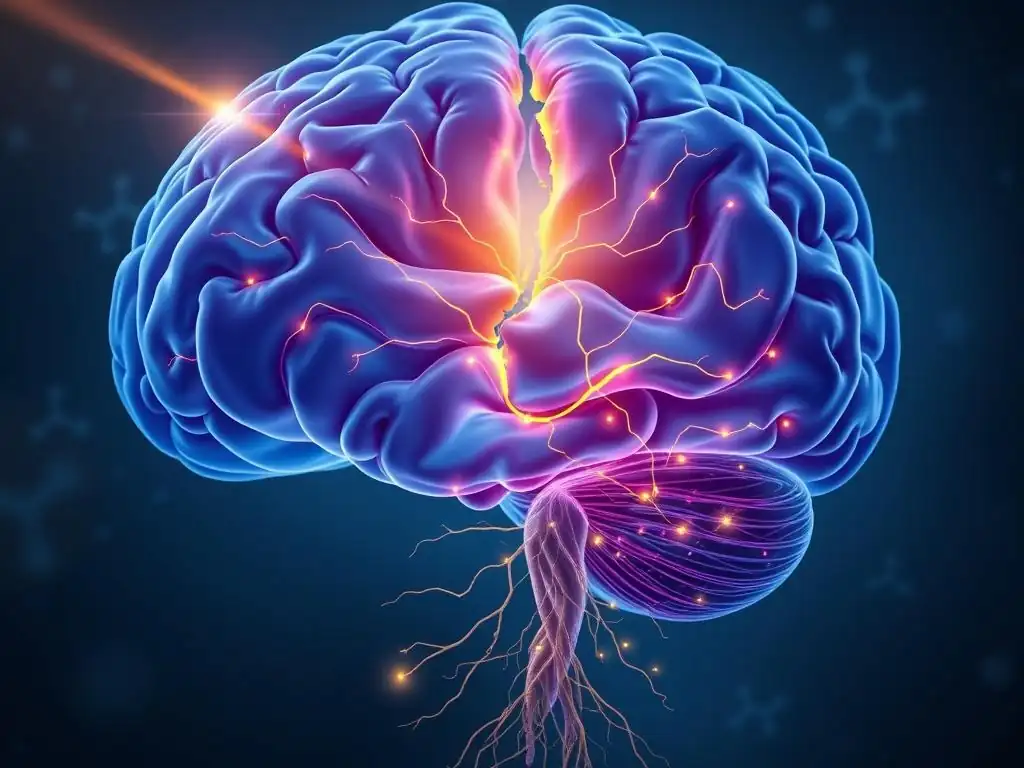
Welcome to Mind Care Guide, a safe space to explore the intricate world of mental well-being. Feeling lost in the complexities of depression? You're not alone. This week, we delve into The Serotonin Enigma, unraveling its crucial role and examining diverse serotonin depression treatment options. Could unlocking the secrets of this neurotransmitter hold the key to a brighter tomorrow? Join us as we explore the neuroscience and discover pathways towards hope and healing.
The Serotonin Enigma: Unraveling Its Link to Depression
- Understanding Serotonin: A Key Neurotransmitter for Mental Well-being
- The Serotonin Hypothesis of Depression: A Closer Look
- Serotonin Depression Treatment Options: Exploring Available Therapies
- Lifestyle Interventions for Enhancing Serotonin Production and Reducing Depressive Symptoms
- Alternative and Complementary Therapies for Serotonin-Related Depression
- Serotonin Syndrome: Understanding the Risks and Precautions
- Diagnosing Serotonin-Related Depression: Challenges and Considerations
- Future Directions in Serotonin and Depression Research
- Resources for Mental Well-being
-
Frequently Asked Questions
- What is Serotonin's role in depression, according to Mind Care Guide?
- What are some common Serotonin Depression Treatment Options highlighted on Mind Care Guide?
- Does Mind Care Guide suggest that medication is the only Serotonin Depression Treatment Option?
- How does Mind Care Guide explain the limitations of solely focusing on Serotonin Depression Treatment Options?
- Where can I find more resources and support for Serotonin Depression Treatment Options on Mind Care Guide?
- Final Reflection: The Ongoing Quest to Understand Serotonin's Role in Depression
- Unlock Your Serotonin Potential: Take Charge of Your Mood
Understanding Serotonin: A Key Neurotransmitter for Mental Well-being
What is Serotonin and How Does it Function?
Serotonin, scientifically known as 5-hydroxytryptamine (5-HT), is a crucial chemical messenger, or neurotransmitter, found in the body. While often associated primarily with the brain, a significant majority of serotonin, perhaps up to 90%, is actually produced in the gastrointestinal tract, playing a vital role in digestion and gut motility. The remaining percentage functions within the central nervous system, where it exerts profound effects on mood, sleep, appetite, learning, and memory.
Serotonin transmits signals between nerve cells, or neurons, by binding to specific receptors located on the surface of these cells. There are numerous types of serotonin receptors scattered throughout the body and brain, each mediating different effects.
In the brain, serotonin is synthesized from the amino acid tryptophan, which we obtain through our diet. This synthesis involves a two-step biochemical process. Once produced, serotonin is packaged into vesicles and stored in the axon terminals of serotonergic neurons. When a neuron is activated, these vesicles fuse with the cell membrane, releasing serotonin into the synaptic cleft – the tiny space between two neurons.
After binding to its receptors on the receiving neuron and transmitting the signal, serotonin is typically removed from the synaptic cleft through a process called reuptake, mediated by a specific protein transporter (SERT). This reuptake mechanism is a key target for many Serotonin depression treatment options. Some serotonin is also broken down by enzymes like monoamine oxidase (MAO). The efficiency of serotonin synthesis, release, receptor binding, and reuptake all contribute to its overall function and impact on our mental state.
Serotonin's Role in Mood Regulation and Emotional Balance
Serotonin is perhaps most famous for its significant influence on mood. It is believed to contribute to feelings of well-being, happiness, and calmness. Adequate levels of serotonin are often associated with emotional stability and resilience, helping individuals navigate daily stresses more effectively. When serotonin signaling is disrupted or levels are perceived as low in certain brain regions, it can contribute to a range of emotional difficulties, including feelings of sadness, irritability, and anxiety. This connection forms a central part of the hypothesis linking serotonin to depressive disorders.
Beyond simply elevating mood, serotonin plays a complex role in modulating emotional responses. It can influence how we process emotional information and react to emotionally charged situations. For instance, serotonin is involved in circuits related to fear and anxiety. Its interaction with other neurotransmitter systems, such as dopamine and norepinephrine, creates a delicate balance that underpins overall emotional health. Understanding this intricate interplay is crucial when exploring Serotonin depression treatment options, as interventions often aim to restore this balance rather than simply increasing serotonin levels in isolation.
The Connection Between Serotonin and Other Neurotransmitters in Mental Health
While serotonin is a key player, it doesn't work in isolation. Mental health, and specifically conditions like depression, involve a complex interplay of multiple neurotransmitter systems. Dopamine, norepinephrine, glutamate, and GABA are just a few examples of other chemical messengers that interact with serotonin pathways. Dopamine, for example, is closely linked to pleasure, reward, and motivation, elements often disrupted in depression. Norepinephrine is involved in alertness, energy, and the "fight or flight" response. Serotonin influences the activity of these other neurotransmitters, and they, in turn, can affect serotonin function.
The interconnectedness means that imbalances in one system can cascade and affect others, contributing to the multifaceted symptoms of depression. For example, studies suggest that serotonin influences the release of dopamine and norepinephrine in certain brain regions. Therefore, Serotonin depression treatment options, while primarily targeting serotonin, can have downstream effects on these other systems, which may contribute to their overall therapeutic benefit. Research continues to uncover the intricate neural circuits and chemical communication networks that govern mood and behavior, highlighting that focusing solely on serotonin provides only a partial picture of the neuroscience of depression.
The Serotonin Hypothesis of Depression: A Closer Look
Exploring the Link Between Low Serotonin Levels and Depressive Symptoms
The serotonin hypothesis of depression, first proposed in the 1960s, posits that a deficiency in serotonin activity in certain brain regions contributes significantly to the development of depressive symptoms. This theory was largely based on observations that early antidepressant medications, like the tricyclic antidepressants (TCAs) and monoamine oxidase inhibitors (MAOIs), increased the levels of monoamines, including serotonin, in the synaptic cleft.
The subsequent development of Selective Serotonin Reuptake Inhibitors (SSRIs), which specifically target the serotonin transporter to increase synaptic serotonin, further bolstered this hypothesis. Symptoms often associated with potential serotonin dysregulation include persistent low mood, feelings of hopelessness, changes in appetite and sleep patterns, and loss of interest or pleasure in activities (anhedonia).
Evidence supporting the link includes findings from studies examining serotonin metabolites in cerebrospinal fluid (though results have been inconsistent) and post-mortem brain studies showing differences in serotonin receptor binding or transporter density in individuals with depression compared to controls. Additionally, depleting tryptophan, the precursor to serotonin, in susceptible individuals has been shown to sometimes induce a relapse of depressive symptoms. While direct measurement of serotonin levels in the living human brain is challenging, the response of many individuals to medications that modulate serotonin signaling provides clinical support for its role in the disorder.
Is Depression Solely Caused by Serotonin Deficiency? Examining the Evidence
Despite the historical prominence of the serotonin hypothesis, scientific understanding has evolved significantly. It is now widely accepted within the scientific and medical communities that depression is not caused solely by a simple deficiency of serotonin. While serotonin dysfunction is clearly implicated in many cases, it is just one piece of a much larger and more complex puzzle.
Research has shown that not everyone with depression shows clear signs of serotonin deficiency, and conversely, altering serotonin levels in healthy individuals doesn't always induce depression. Furthermore, the therapeutic effects of SSRIs, which rapidly increase serotonin levels in the synapse, often take several weeks to manifest clinically, suggesting that the benefit may arise from downstream adaptations in brain circuitry rather than just the immediate change in neurotransmitter concentration.
Current research points towards a more nuanced view where depression results from a combination of genetic predispositions, environmental factors (like stress and trauma), psychological elements, and disruptions in various brain circuits and neurotransmitter systems, including but not limited to serotonin. Inflammation, neuroendocrine dysfunction (like abnormalities in the stress hormone cortisol), and changes in brain structure and connectivity are also recognized as significant contributors. Therefore, while Serotonin depression treatment options remain a cornerstone of pharmacological therapy, they are often considered as addressing one important facet of a multi-layered condition.
The Complex Interplay of Factors Contributing to Depression
Understanding depression requires acknowledging its multifactorial nature. Genetic factors can predispose individuals to depression; for example, variations in genes related to the serotonin transporter or serotonin receptors have been studied for their potential links to increased risk, although no single gene is deterministic. Environmental stressors, particularly chronic stress or adverse life events such as loss or trauma, can significantly impact brain chemistry and function, including the serotonin system. These experiences can alter neural pathways and the stress response system, making individuals more vulnerable to depressive episodes.
Psychological factors, such as negative thought patterns, learned helplessness, and coping styles, also play a crucial role. Furthermore, certain medical conditions (like thyroid problems or chronic pain), nutritional deficiencies (such as B vitamins or Omega-3 fatty acids), lack of sleep, and even the gut microbiome are increasingly recognized as influencing brain health and mood. This complex interplay means that effective management of depression often requires a holistic approach that considers biological, psychological, and social factors. Serotonin depression treatment options, whether pharmacological or lifestyle-based, are most effective when integrated into a comprehensive care plan that addresses these multiple contributing elements.
Serotonin Depression Treatment Options: Exploring Available Therapies
Selective Serotonin Reuptake Inhibitors (SSRIs): How They Work and Their Effectiveness
Selective Serotonin Reuptake Inhibitors (SSRIs) are among the most commonly prescribed medications for depression. Their primary mechanism of action involves blocking the reabsorption (reuptake) of serotonin by neurons in the brain. Normally, after serotonin has transmitted a signal across the synapse, it is quickly transported back into the presynaptic neuron.
By inhibiting this transporter protein (SERT), SSRIs increase the concentration of serotonin in the synaptic cleft, allowing it to remain available for longer and potentially bind to receptors on the postsynaptic neuron more effectively. Common examples of SSRIs include fluoxetine (Prozac), sertraline (Zoloft), paroxetine (Paxil), escitalopram (Lexapro), and citalopram (Celexa).
Clinical trials and extensive clinical experience have demonstrated that SSRIs are effective in treating moderate to severe depression for a significant percentage of individuals. While they do not work for everyone, studies indicate that they can lead to a reduction in depressive symptoms in approximately 40-60% of patients within several weeks of starting treatment. It's important to note that the full therapeutic effect often takes 4-8 weeks to become apparent, as the brain adapts to the increased serotonin levels and neural circuits are modified.
Effectiveness can vary between individuals, and finding the right SSRI and dosage sometimes requires trial and error. Side effects can occur, particularly in the initial weeks, and may include nausea, insomnia, anxiety, and sexual dysfunction, though these often improve over time. SSRIs are a key component among pharmacological Serotonin depression treatment options.
Other Antidepressant Medications Affecting Serotonin Levels
Beyond SSRIs, several other classes of antidepressant medications also target the serotonin system, often in conjunction with other neurotransmitters. Serotonin-Norepinephrine Reuptake Inhibitors (SNRIs), such as venlafaxine (Effexor), duloxetine (Cymbalta), and desvenlafaxine (Pristiq), block the reuptake of both serotonin and norepinephrine.
This dual action can be beneficial for some individuals, particularly those experiencing significant fatigue or pain alongside depression. Tricyclic Antidepressants (TCAs), like amitriptyline and imipramine, were among the earliest antidepressants and also block the reuptake of serotonin and norepinephrine, though they have a broader range of effects on other neurotransmitter systems and can have more side effects than SSRIs or SNRIs.
Other medications have unique mechanisms. For instance, bupropion (Wellbutrin) primarily affects dopamine and norepinephrine but can be used alongside SSRIs. Mirtazapine (Remeron) works by blocking certain serotonin and norepinephrine receptors, indirectly increasing their availability. Atypical antidepressants like vortioxetine (Trintellix) combine serotonin reuptake inhibition with direct modulation of specific serotonin receptors.
Monoamine Oxidase Inhibitors (MAOIs), like phenelzine (Nardil) and tranylcypromine (Parnate), prevent the enzymatic breakdown of monoamines, including serotonin, norepinephrine, and dopamine. MAOIs are effective but are typically reserved for treatment-resistant depression due to dietary restrictions and potential interactions. These various classes offer prescribers a range of pharmacological Serotonin depression treatment options to tailor therapy to individual patient needs and responses.
Beyond Medication: Lifestyle Changes to Boost Serotonin Naturally
While medication is a primary Serotonin depression treatment option for many, various lifestyle interventions can also play a significant role in supporting serotonin function and overall mood. These approaches can be used alongside medication or as standalone strategies for mild depression or as part of a preventative mental wellness plan. Engaging in regular physical activity, spending time in sunlight, adopting a nutritious diet, and practicing stress management techniques have all been shown to influence serotonin synthesis, release, or receptor sensitivity.
These natural strategies work through different pathways. Exercise, for example, can increase the synthesis and release of serotonin and promote the growth of new neurons. Sunlight exposure, particularly to bright light, influences the circadian rhythm and has been linked to serotonin production.
Certain dietary components provide the necessary building blocks for serotonin or support the gut microbiome, which is increasingly understood to influence neurotransmitter production. Stress reduction techniques can mitigate the negative impact of stress hormones on serotonin pathways. Incorporating these lifestyle changes is a valuable component of a comprehensive approach to managing depression and supporting healthy serotonin levels, complementing traditional Serotonin depression treatment options.
Lifestyle Interventions for Enhancing Serotonin Production and Reducing Depressive Symptoms

Diet and Nutrition: Foods That May Boost Serotonin Levels
Diet plays a foundational role in overall health, including brain health and neurotransmitter function. While you can't directly eat serotonin, consuming foods rich in tryptophan, the amino acid precursor, is essential for its synthesis. Foods high in tryptophan include poultry (like turkey and chicken), eggs, dairy products (milk, cheese), nuts and seeds (like pumpkin seeds and walnuts), tofu, and salmon.
However, getting tryptophan into the brain is a competitive process, as other amino acids vie for transport across the blood-brain barrier. Consuming tryptophan-rich foods alongside carbohydrates can help, as carbohydrates trigger insulin release, which helps clear competing amino acids from the bloodstream, potentially allowing more tryptophan to enter the brain.
Beyond tryptophan, other nutrients are vital for serotonin synthesis and function. B vitamins, particularly B6, B12, and folate, are required cofactors in the conversion of tryptophan to serotonin. Omega-3 fatty acids, found in fatty fish, flaxseeds, and walnuts, are crucial for brain structure and function and may influence neurotransmitter signaling.
A healthy gut microbiome, supported by a diet rich in fiber from fruits, vegetables, and whole grains, also appears to play a role, as gut bacteria produce many neurochemicals, including serotonin. While dietary changes alone may not be sufficient as a primary Serotonin depression treatment option for severe cases, a nutrient-dense diet provides the necessary building blocks and support systems for optimal brain chemistry and can be a powerful adjunct to other therapies.
The Importance of Exercise for Serotonin Production and Mood Improvement
Regular physical activity is a well-established mood booster and a vital component of mental wellness. Exercise has been shown to increase the synthesis and release of serotonin in the brain. It also promotes the production of brain-derived neurotrophic factor (BDNF), a protein that supports the growth, survival, and function of neurons, including those that produce serotonin. The benefits aren't limited to serotonin; exercise also influences levels of other mood-regulating neurotransmitters like norepinephrine and dopamine, and it can reduce stress hormones like cortisol.
Even moderate exercise, such as brisk walking for 30 minutes several times a week, can have a positive impact on mood. More vigorous activities, like running, swimming, or cycling, can yield even greater benefits. The effects are often dose-dependent, meaning more consistent exercise tends to produce more significant improvements. Beyond neurochemical changes, exercise provides other mental health benefits, including improved sleep, reduced inflammation, increased self-esteem, and opportunities for social interaction (if exercising with others). Integrating regular physical activity is a highly recommended non-pharmacological approach within the spectrum of Serotonin depression treatment options and overall mental health care.
Sunlight Exposure and Its Impact on Serotonin Synthesis
Exposure to sunlight, specifically bright light, has a documented effect on serotonin levels and mood. Research suggests that serotonin levels in the brain tend to be higher during brighter seasons and lower in darker months, a phenomenon thought to contribute to Seasonal Affective Disorder (SAD). Sunlight exposure, particularly through the eyes, influences the suprachiasmatic nucleus (SCN) in the brain, which regulates the body's circadian rhythms, including sleep-wake cycles. This light exposure also appears to stimulate the synthesis and release of serotonin.
Aiming for safe exposure to natural sunlight, particularly in the morning, can help regulate circadian rhythms and potentially boost serotonin. Spending time outdoors, even on cloudy days, can be beneficial compared to being indoors under artificial light.
For individuals with SAD or those living in regions with limited winter sunlight, light therapy using specialized light boxes that emit bright light (around 10,000 lux) is a recognized and effective Serotonin depression treatment option, mimicking the effects of natural sunlight to help regulate brain chemistry and mood. While caution must be taken to avoid sunburn and eye damage, incorporating sensible sun exposure is a natural way to support mood and serotonin function.
Stress Management Techniques to Regulate Serotonin and Reduce Depression
Chronic stress can have a detrimental impact on brain health and neurotransmitter systems, including serotonin. Prolonged exposure to stress hormones like cortisol can disrupt the delicate balance of neurochemicals and contribute to the development or worsening of depressive symptoms. Therefore, incorporating effective stress management techniques is crucial for maintaining healthy serotonin function and overall mental well-being. Techniques such as mindfulness meditation, deep breathing exercises, yoga, progressive muscle relaxation, and spending time in nature have all been shown to reduce stress responses and promote a sense of calm.
These practices work by activating the body's relaxation response, counteracting the physiological effects of stress. Regular practice can lead to changes in brain structure and function over time, potentially enhancing resilience to future stressors. By mitigating the negative effects of chronic stress on brain chemistry, these techniques indirectly support healthy serotonin levels and function. Incorporating stress management into daily life is an important non-pharmacological strategy that complements other Serotonin depression treatment options and supports long-term recovery and mental health maintenance.
The Role of Mindfulness and Meditation in Serotonin Regulation
Mindfulness and meditation practices, which involve focusing attention on the present moment without judgment, have gained significant recognition for their mental health benefits. While the exact mechanisms are still being researched, studies suggest that regular mindfulness and meditation can influence brain activity and structure in areas related to mood regulation, stress response, and self-awareness. Although not a direct serotonin supplement, these practices are thought to indirectly impact neurotransmitter systems, including serotonin, by reducing stress hormones and altering neural pathways involved in emotional processing.
Engaging in mindfulness meditation has been linked to reduced activity in the amygdala, the brain's fear center, and increased activity in the prefrontal cortex, which is involved in executive functions and emotional regulation. By promoting a calmer state and improving emotional resilience, these practices can create a more favorable environment for healthy brain chemistry. While they are not typically prescribed as primary Serotonin depression treatment options for severe depression, mindfulness and meditation can be valuable complementary tools, helping individuals manage stress, reduce rumination, and improve overall well-being alongside conventional treatments.
Exploring the Potential of St. John's Wort for Depression
St. John's Wort (Hypericum perforatum) is a perennial plant whose extracts have been used traditionally for various ailments and are commonly marketed as a natural remedy for depression. Its use is widespread in some parts of the world, particularly in Europe. The active compounds in St. John's Wort, such as hypericin and hyperforin, are believed to interact with neurotransmitter systems, including serotonin, norepinephrine, and dopamine. Some research suggests that hyperforin may inhibit the reuptake of these neurotransmitters, similar to how some prescription antidepressants work, although the exact mechanisms are complex and not fully understood.
It is crucial to approach the use of St. John's Wort with caution. While it is available over-the-counter, it is not without risks and significant drug interactions. It can interfere with the effectiveness of numerous medications, including birth control pills, blood thinners, heart medications, medications for HIV/AIDS, and certain cancer treatments.
Importantly, combining St. John's Wort with prescription antidepressants, especially SSRIs or SNRIs, can potentially lead to a dangerous condition known as serotonin syndrome due to excessive serotonin activity. Therefore, anyone considering St. John's Wort should consult with a healthcare professional to discuss potential benefits, risks, and interactions, especially if they are already using Serotonin depression treatment options or other medications.
Discuss the Effectiveness and Scientific Backing of St. John's Wort
Numerous studies have investigated the effectiveness of St. John's Wort for depression, with varying results. Some meta-analyses of clinical trials have concluded that St. John's Wort extracts may be effective for treating mild to moderate depression, showing comparable efficacy to some standard antidepressants and potentially fewer side effects in some cases. For instance, one review of multiple studies suggested that St. John's Wort was superior to placebo and similarly effective as standard antidepressants for mild-to-moderate depression.
However, other studies, particularly those focusing on severe depression or conducted in the United States, have found little to no benefit compared to placebo. The variability in results may be due to differences in the quality and standardization of St. John's Wort preparations, study design, patient populations, and the definition of depression severity. Regulatory bodies in various countries have different stances on its use and labeling.
While some evidence supports its use for mild depression under medical guidance, it is generally not recommended for severe depression or as a substitute for prescription Serotonin depression treatment options, especially given the risks of drug interactions. Scientific consensus is that while it shows promise for mild cases, more research is needed, and it should always be used under professional supervision.
Serotonin Syndrome: Understanding the Risks and Precautions
What is Serotonin Syndrome and What Causes It?
Serotonin syndrome is a potentially life-threatening condition caused by excessive levels of serotonin in the body. It occurs when there is too much serotonin activity in the central nervous system and peripheral nervous system.
This can happen when taking medications or supplements that increase serotonin levels, particularly when combining multiple substances that affect serotonin pathways. The risk is highest when combining different types of antidepressants that increase serotonin, such as an SSRI with an SNRI or an MAOI, or combining antidepressants with other medications or substances that affect serotonin, including certain pain medications (like tramadol), triptans for migraines, herbal supplements like St. John's Wort, illicit drugs like MDMA (ecstasy), or even certain over-the-counter cough and cold remedies containing dextromethorphan.
The underlying cause is the overstimulation of serotonin receptors throughout the body. This overstimulation leads to a cascade of effects that manifest as a distinct set of symptoms. It's a critical concern when managing Serotonin depression treatment options, as many effective medications work by increasing serotonin. Healthcare providers are highly aware of this risk and take precautions when prescribing medications or supplements that influence serotonin levels, carefully reviewing a patient's complete medication and supplement list before initiating or adjusting treatment.
Recognizing the Symptoms of Serotonin Syndrome
The symptoms of serotonin syndrome can range from mild to severe and typically develop within hours of taking a new medication, increasing the dose of an existing medication, or adding another medication or supplement that affects serotonin. Mild symptoms might include restlessness, confusion, rapid heart rate (tachycardia), elevated blood pressure, dilated pupils, and muscle rigidity or twitching (myoclonus), particularly in the legs. Gastrointestinal symptoms like nausea, vomiting, and diarrhea are also common.
As the syndrome progresses, symptoms can become more severe. Moderate symptoms may involve more pronounced agitation, hyperactive reflexes (hyperreflexia), fever (hyperthermia), and tremors. In severe cases, individuals can experience high fever (potentially exceeding 104°F or 40°C), seizures, irregular heartbeat (arrhythmias), unconsciousness, and muscle breakdown (rhabdomyolysis), which can lead to kidney failure. Recognizing these symptoms early is crucial. If someone is taking Serotonin depression treatment options or other serotonergic substances and develops these signs, immediate medical attention is necessary. Early diagnosis and treatment, which typically involves stopping the offending medications and providing supportive care, are vital for a positive outcome.
Preventing Serotonin Syndrome: Safe Medication Practices
Preventing serotonin syndrome primarily involves careful prescribing and responsible medication use. Healthcare providers are trained to assess the risk of serotonin syndrome when prescribing medications that affect serotonin. This includes taking a thorough medical history, including all prescription drugs, over-the-counter medications, herbal supplements, and recreational drug use. They will avoid prescribing potentially interacting medications together or will prescribe them at lower doses and monitor the patient closely.
Patients play a critical role in prevention by informing their doctor or pharmacist about all medications and supplements they are taking before starting any new treatment, including Serotonin depression treatment options. It is also essential not to increase the dose of any medication or add new supplements or medications without consulting a healthcare professional.
If a patient experiences any symptoms suggestive of serotonin syndrome while on serotonergic medications, they should seek immediate medical care and inform the healthcare providers about all the substances they have recently taken. Awareness of the potential risks and open communication with healthcare providers are the best strategies for preventing this serious condition.
The Importance of a Comprehensive Mental Health Assessment
Diagnosing depression is a clinical process based on a thorough evaluation of a person's symptoms, medical history, family history, and life circumstances. There is no single test to definitively diagnose depression or specifically "serotonin-related" depression. A comprehensive mental health assessment typically involves an in-depth interview with a qualified mental health professional, such as a psychiatrist, psychologist, or licensed therapist. This assessment aims to understand the nature, severity, and duration of depressive symptoms based on diagnostic criteria outlined in manuals like the Diagnostic and Statistical Manual of Mental Disorders (DSM-5).
The assessment also explores potential contributing factors, including physical health conditions, other mental health disorders (like anxiety or bipolar disorder), substance use, and psychosocial stressors. Understanding the individual's unique presentation is crucial because depression is heterogeneous; it can manifest differently in different people, and underlying causes can vary. While the assessment informs the choice of Serotonin depression treatment options or other therapies, the diagnosis itself is based on the clinical picture of depression, not a specific biochemical test result.
Distinguishing Serotonin Deficiency from Other Potential Causes of Depression
As previously discussed, depression is not solely caused by serotonin deficiency. Therefore, distinguishing whether serotonin dysfunction is a primary contributor in a particular individual's depression is challenging and often impossible with current clinical tools. Symptoms commonly associated with serotonin imbalance (like low mood, anxiety, sleep changes) can also be present in depression stemming primarily from other neurochemical imbalances (e.g., norepinephrine or dopamine), neuroinflammation, hormonal issues, or psychological factors.
There is no widely available or clinically validated test that can accurately measure serotonin levels or activity in the specific brain regions relevant to mood in a living person. Blood tests for serotonin primarily reflect levels in platelets and the gut, which do not reliably correlate with serotonin activity in the brain.
Therefore, clinicians rely on the patient's response to different types of treatment, including Serotonin depression treatment options, to infer potential underlying neurochemical imbalances. For example, if a patient responds well to an SSRI, it might suggest that modulating serotonin was beneficial for their specific form of depression, but it doesn't confirm a pre-existing "serotonin deficiency."
The Role of Biomarkers in Assessing Serotonin Function
Research into biomarkers for depression, including those related to serotonin function, is an active but complex field. Scientists are exploring various potential biomarkers in blood, cerebrospinal fluid, and using neuroimaging techniques like PET scans, which can visualize serotonin transporters or receptors in the brain. For example, PET scans have shown differences in serotonin transporter binding in certain brain areas in individuals with depression compared to healthy controls, though findings have been inconsistent across studies. Genetic variations in serotonin-related genes are also being studied as potential risk factors, but these do not currently serve as diagnostic biomarkers for serotonin deficiency.
While these research tools provide valuable insights into the neurobiology of depression at a group level, they are not currently used in routine clinical practice to diagnose depression or to determine if a specific individual's depression is caused by low serotonin. The variability in findings, technical challenges, cost, and lack of clear clinical utility mean that Serotonin depression treatment options are chosen based on clinical presentation, guidelines, potential side effects, and patient history, rather than on biomarker test results. Future research may yield reliable biomarkers that could help personalize treatment, but that remains a goal for the future.
Future Directions in Serotonin and Depression Research
Investigating Novel Serotonin-Targeted Therapies
Research into Serotonin depression treatment options continues to evolve, moving beyond simply increasing serotonin levels in the synapse. Scientists are exploring novel ways to modulate the serotonin system by targeting specific serotonin receptor subtypes. For example, some newer antidepressants, like vortioxetine, combine serotonin reuptake inhibition with agonistic or antagonistic effects on different serotonin receptors (e.g., 5-HT1A, 5-HT1B, 5-HT1D, 5-HT3, 5-HT7). The aim is to fine-tune serotonin signaling in specific brain circuits involved in mood and cognition, potentially leading to improved efficacy and fewer side effects compared to older medications.
Another area of research involves understanding the role of serotonin receptor sensitivity and function, not just availability. Chronic stress or inflammation might alter how neurons respond to serotonin. Future therapies might aim to restore proper receptor function or expression. Furthermore, the development of compounds that can selectively target specific serotonin pathways without affecting others could help minimize unwanted side effects. This ongoing research seeks to develop more precise and effective Serotonin depression treatment options tailored to the specific neurobiological profiles of individuals with depression.
Understanding the Genetic Factors Influencing Serotonin Function
The field of psychiatric genetics is actively investigating how genetic variations influence an individual's risk for depression and their response to Serotonin depression treatment options. Genes involved in the synthesis, transport (like the serotonin transporter gene, SLC6A4), metabolism, and receptor binding of serotonin have been studied extensively. While early studies focused on single gene variations, larger genome-wide association studies (GWAS) are now identifying multiple genes, each with a small effect, that collectively contribute to depression risk.
Understanding the complex interplay of these genetic factors could potentially lead to personalized medicine approaches. For example, genetic testing might one day help predict who is more likely to respond to an SSRI versus another type of antidepressant, or identify individuals at higher risk of developing side effects. While genetic testing for guiding antidepressant selection is not yet standard clinical practice due to inconsistent findings and the complexity of gene-environment interactions, ongoing research aims to unlock the potential of pharmacogenomics to optimize Serotonin depression treatment options based on an individual's genetic makeup.
The Gut-Brain Axis and Its Impact on Serotonin Production
An exciting and rapidly expanding area of research explores the intricate connection between the gut microbiome and brain health, known as the gut-brain axis. As mentioned earlier, the vast majority of the body's serotonin is produced in the gut by enterochromaffin cells, and gut bacteria can also produce various neuroactive compounds, including serotonin or its precursors. The gut and brain communicate bidirectionally through neural, hormonal, and immunological pathways. Changes in the composition and function of the gut microbiome have been linked to various health conditions, including mood disorders like depression.
Research is investigating how gut bacteria influence serotonin production and metabolism, as well as how they affect the immune system and inflammation, which are also implicated in depression. Studies in animals have shown that altering the gut microbiome can affect behavior and brain chemistry. While the research in humans is still in its early stages, it suggests that modulating the gut microbiome through diet, probiotics, or prebiotics could potentially influence mood and complement traditional Serotonin depression treatment options. This emerging understanding highlights the systemic nature of mental health and opens new avenues for potential therapeutic interventions targeting the gut.
Resources for Mental Well-being
Support Groups and Organizations for Individuals with Depression
Finding support from others who understand what you are going through can be incredibly valuable when managing depression. Support groups, whether in-person or online, offer a safe space to share experiences, coping strategies, and emotional support. Organizations dedicated to mental health provide resources, education, and advocacy.
Online Resources for Learning About Serotonin and Mental Health
The internet offers a wealth of information about serotonin, depression, and mental health. Reputable websites from health organizations, research institutions, and patient advocacy groups can provide accurate and up-to-date information on symptoms, causes, and Serotonin depression treatment options.
Information on Seeking Professional Help for Depression
If you are experiencing symptoms of depression, seeking help from a qualified mental health professional is a crucial step. This could be a primary care physician, psychiatrist, psychologist, therapist, or counselor. They can provide an accurate diagnosis, discuss appropriate Serotonin depression treatment options, and develop a personalized treatment plan.
Frequently Asked Questions
What is Serotonin's role in depression, according to Mind Care Guide?
Serotonin is a neurotransmitter believed to play a significant role in regulating mood. Mind Care Guide suggests imbalances in serotonin levels are linked to depression symptoms, although the relationship is complex. It's not the only factor.
What are some common Serotonin Depression Treatment Options highlighted on Mind Care Guide?
Mind Care Guide discusses Selective Serotonin Reuptake Inhibitors (SSRIs) as a primary treatment, focusing on how they increase serotonin levels in the brain. It also mentions other medication options and therapies.
Does Mind Care Guide suggest that medication is the only Serotonin Depression Treatment Option?
No, Mind Care Guide emphasizes a holistic approach. While medication like SSRIs is discussed, the guide also covers therapy and lifestyle changes as crucial components of treatment.
How does Mind Care Guide explain the limitations of solely focusing on Serotonin Depression Treatment Options?
Mind Care Guide acknowledges that depression is multifaceted. Focusing solely on serotonin may be insufficient as other neurotransmitters and psychological factors contribute to the condition.
Where can I find more resources and support for Serotonin Depression Treatment Options on Mind Care Guide?
Mind Care Guide provides links to articles, support groups, and professional directories within the website. These resources offer further information and assistance for managing depression and understanding treatment options.
Final Reflection: The Ongoing Quest to Understand Serotonin's Role in Depression
The complex relationship between serotonin and depression remains a crucial area of research, impacting millions worldwide and highlighting the urgent need for diverse and effective treatment options. While we've made significant strides in understanding serotonin's influence on mood, the simplistic "serotonin deficiency" theory of depression has proven insufficient to fully explain its multifaceted nature. This necessitates a continued exploration of the intricate neurochemical pathways involved.
The journey to understand serotonin's role in depression has profoundly shaped our approach to mental health, shifting from a purely biological perspective to a more holistic understanding that embraces environmental and psychological factors. The mind is its own place, and in itself can make a heaven of hell, a hell of heaven.
– John Milton. This quote reminds us that while biological mechanisms like serotonin are crucial, the individual's experience and perception significantly influence their mental state. The ongoing dialogue surrounding serotonin's role underscores the importance of personalized treatment plans that consider the whole person, not just their neurochemistry.
Consider the implications of this ongoing research. What does it mean for you? Take a moment to reflect on your own mental well-being. Are you seeking effective treatment options? Don't hesitate to engage in open conversations with healthcare professionals, exploring various therapeutic approaches beyond solely medication. Embrace a holistic approach to mental health, incorporating lifestyle changes, mindfulness practices, and supportive relationships alongside any medical interventions. Your journey towards well-being is unique and deserves personalized attention. The understanding of serotonin's role is evolving, and so should your approach to mental health care.
Unlock Your Serotonin Potential: Take Charge of Your Mood
Thanks for taking the time to explore the fascinating world of serotonin and its connection to depression with us! We hope you gained valuable insights into managing your mental wellbeing. Now it's time to put that knowledge into action.
- Prioritize Daily Movement: Even a short walk can significantly impact serotonin levels. Start small, aim for 20 minutes of movement three times this week, and notice the difference!
- Revitalize Your Diet: Focus on incorporating serotonin-boosting foods like turkey, bananas, and spinach into your meals. Try swapping one processed snack for a healthier alternative today.
- Share Your Journey: Connect with others and share your experiences – even small steps make a difference. You might inspire someone else to begin their own journey to better mental health.
What small change will you make today to nurture your serotonin levels and boost your mood?