
The Impact of Stress on Brain Circuits Involved in Emotion Regulation Biologically

Welcome to Mind Care Guide, a space dedicated to nurturing your mental well-being.
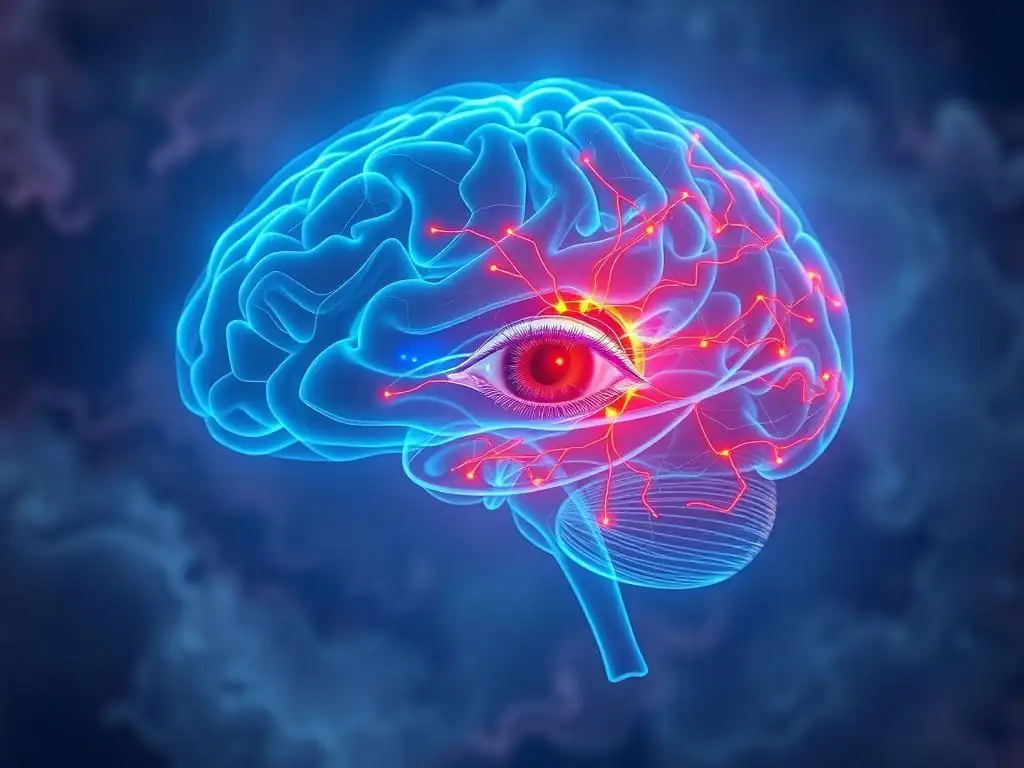
Ever wondered how stress physically rewires your brain, impacting your emotions? This article delves into the fascinating world of stress brain circuit regulation pathways, exploring the biological mechanisms at play. Understanding these pathways is the first step towards regaining control. Discover how stress affects your brain and what you can do about it. Explore the science behind stress and unlock the potential for a calmer, more resilient you.
The Impact of Chronic Stress on Brain Circuits Involved in Emotion Regulation
- Introduction: Understanding Chronic Stress and its Impact on Emotion Regulation
- The Neuroscience of Chronic Stress: Key Brain Regions Involved
- Chronic Stress Brain Circuit Regulation Pathways: A Detailed Examination
- Biological Mechanisms of Chronic Stress-Induced Changes in Brain Circuits
- Specific Brain Circuits and Their Response to Chronic Stress
- Chronic Stress and Mental Health Disorders: A Biological Perspective
- Counteracting the Biological Effects of Chronic Stress on Brain Circuits
- Future Directions in Stress Research: Targeting Brain Circuit Regulation
- Conclusion: Promoting Brain Health Through Chronic Stress Management
-
Frequently Asked Questions
- What are the main brain circuits affected by chronic stress, and how does this impact emotion regulation?
- How does stress alter the stress brain circuit regulation pathways biologically?
- Can understanding the biological impact of stress on brain circuits help improve mental well-being?
- What role do genetics and environmental factors play in determining how stress affects an individual's stress brain circuit regulation pathways?
- What are some practical strategies for regulating stress brain circuit regulation pathways and mitigating the negative impact of stress on emotions?
- Final Reflection: Rewiring Resilience: The Brain's Response to Stress
- Unlock Your Brain's Resilience: Practical Steps to Manage Stress
Introduction: Understanding Chronic Stress and its Impact on Emotion Regulation
Chronic stress, unlike acute stress which is a short-term response to an immediate threat, involves prolonged exposure to stressors. This persistent state of heightened physiological and psychological arousal can have profound and lasting effects on the brain, particularly on the intricate networks responsible for processing and regulating emotions. Understanding these biological impacts is crucial for developing effective strategies to mitigate the damaging effects of long-term stress on mental well-being.
Emotion regulation is the process by which individuals influence which emotions they have, when they have them, and how they experience and express these emotions. It involves a complex interplay between various brain regions. When these brain circuits are subjected to chronic stress, their function and structure can be altered, leading to difficulties in managing emotional responses, increased emotional reactivity, and a reduced capacity to recover from stressful experiences.
The Role of Mindfulness in Managing Chronic Stress and Promoting Mental Well-being
Mindfulness-based interventions offer a promising approach to counteracting the negative effects of chronic stress on the brain and improving emotion regulation. These practices, such as meditation and mindful breathing, train individuals to pay attention to the present moment without judgment, fostering a sense of calm and detachment from stressful thoughts and feelings. This deliberate focus can help individuals observe their emotional responses from a distance, rather than being overwhelmed by them.
Research suggests that regular mindfulness practice can induce structural and functional changes in brain regions affected by chronic stress, including the prefrontal cortex and amygdala. For example, studies using fMRI have shown that participation in an 8-week Mindfulness-Based Stress Reduction (MBSR) program can lead to decreased amygdala reactivity to negative stimuli and increased connectivity between the prefrontal cortex and the amygdala, indicating improved top-down emotional control.
Furthermore, some studies have reported increases in gray matter density in brain areas associated with attention and self-awareness, such as the hippocampus and parts of the prefrontal cortex, in experienced meditators compared to non-meditators.
Overview of Brain Circuits Vulnerable to Chronic Stress
Several interconnected brain circuits are particularly vulnerable to the neurobiological changes induced by chronic stress. These include pathways involved in threat detection, emotional processing, executive function, memory, and reward. Key regions within these circuits are the amygdala, responsible for processing fear and emotional salience; the prefrontal cortex (PFC), critical for higher-order cognitive functions like decision-making, planning, and inhibiting impulsive behavior; and the hippocampus, vital for forming new memories and regulating the stress response itself.
The intricate communication and balance within these circuits are essential for healthy emotion regulation. Chronic stress disrupts this balance, leading to maladaptive changes. For instance, the communication between the amygdala and the PFC, crucial for regulating fear responses, can become impaired, resulting in excessive fear and anxiety. Similarly, changes in the hippocampus can affect memory formation and contribute to mood disorders. Examining the specific ways chronic stress impacts these stress brain circuit regulation pathways provides insight into the biological underpinnings of stress-related mental health challenges.
The Neuroscience of Chronic Stress: Key Brain Regions Involved
Chronic stress exerts its influence on the brain through various mechanisms, primarily involving the release of stress hormones like cortisol. These hormones interact with receptors located throughout the brain, altering neuronal function, connectivity, and even structure. Understanding the specific roles of key brain regions helps to illuminate the complex ways in which chronic stress impacts our emotional and cognitive lives.
The brain's response to stress is orchestrated by a network of interconnected areas, forming critical stress brain circuit regulation pathways. When these pathways are constantly activated by chronic stress, the delicate balance within them is disrupted. This disruption can lead to a cascade of biological changes that impair the ability to manage emotions, make rational decisions, and form lasting memories. The specific regions most affected play distinct yet interconnected roles in processing and responding to stressful stimuli.
The Amygdala: Heightened Threat Detection and Emotional Reactivity
The amygdala, a small almond-shaped structure deep within the temporal lobe, is a central player in processing emotions, particularly fear and threat. In response to stress, the amygdala becomes highly active, signaling potential danger and triggering physiological stress responses. Under chronic stress, the amygdala can undergo structural and functional changes that lead to persistent hyperactivity.
Studies have shown that chronic stress can lead to hypertrophy (enlargement) of the amygdala and increased dendritic branching, particularly in basolateral regions. This structural change is often accompanied by increased functional connectivity with brainstem areas involved in triggering fight-or-flight responses. In rodent models, chronic stress has been shown to increase spine density on neurons in the basolateral amygdala by up to 20%, suggesting enhanced excitatory inputs.
In humans, fMRI studies consistently demonstrate heightened amygdala responses to emotionally salient stimuli in individuals with chronic stress-related conditions like anxiety disorders and PTSD, sometimes showing a 15-25% greater activation compared to healthy controls when viewing fearful faces. This hyper-responsiveness contributes significantly to increased anxiety, fearfulness, and emotional reactivity observed in chronically stressed individuals.
The Prefrontal Cortex: Impaired Executive Function and Emotional Control
The prefrontal cortex (PFC), located at the front of the brain, is the seat of executive functions, including decision-making, working memory, planning, and impulse control. It also plays a critical role in regulating emotions by inhibiting or modulating activity in subcortical regions like the amygdala. Chronic stress, however, can significantly impair PFC function, particularly in the medial and orbital regions.
Exposure to high levels of stress hormones, especially cortisol, can lead to atrophy of dendrites and reduced synaptic density in the PFC, sometimes resulting in a decrease in gray matter volume in specific subregions like the ventromedial PFC by 10-15% in chronically stressed individuals. This structural weakening is associated with impaired cognitive flexibility, reduced working memory capacity, and difficulty inhibiting inappropriate emotional responses.
Behaviorally, this manifests as poor decision-making, difficulty concentrating, and a reduced ability to regulate negative emotions. The impaired top-down control from the PFC over the amygdala is a key component of the disrupted stress brain circuit regulation pathways seen in chronic stress.
The Hippocampus: Memory Impairment and Reduced Neurogenesis
The hippocampus, another structure located in the temporal lobe, is essential for forming new declarative memories (facts and events) and spatial navigation. It also plays a crucial role in regulating the stress response itself, containing a high concentration of cortisol receptors that help shut down the HPA axis after a stressor has passed. Unfortunately, the hippocampus is highly vulnerable to the effects of chronic stress.
Chronic exposure to elevated cortisol levels can lead to significant atrophy of the hippocampus, particularly in the CA3 region, with studies reporting up to a 20% reduction in dendritic length in animal models. This structural damage is linked to the well-documented memory impairments associated with chronic stress, such as difficulty forming new memories and retrieving existing ones.
Furthermore, chronic stress severely inhibits neurogenesis, the process by which new neurons are born, primarily occurring in the dentate gyrus of the hippocampus. This reduction in the birth of new neurons, sometimes by 50% or more in rodent models of chronic stress, further compromises hippocampal function and may contribute to vulnerability to depression and anxiety, which are often associated with reduced hippocampal volume in humans.
Chronic Stress Brain Circuit Regulation Pathways: A Detailed Examination
The complex interplay between the brain and the endocrine system forms critical stress brain circuit regulation pathways. Chronic stress disrupts these pathways at multiple levels, leading to a cascade of biological changes that affect mood, cognition, and behavior. Understanding these specific mechanisms is key to grasping the biological foundation of stress-related disorders. The primary pathway involved is the Hypothalamic-Pituitary-Adrenal (HPA) axis, but its dysregulation has widespread effects on neurotransmitter systems and the actions of stress hormones like cortisol throughout the brain circuits.
Examining the disruption of these pathways provides a clearer picture of how persistent stress translates into altered brain function. It's not just about individual regions being affected; it's about the breakdown in communication and regulatory control between these regions. This systemic disruption of the stress brain circuit regulation pathways is what makes chronic stress so damaging to mental health, affecting everything from how we perceive threats to our capacity for joy and motivation.
HPA Axis Dysregulation and its Impact on Brain Circuits
The Hypothalamic-Pituitary-Adrenal (HPA) axis is the body's central stress response system. When a stressor is perceived, the hypothalamus releases Corticotropin-Releasing Hormone (CRH), which signals the pituitary gland to release Adrenocorticotropic Hormone (ACTH). ACTH then travels to the adrenal glands, prompting the release of cortisol (the primary stress hormone). Cortisol acts back on the hypothalamus and pituitary to turn off the response, a process called negative feedback.
Chronic stress can lead to HPA axis dysregulation, often resulting in persistently elevated cortisol levels or an altered diurnal rhythm (cortisol typically peaks in the morning and drops throughout the day). This sustained exposure to high cortisol disrupts the negative feedback loop, making it harder for the system to shut down. Elevated cortisol has direct effects on the brain circuits discussed earlier: it can enhance amygdala activity, impair PFC function, and damage the hippocampus.
For example, chronic stress can lead to a blunted cortisol response to acute stressors but elevated basal levels, a pattern seen in some forms of depression. This persistent, low-level activation or dysregulated pulsatility of the HPA axis contributes significantly to the maladaptive changes within stress brain circuit regulation pathways.
Neurotransmitter Imbalances: Serotonin, Dopamine, and Norepinephrine
Chronic stress significantly impacts the balance of key neurotransmitters, chemical messengers that transmit signals between neurons. Serotonin, dopamine, and norepinephrine are particularly vulnerable and play crucial roles in mood, motivation, pleasure, and arousal. Alterations in these systems are strongly implicated in stress-related mental health disorders.
Studies have shown that chronic stress can reduce serotonin synthesis and transport, leading to lower levels available in the synapse, which is associated with symptoms of depression and anxiety. For instance, exposure to chronic unpredictable stress in animal models has been shown to decrease serotonin transporter (SERT) binding in the prefrontal cortex and hippocampus by 20-30%. Similarly, the dopamine system, critical for reward and motivation, can become dysregulated, contributing to anhedonia (loss of pleasure) and reduced motivation, hallmark symptoms of depression.
Norepinephrine, involved in the fight-or-flight response and attention, can show altered signaling, contributing to hyperarousal and vigilance. These widespread neurotransmitter imbalances disrupt communication within and between critical brain circuits, further impairing stress brain circuit regulation pathways.
The Role of Cortisol in Modulating Brain Circuit Function
Cortisol, the primary glucocorticoid hormone released during stress, acts as a powerful modulator of brain function. Its effects are mediated by two types of receptors in the brain: mineralocorticoid receptors (MRs), which have high affinity for cortisol and are typically occupied even at basal levels, and glucocorticoid receptors (GRs), which have lower affinity and become significantly occupied during stress-induced elevations in cortisol. These receptors are found in high concentrations in the hippocampus, amygdala, and prefrontal cortex.
At moderate, acute levels, cortisol can enhance memory consolidation related to the stressful event (often mediated by MRs and GRs in the amygdala and hippocampus). However, chronic exposure to high cortisol levels, saturating GRs especially, has detrimental effects. In the hippocampus, high cortisol impairs synaptic plasticity and inhibits neurogenesis. In the PFC, it can lead to dendritic retraction and reduced synaptic strength, impairing cognitive control.
In the amygdala, it can enhance excitability and structural changes, increasing fear responses. This differential impact depending on concentration and duration highlights how cortisol's actions directly alter the structure and function of stress brain circuit regulation pathways. For example, persistently high cortisol can impair the hippocampus's ability to inhibit the HPA axis, creating a vicious cycle of stress hormone release and brain damage.
Biological Mechanisms of Chronic Stress-Induced Changes in Brain Circuits
Beyond the immediate effects of stress hormones and neurotransmitters, chronic stress triggers deeper biological mechanisms that lead to long-lasting changes in brain circuits. These include alterations in how neurons connect and communicate (synaptic plasticity), the activation of inflammatory processes within the brain (neuroinflammation), and even changes in gene expression that persist over time (epigenetic modifications). Understanding these fundamental biological processes is crucial for grasping the enduring impact of chronic stress.
These biological mechanisms are the engines driving the structural and functional alterations observed in the brain circuits affected by chronic stress. They represent the cellular and molecular basis for the disruption of stress brain circuit regulation pathways. These processes are not isolated but interact in complex ways, contributing to the cumulative damage and the development of stress-related mental health conditions.
Synaptic Plasticity and Chronic Stress: Alterations in Brain Structure
Synaptic plasticity refers to the ability of synapses, the junctions between neurons, to strengthen or weaken over time in response to activity. This process is fundamental to learning, memory, and adaptation. Chronic stress significantly impairs synaptic plasticity, but the effects are region-specific.
In the prefrontal cortex and hippocampus, chronic stress typically leads to a reduction in synaptic density and strength, particularly affecting excitatory synapses. This can manifest as dendritic atrophy and loss of dendritic spines, the small protrusions on dendrites where synapses are formed. For instance, chronic restraint stress in rodents has been shown to reduce spine density in the medial PFC by up to 30% and in the CA3 region of the hippocampus by a similar amount.
Conversely, in the basolateral amygdala, chronic stress can increase spine density and synaptic strength, leading to enhanced connectivity and excitability. This differential impact on synaptic plasticity in different brain regions underlies the observed functional changes – impaired cognition and memory alongside heightened fear responses – and represents a core mechanism disrupting stress brain circuit regulation pathways.
Neuroinflammation: The Inflammatory Response and Brain Circuit Function
Chronic stress can activate the body's inflammatory response, and this inflammation can extend to the brain, a process known as neuroinflammation. While acute inflammation is a protective mechanism, chronic neuroinflammation can be detrimental to neuronal health and function. Microglia, the brain's resident immune cells, become activated by chronic stress signals, including elevated cortisol and pro-inflammatory cytokines released from the periphery.
Activated microglia release pro-inflammatory molecules such as TNF-alpha, IL-1 beta, and IL-6. These cytokines can interfere with neurotransmitter signaling, impair synaptic plasticity, and even lead to neuronal damage or death. Elevated levels of these cytokines have been found in the brains of animals exposed to chronic stress and in the cerebrospinal fluid of individuals with stress-related disorders like depression.
For example, studies have shown that chronic stress can increase microglial activation markers in the hippocampus and PFC by 50-100% in rodent models. This persistent inflammatory state disrupts the normal functioning of neuronal circuits and contributes significantly to the pathology of stress-induced changes in stress brain circuit regulation pathways.
Epigenetic Modifications: Chronic Stress and Long-Term Changes in Gene Expression
Epigenetics refers to changes in gene expression that do not involve alterations to the underlying DNA sequence but can be inherited or persist long-term. These modifications, such as DNA methylation and histone modification, can turn genes "on" or "off" and are influenced by environmental factors, including stress. Chronic stress can induce epigenetic changes in brain cells, leading to lasting alterations in protein production and neuronal function.
Studies have identified specific genes involved in stress response, neurotransmitter systems, and synaptic plasticity that are epigenetically modified by chronic stress. For instance, chronic stress has been shown to increase methylation of the gene encoding the glucocorticoid receptor (GR) in the hippocampus, particularly in early life stress models. Increased methylation typically silences gene expression, leading to reduced GR levels and impaired negative feedback of the HPA axis.
Another example is the gene encoding Brain-Derived Neurotrophic Factor (BDNF), crucial for neuronal survival, growth, and plasticity; chronic stress can lead to epigenetic changes that reduce BDNF expression in the hippocampus and PFC. These enduring epigenetic marks provide a mechanism by which chronic stress can have long-term or even transgenerational effects on the structure and function of stress brain circuit regulation pathways.
Specific Brain Circuits and Their Response to Chronic Stress
While individual brain regions are affected by chronic stress, it is the disruption of interconnected brain circuits that underlies the complex behavioral and emotional consequences. Understanding how specific pathways, involving multiple regions working together, are altered by chronic stress provides a systems-level view of its impact.
These circuits represent the functional networks responsible for processing specific types of information and executing particular functions. When chronic stress compromises the communication and coordination within these networks, the result is impaired function. Examining these specific stress brain circuit regulation pathways reveals how stress contributes to difficulties in regulating emotions, forming memories, and experiencing pleasure.
Amygdala-Prefrontal Cortex Circuitry: Impaired Emotion Regulation
The circuit connecting the amygdala and the prefrontal cortex (PFC) is paramount for emotion regulation. The PFC, particularly its medial and ventral regions, exerts inhibitory control over the amygdala, helping to modulate fear responses and prevent excessive emotional reactivity. This top-down regulation allows us to appraise threats contextually and respond appropriately, rather than react impulsively based on fear.
Chronic stress weakens the functional connectivity between the PFC and the amygdala. As mentioned earlier, chronic stress can lead to structural damage in the PFC and increased excitability in the amygdala. This combination results in reduced inhibitory control from the PFC over the amygdala, leading to a state of hyper-responsiveness in the threat detection system.
In fMRI studies, individuals with chronic stress exposure often show decreased activity in the vmPFC and increased activity in the amygdala when processing emotional stimuli, with a corresponding decrease in the functional coupling between these regions, sometimes by 20-30%. This impaired balance within the amygdala-PFC circuit is a core biological mechanism underlying heightened anxiety, fearfulness, and difficulty regulating negative emotions in chronic stress.
Hippocampus-Prefrontal Cortex Circuitry: Memory and Cognitive Deficits
The hippocampus and prefrontal cortex are extensively interconnected and work together to support cognitive functions, including memory formation, retrieval, and working memory. The hippocampus provides contextual information to the PFC, which helps in organizing and retrieving memories and guiding goal-directed behavior. This circuit is also involved in the contextual regulation of stress responses.
Chronic stress disrupts the communication and function within the hippocampus-PFC circuit. Damage to the hippocampus impairs its ability to generate new neurons and properly process contextual information, while PFC damage compromises executive functions. This leads to deficits in declarative memory (difficulty remembering facts and events), working memory (difficulty holding and manipulating information), and cognitive flexibility.
For example, studies in individuals with chronic stress or stress-related disorders often show reduced functional connectivity between the hippocampus and specific PFC subregions involved in memory retrieval and executive control. This disruption in the hippocampus-PFC pathway contributes significantly to the cognitive impairments frequently observed alongside emotional difficulties in chronic stress, further impacting the efficiency of stress brain circuit regulation pathways.
Reward Circuitry: Anhedonia and Vulnerability to Addiction
The brain's reward circuitry, primarily involving the ventral tegmental area (VTA), nucleus accumbens, and projections to the PFC, is responsible for processing pleasure, motivation, and reinforcement. This circuit is heavily modulated by dopamine. Chronic stress can significantly impair the function of this system, contributing to anhedonia (the inability to experience pleasure) and potentially increasing vulnerability to substance abuse as individuals seek external sources of reward.
Chronic stress can lead to reduced dopamine synthesis, release, and receptor sensitivity within the reward pathway. Studies in rodent models have shown reductions in dopamine D2 receptor availability in the striatum by up to 20-30% following chronic stress. This blunting of the reward system makes naturally rewarding activities less enjoyable and can reduce motivation.
Furthermore, stress can alter the balance between the reward and stress systems, potentially increasing the reinforcing properties of drugs of abuse. The dysregulation of this critical circuit by chronic stress is a significant factor in the development of depressive symptoms, particularly anhedonia, and impacts the complex network of stress brain circuit regulation pathways involved in motivation and emotional well-being.
Chronic Stress and Mental Health Disorders: A Biological Perspective
The biological changes induced by chronic stress in key brain circuits provide a compelling explanation for the strong link between prolonged stress exposure and the development of various mental health disorders. The specific patterns of circuit dysfunction align with the characteristic symptoms of conditions like anxiety disorders, depression, and Post-Traumatic Stress Disorder (PTSD). Understanding these biological connections is vital for diagnosis, treatment, and prevention.
From a biological viewpoint, chronic stress doesn't just trigger mental illness; it lays the groundwork by fundamentally altering the underlying stress brain circuit regulation pathways. These alterations create a state of vulnerability where the brain is less resilient and less able to cope with challenges, making the emergence of psychiatric symptoms more likely.
Chronic Stress and Anxiety Disorders: The Role of Amygdala Hyperactivity
Anxiety disorders, such as Generalized Anxiety Disorder (GAD), Panic Disorder, and social anxiety, are characterized by excessive worry, fear, and avoidance behaviors. The biological basis of these disorders is strongly linked to dysregulation in the brain circuits involved in threat processing and fear conditioning, with the amygdala playing a central role.
Chronic stress exposure contributes to the pathogenesis of anxiety disorders primarily through its impact on the amygdala-PFC circuit. Persistent activation of the HPA axis and elevated cortisol levels lead to structural changes and hyperactivity in the amygdala, while simultaneously impairing the inhibitory control exerted by the prefrontal cortex. This results in an overactive threat detection system that is less effectively regulated.
For example, individuals with GAD often show increased resting metabolic activity in the amygdala and reduced functional connectivity between the amygdala and vmPFC compared to healthy controls. This biological profile aligns perfectly with the core symptoms of anxiety: a heightened sense of threat, persistent worry, and difficulty calming down. The disruption of these specific stress brain circuit regulation pathways is a key biological signature of chronic stress-induced anxiety.
Chronic Stress and Depression: Dysfunction in Reward and Motivation Circuits
Major Depressive Disorder (MDD) is characterized by persistent sadness, loss of interest or pleasure (anhedonia), changes in sleep and appetite, and feelings of worthlessness. While depression is complex, chronic stress is a major risk factor, and the biological changes induced by stress in brain circuits, particularly those involved in reward, motivation, and emotional processing, are heavily implicated.
Chronic stress disrupts the delicate balance of neurotransmitters like serotonin, dopamine, and norepinephrine, all of which are critical for mood regulation and the functioning of the reward pathway. The stress-induced damage and reduced neurogenesis in the hippocampus, combined with impaired function in the PFC, contribute to cognitive symptoms like difficulty concentrating and feelings of hopelessness. Crucially, the blunting of the dopamine-driven reward circuit by chronic stress directly underlies anhedonia, a core symptom of depression.
Brain imaging studies in depressed individuals often show reduced activity in the nucleus accumbens and other reward-related areas in response to pleasurable stimuli. This widespread dysfunction across interconnected stress brain circuit regulation pathways – involving the HPA axis, neurotransmitter systems, hippocampus, PFC, and reward circuit – provides a biological framework for understanding how chronic stress can lead to the multifaceted symptoms of depression.
Chronic Stress and PTSD: Altered Hippocampal and Prefrontal Cortex Function
Post-Traumatic Stress Disorder (PTSD) develops after exposure to a traumatic event and is characterized by re-experiencing the trauma, avoidance behavior, negative alterations in mood and cognition, and hyperarousal. While a single traumatic event is the trigger, pre-existing chronic stress or subsequent chronic stress can influence its development and severity. PTSD is strongly associated with specific alterations in brain structure and function, particularly in the hippocampus, amygdala, and prefrontal cortex.
Individuals with PTSD often show reduced hippocampal volume, sometimes by 10-15% compared to trauma-exposed individuals without PTSD. This damage impairs the hippocampus's role in contextualizing traumatic memories, leading to them being re-experienced as if happening in the present. There is also evidence of increased amygdala reactivity to threat cues and reduced activity in the medial PFC, particularly the vmPFC, which is involved in extinguishing fear responses.
This combination of an overactive threat system, impaired fear extinction, and difficulties with contextual memory highlights the specific disruption of stress brain circuit regulation pathways in PTSD. Chronic stress can exacerbate these vulnerabilities or contribute to the initial development of the disorder in the aftermath of trauma.
Counteracting the Biological Effects of Chronic Stress on Brain Circuits
Given the significant biological impact of chronic stress on brain circuits, interventions aimed at mitigating these effects are crucial for promoting mental well-being and treating stress-related disorders. These interventions can target the stress response system directly, modulate neurotransmitter levels, promote neuroplasticity, and reduce neuroinflammation. A multi-modal approach often yields the best results, addressing both the biological changes and the psychological experience of stress.
Effective strategies focus on restoring balance within the disrupted stress brain circuit regulation pathways. This can involve various approaches, from therapeutic techniques that help individuals manage their stress response and emotional reactions to pharmacological interventions that target neurochemical imbalances, and lifestyle changes that support overall brain health and resilience.
Therapeutic Interventions: Cognitive Behavioral Therapy, Mindfulness-Based Stress Reduction
Psychological therapies, such as Cognitive Behavioral Therapy (CBT) and Mindfulness-Based Stress Reduction (MBSR), are highly effective in managing chronic stress and improving emotion regulation. These therapies work by helping individuals change their thought patterns, behaviors, and relationship with stressful experiences, which in turn can lead to beneficial changes in brain function.
CBT helps individuals identify and challenge negative or irrational thought patterns that contribute to stress and anxiety. By developing more adaptive coping strategies, individuals can reduce the intensity of their stress response. Studies have shown that successful CBT treatment for anxiety disorders can lead to decreased amygdala activity and increased connectivity between the PFC and amygdala, essentially strengthening the top-down emotional control pathways.
MBSR, as discussed earlier, promotes present-moment awareness and non-judgment, which can reduce reactivity to stressors and enhance self-regulation. Research indicates MBSR can increase gray matter density in areas like the hippocampus and vmPFC and reduce amygdala volume or activity, suggesting it directly impacts the structure and function of stress brain circuit regulation pathways affected by chronic stress.
Pharmacological Approaches: Selective Serotonin Reuptake Inhibitors, Serotonin-Norepinephrine Reuptake Inhibitors
Pharmacological interventions, particularly antidepressants like Selective Serotonin Reuptake Inhibitors (SSRIs) and Serotonin-Norepinephrine Reuptake Inhibitors (SNRIs), are often used to treat stress-related disorders like depression and anxiety. These medications primarily work by increasing the availability of serotonin and/or norepinephrine in the synaptic cleft, thereby modulating neurotransmitter signaling.
By restoring more balanced levels of these neurotransmitters, SSRIs and SNRIs can help alleviate symptoms such as low mood, anhedonia, and anxiety. While their exact mechanisms are complex and involve more than just immediate neurotransmitter levels, long-term use is thought to induce neuroadaptive changes, including potential increases in BDNF expression and neurogenesis in the hippocampus, as well as changes in receptor sensitivity.
For instance, studies have shown that antidepressant treatment can lead to increased hippocampal volume in some patients over several months of treatment. These medications can help normalize the function of neurotransmitter systems that are disrupted by chronic stress, thereby supporting the recovery of function within stress brain circuit regulation pathways.
Beyond formal therapy and medication, fundamental lifestyle modifications play a significant role in building resilience to chronic stress and supporting brain health. Regular physical exercise, a balanced and nutritious diet, sufficient sleep, and strong social connections are all powerful tools that can counteract the negative biological effects of stress.
Exercise is a potent stress buffer. It can reduce HPA axis activity, increase levels of beneficial neurotransmitters like endorphins and endocannabinoids, and promote neurogenesis and synaptic plasticity, particularly in the hippocampus and PFC. Studies show that aerobic exercise can increase hippocampal volume by 2-3% in adults. A healthy diet rich in omega-3 fatty acids and antioxidants can reduce neuroinflammation and provide the building blocks for neurotransmitter synthesis.
Adequate sleep is crucial for consolidating memories and allowing the brain to clear metabolic waste, processes disrupted by stress. Social support provides emotional buffering and can influence the release of oxytocin, a hormone that can counteract the effects of cortisol. Collectively, these lifestyle factors work through various biological pathways to strengthen and repair stress brain circuit regulation pathways, enhancing the brain's ability to cope with stress and promoting overall mental well-being.
Future Directions in Stress Research: Targeting Brain Circuit Regulation
Research into the biological impact of stress is continuously evolving, with new avenues exploring more targeted interventions aimed directly at specific brain circuits and mechanisms. Future directions include developing novel therapeutic techniques that modulate brain activity non-invasively or invasively, and moving towards personalized medicine approaches based on individual biological profiles. These advancements hold promise for more effective treatments for stress-related mental health disorders.
The goal of future research is to move beyond symptom management towards interventions that can truly restore the healthy function of stress brain circuit regulation pathways. This involves a deeper understanding of the specific biological signatures of chronic stress in individuals and developing tools to precisely target the identified dysfunctions, offering hope for more precise and effective therapies.
Emerging Therapies: Transcranial Magnetic Stimulation, Deep Brain Stimulation
Emerging neuromodulation therapies are being explored as ways to directly influence the activity of specific brain circuits implicated in stress-related disorders. Transcranial Magnetic Stimulation (TMS) is a non-invasive technique that uses magnetic pulses to stimulate or inhibit activity in targeted brain regions, such as the prefrontal cortex. Repetitive TMS (rTMS) applied to the dorsolateral PFC, a region often hypoactive in depression, is an FDA-approved treatment for major depression and is being investigated for anxiety and PTSD. Studies suggest rTMS can modulate connectivity within the PFC-amygdala circuit, improving emotional regulation.
Deep Brain Stimulation (DBS) is a more invasive technique involving surgically implanting electrodes in specific brain areas to deliver continuous electrical impulses. While primarily used for movement disorders, DBS is being explored experimentally for severe, treatment-resistant depression and OCD, targeting areas like the subgenual cingulate cortex or nucleus accumbens, which are part of the stress and reward circuits. Early research suggests DBS can normalize activity in these areas, potentially restoring function within disrupted stress brain circuit regulation pathways. While still largely experimental for stress disorders, these methods represent a frontier in directly manipulating brain circuits.
Personalized Medicine: Tailoring Interventions Based on Biomarkers of Brain Circuit Function
A key challenge in treating stress-related disorders is the significant variability in individual responses to stress and treatment. Future research is moving towards personalized medicine, where interventions are tailored based on an individual's specific biological profile, including biomarkers of brain circuit function. This could involve using neuroimaging techniques (like fMRI or PET scans) to identify which specific brain circuits are most disrupted in a patient, or analyzing genetic and epigenetic markers related to stress vulnerability and treatment response.
For example, if imaging reveals significant amygdala hyperactivity and reduced PFC-amygdala connectivity, interventions specifically targeting this circuit might be prioritized, such as neurofeedback or targeted TMS protocols. If epigenetic analysis suggests reduced BDNF expression is a major factor, therapies aimed at upregulating BDNF (like exercise or specific medications) could be emphasized. Identifying specific patterns of dysfunction within stress brain circuit regulation pathways through biomarkers could allow clinicians to select the most effective therapeutic strategies from the outset, moving away from trial-and-error approaches and offering more precise and potentially more effective treatments for chronic stress-induced conditions.
Conclusion: Promoting Brain Health Through Chronic Stress Management
The evidence overwhelmingly demonstrates that chronic stress has profound and lasting biological effects on the brain, particularly on the intricate circuits responsible for emotion regulation, cognition, and reward. From structural changes like dendritic atrophy and reduced neurogenesis to functional alterations in neurotransmitter systems and synaptic plasticity, chronic stress disrupts the delicate balance within key stress brain circuit regulation pathways, increasing vulnerability to a range of mental health disorders.
Understanding these biological impacts underscores the critical importance of effectively managing chronic stress. It is not merely a psychological inconvenience but a significant biological challenge to brain health. By recognizing the ways in which persistent stress remodels the brain at a cellular and circuit level, we can appreciate the necessity of proactive and targeted interventions.
Summarizing the Impact of Chronic Stress on Brain Circuitry
Chronic stress leads to maladaptive changes across multiple brain regions and circuits. It hyperactivates the amygdala, impairs the executive functions of the prefrontal cortex, damages the hippocampus leading to memory deficits and reduced neurogenesis, and disrupts the reward pathway contributing to anhedonia. These effects are mediated by sustained activation of the HPA axis, imbalances in neurotransmitter systems like serotonin and dopamine, the detrimental actions of high cortisol, alterations in synaptic plasticity, neuroinflammation, and enduring epigenetic modifications. These interconnected biological processes collectively compromise the efficiency and resilience of stress brain circuit regulation pathways.
The consequence is a brain less equipped to regulate emotions, cope with challenges, and experience pleasure, laying the groundwork for anxiety, depression, PTSD, and other stress-related conditions. The pervasive nature of these biological changes highlights why chronic stress is such a significant public health concern.
Emphasizing the Importance of Early Intervention and Prevention
Given the cumulative and often long-lasting nature of chronic stress-induced brain changes, emphasizing early intervention and prevention is paramount. Addressing stress early, before significant biological remodeling occurs, can help preserve the health and function of critical brain circuits. Promoting stress management techniques, fostering resilience, and creating supportive environments can buffer individuals against the damaging effects of chronic stress.
For those already experiencing chronic stress or developing stress-related symptoms, seeking help early is crucial. Therapeutic interventions, pharmacological approaches, and lifestyle modifications can help counteract the biological damage and restore function within stress brain circuit regulation pathways. Future advancements in targeted therapies and personalized medicine hold promise for even more effective interventions. Ultimately, prioritizing chronic stress management is an investment in brain health and overall mental well-being, helping individuals maintain emotional resilience and cognitive function throughout their lives.
Frequently Asked Questions
What are the main brain circuits affected by chronic stress, and how does this impact emotion regulation?
Chronic stress significantly impacts circuits like the amygdala, responsible for fear and anxiety, and the prefrontal cortex, involved in executive functions and emotional control. This disruption leads to impaired emotion regulation, making it harder to manage negative emotions.
How does stress alter the stress brain circuit regulation pathways biologically?
Stress alters these pathways by affecting neurotransmitter levels (like cortisol) and synaptic plasticity. This leads to changes in how brain regions communicate, often resulting in heightened reactivity to stressors and decreased ability to regulate emotions.
Can understanding the biological impact of stress on brain circuits help improve mental well-being?
Yes, understanding the biological impact can inform targeted interventions. This includes therapies like CBT (Cognitive Behavioral Therapy) and mindfulness practices that aim to re-regulate these circuits and improve emotional resilience.
What role do genetics and environmental factors play in determining how stress affects an individual's stress brain circuit regulation pathways?
Both genetics and environment are crucial. Genetic predispositions can make some individuals more vulnerable, while early life experiences and chronic stressors can significantly shape brain circuit development and function, influencing their response to stress.
What are some practical strategies for regulating stress brain circuit regulation pathways and mitigating the negative impact of stress on emotions?
Practical strategies include regular exercise, which promotes neurogenesis and reduces stress hormones, mindfulness meditation, which strengthens prefrontal cortex activity, and building strong social support networks, which buffer against the negative effects of stress.
Final Reflection: Rewiring Resilience: The Brain's Response to Stress
The intricate dance between stress and our brain's emotional regulation circuits is not merely a scientific curiosity; it's the very foundation of our mental well-being in the modern world. Understanding these pathways is crucial, as chronic stress continues to plague individuals across the globe, impacting everything from productivity and relationships to overall physical health. The implications of this research extend far beyond the laboratory, directly influencing how we approach mental health challenges and develop effective coping strategies.
The exploration of stress's impact on brain circuits has profoundly shifted my understanding of resilience, not just as a personality trait, but as a dynamic process shaped by neural pathways. The ability to regulate emotions isn't static; it's malleable, capable of being strengthened or weakened depending on our experiences. This underscores the importance of proactive self-care and the potential for therapeutic interventions to reshape these circuits. The brain is like a muscle; we can strengthen it through training and practice.
This simple analogy highlights the potential for positive change and the power of neuroplasticity in overcoming the negative effects of chronic stress.
Consider the implications of this research on your own life. What steps can you take today to nurture your brain's capacity for emotional regulation? Are you prioritizing self-care practices that promote neural health, such as mindfulness, exercise, or sufficient sleep? This isn't just about managing stress; it's about actively cultivating resilience, building a stronger, more adaptable mind capable of navigating the inevitable challenges life presents. Embrace the power of neuroplasticity and actively work towards rewiring your brain for a more resilient and fulfilling future.
Here's a CTA tailored for the article "The Impact of Stress on Brain Circuits Involved in Emotion Regulation Biologically" on MindCareGuide.org:
Unlock Your Brain's Resilience: Practical Steps to Manage Stress
Thank you for exploring the fascinating connection between stress and your brain's emotional processing! You've gained valuable insight into how stress impacts your well-being. Now, let's turn that knowledge into action.
- Prioritize one small, mindful activity: Even five minutes of deep breathing or a short mindful walk can significantly reduce stress hormones. This is your key to building emotional resilience.
- Share this article: Spread the word about the science behind stress management. Let's help others understand the impact of stress on the brain.
- Explore our stress management resources: Discover further strategies and support to nurture your mental well-being. We have a wealth of tools and techniques waiting to be discovered on MindCareGuide.org.
What small step will you take today to nurture your brain's resilience and enhance your emotional regulation?