
Adrenal Glands: The Source of Stress Hormones' Brain Impact Biologically

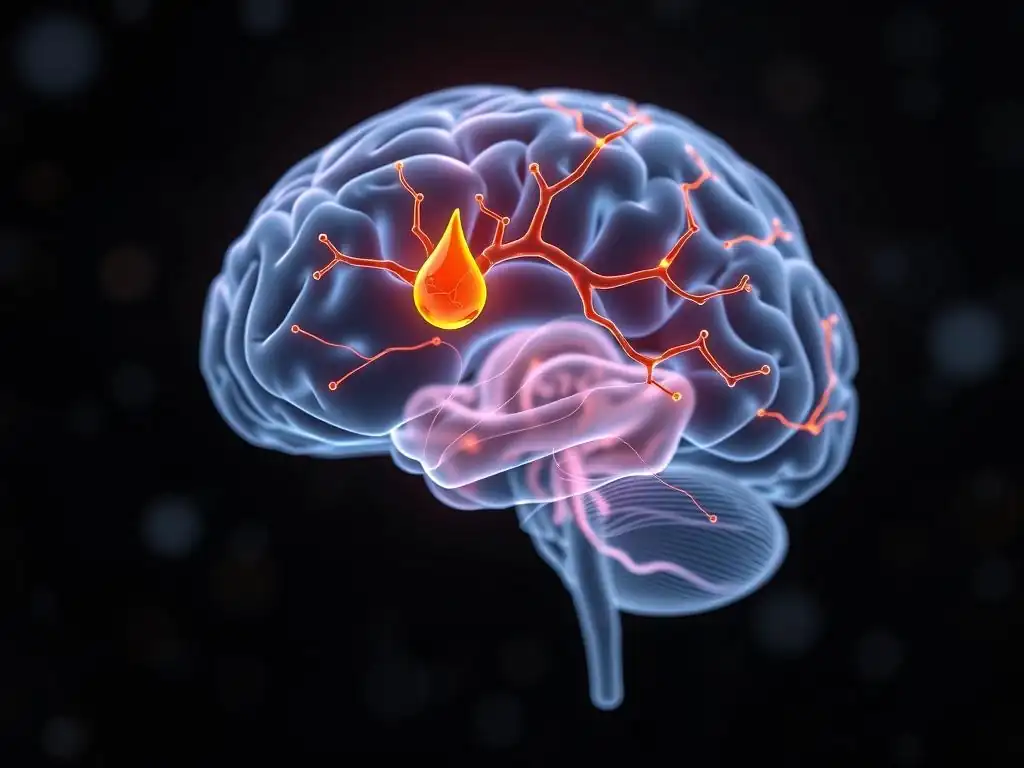
Welcome to Mind Care Guide, a sanctuary for your mental well-being.
Are you feeling overwhelmed and struggling to understand how stress is impacting your brain? You're not alone. We delve deep into the stress hormones brain impact, starting with a biological look at your adrenal glands, the very source of these powerful chemicals. Uncover the intricate connection and begin your journey towards understanding and managing stress effectively. Let's explore the neuroscience together...
Adrenal Glands: The Source of Stress Hormones' Brain Impact Biologically
- Understanding the Adrenal Glands and Their Role in Stress Response
- The Stress Hormones: Cortisol, Adrenaline, and Noradrenaline
- How Stress Hormones Impact the Brain: A Biological Perspective
- The Biological Consequences of Chronic Stress on the Brain
- Minimizing the Brain Impact of Stress Hormones: Strategies for Mental Well-being
- Future Research Directions: Unraveling the Complexities of Stress Hormones and Brain Health
-
Frequently Asked Questions
- What are stress hormones and where do they come from?
- How do stress hormones impact the brain?
- What is the biological connection between adrenal glands and the brain?
- Can the negative effects of stress hormones on the brain be reversed?
- What are some long-term consequences of chronic stress on the brain?
- Final Reflection: Understanding the Stress Response: A Path to Resilience
- Unleash Your Inner Calm: Take Control of Your Stress Response
Understanding the Adrenal Glands and Their Role in Stress Response
What are the Adrenal Glands and Where are They Located?
The adrenal glands are small, triangular-shaped organs located on top of each kidney. Despite their relatively small size – roughly 3 inches in length and 1 inch wide, weighing about 4-5 grams each – these glands play a critical role in the body's endocrine system. They are composed of two distinct parts: the outer layer, known as the adrenal cortex, and the inner layer, the adrenal medulla.
Each part produces different hormones essential for various bodily functions, including metabolism, immune response, blood pressure regulation, and crucially, the body's response to stress. Their strategic location above the kidneys allows them to quickly release hormones into the bloodstream, ensuring a rapid systemic response when needed.
The adrenal glands are vital components of the hypothalamic-pituitary-adrenal (HPA) axis, a complex system that regulates the stress response. When the brain perceives a threat or stressor, the hypothalamus signals the pituitary gland, which then signals the adrenal glands. This intricate communication pathway ensures that stress hormones are released in a coordinated manner, preparing the body to react to challenges. Without properly functioning adrenal glands, the body's ability to handle stress, both acute and chronic, would be severely compromised, highlighting their indispensable role in survival and well-being.
The Adrenal Gland's Function: Producing Essential Hormones
The primary function of the adrenal glands in the context of stress is the production and release of key hormones that mediate the stress response. The adrenal cortex is responsible for producing corticosteroids, including cortisol, which is the main glucocorticoid stress hormone. It also produces mineralocorticoids like aldosterone, which regulates blood pressure and electrolyte balance, and small amounts of sex hormones. The adrenal medulla, the inner part, synthesizes catecholamines, primarily adrenaline (epinephrine) and noradrenaline (norepinephrine). These hormones are crucial for the rapid, short-term "fight or flight" response.
Collectively, the hormones produced by the adrenal glands orchestrate the body's physiological adjustments to stress. Cortisol helps regulate metabolism, suppress inflammation, and regulate blood sugar levels to provide energy during stressful periods. Adrenaline and noradrenaline increase heart rate, blood pressure, and energy supply, preparing the body for immediate physical action. The delicate balance of these hormones is essential; dysregulation, often caused by chronic stress, can lead to numerous health problems, including significant negative impacts on the brain, demonstrating the profound stress hormones brain impact.
The Stress Hormones: Cortisol, Adrenaline, and Noradrenaline
Cortisol: The Primary Stress Hormone and Its Biological Effects
Cortisol is often referred to as the body's primary stress hormone. Produced in the adrenal cortex, its release is triggered by the HPA axis in response to stress. Biologically, cortisol has widespread effects throughout the body.
In the short term, it helps mobilize glucose from storage to provide energy, suppresses non-essential functions like digestion and immune activity, and increases blood pressure. This prepares the body to handle a perceived threat by ensuring energy is available and immediate physical responses are prioritized. Its daily production follows a circadian rhythm, typically peaking in the morning and decreasing throughout the day, which is disrupted by chronic stress.
While essential for acute stress response and daily functions like wakefulness, chronic exposure to elevated cortisol levels can have detrimental effects. Prolonged high cortisol can impair cognitive function, suppress the immune system, increase blood sugar levels, and contribute to weight gain. The stress hormones brain impact is particularly evident with cortisol, as prolonged elevation can damage neurons, especially in areas like the hippocampus, crucial for memory and learning. This highlights why managing chronic stress and its associated cortisol levels is vital for long-term health.
Adrenaline (Epinephrine): The "Fight or Flight" Response Trigger
Adrenaline, also known as epinephrine, is a catecholamine hormone produced by the adrenal medulla. It is a key player in the immediate "fight or flight" response, triggered by the sympathetic nervous system in reaction to sudden stress or danger.
Its biological effects are rapid and dramatic: it significantly increases heart rate and the force of heart contractions, raises blood pressure, redirects blood flow to muscles, dilates airways in the lungs to increase oxygen intake, and stimulates the release of glucose and fatty acids into the bloodstream for energy. These actions prepare the body for intense physical activity, enabling a rapid response to escape or confront a threat.
The release of adrenaline is typically short-lived, subsiding once the immediate threat is gone. However, in cases of chronic stress or anxiety disorders, the sympathetic nervous system can be overstimulated, leading to frequent or prolonged adrenaline surges. While beneficial in acute situations, chronic exposure to elevated adrenaline can contribute to cardiovascular problems like hypertension and heart strain. Furthermore, the constant state of heightened physiological arousal can exacerbate anxiety and contribute to feelings of being constantly "on edge," illustrating another dimension of the stress hormones brain impact.
Noradrenaline (Norepinephrine): Impact on Focus and Alertness
Noradrenaline, or norepinephrine, is another catecholamine produced in the adrenal medulla, closely related to adrenaline. It also functions as a neurotransmitter in the brain. Like adrenaline, it is involved in the "fight or flight" response, contributing to increased heart rate, blood pressure, and the mobilization of energy stores. However, noradrenaline has a particularly strong influence on the brain, affecting areas involved in attention, alertness, arousal, and vigilance. It helps to sharpen focus and heighten awareness of the environment during stressful situations.
As a neurotransmitter, noradrenaline plays a crucial role in modulating mood, attention, and sleep-wake cycles. During stress, increased noradrenaline release helps the brain prioritize processing of potential threats, enhancing reactivity. While this is adaptive in the short term, chronic stress can lead to dysregulation of the noradrenaline system. Prolonged elevation can contribute to anxiety, sleep disturbances, and difficulty concentrating even when not under immediate threat. Conversely, depletion of noradrenaline has been linked to symptoms of depression and fatigue. Understanding noradrenaline's dual role as hormone and neurotransmitter is key to appreciating the complex stress hormones brain impact.
How Stress Hormones Impact the Brain: A Biological Perspective
The Hypothalamic-Pituitary-Adrenal (HPA) Axis: The Stress Response System
The Hypothalamic-Pituitary-Adrenal (HPA) axis is the body's central stress response system, a complex feedback loop involving the brain and the adrenal glands. It begins in the hypothalamus, a region of the brain that, upon sensing a stressor (real or perceived), releases corticotropin-releasing hormone (CRH). CRH then travels to the pituitary gland, located at the base of the brain, stimulating it to release adrenocorticotropic hormone (ACTH). ACTH is released into the bloodstream and travels to the adrenal cortex, signaling it to produce and release cortisol.
Once cortisol is released, it travels throughout the body, including back to the brain. Cortisol receptors are abundant in various brain regions, including the hypothalamus, pituitary gland, hippocampus, amygdala, and prefrontal cortex. When cortisol binds to these receptors, it helps regulate the stress response.
In a healthy system, high levels of cortisol signal the hypothalamus and pituitary to reduce the release of CRH and ACTH, effectively shutting down the stress response once the stressor is gone. This negative feedback loop is crucial for maintaining hormonal balance and preventing prolonged exposure to high stress hormone levels, thereby mitigating the potential negative stress hormones brain impact. However, chronic stress can disrupt this delicate balance, leading to HPA axis dysregulation and persistent elevation of stress hormones.
Effects of Cortisol on Brain Structures: Hippocampus, Amygdala, and Prefrontal Cortex
Chronic exposure to elevated cortisol levels, a signature of prolonged stress, has a profound and well-documented stress hormones brain impact, particularly on key brain structures involved in memory, emotion, and executive function. The hippocampus, amygdala, and prefrontal cortex are especially vulnerable due to their high density of glucocorticoid receptors, which bind cortisol. Research, including studies using MRI scans, has shown that chronic stress can lead to structural changes in these areas, including reduced volume and altered neural connectivity.
For example, studies on individuals experiencing chronic stress, such as those with PTSD or prolonged caregiving roles, have often reported reduced hippocampal volume, sometimes by 10% or more compared to control groups. Similarly, the amygdala, involved in fear and emotional processing, can become hyperactive and potentially increase in size under chronic stress. The prefrontal cortex, critical for decision-making, planning, and impulse control, may show reduced activity and altered structure, impacting its ability to regulate the stress response and manage complex tasks. These structural and functional changes contribute significantly to the cognitive and emotional difficulties associated with chronic stress.
Cortisol's Influence on Hippocampal Function and Memory
The hippocampus is a brain region critical for learning and memory, particularly the formation of new explicit memories (facts and events). It also plays a vital role in regulating the HPA axis through negative feedback – it senses cortisol levels and helps shut down the stress response. Cortisol has a complex, dose-dependent effect on the hippocampus. Acute, moderate levels of cortisol can actually enhance memory consolidation for emotionally charged events, which is an adaptive response for survival. For instance, remembering details of a dangerous situation can help avoid it in the future.
However, chronic exposure to high cortisol is detrimental to hippocampal function. Prolonged elevation can impair neurogenesis (the birth of new neurons) in the hippocampus, reduce the branching of dendrites (the structures that receive signals from other neurons), and even lead to the death of existing neurons. This damage can manifest as difficulties with memory recall, learning new information, and spatial navigation. The weakened hippocampal feedback on the HPA axis can also perpetuate high cortisol levels, creating a vicious cycle that further exacerbates the negative stress hormones brain impact on memory and learning.
Amygdala Activation and Emotional Processing Under Stress
The amygdala is the brain's "fear center," playing a central role in processing emotions, particularly fear and anxiety, and assigning emotional significance to events. During stress, the amygdala becomes highly activated, prompting physiological responses associated with fear and vigilance. This heightened activity is adaptive in acute situations, helping us quickly react to potential threats. For example, seeing a sudden object dart into the road triggers rapid amygdala activation, leading to a quick physical response.
Under chronic stress, the amygdala can become persistently hyperactive and potentially enlarge. This chronic state of heightened arousal contributes to increased anxiety, fearfulness, and difficulty regulating emotional responses. Individuals experiencing chronic stress may become more reactive to perceived threats, interpret ambiguous situations negatively, and struggle with emotional control. The persistent activation of the amygdala is a key component of the stress hormones brain impact on emotional well-being and is strongly implicated in the development of anxiety disorders and PTSD.
The Prefrontal Cortex and Executive Function Impairment
The prefrontal cortex (PFC), located at the front of the brain, is responsible for higher-level cognitive functions, collectively known as executive functions. These include planning, decision-making, working memory, attention, impulse control, and regulating social behavior. The PFC also plays a crucial role in inhibiting the stress response by sending signals to the amygdala and hypothalamus to dampen their activity. It allows us to think rationally and make considered decisions, even when feeling stressed.
Acute stress can temporarily impair PFC function, leading to difficulty concentrating or making complex decisions under pressure. However, chronic stress and sustained high cortisol levels can lead to more lasting changes. Research indicates that chronic stress can reduce dendritic branching and synaptic connections in the PFC, particularly in the medial and orbitofrontal regions.
This structural and functional impairment diminishes the PFC's ability to perform executive functions effectively and reduces its capacity to regulate the amygdala and HPA axis. This weakened inhibitory control contributes to persistent emotional reactivity and difficulty managing stress, showcasing a significant stress hormones brain impact on rational thought and self-regulation.
Adrenaline and Noradrenaline's Role in Cognitive Function Under Stress
While cortisol's effects are more associated with chronic changes, adrenaline and noradrenaline primarily mediate the brain's immediate response to stress. As catecholamines, they rapidly influence neural activity, particularly in brain regions involved in attention, arousal, and vigilance. Their release from the adrenal medulla and noradrenergic neurons in the brainstem rapidly increases overall brain activity, preparing it to process information quickly and react swiftly to perceived threats.
This rapid influx of adrenaline and noradrenaline enhances sensory processing and directs attention towards salient stimuli in the environment. In the short term, this can lead to heightened alertness, improved reaction times, and a sharpened focus on the immediate task or threat. For instance, students might experience a surge of adrenaline before an exam, which can, up to a point, enhance focus and performance. This immediate cognitive boost is a critical part of the adaptive stress hormones brain impact during acute challenges, facilitating rapid assessment and response.
Enhanced Alertness and Focus in the Short Term
The immediate release of adrenaline and noradrenaline during acute stress significantly enhances alertness and focus. These hormones act on receptors throughout the brain, including areas like the locus coeruleus, which is the primary source of noradrenaline in the brain and plays a key role in arousal and attention. Increased noradrenaline release from the locus coeruleus floods the brain, promoting a state of heightened vigilance and reactivity. This helps filter out irrelevant information and concentrate resources on processing potentially threatening cues.
This surge in catecholamines facilitates rapid cognitive processing and improved sensory discrimination, making individuals more aware of their surroundings and better able to detect potential dangers. It's the biological basis for feeling "pumped up" or having heightened senses during a stressful event. While this state is beneficial for short-term survival, it is metabolically demanding and not sustainable. The brain is pushed into a high-alert mode, optimizing immediate response over complex cognitive tasks, demonstrating the adaptive, albeit temporary, positive stress hormones brain impact on certain cognitive functions.
Long-Term Effects of Chronic Adrenaline Exposure on the Brain
While adrenaline and noradrenaline are primarily known for their acute effects, chronic exposure to elevated levels, often occurring in conditions of prolonged stress or anxiety, can have negative long-term consequences for the brain. Persistent activation of the sympathetic nervous system and continuous release of catecholamines can lead to a state of chronic hyperarousal. This sustained high level of activity can disrupt the delicate balance of neurotransmitter systems and contribute to neuronal fatigue.
Prolonged exposure to high adrenaline and noradrenaline can also indirectly impact brain health by contributing to cardiovascular issues like high blood pressure, which in turn can affect blood flow to the brain. Furthermore, the constant state of vigilance can contribute to sleep disturbances, which are known to negatively affect cognitive function and brain structure over time. Research suggests chronic catecholamine excess may also contribute to neuroinflammation and oxidative stress. These long-term effects underscore that while acute adrenaline/noradrenaline are protective, chronic elevation represents another significant negative aspect of the overall stress hormones brain impact.
The Biological Consequences of Chronic Stress on the Brain
Neuroplasticity and Brain Remodeling Due to Prolonged Stress Hormone Exposure
Neuroplasticity refers to the brain's remarkable ability to change and adapt throughout life by reorganizing its structure, functions, and connections in response to experiences. While acute stress can sometimes facilitate adaptive changes, prolonged exposure to high levels of stress hormones, particularly cortisol, can lead to maladaptive neuroplasticity and structural remodeling of the brain. This remodeling often involves changes in the size and activity of key brain regions like the hippocampus, amygdala, and prefrontal cortex.
For example, prolonged high cortisol can decrease synaptic plasticity in the hippocampus, making it harder for neurons to form new connections crucial for learning and memory. Conversely, the amygdala may show increased dendritic arborization and synaptic strength, enhancing fear learning and emotional reactivity. The prefrontal cortex can show reduced synaptic density and complexity, impairing executive functions. These structural and functional changes represent a significant and detrimental stress hormones brain impact, essentially rewiring the brain to be more reactive to stress and less capable of regulating it.
Increased Risk of Mental Health Disorders: Anxiety, Depression, and PTSD
The biological changes in the brain caused by chronic stress and elevated stress hormones are strongly linked to an increased risk of developing various mental health disorders. The persistent hyperactivation of the amygdala and impaired regulation by the prefrontal cortex contribute significantly to the development of anxiety disorders, including generalized anxiety disorder and panic disorder, where individuals experience excessive worry and fear.
Furthermore, the damage and functional impairment in the hippocampus and prefrontal cortex, coupled with dysregulation of neurotransmitter systems (discussed below), are key factors in the pathophysiology of depression. Chronic stress is a major risk factor for depressive episodes, and individuals with depression often show similar brain changes (e.g., reduced hippocampal volume) seen in chronic stress.
Post-traumatic Stress Disorder (PTSD), which results from exposure to severe trauma, is characterized by a dysregulated HPA axis, altered cortisol levels (sometimes lower than expected in chronic PTSD, but with heightened sensitivity), and pronounced structural and functional changes in the hippocampus, amygdala, and PFC, demonstrating a profound stress hormones brain impact following trauma.
Stress Hormones and Neuroinflammation: A Vicious Cycle
Emerging research highlights a critical, often overlooked, aspect of the stress hormones brain impact: their role in promoting neuroinflammation. Neuroinflammation is the activation of the brain's immune cells (microglia and astrocytes) in response to injury, infection, or other stressors. While acute inflammation is protective, chronic neuroinflammation can damage neurons and impair brain function. Stress hormones, particularly cortisol and catecholamines, can influence immune responses throughout the body, including in the brain.
Chronic stress leads to sustained levels of stress hormones that can alter the blood-brain barrier's permeability, allowing inflammatory molecules to enter the brain. Furthermore, these hormones can directly activate microglia and astrocytes, leading to the release of pro-inflammatory cytokines. This chronic inflammatory state can disrupt neurotransmitter systems, impair synaptic function, and contribute to neuronal damage and loss. This creates a vicious cycle: stress hormones cause neuroinflammation, which further impairs brain function and can perpetuate stress responses, amplifying the overall negative stress hormones brain impact.
Impact on Neurotransmitter Systems: Serotonin, Dopamine, and GABA
Chronic stress and prolonged exposure to stress hormones significantly disrupt the balance of key neurotransmitter systems in the brain, including serotonin, dopamine, and gamma-aminobutyric acid (GABA). These neurotransmitters are crucial for regulating mood, motivation, pleasure, sleep, and anxiety. Changes in their activity are strongly implicated in the development of mental health disorders.
For instance, chronic stress is known to impair the function of the serotonin system, which is critical for mood regulation. This can lead to feelings of sadness, hopelessness, and loss of interest characteristic of depression. The dopamine system, involved in reward and motivation, can also be dysregulated, contributing to anhedonia (inability to experience pleasure) and reduced motivation.
GABA, the brain's primary inhibitory neurotransmitter, helps calm neural activity and reduce anxiety. Chronic stress can impair GABAergic signaling, leading to increased anxiety, irritability, and difficulty relaxing. These widespread disruptions to neurotransmitter balance are a major mechanism underlying the complex and debilitating stress hormones brain impact on mental well-being.
Minimizing the Brain Impact of Stress Hormones: Strategies for Mental Well-being
Chronic stress and its biological stress hormones brain impact are significant challenges, but proactive strategies can help mitigate these effects and support brain health. Implementing stress management techniques, engaging in regular physical activity, adopting a balanced diet, prioritizing sleep, and seeking professional support when needed are all crucial steps in regulating stress hormone levels and promoting resilience in the face of stress.
Taking conscious steps to reduce your exposure to chronic stressors where possible, and changing your response to unavoidable ones, can make a substantial difference. It's about building a toolkit of coping mechanisms that support both your mental and physical health, recognizing the interconnectedness of the body and brain in the stress response.
Stress Management Techniques: Mindfulness, Meditation, and Yoga
Engaging in regular stress management techniques can significantly lower stress hormone levels and counteract their negative effects on the brain. Practices like mindfulness meditation involve focusing on the present moment without judgment, which has been shown in studies to reduce activity in the amygdala and increase connectivity between the prefrontal cortex and the amygdala, enhancing emotional regulation. Even short daily sessions, perhaps 10-20 minutes, can yield benefits over time.
Yoga combines physical postures, breathing exercises, and meditation, offering a holistic approach to stress reduction. Research indicates that regular yoga practice can lower evening cortisol levels and reduce self-reported stress and anxiety. These practices help activate the parasympathetic nervous system, the body's "rest and digest" system, which counteracts the sympathetic nervous system's "fight or flight" response, promoting a state of calm and reducing the chronic elevation of stress hormones.
The Role of Exercise in Regulating Stress Hormones
Physical exercise is a powerful tool for managing stress and mitigating the stress hormones brain impact. Regular aerobic exercise, such as brisk walking, running, or swimming, has been shown to reduce overall cortisol levels and improve the body's ability to recover from stress more quickly. While acute intense exercise can temporarily increase cortisol and adrenaline, chronic exercise training leads to adaptations that result in a more regulated stress response over time.
Exercise also promotes the release of endorphins, which have mood-boosting and pain-relieving effects. Furthermore, physical activity supports neurogenesis in the hippocampus and enhances synaptic plasticity, helping to counteract the negative effects of chronic stress on this brain region. Aiming for at least 150 minutes of moderate-intensity aerobic exercise or 75 minutes of vigorous-intensity exercise per week, as recommended by health guidelines, can significantly improve stress resilience and brain health.
Diet and Nutrition: Supporting Adrenal Function and Brain Health
Nutrition plays a vital role in supporting adrenal function and overall brain health, thereby influencing the stress hormones brain impact. A balanced diet rich in whole foods, including fruits, vegetables, lean proteins, and healthy fats, provides the necessary nutrients for hormone production and neurotransmitter synthesis. For instance, B vitamins are essential for energy production and nervous system function, while omega-3 fatty acids are crucial for brain structure and reducing inflammation.
Conversely, diets high in processed foods, sugar, and unhealthy fats can exacerbate inflammation and stress on the body, potentially disrupting adrenal function and contributing to mood swings and cognitive difficulties. Maintaining stable blood sugar levels through balanced meals also helps prevent unnecessary stress on the adrenal glands. Staying adequately hydrated is also important for overall physiological function, including hormone regulation.
The Importance of Sleep for Stress Hormone Regulation
Adequate and quality sleep is fundamental for regulating stress hormones and allowing the brain to repair and consolidate information. Sleep deprivation, even for a single night, can lead to increased evening cortisol levels and heightened activity in the amygdala, making individuals more reactive to stress the following day. Chronic sleep debt contributes significantly to HPA axis dysregulation and elevated baseline stress hormone levels.
During deep sleep, the body and brain engage in restorative processes, including clearing metabolic waste and consolidating memories. Consistent, sufficient sleep (typically 7-9 hours for adults) helps normalize the circadian rhythm of cortisol release, with levels dropping overnight. Prioritizing sleep hygiene – maintaining a regular sleep schedule, creating a dark and quiet sleep environment, and avoiding caffeine and alcohol before bed – is essential for managing stress and protecting against the negative stress hormones brain impact.
Seeking Professional Help: Therapy and Medication Options
For individuals struggling with significant or chronic stress, anxiety, or depression, seeking professional help from a therapist or counselor is a crucial step. Therapies like Cognitive Behavioral Therapy (CBT) and Acceptance and Commitment Therapy (ACT) can teach effective coping strategies, help identify and challenge stressful thought patterns, and build resilience. These approaches can empower individuals to better manage their stress response and reduce the biological impact of stress hormones.
In some cases, medication may be recommended by a healthcare provider to help manage symptoms of stress-related mental health conditions. Antidepressants or anti-anxiety medications can help regulate neurotransmitter systems that have been disrupted by chronic stress. Working with a qualified mental health professional allows for a personalized approach to managing stress and its profound stress hormones brain impact, providing support and guidance tailored to individual needs.
[ ] Learn more about the specific neurotransmitter pathways affected by cortisol.
[ ] Research the latest findings on neuroinflammation and stress hormones.
[ ] Explore the role of gut microbiome in influencing the HPA axis.
Future Research Directions: Unraveling the Complexities of Stress Hormones and Brain Health
The relationship between stress hormones and the brain is a dynamic and complex field of research with many questions still being explored. Future research aims to further unravel the intricate molecular and cellular mechanisms by which cortisol, adrenaline, and noradrenaline exert their effects on different brain regions. This includes investigating the precise roles of various receptor subtypes and intracellular signaling pathways in mediating both acute and chronic responses. Understanding these mechanisms at a finer level could lead to more targeted interventions.
Another key area of investigation is the long-term trajectory of stress hormone-induced brain changes. Researchers are using advanced neuroimaging techniques, such as fMRI and diffusion tensor imaging, to track structural and functional alterations in the brain over time in individuals exposed to chronic stress or trauma. Studies are also exploring genetic and epigenetic factors that may influence an individual's vulnerability to the stress hormones brain impact, potentially explaining why some people are more resilient than others. These ongoing efforts hold promise for developing new therapeutic strategies to prevent or reverse the damaging effects of chronic stress on brain health.
Frequently Asked Questions
What are stress hormones and where do they come from?
Stress hormones, such as cortisol and adrenaline, are produced by the adrenal glands. These hormones play a crucial role in the body's "fight or flight" response to perceived threats.
How do stress hormones impact the brain?
Stress hormones can affect brain regions responsible for memory, learning, and emotional regulation. Prolonged exposure can lead to structural and functional changes, impacting cognitive performance and mood.
What is the biological connection between adrenal glands and the brain?
The connection involves the hypothalamic-pituitary-adrenal (HPA) axis. This system regulates the release of stress hormones and is highly sensitive to brain signals, creating a feedback loop between stress and brain function.
Can the negative effects of stress hormones on the brain be reversed?
Yes, strategies such as mindfulness, exercise, and therapy can help regulate the HPA axis. These interventions can mitigate the impact of stress hormones and promote brain recovery.
What are some long-term consequences of chronic stress on the brain?
Chronic stress and elevated stress hormones can contribute to an increased risk of anxiety, depression, and cognitive decline. They can also impact the brain's neuroplasticity, making it harder to adapt to new situations.
Final Reflection: Understanding the Stress Response: A Path to Resilience
The intricate relationship between our adrenal glands and brain function is not merely a scientific curiosity; it's the key to understanding our daily experiences of stress and its profound impact on our well-being. The information presented in this article highlights how crucial it is to recognize the biological mechanisms behind stress, moving beyond simply labeling feelings as "stress" to understanding the very real physiological changes occurring within our bodies and brains. This knowledge empowers us to take proactive steps towards managing stress effectively.
The ongoing influence of chronic stress on our society is undeniable, manifesting in increased rates of mental health challenges and physical ailments. The pervasive nature of stress in modern life necessitates a deeper understanding of its biological roots. The body keeps the score,
as Bessel van der Kolk so aptly puts it, reminding us that the impact of stress isn't merely emotional; it's deeply embedded in our physical being. This understanding allows us to approach stress management not just as a mental exercise, but as a holistic endeavor encompassing physical health, mental well-being, and lifestyle choices.
Now, consider your own relationship with stress. What strategies do you currently employ to manage it? Are they effective? This article has provided you with a foundation of biological understanding; use this knowledge to inform your approach. Explore mindfulness techniques, engage in regular physical activity, prioritize sleep, and foster strong social connections. Remember, understanding the biological mechanisms of stress is the first step towards building resilience and cultivating a healthier, more balanced life. Take control of your response to stress; your brain and body will thank you for it.
Unleash Your Inner Calm: Take Control of Your Stress Response
Thanks for diving deep into the fascinating world of your adrenal glands and their impact on your brain! You now have a powerful understanding of the biological mechanisms behind stress. Ready to put this knowledge into action?
- Prioritize a daily stress-reduction practice: Start small – even 5 minutes of deep breathing or mindful meditation can make a significant difference. This is your primary action to improve your well-being.
- Share your newfound knowledge: Discuss what you've learned with a friend, family member, or colleague. Help them understand the science of stress and how to manage it effectively.
- Explore Mind Care Guide's resources: Discover more insightful articles and guides designed to help you navigate stress and optimize your brain health. (We are working on more articles like this.)
So, what simple step will you take today to better understand and manage your stress response?