
Handle Frustration Calmly: Mindful Responses to Annoyance

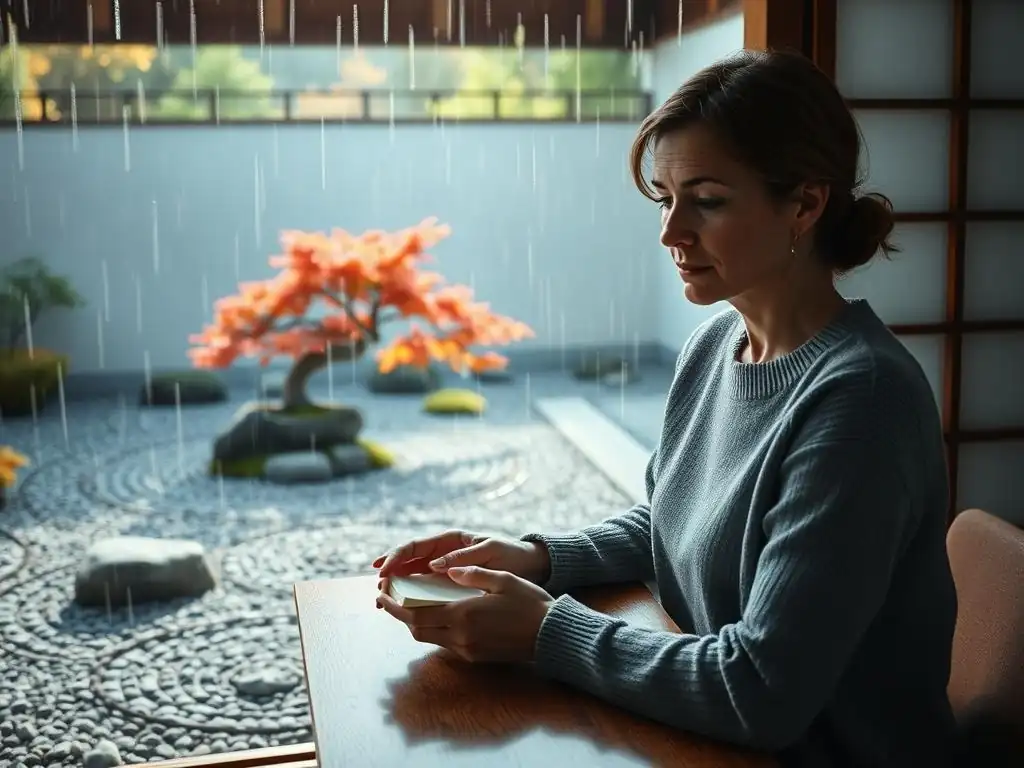
Welcome to Mind Care Guide, your sanctuary for nurturing inner peace.
Feeling overwhelmed by daily frustrations? You're not alone. We all face moments that test our patience. But what if you could navigate those irritations with grace and resilience? This week, we're diving into calm responses to annoyance, exploring practical mindfulness techniques to transform frustration into opportunities for growth. Discover how to cultivate a calmer, more centered you, starting right now. Ready to unlock your inner calm?
- Mind Care Guide: Cultivating Calm Responses to Annoyance Through Mindfulness
- Understanding Annoyance and Its Impact on Mental Health
- Mindfulness Techniques for Managing Annoyance in Daily Life
- Developing Calm Responses to Annoyance: A Step-by-Step Approach
- Practical Strategies for Maintaining Calmness in Annoying Situations
- Overcoming Challenges in Developing Calm Responses
- The Long-Term Benefits of Cultivating Calm Responses to Annoyance
- Continuing Your Mindfulness Journey: Resources and Further Exploration
-
Frequently Asked Questions
- How can I identify my triggers for annoyance and frustration?
- What is the role of mindfulness in managing annoyance?
- What are some practical techniques for calming down when I feel annoyed?
- How can I reframe negative thoughts that contribute to my frustration?
- Are there any long-term strategies for building resilience to annoyance?
- Final Reflection: Cultivating Inner Peace in a Frustrating World
- Unlock Your Inner Calm: Mastering Frustration
Mind Care Guide: Cultivating Calm Responses to Annoyance Through Mindfulness
Integrating Mindfulness for Mental Well-being: A Guide to Handling Frustration
Mindfulness, the practice of being present and fully engaged in the current moment without judgment, serves as a powerful tool for enhancing overall mental well-being. In the context of daily life, where minor frustrations and annoyances are inevitable, integrating mindful awareness allows us to shift from automatic, reactive patterns to more considered, calm responses to annoyance. This deliberate shift can significantly reduce stress and improve emotional regulation.
For instance, instead of immediately reacting with irritation to a small setback like spilling coffee, a mindful approach encourages pausing to simply notice the sensation, the thought, and the emotion without getting swept away by them. This simple pause creates space for a different kind of response.
The journey towards developing calm responses to annoyance through mindfulness isn't about eliminating frustration entirely, but rather changing our relationship with it. It involves training the mind to observe annoyance as a temporary state, much like watching clouds drift across the sky. This practice, often cultivated through formal meditation or informal moments of presence throughout the day, builds resilience.
Studies suggest that regular mindfulness practice can lead to measurable changes in brain activity, particularly in areas associated with emotional regulation and stress response, potentially decreasing reactivity to stimuli that would typically trigger annoyance or frustration. This neurological shift underpins the ability to choose a calmer path when confronted with irritating situations.
Understanding Annoyance and Its Impact on Mental Health
The Nature of Annoyance: Recognizing Triggers and Patterns
Annoyance is a low-grade form of anger, typically triggered by minor irritations or frustrations that seem trivial on their own but can accumulate. Recognizing the specific situations, people, or events that reliably trigger your annoyance is the first step towards developing calm responses to annoyance. Common triggers include unexpected delays (like traffic or queues), interruptions, perceived inefficiencies in others, or minor environmental stressors (noise, clutter).
For example, someone might consistently feel annoyed when their commute takes longer than 30 minutes, or when a colleague habitually leaves dirty dishes in the sink. Identifying these patterns moves annoyance from a vague feeling to a specific target for mindful intervention.
Understanding the nature of your personal annoyance triggers often reveals underlying expectations or values. Perhaps the traffic annoyance stems from a need for control and predictability, or the dirty dish annoyance from a value placed on order and consideration. By observing these triggers without immediate judgment, we gain insight into our inner landscape. This self-awareness is crucial because it allows us to anticipate potential moments of frustration and prepare to apply mindful techniques, paving the way for more deliberate and calm responses to annoyance instead of falling back on habitual reactions like sighing loudly or muttering under our breath.
The Link Between Frustration, Stress, and Mental Well-being
Frustration, often a precursor or companion to annoyance, occurs when we are blocked from achieving a goal or meeting an expectation. While fleeting frustration is normal, chronic exposure to frustrating situations, even minor ones, can contribute significantly to cumulative stress. When we experience annoyance or frustration, our body initiates a stress response, releasing hormones like cortisol and adrenaline. Persistent activation of this stress response, common when dealing with frequent annoyances without effective coping mechanisms, is linked to a range of negative health outcomes, including increased anxiety, irritability, sleep disturbances, and even physical ailments over time.
The constant mental chatter and emotional tension that often accompany unchecked annoyance drain mental resources and diminish overall well-being. Imagine the mental energy spent replaying an irritating interaction or dwelling on a frustrating delay – this takes away from focus, creativity, and peace of mind. Developing calm responses to annoyance directly mitigates this stress burden. By interrupting the automatic link between trigger and intense negative reaction, mindfulness helps to dampen the physiological stress response, preserving mental energy and promoting a greater sense of control and resilience against the daily onslaught of minor stressors.
Why Calm Responses to Annoyance are Crucial for Emotional Regulation
Emotional regulation is the ability to manage and respond to an emotional experience. When faced with annoyance, an unregulated response might involve snapping at someone, ruminating excessively, or engaging in passive-aggressive behavior. These reactions often escalate the situation, damage relationships, and leave us feeling worse. Cultivating calm responses to annoyance, on the other hand, is a fundamental aspect of effective emotional regulation. It allows us to acknowledge the feeling of annoyance without being controlled by it, enabling us to choose a constructive path forward.
Choosing a calm response doesn't mean suppressing the feeling; it means recognizing the feeling and then deciding how to act. This deliberate choice prevents the emotional hijack that often occurs when annoyance boils over into anger or resentment.
For example, responding calmly to a frustrating customer service interaction, rather than becoming visibly angry, allows for clearer communication and a potentially better resolution, while also protecting your own peace of mind. Developing these calm responses to annoyance builds emotional intelligence and self-control, which are invaluable skills for navigating the complexities of personal and professional life, contributing significantly to improved mental health and interpersonal harmony.
Mindfulness Techniques for Managing Annoyance in Daily Life

Deep Breathing Exercises for Immediate Annoyance Relief
When a wave of annoyance hits, one of the most accessible and effective immediate interventions is deep breathing. This simple technique activates the body's parasympathetic nervous system, counteracting the fight-or-flight response triggered by frustration. A common practice is the 4-7-8 technique: inhale deeply through your nose for a count of four, hold your breath for a count of seven, and exhale slowly through your mouth for a count of eight.
Repeat this cycle a few times. Just one minute of focused, deep breathing can lower heart rate and blood pressure, creating a physical shift that supports a more calm response to annoyance.
Practicing deep breathing regularly, even when not annoyed, builds your capacity to use it effectively in moments of tension. When you feel that familiar tightening in your chest or jaw that signals rising annoyance, consciously pausing to take three to five deep breaths can interrupt the automatic reaction. This creates a vital space between the stimulus (the annoying situation) and your response. It's a physical anchor to the present moment, pulling you out of the swirling thoughts of frustration and giving you a chance to choose a more considered, calm response to annoyance rather than an impulsive outburst.
Mindful Observation: Acknowledging Annoyance Without Judgment
Mindful observation involves noticing the experience of annoyance as it arises, without labeling it as "good" or "bad" and without getting entangled in the story surrounding it. When something annoying happens – perhaps someone cutting you off in traffic – instead of immediately thinking "How dare they! That's so rude!
", you simply notice the feeling in your body (tension in shoulders, heat in chest), the thoughts arising ("They're so inconsiderate"), and the emotion (annoyance). The key is to observe these sensations, thoughts, and feelings with curiosity, as if you were a scientist studying a phenomenon, without adding layers of judgment or narrative.
This practice helps to деpersonalize the annoyance and prevent it from escalating. By observing the feeling ("I notice a strong feeling of annoyance") rather than identifying with it ("I am so annoyed! "), you create distance. This distance is crucial for developing calm responses to annoyance. It allows you to see that the feeling is temporary and does not define you or the situation. Over time, this mindful observation weakens the automatic link between trigger and intense emotional reaction, making it easier to choose a measured and peaceful response.
Body Scan Meditation for Releasing Tension Caused by Frustration
Frustration and annoyance often manifest as physical tension in the body – clenched fists, tight jaw, knotted stomach, or tense shoulders. A body scan meditation is a powerful mindfulness technique for becoming aware of and releasing this physical tension. It involves systematically bringing your attention to different parts of your body, from your toes to the crown of your head, noticing any sensations present, including areas of tension related to annoyance. The practice is simply to notice the sensation without trying to change it immediately, then gently encourage softening or release in those areas with your breath.
Regular body scan practice increases your interoceptive awareness – your ability to sense what's happening inside your body. This heightened awareness allows you to catch the physical signs of rising annoyance earlier, giving you a better chance to intervene mindfully before the feeling becomes overwhelming. By consciously breathing into areas of tension and inviting release, you can physically dissipate some of the energy associated with frustration, making it easier to access calm responses to annoyance. Even a brief 5-minute body scan can significantly reduce the physical residue left by annoying experiences throughout the day.
Developing Calm Responses to Annoyance: A Step-by-Step Approach
Step 1: Identifying Your Annoyance Triggers and Early Warning Signs
The first crucial step in cultivating calm responses to annoyance is becoming intimately familiar with what sets you off and how your body signals it. This requires self-reflection and mindful observation over time. Keep a mental note or even a small journal for a week, noting down moments you felt annoyed, what triggered it (a specific person, situation, or thought), and how you reacted.
Pay close attention to the physical sensations that arise just before or as the annoyance begins – maybe a clenched jaw, a sudden heat flush, a rapid heartbeat, or a knot in your stomach. These are your early warning signs.
Understanding your specific triggers allows you to anticipate situations where annoyance is likely to arise. If you know that being rushed makes you annoyed, you can plan to leave earlier for appointments. If specific interactions with a certain person are consistently frustrating, you can mentally prepare before engaging with them. Recognizing your early warning signs gives you the opportunity to implement mindfulness techniques before the annoyance escalates, making it much easier to choose a calm response to annoyance rather than being caught off guard by the intensity of the emotion.
Step 2: Pausing and Creating Space Before Reacting to Irritation
Once you've identified a trigger or noticed an early warning sign, the next critical step is to deliberately pause before reacting. This pause is the cornerstone of developing calm responses to annoyance. It's about interrupting the automatic, often impulsive, chain reaction that goes from trigger to emotional outburst or unhelpful behavior. Mentally (or even physically, if appropriate) take a step back. This pause can be as short as taking one conscious breath or counting slowly to five.
In this space created by the pause, you reclaim agency. Instead of being driven by the raw emotion of annoyance, you give yourself a moment to choose your response. This is where you can bring in mindful awareness: notice the feeling without judgment, perhaps apply a quick deep breathing exercise, or remind yourself of your intention to respond calmly. This pause, however brief, is incredibly powerful in shifting from reactivity to a more considered and calm response to annoyance. It allows the initial surge of emotion to dissipate slightly, opening the door for wisdom and perspective.
Step 3: Reframing Annoying Situations with a More Positive Perspective
Often, our annoyance stems from how we interpret a situation. Reframing involves consciously choosing a different perspective on an annoying event. This isn't about denying your feelings, but about exploring alternative explanations or focusing on different aspects of the situation. For example, if someone is speaking loudly on their phone nearby, instead of automatically thinking "How inconsiderate and annoying! ", you might reframe it as "Perhaps they are dealing with an urgent or difficult situation." Or, focus on the fact that this situation is temporary and will pass.
Reframing can also involve looking for the potential lesson or even humor in a frustrating situation. Getting soaked by an unexpected downpour might be annoying, but can you find humor in the absurdity, or appreciate the feeling of the rain afterward? While not every situation can be reframed positively, actively seeking alternative perspectives reduces the power of the initial negative interpretation that fuels annoyance. This practice encourages cognitive flexibility and supports the development of more resilient and calm responses to annoyance.
Step 4: Practicing Self-Compassion During Moments of Frustration
Developing calm responses to annoyance is a process, and you won't always get it right. There will be times when annoyance overwhelms you, and you react impulsively. This is where self-compassion is essential. Instead of criticizing yourself for "failing" to be mindful or calm, treat yourself with the same kindness and understanding you would offer a friend who is struggling. Recognize that feeling annoyed and sometimes reacting poorly is a normal part of being human.
Self-compassion involves acknowledging your struggle ("This is a really frustrating moment, and I'm feeling overwhelmed") without judgment. It might involve a gentle physical gesture, like placing a hand over your heart, and offering yourself kind words ("It's okay that I feel this way," or "I'm doing my best").
This practice prevents the added layer of self-criticism that often accompanies failed attempts at emotional regulation. By being kind to yourself when you experience difficulty, you create a supportive inner environment that encourages continued practice and makes it easier to return to a more mindful and calm response to annoyance in the future.
Practical Strategies for Maintaining Calmness in Annoying Situations
Using Affirmations to Promote a Sense of Calm and Control
Affirmations are positive statements that you repeat to yourself to help shift your mindset. In moments of rising annoyance, affirmations can act as anchors, reminding you of your intention to stay calm and your capacity to handle the situation mindfully. Simple affirmations like "I am breathing in peace, breathing out frustration," "I can handle this calmly," or "This feeling is temporary" can be powerful tools. Choose phrases that resonate with you and repeat them silently or softly when you feel irritation bubbling up.
For instance, if you are stuck in a long queue, instead of dwelling on the delay, you could silently repeat, "Patience is my strength," or "I choose peace in this moment." The act of repeating these positive statements helps to interrupt the negative thought loops that feed annoyance. While they don't magically remove the external trigger, affirmations help reinforce your internal state of mind, making it easier to access and maintain calm responses to annoyance even in challenging circumstances.
Employing Sensory Grounding Techniques to Stay Present
Sensory grounding techniques are simple practices that bring your awareness back to the present moment by focusing on sensory input. This is particularly useful when annoyance sends your mind spiraling into frustrated thoughts about the past (how unfair something was) or the future (how this annoyance will ruin your day). By focusing on what you can see, hear, feel, smell, or taste right now, you interrupt the mental loop of annoyance.
A common grounding technique is the 5-4-3-2-1 method: notice 5 things you can see, 4 things you can touch, 3 things you can hear, 2 things you can smell, and 1 thing you can taste. Even just focusing on the sensation of your feet on the ground, the feeling of your clothes on your skin, or the sounds around you can pull your mind out of the grip of annoyance. This immediate connection to the present moment makes it far easier to access calm responses to annoyance because you are no longer lost in the frustrating narrative.
Dealing with a Delayed Flight: Applying Mindfulness
Consider the scenario of a significant flight delay – a common and potent source of annoyance for millions of travelers each year. Reports often highlight that delays impact over 20% of scheduled flights globally, translating to frustrating waiting times for passengers. Applying mindfulness here begins with acknowledging the feeling of annoyance without resistance. Instead of immediately complaining or becoming visibly agitated, take a moment to notice the physical sensations of frustration, the thoughts about inconvenience, and the emotion itself.
Next, engage in mindful observation of the surroundings. Notice the sounds of the airport, the people around you, the feel of the chair. Practice deep breathing to regulate your immediate stress response. Reframe the situation: can this unexpected free time be used productively (reading, working) or for rest? Can you connect with fellow travelers? By shifting focus from the frustrating outcome (the delay) to the present moment and potential opportunities within it, you cultivate a calm response to annoyance. This doesn't mean you enjoy the delay, but you navigate it with greater inner peace and less reactive stress.
Managing a Child's Tantrum: Practicing Acceptance
Managing a child's tantrum is another real-life scenario frequently cited as a significant trigger for parental annoyance and frustration. Tantrums are unpredictable, often loud, and can occur in public, adding layers of stress. In such a moment, practicing acceptance is key to fostering a calm response to annoyance. Acceptance here doesn't mean approving of the behavior, but rather accepting the reality of the situation in the present moment: the child is having a tantrum, and you are feeling annoyed or overwhelmed.
Instead of fighting the reality of the tantrum or getting swept into the child's emotional storm, take a breath and acknowledge the situation: "Okay, this is happening now. My child is upset, and I feel frustrated." Focus on remaining present, perhaps using a grounding technique like feeling your feet firmly on the ground.
Respond to the child from a place of calm presence, rather than reactive annoyance. This might involve simply being present nearby, offering quiet comfort when appropriate, or waiting for the storm to pass. This mindful acceptance helps you maintain your composure and respond more effectively to the child's needs, demonstrating a calm response to annoyance that benefits both parent and child.
Overcoming Challenges in Developing Calm Responses

Recognizing and Addressing Resistance to Mindfulness Practices
Developing calm responses to annoyance through mindfulness isn't always easy, and encountering resistance is common. This resistance might manifest as thoughts like "I don't have time for this," "It's too difficult," or "Mindfulness won't work for my level of annoyance." Sometimes, the resistance comes from an underlying fear of feeling difficult emotions without the usual coping mechanisms (like getting angry or complaining). Addressing this resistance begins with recognizing it mindfully – simply noticing the thoughts and feelings of resistance without judgment.
Once recognized, explore the root of the resistance with curiosity. Is it truly lack of time, or is it a belief that you're not "good" at mindfulness? Is it discomfort with sitting with uncomfortable feelings? Often, starting small can help overcome resistance. Even just one minute of mindful breathing or observation per day is a valid practice. Gently challenging the limiting beliefs and acknowledging that practice takes time and effort can help dissolve resistance and encourage consistent steps towards cultivating calm responses to annoyance.
Dealing with Overwhelming Annoyance and Potential Anger Outbursts
There will be times when annoyance feels overwhelming and threatens to erupt into anger. In these intense moments, the goal shifts from subtle mindful responses to immediate crisis management. Recognize the signs of escalating anger – intense heat, shaking, strong urge to yell or lash out. The priority is to prevent harm (to yourself or others) or destructive actions. Step away from the situation if possible. If you can't step away physically, create mental space.
Use intense, focused breathing techniques, like lion's breath (exhaling forcefully with a roar) or rapid, deep breaths to discharge some of the intense energy. Splash cold water on your face – this can trigger the mammalian dive reflex, slowing your heart rate. Repeat a mantra like "Stop" or "Pause." Once the immediate intensity subsides slightly, then you can return to more nuanced mindfulness techniques. It's important to remember that preventing an outburst is a success, and learning to manage these intense moments is part of the journey towards consistent calm responses to annoyance.
Seeking Support When Mindfulness Alone Is Not Enough
While mindfulness is a powerful tool, it is not a panacea, especially when annoyance and frustration are symptoms of deeper issues, chronic stress, or underlying mental health conditions like anxiety or depression. If you find that despite consistent mindfulness practice, your annoyance remains overwhelming, leads to frequent anger outbursts, significantly impacts your relationships, or is accompanied by persistent low mood or anxiety, it may be time to seek professional support.
A therapist or counselor can help you explore the root causes of your intense emotional reactivity, teach you additional coping strategies, and address any co-occurring mental health challenges. Sometimes, medication may also be a necessary part of managing severe irritability or anger. Seeking support is a sign of strength, not failure. Integrating professional help with mindfulness practices can provide a more comprehensive approach to developing sustainable calm responses to annoyance and improving overall mental well-being.
The Long-Term Benefits of Cultivating Calm Responses to Annoyance
Improved Emotional Resilience and Reduced Stress Levels
Consistently practicing calm responses to annoyance builds significant emotional resilience. Resilience is the ability to bounce back from difficulties and adapt well in the face of stress. By learning not to be derailed by minor frustrations, you strengthen your capacity to handle larger challenges. Each time you choose a mindful pause over an impulsive reaction, you reinforce neural pathways associated with calm and control.
Over time, this leads to a marked reduction in chronic stress levels. Instead of experiencing frequent surges of stress hormones triggered by daily annoyances, your system remains more balanced. This not only feels better mentally and emotionally but also has tangible physical health benefits, reducing the risk of stress-related issues. The ability to maintain composure when faced with irritating situations becomes a built-in strength, allowing you to navigate life's inevitable bumps with greater ease and less wear and tear on your mind and body.
Enhanced Relationships Through Mindful Communication
Annoyance is a frequent source of conflict and tension in relationships, whether with partners, family, friends, or colleagues. Reacting to annoyance with snapping, passive-aggression, or withdrawal erodes trust and creates distance. Cultivating calm responses to annoyance directly improves your ability to communicate effectively, even when feeling irritated.
Mindfulness teaches you to pause and choose your words carefully, to listen actively even when you disagree, and to express your feelings constructively rather than reactively. For example, instead of lashing out when a partner does something annoying, a mindful approach allows you to say, "When X happens, I feel Y. Can we talk about it?" This kind of communication fosters understanding and problem-solving rather than blame and conflict. Healthier interactions built on mindful, calm responses to annoyance strengthen bonds and create more harmonious relationships.
Greater Overall Mental Well-being and Inner Peace
Ultimately, the cumulative effect of consistently choosing calm responses to annoyance is a profound increase in overall mental well-being and a deeper sense of inner peace. When you are less reactive to external irritations, your inner world becomes quieter and more stable. You spend less time dwelling on negative interactions or replaying frustrating events.
This freedom from the constant churn of annoyance frees up mental and emotional energy for more positive experiences, creativity, and connection. Life doesn't necessarily become less challenging or less prone to minor annoyances, but your capacity to meet these challenges with equanimity grows. This cultivated calmness contributes significantly to reduced anxiety, improved mood, and a greater appreciation for the present moment, leading to a more fulfilling and peaceful life.
Continuing Your Mindfulness Journey: Resources and Further Exploration
Recommended Books and Articles on Mindfulness and Emotional Regulation
Deepening your understanding of mindfulness and emotional regulation can greatly support your efforts in developing calm responses to annoyance. Many excellent resources are available. Look for foundational texts on mindfulness, such as those by Jon Kabat-Zinn, the founder of Mindfulness-Based Stress Reduction (MBSR), or works exploring self-compassion by Kristin Neff. Books specifically addressing anger management or emotional intelligence from a mindful perspective can also be highly beneficial.
Articles from reputable psychology and mental health websites often provide practical tips and insights into applying mindfulness to specific challenges like dealing with frustration or difficult people. Exploring different authors and approaches can help you find perspectives and techniques that resonate most strongly with your personal journey towards greater calm and resilience in the face of daily annoyances.
Mindfulness Apps and Online Communities for Support
Technology offers accessible tools for integrating mindfulness into daily life. Numerous mindfulness and meditation apps provide guided practices ranging from a few minutes to longer sessions, perfect for taking a mindful pause when annoyance strikes. Many offer specific programs focused on stress reduction, emotional regulation, or mindful communication.
Online communities, forums, or social media groups dedicated to mindfulness or mental well-being can provide a sense of connection and support. Sharing experiences with others who are also working on developing calm responses to annoyance can offer encouragement, practical tips, and validation. While not a substitute for professional help if needed, these digital resources can be valuable aids in maintaining a consistent practice and feeling less alone on your journey.
Local Mindfulness Workshops and Retreats
For a more immersive experience in learning mindfulness techniques, consider attending local workshops, courses (like MBSR or MBCT - Mindfulness-Based Cognitive Therapy), or retreats. These structured environments provide in-depth instruction, guided practice sessions, and the opportunity to learn from experienced teachers and connect with others in person.
Participating in a workshop or retreat can significantly deepen your understanding and practice of mindfulness, providing a strong foundation for cultivating calm responses to annoyance in a more sustained and integrated way. The dedicated time and focus offered by these settings can accelerate your learning and provide powerful insights into your own patterns of reactivity and how to gently shift them towards greater peace and resilience.
Frequently Asked Questions
How can I identify my triggers for annoyance and frustration?
Becoming aware of your triggers is the first step. Self-reflection and journaling can help you identify specific situations, people, or thoughts that consistently lead to feelings of frustration.
What is the role of mindfulness in managing annoyance?
Mindfulness helps you stay present and observe your feelings without judgment. This allows you to respond rather than react to annoyance, leading to calmer responses.
What are some practical techniques for calming down when I feel annoyed?
Deep breathing exercises, progressive muscle relaxation, and taking a short break from the situation can help you regulate your emotions and reduce feelings of annoyance.
How can I reframe negative thoughts that contribute to my frustration?
Cognitive reframing involves challenging and changing negative thought patterns. You can learn to identify unhelpful thoughts and replace them with more realistic and positive ones.
Are there any long-term strategies for building resilience to annoyance?
Developing healthy coping mechanisms, practicing self-care, and building a strong support system can help you increase your tolerance for frustration and maintain overall mental well-being.
Final Reflection: Cultivating Inner Peace in a Frustrating World
The ability to respond calmly to annoyance is not a luxury; it's a crucial life skill. In today's fast-paced, interconnected world, where stressors abound and triggers are constantly present, mastering mindful responses to frustration is more vital than ever before. The techniques explored in this article—from deep breathing exercises to cognitive reframing—offer practical tools to navigate the inevitable bumps in the road with grace and resilience.
The impact of unchecked frustration on our mental and physical well-being is undeniable. It ripples outwards, affecting our relationships, productivity, and overall happiness. Learning to manage annoyance isn't just about personal improvement; it's about fostering healthier interactions and creating a more peaceful environment for ourselves and those around us. Holding on to anger is like grasping a hot coal with the intent of throwing it at someone else; you are the one who gets burned.
- Buddha. This quote perfectly encapsulates the self-destructive nature of unresolved frustration and highlights the importance of cultivating calm responses.
Now, consider your own experiences with frustration. What triggers your annoyance most frequently? How do you typically react? This article has provided you with a framework for change. I invite you to consciously practice one or two of the techniques discussed, even in small ways, and observe the shift in your emotional landscape. Start small, be patient with yourself, and remember that cultivating inner peace is a journey, not a destination. The rewards—a calmer mind, stronger relationships, and a greater sense of self-control—are well worth the effort.
Unlock Your Inner Calm: Mastering Frustration
Thanks for taking the time to explore mindful responses to frustration! We hope you gained valuable insights into managing your emotions effectively. Now, let's put that knowledge into action:
- Prioritize one small daily practice: Choose just one mindfulness technique from the article (deep breathing, a short meditation, etc.) and commit to doing it consistently for a week. This focused approach will build a strong foundation.
- Share your experience: Tell us (or a friend!) about your experience with one of the techniques. What worked well? What was challenging? Sharing your journey helps solidify your learning and creates a supportive community.
- Try a frustration journal:Track your triggers and responses for a few days. See if you notice patterns and explore different ways to respond in the future. This unexpected step can offer profound insights.
Ready to cultivate a more peaceful and responsive you? What's the first small step you'll take to handle frustration more mindfully?