
Mindful Stretching: Combining Gentle Movement and Presence for Stress

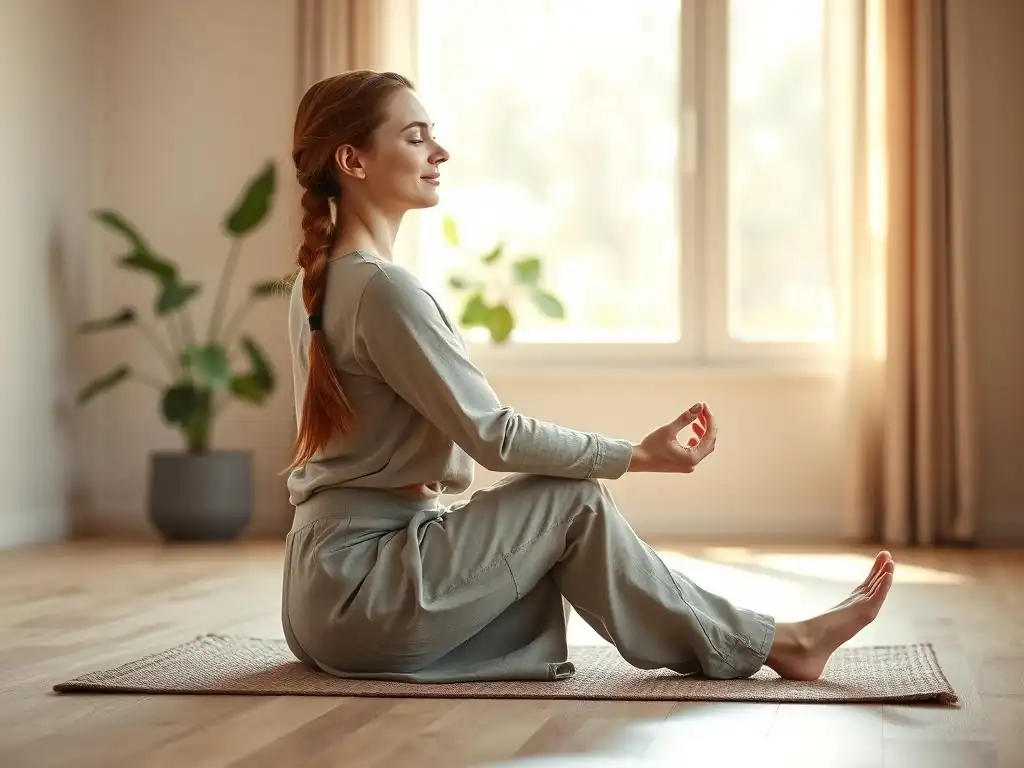
Welcome to Mind Care Guide, your sanctuary for cultivating inner peace and navigating life's challenges with resilience.
Feeling overwhelmed by stress and anxiety? You're not alone. We understand the weight these burdens can carry. This week, we delve into a powerful, yet gentle, practice: mindful stretching. Discover how combining simple movements with present moment awareness can be a surprisingly effective tool for calming your mind and body. Intrigued? Let's explore how mindful stretching can reduce stress and anxiety together. Dive in to learn more and unlock a path towards greater well-being.
Mindful Stretching: Combining Gentle Movement and Presence for Stress Reduction
- Understanding Mindful Stretching for Anxiety Relief
-
Practicing Mindful Stretching: A Step-by-Step Guide
- Preparing for Your Mindful Stretching Session: Creating a Calm Environment
- Basic Mindful Stretching Poses for Beginners: Neck Rolls, Shoulder Blade Squeeze, Cat-Cow
- Focusing on Your Breath During Mindful Stretching Exercises
- Paying Attention to Your Body Sensations: Cultivating Body Awareness
- Modifying Stretches to Suit Your Individual Needs and Limitations
- Integrating Mindfulness into Your Stretching Routine
- Advanced Mindful Stretching Techniques for Deeper Relaxation
- Mindful Stretching for Specific Stress-Related Conditions
- Tips for Maintaining a Consistent Mindful Stretching Practice
- The Importance of Mindful Movement for Overall Mental Wellness
-
Frequently Asked Questions
- What exactly is mindful stretching, and how does it differ from regular stretching?
- How does mindful stretching specifically help reduce stress and anxiety?
- What are some simple mindful stretching exercises I can easily incorporate into my daily routine?
- How often should I practice mindful stretching to experience noticeable benefits?
- Are there any precautions I should take before starting a mindful stretching routine, especially if I have pre-existing health conditions?
- Final Reflection: Unfolding the Power of Presence Through Mindful Stretching
- Unwind and Reconnect: Start Your Mindful Movement Journey
Understanding Mindful Stretching for Anxiety Relief
What is Mindful Stretching and How Does it Work?
Mindful stretching is a practice that integrates gentle physical movement with focused attention, bringing awareness to the sensations in your body as you stretch. It's not just about increasing flexibility or range of motion; it's a deliberate act of slowing down, noticing, and being present with your physical self. Unlike traditional stretching where you might rush through poses or think about other things, mindful stretching encourages you to tune into the moment, observing each sensation, breath, and thought without judgment. This fusion of movement and mindfulness serves as a powerful tool for stress reduction.
The mechanism behind how mindful stretching helps reduce stress and anxiety lies in its ability to engage the parasympathetic nervous system, often called the "rest and digest" system. By consciously slowing down, focusing on breath, and releasing physical tension, you signal to your body that it is safe to relax. The physical act of stretching can release built-up muscular tension, which is often a physical manifestation of stress. Simultaneously, the mindful component helps quiet the racing thoughts and worries that fuel anxiety, grounding you in the present moment. This dual action makes mindful stretching reduce stress anxiety effectively.
The Science Behind Mindful Stretching and Stress Reduction
Research indicates that practices combining movement and mindfulness can have significant physiological and psychological benefits related to stress. Studies have shown that regular mindful movement practices can lead to a reduction in cortisol, the body's primary stress hormone. For instance, some findings suggest a decrease in cortisol levels by as much as 20% with consistent practice over several weeks. This hormonal shift contributes directly to lowering overall stress levels.
Furthermore, mindful stretching activates areas of the brain associated with self-awareness and emotional regulation, such as the insula and prefrontal cortex. By focusing attention inward during stretches, individuals improve their interoceptive awareness—the ability to sense internal bodily states. This enhanced awareness helps in recognizing early signs of stress or anxiety manifesting physically (like tense shoulders or a tight jaw), allowing for earlier intervention. Clinical observations often note participants reporting a significant reduction in subjective feelings of anxiety, sometimes by 15-25% after incorporating mindful stretching reduce stress anxiety into their routine over a few months.
Benefits of Mindful Stretching for Mental and Physical Well-being
The advantages of incorporating mindful stretching into your routine extend across both mental and physical health domains. Physically, regular mindful stretching can alleviate chronic muscle tension, improve posture, and increase flexibility, reducing aches and pains often exacerbated by stress. For example, many people hold stress in their neck and shoulders; targeted mindful stretches can help release this specific tension, improving comfort and mobility.
Mentally and emotionally, the benefits are profound. Mindful stretching provides a dedicated time for self-care, fostering a sense of calm and centeredness. It helps interrupt the cycle of negative thoughts and worry that characterizes anxiety, offering a tangible way to return to the present. People who practice mindful stretching often report better sleep quality, improved mood, and a greater sense of resilience when facing stressful situations. This mindful movement approach is a gentle yet powerful way to cultivate inner peace and manage the physical and emotional burdens of stress and anxiety.
Practicing Mindful Stretching: A Step-by-Step Guide
Preparing for Your Mindful Stretching Session: Creating a Calm Environment
Setting the stage for your mindful stretching practice is crucial for maximizing its benefits for stress reduction. Choose a quiet space where you won't be interrupted. This could be a corner of your living room, a bedroom, or even a peaceful spot outdoors if weather permits. Ensure the temperature is comfortable, and the lighting is soft. Some people find it helpful to dim the lights or use natural light.
Consider minimizing distractions. Turn off your phone or put it on silent mode. If you like, you can play soft, calming instrumental music or simply enjoy the silence. Lay out a yoga mat or find a comfortable surface like a carpet. Wear comfortable clothing that allows for easy movement. Having a dedicated, calm environment helps signal to your brain and body that it's time to slow down and focus inward, making your mindful stretching reduce stress anxiety efforts more effective from the start.
Basic Mindful Stretching Poses for Beginners: Neck Rolls, Shoulder Blade Squeeze, Cat-Cow
Beginners can start with simple, accessible stretches that gently introduce mindful movement. The key is to move slowly and with awareness, rather than pushing to your maximum range of motion immediately.
- Neck Rolls:
- Sit comfortably with a straight spine.
- Gently drop your chin towards your chest.
- Slowly roll your right ear towards your right shoulder. Pause and breathe.
- Roll your chin back to your chest.
- Slowly roll your left ear towards your left shoulder. Pause and breathe.
- Repeat 3-5 times in each direction, noticing the sensations in your neck.
- Shoulder Blade Squeeze:
- Sit or stand tall.
- Inhale deeply. As you exhale, gently draw your shoulder blades together behind you, as if trying to pinch a pencil between them.
- Hold for a breath, feeling the engagement across your upper back.
- Inhale and release the squeeze.
- Repeat 5-8 times, paying attention to the muscles working and releasing.
- Cat-Cow (on hands and knees):
- Start on your hands and knees, wrists under shoulders, knees under hips.
- Inhale: Drop your belly towards the floor, lift your chest and tailbone (Cow pose). Look slightly up.
- Exhale: Round your spine towards the ceiling, tuck your chin to your chest (Cat pose).
- Move slowly with your breath, flowing between the two poses 5-10 times. Notice the articulation of your spine and the stretch along your back and abdomen.
These basic movements are excellent for releasing common tension spots and practicing mindful awareness of bodily sensations.
Focusing on Your Breath During Mindful Stretching Exercises
The breath is the anchor of mindfulness, and integrating it into your stretching practice amplifies its stress-reducing effects. As you move into a stretch, pay close attention to your breath. Often, we hold our breath when encountering resistance or discomfort. Mindful stretching encourages you to breathe into the stretch.
Try inhaling as you prepare for a stretch or lengthen your spine, and exhaling as you deepen the stretch or release tension. For example, in a forward fold, inhale to lengthen your torso, and exhale to gently fold deeper, allowing gravity and your breath to guide you. Notice the quality of your breath – is it shallow and rapid, or deep and slow? Simply observing without trying to change it initially is a powerful act of mindfulness. Consciously deepening and slowing your breath during mindful stretching reduces stress anxiety responses by calming the nervous system.
Paying Attention to Your Body Sensations: Cultivating Body Awareness
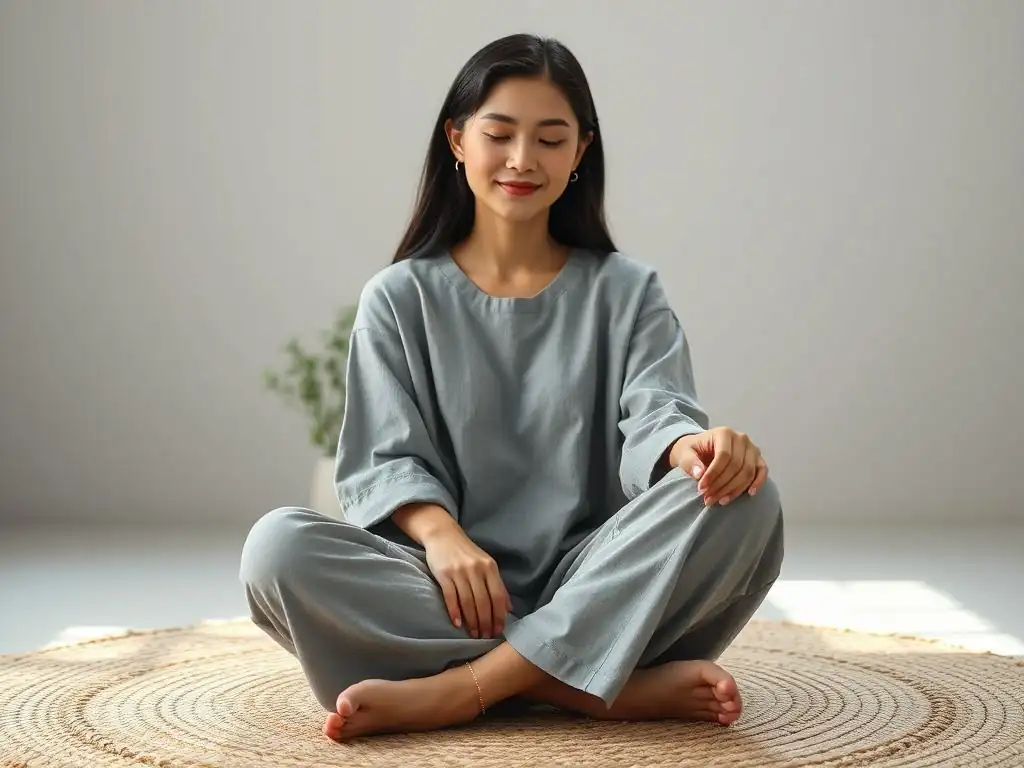
A core component of mindful stretching is developing heightened body awareness. As you hold or move through a stretch, turn your attention inward and notice the physical sensations present. Where do you feel the stretch most intensely? Are there areas of tightness, tingling, warmth, or coolness? Are sensations changing as you hold the pose or breathe?
Approach these sensations with curiosity and non-judgment. There's no "right" or "wrong" way to feel. The goal is simply to notice what is happening in your body in the present moment. This practice helps you become more attuned to your body's signals, allowing you to recognize stress or tension patterns earlier in your daily life. Cultivating this internal awareness through mindful movement strengthens the mind-body connection, which is vital for overall mental well-being and using mindful stretching reduce stress anxiety effectively.
Modifying Stretches to Suit Your Individual Needs and Limitations
Mindful stretching is inherently personal and adaptable. It's crucial to listen to your body and modify stretches to honor your current physical state. There is no need to push through pain or force your body into a position it's not ready for. Using props like cushions, blocks, or straps can make stretches more accessible and comfortable. For instance, if touching your toes in a forward fold is difficult, rest your hands on your shins or knees, or use a block under your hands.
If you have physical limitations, injuries, or chronic conditions, consult with a healthcare professional or a qualified movement instructor before starting a new routine. They can advise on appropriate modifications. Remember, the intention of mindful stretching is not about achieving a perfect form or extreme flexibility, but about moving with awareness, kindness, and presence. Adapting poses ensures the practice is safe, sustainable, and truly supportive of your journey to use mindful stretching reduce stress anxiety.
Integrating Mindfulness into Your Stretching Routine
Mindful Observation of Thoughts and Emotions During Stretching
As you engage in mindful stretching, you'll likely notice thoughts and emotions arising. This is a natural part of the process. The practice isn't about emptying your mind, but about observing what's present without getting swept away by it. You might notice thoughts about your day, worries about the future, or even judgments about your body or your stretching ability.
When you notice a thought or emotion, acknowledge it gently ("Ah, there's a thought about work," or "I notice I'm feeling a bit frustrated"). Then, without dwelling, kindly guide your attention back to the physical sensations of the stretch or the rhythm of your breath. This repeated act of noticing and returning is the core of mindfulness. It trains your brain to detach from stressful narratives and return to the safety of the present moment, enhancing how mindful stretching reduce stress anxiety by building emotional resilience.
Using Mantras or Affirmations to Enhance Your Mindful Stretching Practice
Incorporating simple mantras or affirmations can deepen the mindful aspect of your stretching and reinforce positive intentions, especially when using mindful stretching reduce stress anxiety. A mantra is a word or phrase repeated silently or softly to focus the mind. An affirmation is a positive statement you repeat to yourself.
Examples of mantras or affirmations you could use:
- "Breathing in peace, breathing out tension."
- "I am safe in this moment."
- "My body is strong and capable."
- "I release what no longer serves me."
- "Present moment, wonderful moment."
You can link the mantra to your breath (e.g., silently repeat "breathing in peace" on the inhale, "breathing out tension" on the exhale) or simply repeat it gently throughout your practice, particularly during poses you find challenging or calming. This adds another layer of focus and positive intention to the physical movement.
Lengthening and Strengthening: Achieving Balance Through Mindful Movement
While often associated with flexibility, mindful stretching also involves strengthening muscles as they support your body in various poses. The mindful approach helps you find a balance between effort and ease – engaging muscles to support a pose without unnecessary tension, and releasing into the stretch where appropriate.
For example, in a simple standing stretch reaching overhead, you mindfully engage your core to support your spine while simultaneously lengthening through your sides and fingertips. This conscious engagement prevents strain and builds functional strength. By paying attention to this interplay of lengthening and strengthening, you develop a more integrated and balanced relationship with your body, enhancing both physical resilience and the ability of mindful stretching reduce stress anxiety by promoting a sense of physical stability.
Advanced Mindful Stretching Techniques for Deeper Relaxation
Exploring Dynamic Stretching with Mindfulness
While static holds are common in mindful stretching, incorporating dynamic stretches (movements that take your joints through their full range of motion) with mindfulness can offer a different kind of release and presence. Dynamic stretching involves controlled, flowing movements rather than holding a pose for an extended period.
Applying mindfulness means moving slowly and deliberately, coordinating each movement with your breath, and paying close attention to the sensations throughout the entire range of motion. Instead of swinging limbs carelessly, you mindfully articulate each joint.
For instance, performing mindful leg swings involves noticing the hip joint's movement, the stretch in the hamstrings, and the engagement of the core, all while maintaining a steady breath. This active, aware movement can be particularly effective for warming up the body gently and releasing stiffness before deepening into static holds, further aiding in using mindful stretching reduce stress anxiety by promoting fluid movement.
Incorporating Yoga Principles into Your Mindful Stretching Routine
Many principles from yoga align perfectly with mindful stretching, offering avenues for deeper practice. Concepts like asana (posture), pranayama (breath control), and drishti (focused gaze) can be woven into your routine. Thinking of stretches as asanas encourages approaching them as stable yet comfortable poses.
Integrating pranayama goes beyond simply breathing; it involves conscious control of the breath's length, depth, and rhythm. Techniques like Ujjayi breath (victorious breath, creating a soft oceanic sound) can enhance focus and create internal warmth. Using drishti involves fixing your gaze softly on a single point, which helps steady the mind and improve balance during standing stretches. These yoga principles add structure and depth, making your mindful stretching reduce stress anxiety benefits more potent.
Guided Mindful Stretching Meditations: Body Scan Meditation, Loving-Kindness Meditation
Combining mindful stretching with guided meditations can elevate the practice to a deeper level of relaxation and emotional healing.
- Body Scan Meditation: This involves systematically bringing mindful attention to different parts of the body, noticing sensations without judgment. You can perform a body scan while holding gentle stretches or after your stretching sequence while lying down. As you stretch your hamstrings, for example, you might focus solely on the sensations in the back of your legs, noticing tingling, pulling, or warmth.
- Loving-Kindness Meditation (Metta): This practice cultivates feelings of warmth, compassion, and kindness towards oneself and others. You can integrate Metta by silently repeating phrases like "May I be free from suffering, may I be happy" while holding a gentle stretch, directing that intention towards yourself and the body part being stretched. This adds an emotional layer to the physical release, enhancing the ability of mindful stretching reduce stress anxiety by fostering self-compassion.
These guided approaches help anchor the mind and deepen the connection between body awareness and emotional well-being.
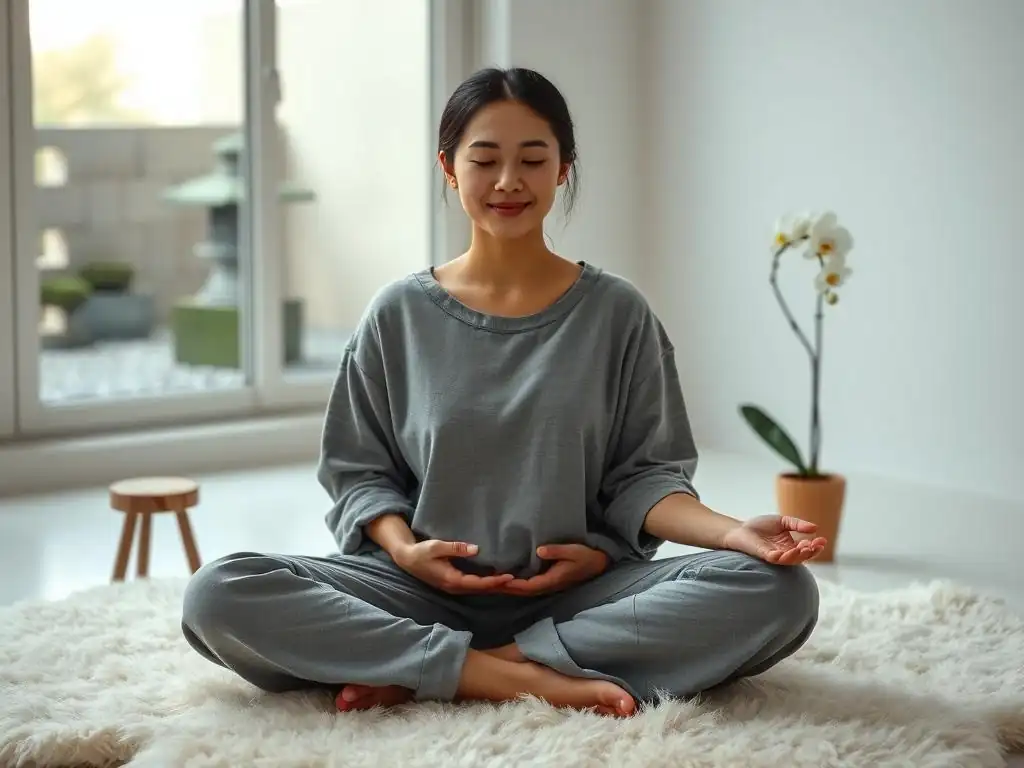
Mindful Stretching for Neck and Shoulder Tension Relief
Chronic stress often manifests as significant tension in the neck and shoulders, leading to stiffness, pain, and even headaches. Mindful stretching specifically targeting these areas can be incredibly effective. Gentle neck rolls, shoulder shrugs, and shoulder blade squeezes (as described earlier) performed with mindful attention to the sensations of release are beneficial.
A common stretch involves gently dropping one ear towards the shoulder, holding for several breaths while focusing on the stretch along the opposite side of the neck. Another is interlacing fingers behind the back and gently drawing shoulder blades together to open the chest and shoulders.
Performing these stretches slowly, coordinating with breath, and noticing the subtle shifts in tension allows for a deeper release than simply going through the motions. Regular practice, even for 5-10 minutes daily, can significantly reduce the chronic ache and tightness associated with stress in this area, proving how mindful stretching reduce stress anxiety physically.
Mindful Stretching for Lower Back Pain Management
Stress can exacerbate lower back pain, either by increasing muscle tension in the lumbar region or by contributing to poor posture. Mindful stretching can help manage this pain by releasing tightness and improving mobility in the back, hips, and hamstrings, all of which influence lower back health.
Gentle cat-cow pose, child's pose (knees wide or together, torso folded over thighs), and supine twists (lying on your back, letting knees fall to one side) are excellent mindful stretches for the lower back. In child's pose, focus on the breath expanding the back ribs. In twists, notice the gentle rotation in the spine.
It's vital to move within a pain-free range and focus on releasing tension on the exhale. Consistency in these mindful movements can alleviate pressure on the spine and surrounding muscles, offering relief from stress-related back discomfort and demonstrating the physical benefits of mindful stretching reduce stress anxiety.
Mindful Stretching for Reducing Anxiety and Panic Attacks
For individuals prone to anxiety and panic attacks, mindful stretching offers a grounding practice. During moments of heightened anxiety, the body often becomes tense, and breathing becomes shallow. Engaging in gentle, mindful movement can interrupt this physiological response and bring you back into your body and the present moment.
Focusing intently on the physical sensations of the stretch and the rhythm of your breath provides a distraction from anxious thoughts and a point of stability. Simple seated or standing stretches can be done almost anywhere. For example, a mindful forward fold (even just folding over your legs while seated) can be grounding. The slow, controlled movements and deep breathing required for mindful stretching reduce stress anxiety by activating the parasympathetic nervous system, helping to calm the fight-or-flight response characteristic of anxiety and panic. It offers a gentle, empowering way to regain a sense of control when feeling overwhelmed.
Tips for Maintaining a Consistent Mindful Stretching Practice
Setting Realistic Goals and Creating a Schedule
Consistency is key to reaping the full benefits of mindful stretching for stress reduction. Start small and be realistic. Aim for 10-15 minutes a few times a week rather than planning an hour every day, which might feel overwhelming. Decide when you will practice – perhaps first thing in the morning, during a lunch break, or before bed. Scheduling it like any other important appointment increases the likelihood you'll stick with it.
Consider linking your practice to an existing habit. For example, do 10 minutes of mindful stretching immediately after you brush your teeth in the morning or right before you sit down for dinner. Setting achievable goals and integrating the practice seamlessly into your daily or weekly routine makes it more sustainable and helps you build momentum towards using mindful stretching reduce stress anxiety consistently.
Finding a Mindful Stretching Teacher or Community
Learning from a qualified teacher or joining a community can significantly enhance your mindful stretching journey and provide valuable support. A teacher can guide you through poses safely, offer modifications tailored to your needs, and deepen your understanding of mindfulness principles. They can also provide verbal cues that help you focus your attention on specific sensations or aspects of the practice.
Practicing with others, whether in a class or a small group, can offer motivation and a sense of connection. Sharing experiences and challenges with a supportive community can make the practice feel less isolating and more enjoyable. Many studios offer mindful movement classes, or you might find online resources and communities dedicated to using mindful stretching reduce stress anxiety.
Overcoming Challenges and Staying Motivated
Like any new habit, maintaining a consistent mindful stretching practice can come with challenges. You might face time constraints, lack of motivation, physical discomfort, or simply forget to practice. Be compassionate with yourself when you miss a session. Instead of dwelling on it, simply acknowledge it and commit to getting back on track at your next scheduled time.
Identify potential obstacles beforehand and brainstorm solutions. If time is an issue, can you break it down into shorter, more frequent sessions (e.g., two 5-minute sessions instead of one 10-minute session)? If motivation wanes, try practicing with a friend or exploring different types of mindful movement. Remember why you started – the desire to reduce stress and anxiety and improve your well-being. Focusing on the positive impacts you've experienced, even small ones, can be a powerful motivator to continue using mindful stretching reduce stress anxiety.
The Importance of Mindful Movement for Overall Mental Wellness
Connecting Mindful Stretching to Other Mindfulness Practices
Mindful stretching is a powerful form of mindful movement, and it complements other mindfulness practices beautifully. Think of it as an active meditation. Just as sitting meditation trains the mind to be present and non-reactive, mindful stretching uses the body as the anchor for awareness.
Regular mindful stretching can actually improve your ability to engage in other mindfulness techniques, such as seated meditation or mindful eating. The body awareness cultivated during stretching helps you tune into subtle physical cues during meditation, and the practice of non-judgment extends to observing thoughts and emotions. By integrating mindful stretching with other practices, you build a more robust and multifaceted approach to cultivating presence and managing mental health challenges, strengthening the overall impact of using mindful stretching reduce stress anxiety.
Creating a Holistic Approach to Stress Management with Mindful Stretching
True stress management is holistic, addressing physical, mental, and emotional well-being. Mindful stretching fits perfectly into this framework by simultaneously engaging all three aspects. It provides physical release, mental focus, and emotional regulation.
Combining mindful stretching with other healthy habits like balanced nutrition, adequate sleep (aim for 7-9 hours for most adults), spending time in nature, and connecting with loved ones creates a comprehensive strategy for managing stress and anxiety. View mindful stretching not as a standalone solution, but as a vital component of a broader commitment to self-care and mental wellness. By making mindful movement a regular part of your life, you actively build resilience and foster a state of greater calm and presence, leveraging the full potential of mindful stretching reduce stress anxiety.
Frequently Asked Questions
What exactly is mindful stretching, and how does it differ from regular stretching?
Mindful stretching involves focusing on your present moment sensations during the stretch. Unlike regular stretching, it's not just about physical flexibility but also about cultivating mental awareness and reducing stress.
How does mindful stretching specifically help reduce stress and anxiety?
Mindful stretching activates the parasympathetic nervous system, which promotes relaxation. It also helps redirect focus away from anxious thoughts and towards bodily sensations, fostering a sense of calm.
What are some simple mindful stretching exercises I can easily incorporate into my daily routine?
Try a neck roll with mindful breathing, a seated spinal twist focusing on your breath, or a standing forward fold while feeling the stretch in your hamstrings. These are all easily accessible and can be done almost anywhere.
How often should I practice mindful stretching to experience noticeable benefits?
Even short sessions of 5-10 minutes daily can make a significant difference. The key is consistency and focusing on the present moment during each session.
Are there any precautions I should take before starting a mindful stretching routine, especially if I have pre-existing health conditions?
Yes, it's always advisable to consult with your doctor or a physical therapist before starting any new exercise routine. Be particularly cautious if you have any existing injuries or medical conditions that could be affected by stretching.
Final Reflection: Unfolding the Power of Presence Through Mindful Stretching
The pervasive stress and anxiety of modern life demand innovative solutions, and mindful stretching offers a potent antidote. It's not just about physical flexibility; it's about cultivating a deeper connection with your body and breath, creating a sanctuary of calm amidst the chaos. This practice, accessible to everyone regardless of fitness level, provides a tangible pathway to reduce stress and anxiety, fostering a sense of groundedness and well-being.
The impact of mindful stretching extends far beyond the physical realm. It's a practice that subtly yet profoundly shifts our relationship with ourselves and the world around us. By slowing down and paying attention to the sensations in our bodies, we cultivate a greater awareness of our internal landscape, learning to recognize and respond to stress triggers more effectively. This mindful approach fosters a sense of self-compassion and acceptance, crucial for navigating the challenges of daily life. The body keeps the score,
as Bessel van der Kolk so eloquently puts it, highlighting the profound connection between our physical and emotional states. Mindful stretching allows us to begin to rewrite that score, one gentle movement at a time.
Now, I invite you to integrate this practice into your own life. Begin with just five minutes a day, focusing on your breath and the sensations in your body. Notice the subtle shifts in your tension levels, and allow yourself to simply be present in the moment. Don't strive for perfection; instead, embrace the journey of self-discovery and the empowering potential of mindful stretching to reduce stress and cultivate a deeper sense of peace within. You deserve this gift of calm.
Unwind and Reconnect: Start Your Mindful Movement Journey
Thanks for taking the time to explore the power of mindful stretching with us! We hope you gained valuable insights into how gentle movement can ease stress and cultivate inner peace. Now it's time to put your new knowledge into practice.
- Begin your mindful stretching routine today: Even 5 minutes of focused stretching can make a difference. Try the sequences we outlined, or simply find a quiet space and listen to your body's needs.
- Share your experience: Let's build a supportive community! Share your mindful stretching journey—even a small success—in the comments below. What was your favorite stretch?
- Explore our additional resources: Want to delve deeper into mindfulness practices? Check out our library of articles on meditation, breathing exercises, and more.
What small step will you take today to prioritize your well-being?