
Inflammation Nation: How Gut Inflammation Can Fuel Mental Health Challenges

Welcome to Mind Care Guide, a sanctuary for understanding and nurturing your mental well-being.
Are you feeling the weight of unexplained anxiety or persistent low mood? You might be surprised to learn that the answer could lie within your gut. Dive into our exploration of Gut Inflammation Mental Health and discover the surprising connection between your digestive system and your emotional state. Prepare to uncover the science and actionable steps you can take to reclaim your inner peace and well-being.
Inflammation Nation: How Gut Inflammation Can Fuel Mental Health Challenges
- Understanding the Gut-Brain Axis and Its Impact on Mental Wellbeing
- Gut Inflammation: The Root of Mental Health Issues?
- The Link Between Gut Inflammation and Mental Health Conditions
- Identifying the Signs of Gut Inflammation
- Causes of Gut Inflammation: Identifying the Triggers
- Strategies for Reducing Gut Inflammation and Improving Mental Health
- The Future of Gut-Brain Research and Mental Health Treatment
- Seeking Professional Help for Gut Inflammation and Mental Health
-
Frequently Asked Questions
- How is gut inflammation linked to mental health?
- What are some common symptoms of gut inflammation?
- Can dietary changes help reduce gut inflammation and improve mental health?
- What role do probiotics and prebiotics play in gut health and mental well-being?
- Is there a specific test to determine if gut inflammation is impacting my mental health?
- Final Reflection: Unraveling the Gut-Brain Connection
- Unleash Your Inner Calm: Take Control of Gut-Brain Health
Understanding the Gut-Brain Axis and Its Impact on Mental Wellbeing
The Vital Connection: Exploring the Gut-Brain Relationship
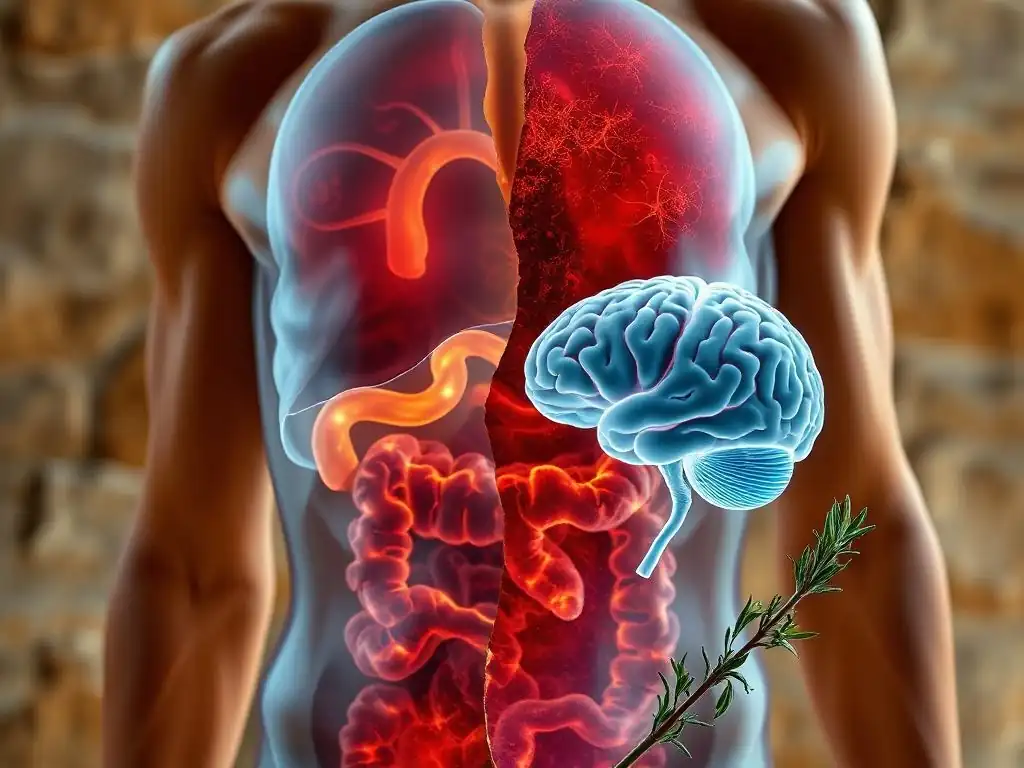
The intricate connection between the gut and the brain, known as the gut-brain axis (GBA), is a bidirectional communication system linking the central nervous system (brain and spinal cord) with the enteric nervous system (ENS), often called the "second brain," located within the gut wall. This vital pathway allows signals to travel constantly between your digestive system and your brain, influencing everything from digestion and mood to immune responses and cognitive function.
Communication occurs via multiple routes, including the vagus nerve (a direct neural highway), hormonal signals (like stress hormones and peptides produced by gut cells), immune pathways (cytokines and inflammatory molecules), and the metabolites produced by the trillions of microbes residing in the gut, collectively known as the gut microbiome.
Research highlights the remarkable speed and complexity of this interaction. For instance, signals can travel along the vagus nerve in milliseconds. The gut also produces a significant portion of the body's neurotransmitters; estimates suggest around 90% of the body's serotonin, a key neurotransmitter involved in mood regulation, is produced in the gut. This extensive communication network means that the state of your gut health is not just confined to digestive function but can profoundly impact your mental and emotional state, laying the groundwork for understanding how issues like gut inflammation mental health are intertwined.
How Gut Health Directly Influences Brain Function
The health of your gut lining, the balance of your gut microbiome, and the integrity of the gut barrier all have direct consequences for brain function. A healthy gut barrier prevents potentially harmful substances, such as bacterial toxins (like LPS - lipopolysaccharide) and undigested food particles, from leaking into the bloodstream, a condition sometimes referred to as "leaky gut." When the gut lining is compromised, these substances can cross into circulation, triggering a systemic inflammatory response that can reach the brain.
Furthermore, the gut microbiome produces various metabolites, including short-chain fatty acids (SCFAs) like butyrate, propionate, and acetate, primarily from the fermentation of dietary fiber. Butyrate, for example, is a crucial energy source for colon cells and has been shown to strengthen the gut barrier and exert anti-inflammatory effects. These SCFAs can also travel to the brain, influencing brain function, reducing neuroinflammation, and potentially impacting neurotransmitter balance.
Conversely, an unhealthy gut environment, characterized by dysbiosis (microbial imbalance) and inflammation, can lead to reduced production of beneficial SCFAs and increased production of inflammatory molecules, negatively affecting brain health and contributing to mental health challenges. This interplay underscores the critical link between gut health and brain function in the context of gut inflammation mental health.
Gut Inflammation: The Root of Mental Health Issues?
Defining Gut Inflammation: What It Is and How It Develops
Gut inflammation refers to the activation of the immune system within the lining of the digestive tract. This is a natural process the body uses to respond to injury, infection, or irritation. However, when this inflammatory response becomes chronic or excessive, it can damage the gut lining, disrupt normal gut function, and contribute to a range of health problems, including those affecting mental well-being. Several factors can trigger gut inflammation, including persistent infections, dietary components (like processed foods, high sugar, unhealthy fats), chronic stress, certain medications, and exposure to environmental toxins.
The process involves the recruitment of immune cells to the gut wall and the release of inflammatory mediators such as cytokines (e.g., TNF-alpha, IL-6, IL-1beta). In a healthy gut, this response is tightly regulated and resolves quickly.
But in chronic inflammation, this process continues unabated, leading to persistent damage to the epithelial cells that form the gut barrier, increased gut permeability, and a constant state of immune activation within the gut. This ongoing inflammatory state in the gut can then send signals to the brain via the gut-brain axis, potentially contributing to various mental health symptoms and making the connection between gut inflammation mental health a significant area of concern.
The Role of Gut Microbiome Imbalance (Dysbiosis) in Inflammation
The gut microbiome, a complex ecosystem of bacteria, viruses, fungi, and other microorganisms, plays a pivotal role in regulating gut immunity and preventing inflammation. A healthy microbiome is diverse and dominated by beneficial bacteria that produce anti-inflammatory compounds and strengthen the gut barrier. However, imbalances in this ecosystem, known as dysbiosis, can significantly contribute to gut inflammation. Dysbiosis often involves a decrease in beneficial bacteria, an increase in potentially harmful bacteria, or a loss of overall microbial diversity.
Certain bacterial species, when overgrown, can produce substances like lipopolysaccharide (LPS), a component of the outer membrane of Gram-negative bacteria. When the gut barrier is compromised due to inflammation, LPS can translocate into the bloodstream, triggering a widespread inflammatory response throughout the body, including in the brain.
Conversely, a lack of beneficial bacteria that produce anti-inflammatory SCFAs, such as Faecalibacterium prausnitzii or Roseburia, can leave the gut more vulnerable to inflammation. Studies have shown shifts in the ratios of major bacterial phyla, like an increased Firmicutes-to-Bacteroidetes ratio, in various inflammatory and metabolic conditions, highlighting how microbial composition directly influences the inflammatory status of the gut and its potential impact on gut inflammation mental health.
Systemic Inflammation vs. Gut-Specific Inflammation: Understanding the Difference
It's important to distinguish between inflammation localized within the gut (gut-specific inflammation) and inflammation that affects the entire body (systemic inflammation), although they are often interconnected. Gut-specific inflammation is confined primarily to the digestive tract lining and can be caused by local factors like infections, food sensitivities, or conditions like Inflammatory Bowel Disease (IBD). Symptoms are often, but not exclusively, digestive in nature.
Systemic inflammation, on the other hand, involves a broader activation of the immune system throughout the body, often measured by markers like C-reactive protein (CRP) or erythrocyte sedimentation rate (ESR) in the blood. While systemic inflammation can arise from various sources (e.g., chronic infections, autoimmune diseases), gut inflammation is a major contributor to systemic inflammation.
A compromised gut barrier allows inflammatory molecules and bacterial products from the gut to enter the bloodstream, effectively "spilling over" and triggering inflammation elsewhere in the body, including the brain. This systemic inflammatory state, often originating from the gut, is increasingly recognized as a significant factor linking gut inflammation mental health issues.
The Link Between Gut Inflammation and Mental Health Conditions
Gut Inflammation and Anxiety: Exploring the Connection
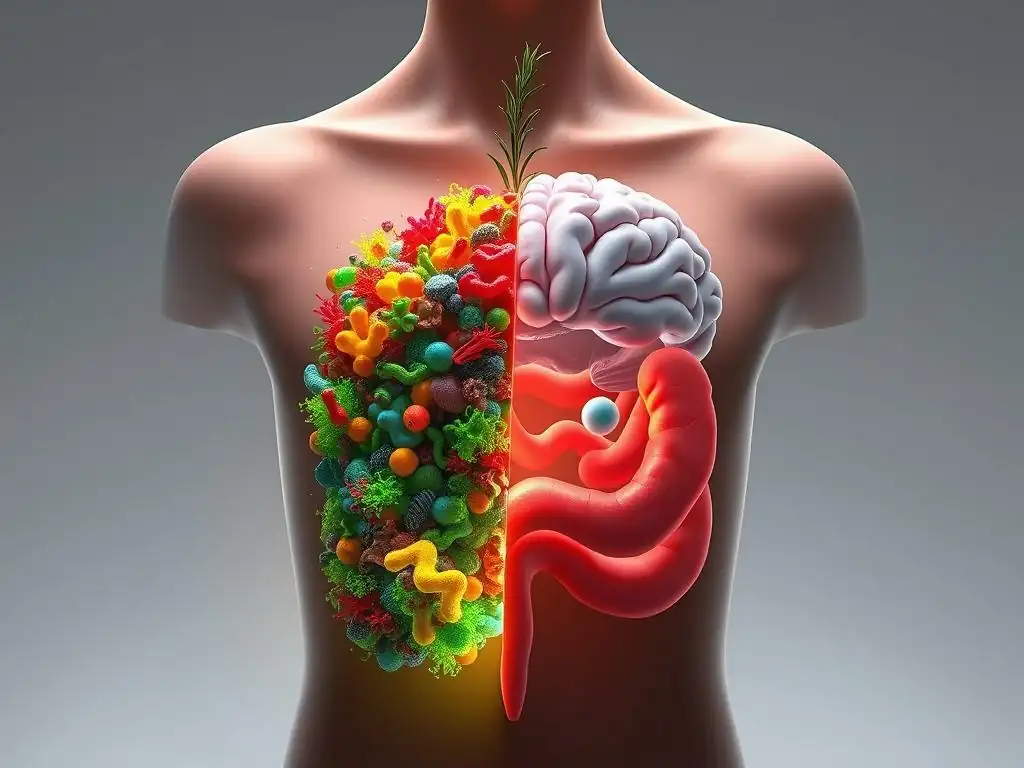
Research strongly suggests a significant link between gut inflammation and anxiety. The bidirectional communication along the gut-brain axis means that inflammation in the gut can directly influence brain regions involved in processing fear and anxiety, such as the amygdala and prefrontal cortex. Inflammatory cytokines released from the gut can travel to the brain and interfere with neurotransmitter systems, including those involving GABA (gamma-aminobutyric acid), a key inhibitory neurotransmitter that helps regulate anxiety.
Studies in both animals and humans support this connection. Animal models have shown that inducing gut inflammation can lead to increased anxiety-like behaviors. In humans, individuals with inflammatory bowel diseases (IBD) like Crohn's disease and ulcerative colitis, characterized by chronic gut inflammation, have a significantly higher prevalence of anxiety disorders compared to the general population.
Some estimates suggest that people with IBD are two to three times more likely to experience anxiety. This correlation highlights how gut inflammation can be a significant contributing factor to the development or exacerbation of anxiety symptoms, underscoring the importance of considering gut inflammation mental health strategies.
Depression and Gut Inflammation: Unraveling the Relationship
The relationship between depression and inflammation, particularly originating from the gut, is a rapidly evolving area of research. Chronic low-grade inflammation, often driven by gut dysbiosis and a leaky gut barrier, is increasingly recognized as a potential contributor to the development and severity of depressive symptoms. Inflammatory cytokines can disrupt the metabolism of tryptophan, an amino acid precursor to serotonin, potentially leading to reduced serotonin availability in the brain. These inflammatory molecules can also impair neurogenesis (the creation of new brain cells) and synaptic plasticity, processes critical for mood regulation and cognitive function.
Numerous studies have found elevated levels of inflammatory markers like IL-6 and TNF-alpha in the blood of individuals with major depressive disorder, especially in those with treatment-resistant depression. Similar to anxiety, the prevalence of depression is markedly higher in populations with inflammatory gut conditions; studies indicate that between 25% and 40% of individuals with IBD may experience clinical depression. This substantial overlap points towards gut inflammation not just as a comorbidity but as a potential underlying driver of depressive symptoms, reinforcing the intricate connection between gut inflammation mental health.
Gut Inflammation and Cognitive Function: Impact on Memory and Focus
Beyond mood disorders, gut inflammation can also negatively impact cognitive function, leading to symptoms often described as "brain fog," difficulty concentrating, poor memory, and reduced mental clarity. The mechanisms involved include neuroinflammation (inflammation within the brain), which can damage neurons and disrupt synaptic function. Inflammatory cytokines crossing the blood-brain barrier can activate glial cells (the brain's immune cells), leading to a localized inflammatory response that impairs cognitive processes, particularly those centered in the hippocampus (memory) and prefrontal cortex (executive function, focus).
Conditions associated with chronic inflammation, including inflammatory gut disorders, are frequently linked to cognitive complaints. For instance, individuals with celiac disease, even without overt digestive symptoms, may report significant brain fog and cognitive impairment, which often improve upon adopting a gluten-free diet that reduces gut inflammation. While specific large-scale studies quantifying the direct cognitive impact of mild-to-moderate gut inflammation are ongoing, the evidence from inflammatory conditions strongly suggests that reducing inflammation, including gut inflammation, can be a crucial step in improving cognitive performance and addressing the cognitive aspects of gut inflammation mental health concerns.
The Role of Gut Inflammation in Neurodevelopmental Disorders
Emerging research is exploring the potential role of gut inflammation and the gut-brain axis in neurodevelopmental disorders such as autism spectrum disorder (ASD) and attention-deficit/hyperactivity disorder (ADHD). While complex and multifactorial, these conditions often present with a high prevalence of gastrointestinal issues. Studies have reported that children with ASD are significantly more likely to experience symptoms like constipation, diarrhea, and abdominal pain, with some studies indicating GI problems in up to 90% of this population subgroup.
Theories suggest that early life gut dysbiosis or inflammation could potentially influence critical periods of brain development. Microbial metabolites or inflammatory signals from the gut might interfere with neurodevelopmental processes, synaptic pruning, or immune system programming in the brain.
While research is still in its early stages and definitive causal links are not yet established, studies are actively investigating specific gut microbial profiles, inflammatory markers (like calprotectin in stool), and immune responses in individuals with neurodevelopmental disorders to better understand this potential connection and explore whether addressing gut inflammation could be a supportive strategy alongside traditional therapies for these complex conditions, adding another layer to the understanding of gut inflammation mental health.
Identifying the Signs of Gut Inflammation
Common Symptoms of Gut Inflammation: Beyond Digestive Issues
Identifying gut inflammation can be challenging because its symptoms extend far beyond typical digestive complaints. While signs like persistent bloating, abdominal pain, changes in bowel habits (diarrhea or constipation), excessive gas, and indigestion are common indicators of gut distress, they don't always definitively point to inflammation. However, when these symptoms are chronic or severe, they warrant investigation.
Crucially, gut inflammation often manifests with symptoms in seemingly unrelated parts of the body. These can include chronic fatigue, unexplained skin issues (like eczema or acne), joint pain, headaches, and muscle aches. These systemic symptoms arise because inflammatory molecules and bacterial products from the inflamed gut can enter the bloodstream and trigger inflammatory responses or affect tissues throughout the body. Recognizing this broad spectrum of symptoms is key to considering the possibility of gut inflammation as an underlying issue, especially when combined with mental health challenges.
Recognizing the Mental Health Manifestations of Gut Inflammation
Perhaps most relevant to the gut inflammation mental health connection is the recognition that gut inflammation can directly impact psychological and neurological well-being. Individuals with gut inflammation often report or exhibit increased anxiety, irritability, and mood swings. Depression can be exacerbated or even triggered by the inflammatory signals originating in the gut.
Cognitive symptoms are also frequently reported, including difficulty concentrating, poor focus, forgetfulness, and a general sense of "brain fog." Sleep disturbances, including difficulty falling asleep or staying asleep, are also common and can be linked to the inflammatory state affecting the gut-brain axis. Paying attention to the co-occurrence of persistent digestive issues, systemic inflammatory symptoms, and these specific mental health and cognitive changes can be a strong indicator that gut inflammation may be playing a role and requires further investigation.
Diagnostic Tests for Assessing Gut Inflammation
Several diagnostic tools are available to help assess the presence and severity of gut inflammation. Stool tests are non-invasive and widely used. Fecal calprotectin and lactoferrin are proteins released by inflammatory cells in the gut, and elevated levels in stool samples are strong indicators of inflammation in the intestinal lining. Comprehensive stool analysis can also provide insights into the composition and balance of the gut microbiome, identifying dysbiosis and potential pathogens contributing to inflammation.
Blood tests can measure markers of systemic inflammation that may originate from the gut, such as C-reactive protein (CRP) and erythrocyte sedimentation rate (ESR). While not specific to the gut, elevated levels suggest inflammation somewhere in the body, and when combined with other symptoms, can point towards the gut.
In more severe cases or to visualize the gut lining directly, endoscopic procedures like colonoscopy or endoscopy may be performed. These allow doctors to visually inspect the intestinal lining and take biopsies, which can be analyzed under a microscope to confirm inflammation and determine its cause, providing a definitive diagnosis for conditions like IBD.
Causes of Gut Inflammation: Identifying the Triggers
Dietary Factors Contributing to Gut Inflammation: A Detailed Look
Diet is perhaps one of the most significant and controllable factors influencing gut inflammation. A typical Western diet, characterized by high consumption of refined sugars, processed foods, unhealthy fats (trans fats, excessive omega-6 fatty acids from vegetable oils), and low fiber content, is highly pro-inflammatory. High sugar intake can feed pro-inflammatory bacteria in the gut and directly damage the gut lining. Processed foods often contain additives, emulsifiers, and artificial sweeteners that can negatively alter the microbiome and compromise the gut barrier integrity.
A lack of dietary fiber is particularly detrimental. Fiber is the primary food source for beneficial gut bacteria, which ferment it into anti-inflammatory SCFAs. When fiber intake is low (many Western diets provide less than 15 grams per day, significantly below the recommended 25-30 grams), these beneficial bacteria are starved, and the production of protective SCFAs decreases, making the gut more susceptible to inflammation. Furthermore, diets high in saturated and trans fats can promote the growth of bacteria that produce inflammatory compounds and contribute to a leaky gut, directly fueling gut inflammation mental health issues.
Stress and Gut Inflammation: The Vicious Cycle
Chronic stress is a powerful trigger for gut inflammation and creates a detrimental feedback loop with mental health. The body's stress response activates the hypothalamic-pituitary-adrenal (HPA) axis, leading to the release of stress hormones like cortisol. These hormones directly impact the gut: they can alter gut motility (leading to diarrhea or constipation), increase gut permeability (making the gut "leakier"), and significantly change the composition and function of the gut microbiome.
Studies have shown that even acute psychological stress can increase gut permeability within hours. This allows more inflammatory molecules and bacterial products like LPS to cross the gut barrier and enter the bloodstream, triggering systemic inflammation that affects the brain and exacerbates stress and mental health symptoms. This creates a vicious cycle: stress damages the gut and causes inflammation, which in turn worsens stress, anxiety, and depression, further illustrating the intimate connection between stress, gut inflammation, and mental health. Effectively managing stress is therefore a crucial strategy in mitigating gut inflammation.
The Impact of Medications on Gut Health and Inflammation
While essential for treating various conditions, certain medications can inadvertently contribute to gut inflammation and dysbiosis. Antibiotics are a prime example; they are designed to kill bacteria, but they often indiscriminately target both harmful and beneficial species, leading to significant disruption of the gut microbiome balance. This dysbiosis can reduce the population of SCFA-producing bacteria and allow potentially pro-inflammatory species to proliferate. Recovery of the microbiome after a course of antibiotics can take months or even years, depending on the individual and the antibiotic.
Non-steroidal anti-inflammatory drugs (NSAIDs), commonly used for pain relief, can directly irritate and damage the lining of the stomach and small intestine, increasing permeability and leading to localized inflammation and even ulcers. It's estimated that a significant percentage of chronic NSAID users experience some form of gastrointestinal issue.
Proton pump inhibitors (PPIs), used to reduce stomach acid, can alter the gut environment, leading to changes in the microbiome composition and potentially increasing the risk of small intestinal bacterial overgrowth (SIBO), which can cause inflammation. Understanding the potential gut impact of medications is vital when addressing gut inflammation mental health concerns.
Environmental Toxins and Gut Inflammation: A Growing Concern
Exposure to various environmental toxins is increasingly recognized as a factor contributing to gut inflammation and impacting the microbiome. Pesticides, such as glyphosate (a widely used herbicide), heavy metals like lead and mercury, and endocrine-disrupting chemicals found in plastics (like BPA and phthalates) can all negatively affect gut health. These toxins can damage the gut epithelial cells, disrupt the tight junctions that maintain gut barrier integrity, and significantly alter the composition and metabolic activity of the gut microbiome.
Research suggests that certain pesticides can specifically inhibit the growth of beneficial bacteria while promoting the growth of less desirable species. Heavy metals can accumulate in the gut and contribute to oxidative stress and inflammation. This constant exposure to environmental toxins, often through diet and water, can create a state of chronic low-grade inflammation in the gut, adding another layer of complexity to the factors influencing gut inflammation mental health. Reducing exposure to these toxins is an important consideration in a holistic approach to gut health.
Strategies for Reducing Gut Inflammation and Improving Mental Health
Anti-Inflammatory Diet: Foods to Eat and Avoid for a Healthy Gut
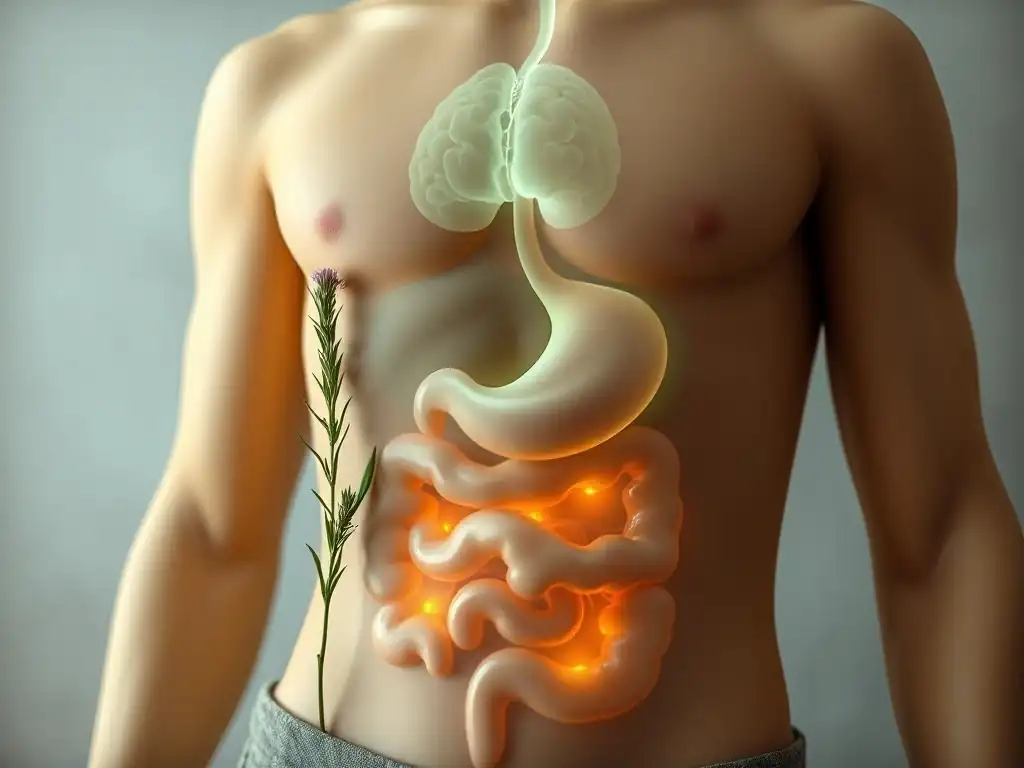
Adopting an anti-inflammatory diet is one of the most powerful strategies for reducing gut inflammation and supporting both gut and mental health. This involves focusing on nutrient-dense, whole foods rich in fiber, antioxidants, and healthy fats. Prioritize a wide variety of colorful fruits and vegetables (aim for 5-7 servings daily), which provide fiber and polyphenols that nourish beneficial gut bacteria and reduce inflammation.
Include sources of omega-3 fatty acids like fatty fish (salmon, mackerel), flaxseeds, chia seeds, and walnuts, known for their potent anti-inflammatory properties. Incorporate fermented foods such as plain yogurt with live cultures, kefir, sauerkraut, and kimchi, which introduce beneficial probiotics to the gut.
Conversely, minimize or eliminate foods known to promote inflammation: processed foods, sugary drinks and snacks, refined grains, unhealthy fats (trans fats and excessive omega-6 from processed vegetable oils), and excessive red and processed meats. Limit alcohol intake and avoid artificial sweeteners and additives that can negatively impact the microbiome. Focusing on a diet rich in plant-based foods, healthy fats, and fermented items provides the building blocks for a healthy gut lining and a balanced microbiome, directly contributing to reduced gut inflammation mental health improvements.
Probiotics and Prebiotics: Restoring Gut Microbiome Balance
Supporting a healthy gut microbiome through the targeted use of probiotics and prebiotics is a key strategy for combating gut inflammation. Probiotics are live beneficial bacteria and yeasts that, when consumed in adequate amounts, confer a health benefit to the host. They can help restore balance after disturbances (like antibiotic use), compete with pathogenic bacteria, produce beneficial metabolites (like SCFAs), strengthen the gut barrier, and modulate the immune response, reducing inflammation.
Different probiotic strains have varying effects, and some are specifically studied for their impact on mood and anxiety, sometimes referred to as "psychobiotics." For example, certain strains of Lactobacillus and Bifidobacterium have shown promise in preliminary studies.
Prebiotics are non-digestible fibers that selectively stimulate the growth and activity of beneficial bacteria in the gut. Think of them as food for your good microbes. Sources include garlic, onions, leeks, asparagus, bananas, chicory root, and oats. Consuming adequate prebiotics ensures that beneficial bacteria have the fuel they need to thrive and produce anti-inflammatory SCFAs. Combining probiotic-rich foods or supplements with a diet high in prebiotic fibers can be a synergistic approach to restoring microbiome balance, reducing gut inflammation, and positively influencing gut inflammation mental health.
Stress Management Techniques: Reducing the Inflammatory Response
Given the powerful link between stress and gut inflammation, effective stress management is crucial for both gut health and mental well-being. Chronic stress keeps the body in a state of heightened alert, leading to sustained release of cortisol and other stress hormones that negatively impact the gut. Implementing regular stress-reducing practices can help break this cycle.
Techniques such as mindfulness meditation, deep breathing exercises, yoga, tai chi, spending time in nature, and engaging in hobbies have been shown to lower cortisol levels and activate the parasympathetic nervous system ("rest and digest" mode), which promotes healthy gut function. Regular physical activity is also a potent stress reliever and has the added benefit of positively influencing gut microbiome diversity. Making stress management a daily priority is not just good for your mind; it's a vital step in reducing gut inflammation and fostering a healthier gut-brain connection for improved gut inflammation mental health.
Lifestyle Changes to Support Gut Health and Mental Wellbeing
Beyond diet and stress, several other lifestyle factors significantly impact gut health and, consequently, mental well-being. Ensuring adequate, quality sleep is essential. Sleep deprivation can disrupt the gut microbiome, increase gut permeability, and elevate inflammatory markers throughout the body, including those affecting the brain. Aim for 7-9 hours of consistent, restorative sleep per night.
Regular physical exercise is another cornerstone of a healthy lifestyle that benefits the gut. Exercise improves gut motility, which helps prevent stagnation and reduces the risk of bacterial overgrowth. Studies have also suggested that regular exercise can increase the diversity of the gut microbiome, promoting a healthier microbial balance. Avoiding smoking, which significantly damages the gut lining and increases inflammation, and limiting alcohol intake are also critical steps. Together, these comprehensive lifestyle changes create an environment that supports a healthy gut, reduces inflammation, and provides a strong foundation for improved gut inflammation mental health.
The Future of Gut-Brain Research and Mental Health Treatment
Emerging Therapies Targeting Gut Inflammation for Mental Health Improvement
The growing understanding of the gut-brain axis is paving the way for innovative therapeutic approaches for mental health conditions that specifically target gut inflammation and the microbiome. While still largely experimental for mental health, Fecal Microbiota Transplantation (FMT), which involves transferring stool from a healthy donor to a recipient, has shown remarkable success in treating recurrent Clostridium difficile infections and is being explored for its potential impact on other conditions, including mood disorders, based on the hypothesis that restoring a healthy microbial community could alleviate symptoms.
Specific probiotic and prebiotic formulations, often termed "psychobiotics," are being developed and studied for their ability to produce neuroactive compounds or modulate the immune system to improve mood, anxiety, and stress response. Research is ongoing to identify specific strains and optimal dosages for various mental health conditions. Furthermore, therapies aimed at repairing the damaged gut barrier and reducing localized gut inflammation, such as targeted dietary interventions, specific supplements (like L-glutamine or zinc carnosine), and potentially novel medications, are being investigated for their potential to improve mental health outcomes by addressing the root cause of inflammation.
Personalized Approaches to Gut Health and Mental Wellbeing
Recognizing that each individual's gut microbiome is unique, the future of treating gut inflammation and its impact on mental health lies in personalized approaches. Instead of one-size-fits-all recommendations, treatments will likely be tailored based on an individual's specific gut microbiome composition, inflammatory markers, genetic predispositions, and lifestyle factors. Advanced diagnostic tests, including next-generation sequencing of the gut microbiome and comprehensive panels assessing inflammatory mediators and gut barrier function, will play a crucial role in guiding these personalized interventions.
This personalized approach allows for targeted dietary recommendations (e.g., identifying specific food sensitivities or prebiotic needs), selection of specific probiotic strains most likely to be beneficial, and tailored lifestyle modifications. For example, someone with low levels of butyrate-producing bacteria might receive specific dietary advice or supplements to boost these microbes. This precision medicine approach holds the promise of more effective treatments for gut inflammation mental health challenges by addressing the unique biological landscape of each patient.
The Importance of a Holistic Approach to Mental Health: Addressing Gut Health
The insights gained from gut-brain research underscore the critical importance of adopting a holistic approach to mental health care. Traditional mental health treatments, such as psychotherapy and psychotropic medications, are vital components of care. However, ignoring the potential influence of physical factors like gut inflammation means overlooking a significant piece of the puzzle for many individuals.
A holistic approach integrates conventional mental healthcare with strategies that address underlying biological imbalances, including gut health. This means considering dietary habits, stress levels, sleep patterns, exposure to environmental factors, and the state of the gut microbiome and lining when assessing and treating mental health conditions. By addressing gut inflammation and promoting a healthy gut-brain axis alongside psychological and environmental factors, clinicians and individuals can work towards more comprehensive and potentially more effective outcomes for gut inflammation mental health, recognizing that true well-being stems from the health of the whole person.
Seeking Professional Help for Gut Inflammation and Mental Health
When to Consult a Doctor or Mental Health Professional
If you suspect that gut inflammation may be contributing to your mental health challenges, or if you experience persistent digestive symptoms alongside changes in mood, anxiety, focus, or energy levels, it is crucial to seek professional help. Don't try to self-diagnose or rely solely on information from the internet. A healthcare professional can properly evaluate your symptoms, medical history, and order appropriate diagnostic tests to determine if gut inflammation is present and identify its potential causes.
Consult a doctor if you experience chronic or severe digestive symptoms such as unexplained abdominal pain, persistent changes in bowel habits (diarrhea, constipation), blood in stool, unexplained weight loss, or symptoms that interfere significantly with your daily life. Similarly, if you are struggling with persistent or worsening anxiety, depression, cognitive difficulties, or other mental health symptoms, especially if they seem connected to physical symptoms, consult a mental health professional or your primary care physician. Bringing up your concerns about the gut-brain connection is a valid part of this conversation.
Finding a Gut-Brain Specialist: What to Look For
As the field of gut-brain axis research grows, so does the number of practitioners with expertise in this area. While "gut-brain specialist" isn't a single recognized medical specialty, you can look for healthcare professionals who have a particular interest or training in the connection between gut health and overall well-being. This might include gastroenterologists who specialize in functional gut disorders or the gut-brain axis, integrated medicine physicians, functional medicine practitioners, or psychiatrists and psychologists who incorporate nutritional and lifestyle factors into their practice.
When seeking a practitioner, look for someone who takes a comprehensive medical history, asks detailed questions about your diet, stress levels, sleep, and lifestyle, and is open to considering the interplay between your physical and mental health. They should be knowledgeable about diagnostic tests for gut inflammation and dysbiosis and be able to discuss evidence-based dietary interventions, lifestyle changes, and appropriate supplements or medications. Finding a healthcare provider who understands the complexities of gut inflammation mental health is key to receiving appropriate and effective care.
The Benefits of Integrative Mental Healthcare: Combining Therapies
For individuals experiencing mental health challenges potentially linked to gut inflammation, an integrative approach to mental healthcare offers significant benefits. This model combines traditional psychological and psychiatric treatments with strategies that address underlying biological and lifestyle factors, including gut health. Instead of treating the mind and body as separate entities, integrative care recognizes their deep interconnectedness.
By working with a team or practitioners who communicate and coordinate care, you can receive support for your mental health symptoms through therapy or medication while simultaneously addressing gut inflammation through dietary changes, stress management, targeted supplements, and other lifestyle modifications. This synergistic approach treats the whole person, addressing both the psychological manifestations and potential biological contributors like gut inflammation. Patients often report more comprehensive and lasting improvements when their care plan incorporates strategies that support both their mental and gut health, highlighting the power of this combined approach for gut inflammation mental health.
Frequently Asked Questions
How is gut inflammation linked to mental health?
Gut inflammation can disrupt the gut-brain axis, a bi-directional communication pathway. This disruption can influence neurotransmitter production and increase systemic inflammation, potentially leading to or exacerbating mental health issues.
What are some common symptoms of gut inflammation?
Common symptoms include abdominal pain, bloating, diarrhea, and constipation. Chronic inflammation can also manifest as fatigue, skin problems, and nutrient deficiencies, further impacting mental well-being.
Can dietary changes help reduce gut inflammation and improve mental health?
Yes, adopting an anti-inflammatory diet, rich in fiber, probiotics, and omega-3 fatty acids, can help reduce gut inflammation. Avoiding processed foods, sugar, and common allergens can also positively impact both gut and mental health.
What role do probiotics and prebiotics play in gut health and mental well-being?
Probiotics introduce beneficial bacteria to the gut, while prebiotics provide food for these bacteria. This can improve gut flora balance, reduce inflammation, and potentially positively influence mood and cognitive function.
Is there a specific test to determine if gut inflammation is impacting my mental health?
While no single test directly links gut inflammation to mental health, a doctor can order tests to assess gut health. These tests might include stool analysis, blood tests for inflammatory markers, and food sensitivity tests, helping to identify potential contributing factors.
Final Reflection: Unraveling the Gut-Brain Connection
The pervasive link between gut inflammation and mental health challenges is no longer a fringe theory; it's a rapidly expanding field of research with profound implications for how we understand and treat mental illness. The evidence presented throughout this article highlights the intricate communication pathways between our gut microbiome and our brain, demonstrating how chronic inflammation in the gut can significantly impact mood, cognition, and overall mental well-being. This is not just about digestive discomfort; it's about recognizing the gut as a crucial player in our mental health landscape.
The more I researched this topic, the more I realized the far-reaching consequences of neglecting gut health. It's not just about individual experiences; it's about a societal shift needed in how we approach mental healthcare. We need to move beyond a purely pharmaceutical approach and embrace a holistic understanding that considers the interconnectedness of our physical and mental states. The gut is the second brain,
a phrase often used, truly encapsulates the depth of this relationship and the potential for transformative change in mental health treatment. This understanding empowers us to take proactive steps towards improving our mental health by addressing the root causes of inflammation.
Consider your own relationship with food, stress, and overall well-being. What steps can you take today to nurture your gut microbiome and, in turn, support your mental health? This might involve incorporating more fiber-rich foods into your diet, managing stress levels through mindfulness or exercise, or seeking professional guidance to address underlying gut issues. The journey towards better mental health often begins with a deeper understanding of our bodies and a commitment to nurturing their intricate systems. Embrace this knowledge, and embark on a path towards a healthier, happier you.
Unleash Your Inner Calm: Take Control of Gut-Brain Health
Thanks for diving deep into the fascinating connection between gut health and mental well-being! You've now learned how inflammation can impact your mind, and it's empowering to take control. Ready to put this knowledge into action?
- Prioritize prebiotics and probiotics: Start incorporating gut-friendly foods like yogurt, kimchi, and asparagus into your diet today. This simple step can make a big difference in reducing inflammation.
- Explore a mindful eating practice: Try dedicating just five minutes a day to savoring your meals without distractions. This enhances digestion and promotes a calmer state of mind.
- Share your journey: Discuss your experiences and discoveries with friends or family. Sharing your knowledge can inspire others to explore their gut-brain connection.
What small change will you make today to nurture your gut and cultivate a more peaceful mind?