
Food and Serotonin: Eating Your Way to Better Mood Regulation?

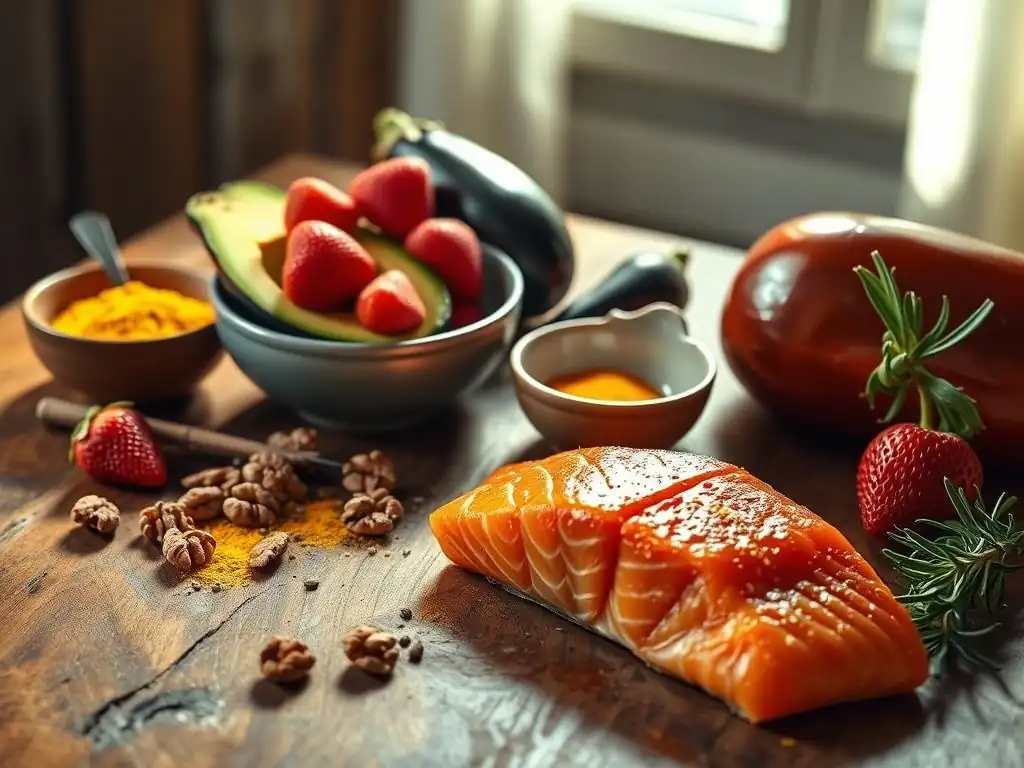
Welcome to Mind Care Guide, your trusted companion on the journey to mental well-being.
Feeling a little low? You're not alone. Did you know that what you eat can significantly influence your mood? Dive into our exploration of Serotonin Boosting Foods Recipes and discover how simple dietary changes could potentially unlock a happier, more balanced you. Are you ready to nourish your mind from the inside out?
Food and Serotonin: Eating Your Way to Better Mood Regulation?
- Introduction: The Serotonin-Food Connection for Mood Enhancement
- The Science Behind Serotonin and Food: What You Need to Know
- Serotonin Boosting Foods: A Diet for Better Mood
- The Importance of a Balanced Diet for Mental Health
- Practical Tips and Considerations
- Lifestyle Factors to Complement a Serotonin-Boosting Diet
- Serotonin Deficiency Symptoms and Nutritional Strategies
- Conclusion: Nurturing Your Mood Through a Serotonin-Focused Diet
-
Frequently Asked Questions
- What exactly are Serotonin Boosting Foods?
- Can simply eating more Serotonin Boosting Foods cure depression or anxiety?
- What are some examples of delicious and effective Serotonin Boosting Foods Recipes?
- How quickly can I expect to see a difference in my mood after incorporating Serotonin Boosting Foods into my diet?
- Where can I find more information and support related to mental well-being beyond diet?
- Final Reflection: Nourishing the Mind, One Bite at a Time
- Unlock Your Mood's Potential: A Delicious Path to Wellbeing
Introduction: The Serotonin-Food Connection for Mood Enhancement
Understanding Serotonin: The Brain's Mood Regulator
Serotonin, often dubbed the "feel-good" neurotransmitter, plays a crucial role in regulating mood, sleep, appetite, learning, and memory. Produced primarily in the brain and the gut, it acts as a chemical messenger, transmitting signals between nerve cells. When serotonin levels are balanced, individuals often experience feelings of well-being, calmness, and focus. Conversely, imbalances, particularly low levels, have been associated with various mental health challenges, including depression and anxiety.
While serotonin's function in the brain is widely recognized, its production and availability are influenced by several factors, including genetics, sunlight exposure, exercise, and significantly, diet. Research over the past few decades has increasingly highlighted the intricate relationship between what we eat and our neurochemistry, suggesting that nutritional choices can impact the production and function of key neurotransmitters like serotonin. This growing understanding forms the basis for exploring Serotonin boosting foods recipes as a potential complementary strategy for mood regulation.
How Diet Influences Serotonin Levels and Mental Well-being
The connection between diet and serotonin is not as simple as eating a food that contains serotonin and seeing an immediate mood lift. Serotonin itself cannot directly cross the blood-brain barrier. Instead, its production in the brain relies on a precursor molecule: the amino acid tryptophan, which can cross into the brain. Tryptophan is an essential amino acid, meaning our bodies cannot produce it; we must obtain it through our diet. Foods rich in tryptophan are therefore foundational to supporting serotonin synthesis.
Furthermore, the absorption and conversion of tryptophan into serotonin are influenced by other dietary components and physiological processes. For instance, consuming carbohydrates alongside tryptophan-rich foods can facilitate tryptophan's entry into the brain by triggering insulin release, which helps clear competing amino acids from the bloodstream.
The health of our gut microbiome also plays a significant role, as a large portion of the body's serotonin is produced in the gut, impacting not only digestion but potentially signaling to the brain via the gut-brain axis. Understanding these pathways is key to developing effective Serotonin boosting foods recipes and dietary strategies for mood enhancement.
The Science Behind Serotonin and Food: What You Need to Know
Tryptophan: The Essential Amino Acid Precursor to Serotonin
Tryptophan is the primary building block that the body uses to create serotonin. It's one of the nine essential amino acids necessary for human health. Once consumed, tryptophan travels through the bloodstream and, with the help of specific transport mechanisms, crosses the blood-brain barrier to enter the central nervous system. Inside the brain, tryptophan is converted through a two-step enzymatic process into 5-hydroxytryptophan (5-HTP), which is then further converted into serotonin (5-HT).
The availability of tryptophan in the brain is a critical factor limiting the rate of serotonin synthesis. While tryptophan is present in many protein-rich foods, it competes with other amino acids for transport across the blood-brain barrier. This is where the role of carbohydrates becomes important.
Eating carbohydrates stimulates insulin release, which helps muscle cells absorb many of the competing amino acids from the bloodstream, effectively increasing the relative concentration of tryptophan and making it easier for it to enter the brain. Therefore, focusing solely on protein might not be as effective as combining protein sources with complex carbohydrates when designing Serotonin boosting foods recipes.
The Gut-Brain Axis: The Role of Gut Health in Serotonin Production
Remarkably, approximately 90% of the body's serotonin is produced not in the brain, but in the gastrointestinal tract by specialized cells called enterochromaffin cells. This gut-derived serotonin primarily functions locally, regulating gut motility and secretion. However, there is increasing evidence suggesting that the gut's serotonin system can influence brain function and mood through the gut-brain axis – a complex bidirectional communication network involving neural, hormonal, and immunological pathways.
The gut microbiome, the trillions of bacteria residing in our digestive system, also plays a significant role. Gut microbes can produce tryptophan metabolites and even influence the activity of enterochromaffin cells. A diverse and healthy gut microbiome, often fostered by a diet rich in fiber and fermented foods, is increasingly linked to improved mental well-being. This highlights that supporting gut health through diet is an indirect yet potentially powerful way to influence the body's overall serotonin system and is an important consideration when thinking about comprehensive Serotonin boosting foods recipes.
Beyond Tryptophan: Other Nutrients Impacting Serotonin Synthesis
While tryptophan is essential, the conversion process from tryptophan to serotonin requires several cofactors – vitamins and minerals that assist the enzymes involved. Key nutrients include B vitamins, particularly B6, B9 (folate), and B12, as well as magnesium, zinc, and iron. Deficiencies in these micronutrients can impair the efficiency of serotonin synthesis, even if adequate tryptophan is available. For instance, Vitamin B6 is a critical cofactor for the enzyme that converts 5-HTP into serotonin.
Moreover, other nutrients like omega-3 fatty acids, found abundantly in fatty fish, are vital for overall brain health and the fluidity of cell membranes, which can impact neurotransmitter signaling. Antioxidants like Vitamin C and Vitamin E help protect brain cells from oxidative stress, which can interfere with neurotransmitter function. Therefore, a holistic approach to Serotonin boosting foods recipes involves ensuring a wide spectrum of vitamins, minerals, and healthy fats, not just focusing on tryptophan alone.
Serotonin Boosting Foods: A Diet for Better Mood
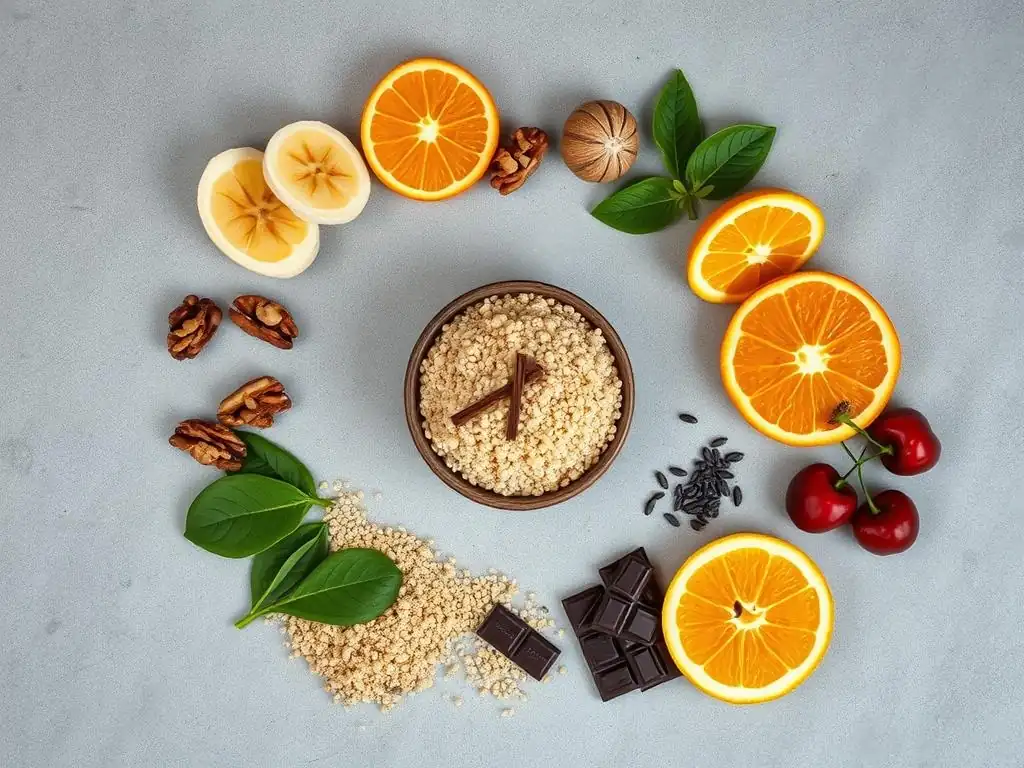
Top Serotonin-Rich Foods to Include in Your Diet
While no food directly contains serotonin in a form that reaches the brain, certain foods are excellent sources of tryptophan and other nutrients that support serotonin production and function. Incorporating a variety of these foods into your daily meals can be a proactive step towards supporting your mood.
Eggs: A Complete Protein Source
Eggs are a fantastic source of protein and contain a significant amount of tryptophan, along with other vital nutrients like B vitamins and choline. A large egg contains approximately 0.06 grams of tryptophan. Including eggs in your breakfast or as part of lunch can provide a steady supply of this precursor amino acid.
Beyond tryptophan, eggs are rich in Vitamin D (if fortified or from pastured chickens), which has also been linked to mood regulation, and selenium, an antioxidant mineral. Incorporating eggs into Serotonin boosting foods recipes, like a scrambled egg dish with spinach and whole-wheat toast, combines protein, healthy fats, and complex carbohydrates for optimal nutrient synergy.
Salmon: Rich in Omega-3 Fatty Acids
Salmon is not only a good source of tryptophan but is exceptionally rich in omega-3 fatty acids, particularly EPA and DHA, which are crucial for brain health and function. Studies have shown that higher intakes of omega-3s are associated with lower rates of depression. A 3-ounce serving of cooked salmon can contain around 0.25 grams of tryptophan and significant amounts of Vitamin D.
The omega-3s in salmon support the structure and function of brain cell membranes, potentially improving the efficiency of neurotransmitter signaling, including serotonin pathways. Regular consumption of fatty fish like salmon, perhaps two to three times a week, can be a cornerstone of Serotonin boosting foods recipes aimed at overall brain and mood health.
Nuts and Seeds: Natural Sources of Tryptophan
Nuts and seeds are convenient and nutrient-dense sources of tryptophan, healthy fats, and fiber. Examples include almonds, walnuts, cashews, pumpkin seeds, and sunflower seeds. A quarter cup of pumpkin seeds, for instance, can provide about 0.15 grams of tryptophan. They also contain magnesium and zinc, minerals important for neurotransmitter synthesis.
Incorporating a handful of nuts or seeds into snacks, salads, or yogurt can easily boost your daily tryptophan intake. They are versatile ingredients for Serotonin boosting foods recipes, from sprinkling seeds on oatmeal to adding nuts to stir-fries or baking them into whole-grain muffins.
Turkey: Lean Protein and Tryptophan
Turkey is well-known for its tryptophan content, often cited as the reason people feel sleepy after Thanksgiving dinner (though the large meal and carbohydrates likely play a bigger role). It's a lean protein source, providing essential amino acids including tryptophan. A 3-ounce serving of cooked turkey breast contains approximately 0.25 grams of tryptophan.
Opting for lean turkey breast in sandwiches, salads, or as a main course can contribute to your daily tryptophan needs. Using ground turkey in chili or incorporating sliced turkey into wraps are simple ways to include this food in Serotonin boosting foods recipes focused on lean protein sources.
Pineapple: Contains Bromelain
While not the highest source of tryptophan compared to protein-rich foods, pineapple is sometimes mentioned in the context of serotonin because it contains bromelain, an enzyme that some sources suggest might indirectly influence serotonin levels or absorption, though this link is less established and requires more research compared to tryptophan's direct role. A cup of fresh pineapple contains a modest amount of tryptophan, around 0.01 grams.
Pineapple is also a good source of Vitamin C and manganese. While its direct impact on serotonin might be debatable compared to tryptophan-rich foods, incorporating a variety of fruits like pineapple into your diet contributes to overall nutritional health, which is foundational for mental well-being. Including fruits in Serotonin boosting foods recipes adds natural sweetness and valuable vitamins.
Sample Meal Plans for Boosting Serotonin Levels
Building a diet around Serotonin boosting foods recipes involves thoughtful planning to combine tryptophan sources with other supportive nutrients and complex carbohydrates throughout the day. The goal is consistency and balance, rather than relying on single meals.
Breakfast Ideas for Serotonin Production
Starting the day right can set the tone for mood and energy levels. A breakfast focused on complex carbohydrates and a good source of tryptophan can be beneficial. Consider options like oatmeal topped with nuts and seeds (almonds, walnuts) and berries, or Greek yogurt mixed with granola (made from whole oats) and fruit (like banana or pineapple).
Another excellent option for Serotonin boosting foods recipes at breakfast is scrambled eggs with whole-wheat toast and a side of avocado. This combines protein and tryptophan from eggs with complex carbs from toast and healthy fats from avocado, creating a balanced start that supports the body's ability to synthesize serotonin.
Lunch Options for Mood Regulation
Lunch is an opportunity to refuel and maintain stable energy and mood throughout the afternoon. A balanced lunch could include a lean protein source combined with plenty of vegetables and a serving of complex carbohydrates. A turkey and whole-grain bread sandwich with lettuce and tomato is a classic option, providing tryptophan and complex carbs.
Alternatively, a salad topped with grilled salmon or chicken breast, mixed greens, various colorful vegetables, and a dressing made with olive oil offers tryptophan, omega-3s (from salmon), vitamins, minerals, and healthy fats. Adding beans or lentils to the salad can also boost fiber and complex carbohydrate content in your Serotonin boosting foods recipes for lunch.
Dinner Recipes to Enhance Serotonin Synthesis
Dinner can be a significant meal for nutrient intake. Focusing on a diverse plate incorporating protein, complex carbohydrates, and vegetables is key. Baked salmon with a side of quinoa and steamed broccoli is a nutrient-dense choice, providing tryptophan, omega-3s, fiber, and essential vitamins and minerals.
Another idea for Serotonin boosting foods recipes at dinner is a lean ground turkey stir-fry with brown rice and a variety of vegetables like bell peppers, snap peas, and carrots. This offers tryptophan from the turkey, complex carbs from the brown rice, and a wide array of nutrients from the vegetables, supporting overall health and serotonin synthesis pathways.
Snack Ideas for Maintaining Stable Serotonin Levels
Snacks between meals can help prevent blood sugar crashes and provide a continuous supply of nutrients. Choosing snacks that combine a small amount of protein or healthy fat with a complex carbohydrate source is ideal. A small handful of nuts (like almonds or walnuts) with a piece of fruit (such as a banana or apple slices) is a simple yet effective snack.
Other good Serotonin boosting foods recipes for snacks include a small container of Greek yogurt with a sprinkle of seeds (chia or pumpkin), or whole-grain crackers topped with avocado. These snacks help keep blood sugar levels stable and provide a modest but consistent source of tryptophan and other supportive nutrients.
The Importance of a Balanced Diet for Mental Health
The Role of Complex Carbohydrates in Serotonin Availability
Complex carbohydrates, such as whole grains, vegetables, and legumes, play a crucial indirect role in making tryptophan available to the brain. As mentioned earlier, consuming carbohydrates triggers the release of insulin. Insulin helps transport many amino acids from the bloodstream into muscles and other tissues, but tryptophan is less affected by this process. This effectively reduces the competition for tryptophan's transport across the blood-brain barrier, making it easier for tryptophan to enter the brain where it can be converted into serotonin.
Therefore, simply eating protein isn't enough; pairing tryptophan-rich foods with complex carbohydrates appears to be a more effective strategy for potentially increasing brain tryptophan levels and subsequent serotonin synthesis. Unlike simple sugars, complex carbohydrates provide a sustained release of glucose, preventing sharp spikes and crashes in blood sugar, which can negatively impact mood and energy levels. Including plenty of whole grains, fruits, and vegetables in your Serotonin boosting foods recipes is vital for this reason.
Healthy Fats and Brain Function: Supporting Serotonin Pathways
Healthy fats, particularly omega-3 fatty acids, are integral to the structure and function of brain cell membranes. These fats help maintain the fluidity of neuronal membranes, which is essential for efficient communication between brain cells, including the signaling pathways that use serotonin. The brain is composed of about 60% fat, with omega-3s being a significant component.
Diets rich in omega-3s, found in fatty fish (salmon, mackerel, sardines), flaxseeds, chia seeds, and walnuts, have been associated with better cognitive function and reduced risk of mood disorders. While healthy fats don't directly create serotonin, they support the overall environment in the brain where serotonin functions. Incorporating sources of healthy fats into your Serotonin boosting foods recipes contributes to a healthier brain landscape conducive to optimal neurotransmitter activity.
Avoiding Processed Foods and Sugary Drinks: Protecting Serotonin Levels
Conversely, diets high in processed foods, refined sugars, and unhealthy fats (like trans fats and excessive saturated fats) have been linked to negative impacts on mental health. These foods often lack the essential nutrients needed for serotonin synthesis and overall brain health. High sugar intake can lead to rapid spikes and crashes in blood sugar, which can cause irritability, fatigue, and worsen mood swings.
Processed foods can also negatively impact the gut microbiome, disrupting the delicate balance of bacteria that is increasingly understood to influence the gut-brain axis and serotonin production. While Serotonin boosting foods recipes focus on what to eat, it's equally important to consider what to limit or avoid to protect the body's natural processes for maintaining balanced neurotransmitter levels and overall well-being.
Practical Tips and Considerations
Optimizing Tryptophan Absorption: Combining Foods Strategically
To maximize the potential impact of tryptophan-rich foods on serotonin levels, consider strategic food combinations. As discussed, pairing tryptophan sources with complex carbohydrates is key. For example, instead of just eating a piece of chicken, have it with a side of brown rice and steamed vegetables. Or, blend yogurt (tryptophan) with a banana (carbohydrates) and some seeds (tryptophan, healthy fats).
Timing can also play a small role. Some evidence suggests that consuming a carbohydrate-rich snack a couple of hours before bedtime might help facilitate tryptophan's entry into the brain, potentially aiding sleep (which is also linked to mood). While the effects are often modest, incorporating these principles into your Serotonin boosting foods recipes and daily eating habits aligns with nutritional science aimed at supporting brain health.
The Impact of Exercise and Sunlight on Serotonin Production
Diet is a significant factor, but it's part of a larger picture. Regular physical activity has been consistently shown to increase serotonin levels in the brain. Engaging in aerobic exercise, even moderate intensity like brisk walking for 30 minutes several times a week, can have a positive impact on mood, partly through its effect on neurotransmitters like serotonin.
Sunlight exposure also influences serotonin levels. Spending time outdoors, particularly in natural light, is linked to increased serotonin synthesis. This is one reason why seasonal affective disorder (SAD) is thought to be related to reduced sunlight exposure during winter months. Combining Serotonin boosting foods recipes with regular exercise and getting adequate sunlight exposure creates a powerful synergistic approach to supporting mood and mental well-being.
Potential Interactions with Medications: Consulting Your Doctor
It is crucial to understand that while dietary changes can support mental well-being, they are not a substitute for medical treatment, especially for conditions like depression or anxiety. If you are taking medications that affect serotonin levels, such as Selective Serotonin Reuptake Inhibitors (SSRIs), it is essential to consult with your doctor or a registered dietitian before making significant dietary changes or using supplements like 5-HTP.
In rare cases, combining certain supplements (like 5-HTP or high doses of tryptophan) with serotonin-affecting medications could potentially lead to a condition called serotonin syndrome. While dietary sources of tryptophan are generally safe, discussing your diet and any potential Serotonin boosting foods recipes or supplements with a healthcare professional ensures safety and helps integrate dietary strategies effectively into your overall care plan.
Lifestyle Factors to Complement a Serotonin-Boosting Diet
Stress Management Techniques for Enhancing Serotonin Function
Chronic stress can negatively impact neurotransmitter balance, including serotonin. High levels of stress hormones like cortisol can interfere with serotonin production and signaling. Therefore, incorporating effective stress management techniques into your daily routine is a vital complement to focusing on Serotonin boosting foods recipes.
Techniques such as deep breathing exercises, meditation, yoga, progressive muscle relaxation, or engaging in hobbies can help lower stress hormone levels and create a more favorable environment for serotonin function. Managing stress supports the body's natural ability to maintain neurochemical balance and enhances the potential benefits derived from a nutrient-rich diet.
The Benefits of Regular Sleep for Mood Regulation and Serotonin
Sleep and serotonin have a bidirectional relationship. Serotonin is a precursor to melatonin, the hormone that regulates sleep-wake cycles. Furthermore, adequate, quality sleep is essential for overall brain health and the proper functioning of neurotransmitter systems. Chronic sleep deprivation can disrupt serotonin levels and contribute to mood disturbances.
Aiming for 7-9 hours of quality sleep per night supports the brain's restorative processes, including the regulation of neurotransmitters. Establishing a consistent sleep schedule, creating a relaxing bedtime routine, and ensuring your sleep environment is conducive to rest are important lifestyle factors that work in tandem with Serotonin boosting foods recipes to support mood and well-being.
The Role of Mindfulness and Meditation in Serotonin Production
Emerging research suggests that practices like mindfulness and meditation may also influence brain chemistry, potentially including neurotransmitter systems like serotonin. While the exact mechanisms are still being explored, these practices are known to reduce stress and promote a sense of calm and well-being, states that are associated with balanced brain chemistry.
Regular mindfulness or meditation practice can help individuals become more aware of their thoughts and feelings without judgment, potentially reducing the impact of negative rumination that can affect mood. Integrating these practices alongside a focus on Serotonin boosting foods recipes offers a comprehensive approach to nurturing both the body and the mind for improved emotional health.
Serotonin Deficiency Symptoms and Nutritional Strategies
Recognizing the Signs of Low Serotonin Levels
While a clinical diagnosis of serotonin deficiency is complex and typically involves evaluating symptoms rather than just blood tests (as blood serotonin doesn't reflect brain levels accurately), certain signs are commonly associated with potentially lower serotonin activity in the brain. These can include persistent low mood, feelings of sadness or hopelessness, increased worry or anxiety, irritability, and changes in sleep patterns (insomnia or oversleeping).
Other potential indicators might involve changes in appetite or weight, difficulty concentrating, memory problems, and a loss of interest in activities once enjoyed. It's important to remember that these symptoms can be indicative of various conditions, and self-diagnosis is not recommended. If you experience persistent symptoms affecting your mood or functioning, seeking professional help from a doctor or mental health professional is crucial for accurate diagnosis and appropriate treatment.
Dietary Interventions for Addressing Serotonin Deficiency
For individuals whose symptoms might be related to nutritional factors supporting serotonin production, dietary interventions can be a valuable part of a broader treatment plan developed with a healthcare provider. The nutritional strategies involve consistently incorporating the Serotonin boosting foods recipes discussed earlier – those rich in tryptophan, complex carbohydrates, B vitamins, magnesium, zinc, omega-3 fatty acids, and antioxidants.
This means prioritizing whole grains, lean proteins (turkey, chicken, fish), eggs, dairy, nuts, seeds, legumes, fruits, and vegetables. Ensuring adequate hydration is also important. While diet alone may not resolve significant mood disorders, optimizing nutritional intake provides the body with the necessary building blocks and cofactors to support neurotransmitter synthesis and function, working in concert with other potential therapies.
Conclusion: Nurturing Your Mood Through a Serotonin-Focused Diet
The Future of Food and Mood Research
The field of nutritional neuroscience is rapidly expanding, with ongoing research continuously uncovering the intricate ways diet influences brain health and mental well-being. Future studies are likely to provide more detailed insights into the specific mechanisms by which various nutrients and dietary patterns impact serotonin production, signaling, and the gut-brain axis. This includes exploring the precise roles of the microbiome and personalized nutrition approaches.
As technology advances, we may gain a deeper understanding of individual metabolic differences and how they affect nutrient utilization for neurotransmitter synthesis. This could lead to more tailored Serotonin boosting foods recipes and dietary recommendations based on individual needs and genetic predispositions, offering even more targeted strategies for supporting mood through food.
Seeking Professional Guidance for Dietary Changes
While exploring Serotonin boosting foods recipes and making positive changes to your diet is a proactive step towards supporting your mental health, it's vital to approach this responsibly. Nutritional science related to mood is complex, and individual responses can vary. Dietary changes should complement, not replace, conventional medical or psychological treatment for mental health conditions.
Consulting with a registered dietitian or a healthcare provider knowledgeable in nutrition can provide personalized guidance based on your specific health status, dietary needs, and any existing medical conditions or medications. They can help you develop a safe and effective dietary plan, including incorporating Serotonin boosting foods recipes, that aligns with your overall health goals and supports your journey towards better mood regulation and well-being.
Frequently Asked Questions
What exactly are Serotonin Boosting Foods?
Serotonin boosting foods are not foods that contain serotonin directly, but rather foods that provide the building blocks needed for your body to produce serotonin. Specifically, they are rich in tryptophan, an amino acid.
Can simply eating more Serotonin Boosting Foods cure depression or anxiety?
No. While diet plays a role in overall well-being and mood regulation, it's crucial to understand that food alone is not a cure for mental health conditions like depression or anxiety. It's best used as part of a holistic treatment plan.
What are some examples of delicious and effective Serotonin Boosting Foods Recipes?
Recipes including ingredients like salmon, eggs, nuts, seeds, and spinach are great starting points. Consider recipes for smoothies, salads, or baked dishes incorporating these elements for a tasty and mood-boosting experience.
How quickly can I expect to see a difference in my mood after incorporating Serotonin Boosting Foods into my diet?
The timeline varies. It's important to remember that effects are not immediate. It's more about consistent dietary changes and a balanced lifestyle for gradual mood improvements over time.
Mind Care Guide offers a comprehensive guide to mental well-being, providing information, support, and resources for various mental health challenges beyond just diet. Consult our website for expert advice and support.
Final Reflection: Nourishing the Mind, One Bite at a Time
The connection between the food we eat and our mental well-being is no longer a fringe theory; it's a fundamental truth impacting millions. Understanding this link, and specifically how certain foods can influence serotonin production, is crucial for navigating the complexities of mood regulation in our increasingly stressful world. This knowledge empowers us to take proactive steps towards better mental health, a goal that resonates deeply with so many.
The exploration of serotonin-boosting foods has profoundly shifted my own perspective on nutrition, moving beyond simple calorie counting to a holistic understanding of the body's intricate needs. You are what you eat
is more than just a cliché; it's a powerful statement reflecting the deep interconnectedness of our physical and mental states. This journey of researching and writing about this topic has underscored the importance of mindful eating and the profound impact it can have on our overall well-being, not just our moods. It's a journey of self-discovery, one delicious bite at a time.
Now, I invite you to consider your own relationship with food. What role does nutrition play in your daily life? Are you consciously choosing foods that support your mental and emotional health? Take this opportunity to reflect on your dietary habits and explore the potential of incorporating more serotonin-boosting foods into your routine. Start small, experiment with new recipes, and pay attention to how you feel. The journey to better mood regulation begins with a single, mindful bite, and the rewards are immeasurable.
Unlock Your Mood's Potential: A Delicious Path to Wellbeing
Thanks for taking the time to explore the fascinating connection between food and serotonin! You've now gained valuable insights into nourishing your mind through your diet. Ready to put this knowledge into practice?
- Prioritize serotonin-boosting foods: Start incorporating foods rich in tryptophan (like turkey, eggs, and bananas) and vitamin B6 (like chickpeas and spinach) into your daily meals. This is the key takeaway to feeling better naturally.
- Experiment with new recipes: Try out a new recipe featuring some of these mood-boosting ingredients. Share your culinary creations (and how they make you feel!) on social media using #MoodFoodMagic.
- Join our community forum: Connect with other Mind Care Guide readers and share your experiences with serotonin-boosting foods. Let's build a supportive network dedicated to mindful eating!
What delicious discovery will you make on your journey to better mood regulation?