
Fiber Facts: Why Dietary Fiber is Essential for a Healthy Gut and Happy Mind


Welcome to Mind Care Guide, a place dedicated to nurturing your mental well-being.
Ever feel like your mind and body are disconnected? What if we told you that the key to a happier mind might lie in your gut? Delve into the fascinating connection between gut health and mental wellbeing. Discover how simple dietary changes, particularly focusing on fiber, can profoundly impact your mood and overall mental state. Prepare to unravel the powerful link between what you eat and how you feel; the journey to a healthier, happier you starts here.
Fiber Facts: Why Dietary Fiber is Essential for a Healthy Gut and Happy Mind
- Introduction: Unlocking Gut Health for Mental Wellbeing
- Understanding Dietary Fiber: The Foundation of a Healthy Gut
- The Gut-Brain Connection: How Fiber Impacts Mental Health
- Fiber-Rich Foods for Optimal Gut Health and Mental Wellbeing
- The Benefits of Fiber: Beyond Digestion and Mental Health
- Addressing Fiber Deficiency: Signs, Symptoms, and Solutions
- Potential Side Effects and Precautions: Fiber Intake Considerations
- Integrating Fiber into Your Diet for Long-Term Gut Health and Mental Wellbeing
- Conclusion: Prioritizing Fiber for a Healthier Gut, Happier Mind, and Improved Mental Health
-
Frequently Asked Questions
- How does dietary fiber impact mental wellbeing according to Mind Care Guide?
- What is the gut-brain axis, and how does fiber play a role in it?
- What types of mental health challenges might be improved by increasing fiber intake?
- How much dietary fiber should I aim to consume daily for optimal gut health and mental wellbeing?
- Besides fiber, what other factors contribute to gut health and, consequently, mental wellbeing?
- Final Reflection: Weaving the Threads of Gut and Mind
- Unlock Your Gut's Potential: Fuel Your Body & Mind!
Introduction: Unlocking Gut Health for Mental Wellbeing
In the journey towards optimal mental health, many factors come into play – from managing stress and ensuring adequate sleep to seeking professional support when needed. However, an often-overlooked but profoundly influential element is the health of your gut.
The intricate connection between the gut and the brain, often referred to as the gut-brain axis, is a rapidly growing area of research, revealing how the state of our digestive system can significantly impact our mood, cognitive function, and overall mental wellbeing. A cornerstone of fostering a healthy gut environment is dietary fiber, a component of plant foods that plays a vital role far beyond simple digestion.
Understanding the power of fiber is key to unlocking the potential for improved gut health mental wellbeing. This essential nutrient acts as a primary fuel source for the beneficial bacteria residing in our gut, influencing everything from nutrient absorption to the production of crucial compounds that communicate with the brain.
By prioritizing fiber intake, we lay the groundwork for a balanced gut ecosystem, which in turn can contribute to enhanced mood stability, reduced anxiety, and a clearer mind. This article delves into the science behind fiber, its multifaceted role in the gut, and how this directly translates to benefits for your mental health.
Understanding Dietary Fiber: The Foundation of a Healthy Gut
What is Dietary Fiber? Definition and Types
Dietary fiber is a type of carbohydrate found in plant foods that your body cannot digest or absorb. Unlike other carbohydrates, such as sugars and starches, fiber passes relatively intact through your stomach, small intestine, and colon. It is the indigestible nature of fiber that gives it many of its health benefits, particularly within the digestive tract. Fiber is broadly classified into different types based on its solubility in water, its viscosity, and its fermentability by gut bacteria. These characteristics determine how fiber behaves in the body and the specific benefits it provides.
While the term "fiber" might seem simple, it encompasses a diverse group of compounds, including cellulose, hemicellulose, lignins, pectins, beta-glucans, and gums. These various types are found in different proportions in different plant foods. Understanding the distinction between types is helpful because they interact with your digestive system and gut microbiome in different ways, contributing uniquely to gut health mental wellbeing. For instance, some fibers are highly fermentable and feed beneficial bacteria, while others primarily add bulk to stool.
Soluble vs. Insoluble Fiber: Key Differences and Functions
The primary classification of dietary fiber is into soluble and insoluble types, based on whether they dissolve in water. Soluble fiber dissolves in water to form a gel-like substance. This type of fiber can help lower blood cholesterol and glucose levels. As it moves through the digestive tract, it slows down digestion, which can help you feel full and stabilize blood sugar. Good sources include oats, barley, nuts, seeds, beans, lentils, and many fruits and vegetables like apples, citrus fruits, and carrots.
Insoluble fiber does not dissolve in water and passes through the digestive system mostly intact. Its main role is to add bulk to stool, which helps food pass more quickly through the stomach and intestines. This promotes regularity and helps prevent constipation. Insoluble fiber is found in foods like whole wheat flour, wheat bran, nuts, beans, and vegetables such as cauliflower, green beans, and potatoes. Most plant foods contain a mix of both soluble and insoluble fiber, and both are crucial for optimal gut health mental wellbeing.
Fiber's Role in Digestive Health: Beyond Regularity
While often associated with preventing constipation, fiber's role in digestive health is far more extensive and fundamental. It acts as a prebiotic, meaning it feeds the beneficial bacteria in your gut microbiome. These bacteria ferment certain types of fiber, producing valuable compounds. This fermentation process is crucial for maintaining a healthy balance of gut bacteria, which is directly linked to digestive comfort and disease prevention.
Beyond serving as a prebiotic, fiber also adds bulk to the stool, which not only aids regularity but also helps prevent conditions like diverticulitis. A high-fiber diet can improve overall gut motility and the integrity of the gut lining. A robust and healthy gut lining is essential for preventing unwanted substances from entering the bloodstream, a concept sometimes referred to as "leaky gut," which research suggests might be linked to various health issues, including those affecting mental health. Thus, fiber is a foundational element for a resilient digestive system, contributing significantly to gut health mental wellbeing.
The Gut-Brain Connection: How Fiber Impacts Mental Health
The Gut Microbiome: A Thriving Ecosystem Influenced by Fiber Intake
The human gut is home to trillions of microorganisms, collectively known as the gut microbiome. This complex ecosystem includes bacteria, viruses, fungi, and other microbes, with bacteria being the most abundant. The composition and diversity of this microbial community are profoundly influenced by diet, and dietary fiber is one of the most critical factors. Fiber acts as a primary food source for many beneficial gut bacteria. When you consume fiber, it reaches the large intestine relatively undigested, where these bacteria ferment it.
A diverse and balanced gut microbiome is increasingly recognized as vital for overall health, including mental health. Disruptions in the balance of gut bacteria, known as dysbiosis, have been associated with various conditions, including inflammatory bowel disease, obesity, diabetes, and critically, mood disorders like anxiety and depression. By providing nourishment for beneficial bacteria, a high-fiber diet helps cultivate a thriving, balanced microbiome, fostering better gut health mental wellbeing.
Fiber and the Production of Short-Chain Fatty Acids (SCFAs)
One of the most significant outcomes of fiber fermentation by gut bacteria is the production of short-chain fatty acids (SCFAs). The primary SCFAs produced are acetate, propionate, and butyrate. Butyrate, in particular, is a crucial fuel source for the cells lining the colon (colonocytes), helping to maintain the integrity of the gut barrier. Acetate and propionate are absorbed into the bloodstream and travel to other parts of the body, including the liver and brain.
The production of SCFAs is directly proportional to the amount and type of fermentable fiber consumed. A diet rich in diverse fiber sources encourages a wider range of bacteria capable of producing these beneficial compounds. These SCFAs act as signaling molecules, influencing various physiological processes throughout the body, including metabolic function, immune responses, and appetite regulation. Their production is a key mechanism through which fiber promotes gut health and contributes to gut health mental wellbeing.
SCFAs: Fueling Brain Health and Reducing Inflammation
Short-chain fatty acids produced in the gut have a direct and indirect impact on brain health. Butyrate, while primarily feeding colon cells, also has systemic effects, including anti-inflammatory properties. Chronic low-grade inflammation is implicated in several mental health conditions, including depression. By helping to reduce inflammation, SCFAs can contribute to a healthier environment for brain function.
Furthermore, SCFAs can cross the blood-brain barrier or signal to the brain via the vagus nerve, a major communication pathway between the gut and the brain. Research suggests that SCFAs may influence neurotransmitter production, neurogenesis (the growth of new neurons), and the function of glial cells, which support brain health. For example, butyrate has been shown in some studies to have neuroprotective effects. By fueling the production of these essential compounds, fiber intake plays a crucial role in supporting cognitive function and emotional regulation, underpinning the link between gut health mental wellbeing.
Fiber's Influence on Neurotransmitter Production: Serotonin, Dopamine, and GABA
The gut is often referred to as the "second brain" because it produces a significant amount of the body's neurotransmitters, including serotonin, dopamine, and gamma-aminobutyric acid (GABA). Serotonin, a neurotransmitter heavily involved in mood regulation, sleep, and appetite, is produced in large quantities (estimated up to 90%) in the gut. The production and release of these neurotransmitters are influenced by the gut microbiome and the environment created by dietary factors like fiber.
The SCFAs produced from fiber fermentation can impact the cells in the gut lining that produce neurotransmitters. For instance, butyrate has been shown to influence serotonin synthesis and release. Changes in gut bacteria composition due to low fiber intake can alter the levels of these crucial signaling molecules. A balanced gut environment, supported by adequate fiber, helps ensure the proper production and regulation of these neurotransmitters, which are vital for maintaining stable mood, reducing anxiety, and promoting overall gut health mental wellbeing.
Fiber-Rich Foods for Optimal Gut Health and Mental Wellbeing
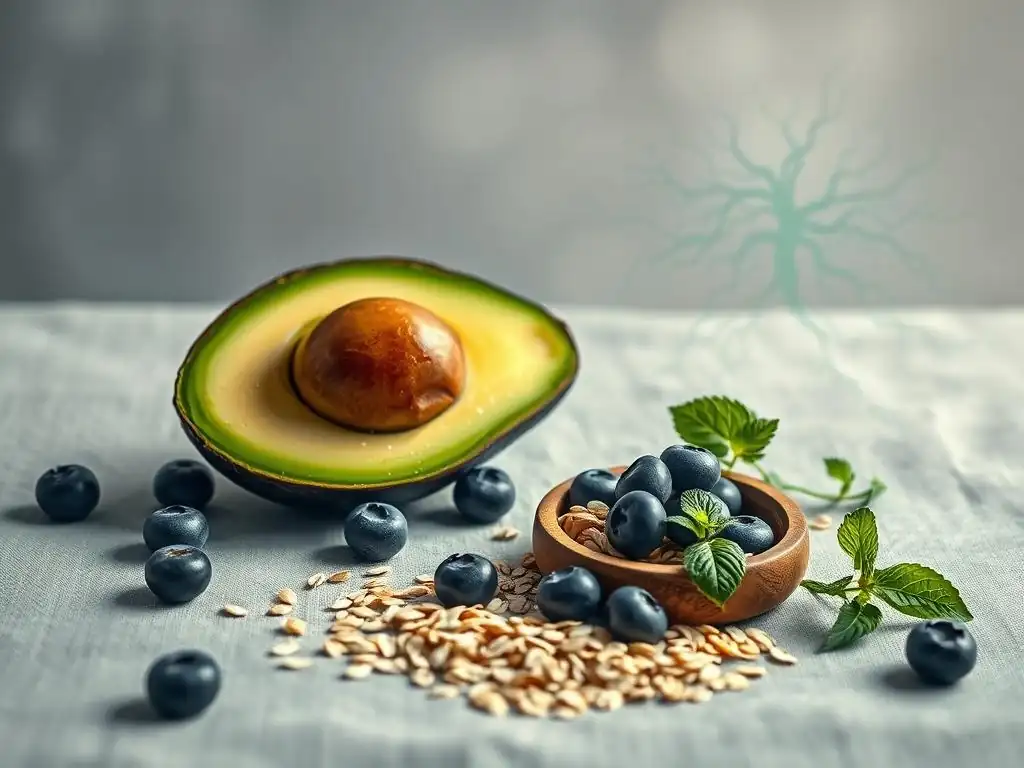
Best Sources of Soluble Fiber: Oats, Beans, Apples, and More
Incorporating a variety of fiber-rich foods into your diet is key to reaping the benefits for both your gut and your mind. Soluble fiber, known for its gel-forming properties and ability to feed beneficial bacteria, is abundant in several delicious foods. Oats are an excellent source, particularly beta-glucan, a soluble fiber known for its cholesterol-lowering effects and its role as a prebiotic. A typical half-cup serving of dry rolled oats contains around 4 grams of fiber, with a significant portion being soluble.
Legumes like beans, lentils, and chickpeas are powerhouses of soluble fiber, alongside protein and other nutrients. A single cup of cooked lentils can provide approximately 15-16 grams of total fiber, much of which is soluble and highly fermentable. Fruits such as apples, pears, and citrus fruits (oranges, grapefruits) also contain good amounts of soluble fiber, particularly in their flesh. Including a variety of these foods daily can significantly boost your intake and support gut health mental wellbeing.
Top Choices for Insoluble Fiber: Whole Grains, Vegetables, and Fruit Skins
While soluble fiber is crucial for feeding gut bacteria and influencing metabolism, insoluble fiber is essential for digestive regularity and adding bulk. Whole grains are primary sources of insoluble fiber. Opting for whole wheat bread, brown rice, quinoa, and other minimally processed grains over refined options dramatically increases your intake. A slice of whole wheat bread typically offers around 2 grams of fiber, mostly insoluble.
Many vegetables are also excellent sources of insoluble fiber. Leafy greens, broccoli, cauliflower, carrots, and green beans contribute significantly to daily fiber goals. Eating vegetables raw or lightly cooked helps preserve their fiber content. Don't forget fruit skins! The skin of apples, pears, and potatoes (when eaten with the skin) contains a good amount of insoluble fiber. Combining sources of both soluble and insoluble fiber ensures comprehensive support for digestive function and overall gut health mental wellbeing.
Creating a Fiber-Rich Meal Plan: Sample Meal Ideas
Building a diet rich in fiber doesn't have to be complicated; it's about making conscious choices at each meal. Here are some simple ideas to boost your fiber intake throughout the day:
- Breakfast: Start with oatmeal topped with berries and nuts, or a whole-grain toast with avocado.
- Lunch: A large salad with mixed greens, various vegetables, beans, or lentils. Alternatively, a hearty soup made with legumes and vegetables.
- Snacks: Apple slices with nut butter, a handful of almonds, raw vegetable sticks with hummus, or a small bowl of berries.
- Dinner: Incorporate whole grains like quinoa or brown rice as a side dish. Add beans or lentils to chili, stews, or pasta sauces. Ensure half your plate is filled with non-starchy vegetables.
Task List for Boosting Fiber:
- [ ] Swap white bread for whole wheat.
- [ ] Add beans or lentils to soup/stews.
- [ ] Snack on fruits, vegetables, or nuts.
- [ ] Include a vegetable with every meal.
- [ ] Choose whole grains like oats or quinoa.
Making small, consistent changes can add up significantly. For example, simply swapping white rice for brown rice a few times a week can add several grams of fiber to your diet, supporting better gut health mental wellbeing over time.
The Benefits of Fiber: Beyond Digestion and Mental Health
Fiber and Weight Management: Feeling Fuller for Longer
Dietary fiber plays a significant role in weight management. Foods high in fiber tend to be more filling than low-fiber foods. Soluble fiber, in particular, forms a gel in the digestive tract, which slows down the rate at which food leaves the stomach. This increased transit time helps promote feelings of fullness and satiety, reducing the likelihood of overeating and snacking between meals.
Furthermore, high-fiber foods often require more chewing, which can also contribute to feelings of fullness. Because fiber itself is not absorbed, it adds bulk without adding calories. Studies have shown that increasing fiber intake, even without drastically changing other dietary habits, can lead to modest weight loss over time. By helping manage appetite and calorie intake, fiber supports a healthy body weight, which in turn can positively influence gut health mental wellbeing.
Fiber and Blood Sugar Control: Preventing Spikes and Crashes
Fiber, especially soluble fiber, is highly effective at helping to regulate blood sugar levels. When consumed as part of a meal, soluble fiber slows the absorption of sugar into the bloodstream. This prevents rapid spikes in blood glucose levels followed by sharp crashes, which can lead to fatigue, irritability, and difficulty concentrating – all factors that can impact mental wellbeing.
Maintaining stable blood sugar is particularly important for individuals with diabetes or insulin resistance, but it benefits everyone by providing a steady supply of energy to the brain. The prebiotic effect of fiber, leading to SCFA production, may also play a role in improving insulin sensitivity. By promoting balanced energy levels and preventing mood-altering blood sugar fluctuations, fiber contributes to better overall metabolic health and supports gut health mental wellbeing.
Fiber and Heart Health: Lowering Cholesterol and Reducing Risk
A substantial body of evidence links higher fiber intake to improved cardiovascular health. Soluble fiber is particularly effective at lowering LDL ("bad") cholesterol levels. As soluble fiber passes through the digestive system, it binds to cholesterol and bile acids, preventing their absorption and promoting their excretion from the body. This forces the liver to use more cholesterol to produce new bile acids, thereby lowering blood cholesterol levels.
Additionally, fiber's role in managing weight, controlling blood sugar, and reducing inflammation all indirectly contribute to a lower risk of heart disease. A meta-analysis involving hundreds of thousands of participants suggested that for every 7-gram increase in daily fiber intake, the risk of heart disease dropped by approximately 9%. Protecting your heart health is integral to overall physical and mental vitality, further highlighting fiber's widespread benefits, including for gut health mental wellbeing.
Fiber and Disease Prevention: Colon Cancer and Type 2 Diabetes
Beyond heart health, adequate fiber intake is associated with a reduced risk of several chronic diseases. One of the most well-established links is between high fiber consumption and a lower risk of colorectal cancer. Insoluble fiber adds bulk, which helps move waste through the colon more quickly, reducing the time potentially harmful substances are in contact with the colon wall. Furthermore, the SCFAs produced by fiber fermentation, particularly butyrate, have been shown to have protective effects on colon cells.
Fiber also plays a crucial role in preventing Type 2 diabetes. By improving blood sugar control and insulin sensitivity, a high-fiber diet helps prevent the development of insulin resistance, a precursor to Type 2 diabetes. Large prospective studies have consistently shown that individuals with the highest fiber intake have a significantly lower risk of developing the disease compared to those with the lowest intake. These preventive effects contribute significantly to long-term physical health, which is intrinsically linked to gut health mental wellbeing.
Addressing Fiber Deficiency: Signs, Symptoms, and Solutions
Recognizing the Signs of Low Fiber Intake: Constipation, Bloating, and Fatigue
Many people in Western countries consume significantly less fiber than recommended guidelines. Recognizing the signs of low fiber intake is the first step towards addressing it. The most common and obvious symptom is constipation. Without sufficient bulk from fiber, stool can become hard and difficult to pass, leading to infrequent bowel movements.
Other symptoms can include bloating, gas, and abdominal discomfort as the digestive system struggles without adequate fiber to facilitate smooth transit. Beyond digestive issues, low fiber intake can contribute to fluctuating blood sugar levels, leading to feelings of fatigue, irritability, and difficulty concentrating. Over time, a consistently low-fiber diet can also contribute to weight gain and an increased risk of chronic diseases. If you experience these symptoms regularly, it may be a sign that you need to increase your fiber intake to support better gut health mental wellbeing.
Determining Your Daily Fiber Needs: Recommended Intake Guidelines
The recommended daily intake of fiber varies depending on age and sex. According to guidelines from major health organizations, adult women should aim for approximately 25 grams of fiber per day, while adult men should target around 38 grams per day. However, the average intake in many populations falls far short of these recommendations, often averaging only 10-15 grams per day.
Individual needs can vary slightly based on activity level and overall health status. It's also important to consider the source of fiber, aiming for a mix of soluble and insoluble types. Tracking your current intake for a few days using a food diary or app can help you understand how much fiber you are currently consuming and how much more you need to reach the recommended levels for optimal gut health mental wellbeing.
Gradually Increasing Fiber Intake: Avoiding Discomfort and Bloating
If your current fiber intake is low, it's crucial to increase it gradually. Suddenly adding large amounts of fiber to your diet can lead to uncomfortable side effects like increased gas, bloating, and abdominal cramps. The gut microbiome needs time to adapt to processing more fiber.
Start by adding just a few grams of fiber per day, perhaps by swapping one refined grain product for a whole grain or adding a serving of beans to a meal. Increase the amount slowly over several weeks, paying attention to how your body responds. This allows your digestive system and gut bacteria to adjust. Combining increased fiber intake with adequate fluid consumption is also essential to prevent constipation and discomfort, ensuring a smoother transition towards improved gut health mental wellbeing.
Potential Side Effects and Precautions: Fiber Intake Considerations
The Importance of Hydration: Drinking Enough Water with Fiber
As you increase your fiber intake, particularly insoluble fiber, it is absolutely essential to also increase your fluid intake, especially water. Fiber absorbs water as it moves through the digestive system. If you consume a lot of fiber without enough fluid, it can actually worsen constipation rather than alleviate it. The fiber can become a solid, difficult-to-pass mass.
Adequate hydration allows fiber to swell and form a soft, bulky stool that moves through the digestive tract easily. Aim for at least 8 glasses (about 2 liters) of water per day, and potentially more if you are significantly increasing your fiber intake or are physically active. Staying well-hydrated is a non-negotiable partner to a high-fiber diet for comfortable digestion and maximizing the benefits for gut health mental wellbeing.
Fiber Supplements: When and How to Use Them Safely
While it is always best to obtain fiber from whole foods, as they provide a range of other beneficial nutrients, fiber supplements can be helpful in certain situations. They might be recommended by a doctor to treat specific types of constipation or to help individuals who struggle to meet their fiber goals through diet alone. Common types of fiber supplements include psyllium, methylcellulose, calcium polycarbophil, and inulin.
If you choose to use a fiber supplement, start with the lowest recommended dose and increase gradually, just as you would with dietary fiber. Always take supplements with a full glass of water (at least 8 ounces) to prevent choking or blockages.
Fiber supplements can interact with the absorption of certain medications, so it's wise to take them at a different time of day than your medications – typically at least an hour before or two hours after. Consulting with a healthcare professional before starting fiber supplements is recommended, especially if you have underlying health conditions or are taking medications, to ensure safe use and support your journey towards better gut health mental wellbeing.
Fiber Interactions with Medications: Consulting Your Doctor
As mentioned, fiber, particularly in supplement form but potentially also high amounts from food, can affect the absorption of certain medications. This is because fiber can bind to drugs in the digestive tract, reducing the amount that gets absorbed into the bloodstream. Medications that may be affected include certain antidepressants, diabetes medications, cholesterol-lowering drugs, and others.
If you are taking any prescription or over-the-counter medications, it is crucial to discuss your fiber intake, including any plans to increase it or use supplements, with your doctor or pharmacist. They can advise you on potential interactions and suggest the best timing for taking your medications relative to your fiber consumption to ensure both are effective and safe. This proactive step is part of a holistic approach to health, recognizing the interconnectedness of diet, medication, and gut health mental wellbeing.
Integrating Fiber into Your Diet for Long-Term Gut Health and Mental Wellbeing
Practical Tips for Incorporating Fiber into Every Meal
Making fiber a regular part of your diet is easier than you might think with a few practical strategies. Start your day right by choosing high-fiber breakfast options like oatmeal, whole-grain cereal, or a smoothie with fruits and vegetables. When cooking, swap refined grains for whole versions – use brown rice instead of white, whole wheat pasta, and whole-grain bread.
Snacking is a great opportunity to boost fiber; opt for fruits, vegetables, nuts, or seeds instead of processed snacks. Lentils and beans are incredibly versatile and can be added to soups, stews, salads, or even blended into dips like hummus. Leave the skin on fruits and vegetables whenever possible after washing them thoroughly. These small changes, consistently applied, build a high-fiber diet that supports sustained gut health mental wellbeing.
Mindful Eating and Fiber Consumption: Paying Attention to Your Body
Beyond simply adding fiber to your plate, practicing mindful eating can enhance the benefits. Pay attention to your body's hunger and fullness cues. High-fiber foods naturally promote satiety, and mindful eating helps you recognize this, potentially preventing overeating. Also, be aware of how different fiber sources make you feel. As you gradually increase fiber, notice any changes in digestion, energy levels, and mood.
Mindful eating also involves slowing down and chewing your food thoroughly. This aids digestion and helps your body process the fiber more effectively. By being present and attentive during meals, you can better understand how your diet, specifically fiber intake, impacts your gut health and overall sense of wellbeing, strengthening the connection to gut health mental wellbeing.
The Long-Term Benefits of a Fiber-Rich Diet for Mental Clarity and Emotional Balance
Adopting a high-fiber diet is not a quick fix but a long-term investment in your health. Consistently nourishing your gut microbiome with diverse fibers fosters a stable and resilient gut environment. This, in turn, supports the continuous production of beneficial SCFAs and neurotransmitters that communicate with the brain.
Over time, the cumulative effects of reduced inflammation, stable blood sugar, improved gut barrier function, and a balanced microbiome can translate into noticeable improvements in mental clarity, emotional stability, and resilience to stress. While individual experiences vary, prioritizing fiber intake provides a robust foundation for both physical vitality and enduring gut health mental wellbeing.
Conclusion: Prioritizing Fiber for a Healthier Gut, Happier Mind, and Improved Mental Health
The intricate link between our gut and brain is undeniable, and dietary fiber emerges as a critical player in this relationship. By understanding fiber's role in feeding beneficial gut bacteria, promoting SCFA production, influencing neurotransmitter synthesis, and supporting overall digestive health, we can appreciate its profound impact on our mental wellbeing. From reducing inflammation and stabilizing mood to supporting cognitive function, fiber is a powerful tool in our pursuit of a healthier mind.
Making a conscious effort to increase your intake of diverse fiber-rich foods – whole grains, fruits, vegetables, legumes, nuts, and seeds – is a tangible step towards nurturing your gut microbiome. While it's important to increase fiber gradually and stay hydrated, the long-term rewards for both your physical and mental health are substantial.
Prioritizing fiber is not just about digestive regularity; it's about building a foundation for resilience, vitality, and optimal gut health mental wellbeing. Embrace fiber as an essential component of your diet and experience the transformative benefits for your gut, your mind, and your overall quality of life.
Frequently Asked Questions
How does dietary fiber impact mental wellbeing according to Mind Care Guide?
Dietary fiber promotes the growth of beneficial gut bacteria, which can then influence brain function through the gut-brain axis. This connection can impact mood and reduce symptoms of mental health conditions.
What is the gut-brain axis, and how does fiber play a role in it?
The gut-brain axis is a bidirectional communication pathway between the gut microbiome and the brain. Fiber fuels the gut microbiome, leading to the production of neurotransmitters and other compounds that affect the brain.
What types of mental health challenges might be improved by increasing fiber intake?
While not a sole cure, increased fiber intake may help manage symptoms of anxiety, depression, and potentially even stress-related disorders. Mind Care Guide emphasizes it as a supportive strategy.
How much dietary fiber should I aim to consume daily for optimal gut health and mental wellbeing?
The recommended daily intake of dietary fiber is typically 25-30 grams. Mind Care Guide suggests starting slowly and gradually increasing intake to avoid digestive discomfort.
Besides fiber, what other factors contribute to gut health and, consequently, mental wellbeing?
Other essential factors include a balanced diet, regular physical activity, adequate hydration, and stress management techniques. Mind Care Guide advocates for a holistic approach to mental wellbeing.
Final Reflection: Weaving the Threads of Gut and Mind
The intricate connection between gut health and mental wellbeing is no longer a fringe theory; it's a fundamental truth shaping our understanding of holistic health. Ignoring this vital link is akin to ignoring half the equation when it comes to overall wellness. The evidence presented throughout this article underscores the profound impact of dietary fiber on both our digestive systems and our mental state, highlighting the urgent need for a fiber-rich lifestyle.
The more I researched the gut-brain axis, the more I realized how deeply intertwined our physical and mental health truly are. This isn't just about avoiding digestive discomfort; it's about nurturing a foundation for emotional resilience and cognitive sharpness. The gut is the second brain,
a phrase often used, truly encapsulates the profound influence of gut microbiota on our neurochemistry and overall mental landscape. Understanding this connection allows us to take proactive steps towards better mental health, starting with something as simple as adjusting our diet.
Now, consider your own diet. Are you providing your gut – and by extension, your mind – with the nourishment it needs to thrive? I challenge you to make a conscious effort to incorporate more fiber-rich foods into your daily meals. This isn't about drastic changes; it's about small, sustainable steps towards a healthier, happier you.
Start by adding a serving of fruits, vegetables, or whole grains to each meal. Observe the changes, both in your digestive health and your mental clarity. The journey to a healthier gut and a happier mind begins with one fiber-rich bite at a time.
Unlock Your Gut's Potential: Fuel Your Body & Mind!
Thanks for taking the time to explore the incredible world of fiber and its impact on your well-being! You've now learned how crucial fiber is for a happy gut and a sharp mind. Ready to put this knowledge into action?
- Prioritize fiber-rich foods: Start incorporating more fruits, vegetables, whole grains, and legumes into your daily diet. Experiment with new recipes and find what you enjoy!
- Track your fiber intake: Use a food diary or app to monitor your progress and identify areas for improvement. This simple step can make a big difference!
- Share your fiber journey: Tell your friends and family about the benefits of fiber and encourage them to join you on this healthy path. Let's spread the word together!
What's one small change you can make today to boost your fiber intake and improve your overall health?