
Mindfulness for Anxiety: Your Guide to Calming a Busy Mind

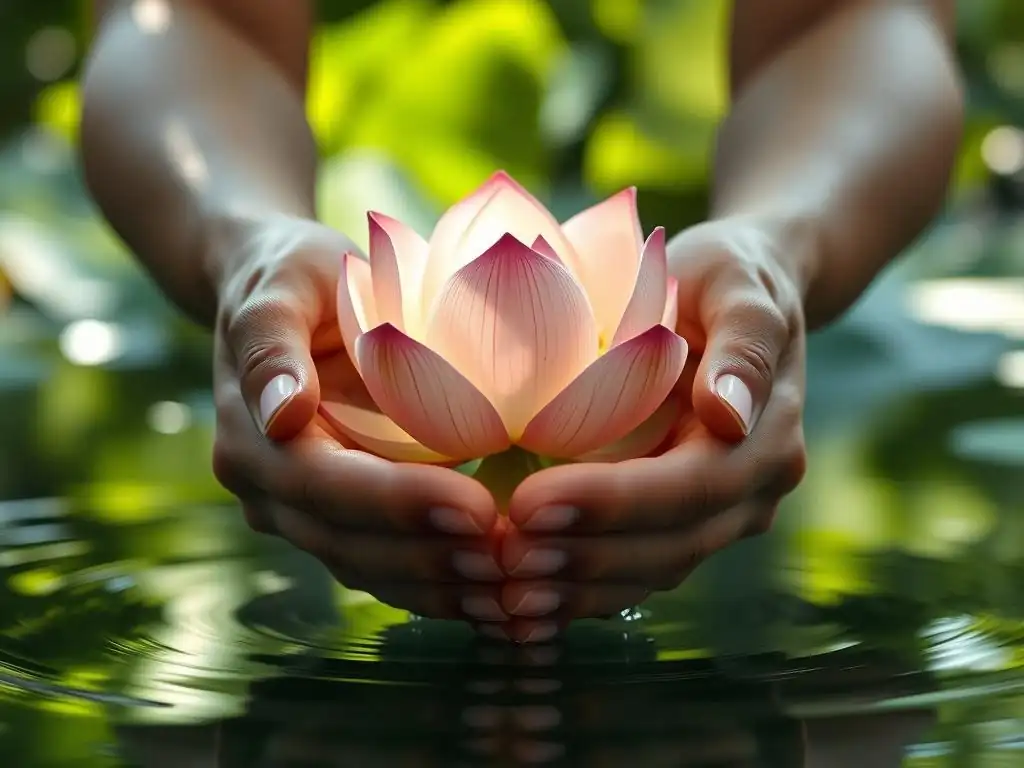
Welcome to Mind Care Guide, a safe space dedicated to nurturing your mental well-being. Feeling overwhelmed by anxiety? You're not alone. Imagine finding moments of peace amidst the chaos. This guide explores how mindfulness can reduce anxiety symptoms, offering practical techniques and resources to help you reclaim your calm. Are you ready to begin your journey to a more mindful, less anxious you? Let's dive in.
Mindfulness for Anxiety: Your Guide to Calming a Busy Mind
- Understanding Anxiety and the Power of Mindfulness
- Mindfulness Techniques for Anxiety Relief: A Step-by-Step Guide
- Integrating Mindfulness into Daily Life for Anxiety Management
- Benefits of Mindfulness for Anxiety: Beyond Symptom Relief
- Mindfulness vs. Other Anxiety Management Techniques
- Resources for Learning More About Mindfulness and Anxiety
- Long-Term Mindfulness Practice for Sustained Anxiety Reduction
-
Frequently Asked Questions
- What is mindfulness, and how does it relate to anxiety?
- How can practicing mindfulness potentially reduce anxiety symptoms?
- What are some simple mindfulness exercises I can try to manage anxiety?
- How often should I practice mindfulness to see a reduction in anxiety symptoms?
- Where can I find more resources and support for learning mindfulness techniques for anxiety?
- Final Reflection: Cultivating Inner Peace in a Frantic World
- Unlock Your Inner Calm: Start Your Mindfulness Journey Today!
Understanding Anxiety and the Power of Mindfulness
What is Anxiety? Exploring the Roots of Anxious Feelings
Anxiety is a natural human response to perceived threats, characterized by feelings of worry, nervousness, or unease. While mild anxiety can be a helpful motivator, chronic or excessive anxiety can significantly impact daily life, leading to physical symptoms like increased heart rate, sweating, trembling, and digestive issues. Psychologically, it often manifests as persistent worrying, difficulty concentrating, and a sense of impending doom or danger, even when no immediate threat exists. Understanding that anxiety is rooted in the brain's fight-or-flight response, which is designed for survival but can become overactive in modern life, is the first step toward managing it.
These anxious feelings can stem from various sources, including genetic predisposition, environmental stressors, traumatic experiences, and even learned behaviors. The mind, in its attempt to protect us, can get caught in cycles of 'what if' thinking, constantly scanning for potential problems in the future. This perpetual state of vigilance drains mental and physical energy, making it difficult to experience peace and presence. Recognizing these patterns and understanding that thoughts are not facts is crucial for anyone seeking to find effective strategies, such as mindfulness, to reduce anxiety symptoms.
The Science Behind Mindfulness and Anxiety Reduction
Research has increasingly shed light on how mindfulness impacts the brain and nervous system, offering scientific validation for its ability to reduce anxiety symptoms. Studies using fMRI scans have shown that regular mindfulness practice can lead to structural changes in the brain, specifically decreasing activity in the amygdala, the brain's fear center. Simultaneously, it can increase activity in the prefrontal cortex, the area associated with higher-order thinking, planning, and emotional regulation. This shift allows for a more measured and less reactive response to stressful situations.
Furthermore, mindfulness helps regulate the body's stress response system, the hypothalamic-pituitary-adrenal (HPA) axis. Chronic anxiety often keeps the HPA axis on high alert, leading to elevated levels of stress hormones like cortisol. Mindfulness practices have been shown to lower cortisol levels, promoting a state of calm and reducing the physiological symptoms associated with anxiety. For instance, an 8-week mindfulness-based stress reduction (MBSR) program has been consistently shown in studies to significantly lower self-reported anxiety levels and reduce biological markers of stress, illustrating how mindfulness reduce anxiety symptoms at a fundamental level.
How Mindfulness Helps Reduce Anxiety Symptoms: A Practical Overview
Mindfulness helps individuals manage anxiety by changing their relationship with anxious thoughts and feelings. Instead of getting swept away by worries, mindfulness encourages observing these experiences without judgment. This creates a space between the person and their anxiety, allowing for a response rather than a reaction. By practicing non-judgmental awareness, individuals learn that thoughts are transient mental events, not necessarily reflections of reality or commands to be obeyed. This detachment weakens the power of anxious thoughts.
Practically, mindfulness reduces anxiety symptoms by training the mind to focus on the present moment. Anxiety often pulls the mind into the future, dwelling on potential problems, or into the past, ruminating on regrets. Mindfulness anchors attention to the 'here and now' through techniques like focusing on the breath or bodily sensations. This present-moment focus interrupts the cycle of anxious rumination, providing relief from the relentless stream of worries. Over time, this practice builds resilience, making it easier to navigate challenging emotions and situations with greater ease and less reactivity, demonstrating how consistently applying mindfulness reduce anxiety symptoms effectively.
Mindfulness Techniques for Anxiety Relief: A Step-by-Step Guide
Beginner's Guide to Mindfulness Meditation for Anxiety
Getting started with mindfulness meditation doesn't require special equipment or extensive training. The core principle is simply to pay attention to your present experience with openness and curiosity. For beginners, starting with short, guided meditations is often the most accessible way to begin. These practices typically involve focusing on a specific anchor, such as the breath, and gently bringing your attention back whenever it wanders, which it inevitably will. The goal isn't to stop thinking, but to notice when your mind drifts and kindly guide it back.
A common starting point is dedicating just 5-10 minutes a day. Find a quiet place where you won't be interrupted, sit comfortably, and set a gentle intention to simply observe. Many find that using a timer helps manage the duration without needing to constantly check the clock. Remember, there's no "right" way to do it; the practice is simply showing up and paying attention, cultivating the skill of present moment awareness which is key to how mindfulness reduce anxiety symptoms over time.
Preparing for Your First Mindfulness Session
Preparation for mindfulness meditation is minimal but can enhance the experience. First, choose a time when you can consistently practice, perhaps in the morning before the day's demands begin or in the evening to wind down. Find a quiet space where you feel safe and comfortable. This could be a chair, a cushion on the floor, or even lying down if that feels better for your body, though sitting upright can help maintain alertness. Ensure the temperature is comfortable and any potential distractions, like phones, are silenced or out of sight.
Wear comfortable clothing that doesn't restrict your breathing or movement. While some people prefer silence, others find gentle background noise or using noise-canceling headphones helpful. The most important preparation is setting a realistic expectation: your mind will wander. This is normal. The practice is in noticing the wandering and gently returning your attention to your chosen anchor, cultivating patience and self-compassion along the way. This foundational preparation supports the journey of how mindfulness reduce anxiety symptoms by creating a conducive environment for internal exploration.
Guided Breathing Exercises for Anxiety Management
Breathing exercises are a fundamental element of mindfulness for anxiety because the breath is always in the present moment and directly influenced by our emotional state. Anxious feelings often lead to shallow, rapid breathing. Consciously slowing and deepening the breath can activate the parasympathetic nervous system, counteracting the fight-or-flight response. A simple guided breathing exercise involves sitting comfortably and focusing your attention entirely on the sensation of the breath entering and leaving your body.
You might notice the feeling of air passing through your nostrils, the rise and fall of your chest or abdomen, or the sensation in your throat. There's no need to force your breath; simply breathe naturally and observe. When your mind gets distracted by thoughts (especially anxious ones), gently acknowledge the distraction without judgment and return your focus to the breath. Practicing this for even a few minutes can provide immediate relief and is a powerful tool in how mindfulness reduce anxiety symptoms in the moment.
Body Scan Meditation: Releasing Tension and Anxiety
The body scan is a powerful mindfulness technique that involves systematically bringing awareness to different parts of the body, noticing sensations without trying to change them. Anxiety often manifests as physical tension – tight shoulders, a clenched jaw, a knot in the stomach. The body scan helps you become aware of where you hold tension and, through simple awareness, can facilitate its release. Begin by lying down or sitting comfortably, closing your eyes if you wish. Bring your attention to your feet, noticing any sensations there – warmth, coolness, tingling, pressure.
Slowly, move your awareness up your body, segment by segment: ankles, lower legs, knees, thighs, hips, and so on, all the way up to the crown of your head. Linger in areas where you notice tension or discomfort, breathing into those areas gently. The aim is not to make the tension go away, but simply to observe it with kindness. Often, simply bringing non-judgmental awareness to a sensation can cause it to soften or shift. This practice helps ground you in the present moment and can significantly contribute to how mindfulness reduce anxiety symptoms by addressing their physical manifestations.
Advanced Mindfulness Practices for Deeper Anxiety Relief
Once you have a solid foundation in basic mindfulness meditation, you can explore more advanced practices that offer deeper ways to engage with your experience and cultivate calm. These practices often build upon the principles of present moment awareness and non-judgment, applying them in more dynamic or nuanced ways. They can provide more profound insights into the nature of your thoughts and emotions and strengthen your capacity for emotional regulation.
These techniques aren't necessarily "harder," but they may require a bit more patience and a willingness to explore different facets of mindfulness. They can be particularly helpful for those whose anxiety is deeply ingrained or who are seeking to integrate mindfulness more fully into their lives beyond formal sitting meditation. Engaging with these practices can offer richer pathways for how mindfulness reduce anxiety symptoms and foster overall well-being.
Walking Meditation: Finding Calm in Movement
Walking meditation integrates mindfulness into physical activity, offering a way to practice presence while on the move. This can be particularly beneficial for those who find sitting still challenging or whose anxiety manifests as restlessness. The practice can be done indoors or outdoors, in a small space or a longer path. Begin by finding a comfortable pace, perhaps slower than your usual walk. Bring your attention to the sensations of walking: the lifting and placing of your feet, the movement of your legs, the swing of your arms, the feeling of the ground beneath you.
Pay attention to the rhythm of your steps and your breath. When your mind wanders to anxious thoughts about your destination, things you need to do, or worries, gently notice the thoughts and guide your awareness back to the physical sensations of walking. Walking meditation helps to ground you in the body and the present moment, disrupting the cycle of anxious rumination. Practicing this regularly can reinforce how mindfulness reduce anxiety symptoms by providing an active form of present-moment awareness.
Mindful Yoga: Combining Physical and Mental Well-being
Mindful yoga combines gentle physical postures (asanas), breath awareness (pranayama), and meditation, offering a holistic approach to reducing anxiety. Unlike some forms of exercise focused on intensity, mindful yoga emphasizes tuning into the body's sensations, breath, and mental state throughout the practice. It encourages moving with awareness, rather than pushing through poses or striving for perfection. This focus on internal experience helps cultivate body awareness, which can be particularly helpful for recognizing and releasing physical tension related to anxiety.
During a mindful yoga practice, you are encouraged to pay attention to how different poses feel in your body, noticing areas of tightness or ease, and coordinating movement with breath. When anxious thoughts arise, the practice is to notice them without judgment and return your attention to the sensations in your body or the rhythm of your breath. The combination of gentle movement, conscious breathing, and present-moment awareness makes mindful yoga a powerful tool in how mindfulness reduce anxiety symptoms, promoting both physical relaxation and mental calm.
Loving-Kindness Meditation: Cultivating Self-Compassion and Reducing Anxiety
Loving-kindness meditation, also known as Metta meditation, is a practice focused on cultivating unconditional friendliness and compassion towards oneself and others. It can be particularly helpful for anxiety, especially when anxiety is accompanied by self-criticism, fear of judgment, or social anxieties. The practice typically involves silently repeating phrases that express well wishes, first towards oneself, then towards loved ones, neutral persons, difficult persons, and finally towards all beings. Examples of phrases include: "May I be happy," "May I be healthy," "May I be safe," "May I be free from suffering."
By intentionally directing kindness towards yourself, you counteract the harsh self-talk that often fuels anxiety. This practice helps to soften inner criticism and build a sense of inner safety and acceptance. Extending compassion outwards can also reduce social anxiety and feelings of isolation. While it might feel awkward at first, consistent practice can gradually shift your internal landscape, fostering a sense of warmth and connection that significantly contributes to how mindfulness reduce anxiety symptoms by addressing underlying emotional patterns.
Integrating Mindfulness into Daily Life for Anxiety Management

Mindfulness isn't just something you do on a meditation cushion; it's a way of being that can be woven into the fabric of your daily life. Integrating mindful moments throughout your day reinforces the practice and helps you stay grounded even amidst stress and potential anxiety triggers. This continuous practice builds resilience and makes the benefits of mindfulness more accessible when you need them most.
Finding simple ways to bring awareness to everyday activities can make a significant difference. It doesn't require setting aside large blocks of time but rather consciously choosing to pay attention to what you are doing, sensing, and feeling in the present moment. This consistent engagement is key to how mindfulness reduce anxiety symptoms over the long term.
Mindful Moments: Short Practices for Anxiety on the Go
Even short bursts of mindfulness can help interrupt anxious thought patterns and bring you back to the present. These "mindful moments" can be practiced anywhere, anytime. For example, take three conscious breaths before opening an email or answering the phone. Feel your feet on the ground while standing in line. Pay attention to the taste, texture, and smell of your food while eating. Notice the sensations in your body while walking between locations.
Another simple practice is the "3-minute breathing space," which involves one minute of noticing what's happening (thoughts, feelings, sensations), one minute of focusing on the breath, and one minute of expanding awareness to include the body and surrounding environment. Incorporating these small practices throughout your day helps to keep your awareness anchored in the present, providing frequent opportunities for how mindfulness reduce anxiety symptoms by creating small pockets of calm.
Overcoming Common Challenges in Mindfulness Practice for Anxiety
Beginning a mindfulness practice, especially when dealing with anxiety, comes with its own set of challenges. It's important to approach these obstacles with patience and self-compassion, viewing them as normal parts of the learning process rather than failures. Recognizing these common hurdles can help you navigate them more effectively and stay committed to your practice, ultimately supporting how mindfulness reduce anxiety symptoms.
Understanding that challenges are universal in mindfulness can alleviate feelings of frustration or inadequacy. Everyone who practices mindfulness encounters difficulties; the key is developing the skill to meet them with awareness and kindness.
Dealing with a Racing Mind During Meditation
One of the most common challenges is dealing with a busy or "racing" mind, which can be particularly intense for individuals with anxiety. During meditation, it might feel like your thoughts are even more active than usual. It's crucial to remember that the goal is not to empty your mind or stop thinking. Instead, the practice is simply to notice that your mind has wandered (often into anxious territory) and gently guide your attention back to your anchor, such as the breath.
Each time you notice your mind has wandered and you bring it back, you are strengthening the "muscle" of attention. Don't judge the thoughts or yourself for having them. Simply acknowledge them ("Ah, thinking about work") and return to your breath. This process of noticing and returning, done repeatedly, is the core of the practice and directly contributes to how mindfulness reduce anxiety symptoms by teaching you not to get lost in thought.
Managing Frustration and Discomfort
It's natural to feel frustrated or uncomfortable during mindfulness practice, especially if you're expecting immediate results or finding it difficult to sit with unpleasant sensations or thoughts. Anxiety itself can manifest as physical discomfort or a strong aversion to stillness. When frustration arises, try to bring mindfulness to the feeling of frustration itself. Where do you feel it in your body? What are the thoughts associated with it?
Allow the feeling to be there without trying to push it away. Sometimes, simply acknowledging and accepting the discomfort can lessen its intensity. If the discomfort is too strong, it's okay to adjust your posture or even take a short break, returning to the practice when you feel ready. Remember that mindfulness is about being present with whatever arises, including frustration or discomfort. This acceptance is a key component of how mindfulness reduce anxiety symptoms by reducing the struggle against unpleasant feelings.
Staying Consistent with Your Mindfulness Routine
Maintaining a consistent mindfulness routine can be challenging amidst a busy life, especially when motivation wanes or anxiety makes it hard to start. Treat your practice like any other important appointment. Start small – even 5 minutes daily is beneficial. Link your practice to an existing habit, like brushing your teeth or having your morning coffee. For example, "After I finish my coffee, I will sit for 7 minutes of breathing meditation."
Don't aim for perfection; aim for progress, not perfection. Some days your meditation might feel calm and focused, other days it might feel restless and full of thoughts. Both are valid experiences. Simply showing up is the practice. Tracking your sessions, using guided meditations, or finding a mindfulness buddy can also help with accountability and consistency, reinforcing the regular engagement needed for how mindfulness reduce anxiety symptoms effectively over time.
Creating a Mindful Environment to Minimize Anxiety Triggers
Your physical and digital environment can significantly impact your anxiety levels. Creating a mindful environment involves intentionally shaping your surroundings to support calm and presence, while minimizing potential triggers. This isn't about avoiding everything that makes you anxious, but about cultivating spaces and habits that foster peace.
Consider decluttering your physical space, as visual clutter can contribute to a sense of overwhelm and anxiety. Designate specific areas for work, relaxation, and sleep to create clearer boundaries. In the digital realm, manage notifications, limit time spent on anxiety-provoking news or social media, and curate your online consumption to be more intentional and less overwhelming. Making conscious choices about your environment is an active step in how mindfulness reduce anxiety symptoms by proactively managing external influences.
Benefits of Mindfulness for Anxiety: Beyond Symptom Relief
While reducing anxiety symptoms is a primary goal for many, the benefits of mindfulness extend far beyond simply feeling less anxious. Regular practice cultivates a range of psychological strengths and positive qualities that enhance overall well-being and resilience, helping you navigate life's challenges with greater ease and presence.
These broader benefits illustrate the transformative potential of mindfulness, showing how it can not only alleviate distress but also foster personal growth and a deeper connection with yourself and the world around you. These are the lasting impacts that reveal the true power of how mindfulness reduce anxiety symptoms and enhance quality of life.
Improved Emotional Regulation and Resilience to Anxiety
Mindfulness significantly enhances your ability to regulate your emotions. Instead of being overwhelmed by intense feelings like fear, worry, or panic, mindfulness teaches you to observe them with a degree of distance and non-reactivity. You learn to recognize emotions as temporary states rather than absolute truths or indicators of immediate danger. This practice builds emotional resilience, enabling you to bounce back more quickly from challenging emotional experiences.
By regularly practicing observing emotions without judgment, you develop the capacity to choose your response rather than being automatically driven by anxious feelings. This allows you to navigate stressful situations with greater composure and less intense emotional swings. This improved regulation is a core mechanism in how mindfulness reduce anxiety symptoms by helping you manage the internal experience of anxiety itself.
Enhanced Self-Awareness and Understanding of Anxiety Triggers
Mindfulness cultivates a deeper understanding of yourself, including the patterns of your thoughts, emotions, and physical sensations. Through consistent practice, you become more attuned to the subtle signs of rising anxiety in your body and mind before it escalates into a full-blown panic response. This heightened self-awareness is crucial for identifying your specific anxiety triggers – the situations, thoughts, or feelings that tend to initiate or worsen your anxiety.
Knowing your triggers allows you to approach them with greater awareness and potentially implement coping strategies proactively. For instance, you might notice that certain social situations reliably lead to anxious thoughts. With mindfulness, you can observe these thoughts without getting caught in them and choose a more mindful response. This self-knowledge is a powerful tool in how mindfulness reduce anxiety symptoms by enabling you to anticipate and navigate challenging situations more effectively.
Increased Focus and Concentration: Reducing Anxious Thoughts
Anxiety often fragments attention, making it difficult to focus and concentrate as the mind jumps from one worry to the next. Mindfulness practice, which involves repeatedly bringing attention back to a chosen anchor (like the breath), is essentially training in focus and concentration. By strengthening your ability to direct and sustain attention, mindfulness helps you resist the pull of distracting and anxious thoughts.
As your capacity for focus improves, you find it easier to stay present with tasks at hand, reducing the mental space available for anxious rumination. This enhanced concentration also allows you to engage more fully in activities, which can be a welcome distraction from internal worries and contribute to a sense of accomplishment and well-being. This improved mental clarity is a significant benefit of how mindfulness reduce anxiety symptoms by reducing the dominance of anxious thoughts.
Better Sleep Quality and Reduced Nighttime Anxiety
Anxiety and sleep problems are often intertwined, with anxious thoughts frequently making it difficult to fall asleep or causing nighttime awakenings. Mindfulness can significantly improve sleep quality by helping to calm the nervous system and quiet the "busy mind" that keeps you awake. Practices like body scan meditation or focusing on the breath while lying in bed can soothe the body and mind, preparing for rest.
Learning to observe anxious thoughts without engaging with them is particularly helpful for nighttime anxiety. Instead of getting caught in a spiral of worry about not being able to sleep, you can simply notice the thoughts ("Ah, there's the thought about tomorrow's meeting") and return your attention to the physical sensations of lying in bed or the rhythm of your breath. This ability to detach from racing thoughts is a key way how mindfulness reduce anxiety symptoms that interfere with sleep.
Mindfulness vs. Other Anxiety Management Techniques
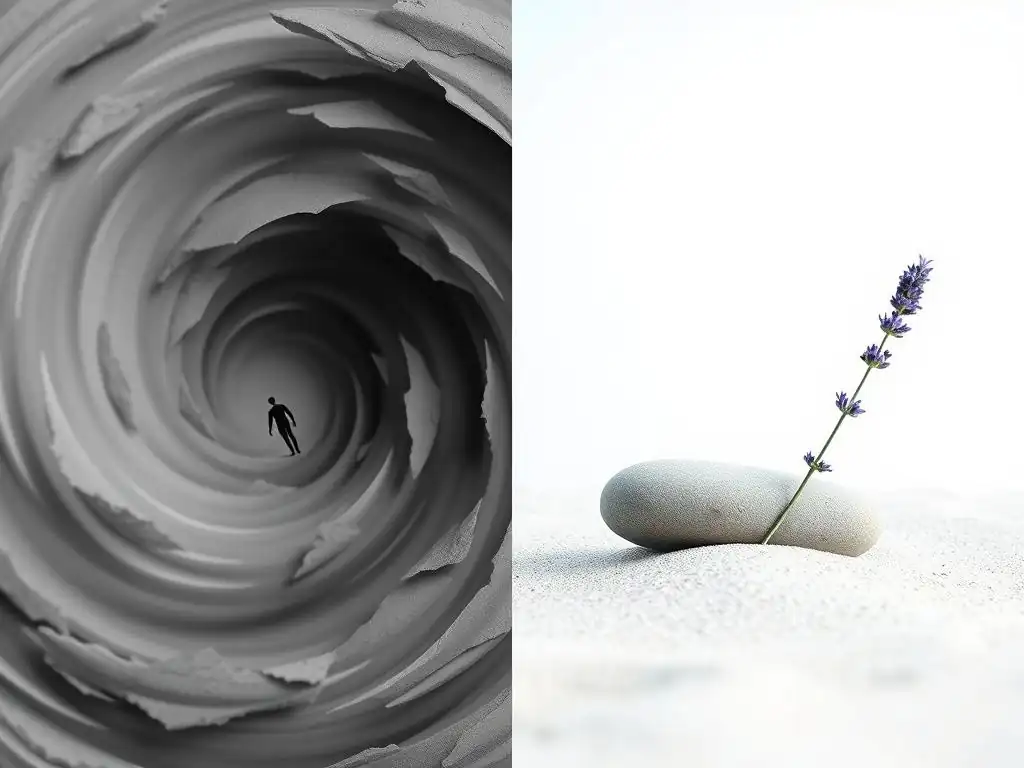
Mindfulness is one of many approaches to managing anxiety, and it can be used effectively on its own or in conjunction with other methods. Understanding how mindfulness compares to other common strategies, such as cognitive behavioral therapy or medication, can help individuals make informed decisions about their anxiety management plan. Each approach has its unique strengths and mechanisms of action.
It's important to remember that there is no single "best" way to manage anxiety; the most effective approach often involves a combination of strategies tailored to the individual's needs and preferences. Considering mindfulness alongside other options helps in building a comprehensive toolkit for well-being and understanding the diverse ways to how mindfulness reduce anxiety symptoms in conjunction with other therapies.
Mindfulness vs. Cognitive Behavioral Therapy (CBT) for Anxiety
Cognitive Behavioral Therapy (CBT) is a widely recognized and evidence-based therapy for anxiety. CBT focuses on identifying and challenging negative thought patterns and behaviors that contribute to anxiety. It teaches specific techniques to reframe irrational thoughts, develop coping strategies, and gradually expose oneself to feared situations. The emphasis is often on actively changing thoughts and behaviors to manage anxiety.
Mindfulness, while also addressing thoughts, takes a different approach. Instead of challenging or changing thoughts, mindfulness encourages observing thoughts and feelings without judgment. It focuses on changing the relationship with anxious thoughts and sensations, fostering acceptance rather than avoidance or direct confrontation. While CBT aims to modify thought content, mindfulness aims to modify the awareness and attitude towards thoughts. Both are effective, and combining them can offer robust support for how mindfulness reduce anxiety symptoms alongside cognitive restructuring.
Mindfulness vs. Medication for Anxiety: A Complementary Approach
Medication, such as anti-anxiety drugs or antidepressants, is a common and often necessary treatment for moderate to severe anxiety. Medication works by altering brain chemistry to reduce the intensity of anxiety symptoms, such as panic attacks, excessive worry, or physical manifestations. It can provide significant relief and make it possible for individuals to engage in therapy or other coping strategies.
Mindfulness, in contrast, is a non-pharmacological practice that works by training the mind and body to respond differently to stress and anxiety. It doesn't change brain chemistry in the same way medication does but rather cultivates new neural pathways and regulatory skills. For many people, mindfulness is used in addition to medication, providing complementary benefits. Medication can reduce overwhelming symptoms to a level where mindfulness practice becomes accessible and effective, demonstrating how mindfulness reduce anxiety symptoms when combined with medical support.
Choosing the Right Anxiety Management Strategy for You
Deciding on the best approach to manage anxiety is a personal journey and often involves exploring different options. For some, starting with mindfulness techniques might be sufficient, especially for mild to moderate anxiety. For others, particularly those with severe anxiety or co-occurring conditions like depression, a combination of therapy (like CBT), medication, and mindfulness might be the most effective path.
Consulting with a mental health professional is highly recommended. A therapist or psychiatrist can assess your specific situation, including the severity and type of anxiety, and help you develop a personalized treatment plan. They can guide you in understanding how different strategies, including how mindfulness reduce anxiety symptoms, can work together to support your mental well-being.
Resources for Learning More About Mindfulness and Anxiety
Exploring available resources can significantly deepen your understanding and support your mindfulness practice for anxiety. Whether you prefer reading, guided digital experiences, or direct instruction, there are numerous avenues to learn more and find support. Utilizing these resources can make the journey of incorporating mindfulness into your life more accessible and effective.
These resources offer structured ways to learn the principles and techniques of mindfulness, providing guidance and support as you work towards reducing anxiety symptoms. They can help you establish a consistent practice and connect with the wider community of mindfulness practitioners.
Recommended Books on Mindfulness and Anxiety
Many excellent books offer comprehensive introductions to mindfulness and its application for anxiety. They often provide theoretical background, practical exercises, and personal stories.
- Books like "Mindfulness: An Eight-Week Plan for Finding Peace in a Frantic World" by Mark Williams and Danny Penman offer a structured, evidence-based program similar to MBSR.
- "Calming Your Anxious Mind: How Mindfulness and Compassion Can Free You from Anxiety, Fear, and Panic" by Jeffrey Brantley is specifically focused on using mindfulness to address anxiety.
- "The Miracle of Mindfulness" by Thich Nhat Hanh provides a gentle and accessible introduction to mindfulness principles for daily life.
These texts can serve as valuable companions, offering insights and exercises to support your journey in how mindfulness reduce anxiety symptoms.
Online Mindfulness Courses and Apps for Anxiety Relief
Numerous online courses and mobile applications provide guided mindfulness meditations and structured programs tailored for anxiety. These can be convenient tools for establishing a regular practice and accessing guidance anytime, anywhere.
Popular mindfulness apps like Headspace, Calm, and Insight Timer offer extensive libraries of guided meditations, including specific sessions for anxiety, sleep, and stress. Many offer beginner-friendly courses that walk you through the fundamentals. Online platforms like Coursera or specific mindfulness centers also provide in-depth courses, sometimes based on programs like MBSR or MBCT (Mindfulness-Based Cognitive Therapy), which has also shown promise in how mindfulness reduce anxiety symptoms and depression. While app subscriptions or course fees may apply, many also offer free content.
Finding a Qualified Mindfulness Teacher or Therapist for Anxiety Support
For personalized guidance and support, especially when dealing with significant anxiety, working with a qualified mindfulness teacher or a therapist who integrates mindfulness into their practice can be incredibly beneficial. A teacher can provide instruction on techniques, offer feedback on your practice, and help you navigate challenges.
Therapists with expertise in mindfulness-based approaches can help you understand the roots of your anxiety and apply mindfulness principles within a therapeutic context. Organizations like the International Mindfulness Teachers Association (IMTA) or local mental health directories can help you find qualified professionals trained in using mindfulness to how mindfulness reduce anxiety symptoms.
Long-Term Mindfulness Practice for Sustained Anxiety Reduction
Committing to mindfulness as a long-term practice is where its true transformative power for anxiety becomes most evident. While short-term practice can offer immediate relief, sustained engagement builds resilience, deepens self-awareness, and fosters a fundamental shift in how you relate to yourself and the world. It moves from being a coping mechanism to a way of life.
Embracing mindfulness as a continuous journey, rather than a temporary fix, allows you to cultivate lasting peace and stability, significantly enhancing your ability to manage anxiety over the course of your life. This dedication is the key to unlocking the full potential of how mindfulness reduce anxiety symptoms permanently.
Maintaining a Consistent Mindfulness Routine
Consistency is more important than duration or perfection when it comes to long-term mindfulness practice. Even short, regular sessions are more beneficial than infrequent long ones. Find a rhythm that works for you – perhaps 10-20 minutes each morning or evening. Use reminders or integrate the practice into your daily habits.
Be flexible and kind to yourself. Some days you might miss a session, and that's okay. Simply return to your practice as soon as you can without self-recrimination. Think of it like brushing your teeth for mental hygiene. A consistent routine builds the mental muscle needed to stay grounded and helps how mindfulness reduce anxiety symptoms even when faced with significant stressors.
Deepening Your Understanding of Mindfulness Principles
Moving beyond basic techniques involves deepening your understanding of the underlying principles of mindfulness, such as non-judgment, acceptance, patience, beginner's mind, trust, non-striving, and letting go. Exploring these principles through reading, courses, or discussions can enrich your practice and provide a broader context for your experience.
Understanding these principles helps you apply mindfulness not just during formal meditation but also in how you approach challenging emotions, relationships, and everyday situations. This deeper engagement enhances the effectiveness of how mindfulness reduce anxiety symptoms by integrating the practice into your core perspective.
Embracing Mindfulness as a Lifestyle for Lasting Anxiety Relief
Ultimately, for sustained anxiety reduction, mindfulness can evolve from a set of techniques into a way of life. This means bringing mindful awareness to all aspects of your day – from how you communicate with others to how you handle stress at work or how you engage with leisure activities. It's about cultivating a continuous thread of presence throughout your day.
This doesn't mean being in a constant state of meditation, but rather approaching life's experiences with curiosity, openness, and non-judgment. Embracing mindfulness as a lifestyle fosters greater peace, resilience, and well-being, providing lasting relief and demonstrating the profound impact of how mindfulness reduce anxiety symptoms when fully integrated into living.
Frequently Asked Questions
What is mindfulness, and how does it relate to anxiety?
Mindfulness is the practice of paying attention to the present moment without judgment. It helps reduce anxiety by shifting focus away from worries about the future or regrets about the past.
How can practicing mindfulness potentially reduce anxiety symptoms?
Mindfulness helps you become more aware of anxious thoughts and feelings without getting caught up in them. This awareness allows you to respond to anxiety with more calm and less reactivity.
What are some simple mindfulness exercises I can try to manage anxiety?
Try focusing on your breath, observing your thoughts without judgment, or practicing body scan meditations. These exercises can help ground you in the present moment and reduce anxious thinking.
How often should I practice mindfulness to see a reduction in anxiety symptoms?
Consistency is key. Aim for at least 10-15 minutes of mindfulness practice daily. Regular practice can lead to significant reductions in anxiety symptoms over time.
Where can I find more resources and support for learning mindfulness techniques for anxiety?
"Mind Care Guide" offers a comprehensive guide to mental well-being. You can find further information, support, and resources on the website to help you manage anxiety through mindfulness.
Final Reflection: Cultivating Inner Peace in a Frantic World
The relentless pace of modern life leaves many of us feeling overwhelmed, and anxiety has become a pervasive shadow in our collective experience. This guide has explored the powerful tool of mindfulness as a practical and accessible method to navigate these turbulent waters, offering techniques to calm a busy mind and reduce the debilitating effects of anxiety. The increasing prevalence of anxiety disorders underscores the urgent need for readily available and effective coping mechanisms, and mindfulness offers a path towards reclaiming inner peace.
Mindfulness isn't just a fleeting trend; it's a fundamental shift in perspective, a conscious choice to engage with the present moment rather than being swept away by the anxieties of the future or the regrets of the past. The present moment is filled with joy and happiness. If you are attentive, you will see it.
– Thich Nhat Hanh. This quote perfectly encapsulates the transformative power of mindfulness – by focusing on the now, we can find solace and strength even amidst challenging circumstances. Its integration into various aspects of our lives, from education to healthcare, reflects a growing recognition of its profound impact on mental well-being.
Now, consider how you can integrate these mindfulness practices into your daily routine. Start small – perhaps with just five minutes of mindful breathing each day. Notice the sensations in your body, the sounds around you, the thoughts that arise without judgment. This isn't about eliminating anxiety entirely, but about developing a healthier relationship with your thoughts and feelings, learning to observe them without being consumed by them. You have the power to cultivate inner peace, one mindful breath at a time. Embrace this journey towards a calmer, more centered you.
Unlock Your Inner Calm: Start Your Mindfulness Journey Today!
Thanks for taking the time to explore the power of mindfulness for anxiety relief! We hope this guide has equipped you with practical tools to manage stress and find inner peace. Now, it's time to put your new knowledge into action.
- Begin your daily mindfulness practice: Even 5 minutes a day can make a significant difference. Try our guided meditation (we'll share a link soon! ), or simply focus on your breath. This is the key step to transforming your relationship with anxiety.
- Share this article with someone who might benefit: Let's spread the word about the transformative power of mindfulness. A simple share can make a world of difference in someone's life.
- Explore our upcoming workshop on advanced mindfulness techniques: Learn more ways to cultivate calmness and resilience in your daily life. Details coming soon!
Ready to experience the calming effects of mindfulness firsthand? What small step will you take today to prioritize your mental well-being?