
Exercise and Your Anxious Brain: How Movement Promotes Positive Neuroplasticity


Welcome to Mind Care Guide, a sanctuary for nurturing your mental well-being.
Feeling overwhelmed by anxiety? You're not alone. Discover how simple movement can be a powerful ally. This week, we delve into the fascinating science of how exercise can reduce an anxious brain, unlocking its potential for positive change. Curious to learn how activity rewires your brain for calm and resilience? Let's explore the connection together...
Exercise and Your Anxious Brain: How Movement Promotes Positive Neuroplasticity
- Understanding Anxiety and the Brain
- Exercise as a Tool for Anxiety Reduction: The Science Behind It
- Positive Neuroplasticity Through Movement: Rewiring Your Anxious Brain
- Types of Exercise Best Suited for Anxiety Relief
- Creating an Exercise Plan for Anxiety Management
- Maintaining Consistency and Overcoming Challenges
- The Long-Term Benefits of Exercise on Mental Well-being
- Conclusion: Exercise and Neuroplasticity for Anxiety
-
Frequently Asked Questions
- How exactly does exercise help reduce anxiety in the brain?
- What types of exercise are most effective for reducing anxiety?
- How much exercise is needed to see a noticeable reduction in anxiety symptoms?
- Can exercise completely replace medication for anxiety?
- What if I'm already feeling too anxious to even begin exercising?
- Final Reflection: Moving Towards a Calmer Mind
- Unleash Your Brain's Power: Move Anxiety Away!
Understanding Anxiety and the Brain
Anxiety is a complex mental health condition that affects millions of people worldwide. While its manifestations can vary widely, from persistent worry and restlessness to physical symptoms like rapid heartbeat and shortness of breath, its roots are deeply intertwined with the intricate workings of the brain. Understanding the neurobiological underpinnings of anxiety is the first step in appreciating how powerful interventions like exercise can be in managing its symptoms and promoting healing.
The Neurobiology of Anxiety: What Happens in the Anxious Brain?
The anxious brain often exhibits heightened activity in certain regions, particularly the amygdala, often referred to as the brain's "fear center." This small, almond-shaped structure plays a crucial role in processing emotions like fear and anxiety and triggering the body's stress response.
In individuals with anxiety disorders, the amygdala can become hyperactive, leading to an exaggerated or prolonged response to perceived threats, even when those threats are minimal or non-existent. Simultaneously, areas like the prefrontal cortex, responsible for executive functions, decision-making, and regulating emotional responses, may show reduced activity or impaired connectivity with the amygdala, making it harder to control worry and fear.
Furthermore, the anxious brain often displays dysregulation in neurotransmitter systems. Neurotransmitters like serotonin, norepinephrine, and GABA (gamma-aminobutyric acid) are crucial for regulating mood, stress response, and overall neural activity. Imbalances in these chemicals can contribute significantly to anxiety symptoms. For instance, lower levels of GABA, an inhibitory neurotransmitter that helps calm neural activity, are sometimes observed in anxious states. This neurochemical imbalance, coupled with altered activity in key brain regions, creates a biological environment that predisposes individuals to heightened levels of worry, fear, and physiological arousal.
The Role of Neuroplasticity in Anxiety Disorders
Neuroplasticity, the brain's remarkable ability to reorganize itself by forming new neural connections throughout life, plays a dual role in anxiety disorders. On one hand, maladaptive neuroplasticity can contribute to the development and persistence of anxiety. Repeated exposure to stress or traumatic events can strengthen neural pathways associated with fear and threat response, effectively wiring the brain to be more reactive and vigilant. This can lead to a vicious cycle where anxious thoughts and feelings become more entrenched, making it harder for the individual to break free from the pattern.
However, neuroplasticity also offers a pathway to recovery. The brain's ability to change means that it can be rewired to reduce anxiety. Positive experiences, therapeutic interventions, and lifestyle changes can promote adaptive neuroplasticity, weakening those maladaptive fear pathways and strengthening connections associated with calm, resilience, and emotional regulation. This inherent capacity for change is what makes treatments like therapy and lifestyle modifications, including exercise, so promising. It means the anxious brain is not fixed; it has the potential to change for the better.
How Anxiety Impacts Brain Structure and Function
Chronic anxiety can lead to measurable changes in brain structure and function. Prolonged activation of the stress response, involving the release of cortisol, can have detrimental effects on brain regions like the hippocampus, which is vital for memory and emotional regulation. Studies using MRI have sometimes shown reduced hippocampal volume in individuals with chronic anxiety or stress-related disorders. This shrinkage can impair memory formation and contribute to difficulties in regulating emotional responses, further exacerbating anxiety symptoms.
Beyond the hippocampus, chronic anxiety can also alter the connectivity between different brain regions. The communication pathways between the amygdala and the prefrontal cortex, as mentioned earlier, can become imbalanced, leading to a diminished capacity for the prefrontal cortex to modulate or 'turn down' the amygdala's fear signals. This altered connectivity contributes to the feeling of being overwhelmed by worry and fear. Understanding these structural and functional changes underscores why interventions that can positively influence brain health and connectivity, such as regular physical activity, are so valuable in the effort to exercise reduce anxious brain states.
Exercise as a Tool for Anxiety Reduction: The Science Behind It
For centuries, people have anecdotally recognized the calming effects of physical activity. However, modern science has provided compelling evidence and mechanisms explaining why exercise is a potent tool for managing anxiety. It's not just about "blowing off steam"; it involves complex physiological and neurological processes that directly counteract the effects of stress and anxiety on the brain and body.
Can Exercise Really Reduce Anxiety? Exploring the Evidence
Numerous studies have demonstrated the effectiveness of exercise in reducing anxiety symptoms. A meta-analysis published in the Journal of Affective Disorders pooling data from multiple randomized controlled trials found that exercise significantly reduced anxiety symptoms across various populations, including those with diagnosed anxiety disorders. Another review in the Journal of Psychiatric Research highlighted that regular physical activity can be as effective as some medications in reducing symptoms of generalized anxiety disorder (GAD) and panic disorder, particularly when sustained over time.
Real-world data supports these findings. A large study involving over 1.2 million adults in the United States, published in The Lancet Psychiatry, found that individuals who exercised reported 43.2% fewer days of poor mental health in the past month compared to those who did not exercise. While this study included various mental health conditions, the benefits for anxiety were significant. These findings collectively provide strong evidence that exercise is not just a complementary strategy but a core component in efforts to exercise reduce anxious brain activity and improve mental well-being.
How Physical Activity Calms the Anxious Mind: A Multifaceted Approach
The mechanisms by which exercise calms the anxious mind are multifaceted and involve a complex interplay of physiological and neurobiological changes. One significant pathway is the impact on the body's stress response system. Exercise helps regulate the hypothalamic-pituitary-adrenal (HPA) axis, which controls the release of stress hormones like cortisol. Regular physical activity can lead to a blunted cortisol response to stress, meaning your body reacts less intensely to stressful situations over time. This helps to dampen the chronic physiological arousal often associated with anxiety.
Furthermore, exercise promotes the release of endorphins, often referred to as natural mood boosters. These neurochemicals produce feelings of well-being and can act as natural pain relievers, helping to alleviate some of the physical tension and discomfort associated with anxiety. Beyond endorphins, exercise also influences other neurotransmitters like serotonin, dopamine, and norepinephrine, all of which play roles in mood regulation, motivation, and the body's stress response. By positively modulating these systems, exercise helps create a more balanced neurochemical environment in the brain, contributing to a reduction in anxious feelings.
Exercise vs. Medication for Anxiety: A Comparative Analysis
Comparing exercise and medication for anxiety is not about declaring one universally superior, but understanding their respective roles and how they can complement each other. Medications, such as SSRIs or benzodiazepines, can be highly effective in rapidly reducing severe anxiety symptoms and are often essential for individuals with debilitating anxiety disorders. They primarily work by directly targeting neurotransmitter systems to restore balance. However, medications can have side effects and may not address the underlying lifestyle factors contributing to anxiety.
Exercise, while potentially slower to show significant effects than fast-acting medications, offers a broader range of benefits. It not only impacts neurochemistry but also improves physical health, sleep quality, and self-esteem, all of which can indirectly reduce anxiety.
As highlighted by some studies, for individuals with mild to moderate anxiety, exercise can be as effective as pharmacotherapy and may be preferred by some due to fewer side effects. The most effective approach often involves a combination: medication to manage acute symptoms and exercise as a long-term strategy to build resilience, improve brain health, and exercise reduce anxious brain tendencies over time, often alongside therapy.
Positive Neuroplasticity Through Movement: Rewiring Your Anxious Brain
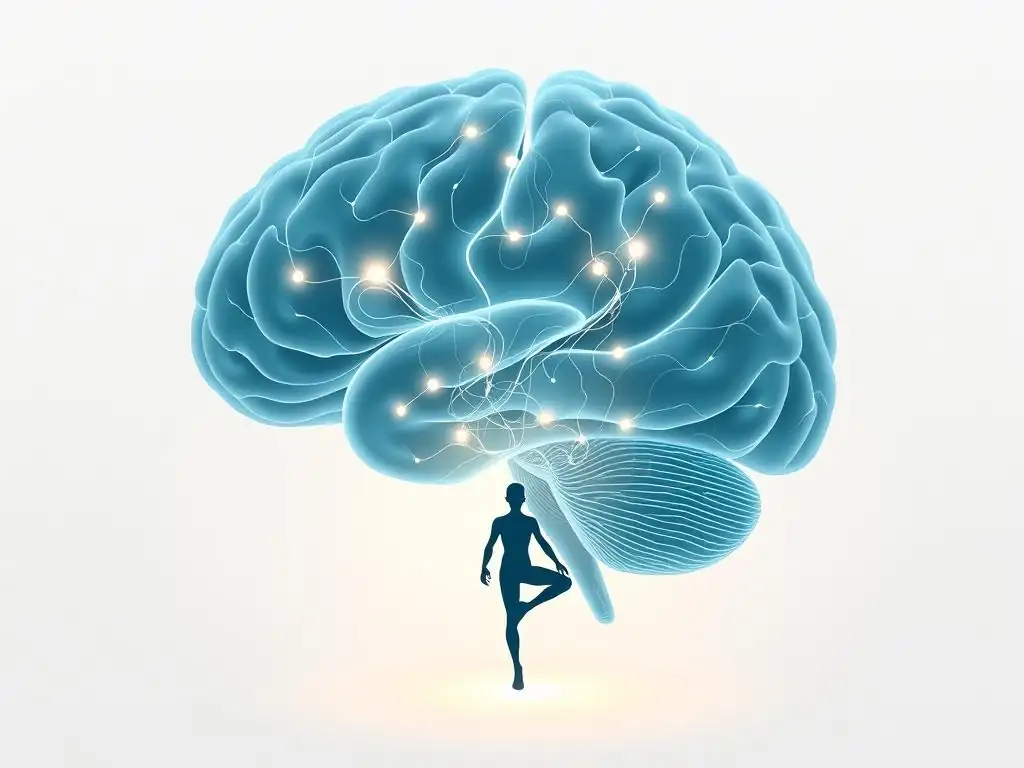
One of the most exciting aspects of exercise's impact on anxiety is its ability to promote positive neuroplasticity. Movement isn't just changing your body; it's actively changing your brain structure and function in ways that can counteract the negative effects of chronic stress and anxiety. This process of "rewiring" the anxious brain involves several key mechanisms, from growing new brain cells to strengthening beneficial neural connections.
Exercise-Induced Neurogenesis: Growing New Brain Cells to Combat Anxiety
Neurogenesis, the process of creating new neurons, was once thought to be limited to early development. However, research has shown that neurogenesis continues throughout life, particularly in the hippocampus, a brain region critical for learning, memory, and mood regulation. Chronic stress and anxiety can suppress neurogenesis in the hippocampus, potentially contributing to mood and memory problems. Excitingly, aerobic exercise is one of the most potent known stimuli for promoting neurogenesis in this vital area.
Studies in rodents have shown significant increases in hippocampal neurogenesis following periods of voluntary running. While directly measuring neurogenesis in living humans is challenging, research using brain imaging techniques suggests that exercise can increase hippocampal volume, which is correlated with the birth and survival of new neurons. By promoting the growth of new brain cells in the hippocampus, exercise helps to counteract the damage caused by chronic stress and enhances the function of a region crucial for emotional resilience and the ability to exercise reduce anxious brain responses to stimuli.
Strengthening Neural Pathways: How Exercise Builds Resilience to Stress
Beyond growing new cells, exercise also strengthens and modifies existing neural pathways. Regular physical activity can enhance the connectivity between the prefrontal cortex (the brain's executive control center) and the amygdala (the fear center). This improved communication allows the prefrontal cortex to exert greater inhibitory control over the amygdala, meaning you become better equipped to regulate your fear and worry responses. Instead of the amygdala automatically triggering a full-blown anxiety response, the prefrontal cortex can step in, assess the situation more rationally, and modulate the intensity of the emotional reaction.
Exercise also impacts pathways involving neurotransmitters like GABA, which has an inhibitory effect on brain activity. Increased GABAergic activity can help quiet down the overactive neural circuits associated with anxiety. Furthermore, by improving overall brain health and blood flow, exercise supports the optimal functioning of neural networks involved in stress processing and emotional regulation. This strengthening of beneficial pathways is a key mechanism by which exercise helps to rewire the anxious brain, making it more resilient to stressors and reducing the likelihood of falling into anxious thought patterns.
Enhanced Cognitive Function and Emotional Regulation: The Neuroplastic Benefits of Exercise
The neuroplastic changes induced by exercise extend beyond anxiety reduction, contributing to enhanced cognitive function and improved emotional regulation more broadly. Regular physical activity has been linked to improvements in executive functions such as planning, working memory, and cognitive flexibility – skills that are often impaired by anxiety. These cognitive benefits may arise partly from exercise-induced increases in brain-derived neurotrophic factor (BDNF), a protein that supports the growth, survival, and function of neurons and synapses.
Improved emotional regulation is another significant benefit. By strengthening the prefrontal cortex and its connections to limbic areas, exercise helps individuals better manage their emotional responses. This means being less reactive to negative stimuli, recovering more quickly from stressful events, and experiencing greater emotional stability. These combined cognitive and emotional benefits underscore how exercise promotes positive neuroplasticity that creates a brain environment less susceptible to anxiety and better equipped to handle life's challenges, helping individuals exercise reduce anxious brain states effectively.
Types of Exercise Best Suited for Anxiety Relief
While the benefits of physical activity for anxiety are broad, certain types of exercise may offer particular advantages or appeal to different individuals. The key is finding activities that are enjoyable, sustainable, and align with your fitness level and preferences. Consistency is often more important than intensity when it comes to managing anxiety.
Aerobic Exercise and Anxiety: A Powerful Combination
Aerobic exercise, or cardio, is perhaps the most extensively studied type of exercise for its effects on anxiety and mood. Activities like running, swimming, cycling, brisk walking, or dancing elevate your heart rate and increase blood flow to the brain. This increased circulation delivers more oxygen and nutrients, supporting brain health and function. As mentioned earlier, aerobic exercise is particularly effective at promoting neurogenesis in the hippocampus and releasing endorphins and other mood-boosting neurotransmitters.
Studies have shown that even moderate-intensity aerobic exercise, performed consistently, can significantly reduce anxiety symptoms. For example, a study published in the Journal of Clinical Psychiatry found that participants with major depressive disorder and anxiety who engaged in aerobic exercise experienced significant symptom reduction. The rhythmic nature of many aerobic activities can also have a meditative quality, helping to interrupt cycles of anxious rumination. Aiming for around 30 minutes of moderate aerobic activity most days of the week is a common recommendation for general mental health benefits.
Strength Training and Anxiety: Building Physical and Mental Strength
While often associated with building muscle, strength training also offers significant benefits for mental health, including anxiety reduction. Lifting weights, using resistance bands, or performing bodyweight exercises can improve self-efficacy and body image, which can positively impact mood and reduce anxiety related to self-perception. Strength training also contributes to better sleep quality, a crucial factor in managing anxiety.
Furthermore, strength training triggers hormonal responses that can be beneficial. It can lead to increased levels of growth factors like IGF-1, which, like BDNF, support brain health and function. The focus and concentration required during strength training can also serve as a form of mindfulness, diverting attention away from anxious thoughts. Incorporating 2-3 sessions of strength training per week can complement aerobic exercise in a comprehensive plan to exercise reduce anxious brain activity and build overall resilience.
Mind-Body Practices: Yoga, Tai Chi, and Mindfulness for Anxiety Reduction
Mind-body practices like yoga, Tai Chi, and Qigong combine physical movement with mindfulness, breath control, and meditation, offering a holistic approach to anxiety relief. These practices emphasize the connection between the physical body and the mental state, teaching techniques to calm the nervous system and increase self-awareness. The slow, deliberate movements and focus on breath in yoga and Tai Chi can activate the parasympathetic nervous system, promoting relaxation and counteracting the "fight or flight" response associated with anxiety.
Research on yoga for anxiety has shown promising results, indicating reductions in symptom severity, particularly in individuals with generalized anxiety disorder and panic disorder. Similarly, studies suggest that Tai Chi can reduce stress and anxiety and improve mood. These practices offer a gentle yet effective way to move the body while simultaneously training the mind to be more present and less reactive to anxious thoughts. They are excellent options for individuals seeking a less intense physical activity or those who benefit from the meditative aspects of movement, contributing uniquely to the goal of using exercise reduce anxious brain symptoms.
Creating an Exercise Plan for Anxiety Management
Embarking on an exercise routine specifically to manage anxiety requires thoughtful planning and a realistic approach. It's not about becoming an elite athlete overnight, but about finding sustainable ways to incorporate movement into your life consistently. A well-structured plan can help you stay motivated and track your progress.
Setting Realistic Goals for Anxiety Relief Through Exercise
When starting to use exercise to reduce anxious brain activity, it's crucial to set goals that are achievable and specific. Instead of aiming for "exercise more," try "walk for 20 minutes, three times this week" or "attend one yoga class." Start small, especially if you're new to exercise or returning after a break. Achieving small goals builds confidence and momentum, making it easier to stick with your plan. Consider using the SMART framework for goal setting: Specific, Measurable, Achievable, Relevant, and Time-bound.
For example, a SMART goal might be: "I will walk briskly for 30 minutes in my neighborhood every Monday, Wednesday, and Friday morning for the next four weeks to help reduce my anxiety symptoms." This goal is specific (what, where, when), measurable (30 minutes, three times a week), achievable (assuming physical ability), relevant (linked to anxiety reduction), and time-bound (four weeks). Celebrate your successes, no matter how small, as you build this new habit.
Finding the Right Exercise Routine for Your Needs and Preferences
The "best" exercise for anxiety is the one you will actually do consistently. Explore different types of activities – solo activities like running or cycling, group classes like Zumba or spin, mind-body practices like yoga or Tai Chi, or even recreational sports. Consider what you enjoy, what fits your schedule, and what feels physically comfortable. If you dislike gyms, explore outdoor activities or home workouts. If you thrive on social interaction, join a group class or find an exercise buddy.
Factor in your current fitness level and any physical limitations. Start slowly and gradually increase intensity, duration, or frequency. Consulting with a doctor or physical therapist before starting a new routine is always wise, especially if you have pre-existing health conditions. The goal is to find a routine that feels sustainable and enjoyable, making it a positive part of your life rather than another source of stress, thereby effectively helping you exercise reduce anxious brain patterns long-term.
Incorporating Exercise into Your Daily Life: Practical Tips and Strategies
Making exercise a consistent habit requires finding ways to fit it into your busy schedule. Look for opportunities to build movement into your day naturally, such as taking the stairs instead of the elevator, walking or biking to work or errands if possible, or taking short walking breaks during the workday. Schedule your workouts like any other important appointment. Put it in your calendar and treat it as non-negotiable time for your mental and physical health.
Prepare in advance: lay out your workout clothes the night before, pack your gym bag, or plan your route. Having everything ready reduces barriers when it's time to exercise. Find ways to make it more appealing: listen to podcasts or music, watch a show while on a stationary bike, or meet up with a friend.
Track your progress using a journal, app, or wearable device; seeing how far you've come can be a powerful motivator. Be flexible and forgiving; if you miss a workout, don't dwell on it, just get back on track with the next one. Consistency over perfection is key when using exercise reduce anxious brain tendencies.
Maintaining Consistency and Overcoming Challenges

Starting an exercise routine is one step; maintaining it consistently, especially when facing challenges, is another. Life happens, and there will be days when motivation is low, schedules are packed, or physical issues arise. Having strategies in place to navigate these obstacles is crucial for long-term success in using exercise to manage anxiety.
Staying Motivated with Your Exercise Routine for Anxiety
Motivation can ebb and flow, and relying solely on bursts of enthusiasm is often unsustainable. Develop strategies that support consistent action even when motivation is low. Connect your exercise routine explicitly to your goal of reducing anxiety; remind yourself why you are doing this. Focus on how you feel after exercising – the sense of accomplishment, reduced tension, and improved mood – rather than just the effort required beforehand.
Vary your routine to prevent boredom. Try different types of exercise, explore new routes, or incorporate new music playlists. Find social support by exercising with friends, joining a group, or participating in online fitness communities. Reward yourself for reaching milestones (non-food rewards!). Visualize yourself successfully completing your workouts and experiencing the benefits. Understand that some days will be harder than others, and that's okay; the goal is to show up most of the time, building the consistent habit that helps exercise reduce anxious brain activity.
Addressing Physical Limitations and Injuries: Modifications and Alternatives
Physical limitations, chronic conditions, or injuries can present significant challenges to maintaining an exercise routine. It's essential to listen to your body and avoid pushing through pain that could cause further harm. If you experience pain or discomfort, consult with a healthcare professional or physical therapist to understand the cause and get guidance on safe activities.
Often, modifications can be made to exercises to accommodate limitations. For example, if running is too hard on your joints, try swimming or cycling. If standing for long periods is difficult, explore seated exercises.
If a specific injury prevents you from doing your usual activity, find alternative forms of exercise that don't stress the injured area. Water aerobics, gentle yoga, or physical therapy-guided exercises can be excellent alternatives. The key is to find some form of movement you can safely perform consistently, maintaining the habit of using exercise reduce anxious brain symptoms even when your preferred activity is temporarily out of reach.
When to Seek Professional Guidance: Consulting with Healthcare Professionals
While exercise is a powerful tool for managing anxiety, it is not a substitute for professional medical or psychological care, especially for moderate to severe anxiety disorders. It's important to consult with healthcare professionals – your doctor, a therapist, or a psychiatrist – to discuss your anxiety symptoms and develop a comprehensive treatment plan. Exercise can and should be a part of this plan, but it may need to be used in conjunction with therapy (like CBT or exposure therapy) or medication.
If your anxiety is severe, debilitating, or accompanied by suicidal thoughts, seek professional help immediately. A doctor can rule out any underlying physical causes for your symptoms and recommend appropriate treatment options. A mental health professional can provide tailored therapeutic strategies to address the root causes of your anxiety and teach coping skills. Discussing your exercise goals with your doctor can also ensure your routine is safe and appropriate for your overall health, maximizing its benefits in helping you exercise reduce anxious brain symptoms effectively.
The Long-Term Benefits of Exercise on Mental Well-being
The positive impact of exercise on mental health extends far beyond immediate anxiety reduction. Consistent physical activity contributes to sustained improvements in mood, cognitive function, and overall resilience, laying a foundation for long-term well-being and playing a crucial role in maintaining a healthier, less anxious brain over time.
Reduced Risk of Anxiety Relapse Through Consistent Exercise
Regular exercise acts as a protective factor against the recurrence of anxiety symptoms. By promoting positive neuroplasticity, regulating stress hormones, and improving emotional regulation skills, consistent physical activity builds a more resilient brain less susceptible to falling back into anxious patterns. The neural pathways for calm and resilience are strengthened, while the hyperactive fear responses are dampened.
Studies tracking individuals over time show that those who maintain regular exercise habits are less likely to experience a return of anxiety symptoms compared to those who do not exercise. It helps maintain the beneficial changes achieved through therapy or medication, providing an ongoing biological buffer against stress. Think of it as ongoing maintenance for your brain's anxiety-regulating systems, making it harder for the anxious brain to regain dominance.
Improved Mood, Sleep, and Overall Quality of Life
The benefits of exercise cascade into multiple areas of life that are often negatively impacted by anxiety. Regular physical activity is well-known for its antidepressant effects, improving overall mood and reducing feelings of hopelessness or sadness that can co-occur with anxiety. It also significantly improves sleep quality by helping to regulate sleep-wake cycles and reducing the physical tension that can interfere with falling asleep. Better sleep, in turn, is critical for mood regulation and reducing anxiety.
Furthermore, exercise contributes to improved physical health, increased energy levels, and a greater sense of self-efficacy and accomplishment. These factors collectively enhance overall quality of life. When you feel better physically, sleep better, and have more energy, you are better equipped to engage in daily activities, pursue interests, and maintain social connections – all of which contribute to a more fulfilling life and serve as powerful counterweights to anxiety.
Exercise as a Foundation for a Healthier, More Resilient Brain
Ultimately, exercise is not just a temporary fix for anxiety; it's an investment in the long-term health and resilience of your brain. The cumulative effects of consistent movement – promoting neurogenesis, strengthening neural connections, regulating stress systems, and improving cognitive function – create a brain environment that is fundamentally healthier and better equipped to handle the stresses of life.
This structural and functional enhancement means that your brain becomes more efficient at managing emotional responses, recovering from stressors, and maintaining a balanced state. By consistently choosing to move your body, you are actively contributing to the positive rewiring of your brain, building a robust foundation for mental well-being that helps you exercise reduce anxious brain tendencies and live a life with greater calm and resilience.
Conclusion: Exercise and Neuroplasticity for Anxiety
Anxiety is a challenging condition deeply rooted in the brain's structure and function, but the science of neuroplasticity offers hope. The brain's remarkable ability to change and adapt provides a pathway to recovery, and exercise emerges as a powerful, evidence-based tool to facilitate this positive transformation.
The Power of Exercise in Promoting Brain Rewiring and Reducing Anxiety
We have seen how exercise directly impacts the anxious brain by regulating the stress response, modulating neurotransmitter levels, promoting neurogenesis in crucial areas like the hippocampus, and strengthening beneficial neural pathways between regions like the prefrontal cortex and the amygdala. These physiological and neurobiological changes collectively work to counteract the maladaptive patterns associated with anxiety disorders, helping individuals to exercise reduce anxious brain activity and build resilience.
From aerobic activities that boost mood and circulation to strength training that builds physical and mental fortitude, and mind-body practices that cultivate calm and self-awareness, various forms of movement contribute to a healthier brain environment. By incorporating regular physical activity, individuals can actively participate in the process of rewiring their brains for greater calm and less reactivity to stress.
The Importance of a Holistic Approach to Anxiety Management
While the evidence for exercise as a tool for anxiety reduction is compelling, it is most effective when viewed as part of a holistic approach to mental well-being. Exercise complements other evidence-based strategies such as therapy, mindfulness practices, adequate sleep, balanced nutrition, and potentially medication, depending on the severity of symptoms.
A comprehensive approach addresses the multifaceted nature of anxiety, tackling its biological, psychological, and social components. Exercise provides a powerful biological foundation by fostering positive neuroplasticity, while therapy can help address cognitive patterns and coping skills, and lifestyle factors support overall health. Embracing exercise as a core component of your mental health strategy is a proactive step towards building a more resilient mind and effectively helping you exercise reduce anxious brain symptoms in the long term.
Future Research Directions in Exercise and Neuroplasticity for Anxiety
Research into the precise mechanisms by which exercise impacts neuroplasticity and anxiety is ongoing. Future studies may delve deeper into identifying optimal exercise types, intensities, and durations for specific anxiety disorders. Further investigation into the molecular and genetic factors that influence an individual's response to exercise is also a promising area.
Understanding how exercise interacts with other interventions, such as specific types of therapy or medication, could lead to more personalized and effective treatment plans. As technology advances, non-invasive brain imaging techniques may provide clearer insights into the real-time neuroplastic changes occurring with exercise in humans. Continued research will undoubtedly further illuminate the profound connection between movement and the brain's capacity for healing, strengthening the case for exercise as a fundamental strategy to exercise reduce anxious brain states and promote mental well-being.
Frequently Asked Questions
How exactly does exercise help reduce anxiety in the brain?
Exercise promotes neuroplasticity, which allows the brain to rewire itself. This rewiring can diminish the impact of anxiety by strengthening pathways associated with calm and resilience.
What types of exercise are most effective for reducing anxiety?
While any exercise can be beneficial, aerobic exercises like running and swimming are particularly effective. Mindfulness-based movement such as yoga and tai chi also help regulate the nervous system and reduce anxiety.
How much exercise is needed to see a noticeable reduction in anxiety symptoms?
Consistency is key. Aim for at least 30 minutes of moderate-intensity exercise, most days of the week. Even short bursts of activity throughout the day can accumulate and make a difference.
Can exercise completely replace medication for anxiety?
Exercise can be a powerful tool for managing anxiety, but it's not always a complete replacement for medication. It's crucial to consult with a mental health professional to determine the best course of treatment. Combined approaches are often most effective.
What if I'm already feeling too anxious to even begin exercising?
Start small. Even a 10-minute walk or some simple stretches can help. Focus on how your body feels during and after the activity, and celebrate small victories to build momentum and reduce anxiety.
Final Reflection: Moving Towards a Calmer Mind
The inextricable link between physical activity and mental well-being is no longer a fringe theory; it's a fundamental truth with profound implications for our increasingly anxious world. The research presented in this article clearly demonstrates how exercise, far from being a mere physical pursuit, is a powerful tool for reshaping the brain's architecture and mitigating the debilitating effects of anxiety. We've explored the mechanisms of neuroplasticity, the role of neurotransmitters, and the tangible benefits of consistent movement on reducing anxious thoughts and feelings.
The impact of this understanding extends far beyond the individual. As a society, we are grappling with unprecedented levels of stress and anxiety, and the solutions often feel elusive. The simple act of incorporating regular exercise into our lives offers a readily accessible, cost-effective, and profoundly impactful intervention. The body achieves what the mind believes.
This quote, while often attributed to various sources, encapsulates the power of our minds to influence our physical state, and vice-versa. The positive feedback loop between physical activity and mental clarity is a testament to this interconnectedness. We are not merely bodies with minds, but integrated beings where physical health directly impacts mental well-being.
Now, consider your own life. What small steps can you take today to integrate more movement into your routine? Perhaps it's a brisk walk during your lunch break, a short yoga session before bed, or simply taking the stairs instead of the elevator. Don't underestimate the cumulative effect of these seemingly small choices. By embracing the power of exercise, you are not just improving your physical health; you are actively cultivating a calmer, more resilient mind, building a stronger foundation for a happier and more fulfilling life. Start moving, start changing.
Unleash Your Brain's Power: Move Anxiety Away!
Thanks for taking the time to explore the incredible connection between exercise and a calmer mind! You've now discovered how movement can reshape your brain for the better. Ready to put this knowledge into action?
- Prioritize a single, enjoyable movement: Choose one activity — a brisk walk, a dance class, even a playful game with your pet — and schedule it into your week. This is your key to unlocking neuroplasticity's potential.
- Share your movement journey: Inspire others by sharing your experience and favorite activities on social media! Use the hashtag #MindfulMovement.
- Join our community: Find support and encouragement from others striving for a calmer, more resilient mind. Head to our forums to connect!
What small step will you take today to cultivate a more positive relationship with your body and mind?