
Mindfulness Techniques to Ground Yourself Amidst Climate Anxiety


Welcome to Mind Care Guide, a sanctuary dedicated to your mental well-being.
Feeling overwhelmed by the state of our planet? You're not alone. Many are experiencing climate anxiety, a very real and impactful emotion. But what if there was a way to find your center amidst the storm? Explore our guide on Mindfulness for Climate Anxiety and discover practical techniques to ground yourself and cultivate inner peace. Let's navigate these challenging times together.
Mindfulness Techniques to Ground Yourself Amidst Climate Anxiety
- Understanding Climate Anxiety and Its Impact on Mental Well-being
- The Power of Mindfulness for Climate Anxiety: Finding Inner Peace
-
Practical Mindfulness Techniques for Climate Anxiety Relief
- Breathing Exercises for Grounding: Diaphragmatic Breathing and Box Breathing
- Body Scan Meditation for Present Moment Awareness: Reconnecting with Your Body
- Mindful Walking in Nature: Connecting with the Earth and Reducing Stress
- Gratitude Practices for a Positive Outlook: Shifting Focus to What You Appreciate
- Integrating Mindfulness into Daily Life for Long-Term Climate Anxiety Management
- Resources and Support for Managing Climate Anxiety
- Conclusion: Cultivating Resilience Through Mindfulness in the Face of Climate Change
-
Frequently Asked Questions
- What is mindfulness, and how can it help with climate anxiety?
- What are some specific mindfulness techniques I can use to manage climate anxiety?
- How often should I practice mindfulness to see a difference in my climate anxiety?
- Can mindfulness completely eliminate climate anxiety?
- Where can I find more resources and support for climate anxiety and mindfulness practices?
- Final Reflection: Finding Stillness in a Changing World
- Unleash Your Inner Calm: Practical Steps to Manage Climate Anxiety
Understanding Climate Anxiety and Its Impact on Mental Well-being
Defining Climate Anxiety: The Emotional Toll of Environmental Concerns
Climate anxiety, often referred to as eco-anxiety, is a chronic fear of environmental doom. It's a psychological response to the escalating climate crisis, encompassing feelings of worry, distress, and apprehension about the current and future state of the planet. This anxiety is not a clinical disorder in itself but rather a rational reaction to a real threat, manifesting as profound emotional and psychological distress related to environmental problems like global warming, loss of biodiversity, and natural disasters.
The phenomenon is increasingly recognized by mental health professionals as a significant concern, particularly among younger generations who face a lifetime under the shadow of climate change impacts. While not everyone experiences eco-anxiety to the same degree, a significant portion of the population reports feeling overwhelmed or burdened by climate-related news and events. A 2021 study published in The Lancet Planetary Health, surveying 10,000 young people aged 16-25 across 10 countries, revealed that 59% were very or extremely worried about climate change, and over 45% reported that their feelings about climate change negatively affected their daily life.
Recognizing the Symptoms of Climate Anxiety: Increased Heart Rate, Insomnia, and Feelings of Helplessness
The symptoms of climate anxiety can vary widely, presenting as a mix of emotional, cognitive, and physical manifestations. Emotionally, individuals might experience persistent worry, sadness, anger, guilt, or grief related to environmental losses. Cognitively, symptoms include difficulty concentrating on non-climate issues, obsessive thoughts about environmental problems, and catastrophic thinking about the future.
Physically, climate anxiety can mirror the symptoms of other anxiety disorders, including increased heart rate, shortness of breath, digestive issues, muscle tension, and headaches. Insomnia and other sleep disturbances are also commonly reported as people lie awake worrying about the planet. A pervasive feeling of helplessness or powerlessness in the face of such a large, systemic problem is a hallmark symptom, often leading to withdrawal, avoidance, or despair.
How Climate Change Affects Mental Health: The Link Between Environmental Crisis and Anxiety
The link between climate change and mental health is multifaceted and increasingly evident. Direct impacts of climate change, such as experiencing extreme weather events (like hurricanes, floods, or wildfires), can lead to acute trauma, PTSD, depression, and anxiety. For example, communities affected by major disasters often see a significant rise in mental health issues in the months and years following the event.
Beyond direct experience, the indirect impacts contribute significantly to anxiety. Constant exposure to news about environmental degradation, anticipating future impacts, and grappling with the scale of the crisis can create a chronic state of stress. This persistent worry about an uncertain future, coupled with feelings of lack of control, is a breeding ground for anxiety, including the specific form of climate anxiety. Furthermore, the disruption of communities, loss of livelihoods tied to the environment (e.g., farming, fishing), and forced migration due to climate impacts can erode social support systems, exacerbating mental health vulnerabilities.
The Power of Mindfulness for Climate Anxiety: Finding Inner Peace
What is Mindfulness? A Simple Definition and Explanation
Mindfulness is the practice of intentionally bringing one's attention to the present moment without judgment. It involves observing your thoughts, feelings, bodily sensations, and the surrounding environment with curiosity and acceptance. It's not about emptying the mind or achieving a state of blissful calm, but rather about developing a different relationship with your internal and external experiences, acknowledging them as they are without getting swept away by them.
At its core, mindfulness is a form of mental training that enhances awareness and presence. It can be cultivated through various techniques, including meditation, mindful breathing, mindful eating, or simply paying attention to everyday activities. Regular practice helps to step out of automatic pilot mode and respond to situations, including distressing thoughts about climate change, with more clarity and less reactivity.
The Benefits of Mindfulness in Managing Anxiety: Studies Showing Reduced Cortisol Levels and Improved Emotional Regulation
Numerous studies have demonstrated the effectiveness of mindfulness practices in reducing symptoms of general anxiety and stress. Research indicates that consistent mindfulness practice can lead to physiological changes associated with stress reduction, such as lower levels of cortisol, the body's primary stress hormone. For instance, a study published in Health Psychology in 2014, a meta-analysis of 47 clinical trials, found that mindfulness-based stress reduction (MBSR) and mindfulness-based cognitive therapy (MBCT) interventions significantly reduced symptoms of anxiety and depression in diverse populations.
Furthermore, mindfulness helps to improve emotional regulation. By practicing non-judgmental observation of thoughts and feelings, individuals learn to recognize anxious thought patterns without identifying with them completely. This creates psychological distance, reducing the intensity and duration of anxious episodes. Studies using fMRI have shown that mindfulness training can lead to changes in brain areas associated with emotion processing, such as the amygdala (involved in fear response) and the prefrontal cortex (involved in executive control and regulation).
How Mindfulness Can Help with Climate Anxiety: Shifting Focus and Reducing Overwhelm
Mindfulness offers a powerful approach to managing climate anxiety specifically because it addresses key components of this distress: overwhelm, catastrophic thinking, and feelings of helplessness. By training the mind to stay grounded in the present moment, mindfulness helps counter the tendency to spiral into future-oriented worries about climate collapse. It allows individuals to acknowledge their fears and concerns about climate change without being consumed by them.
Practicing mindfulness for climate anxiety involves recognizing the thoughts and emotions related to the environmental crisis as temporary mental events, not absolute truths about the present moment. This shift in perspective can reduce the feeling of overwhelm. It also cultivates a greater sense of agency by allowing individuals to focus on what they can do in the present, whether it's taking personal action, engaging in advocacy, or simply finding moments of peace and resilience. This shift from constant worry to present-moment awareness is crucial for maintaining mental well-being in the face of ongoing environmental challenges.
Practical Mindfulness Techniques for Climate Anxiety Relief
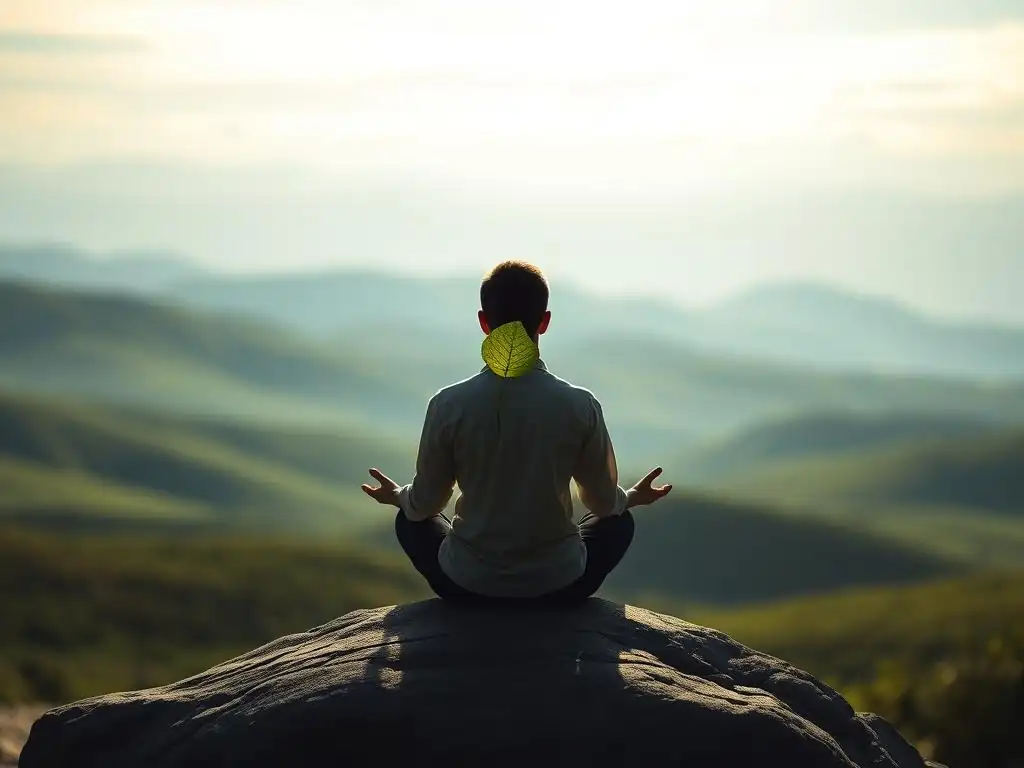
Breathing Exercises for Grounding: Diaphragmatic Breathing and Box Breathing
Breathing exercises are fundamental mindfulness techniques that can quickly calm the nervous system and ground you when feeling overwhelmed by climate anxiety. Focusing on the breath anchors you to the present moment, interrupting the cycle of anxious thoughts.
How to Practice Diaphragmatic Breathing for Anxiety Reduction
Diaphragmatic breathing, or belly breathing, encourages full oxygen exchange and slows your heart rate.
- Find a comfortable position, either sitting or lying down.
- Place one hand on your chest and the other on your belly, just below your rib cage.
- Inhale slowly through your nose, feeling your belly rise as your diaphragm contracts and pulls air into your lungs. Your chest should remain relatively still.
- Exhale slowly through your mouth, gently pressing your belly inward to help expel the air.
- Repeat for several minutes, focusing your attention solely on the sensation of your breath moving in and out of your body and the rise and fall of your belly. Aim for a slightly longer exhale than inhale.
Box Breathing Technique: A Simple Way to Calm Your Nerves
Box breathing is a simple, four-part technique used by first responders and military personnel to regulate breathing and induce calm.
- Find a comfortable seated position.
- Exhale completely, letting all the air out of your lungs.
- Inhale slowly through your nose for a count of four.
- Hold your breath at the top of the inhale for a count of four.
- Exhale slowly through your mouth for a count of four.
- Hold your breath at the bottom of the exhale for a count of four.
- Repeat the cycle, visualizing the shape of a box as you move through the four steps.
Body Scan Meditation for Present Moment Awareness: Reconnecting with Your Body
A body scan meditation involves systematically bringing mindful attention to different parts of your body. This practice helps to cultivate present moment awareness and can release physical tension often held during periods of anxiety, including mindfulness for climate anxiety.
Step-by-Step Guide to Body Scan Meditation
- Lie down comfortably on your back, or sit upright if preferred. Let your arms rest at your sides, palms up or down. Close your eyes gently if that feels comfortable.
- Bring your awareness to your breath for a few moments, noticing the natural rhythm of inhalation and exhalation.
- Shift your attention to your feet. Simply notice any sensations present – warmth, coolness, tingling, pressure – without trying to change anything. If your mind wanders, gently guide it back to your feet.
- Slowly move your attention up through your body, spending time with each area: ankles, lower legs, knees, thighs, hips, lower back, abdomen, upper back, chest, shoulders, arms, hands, neck, face, and finally the top of your head.
- As you focus on each area, acknowledge any sensations you find, whether pleasant, unpleasant, or neutral. If you encounter tension, you can try breathing into that area, imagining the breath softening it, but without forcing it.
- After scanning your entire body, rest in a state of awareness of your body as a whole for a few moments before gently opening your eyes.
Benefits of Body Scan Meditation for Climate Anxiety
Body scan meditation can be particularly helpful for climate anxiety by grounding you in the physical reality of your body when your mind is racing with abstract or future-oriented worries. It helps to interrupt the cycle of rumination and brings you back to the present, safe moment. By becoming more aware of where you hold tension related to stress, you can consciously work to release it. This practice also cultivates a sense of embodiment, reminding you that you are a physical being connected to the Earth, which can sometimes foster a sense of connection rather than just fear.
Mindful Walking in Nature: Connecting with the Earth and Reducing Stress
Combining the practice of mindfulness with time spent in nature is a potent antidote to stress and anxiety. Engaging in mindful walking allows you to connect deeply with your surroundings and experience the restorative power of the natural world, which can be particularly healing when grappling with climate concerns.
Finding Peace in Nature: The Healing Power of Green Spaces
Research consistently shows that spending time in nature has significant mental health benefits. Studies have indicated that exposure to green spaces can lower blood pressure, reduce levels of stress hormones like cortisol, and improve mood. For example, a 2010 study in Environmental Health Perspectives found that people living closer to green spaces reported less anxiety and depression. Nature provides a sense of perspective and connection, reminding us of the beauty and resilience of the planet, which can be a comforting counterpoint to climate anxiety.
Mindful Walking Exercise: Paying Attention to Your Surroundings
Instead of rushing through a walk, mindful walking involves engaging your senses and paying deliberate attention to the experience.
- Find a natural setting if possible – a park, forest path, or even a garden.
- Begin by bringing awareness to your breath.
- Then, shift your attention to the physical sensation of walking – the feeling of your feet touching the ground, the movement of your legs, the swing of your arms.
- Expand your awareness to include your surroundings. What do you see? Notice the colors, shapes, and textures of plants, trees, and the sky. What do you hear? Listen to the sounds of birds, rustling leaves, or water. What do you smell? Inhale the scent of soil, flowers, or rain.
- Walk at a comfortable pace, allowing yourself to fully absorb the sensory experience without judgment or analysis. If your mind drifts to worries about climate change, gently acknowledge the thought and guide your attention back to your sensory experience of the walk.
Gratitude Practices for a Positive Outlook: Shifting Focus to What You Appreciate
Cultivating gratitude can help shift your perspective away from overwhelming fears and towards appreciating the positive aspects of life and the natural world. This doesn't mean ignoring the reality of climate change, but rather finding balance and fostering resilience. Practicing gratitude can be a powerful component of managing mindfulness for climate anxiety.
Keeping a Gratitude Journal: A Daily Practice for Climate Anxiety
Regularly writing down things you are grateful for can retrain your brain to notice the positive.
- Set aside a few minutes each day, perhaps in the morning or evening.
- Write down 3-5 things you are genuinely grateful for. These can be small things (a beautiful sunset, a good cup of tea, a kind word from a friend) or larger ones (your health, loved ones, access to clean water).
- You might specifically include aspects of the natural world you appreciate – the resilience of a plant, the beauty of a cloud formation, the taste of fresh fruit.
- Focus on the feeling of gratitude as you write. This practice can help counter feelings of despair and helplessness often associated with climate anxiety.
Expressing Gratitude to Others: Building Connections and Reducing Isolation
Sharing your gratitude can strengthen social connections, which are vital for mental well-being. Climate anxiety can sometimes feel isolating, and connecting with others who understand or simply offer support is crucial.
- Make an effort to thank people genuinely, whether verbally or in writing. Express appreciation for their support, their efforts (including climate action), or simply their presence in your life.
- Consider expressing gratitude towards the natural world or specific elements of it, even if only in your thoughts during a mindful walk.
- Building a sense of connection to both people and the environment can foster resilience and counteract the isolation that climate anxiety can bring.
Integrating Mindfulness into Daily Life for Long-Term Climate Anxiety Management
Creating a Mindful Morning Routine: Setting the Tone for a Calm Day
Starting the day mindfully can set a positive tone and prepare you to face the day's challenges, including potential exposure to climate-related news. A mindful morning doesn't require hours; even a few minutes can make a difference in managing mindfulness for climate anxiety.
- Upon waking, instead of immediately checking your phone, take a few moments to simply notice your breath and the sensations in your body.
- Dedicate 5-10 minutes to a simple mindfulness practice, such as focused breathing, a short meditation, or a body scan.
- Practice mindful consumption of your morning beverage or meal, paying attention to the tastes, smells, and textures.
- Set an intention for the day – perhaps to approach challenges with patience or to notice moments of beauty. This can help ground you before engaging with the potentially anxiety-inducing external world.
Mindful Consumption: Making Conscious Choices to Reduce Environmental Impact
Integrating mindfulness into consumption habits involves becoming more aware of the environmental and social impact of your choices. This practice can help channel climate anxiety into positive, tangible action, reducing feelings of helplessness.
- Before making a purchase, pause and consider where the item came from, how it was produced, and its potential environmental footprint.
- Practice mindful eating by considering the journey of your food from farm to plate. Appreciate the resources and labor involved.
- Reduce waste mindfully by paying attention to what you consume and discard. Consider ways to reuse, reduce, and recycle with intention.
- This mindful approach to consumption allows you to align your actions with your values, fostering a sense of integrity and agency in the face of climate concerns. It transforms anxiety into conscious engagement.
Mindful Activism: Channeling Anxiety into Positive Action
Climate anxiety can be a powerful motivator for action, but it can also lead to burnout and despair. Mindful activism involves engaging in environmental advocacy or action from a place of presence and intention, rather than pure reactivity or panic.
- Before participating in activism, take a moment to ground yourself through mindful breathing.
- Engage in actions mindfully, paying attention to the process and your interactions with others, rather than solely focusing on the overwhelming scale of the problem or potential negative outcomes.
- Set realistic goals for your activism and celebrate small victories to avoid burnout.
- Practice self-compassion when faced with setbacks or feelings of frustration. Recognize that you are doing what you can, and that is enough in the present moment. Mindful activism allows you to contribute effectively while protecting your own mental well-being.
Resources and Support for Managing Climate Anxiety
Mindfulness Apps and Websites: Headspace, Calm
Accessing guided mindfulness practices can be a helpful starting point for managing climate anxiety. Several popular apps and websites offer guided meditations, breathing exercises, and courses on mindfulness.
- Apps like Headspace and Calm provide structured programs suitable for beginners and experienced practitioners alike. They offer meditations specifically designed for anxiety, stress, and sleep. While not all content is explicitly about climate anxiety, the core techniques are highly relevant.
- Websites like UCLA Health's Mindful Awareness Research Center (MARC) offer free guided meditations and resources. Many non-profit organizations focused on climate mental health also provide lists of recommended mindfulness resources.
Finding a Therapist Specializing in Eco-Anxiety: Seeking Professional Help
For individuals experiencing severe or debilitating climate anxiety, seeking professional psychological support is crucial. Therapists can provide tailored strategies and support for coping.
- Look for therapists who specialize in anxiety disorders or have experience with eco-anxiety or climate-aware therapy. The Climate Psychology Alliance and similar organizations in different regions often provide directories or resources for finding such professionals.
- Therapy can offer a safe space to process difficult emotions related to climate change, develop coping mechanisms, and build resilience. Approaches like Cognitive Behavioral Therapy (CBT) or Acceptance and Commitment Therapy (ACT) can be particularly helpful, often incorporating mindfulness principles.
Connecting with Climate-Aware Communities: Building Support Networks
Connecting with others who share similar concerns can significantly reduce feelings of isolation and helplessness associated with climate anxiety. Building support networks is a vital step in managing this form of anxiety.
- Look for local or online groups focused on climate action, environmentalism, or climate psychology. Sharing experiences and working together towards common goals can be empowering.
- Organizations like the Good Grief Network offer peer support programs specifically designed to help individuals process difficult emotions related to the ecological crisis through a structured, supportive approach.
- Engaging with communities fosters a sense of solidarity and shared purpose, counteracting the feeling that you are alone in your worries and efforts.
Conclusion: Cultivating Resilience Through Mindfulness in the Face of Climate Change
Climate anxiety is a valid and understandable response to the profound challenges posed by environmental change. While the issue is global and systemic, cultivating personal resilience is essential for navigating these difficult emotions and sustaining the capacity for action. Mindfulness for climate anxiety offers practical, evidence-based techniques to ground yourself, manage overwhelming feelings, and foster a greater sense of presence and agency.
By integrating practices like mindful breathing, body scans, mindful walking, and gratitude into your daily life, you can build inner resources to face the realities of climate change without being paralyzed by fear. These techniques help shift your focus from catastrophic future predictions to the present moment, allowing you to respond to the crisis from a place of calm strength rather than panic.
Seeking support from resources, therapists, and climate-aware communities further strengthens your ability to cope. Ultimately, mindfulness empowers you to cultivate resilience, find moments of peace amidst uncertainty, and channel your concern into meaningful, sustainable engagement with the world.
Frequently Asked Questions
What is mindfulness, and how can it help with climate anxiety?
Mindfulness is the practice of present moment awareness. It helps with climate anxiety by reducing overthinking about the future and grounding you in the now, promoting a sense of calm.
What are some specific mindfulness techniques I can use to manage climate anxiety?
Simple techniques include deep breathing exercises, mindful meditation, and focusing on your senses. These can help you regulate your emotions and reduce feelings of overwhelm.
How often should I practice mindfulness to see a difference in my climate anxiety?
Consistency is key. Aim for daily practice, even if it's just for a few minutes. Over time, regular mindfulness can build resilience and improve coping mechanisms.
Can mindfulness completely eliminate climate anxiety?
Mindfulness is a tool to manage anxiety, not necessarily eliminate it. It can help you cope with the emotional impact of climate change and reduce its intensity.
Where can I find more resources and support for climate anxiety and mindfulness practices?
Websites like Mind Care Guide offer information, resources, and support. You can also explore local mindfulness groups or consult with a mental health professional for personalized guidance.
Final Reflection: Finding Stillness in a Changing World
The escalating climate crisis is not just an environmental issue; it's a profound mental health challenge. The weight of impending ecological collapse can be paralyzing, leaving many feeling overwhelmed and hopeless. This article explored various mindfulness techniques as practical tools to navigate this anxiety, offering pathways to cultivate inner peace and resilience in the face of uncertainty.
The pervasive nature of climate anxiety is undeniable, shaping our collective consciousness and influencing how we interact with the world around us. It's a shared experience that transcends geographical boundaries and socio-economic divides. The urgency to act is palpable, yet the sheer scale of the problem can feel insurmountable. The greatest danger is not that our aim is too high and we miss it, but that it is too low and we reach it.
– Michelangelo. This quote reminds us that while the challenge is immense, our capacity for positive change, fueled by inner peace and mindful action, is equally powerful.
Now, consider how you can integrate these mindfulness practices into your daily life. Perhaps start with just five minutes of mindful breathing each day, or dedicate some time to connecting with nature. Remember, these techniques are not a cure-all, but rather valuable tools to help you manage your anxiety and find a sense of groundedness amidst the storm.
By cultivating inner peace, you empower yourself to engage with the climate crisis not from a place of fear and paralysis, but from a position of strength, clarity, and compassionate action. Let's face the future together, one mindful breath at a time.
Unleash Your Inner Calm: Practical Steps to Manage Climate Anxiety
Thanks for taking the time to explore practical mindfulness techniques for navigating climate anxiety. We hope you found valuable tools to help you feel more grounded and empowered. Now it's time to put these techniques into action!
- Prioritize your daily mindful practice: Even 5 minutes a day of deep breathing or meditation can significantly impact your stress levels. Make it a non-negotiable part of your routine.
- Share this article with someone who might benefit: Spread the word about these powerful tools for managing anxiety. A shared experience can create a stronger sense of community and support.
- Try a guided meditation specifically focused on environmental concerns: There are many free resources online that can provide support and structure to your mindfulness practice.
What small step will you take today to cultivate more inner peace amidst environmental challenges?