
Using Imagery in Mindfulness: Visualizing Calm to Reduce Stress

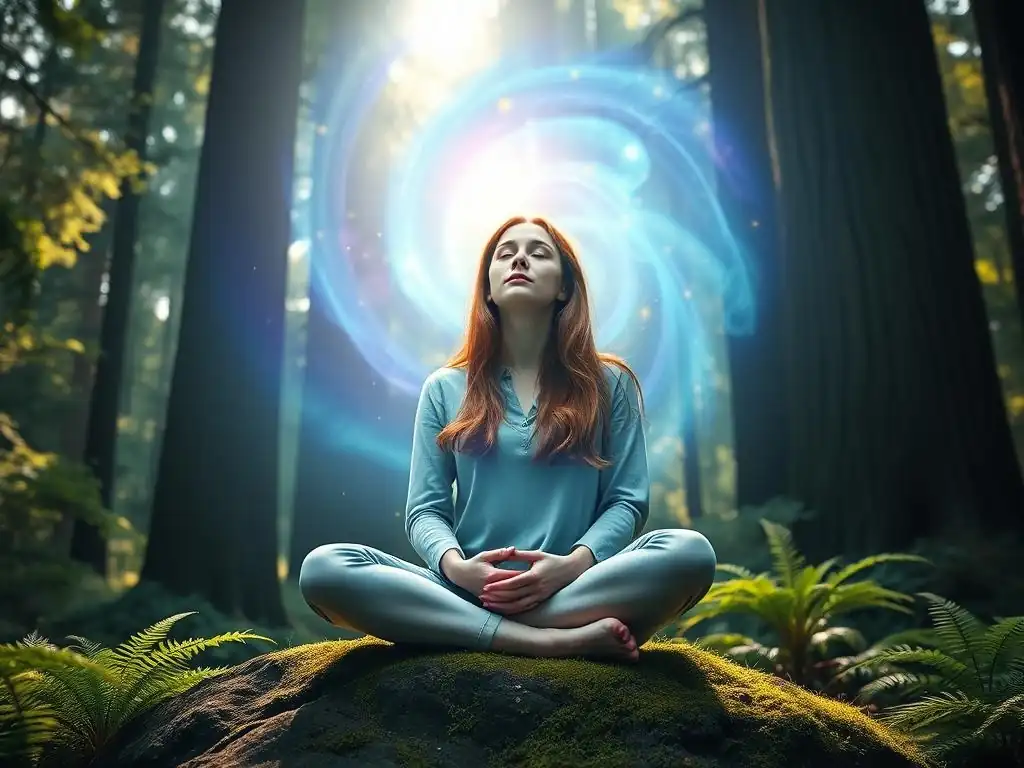
Welcome to Mind Care Guide, a space dedicated to nurturing your mental well-being.
Feeling overwhelmed by stress? You're not alone. Dive into our exploration of how using mindfulness imagery reduce stress. This simple yet powerful technique can help you visualize calm and find moments of peace amidst the chaos. Curious to learn how? Let's begin your journey to a more mindful and less stressed you...
Using Imagery in Mindfulness: Visualizing Calm to Reduce Stress
- Mind Care Guide's Approach to Mindfulness Imagery for Stress Relief
- What is Mindfulness Imagery and How Does it Work?
- Practical Techniques for Using Mindfulness Imagery to Reduce Stress
- Benefits of Regular Mindfulness Imagery Practice for Stress Reduction
-
Tips for Maximizing the Effectiveness of Mindfulness Imagery
- Start Small: Begin with Short Visualization Sessions
- Practice Regularly: Consistency is Key to Success
- Be Patient: It Takes Time to Develop Your Visualization Skills
- Experiment with Different Scenarios: Find What Works Best for You
- Combine Mindfulness Imagery with Other Stress-Reducing Techniques [e.g., Deep Breathing, Yoga]
- Overcoming Challenges in Mindfulness Imagery Practice
- Integrating Mindfulness Imagery into Your Daily Routine
- Resources for Further Exploration of Mindfulness Imagery
- Conclusion: Embracing the Power of Mindfulness Imagery for a Calmer Life
-
Frequently Asked Questions
- What is mindfulness imagery and how does it relate to stress reduction?
- How can I effectively use imagery in mindfulness practices?
- What types of images are most effective for stress reduction through mindfulness?
- How often should I practice mindfulness imagery to see noticeable stress reduction benefits?
- Are there any potential downsides or precautions to consider when using mindfulness imagery?
- Final Reflection: Cultivating Inner Peace Through Visual Imagery
- Unlock Your Inner Calm: Visualize Your Way to Peace
Mind Care Guide's Approach to Mindfulness Imagery for Stress Relief
Understanding Mindfulness & Its Role in Mental Well-being
Mindfulness is a state of active, open attention on the present moment. When you're mindful, you observe your thoughts and feelings from a distance, without judgment. This practice, rooted in ancient traditions but widely adopted in modern psychology, helps individuals become more aware of their internal and external experiences as they happen.
It's not about emptying your mind, but rather about changing your relationship with your thoughts and feelings, learning to notice them without getting swept away. Regular engagement with mindfulness techniques has been shown to significantly impact mental well-being, fostering a greater sense of peace and presence in daily life.
Decades of research support the profound benefits of mindfulness for mental health. Studies indicate that consistent mindfulness practice can lead to measurable changes in brain structure and function, particularly in areas related to attention, self-awareness, and emotional regulation. For instance, the amygdala, the brain's fear center, has been observed to show reduced activity in experienced meditators when presented with emotional stimuli. This neurobiological evidence underscores why mindfulness is a powerful tool, helping individuals navigate challenges like anxiety, depression, and chronic stress by cultivating a more resilient and adaptable mind.
Importance of Imagery in Mindfulness Practice
Imagery, or visualization, is a powerful complementary tool within mindfulness practice. While mindfulness teaches you to be present with whatever arises, imagery allows you to actively engage the mind in creating specific calming or positive mental landscapes. This isn't about escaping reality, but rather about using the mind's natural ability to generate internal experiences to evoke corresponding physiological and emotional responses. By intentionally bringing peaceful scenes to mind, you can counterbalance the mind's tendency to dwell on stressful thoughts and worries, actively promoting a state of calm.
Integrating imagery into mindfulness enhances its effectiveness, particularly when the goal is to reduce stress. The mind-body connection is profound; what we imagine can trigger real physical and emotional reactions. For example, simply thinking about biting into a sour lemon can make your mouth water. Similarly, visualizing a tranquil beach or a peaceful forest can activate the parasympathetic nervous system, counteracting the "fight or flight" response triggered by stress. This makes mindfulness imagery a direct and accessible method for shifting your internal state towards relaxation and away from tension.
What is Mindfulness Imagery and How Does it Work?
Defining Mindfulness Imagery: Creating Mental Pictures for Calm
Mindfulness imagery, often referred to as guided imagery or visualization, is a technique that involves creating vivid mental pictures or scenarios to promote relaxation, reduce stress, and enhance well-being. It's a focused form of imagination used with a mindful intention – remaining aware of the present moment while engaging in the visualization. The goal is not just to see the image but to fully immerse yourself in the sensory experience of that imagined place or situation, allowing the feelings of peace and calm associated with it to permeate your awareness.
Unlike simple daydreaming, mindfulness imagery is purposeful and often structured. It typically involves closing your eyes and deliberately constructing a detailed mental scene – perhaps a safe and serene place, a natural landscape, or even visualizing your body releasing tension. The power lies in the intentionality and the integration of sensory details – what you might see, hear, smell, feel, and even taste in that peaceful scene. This rich sensory engagement makes the visualization more real to the brain, amplifying its potential to evoke a relaxation response and effectively use mindfulness imagery to reduce stress.
The Science Behind Visualizing Calm and Stress Reduction
The brain doesn't always distinguish between a vividly imagined experience and a real one. When you visualize a calming scene, your brain can respond as if you are actually there. This involves activity in areas like the prefrontal cortex (involved in planning and decision-making) and the limbic system (involved in emotions and memory). By focusing on positive, peaceful imagery, you can effectively interrupt the negative thought loops and physiological arousal associated with stress and anxiety.
Research in psychophysiology has demonstrated that guided imagery can lead to measurable changes in the body, such as decreased heart rate, lower blood pressure, and reduced muscle tension. These are all indicators of the body shifting from a stress response to a relaxation state. The visualization acts as a mental rehearsal for calm, training the brain and body to access this state more readily. This scientifically supported connection highlights why incorporating visualization into your practice is a powerful way to use mindfulness imagery to reduce stress effectively.
How Mindfulness Imagery Activates the Relaxation Response
The relaxation response is a physiological state characterized by decreased metabolism, heart rate, breathing rate, and blood pressure. It's the opposite of the stress response. Mindfulness imagery helps activate this state primarily through the parasympathetic nervous system. By focusing the mind on peaceful images and sensations, you signal to your nervous system that you are safe and can relax. This deliberate shift in focus diverts attention away from perceived threats or stressors that would typically trigger the sympathetic nervous system (responsible for the "fight or flight" response).
Furthermore, engaging in detailed visualization requires concentration, which can help quiet the racing thoughts often associated with stress. As you focus on the colors, sounds, and feelings of your calming image, there is less mental energy available to fuel worries and anxieties. This focused attention, combined with the positive emotional content of the imagery, creates an environment conducive to the activation of the vagus nerve, a key component of the parasympathetic system, thereby promoting a deep state of relaxation and helping to use mindfulness imagery to reduce stress.
Practical Techniques for Using Mindfulness Imagery to Reduce Stress
Step-by-Step Guide to Guided Mindfulness Imagery
Guided mindfulness imagery is a structured practice that leads you through creating a calming mental scene. It's a popular technique for beginners and experienced practitioners alike to use mindfulness imagery to reduce stress.
Finding a Quiet Space and Comfortable Position
The first step is to find a location where you won't be disturbed for the duration of your practice, even if it's just 5-10 minutes. This could be a quiet room in your home, a peaceful spot in nature, or even a parked car. Ensure the temperature is comfortable and minimize potential distractions like phones or loud noises.
Once you've found your space, choose a comfortable position. This might be sitting upright in a chair with your feet flat on the floor, sitting cross-legged on a cushion, or even lying down if you are not prone to falling asleep. The key is to be relaxed but alert.
The physical environment plays a significant role in your ability to relax and focus. A calm, uncluttered space helps create a mental state conducive to visualization. Similarly, a comfortable posture reduces physical distractions, allowing you to fully immerse yourself in the internal experience. Experiment with different settings and positions to find what works best for you, ensuring that your chosen spot supports your intention to engage deeply with the mindfulness imagery practice aimed at stress reduction.
Focusing on Your Breath: Anchoring Yourself in the Present Moment
Before diving into the imagery, take a few moments to focus on your breath. This is a fundamental mindfulness technique that helps ground you in the present moment and begin to quiet external distractions. Simply notice the sensation of the air entering and leaving your body. Pay attention to the rise and fall of your chest or abdomen. There's no need to change your breathing, just observe it as it naturally occurs. This initial focus on breath serves as an anchor, preparing your mind for the visualization.
This anchoring phase is crucial because it transitions your attention from the busy external world or internal chatter to your inner experience. By bringing awareness to your breath, you gently detach from stressful thoughts about the past or future and arrive in the 'here and now'. This present-moment awareness is the foundation upon which effective mindfulness imagery is built, making the visualization experience richer and more potent for using mindfulness imagery to reduce stress.
Creating Your Mental Image: Visualizing Your Safe Place
Once you feel settled and anchored by your breath, begin to gently guide your mind towards a peaceful or safe place. This can be a real place you've been to and loved, like a favorite beach, forest trail, or cozy room, or it can be an entirely imagined place that embodies peace and serenity for you. Start to build this scene in your mind's eye. Don't worry if the image isn't perfectly clear; just allow it to form naturally.
Focus on the basic elements first – is it indoors or outdoors? What time of day is it? Who, if anyone, is there with you (often, it's best to be alone in your safe place)? Allow the scene to unfold gradually. This step requires a gentle focus, not force. If your mind wanders, simply notice the thought and gently redirect your attention back to building your peaceful scene, reinforcing your intention to use mindfulness imagery to reduce stress.
Engaging Your Senses: Adding Details to Your Imagery
To make the visualization truly immersive and effective, engage all your senses within your imagined safe place. What do you see? Notice the colors, the light, the shapes. What do you hear? Is it the sound of waves, birdsong, wind in the trees, or perhaps silence?
What do you smell? Maybe the scent of salt air, pine needles, rain, or flowers. What do you feel? The warmth of the sun on your skin, a gentle breeze, the texture of sand or grass beneath your feet, the comfort of a soft blanket. You can even imagine tastes if appropriate, like the taste of fresh air.
By adding these rich sensory details, you make the mental scene more vivid and real to your brain. This deep sensory engagement enhances the emotional and physiological response, strengthening the feeling of calm and safety. The more detailed and multi-sensory your image, the more effectively it can counteract the physical manifestations of stress, making this step vital for using mindfulness imagery to reduce stress profoundly.
Maintaining Focus and Redirecting Wandering Thoughts
It's natural for your mind to wander during visualization, especially when you're new to the practice. Thoughts about tasks, worries, or random ideas will inevitably arise. The key is not to get frustrated or judge yourself. When you notice your mind has drifted, simply acknowledge the thought without dwelling on it. Gently, without force, guide your attention back to your peaceful scene and the sensory details you were focusing on.
Think of your attention like a curious puppy – it will run off, but you gently lead it back to where you want it to be. Each time you notice wandering and redirect your focus back to the imagery, you strengthen your ability to concentrate and manage distractions, a skill that is beneficial far beyond your practice time. Patience and self-compassion are essential here; the ability to maintain focus and redirect your mind improves with consistent practice, enhancing the power of mindfulness imagery to reduce stress over time.
Types of Mindfulness Imagery Exercises for Stress Management
There are many variations of mindfulness imagery you can explore to find what resonates most with you for stress reduction.
Nature Scene Visualization: A Stress-Relief Technique
Visualizing a natural environment is one of the most common and effective forms of mindfulness imagery for stress relief. Imagine yourself in a serene natural setting – a lush forest, a calm lake, a mountain vista, or a vibrant garden. Focus on the elements: the deep greens of the trees, the clear blue of the sky or water, the feel of the earth beneath you.
Listen for the sounds of nature – rustling leaves, flowing water, animal calls. This type of imagery taps into our innate connection with nature, often referred to as biophilia, which has been shown to have inherent calming effects on the human nervous system.
- Imagine walking through a forest: Feel the cool, damp air, smell the rich earth and pine, see shafts of sunlight filtering through the canopy, hear birdsong and the crunch of leaves underfoot.
- Visualize floating on calm water: Feel the gentle buoyancy, see the reflections on the surface, hear the soft lapping sounds, feel the warmth of the sun.
- See yourself on a mountaintop: Feel the crisp air, see the expansive view stretching to the horizon, hear the wind, feel a sense of perspective and freedom.
Peaceful Place Imagery: Connecting with Serenity
This technique involves creating or recalling a specific place that you associate with absolute peace, safety, and comfort. As mentioned in the step-by-step guide, this can be a real or imagined location. The power of the Peaceful Place lies in its personal significance and the strong positive emotional connection you have with it. It's a mental refuge you can retreat to whenever you feel overwhelmed or stressed, using mindfulness imagery to reduce stress by instantly accessing a state of calm.
- Recall a specific childhood memory of a safe spot, like a grandparent's lap or a hidden fort.
- Create an ideal cozy room with soft blankets, warm lighting, and comforting scents.
- Imagine a secluded beach cove where the water is calm and the sand is warm.
Body Scan Imagery: Releasing Tension and Promoting Relaxation
While traditional body scans focus purely on physical sensations, body scan imagery integrates visualization to enhance the release of tension. As you bring awareness to different parts of your body, you imagine stress and tension dissolving or flowing out of you, perhaps as a dark cloud or a heavy weight lifting. Simultaneously, you can visualize feelings of warmth, lightness, or healing energy flowing into those areas, promoting relaxation and well-being.
- As you focus on your shoulders, imagine the tension there melting away like ice in the sun.
- Visualize a warm, soothing light starting at your head and slowly moving down your body, relaxing each muscle it touches.
- Imagine your breath as a gentle wave, carrying away stress from your body on each exhale.
Benefits of Regular Mindfulness Imagery Practice for Stress Reduction
Consistent practice of mindfulness imagery offers numerous benefits for managing stress and enhancing overall mental health.
Reduced Anxiety and Worry Through Visualizations
Regularly using mindfulness imagery to reduce stress directly impacts levels of anxiety and worry. By intentionally focusing on calm, peaceful scenes, you train your brain to shift away from anxious thought patterns. The vivid, positive content of the imagery competes with and can override the mental space typically occupied by worries about the future or ruminations about the past. This mental redirection provides immediate relief and, over time, builds a habit of responding to anxious thoughts with a calming internal practice.
Scientific studies and clinical observations consistently show that visualization techniques can significantly lower self-reported anxiety levels. For example, individuals who practice guided imagery regularly often report feeling less overwhelmed by daily stressors and less prone to catastrophic thinking. The ability to mentally access a 'safe place' or a state of calm provides a powerful coping mechanism, reducing the intensity and frequency of anxious episodes and making mindfulness imagery a cornerstone for many in managing persistent worry.
Improved Sleep Quality with Mindfulness Imagery Techniques
Stress and anxiety are major contributors to sleep disturbances, including difficulty falling asleep and staying asleep. Mindfulness imagery can be a highly effective tool for improving sleep quality by calming the nervous system before bedtime. Visualizing a peaceful scene helps quiet the racing thoughts that often keep people awake, creating a mental environment conducive to rest. Many people find that incorporating a simple visualization into their nightly routine makes the transition to sleep smoother and faster.
Specific imagery exercises, such as imagining your body becoming heavy and relaxed or visualizing yourself drifting peacefully on calm water, can prime the body and mind for sleep. Instead of lying in bed replaying the day's stressors or worrying about tomorrow, you actively engage your mind in a relaxing activity. Anecdotal evidence and preliminary studies suggest that using mindfulness imagery to reduce stress and promote relaxation before bed can decrease sleep latency (the time it takes to fall asleep) and improve overall sleep satisfaction.
Enhanced Emotional Regulation and Resilience
Mindfulness imagery practices help develop emotional regulation skills by providing a tool to consciously shift your emotional state. When you feel overwhelmed by difficult emotions like anger, frustration, or sadness, you can use imagery to access a sense of calm or safety, creating emotional distance from the intensity of the feeling. This doesn't mean suppressing emotions but learning to observe them from a more grounded perspective, reducing reactivity.
Building resilience involves the ability to bounce back from adversity. Regular mindfulness imagery practice strengthens this capacity by training the mind to find internal resources for coping. By repeatedly visualizing states of peace and strength, you build a mental reservoir of positive experiences that you can tap into during challenging times. This makes you less susceptible to being derailed by stress and better equipped to navigate difficulties with greater composure and strength, demonstrating the deep impact of using mindfulness imagery to reduce stress and build resilience.
Increased Self-Awareness and Inner Peace
Mindfulness, by its nature, cultivates self-awareness – a deeper understanding of your thoughts, feelings, and physical sensations. When you combine this with imagery, you gain further insight into what triggers your stress and what helps you find calm. Through visualization, you become more attuned to your internal landscape and learn to recognize the subtle signs of stress arising in your body and mind.
This heightened self-awareness allows you to proactively apply mindfulness imagery techniques before stress becomes overwhelming. Furthermore, the consistent practice of accessing states of peace and serenity through visualization fosters a sense of inner peace that is less dependent on external circumstances. It cultivates a stable internal anchor, providing a refuge from the external chaos and solidifying the practice of using mindfulness imagery to reduce stress as a pathway to greater tranquility.
Tips for Maximizing the Effectiveness of Mindfulness Imagery
To get the most out of your mindfulness imagery practice for stress reduction, consider these helpful tips.
Start Small: Begin with Short Visualization Sessions
If you're new to mindfulness or imagery, don't feel pressured to visualize for long periods. Begin with short sessions, perhaps just 3-5 minutes. This makes the practice feel less daunting and more sustainable. A brief period of focused visualization is far more beneficial than attempting a long session and feeling overwhelmed or discouraged. As you become more comfortable, you can gradually increase the duration of your practice.
- Allocate 5 minutes during your lunch break.
- Try 3 minutes before starting a challenging task.
- Spend 5 minutes visualizing peace before going to bed.
Practice Regularly: Consistency is Key to Success
Like any skill, the ability to create vivid imagery and access states of calm improves with consistent practice. Aim to practice mindfulness imagery daily, even if only for a few minutes. Short, regular sessions are generally more effective than infrequent, longer ones. Making it a habit helps train your brain to access the relaxation response more quickly when you need it.
Consider setting a specific time each day for your practice, perhaps in the morning to set a calm tone for the day or in the evening to unwind. Consistency builds the neural pathways associated with relaxation, making it easier to use mindfulness imagery to reduce stress automatically in challenging moments. Even on busy days, finding just 5-10 minutes can make a significant difference.
Be Patient: It Takes Time to Develop Your Visualization Skills
Don't get discouraged if your initial visualizations aren't as clear or immersive as you hoped. Visualization is a skill, and it takes practice to develop. Some people find it easier than others. Be patient and compassionate with yourself. There's no 'right' way for the images to appear; they can be fleeting, blurry, or even more like feelings or sensations than clear pictures.
Focus on the feeling of the peaceful place or scene rather than just the visual clarity. The emotional and physiological response is the primary goal. Trust that with continued practice, your ability to create and immerse yourself in calming mental imagery will grow, enhancing your capacity to use mindfulness imagery to reduce stress effectively.
Experiment with Different Scenarios: Find What Works Best for You
Not everyone finds the same imagery equally calming. A beach scene might be relaxing for one person but feel too exposed for another. Experiment with different types of imagery – nature scenes, safe places, abstract colors or light, or even visualizing positive outcomes. Try different scenarios until you discover the ones that evoke the strongest feelings of peace and relaxation for you.
- Try visualizing a peaceful forest one day, a cozy room the next.
- Explore imagining calming colors or shapes.
- Visualize yourself successfully navigating a stressful situation with ease and calm.
Combine Mindfulness Imagery with Other Stress-Reducing Techniques [e.g., Deep Breathing, Yoga]
Mindfulness imagery is powerful on its own, but its effectiveness can be enhanced when combined with other stress-reducing practices.
- [ ] Deep Breathing: Integrate slow, deep breaths while visualizing. Imagine inhaling calm energy and exhaling tension or stress.
- [ ] Progressive Muscle Relaxation: As you release tension in different body parts, visualize the tension leaving your body.
- [ ] Gentle Yoga or Stretching: Pair calming movements with imagery of your body becoming more open, fluid, and relaxed.
- [ ] Listening to Calming Music: Use instrumental music to set the mood for your visualization practice.
Combining techniques creates a multi-modal approach to stress reduction, leveraging different pathways to activate the relaxation response and solidify the benefits of using mindfulness imagery to reduce stress.
Overcoming Challenges in Mindfulness Imagery Practice
While mindfulness imagery is a powerful tool, practitioners may encounter some common challenges. Recognizing and having strategies to navigate these can help maintain a consistent and beneficial practice.
Dealing with a Wandering Mind During Visualization
A wandering mind is perhaps the most common challenge in any mindfulness practice, including imagery. It's important to understand that the goal isn't to stop thoughts from arising, but to notice them and gently redirect your attention. When you realize your mind has drifted away from your calming image to a to-do list or a worry, simply acknowledge the thought without judgment. Say to yourself, "Ah, thinking about work," or "My mind wandered." Then, with kindness, guide your focus back to your visualization – back to the colors, sounds, and feelings of your peaceful scene.
This process of noticing and redirecting is the practice itself. Each time you do it, you strengthen your attentional muscle. It's estimated that even experienced meditators' minds wander a significant portion of the time; the difference is their ability to recognize it quickly and return to their anchor. Be patient with yourself; consistency in gently returning your focus is key to making mindfulness imagery an effective tool for using mindfulness imagery to reduce stress despite distractions.
Addressing Negative Thoughts and Emotions that Arise
Sometimes, when you quiet the external world and turn inward, uncomfortable thoughts, feelings, or even memories might surface. This can be unsettling, especially if you were expecting only calm. It's crucial to approach these occurrences with the same non-judgmental awareness as a wandering thought. Acknowledge the negative emotion or thought without getting swept away by it. You can visualize placing the thought or feeling on a leaf and watching it float down a stream, or imagine it as a cloud drifting across the sky.
If a negative feeling or memory is particularly intense or persistent, you don't have to force yourself to push it away or continue the calm imagery. You can pause the visualization and simply observe the feeling with curiosity, perhaps focusing on where you feel it in your body. If it feels overwhelming, it's okay to open your eyes and take a break.
Remember, the practice is about cultivating well-being, not causing distress. Learning to be present with discomfort, even briefly, is part of building emotional resilience, which ultimately supports your ability to use mindfulness imagery to reduce stress in challenging moments.
Adapting Imagery Techniques for Different Levels of Experience
Mindfulness imagery can be adapted for individuals with varying levels of experience and different needs. Beginners might benefit from highly structured guided imagery scripts that provide detailed descriptions to follow. Focusing on one sense at a time (e.g., just what you see, then just what you hear) can also make it more manageable initially. Short, frequent sessions are often more accessible for newcomers.
More experienced practitioners might find that they can create vivid scenes more spontaneously or use imagery in less structured ways, perhaps by simply setting the intention to feel peace and allowing a calming image to arise naturally. They might also explore more abstract forms of imagery, such as visualizing light or energy. Adapting the complexity and duration of the visualization helps ensure the practice remains engaging and effective, allowing everyone to utilize mindfulness imagery to reduce stress regardless of their background.
Integrating Mindfulness Imagery into Your Daily Routine
Finding ways to weave mindfulness imagery into the fabric of your daily life ensures its benefits extend beyond formal practice sessions.
Using Brief Visualizations Throughout the Day for Stress Management
You don't need a dedicated block of time or a quiet room to benefit from mindfulness imagery. Brief, informal moments of visualization can be incredibly effective for managing stress as it arises during the day. When you feel a moment of tension or overwhelm, take a few deep breaths and quickly bring to mind a simple calming image – maybe a single wave washing onto a shore, the color blue, or the feeling of warmth. This can be done while waiting in line, during a commute, or before a meeting.
These micro-practices act as mini-resets, interrupting the stress response before it escalates. Even 30-60 seconds of focused, calming imagery can lower your heart rate and clear your mind. Regularly punctuating your day with these brief visualizations reinforces your ability to access calm on demand, making mindfulness imagery a practical, on-the-spot tool to reduce stress in real-time situations.
Incorporating Mindfulness Imagery into Your Bedtime Routine for Better Sleep
As mentioned earlier, using mindfulness imagery before sleep is a powerful technique. Make it a consistent part of your bedtime routine. Once you are in bed, turn off screens and spend 5-15 minutes engaging in a calming visualization. This could be your peaceful place, a body scan with imagery of tension releasing, or visualizing yourself drifting into deep, restful sleep.
This ritual signals to your body and mind that it's time to wind down. By shifting your focus from the day's events or worries to a peaceful internal experience, you prepare yourself for sleep. This intentional transition, facilitated by mindfulness imagery, can significantly improve sleep onset and quality, directly contributing to better stress management during your waking hours.
Creating a Personalized Mindfulness Imagery Journal
Keeping a journal related to your mindfulness imagery practice can deepen your understanding and enhance its effectiveness. After a visualization session, take a few moments to jot down notes. What image did you choose? What sensory details were most vivid? How did you feel before and after the practice? Did you encounter any challenges, like a wandering mind or difficult emotions?
Reviewing your journal entries over time can reveal patterns. You might discover certain images are more calming than others, or that practicing at a specific time of day is more beneficial. Documenting challenges and how you navigated them can also provide valuable insights. A personalized journal makes your practice more conscious and tailored to your needs, helping you refine your approach to using mindfulness imagery to reduce stress most effectively.
Resources for Further Exploration of Mindfulness Imagery
If you wish to delve deeper into the practice of mindfulness imagery and its benefits for stress reduction, there are many resources available.
Recommended Books and Articles on Mindfulness and Visualization
Numerous books and articles offer in-depth guidance on mindfulness and the specific techniques of visualization and guided imagery. Authors like Jon Kabat-Zinn, the founder of Mindfulness-Based Stress Reduction (MBSR), provide foundational knowledge on mindfulness principles. Other resources focus specifically on the therapeutic uses of guided imagery in various contexts, including stress, anxiety, pain management, and performance enhancement.
Exploring different perspectives can help you understand the theoretical underpinnings of the practice and discover new techniques or variations. Look for resources that are evidence-based and written by qualified professionals in the fields of psychology, mindfulness, or mind-body medicine. Many publications offer practical exercises and scripts that you can follow to begin or deepen your practice of using mindfulness imagery to reduce stress.
Online Guided Meditations and Imagery Exercises
The internet offers a vast array of guided mindfulness meditations and specific imagery exercises. Many websites and apps provide free or subscription-based audio recordings led by experienced instructors. These guided sessions can be particularly helpful for beginners, as the narrator guides you step-by-step through the process of relaxing, focusing on your breath, and creating your mental scene.
Listening to different guides can also help you find an instructor whose voice and style resonate with you. Online platforms often categorize meditations by duration or focus (e.g., for sleep, for anxiety, for stress relief), making it easy to find exercises tailored to your specific needs. Accessing these online resources provides convenient and varied ways to engage in using mindfulness imagery to reduce stress whenever and wherever you have a few minutes.
Finding a Qualified Mindfulness Teacher or Therapist
For those seeking more personalized guidance or dealing with significant stress, anxiety, or trauma, working with a qualified mindfulness teacher or a therapist trained in mindfulness-based approaches or guided imagery can be highly beneficial. A teacher can provide structured instruction, answer questions, and offer feedback on your practice. They can also help you navigate challenges like a persistently wandering mind or the emergence of difficult emotions during visualization.
A therapist can integrate mindfulness imagery into a broader therapeutic plan, addressing underlying issues contributing to stress and anxiety. They can help you process difficult experiences that might arise during practice and tailor techniques to your specific mental health needs. Seeking professional support ensures you are practicing safely and effectively, maximizing the potential of mindfulness imagery to reduce stress as part of a comprehensive approach to mental well-being.
Conclusion: Embracing the Power of Mindfulness Imagery for a Calmer Life
Mindfulness imagery is a potent and accessible technique for anyone seeking to reduce stress and cultivate inner peace. By harnessing the mind's natural ability to visualize, we can actively create mental landscapes that trigger the body's relaxation response, counteracting the physiological effects of stress. From finding a quiet space and focusing on your breath to vividly engaging your senses in a peaceful scene, the practical steps are within reach for most individuals.
Regular practice, even in short bursts, builds resilience, improves emotional regulation, enhances sleep, and deepens self-awareness. While challenges like a wandering mind may arise, approaching them with patience and self-compassion is part of the journey. Integrating mindfulness imagery into daily routines, whether through brief visualizations or a dedicated bedtime practice, solidifies its benefits. By embracing the power of using mindfulness imagery to reduce stress, you equip yourself with a valuable tool for navigating life's challenges with greater calm, presence, and well-being.
Frequently Asked Questions
What is mindfulness imagery and how does it relate to stress reduction?
Mindfulness imagery involves using your imagination to create calming and peaceful mental images. This technique is a powerful tool for reducing stress by shifting your focus away from anxious thoughts and promoting relaxation.
How can I effectively use imagery in mindfulness practices?
Start by finding a quiet space and closing your eyes. Gently guide yourself to visualize a serene scene, focusing on the details of the image, like colors, sounds, and smells. Regular practice will enhance your ability to quickly access these calming images.
What types of images are most effective for stress reduction through mindfulness?
The best images are those that resonate with you personally. Common choices include nature scenes, such as beaches, forests, or mountains. The key is to choose an image that evokes feelings of peace and tranquility.
How often should I practice mindfulness imagery to see noticeable stress reduction benefits?
Even short, regular sessions can make a difference. Aim for at least 5-10 minutes of practice daily. Consistency is key, and you may notice reduced stress levels and improved mood within a few weeks.
Are there any potential downsides or precautions to consider when using mindfulness imagery?
For some individuals, particularly those with certain mental health conditions, vivid imagery could potentially be triggering. It's always best to consult with a mental health professional before starting any new mindfulness practice if you have concerns, and start slowly.
Final Reflection: Cultivating Inner Peace Through Visual Imagery
The power of mindful imagery to reduce stress is not merely a theoretical concept; it's a readily accessible tool for navigating the anxieties of modern life. In a world saturated with constant stimulation and demands, the ability to consciously create calming mental images offers a potent antidote to the pervasive feeling of overwhelm. This simple yet profound technique empowers us to actively shape our internal landscape, fostering resilience and a greater sense of control in the face of adversity.
The impact of incorporating visual imagery into mindfulness practices extends far beyond individual stress reduction; it touches upon our collective well-being. By cultivating a deeper connection with our inner world, we foster a more compassionate and understanding approach to ourselves and others. This resonates deeply with my own experience; learning to visualize peaceful scenes has significantly improved my ability to manage stress and cultivate a more positive outlook. The mind is everything. What you think you become.
– Buddha. This quote perfectly encapsulates the transformative potential of consciously directing our thoughts and mental images towards tranquility.
Now, consider this: what image brings you the most profound sense of peace? A sun-drenched beach? A lush forest? The gentle sway of a field of wildflowers? I invite you to explore this question, to consciously cultivate those images in moments of stress, and to experience firsthand the calming power they hold. Make it a practice, a daily ritual of self-care. By consciously choosing the images that resonate most deeply with your inner self, you are not just reducing stress; you are actively building a sanctuary of calm within yourself, a resource you can always return to.
Unlock Your Inner Calm: Visualize Your Way to Peace
Thanks for taking the time to explore the power of imagery in mindfulness! We hope you gained valuable insights into how visualizing calm can reduce stress and enhance your well-being. Ready to put these techniques into practice?
- Begin your daily visualization practice: Start with just 5 minutes of guided imagery focusing on a peaceful scene. This is your primary step towards a calmer you.
- Share your favorite calming images on social media using #MindCareGuideVisualizations. Let's build a supportive community!
- Explore different visualization techniques: Try incorporating sounds, scents, or even tastes to deepen your experience.
What peaceful scene will you choose to visualize today, and how will it transform your day?