
Refuel Your Energy: Using Mindfulness to Prevent and Recover from Teacher Burnout


Welcome to Mind Care Guide.
Feeling overwhelmed and drained? You're not alone. As educators, you pour your heart and soul into shaping young minds. But what happens when your mental well-being suffers? This week, we delve into a powerful tool that can help: mindfulness. Discover how practicing mindfulness can effectively prevent teacher burnout and help you rediscover the joy in teaching. Ready to learn how to refuel your energy and find balance? Let's explore how mindfulness can transform your well-being.
Refuel Your Energy: Using Mindfulness to Prevent and Recover from Teacher Burnout
- Understanding Teacher Burnout and the Power of Mindfulness
- Mindfulness Techniques to Prevent Teacher Burnout
- Mindfulness Practices for Recovering from Teacher Burnout
- Integrating Mindfulness into Your Teaching Philosophy
- Practical Mindfulness Tips for Busy Teachers
- Overcoming Challenges to Mindfulness Practice as a Teacher
-
Frequently Asked Questions
- What exactly is teacher burnout, and why is it so prevalent?
- How can mindfulness practices specifically help teachers prevent burnout?
- What are some simple mindfulness exercises teachers can incorporate into their daily routines?
- How often and for how long should teachers practice mindfulness to see a noticeable reduction in burnout symptoms?
- Where can teachers find more resources and support for learning and practicing mindfulness techniques?
- Final Reflection: Cultivating Resilience Through Mindfulness in Education
- Rediscover Your Inner Peace: Take Charge of Your Wellbeing
Understanding Teacher Burnout and the Power of Mindfulness
What is Teacher Burnout? Recognizing the Signs and Symptoms
Teacher burnout is a state of emotional, physical, and mental exhaustion caused by prolonged or excessive stress. It's a significant challenge in the education sector, often stemming from heavy workloads, large class sizes, challenging student behaviors, limited resources, and lack of administrative support. Recognizing the signs early is crucial for intervention.
Common symptoms include persistent fatigue, feeling overwhelmed, cynicism or detachment towards students and the profession, reduced sense of accomplishment, irritability, and difficulty concentrating. Physical symptoms like headaches, stomach issues, and sleep disturbances are also frequently reported. Studies have indicated that a substantial percentage of teachers, sometimes cited as high as 40-50% in some regions or surveys, consider leaving the profession within their first five years, with stress and burnout being primary drivers.
Beyond the emotional and physical toll, teacher burnout manifests in behavioral changes. Educators experiencing burnout may become less patient, withdraw from colleagues, miss more days of work, or show a decreased level of engagement in their teaching. For example, a teacher who once enthusiastically planned creative lessons might find themselves relying solely on standard textbook material, feeling too exhausted to innovate.
They might dread going to school each day and find it difficult to connect with students on a personal level. This pervasive sense of depletion makes it incredibly hard to maintain the energy and passion required for effective teaching and highlights the urgent need for strategies like mindfulness to prevent teacher burnout before it reaches a critical stage.
The Impact of Teacher Burnout on Educators and Students
The effects of teacher burnout ripple far beyond the individual educator, significantly impacting students and the overall school environment. For teachers, chronic stress and exhaustion can lead to long-term health problems, decreased job satisfaction, and ultimately, attrition from the profession. This loss of experienced and dedicated educators weakens the educational system. A teacher struggling with burnout may have less emotional capacity to support students, particularly those with complex needs, and their reduced energy can make it harder to create a dynamic and engaging learning environment.
Students are highly attuned to their teacher's emotional state. When a teacher is stressed, detached, or irritable due to burnout, it can negatively affect student motivation, behavior, and academic performance. A classroom led by a burned-out teacher may experience increased behavioral issues, decreased student participation, and a less positive learning atmosphere.
Research suggests a correlation between teacher well-being and student outcomes; when teachers feel supported and less stressed, students tend to achieve more and report higher levels of happiness in school. Therefore, addressing and preventing teacher burnout through methods like mindfulness is not just about supporting teachers; it's also a vital investment in student success and well-being.
Why Mindfulness is a Powerful Tool for Combating Burnout in Teaching
Mindfulness offers a potent antidote to the stressors that fuel teacher burnout by targeting the root causes of stress and improving emotional regulation. At its core, mindfulness is the practice of paying attention to the present moment without judgment. For teachers navigating the daily demands of the classroom, this means learning to observe thoughts, feelings, and physical sensations – whether they are positive, negative, or neutral – without getting swept away by them.
This practice helps create a psychological distance from stressful situations, preventing the automatic stress response from taking over. By cultivating present moment awareness, teachers can respond more thoughtfully to challenging situations rather than reacting impulsively out of stress or frustration.
Furthermore, mindfulness practices help teachers develop greater self-awareness, recognizing the early signs of stress and fatigue before they escalate into full-blown burnout. Regular mindfulness can rewire the brain to reduce reactivity to stress and increase resilience. It fosters qualities like patience, compassion (towards oneself and others), and emotional balance – all essential attributes for thriving in the demanding teaching profession. Implementing mindfulness can prevent teacher burnout by equipping educators with practical skills to manage stress, improve focus, and maintain emotional equilibrium, leading to increased job satisfaction and a renewed sense of purpose in their vital work.
Mindfulness Techniques to Prevent Teacher Burnout
Cultivating Present Moment Awareness in the Classroom
Cultivating present moment awareness in the classroom involves intentionally bringing your attention to what is happening right now, without getting lost in worries about the past or future. For a teacher, this could mean fully engaging with a student's question, observing the dynamics of the classroom without judgment, or simply noticing the sounds, sights, and feelings of the current moment. This practice helps anchor you amidst the often chaotic and unpredictable nature of teaching, preventing the mind from spiraling into stressful thoughts about grading, parent emails, or upcoming evaluations.
One practical way to practice this is to take a few moments before class begins or during transitions to pause and simply notice. What do you see, hear, and feel in this exact moment? Are you rushing? Are your shoulders tense?
Just observing these sensations without trying to change them can create a small pocket of calm. Another strategy is to bring mindful attention to routine activities, like walking down the hallway or writing on the board, noticing the physical sensations involved. This consistent effort to return to the present moment helps build your capacity to remain calm and centered even when faced with disruptive behavior or unexpected challenges, significantly helping mindfulness prevent teacher burnout by reducing reactivity.
Mindful Breathing Exercises for Stress Reduction and Energy Boost
Mindful breathing is one of the most accessible and effective techniques for managing stress and boosting energy throughout the school day. It involves paying deliberate attention to the sensation of your breath as it enters and leaves your body, without trying to change it. This simple act can activate the body's relaxation response, lowering heart rate and blood pressure, and interrupting the cycle of stress. Even taking just three mindful breaths can make a noticeable difference in your state of mind and energy level.
A common exercise is the "3-Breath Space." When feeling overwhelmed or drained, pause for a moment. Take one deep breath, noticing the inhale and exhale. On the second breath, notice your body and any tension you might be holding. On the third breath, notice your mind and any thoughts or feelings present.
This brief pause allows you to reset and regain composure. Another technique is box breathing: inhale for a count of four, hold for four, exhale for four, and hold for four. Repeating this cycle a few times can quickly calm the nervous system and provide a quick energy boost by increasing oxygen flow. Regularly incorporating these short breathing breaks can be a cornerstone practice for how mindfulness can prevent teacher burnout.
Incorporating Mindful Movement into the School Day
Mindful movement involves bringing conscious awareness to physical activity, no matter how small. For teachers, whose jobs often involve extended periods of standing or sitting, incorporating mindful movement can release physical tension and refresh the mind. It's not about strenuous exercise, but rather about gentle movement performed with attention to the body's sensations. This can be particularly helpful during breaks or transitions between classes.
Simple mindful movements can include stretching, walking mindfully, or even just standing up and shaking out your limbs with awareness. For instance, during a break, you could take a short walk around the classroom or school building, paying attention to the feeling of your feet on the ground, the swing of your arms, and your breath.
Even standing at your desk, you can do a gentle neck stretch, noticing the sensations in your muscles. Incorporating a minute or two of mindful movement several times a day can break up sedentary periods, reduce physical stress, and improve focus, acting as a proactive measure for how mindfulness helps prevent teacher burnout.
Strategies for Mindful Communication with Students, Parents, and Colleagues
Mindful communication is about listening and speaking with full attention and presence, fostering clearer understanding and stronger relationships. In the often-sensitive interactions between teachers, students, parents, and colleagues, mindful communication can reduce conflict and build trust. It involves paying attention not just to the words being spoken, but also to tone of voice, body language, and the emotions present, both in yourself and the other person.
To practice mindful communication, start by truly listening. When a student or parent is speaking, try to suspend judgment and listen solely to understand their perspective. Avoid planning your response while they are still talking.
When it's your turn to speak, pause briefly before responding, allowing yourself to choose your words thoughtfully and compassionately. For example, when addressing a student's challenging behavior, instead of reacting with frustration, a mindful teacher might pause, take a breath, and respond calmly, focusing on the behavior itself rather than labeling the student. This approach fosters a more positive and productive interaction, reducing the emotional drain that often comes from difficult conversations and serving as a key component in how mindfulness can prevent teacher burnout.
Mindfulness Practices for Recovering from Teacher Burnout

Rebuilding Resilience Through Self-Compassion Meditation
Recovering from teacher burnout requires intentional effort, and self-compassion is a critical component. Self-compassion involves treating yourself with the same kindness, care, and understanding that you would offer a close friend who is suffering. Burnout often comes with feelings of inadequacy and self-criticism, making self-compassion meditation a powerful tool for healing. It helps to counter these negative self-judgments and build inner resilience.
A simple self-compassion meditation involves placing your hand over your heart and silently offering yourself kind phrases. You might say to yourself, "This is a moment of suffering," acknowledging the difficulty without resistance. Then, "Suffering is a part of life," recognizing your shared humanity and that you are not alone in your struggle.
Finally, offer a phrase of kindness, such as "May I be kind to myself," "May I accept myself as I am," or "May I be free from suffering." Regularly practicing this meditation, even for just a few minutes daily, can help soothe emotional pain, reduce feelings of isolation, and cultivate a more supportive inner voice, which is essential for recovering energy and preventing teacher burnout from recurring.
Using Mindfulness to Manage Overwhelm and Anxiety
Feelings of overwhelm and anxiety are common symptoms of teacher burnout. Mindfulness provides practical strategies to navigate these intense emotions without being consumed by them. Instead of trying to push away anxious thoughts or feelings of being overwhelmed, mindfulness encourages you to acknowledge them with curiosity and acceptance. This non-judgmental observation can lessen their intensity and impact.
When feeling overwhelmed, a mindfulness practice might involve simply noticing the physical sensations associated with the feeling – perhaps a tightness in the chest or shoulders, or a racing heart. By labeling the sensation ("This is anxiety," "This is overwhelm") and observing it without judgment, you create space between yourself and the emotion. Mindful breathing can also be used to anchor yourself in the present moment when thoughts are racing.
For example, focusing intensely on the sensation of the breath entering and leaving the nostrils can interrupt the cycle of anxious rumination. These techniques don't eliminate the challenges, but they equip you with the ability to respond to them with greater calm and clarity, aiding in the recovery from burnout and supporting mindfulness to prevent teacher burnout in the future.
Establishing Healthy Boundaries and Prioritizing Self-Care
Teacher burnout often arises from an inability to set boundaries, leading to overwork and depletion. Mindfulness helps teachers become more aware of their own needs and limits, making it easier to establish and maintain healthy boundaries. This involves being present with your own physical and emotional state and recognizing when you are nearing your capacity. Prioritizing self-care then becomes a mindful act of honoring those needs.
Establishing boundaries might mean consciously deciding not to check work emails after a certain time, saying no to additional commitments when your plate is full, or allocating specific time slots for planning or grading to avoid encroaching on personal time. Prioritizing self-care involves intentionally scheduling activities that replenish your energy, whether it's exercise, spending time in nature, pursuing a hobby, or simply resting.
Approaching these activities mindfully – fully engaging in the experience without distraction – maximizes their restorative benefits. Recognizing that self-care is not selfish but necessary for sustainable teaching is a key insight gained through mindful self-awareness, crucial for recovery and for using mindfulness to prevent teacher burnout long-term.
Creating a Mindful Workspace for Enhanced Focus and Well-being
Your physical environment can significantly impact your state of mind and productivity. Creating a mindful workspace, whether it's your classroom desk or a corner of your home, involves organizing and designing the space in a way that promotes calm, focus, and well-being. This isn't about achieving perfection but about making conscious choices that support your ability to be present and effective.
A mindful workspace is typically tidy and free from unnecessary clutter, as visual chaos can contribute to mental clutter and stress. Consider incorporating elements that bring you a sense of peace or grounding, such as a small plant, a calming color scheme, or objects that hold positive meaning. Ensure your workspace is comfortable and functional, with good lighting and ergonomics to minimize physical strain.
Before starting work, take a moment to pause and settle into your space, perhaps with a few mindful breaths. Throughout the day, periodically notice your posture and surroundings, gently bringing your attention back to the task at hand when your mind wanders. This conscious attention to your environment supports focus and reduces stress, contributing to recovery and helping mindfulness prevent teacher burnout by fostering a sense of control and peace in your immediate surroundings.
Integrating Mindfulness into Your Teaching Philosophy
Developing a Personalized Mindfulness Practice for Teachers
Integrating mindfulness into your teaching philosophy begins with developing a personalized practice that fits your unique life and needs. There is no one-size-fits-all approach; consistency and adaptability are key. A personalized practice acknowledges that some days you might have 20 minutes for meditation, while others you might only have time for three mindful breaths between classes. The goal is progress, not perfection.
Start by experimenting with different techniques. Try guided meditations using apps or online resources, mindful walking during your commute, or simply incorporating mindful moments into daily routines like drinking your morning coffee or brushing your teeth. Pay attention to what feels most supportive and sustainable for you.
Schedule short, regular practice sessions rather than relying on finding large blocks of free time. For instance, commit to five minutes of mindful breathing each morning before leaving for school, or a ten-minute body scan meditation before bed. This consistent, personalized approach builds the foundation for using mindfulness to prevent teacher burnout and sustains your well-being throughout your career.
Resources and Support for Mindfulness in Education
Fortunately, there are numerous resources and support systems available for teachers interested in integrating mindfulness into their lives and classrooms. Many organizations offer workshops, training programs, and online courses specifically designed for educators. These resources can provide deeper understanding of mindfulness principles and practical strategies for implementation.
Look for professional development opportunities offered by your school district or educational organizations. Many non-profits and mindfulness centers also provide programs tailored to the educational context, sometimes offering discounted rates for teachers. Online platforms offer a wealth of guided meditations, articles, and communities. Connecting with other educators who practice mindfulness can also provide valuable support, shared experiences, and practical tips. Seeking out these resources is an important step in developing a sustainable mindfulness practice, reinforcing how mindfulness can prevent teacher burnout by providing ongoing learning and community support.
The Long-Term Benefits of Mindfulness for Teacher Well-being and Career Satisfaction
Committing to mindfulness practice offers significant long-term benefits for teacher well-being and overall career satisfaction. Beyond immediate stress reduction, regular mindfulness cultivates enduring qualities like resilience, emotional intelligence, and self-awareness. These qualities are invaluable in navigating the complexities of the teaching profession over many years.
Teachers who consistently practice mindfulness often report feeling more present and engaged in their work, experiencing greater patience with students, and developing stronger relationships with colleagues. They are better equipped to manage challenging situations without becoming emotionally depleted. Over time, this leads to increased job satisfaction and a renewed sense of purpose. Instead of feeling overwhelmed and ineffective, mindful teachers are more likely to feel competent, fulfilled, and energized by their work, demonstrating the profound impact mindfulness has in preventing teacher burnout and sustaining a fulfilling career.
Practical Mindfulness Tips for Busy Teachers
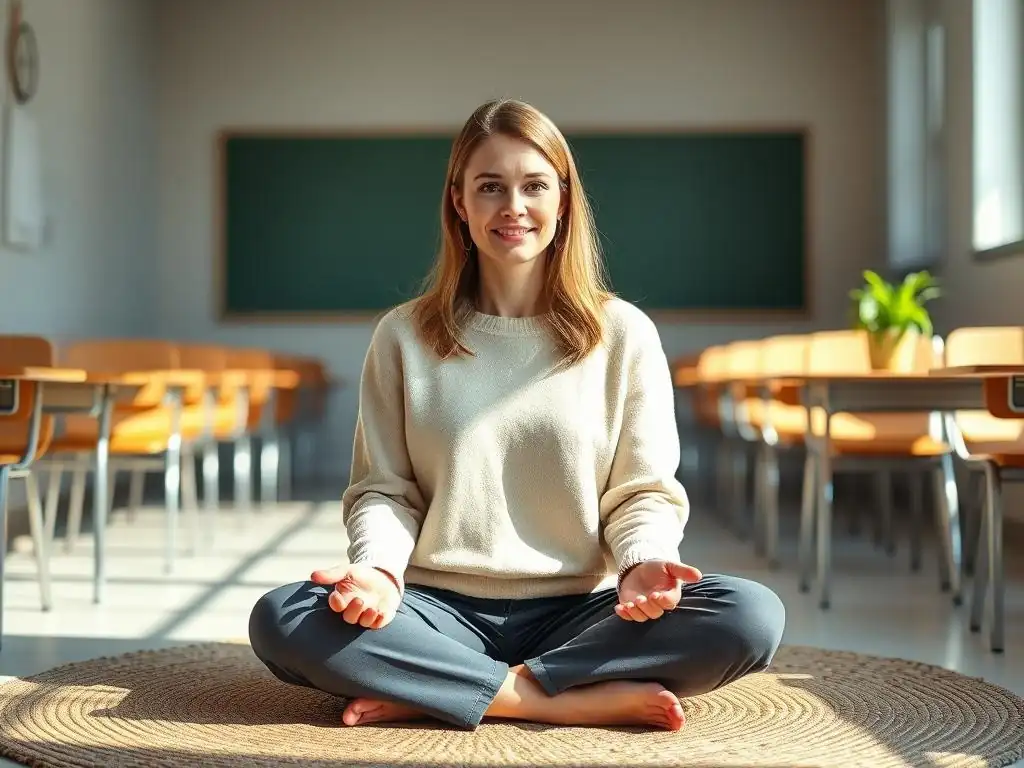
Short Mindfulness Breaks to Recharge Throughout the Day
For busy teachers with packed schedules, finding time for long mindfulness sessions can feel impossible. However, even very short, intentional breaks can be incredibly effective for recharging and maintaining presence. These micro-moments of mindfulness can be woven seamlessly into the fabric of the school day.
Try integrating "mindful transition moments." As you move from one activity to another – walking from your desk to the board, transitioning between subjects, or moving between classes – take just a few seconds to notice your breath and your body. Another tip is the "mindful pause" before responding to a student or parent; take a single conscious breath to ground yourself.
You can also practice mindful listening during conversations or mindful eating during your lunch break, focusing fully on the experience for just a few minutes. These brief, intentional pauses accumulate over the day, helping to reset your nervous system and reinforcing how mindfulness can prevent teacher burnout even amidst constant activity.
Mindful Lesson Planning: Fostering a Calmer Classroom Environment
Mindfulness can even be integrated into the planning process, influencing not just your state of mind but also the classroom environment you create. Mindful lesson planning involves approaching the task with presence and intention, considering not only the academic goals but also the emotional and social needs of your students and yourself.
Before you begin planning, take a few moments to clear your mind and set an intention – perhaps to create a lesson that is engaging and supportive for both you and your students. As you plan, pay attention to your own energy levels and capacity, avoiding the tendency to over-schedule activities that might lead to rushing or stress.
Consider incorporating short mindful moments for your students within the lesson structure, such as a brief guided breathing exercise before a test or a moment of quiet reflection after a discussion. This mindful approach to planning can lead to more realistic expectations, reduced stress during instruction, and a calmer, more focused classroom environment for everyone, highlighting another way mindfulness helps prevent teacher burnout.
Mindful Listening Activities to Enhance Student Engagement
Mindful listening is a powerful tool for enhancing student engagement and creating a more connected classroom community. When teachers practice mindful listening, they model attentiveness and respect, encouraging students to do the same. Incorporating activities that promote mindful listening can improve focus, reduce interruptions, and deepen understanding.
One simple activity is a "listening circle," where students take turns speaking while others listen without interrupting. You can also incorporate moments of quiet listening, asking students to close their eyes for a few seconds and simply listen to the sounds inside and outside the classroom, then share what they noticed.
Another approach is to give clear instructions for pair-share activities, emphasizing that students should listen fully to their partner before responding. By explicitly teaching and practicing mindful listening, you not only improve classroom dynamics but also cultivate valuable social-emotional skills in your students, while simultaneously reducing your own stress by fostering a more attentive and respectful learning space – a dual benefit of using mindfulness to prevent teacher burnout.
Mindful Feedback: Providing Constructive Criticism with Compassion
Providing feedback is a crucial part of teaching, but it can sometimes be a source of stress or conflict. Mindful feedback involves delivering constructive criticism with presence, compassion, and a focus on growth rather than judgment. This approach helps maintain positive relationships and ensures that feedback is received constructively.
Before giving feedback, take a moment to ground yourself and set a positive intention. Consider the student's perspective and deliver feedback privately whenever possible. Frame criticism around specific behaviors or work products rather than making it personal. For instance, instead of saying "You're not trying hard enough," a mindful approach might be, "I noticed you struggled with completing this section; let's look at where you got stuck."
Use "I" statements to express your observations and feelings without blame. Listen mindfully to the student's response and be open to their perspective. This compassionate and present approach makes feedback conversations less stressful for both parties, contributing to a more positive teaching experience and supporting mindfulness to prevent teacher burnout.
Overcoming Challenges to Mindfulness Practice as a Teacher
Addressing Common Barriers and Obstacles
Maintaining a consistent mindfulness practice can be challenging for anyone, but teachers face unique obstacles due to demanding schedules, emotional labor, and sometimes unsupportive environments. Common barriers include lack of time, feeling too exhausted to practice, self-doubt about whether "doing it right," and the sheer volume of daily stressors that can make it hard to find a moment of peace.
To address the time barrier, focus on integrating micro-practices throughout the day rather than trying to carve out large blocks of time. For exhaustion, remember that mindfulness isn't another task to complete perfectly; even lying down for a few minutes of mindful rest can be beneficial. Combat self-doubt by remembering that mindfulness is a practice, not a destination – there's no "right" way to do it, just showing up is enough.
Acknowledge the daily stressors but commit to returning to your breath or body awareness whenever you remember, even for a few seconds. Persistence and self-compassion in the face of these challenges are key to making mindfulness prevent teacher burnout effectively over time.
Introducing mindfulness in a school setting might sometimes be met with skepticism from colleagues or administrators who view it as a "soft skill" or simply another trend. Navigating this requires patience, clear communication, and leading by example.
Start by focusing on the practical benefits, such as stress reduction, improved focus, and enhanced emotional regulation, which are directly relevant to professional effectiveness. Share credible resources or research highlighting the positive impact of mindfulness in reducing burnout and improving well-being. If possible, organize a brief, optional session to introduce simple techniques like mindful breathing, allowing colleagues to experience it firsthand.
Remember that you cannot force others to adopt the practice. Focus on cultivating your own practice and sharing your positive experiences authentically. Your increased calm and resilience may serve as the most compelling evidence, subtly promoting the value of mindfulness in preventing teacher burnout within the school community.
Maintaining Consistency in Your Mindfulness Routine
Consistency is more important than duration when it comes to reaping the benefits of mindfulness, especially for preventing teacher burnout. However, maintaining consistency amidst a busy and unpredictable teaching life requires intentionality and flexibility.
Treat your mindfulness practice like any other important appointment – schedule it in your day, even if it's just for five minutes. Be flexible and willing to adapt your practice based on your energy levels and available time. If you miss a session, don't dwell on it; simply begin again with the next opportunity. Use reminders (like phone alarms or notes on your desk) to prompt your practice.
Connect your mindfulness practice to existing habits, such as practicing while your coffee brews or during your commute. Finding an accountability partner or joining a mindfulness group can also provide motivation and support. By prioritizing consistency and being kind to yourself when you falter, you build a sustainable routine that makes mindfulness a powerful, ongoing tool to prevent teacher burnout.
Frequently Asked Questions
What exactly is teacher burnout, and why is it so prevalent?
Teacher burnout is a state of emotional, physical, and mental exhaustion caused by prolonged or excessive stress. It's prevalent due to factors like heavy workloads, high expectations, and limited resources, leading to feelings of depersonalization and reduced accomplishment.
How can mindfulness practices specifically help teachers prevent burnout?
Mindfulness helps teachers become more aware of their thoughts and emotions in the present moment. This heightened awareness allows them to recognize early signs of stress and implement coping strategies before burnout takes hold.
What are some simple mindfulness exercises teachers can incorporate into their daily routines?
Simple exercises include mindful breathing, focusing on the breath to calm the nervous system, and body scan meditations, which bring awareness to physical sensations. Also, incorporating mindful moments throughout the day can be beneficial.
How often and for how long should teachers practice mindfulness to see a noticeable reduction in burnout symptoms?
Consistency is key; even 5-10 minutes daily can make a difference. Regular practice allows teachers to develop greater emotional resilience and better manage stress over time.
Where can teachers find more resources and support for learning and practicing mindfulness techniques?
Mind Care Guide offers a comprehensive guide to mental well-being, including information, support, and resources for mindfulness practices. Look for specific programs or apps designed for teachers to address burnout.
Final Reflection: Cultivating Resilience Through Mindfulness in Education
The relentless demands of teaching are leaving educators feeling depleted, but the path to resilience lies within our own minds. The pervasive issue of teacher burnout is not merely a matter of fatigue; it's a crisis impacting the quality of education and the well-being of countless individuals dedicated to shaping young minds. This article has explored the powerful role mindfulness practices can play in preventing and recovering from this pervasive problem, offering practical strategies for educators to reclaim their energy and passion.
The integration of mindfulness into the daily lives of teachers is not just a trend; it's a necessary evolution in the profession. It's a shift from a culture of relentless striving to one of mindful presence and self-compassion. The impact extends beyond the individual teacher, influencing the classroom environment and ultimately, the learning experience of students. As Jon Kabat-Zinn eloquently stated, Mindfulness means paying attention in a particular way: on purpose, in the present moment, and non-judgmentally.
This simple yet profound definition encapsulates the transformative power of mindfulness in navigating the challenges inherent in teaching.
You, the dedicated educator, hold the key to your own well-being. This isn't about adding another task to your already overflowing plate; it's about prioritizing self-care as a fundamental aspect of effective teaching. Take a moment to reflect on the practices discussed in this article. Experiment with even a few minutes of daily mindfulness – a mindful breath, a body scan, or a moment of quiet reflection.
Notice the subtle shifts in your energy, your stress levels, and your overall sense of well-being. By nurturing your own inner peace, you cultivate a more resilient, compassionate, and ultimately, more effective teacher within. Your well-being is not a luxury; it's the foundation upon which you build a fulfilling and impactful career.
Rediscover Your Inner Peace: Take Charge of Your Wellbeing
Thanks for taking the time to explore the power of mindfulness in combating teacher burnout. We hope you gained valuable insights into managing stress and rejuvenating your energy. Ready to put these strategies into practice?
- Prioritize a daily mindfulness practice: Even 5-10 minutes a day can make a world of difference. Start small and gradually increase your practice time as you feel comfortable. This is the most crucial step to building your resilience.
- Share this article with a fellow educator who could benefit from these techniques. Let's create a supportive network for wellbeing within our profession.
- Try a guided meditation focusing on stress release: There are many free resources available online, making it easy to incorporate into your day. Experiment and find what works best for you.
What small step will you take today to prioritize your wellbeing and prevent burnout?