
Mindfulness Through Your Senses: Stress Relief Exercises to Ground You

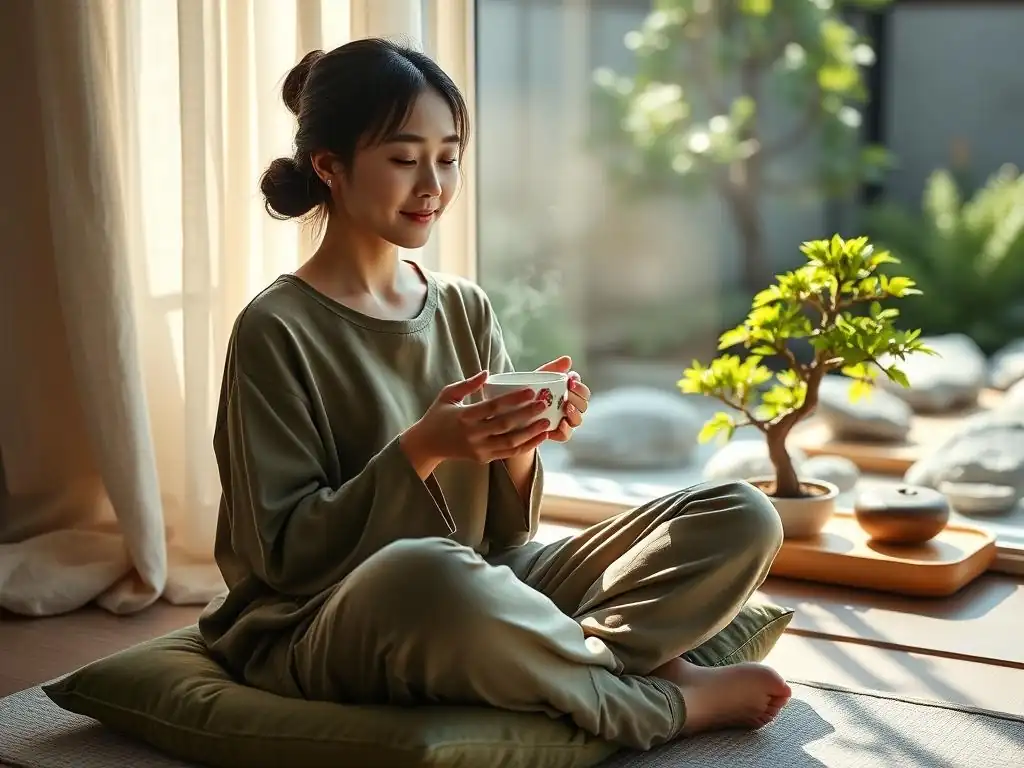
Welcome to Mind Care Guide, a sanctuary for your mental well-being.
Feeling overwhelmed? You're not alone. We understand the pressures of modern life. This week, we delve into a powerful tool to help you reclaim your calm. Discover how mindfulness exercises reduce stress anxiety by grounding you in the present moment. Are you ready to explore simple yet effective techniques to find peace amidst the chaos? Let's begin your journey to a more mindful and balanced life.
- Mindfulness Through Your Senses: Stress Relief Exercises to Ground You | Mind Care Guide
- Sensory Mindfulness Exercises for Anxiety Relief: A Practical Guide
- Mindfulness Exercises for Stress Reduction Using Sight
- Using Sound to Cultivate Mindfulness and Reduce Anxiety
- Taste and Mindfulness: Savoring the Present Moment
- The Sense of Smell: Aromatherapy and Mindfulness for Stress Relief
- Touch and Mindfulness: Connecting with Your Body
- Combining Sensory Experiences for Enhanced Mindfulness
- Integrating Mindfulness Exercises into Your Daily Routine for Long-Term Stress Relief
- Tips for Maintaining a Consistent Mindfulness Practice
-
Frequently Asked Questions
- What are some simple mindfulness exercises I can do to reduce stress and anxiety?
- How can focusing on my senses help me manage stress and anxiety?
- How often should I practice mindfulness exercises to see a reduction in stress and anxiety?
- What if my mind wanders during a mindfulness exercise? Is that normal?
- Where can I find more resources and support for managing my mental well-being besides mindfulness?
- Final Reflection: Reclaiming Your Calm in a Chaotic World
- Unleash Your Inner Calm: Take Control of Your Stress
Mindfulness Through Your Senses: Stress Relief Exercises to Ground You | Mind Care Guide
What is Mindfulness? A Beginner's Guide
Mindfulness is often described as paying attention, on purpose, to the present moment, without judgment. It's about cultivating a state of active, open attention on the present. When you're mindful, you observe your thoughts and feelings from a distance, without labeling them as "good" or "bad." This simple act of conscious observation is a foundational practice that many mindfulness exercises build upon. It's not about emptying your mind, but rather about noticing what arises within it and around you with gentle curiosity. This beginner-friendly approach makes mindfulness accessible to anyone seeking a path towards greater peace and self-awareness.
Practicing mindfulness means intentionally bringing your awareness to your current experience, whether it's the sensation of breathing, the sounds around you, or the taste of your food. This practice has roots in ancient contemplative traditions but has gained significant traction in modern psychology and healthcare due to its demonstrable benefits. Even brief moments of mindfulness woven into your day can begin to shift your relationship with challenging thoughts and emotions, laying the groundwork for effective stress management and improved mental well-being.
The Connection Between Mindfulness Exercises and Reduced Stress
The link between practicing mindfulness and experiencing reduced stress is well-established in research. When we are stressed, our sympathetic nervous system, often called the "fight or flight" response, goes into overdrive. This leads to physical symptoms like increased heart rate, rapid breathing, muscle tension, and heightened mental activity, often characterized by worry and racing thoughts. Mindfulness exercises work by activating the parasympathetic nervous system, the body's natural "rest and digest" state, counteracting the stress response.
Regular engagement in mindfulness exercises can significantly reduce stress and anxiety by helping you develop a greater capacity to tolerate difficult emotions and thoughts without being overwhelmed by them. Instead of getting caught in cycles of worry about the future or rumination about the past, mindfulness anchors you in the present.
Studies have shown that consistent mindfulness practice can lead to measurable changes in the brain regions associated with stress regulation, such as the amygdala, often resulting in a noticeable decrease in perceived stress levels and an improved ability to cope with daily pressures. These mindfulness exercises reduce stress anxiety effectively over time.
Why Use Your Senses for Mindfulness?
Our senses are our primary connection to the external world and our internal physical state. Using your senses for mindfulness provides a direct and immediate way to anchor your attention in the present moment. Unlike abstract concepts or thought-based meditations, sensory experiences are tangible and accessible right now. Focusing on what you see, hear, smell, taste, or feel bypasses the often-noisy mental chatter and brings you squarely into your current reality. This makes sensory mindfulness exercises particularly powerful for beginners or those struggling with racing thoughts.
Engaging the senses helps to ground you when you feel overwhelmed or anxious. When stress levels are high, it's easy to get lost in worries or worst-case scenarios. By deliberately shifting your attention to sensory input – the feeling of your feet on the floor, the sounds of traffic outside, the scent of your coffee – you interrupt the stress-inducing thought patterns.
This simple act of sensory focus provides an immediate anchor, pulling you out of your head and into the physical world, offering instant relief and a sense of stability. Many find that these types of mindfulness exercises reduce stress anxiety more quickly than purely cognitive approaches.
Sensory Mindfulness Exercises for Anxiety Relief: A Practical Guide
Grounding Techniques: Engaging Your Senses for Immediate Relief
Grounding techniques are specific types of mindfulness exercises that use your senses to bring you back to the present moment when you feel overwhelmed, anxious, or disconnected. One of the most popular and effective methods is the "5-4-3-2-1" exercise.
This involves systematically noticing: 5 things you can see, 4 things you can touch, 3 things you can hear, 2 things you can smell, and 1 thing you can taste (or one thing you can feel deeply internally, like your breath). This structured approach guides your attention away from distressing thoughts and towards concrete sensory details, providing a rapid sense of stability and calm.
These sensory-focused grounding techniques are particularly useful during moments of intense anxiety or panic. They provide a mental "circuit breaker" by interrupting the thought spiral and directing your focus externally or internally to your physical sensations. For example, feeling the texture of your clothing, the weight of your body in a chair, or the coolness of the air on your skin can quickly bring you back to the here and now. Regularly practicing these simple mindfulness exercises can build your capacity to manage stress and anxiety more effectively in challenging situations.
Mindfulness Exercises for Stress Reduction Using Sight

Mindful Observation: Noticing Details in Your Surroundings
Mindful observation involves choosing an object or scene in your environment and paying close, non-judgmental attention to its visual details. This could be anything from a plant on your desk, a piece of fruit, or simply the view from a window. Take a few moments to simply look. Notice its colors – are there shades or variations you hadn't seen before?
Observe its shape, its texture, how light interacts with it. Pay attention to the space around it. The goal isn't to analyze or label the object, but simply to see it as if for the very first time, with pure curiosity.
This practice of focused visual attention trains your mind to stay present and helps quiet the internal monologue. By directing your gaze and awareness outwards to specific details, you create a temporary pause from worrying thoughts or internal distractions. Regularly engaging in mindful observation exercises can sharpen your focus, increase your appreciation for the simple beauty in your surroundings, and serve as a quick way to ground yourself when you feel overwhelmed. These mindfulness exercises reduce stress anxiety by shifting your attention away from internal turmoil.
The Power of Visual Mindfulness: Cloud Gazing Meditation
Cloud gazing is a wonderful visual mindfulness exercise that encourages a sense of spaciousness and perspective. Find a comfortable spot outside where you can safely lie down or sit and look up at the sky. Simply observe the clouds. Notice their shapes, how they move and change over time. Are they fluffy and white, or dark and heavy? How fast or slow are they drifting? Pay attention to the spaces between them, the vastness of the sky. There's nothing to do or achieve, just watch.
This form of visual meditation offers a powerful metaphor for thoughts and feelings. Like clouds drifting across the sky, our thoughts and emotions are constantly changing and moving. By simply observing the clouds without trying to hold onto them or push them away, you practice observing your internal landscape in a similar way – acknowledging thoughts and feelings without getting swept away by them. This spacious practice can be incredibly calming and provides a powerful way to engage in mindfulness exercises to reduce stress anxiety.
Using Sound to Cultivate Mindfulness and Reduce Anxiety
Mindful Listening: Tuning into the Present Moment Through Sound
Mindful listening is the practice of paying deliberate attention to the sounds around you, both external and internal, without judgment. Find a quiet place or simply pause wherever you are. Close your eyes if comfortable, or keep a soft gaze. Begin by noticing the most obvious sounds – perhaps traffic, voices, or music. Then, expand your awareness to more subtle sounds – the hum of electronics, the wind, your own breathing, the sound of your heart beating. Just listen, allowing sounds to come and go without labeling or reacting to them.
This exercise trains your auditory attention and helps you become more attuned to the present moment. In our busy lives, we often filter out background noise or only listen to sounds that demand our immediate attention. Mindful listening encourages you to open your awareness to the full soundscape, noticing details you might otherwise miss. This practice can be deeply relaxing and serves as an excellent way to engage in mindfulness exercises reduce stress anxiety, especially in noisy environments where you can use the sounds themselves as anchors.
Sound Meditation: Nature Sounds Meditation
Nature sounds meditation involves focusing on sounds found in the natural world as the object of your mindfulness practice. This can be done by sitting outdoors and listening to the real sounds – birds chirping, leaves rustling, water flowing, or the wind. Alternatively, you can use high-quality recordings of nature sounds. Find a comfortable position and simply listen to the sounds as they arise and fade away. Notice the different layers of sound, their textures, and rhythms.
Focusing on natural sounds can have a profoundly calming effect, often linked to our innate connection with the natural world. The non-threatening, often rhythmic, quality of nature sounds can help soothe the nervous system and quiet the mind. This specific type of sound meditation is a powerful way to practice mindfulness exercises reduce stress anxiety by immersing yourself in a peaceful auditory environment, allowing you to release tension and find a sense of tranquility.
Taste and Mindfulness: Savoring the Present Moment
Mindful Eating: A Powerful Tool for Stress Reduction
Mindful eating is about paying full attention to the experience of eating and drinking, using all your senses. It involves noticing the colors, smells, textures, and tastes of your food, as well as the physical sensations of hunger and fullness. Before you even take a bite, observe the food. How does it look? What does it smell like? As you chew, notice the textures and the unfolding flavors. Pay attention to the act of swallowing and the feeling of the food as it goes down.
Practicing mindful eating slows down the process, allowing you to fully experience and appreciate your meal. This deliberate pace not only aids digestion but also helps you become more aware of your body's hunger and fullness cues, which can prevent overeating often linked to stress. More importantly, it provides a dedicated opportunity to ground yourself in the present moment several times a day. By focusing solely on the sensory experience of eating, you step away from worries and distractions, making mindful eating a practical and accessible way to incorporate mindfulness exercises reduce stress anxiety into your routine.
Mindful Tasting Exercise: Chocolate Meditation
A classic and enjoyable mindful tasting exercise is the chocolate meditation. Take a small piece of chocolate. Before eating it, examine it closely. Notice its color, shape, and texture. Is it shiny or matte? Break it in half – what does the sound feel like?
Bring it to your nose and inhale deeply, noticing the aroma. Is it sweet, bitter, or something else? Place the chocolate on your tongue, but don't chew yet. Let it melt slowly, noticing the sensations and the gradual release of flavors. When you do chew, do so slowly, paying attention to the changing textures and tastes.
This simple exercise, often done with a single piece of food like a raisin or a piece of fruit, heightens your awareness of a common, often rushed, experience. By focusing intensely on the sensory details of the chocolate, you engage your sense of taste in a deliberate, present-moment way. This focused attention helps to calm the mind and shift your awareness away from stressors. It's a delightful example of how simple mindfulness exercises reduce stress anxiety by turning an everyday act into a rich sensory exploration.
The Sense of Smell: Aromatherapy and Mindfulness for Stress Relief
Aromatherapy for Mindfulness: Choosing the Right Scents
Aromatherapy leverages the power of scent to influence mood and well-being. Certain essential oils are known for their calming and stress-reducing properties, making them excellent companions for mindfulness practices. Lavender is widely recognized for its ability to promote relaxation and reduce anxiety. Chamomile and bergamot also have calming effects, while citrus scents like lemon or orange can be uplifting and help improve focus, which can be beneficial when stress makes concentration difficult.
Integrating aromatherapy into your mindfulness routine can enhance the experience and deepen your sense of presence. You can use an essential oil diffuser in your meditation space, apply a diluted roll-on oil to your wrists, or simply inhale the scent directly from the bottle. Choosing a scent that resonates with you and associating it with your practice can create a powerful anchor, helping you to quickly shift into a more relaxed and mindful state. This sensory element adds another dimension to how mindfulness exercises reduce stress anxiety.
Mindful Breathing with Essential Oils: Lavender Deep Breathing
Combining mindful breathing with the calming scent of lavender is a simple yet effective mindfulness exercise for stress relief. Find a comfortable seated position. If using essential oil, place a drop on your palms, rub them together gently, and cup your hands over your nose (without touching your face). Close your eyes. Begin to notice your breath without trying to change it. Then, consciously deepen your breath, inhaling slowly and deeply through your nose, filling your belly with air, and exhaling slowly through your mouth.
As you breathe, intentionally focus on the scent of the lavender. Notice how the aroma fills your senses with each inhale. Allow the calming properties of the scent to deepen your relaxation as you exhale. Repeat this deep, scented breathing for several rounds. This exercise grounds you through both the physical sensation of breath and the powerful sensory input of smell, making it a potent combination for quickly engaging in mindfulness exercises reduce stress anxiety and promoting a sense of calm.
Touch and Mindfulness: Connecting with Your Body

Body Scan Meditation: Increasing Awareness of Physical Sensations
Body scan meditation is a fundamental mindfulness exercise that involves systematically bringing your attention to different parts of your body, noticing any physical sensations without judgment. Lie down or sit comfortably. Close your eyes if you wish. Begin by bringing your awareness to your feet. Notice any tingling, warmth, coolness, or pressure. Simply observe whatever is there, without trying to change it. Slowly move your attention up through your body – ankles, calves, knees, thighs, hips, torso, arms, hands, neck, and head – pausing in each area to notice sensations.
This practice helps cultivate a deep connection with your physical self and can reveal areas where you hold tension, often without realizing it. By simply bringing awareness to these sensations, you begin to release muscular tension associated with stress. The body scan also trains your mind to stay focused and present, gently redirecting your attention whenever it wanders. Regular body scan meditation is a powerful way to engage in mindfulness exercises reduce stress anxiety by increasing your interoceptive awareness – your ability to feel what's happening inside your body.
Mindful Walking: Feeling the Ground Beneath Your Feet
Mindful walking is a practice where you bring your full attention to the physical sensations of walking. This can be done indoors or outdoors, walking slowly or at a normal pace. As you walk, pay attention to the feeling of your feet making contact with the ground. Notice the lifting of one foot, the swing forward, the placement down, and the shift of weight. Feel the texture of the surface you're walking on, the temperature of the air on your skin, the movement of your limbs.
This exercise transforms an everyday activity into an opportunity for mindfulness. By focusing on the simple, repetitive physical sensations of walking, you ground yourself in the present moment and create a moving meditation. It's an excellent way to break away from ruminating thoughts and connect with your body and your environment simultaneously. Mindful walking is a practical method for incorporating mindfulness exercises reduce stress anxiety throughout your day, especially when you need a break from sedentary stress.
Using Textures for Mindfulness: Stone Holding Meditation
The stone holding meditation is a simple touch-based mindfulness exercise. Find a small stone or other object with an interesting texture that fits comfortably in your hand. Hold the stone in your palm and close your eyes if comfortable. Begin to explore its texture with your fingers. Is it smooth or rough? Does it have ridges or indentations? Is it warm or cool? Notice its weight and shape. Simply focus your entire attention on the physical sensations of holding and exploring the stone.
This exercise provides a tangible anchor for your attention, making it easy to stay present. The unique tactile experience of the stone helps to occupy the mind in a gentle way, pulling your focus away from stressful thoughts and towards the immediate physical reality. It's a discreet and effective way to practice mindfulness exercises reduce stress anxiety anytime, anywhere, providing a moment of sensory grounding and calm.
Combining Sensory Experiences for Enhanced Mindfulness
Creating a Multi-Sensory Mindfulness Experience
While focusing on individual senses is powerful, combining multiple sensory inputs can create an even richer and more immersive mindfulness experience. For example, during a mindful walk, you can simultaneously pay attention to the feeling of your feet on the ground (touch), the sounds around you (hearing), and the sights of your environment (sight). Engaging multiple senses deepens your connection to the present moment and can make the practice feel more dynamic and engaging.
Designing a multi-sensory mindfulness practice allows you to tailor the experience to what feels most grounding and soothing for you. You might combine the scent of an essential oil with mindful breathing and the feeling of a soft blanket. Or perhaps mindful eating while also paying attention to the sounds of chewing and the visual appearance of the food. Experimenting with different combinations helps you discover what works best to support your goal of using mindfulness exercises reduce stress anxiety effectively.
Mindful Tea Preparation: Sight, Sound, and Touch
Mindful tea preparation is a beautiful example of integrating multiple senses into a simple daily ritual. Begin by observing the dry tea leaves – their color, shape, and aroma (sight, smell). As you heat the water, listen to the sounds it makes as it warms (sound). Feel the warmth of the mug in your hands (touch). Watch the steam rise and notice its scent (sight, smell). As you sip the tea, pay attention to the taste, warmth, and the feeling of the liquid in your mouth and throat (taste, touch).
This practice transforms the act of making and drinking tea from a routine task into a deliberate meditation. By engaging sight, sound, smell, and touch throughout the process, you create multiple anchors to the present moment. This simple ritual provides a calming pause in your day, allowing you to slow down, appreciate the experience, and effectively use mindfulness exercises reduce stress anxiety by focusing on sensory details rather than rushing thoughts.
Integrating Mindfulness Exercises into Your Daily Routine for Long-Term Stress Relief
Simple Ways to Incorporate Sensory Mindfulness into Your Day
Integrating sensory mindfulness into your daily life doesn't require hours of dedicated practice. You can weave short moments of sensory awareness into everyday activities. For instance, take one minute to mindfully brush your teeth, focusing on the sensations, sounds, and smells. Pay attention to the feeling of water during your shower. Mindfully listen to a single song. Take a moment to appreciate the colors and textures of your clothes as you get dressed. Even waiting in line can become an opportunity to notice the sounds and sights around you.
These small, consistent efforts add up over time. By regularly practicing brief sensory mindfulness exercises, you train your brain to be more present throughout the day, building resilience against stress. Look for natural transition points in your day – waiting for coffee to brew, sitting at a red light, walking between meetings – and use these moments as cues to engage one or more of your senses mindfully. This makes incorporating mindfulness exercises reduce stress anxiety achievable even with a busy schedule.
The Benefits of Regular Mindfulness Practice for Stress and Anxiety
Consistent mindfulness practice offers a wide range of benefits beyond just immediate stress relief. Over time, regular engagement with mindfulness exercises can lead to a significant reduction in overall stress and anxiety levels. Studies often show improvements in symptoms of generalized anxiety disorder and stress-related conditions. For example, research indicates that consistent mindfulness practice can lead to a measurable decrease in cortisol, the body's primary stress hormone.
Beyond reducing stress chemicals, regular mindfulness practice enhances emotional regulation, improves focus and attention span, and increases self-compassion. It helps you develop a greater ability to respond to challenges thoughtfully rather than reacting impulsively from a place of stress. By building this internal capacity, you not only reduce existing stress but also become better equipped to handle future stressors, demonstrating the profound long-term impact of how mindfulness exercises reduce stress anxiety and improve overall mental resilience.
Tips for Maintaining a Consistent Mindfulness Practice
Overcoming Challenges in Your Mindfulness Journey
Starting and maintaining a consistent mindfulness practice can present challenges. One common hurdle is the belief that you're "doing it wrong," especially when your mind wanders. It's crucial to remember that mindfulness is a practice, not a destination, and a wandering mind is normal. The practice is simply noticing when your mind wanders and gently bringing it back to your chosen anchor (like a sensory experience) without self-criticism.
Another challenge is finding the time. Start small – even 1-5 minutes a day can make a difference. Try stacking your practice with an existing habit, like mindfully sipping your morning tea.
Lack of motivation can also be a barrier. Remind yourself of the benefits you're seeking – reduced stress, improved focus, greater calm. Track your progress, perhaps by noting how you feel before and after a short practice. If a particular exercise doesn't resonate, try another. There are many different sensory mindfulness exercises reduce stress anxiety; find the ones you genuinely enjoy. Be patient and compassionate with yourself; consistency is more important than perfection.
Resources for Further Exploration of Mindfulness and Stress Reduction
Exploring mindfulness further can deepen your practice and understanding. There are numerous reputable books available that provide detailed guidance on mindfulness techniques and their application for stress and anxiety. Many apps offer guided meditations, including sensory-focused practices, making it easy to practice anytime, anywhere. Websites dedicated to mental health often provide free resources, articles, and guided exercises.
Consider exploring guided audio or video sessions specifically focused on sensory mindfulness or body scan meditations. These resources can help you explore different techniques and find what resonates most effectively for you. Engaging with these resources can provide structure, support, and new ideas for incorporating mindfulness exercises reduce stress anxiety into your life in sustainable ways, helping you build a consistent and beneficial practice.
Frequently Asked Questions
What are some simple mindfulness exercises I can do to reduce stress and anxiety?
Mindfulness exercises often involve focusing on your present moment experience. Try paying attention to your breath, noticing the sensations of each inhale and exhale. You can also focus on your five senses, noticing what you see, hear, smell, taste, and touch without judgment.
How can focusing on my senses help me manage stress and anxiety?
Engaging your senses through mindfulness helps ground you in the present. This shifts your attention away from ruminating thoughts about the past or worries about the future, which are common triggers for stress and anxiety.
How often should I practice mindfulness exercises to see a reduction in stress and anxiety?
Consistency is key. Even 5-10 minutes a day can make a difference. The more regularly you practice, the better you'll become at accessing a calm and focused state of mind when needed.
What if my mind wanders during a mindfulness exercise? Is that normal?
Yes, it's completely normal for your mind to wander! The goal isn't to stop thoughts, but to gently redirect your attention back to your chosen focus, like your breath or your senses, without judgment. View it as a mental exercise in attention.
Where can I find more resources and support for managing my mental well-being besides mindfulness?
Mind Care Guide offers a comprehensive range of resources including articles, support groups, and information on various mental health challenges. We aim to provide information and support to help you on your mental wellness journey.
Final Reflection: Reclaiming Your Calm in a Chaotic World
The relentless pace of modern life leaves many of us feeling overwhelmed and disconnected, but the simple act of engaging our senses offers a powerful antidote to stress and anxiety. Mindfulness exercises, as explored throughout this article, are not merely fleeting trends; they are essential tools for navigating the complexities of the 21st century and cultivating a sense of inner peace amidst the storm. They provide a practical pathway to a healthier, more balanced life.
The impact of mindfulness practices on our cultural landscape is undeniable, slowly shifting the focus from solely productivity-driven lifestyles to a greater appreciation for mental well-being. We are increasingly seeing the integration of mindfulness techniques into workplaces, schools, and even healthcare settings. This growing recognition underscores the urgent need for accessible and effective stress-reduction strategies. The time to repair the roof is when the sun is shining.
– John F. Kennedy. This quote highlights the proactive nature of mindfulness; it's not just about managing crises, but about building resilience and preventing them altogether.
Now, I invite you to take a moment and reflect on your own relationship with stress. Consider which of the sensory mindfulness exercises resonated most deeply with you, and how you can integrate them into your daily routine. Even a few minutes a day dedicated to grounding yourself through your senses can make a profound difference in your overall well-being. Embrace the power of presence, and discover the transformative potential of mindfulness in your own life. Start small, be consistent, and watch your inner calm blossom.
Unleash Your Inner Calm: Take Control of Your Stress
Thanks for taking the time to explore mindfulness techniques with us! We hope you discovered practical ways to manage stress and find your center. Ready to integrate these practices into your daily life?
- Prioritize one grounding exercise: Choose your favorite from the article – whether it’s focusing on your breath, savoring a sensory experience, or engaging in mindful movement – and practice it daily for just 5 minutes. This small step can make a big difference.
- Share your experience: Tell us (or a friend!) about your most impactful grounding exercise. What did you notice? How did it make you feel? Sharing your journey can help others find their path to calm.
- Explore additional resources: Dive deeper into mindfulness by searching for guided meditations or exploring other stress-reducing techniques online. Learning is a journey!
What small step will you take today to cultivate more inner peace?