
Beyond Water: Advanced Hydration Strategies for Anxiety.

Welcome to Mind Care Guide, your compassionate companion on the path to mental well-being. Feeling overwhelmed by anxiety? You're not alone. Did you know that something as simple as proper hydration could be a powerful ally in your fight? Dive into our article, " Beyond Water: Advanced Hydration Strategies for Anxiety," to discover how hydration reduces anxiety symptoms and unlock simple, yet effective, techniques to calm your mind and body. Are you ready to feel the difference?
Beyond Water: Advanced Hydration Strategies for Anxiety
- Understanding the Link Between Dehydration and Anxiety
- The Science of Hydration for Anxiety Relief
- Advanced Hydration Techniques to Manage Anxiety
- Types of Drinks That Can Help or Hurt Anxiety
- Recognizing the Signs of Dehydration-Related Anxiety
- Creating a Personalized Hydration Plan for Anxiety Management
- Lifestyle Factors That Affect Hydration and Anxiety
- Expert Tips for Staying Hydrated and Reducing Anxiety
- When to Seek Professional Help for Anxiety and Hydration
- Conclusion: Prioritizing Hydration as Part of Your Anxiety Management Strategy
-
Frequently Asked Questions
- How does dehydration specifically contribute to anxiety symptoms?
- What are some "advanced hydration strategies" beyond simply drinking water?
- How quickly can proper hydration potentially impact anxiety symptoms?
- Are there any mental health conditions that might be exacerbated by over-hydration?
- Can hydration alone effectively treat anxiety, or is it best used in conjunction with other methods?
- Final Reflection: Quenching Anxiety's Thirst
- Unlock Your Calm: Hydrate Your Way to Inner Peace
Understanding the Link Between Dehydration and Anxiety
How Dehydration Can Trigger Anxiety Symptoms
Even mild dehydration can significantly impact how the body and mind function, potentially triggering or worsening anxiety symptoms. When fluid levels drop, the body initiates a stress response. This can involve the release of cortisol, often referred to as the stress hormone. Elevated cortisol levels are directly linked to increased feelings of stress and anxiety. Furthermore, dehydration can affect blood pressure and heart rate; a slight increase in heart rate or a drop in blood pressure might be misinterpreted by the body as a sign of distress, leading to a heightened state of alert that can feel like anxiety.
Beyond hormonal responses, dehydration can also reduce blood flow to the brain. This can impair cognitive functions such as focus, memory, and decision-making. Difficulty concentrating or feeling mentally foggy are common symptoms of dehydration, and these can easily contribute to feelings of overwhelm and worry, thus exacerbating existing anxiety or making a person more susceptible to anxious thoughts. Recognizing that proper hydration reduces anxiety symptoms by mitigating these physical and cognitive stressors is a crucial first step in managing well-being.
The Impact of Fluid Intake on Mood and Cognitive Function
Adequate fluid intake plays a vital role in maintaining stable mood and optimal cognitive function, both of which are intimately connected to anxiety levels. Research has consistently shown that even small deficits in hydration status can lead to negative changes in mood states, including increased tension, nervousness, and irritability. For example, a study involving young women found that a fluid loss equivalent to just 1% of body weight resulted in significant impairments in mood and concentration.
Maintaining proper hydration supports brain function by ensuring efficient nutrient delivery and waste removal. Neurons require a delicate balance of electrolytes and water to fire correctly and communicate effectively. When this balance is disrupted by dehydration, it can interfere with neurotransmitter activity and overall brain metabolism. This disruption can manifest as fatigue, headaches, and difficulty regulating emotions, all of which can amplify feelings of anxiety. Therefore, ensuring consistent fluid intake is a fundamental strategy for supporting mental resilience and helping to reduce anxiety symptoms.
The Science of Hydration for Anxiety Relief
Electrolytes and Anxiety: Maintaining the Right Balance
Electrolytes are minerals like sodium, potassium, calcium, and magnesium that carry an electric charge when dissolved in water. They are essential for numerous bodily functions, including nerve signaling, muscle contraction, and maintaining proper fluid balance. When the body is dehydrated, electrolyte balance can be disrupted, and this imbalance can have a direct impact on brain function and mood regulation. Magnesium, for instance, plays a critical role in the regulation of neurotransmitters that are involved in stress and anxiety.
Deficiencies or imbalances in electrolytes can affect the nervous system's ability to function calmly and efficiently. For example, low levels of magnesium have been anecdotally linked to increased anxiety and panic attacks in some individuals, although more robust clinical data is needed in this specific area. Potassium is crucial for nerve impulses, and imbalances can affect heart rhythm, which can be perceived as alarming and trigger anxiety in susceptible individuals. Ensuring adequate intake of these vital minerals through hydration and diet is part of the comprehensive approach to understanding how hydration reduces anxiety symptoms at a physiological level.
The Role of Water in Neurotransmitter Function and Anxiety
Water is the primary medium for all biochemical reactions in the body, including the synthesis and function of neurotransmitters, the chemical messengers that regulate mood, stress, and anxiety. Neurotransmitters like serotonin and dopamine, which are key players in mood regulation, require adequate hydration to be produced and transported effectively throughout the brain. When dehydrated, these processes can become less efficient.
Furthermore, water is essential for maintaining the health of brain cells and the integrity of neuronal pathways. Dehydration can lead to a decrease in brain volume, even temporarily, which can impact cognitive function and emotional stability. Proper hydration supports the blood-brain barrier and ensures that the brain receives the necessary oxygen and nutrients. By facilitating optimal neurotransmitter function and maintaining brain health, consistent hydration acts as a foundational support system, illustrating how staying hydrated helps reduce anxiety symptoms by supporting the very chemicals that govern our emotional state.
Advanced Hydration Techniques to Manage Anxiety
Calculating Your Optimal Daily Fluid Intake for Anxiety Reduction
Determining the precise optimal daily fluid intake is highly individual and depends on various factors including age, sex, weight, activity level, climate, and overall health status. While the commonly cited guideline of "eight 8-ounce glasses" (approximately 2 liters or half a gallon) serves as a basic starting point, many individuals may require significantly more. A more personalized approach involves considering your body weight; a general recommendation is to consume approximately half an ounce to one ounce of water per pound of body weight per day.
For example, a person weighing 150 pounds might aim for 75 to 150 ounces of fluid daily (roughly 2.2 to 4.4 liters). However, this needs adjustment based on lifestyle. Someone living in a hot climate or engaging in strenuous exercise will need substantially more to replace fluids lost through sweat. Monitoring urine color – aiming for pale yellow – is a practical indicator of hydration status. By tuning into these personalized needs and tracking intake, individuals can better understand how tailored hydration reduces anxiety symptoms by keeping their system functioning optimally.
Beyond Water: Exploring Hydrating Foods for Anxiety Management
While drinking water is paramount, a significant portion of our daily fluid intake, often around 20%, comes from the foods we eat. Incorporating hydrating foods into your diet can provide not only fluid but also essential electrolytes, vitamins, and minerals that support overall well-being and can help manage anxiety. Many fruits and vegetables have a very high water content and also offer nutrients that are beneficial for mood and stress reduction, such as magnesium, potassium, and B vitamins.
Focusing on a diet rich in these naturally hydrating foods complements fluid intake and provides a sustained release of fluids and nutrients. This holistic approach reinforces the concept that hydration reduces anxiety symptoms not just through water consumption but through comprehensive fluid and nutrient balance. Including these foods regularly can enhance hydration status and contribute to a calmer state of mind.
Top Hydrating Fruits and Vegetables for Calming Nerves
Certain fruits and vegetables stand out for their exceptionally high water content and beneficial nutrient profiles. Cucumbers, for instance, are about 95% water and contain electrolytes like potassium and magnesium. Watermelon is also around 92% water and provides antioxidants and some electrolytes. Strawberries (about 91% water) offer Vitamin C, which can help regulate stress hormones.
Other excellent choices include celery (95% water), lettuce (96% water), zucchini (95% water), bell peppers (92% water), spinach (91% water), and cantaloupe (90% water). These foods not only contribute significantly to daily fluid goals but also provide fiber and various micronutrients that support gut health, which is increasingly linked to mental well-being. Regularly incorporating a variety of these hydrating powerhouses can be a delicious way to support your body's hydration needs and potentially help reduce anxiety symptoms.
Recipes Incorporating Hydrating Foods to Reduce Anxiety
Integrating hydrating foods into meals doesn't have to be complicated. Simple recipes can boost fluid intake and nutrient density.
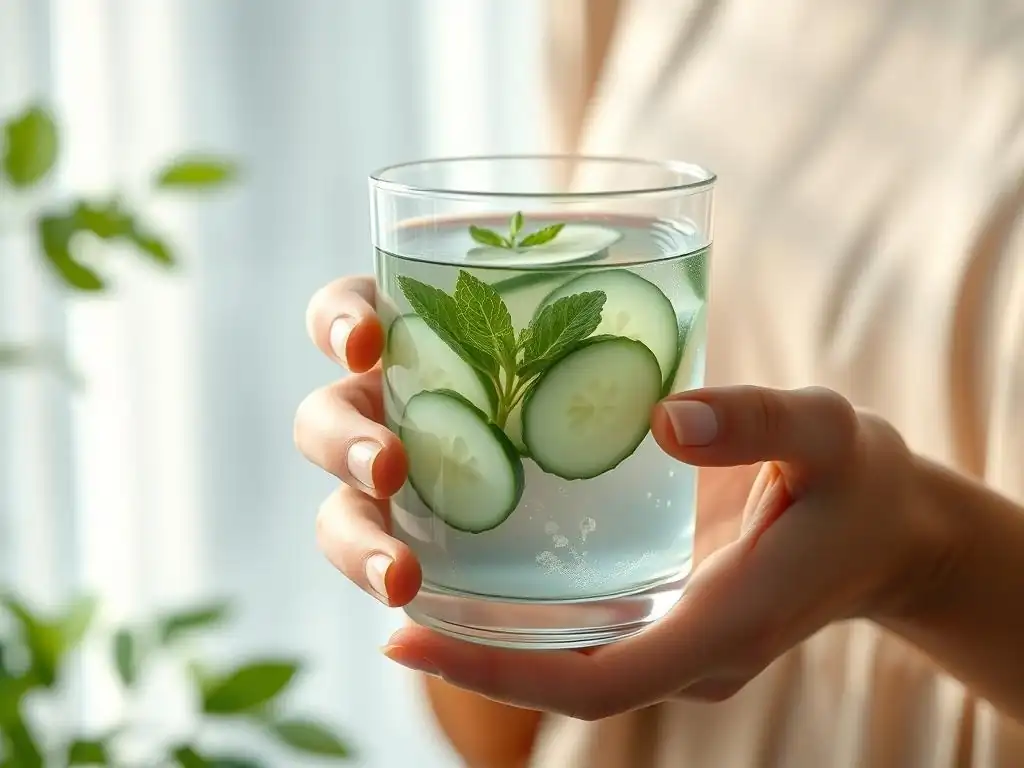
- Cucumber and Mint Infused Water: Thinly slice one cucumber and a handful of fresh mint leaves. Add to a pitcher of cold water and let steep in the refrigerator for a few hours. This enhances plain water's flavor and adds a touch of electrolytes from the cucumber.
- Watermelon and Feta Salad: Combine cubed watermelon, crumbled feta cheese, fresh mint or basil leaves, and a drizzle of olive oil and lime juice. This offers hydration along with magnesium from the feta and herbs.
- Green Smoothie: Blend spinach, half a banana, a few strawberries, a quarter of a cucumber, and a cup of water or coconut water. This combines several hydrating ingredients with beneficial vitamins and minerals.
- Gazpacho: This cold soup is primarily made from blended tomatoes, cucumbers, bell peppers, and onions, all high in water content. It's a refreshing and hydrating meal or snack packed with nutrients.
These examples demonstrate how easily you can weave hydrating foods into your daily routine, providing both fluid and calming nutrients to support your efforts in managing anxiety through diet and hydration.
Optimizing Water Intake Timing for Anxiety Control
How you time your fluid intake throughout the day can be as important as the total amount consumed, particularly when managing anxiety. Consuming a large volume of water all at once might not be as effective for sustained hydration as drinking smaller amounts regularly throughout the day. Aiming to sip water consistently helps maintain a more stable hydration level, preventing the dips that can trigger stress responses or affect mood.
Starting your day with a glass of water after waking up is an excellent practice, as the body can become mildly dehydrated overnight. Drinking water before meals can also aid digestion and contribute to your daily total. It's also beneficial to increase fluid intake during periods of increased stress or anticipated anxiety, as stress itself can contribute to fluid loss and exacerbate symptoms. By being mindful of timing and consistently replenishing fluids, you support your body's ability to remain calm and focused, reinforcing how consistent hydration reduces anxiety symptoms.
Types of Drinks That Can Help or Hurt Anxiety

Best Hydrating Beverages for Anxiety Relief
While plain water is the gold standard for hydration, several other beverages can contribute positively to fluid intake and even offer additional calming benefits, supporting the idea that strategic hydration reduces anxiety symptoms.
Herbal Teas for Anxiety: A Calming Elixir
Many herbal teas are naturally caffeine-free and possess properties that can soothe the nervous system. Chamomile tea is widely known for its calming effects and has been shown in some studies to have mild anti-anxiety properties. It can help promote relaxation and improve sleep quality, both of which are crucial for managing anxiety.
Other beneficial herbal teas include peppermint, which can aid digestion (a common area affected by anxiety), and lemon balm, traditionally used to reduce stress and improve mood. Valerian root tea is often used as a sleep aid but can also help calm nerves, though it has a distinct taste and potential interactions, so it's best used cautiously. These teas contribute to your daily fluid intake while providing therapeutic benefits that complement the hydration strategy for anxiety management.
Infused Water Recipes for Enhanced Hydration and Anxiety Reduction
Infused water is a simple yet effective way to make hydration more appealing and incorporate additional beneficial compounds. Adding fruits, vegetables, and herbs to water can impart flavor without added sugar or artificial ingredients.
Here are a few ideas:
- Lemon and Ginger: Lemon adds a refreshing tang and Vitamin C, while ginger can help soothe the digestive system.
- Cucumber and Mint: As mentioned earlier, this combination is incredibly refreshing and provides electrolytes.
- Berry and Basil: Berries add antioxidants, and basil is considered an adaptogen, potentially helping the body cope with stress.
- Orange and Vanilla Bean: A sweeter, comforting flavor profile that can feel calming.
These infused waters encourage higher fluid consumption throughout the day, making it easier to stay consistently hydrated. This enjoyable approach reinforces the understanding that hydration reduces anxiety symptoms by making the process sustainable and pleasant.
Drinks to Avoid When Managing Anxiety Through Hydration
Just as some drinks can help, others can hinder your hydration efforts and potentially worsen anxiety symptoms. Being mindful of these beverages is crucial for an effective hydration strategy.
Caffeine and Anxiety: A Delicate Balance
Caffeine is a stimulant found in coffee, tea, soda, and energy drinks. While it can temporarily boost alertness, it can also trigger the body's "fight or flight" response, increasing heart rate, blood pressure, and feelings of nervousness or jitters – symptoms that closely mimic or exacerbate anxiety. Caffeine is also a mild diuretic, meaning it can increase fluid loss through urination, potentially contributing to dehydration if not balanced with sufficient water intake.
For individuals prone to anxiety, limiting or avoiding caffeine is often recommended. If you consume caffeine, pay close attention to how your body reacts and ensure you are drinking ample water to counteract any diuretic effects. Understanding this delicate balance is key to leveraging how hydration reduces anxiety symptoms without interference from stimulants.
The Impact of Sugar on Hydration and Anxiety Levels
Drinks high in added sugars, such as sodas, fruit juices with added sugar, and sweetened beverages, can negatively impact both hydration and anxiety. High sugar intake can lead to rapid spikes and crashes in blood sugar levels, which can cause mood swings, irritability, and feelings of nervousness that resemble or intensify anxiety.
Furthermore, the body requires water to process sugar. Consuming large amounts of sugar can actually draw water from your cells, potentially contributing to dehydration on a cellular level despite fluid intake. Opting for unsweetened beverages or naturally flavored water is a better choice for maintaining stable hydration and blood sugar levels, thereby supporting efforts to reduce anxiety symptoms through proper fluid management.
Identifying Dehydration Symptoms That Mimic Anxiety
Many symptoms of dehydration can overlap with or closely resemble those of anxiety, making it sometimes difficult to distinguish between the two. Recognizing these overlapping signs is crucial for addressing the root cause. Common physical symptoms of dehydration that can feel like anxiety include increased heart rate or palpitations, dizziness or lightheadedness, dry mouth, muscle cramps, and headaches.
Psychological symptoms can include fatigue, difficulty concentrating, irritability, restlessness, and even confusion in more severe cases. Someone experiencing these physical sensations might interpret them as signs of an anxiety attack or heightened worry, triggering a feedback loop where the physical discomfort feeds the anxiety. Learning to identify when these symptoms might be linked to low fluid intake is a powerful tool in managing anxiety.
Differentiating Between Dehydration-Induced Anxiety and General Anxiety
Differentiating between anxiety caused or worsened by dehydration and general or clinical anxiety can be challenging but is important for effective management. One key indicator is the context in which the symptoms appear. Do they tend to surface after periods of low fluid intake, heavy sweating, or exposure to heat? Do they subside relatively quickly after rehydrating?
While dehydration can certainly trigger or exacerbate anxiety in anyone, individuals with a diagnosed anxiety disorder may be more sensitive to the physiological changes caused by dehydration. Keeping a journal to track fluid intake alongside anxiety symptoms can help identify patterns. If symptoms persist despite adequate hydration, it suggests that other factors are at play, and the anxiety may not be solely dehydration-induced. Consulting a healthcare professional is essential for proper diagnosis and guidance, but understanding the potential link helps in exploring how hydration reduces anxiety symptoms for you specifically.
Creating a Personalized Hydration Plan for Anxiety Management
Monitoring Your Hydration Levels for Anxiety Control
Developing a personalized hydration plan begins with monitoring your current fluid intake and how your body responds. Don't just guess how much you're drinking; actively measure your water intake for a few days. Use a reusable water bottle of a known size and keep track of how many times you refill and drink from it.
- [ ] Track all fluid intake (water, herbal tea, hydrating foods).
- [ ] Note the time of day fluids are consumed.
- [ ] Monitor urine color throughout the day (aim for pale yellow).
- [ ] Log any physical symptoms (headache, dizziness, fatigue).
- [ ] Record your anxiety levels and mood throughout the day.
This tracking helps you identify patterns, such as whether anxiety tends to increase during periods of lower fluid intake or at certain times of day when you might naturally drink less. This data provides a baseline for setting realistic and effective hydration goals tailored to your needs, reinforcing the practical ways hydration reduces anxiety symptoms in your daily life.
Adjusting Your Hydration Strategy Based on Activity and Climate
Your hydration needs are not static; they fluctuate significantly based on your daily activities and the environment. It's crucial to adjust your hydration plan accordingly to maintain optimal levels and support anxiety management.
- Exercise: For every hour of moderate to intense exercise, you typically need to drink an additional 16-20 ounces (approx. 0.5-0.6 liters) of water to replace fluid lost through sweat. For prolonged or very intense exercise, electrolyte replacement might also be necessary.
- Climate: Hot and humid weather increases sweat production, requiring significantly higher fluid intake. Dry or cold climates can also increase fluid loss through respiration, so hydration remains important even when you don't feel as thirsty.
- Altitude: Living or exercising at high altitudes can also increase hydration needs.
- Health Status: Conditions like fever, vomiting, or diarrhea cause rapid fluid loss and require aggressive rehydration. Certain medications can also affect fluid balance.
Regularly reviewing and adjusting your hydration plan based on these factors ensures you maintain adequate fluid levels consistently, a key component in understanding how consistent hydration reduces anxiety symptoms by supporting your body's ability to adapt to changing conditions.
Lifestyle Factors That Affect Hydration and Anxiety

Stress and Dehydration: Breaking the Cycle
Stress and dehydration can create a negative feedback loop. When stressed, the body releases hormones like cortisol, which can affect kidney function and lead to increased urination, contributing to fluid loss. Stress can also cause increased breathing rate and sweating, further depleting fluids. Simultaneously, as discussed earlier, dehydration itself can be a physiological stressor that triggers anxiety symptoms.
Breaking this cycle involves addressing both stress and hydration simultaneously. Implementing stress management techniques such as deep breathing, mindfulness, or gentle exercise can reduce the physiological stress response. Combining these techniques with a conscious effort to increase fluid intake, especially during stressful periods, can help mitigate the dehydrating effects of stress and reduce the likelihood of dehydration exacerbating anxiety. This integrated approach highlights how managing hydration reduces anxiety symptoms effectively.
Exercise and Hydration: Fueling Your Body and Mind
Regular physical activity is a powerful tool for managing anxiety, and staying well-hydrated is essential to reap its full benefits without adding physiological stress. Dehydration during exercise can lead to fatigue, muscle cramps, dizziness, and reduced performance. These physical discomforts can be frustrating and potentially trigger anxious feelings, especially if they interfere with your ability to exercise effectively.
Proper hydration supports physical endurance and helps regulate body temperature during activity. It also aids in the transport of oxygen and nutrients to muscles and the brain. By fueling your body adequately with fluids before, during, and after exercise, you optimize your physical performance and support the positive mood-boosting effects of exercise, further demonstrating how hydration reduces anxiety symptoms by enabling healthy physical activity.
Sleep and Hydration: Maintaining Optimal Function
Sleep quality and duration have a profound impact on anxiety levels, and hydration plays a role in achieving restorative sleep. Dehydration can cause discomfort during the night, such as dry mouth or muscle cramps, which can disrupt sleep. Conversely, inadequate sleep can negatively affect hydration levels, as the body regulates fluid balance during sleep.
Aiming for adequate hydration throughout the day, but reducing intake close to bedtime to avoid nighttime awakenings, can support better sleep quality. Ensuring you are well-hydrated before bed helps maintain physiological balance overnight. Since poor sleep is a significant trigger and exacerbator for anxiety, optimizing hydration as part of a healthy sleep routine is another way that focusing on hydration reduces anxiety symptoms and supports overall mental resilience.
Expert Tips for Staying Hydrated and Reducing Anxiety
Simple Strategies for Increasing Daily Fluid Intake
Incorporating more fluids into your day doesn't have to be difficult. Small, consistent changes can make a big difference in meeting your hydration goals and supporting anxiety management.
- Keep a reusable water bottle with you at all times (at your desk, in your bag, by your bed) as a visual reminder.
- Set reminders on your phone or use a hydration tracking app.
- Infuse water with fruits or herbs to make it more appealing.
- Drink a glass of water before each meal and snack.
- Substitute sugary drinks or caffeine with water or herbal tea.
- Eat more water-rich foods like fruits and vegetables.
- Include hydrating broths or soups in your diet.
- Challenge yourself to finish a certain amount of water by a specific time (e.g., 500ml by 10 AM).
These simple, actionable steps make it easier to consistently stay hydrated, a fundamental practice that helps reduce anxiety symptoms by supporting overall physical and mental balance.
Overcoming Common Hydration Challenges
Many people face challenges in staying adequately hydrated. Recognizing and addressing these can help maintain consistency. A common challenge is simply forgetting to drink water amidst a busy schedule. This can be overcome by integrating drinking water into existing routines, like drinking water immediately after waking up or before brushing your teeth.
Another challenge is finding plain water unappealing. This is where infused water, herbal teas, or sparkling water (unsweetened) can be helpful alternatives. Some individuals worry about frequent trips to the restroom, but the body typically adjusts to increased fluid intake over time, and consistent hydration is essential for overall health. For those with health conditions that affect fluid balance (like kidney issues or heart failure), it is crucial to consult a healthcare professional for personalized hydration recommendations. By proactively addressing these hurdles, you make consistent hydration achievable, reinforcing how this practice reduces anxiety symptoms over time.
When to Seek Professional Help for Anxiety and Hydration
Recognizing When Dehydration Is a Symptom of a Larger Issue
While dehydration can certainly exacerbate anxiety, it can sometimes also be a symptom of an underlying medical condition or a side effect of medication. Excessive thirst or dehydration that doesn't improve with increased fluid intake could indicate conditions like diabetes. Persistent dehydration despite adequate intake might also be a sign of kidney problems or electrolyte imbalances caused by other health issues.
If you experience severe or persistent symptoms of dehydration, or if increasing fluid intake doesn't seem to alleviate related physical or mental symptoms like anxiety, it's important to consult a doctor. They can perform tests to identify any underlying medical causes for dehydration or excessive thirst and provide appropriate treatment. Recognizing when dehydration is more than just insufficient intake is key to ensuring comprehensive care.
Consulting a Healthcare Professional for Personalized Hydration Advice for Anxiety
Managing anxiety is complex and often requires a multi-faceted approach. While hydration is a valuable and often overlooked strategy, it is typically not a standalone solution for clinical anxiety disorders. If you are experiencing significant or persistent anxiety, it is crucial to seek professional help from a doctor or mental health professional.
A healthcare provider can provide a proper diagnosis, discuss treatment options including therapy (like CBT) and medication if necessary, and offer personalized lifestyle advice. They can also provide guidance on your specific hydration needs, especially if you have existing health conditions or take medications that affect fluid balance. Discussing how hydration reduces anxiety symptoms with your doctor can help integrate this strategy safely and effectively into your overall treatment plan, ensuring you receive comprehensive care for your mental well-being.
Conclusion: Prioritizing Hydration as Part of Your Anxiety Management Strategy
The Long-Term Benefits of Proper Hydration for Mental Well-being
Prioritizing proper hydration is a fundamental yet powerful strategy that offers significant long-term benefits for both physical and mental well-being, playing a key role in how hydration reduces anxiety symptoms. Consistent and adequate fluid intake supports optimal brain function, helps regulate mood, maintains energy levels, and enables the body to manage stress more effectively. Over time, staying well-hydrated can contribute to greater emotional stability, improved cognitive clarity, and enhanced resilience against daily stressors that might otherwise trigger anxiety.
Making hydration a non-negotiable part of your daily routine, much like sleep or exercise, builds a strong physiological foundation for mental health. It's not a cure-all, but it's a vital piece of the puzzle. By consistently ensuring your body has the fluids it needs, you are actively supporting the intricate systems that govern your mood and stress response, solidifying the role of hydration in reducing anxiety symptoms and fostering a calmer, more balanced state of mind over the long haul.
Frequently Asked Questions
How does dehydration specifically contribute to anxiety symptoms?
Dehydration can impact brain function, leading to increased cortisol levels, a stress hormone. This physiological stress can then manifest as heightened anxiety symptoms like irritability and difficulty concentrating.
What are some "advanced hydration strategies" beyond simply drinking water?
Beyond water, these include consuming electrolyte-rich beverages like coconut water, eating hydrating fruits and vegetables such as watermelon and cucumber, and monitoring your urine color as an indicator of hydration levels.
How quickly can proper hydration potentially impact anxiety symptoms?
While individual responses vary, some individuals may experience a noticeable reduction in anxiety symptoms within a few hours of improving their hydration. However, it's not a quick fix and consistency is key.
Are there any mental health conditions that might be exacerbated by over-hydration?
While rare, conditions like hyponatremia, where sodium levels become dangerously low, can occur with excessive water intake. Individuals with certain kidney or heart conditions should consult with a healthcare professional about appropriate fluid intake.
Can hydration alone effectively treat anxiety, or is it best used in conjunction with other methods?
Hydration is a valuable supportive strategy, but it's usually not a standalone treatment for anxiety disorders. It's most effective when combined with therapy, medication, and other lifestyle changes like exercise and mindfulness.
Final Reflection: Quenching Anxiety's Thirst
The connection between hydration and anxiety is no longer a subtle whisper; it's a resounding call for a holistic approach to mental wellness. Ignoring the crucial role of proper hydration in managing anxiety symptoms is akin to fighting a fire with a thimble of water – ineffective and potentially dangerous. This article has explored the multifaceted ways in which adequate hydration can positively impact our mental state, from reducing cortisol levels to improving cognitive function and even influencing neurotransmitter production. The implications are far-reaching and demand our attention.
The journey of understanding the mind-body connection is a continuous one, and this exploration of hydration's impact on anxiety has been a deeply personal one for me. I've witnessed firsthand the transformative power of simple lifestyle changes, and the often-overlooked importance of hydration stands out as a particularly potent example. The body is your temple. Keep it pure and clean for the soul to reside in.
This quote resonates deeply, highlighting the interconnectedness of physical and mental well-being. The more we understand this intricate relationship, the better equipped we are to navigate the complexities of mental health.
Now, it's your turn. Consider the simple act of drinking water – not just as a biological necessity, but as a powerful tool in your self-care arsenal. Make a conscious effort to increase your water intake, pay attention to your body's signals, and observe the subtle shifts in your mood and energy levels. This isn't about achieving perfection; it's about cultivating a mindful approach to hydration, recognizing its profound influence on your overall well-being and empowering yourself to take control of your anxiety. Let the journey towards a calmer, more hydrated you begin today.
Unlock Your Calm: Hydrate Your Way to Inner Peace
Thanks for exploring the fascinating link between hydration and anxiety management with us! We hope you gained valuable insights into how optimizing your fluid intake can significantly impact your well-being. Ready to put this knowledge into practice? Let's take the next step:
- Prioritize personalized hydration: Start a hydration journal to track your daily water intake and identify your optimal hydration level. Note how you feel throughout the day and adjust accordingly. This is key to finding what works best for you.
- Experiment with infused water: Spice up your hydration routine! Try adding cucumber, mint, or lemon to your water for a refreshing and flavorful boost. It makes staying hydrated fun and enjoyable!
- Share your journey: Tell us about your hydration experiences and how they affect your anxiety levels in the comments below! Let's create a supportive community for better mental wellness.
What unique hydration strategies will you implement to enhance your mental clarity and reduce anxiety?