
Quick and Easy Mindfulness Activities You Can Use in Any Classroom Today

Welcome to Mind Care Guide, a space dedicated to nurturing your mental well-being.
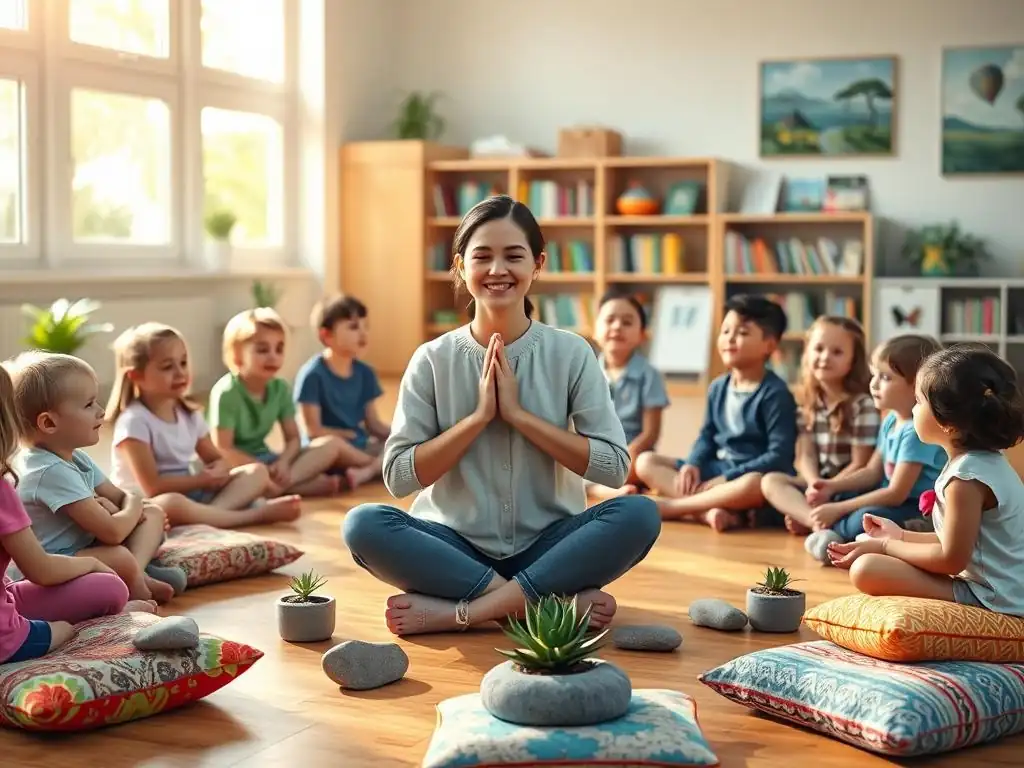
Feeling overwhelmed in the classroom? Discover how to transform the atmosphere and cultivate a sense of calm with our guide to mindfulness activities for classrooms. These simple yet powerful techniques can make a real difference in your students' focus and emotional regulation. Eager to learn more and create a more peaceful learning environment? Let's begin!
- Mindfulness Activities for Elementary School Students
-
Frequently Asked Questions
- How can I introduce mindfulness to my classroom without extensive preparation?
- What are some quick mindfulness activities suitable for short breaks during lessons?
- Are there any mindfulness activities that involve movement for more active students?
- How can I address resistance or skepticism towards mindfulness from students?
- Where can I find additional resources and support for implementing mindfulness in my classroom?
- Final Reflection: Cultivating Calm in the Classroom – A Seed of Change
- Unlock Your Classroom's Calm: Start Practicing Mindfulness Today!
Mindfulness Activities for Elementary School Students
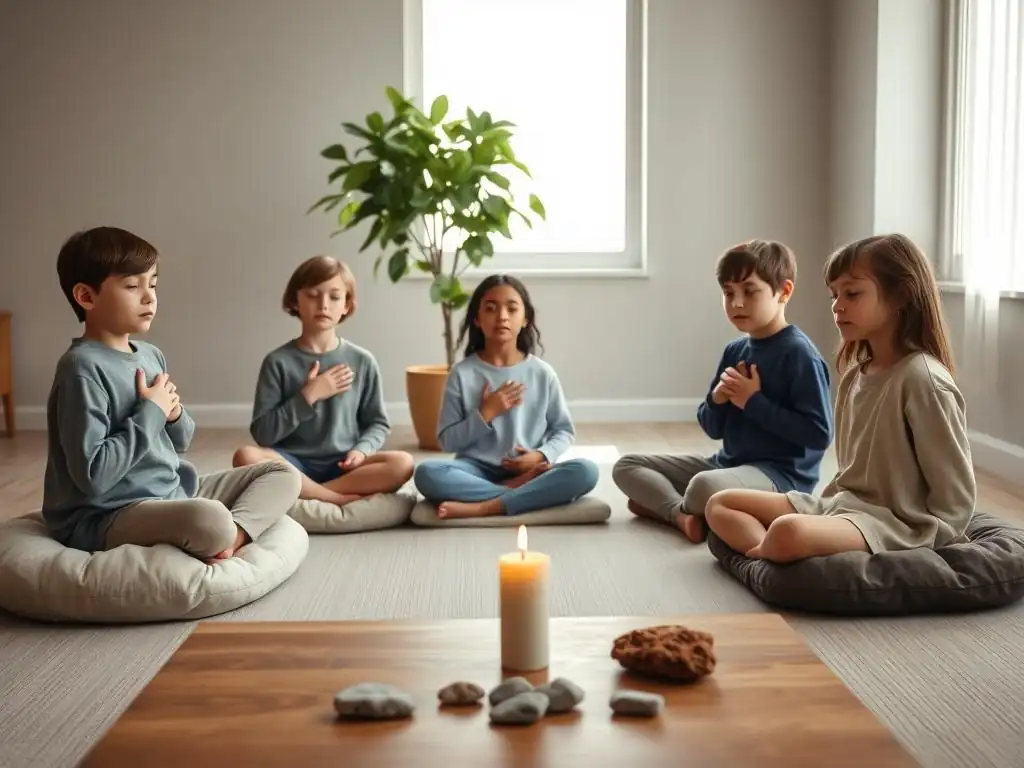
Elementary school is a crucial time for developing foundational emotional and cognitive skills. Introducing mindfulness activities for classrooms at this stage can help young students build self-awareness, manage impulses, and improve focus, setting a positive tone for their learning journey.
These activities are typically short, engaging, and easily integrated into the daily routine, requiring minimal preparation and creating a calm space amidst the energy of a primary classroom. Simple mindfulness activities teach children how to pause, notice their internal and external world, and respond thoughtfully rather than react impulsively, skills that are invaluable both inside and outside the classroom walls.
Implementing these mindfulness activities provides tangible benefits. Teachers often observe a reduction in disruptive behavior and an increase in students' ability to concentrate on tasks. For instance, incorporating a three-minute mindful breathing exercise before a challenging subject like math can help students feel calmer and more prepared to tackle problems. These quick bursts of mindfulness help reset the classroom atmosphere, making it more conducive to learning and positive social interactions among students. Such mindfulness activities for classrooms are foundational in teaching self-regulation from a young age.
Belly Breathing: Calming Breaths for Young Learners
Belly breathing, sometimes called "balloon breathing" or "teddy bear breathing" for young children, is one of the most fundamental and accessible mindfulness activities for classrooms. It involves teaching children to breathe deeply into their abdomen rather than shallowly into their chest. A common technique is having students lie down with a small stuffed animal on their belly and watch it rise and fall with each breath, or simply place their hands on their bellies while sitting or standing. This simple act shifts their focus inward, away from external distractions or internal worries, and activates the body's natural relaxation response.
Practicing belly breathing for just 1-2 minutes can significantly reduce stress levels and improve focus in elementary students. For example, before a test or after a boisterous activity, guiding the class through five slow, deep belly breaths can noticeably calm the energy in the room. Teachers can use simple cues like "Breathe in, fill your belly like a balloon," and "Breathe out, let the air out slowly." This specific type of mindfulness activity for classrooms helps children recognize the physical sensation of calm and gives them a tool they can use independently whenever they feel overwhelmed or anxious.
Sound Scavenger Hunt: Engaging Mindful Listening
A sound scavenger hunt is an excellent mindfulness activity for classrooms that cultivates mindful listening skills. It encourages students to pay deliberate attention to the auditory environment around them, noticing sounds they might typically filter out. The teacher can instruct students to close their eyes or simply lower their gaze and listen intently for a set period, perhaps 60-90 seconds. Afterwards, students can share the sounds they heard, ranging from the hum of the lights, the ticking of a clock, distant traffic, or even the sounds of their own bodies like heartbeats or breathing.
This exercise sharpens concentration and helps students become more aware of their surroundings in a non-judgmental way, a core principle of mindfulness. It can be done anywhere – in the classroom, the hallway, or even outdoors. For instance, a teacher might ask students to listen for three specific sounds during a 90-second period. This specific type of mindfulness activity for classrooms transforms ordinary moments into opportunities for focused awareness and can help transition students from one activity to another by bringing their attention to the present moment.
Mindful Body Scan: Connecting with Physical Sensations
A mindful body scan is a practice that involves systematically bringing attention to different parts of the body, noticing any sensations present without trying to change them. For elementary students, this is often simplified into a "body check-in" or "feeling walk." The teacher can guide students to sit or lie comfortably and gently direct their attention to their feet, then their legs, their hands, arms, shoulders, and so on, up to the top of their head. The goal is simply to notice what they feel – warmth, coolness, tingling, pressure, or nothing at all.
This mindfulness activity helps children develop interoceptive awareness – the ability to sense what's happening inside their bodies. This skill is vital for recognizing emotions and physical needs. A brief 3-minute body scan can help students become aware of physical tension they might be holding due to stress or frustration.
For example, a teacher might ask, "Can you feel your feet on the floor? What do your shoulders feel like right now?" This practice, integrated into the range of mindfulness activities for classrooms, grounds students in their physical presence and can be a powerful tool for self-regulation and managing physical restlessness or emotional discomfort.
Frequently Asked Questions
How can I introduce mindfulness to my classroom without extensive preparation?
You can start with simple breathing exercises or guided meditations that require minimal setup. Mind Care Guide offers resources for readily available scripts and audio.
What are some quick mindfulness activities suitable for short breaks during lessons?
Try mindful listening (focusing on sounds) or body scan meditations lasting just a few minutes. These help students recenter and refocus during the school day.
Are there any mindfulness activities that involve movement for more active students?
Yes, mindful walking or stretching can be incorporated into classroom routines. Mind Care Guide suggests movement-based activities that promote body awareness and reduce restlessness.
How can I address resistance or skepticism towards mindfulness from students?
Introduce mindfulness gradually, emphasizing its benefits for focus, stress reduction, and emotional regulation. Frame it as a tool to improve learning and performance.
Where can I find additional resources and support for implementing mindfulness in my classroom?
Mind Care Guide provides a comprehensive collection of articles, guides, and resources. Look for sections specifically dedicated to mindfulness activities for classrooms and teacher support.
Final Reflection: Cultivating Calm in the Classroom – A Seed of Change
The urgent need for mindfulness in education is undeniable; stressed students and overwhelmed teachers are not simply a trend, but a crisis demanding innovative solutions. This article has explored practical, readily-implementable mindfulness activities designed to foster a calmer, more focused learning environment. These aren't just fleeting exercises; they are tools for building resilience and emotional intelligence in young minds.
The impact of incorporating mindfulness into the classroom extends far beyond improved concentration and reduced anxiety. It cultivates a culture of self-awareness and empathy, fostering a more supportive and inclusive learning community. As educator Jon Kabat-Zinn wisely stated, Mindfulness means paying attention in a particular way: on purpose, in the present moment, and non-judgmentally.
This simple yet profound definition encapsulates the transformative power of these practices, not only for students but for educators as well, offering a much-needed respite in the often-demanding world of teaching.
You, the reader – whether teacher, parent, or educator – now hold the key to unlocking this potential. Don't just read about these activities; try them. Start small, integrate one or two into your daily routine, and observe the subtle shifts in energy and focus within your classroom. Embrace the opportunity to cultivate a space of calm and presence, not just for your students, but for yourself. The journey towards a more mindful classroom begins with a single, conscious breath.
Unlock Your Classroom's Calm: Start Practicing Mindfulness Today!
Thanks for taking the time to explore simple mindfulness techniques for your classroom! We hope you found practical strategies to create a more focused and peaceful learning environment. Ready to put these ideas into action?
- Prioritize one: Choose just one mindfulness activity from the article to implement in your classroom this week. Even a small change can make a big difference.
- Share your experience: Tell us (and other educators!) about your experience implementing a mindfulness activity. What worked well? What challenges did you face?
- Expand your toolkit: Explore more mindfulness resources specifically designed for educators on MindCareGuide.org (this would be a link on your site, obviously).
What small step will you take today to cultivate more mindfulness in your classroom?