
Feel More Present: Stay Grounded in Daily Life with Mindfulness Meditation


Welcome to Mind Care Guide, a space dedicated to nurturing your mental well-being.
Are you feeling overwhelmed by the constant demands of daily life? Perhaps a sense of disconnect has crept in, leaving you longing for a more grounded existence? You're not alone. Discover how to cultivate inner peace and enhance your focus with mindfulness meditation. This powerful practice can transform your everyday experiences, and we're here to guide you. Explore our article on mindfulness meditation for daily life and begin your journey towards a more present and fulfilling you. Intrigued? Let's delve deeper.
Feel More Present: Stay Grounded in Daily Life with Mindfulness Meditation
- Introduction: Embracing Presence Through Mindfulness Meditation
- The Benefits of Mindfulness Meditation for Daily Life
- Integrating Mindfulness Meditation into Your Daily Routine
- Overcoming Challenges in Your Mindfulness Journey
- Advanced Mindfulness Techniques for Deeper Presence
- Mindfulness Meditation and Mental Well-being
- Resources for Learning More About Mindfulness Meditation
- Conclusion: The Transformative Power of Mindfulness in Daily Life
-
Frequently Asked Questions
- What is mindfulness meditation and how does it relate to daily life?
- How can I incorporate mindfulness meditation into my busy schedule?
- What are the benefits of practicing mindfulness meditation regularly?
- Is mindfulness meditation effective for managing specific mental health challenges?
- Where can I find resources and support to learn more about mindfulness meditation?
- Final Reflection: Cultivating Presence in a Frantic World
- Unlock Your Inner Calm: Start Your Mindfulness Journey Today
Introduction: Embracing Presence Through Mindfulness Meditation
What is Mindfulness Meditation and How Can it Help You?
Mindfulness meditation is a practice rooted in ancient traditions, focusing on bringing one's attention to the present moment without judgment. It involves observing thoughts, feelings, bodily sensations, and the surrounding environment with a gentle curiosity. Unlike some forms of meditation that aim to empty the mind, mindfulness is about paying attention to what is happening right now.
The core idea is to cultivate an awareness of your internal and external experiences as they unfold, accepting them without getting caught up in them or trying to change them. This simple yet profound practice can be performed sitting, walking, or even while engaging in daily activities.
The primary goal of mindfulness meditation is not necessarily relaxation (though that is often a pleasant side effect), but rather the cultivation of present-moment awareness. By regularly dedicating time to this practice, individuals train their minds to be less reactive and more responsive to life's challenges. This enhanced awareness allows for a greater understanding of habitual thought patterns and emotional reactions.
Over time, this can lead to a reduction in stress, improved emotional regulation, and a deeper sense of connection to oneself and the world. Practicing mindfulness meditation for daily life equips you with tools to navigate the ups and downs of existence with greater ease and clarity.
Why Mindfulness Matters in Today's Fast-Paced World
In our modern society, characterized by constant connectivity, information overload, and relentless demands, the mind is often pulled in countless directions simultaneously. We are encouraged to multitask, plan for the future, and dwell on the past, rarely being fully present in the "now." This perpetual state of mental busyness contributes significantly to feelings of overwhelm, anxiety, and disconnection.
The pressure to perform, the fear of missing out (FOMO), and the constant stream of notifications create an environment where the mind is rarely at rest or truly focused on the immediate experience. This makes the practice of mindfulness meditation for daily life increasingly relevant and vital.
Mindfulness offers a powerful antidote to this relentless pace by providing a refuge of presence. It teaches us how to pause, breathe, and observe the mental whirlwind without being swept away by it. By dedicating even a few minutes each day to mindfulness meditation, we create a space to step off the hamster wheel of constant thought and engagement.
This practice helps to anchor us to the present, reducing the mental clutter that fuels stress and anxiety. Learning to be mindfully present allows us to appreciate simple moments, make more conscious choices, and respond to situations from a place of calm rather than reaction, fundamentally improving our experience of daily life.
The Benefits of Mindfulness Meditation for Daily Life
Reduced Stress and Anxiety with Mindfulness Practices
One of the most widely researched benefits of practicing mindfulness meditation for daily life is its significant impact on stress and anxiety levels. Chronic stress can have detrimental effects on both physical and mental health, contributing to conditions like heart disease, depression, and a weakened immune system. Mindfulness teaches individuals to observe stressful thoughts and physical sensations without getting entangled in them. Instead of reacting automatically to stressors, the practice cultivates the ability to pause, notice the stress response, and choose a more skillful reaction.
Numerous studies support these findings. For instance, participation in structured mindfulness programs, such as Mindfulness-Based Stress Reduction (MBSR), has consistently shown reductions in self-reported stress, anxiety, and even physical symptoms related to stress in participants. Research published in journals like Health Psychology and the Journal of Consulting and Clinical Psychology often reports statistically significant decreases in anxiety scores among those who regularly practice mindfulness meditation compared to control groups.
While specific percentages vary by study, many indicate reductions in the range of 20-40% in perceived stress after 8-12 weeks of consistent practice. This demonstrates that integrating mindfulness meditation into daily life can serve as a powerful tool for managing the pervasive challenges of stress and anxiety.
Improved Focus and Concentration Through Meditation
In an age of constant digital distraction, maintaining focus and concentration is a growing challenge. Mindfulness meditation is essentially a practice in training attention. By repeatedly bringing the mind back to a chosen anchor, such as the breath, practitioners strengthen their ability to sustain focus and resist distractions. This deliberate effort to notice when the mind has wandered and gently guide it back builds mental muscle, analogous to how physical exercise builds physical strength. Regular practice enhances the brain's capacity for sustained attention and reduces mind-wandering, which is often linked to unhappiness and decreased productivity.
Neuroscientific research provides evidence for these cognitive benefits. Studies using fMRI scans have observed changes in brain regions associated with attention and executive function in individuals who practice mindfulness meditation regularly. For example, research has indicated increased activity in areas of the prefrontal cortex responsible for attention control and decreased activity in the default mode network, which is active during mind-wandering.
Some studies have shown that even short periods of mindfulness training, such as two weeks of 10-minute daily sessions, can lead to measurable improvements in attention and working memory performance. This suggests that consistent mindfulness meditation for daily life can significantly sharpen cognitive abilities crucial for work, learning, and everyday tasks.
Enhanced Emotional Regulation and Resilience
Mindfulness meditation cultivates a greater awareness of emotions as they arise, without immediately acting upon them or being overwhelmed by them. Instead of suppressing or being consumed by difficult feelings, the practice encourages observing them with curiosity and acceptance. This non-judgmental awareness helps to create a space between the emotion and the reaction, allowing for a more considered response rather than an impulsive one. By understanding that emotions are temporary states, practitioners develop the capacity to navigate challenging feelings with greater stability and less reactivity.
This enhanced emotional regulation contributes directly to increased resilience – the ability to bounce back from adversity. When faced with setbacks or difficult situations, someone who practices mindfulness is better equipped to process their emotional response without getting stuck in negative rumination. They can acknowledge feelings of sadness, frustration, or anger, but are less likely to be defined or incapacitated by them.
Research indicates that mindfulness training can lead to structural and functional changes in the brain's amygdala, the region involved in processing fear and emotional responses, making individuals less reactive to emotional triggers. For instance, studies have shown that mindfulness practitioners exhibit faster recovery from negative emotional stimuli compared to non-practitioners, highlighting the role of mindfulness meditation for daily life in building emotional strength.
Mindfulness for Better Sleep Quality
Sleep disturbances are a common issue, often exacerbated by stress, anxiety, and a racing mind at bedtime. Mindfulness meditation can be a powerful tool for improving sleep quality by addressing the mental factors that interfere with falling and staying asleep. Practices like body scan meditation or mindful breathing before bed help to calm the nervous system, reduce rumination about the day's events or future worries, and bring awareness to the physical sensations of relaxation. This shift from a state of mental activation to one of quiet presence is conducive to sleep.
Clinical trials have investigated the effects of mindfulness on insomnia and sleep quality. Studies published in journals such as JAMA Internal Medicine have found that mindfulness-based interventions can significantly improve sleep quality and reduce symptoms of insomnia in older adults and other populations. Participants in mindfulness programs often report reduced sleep latency (the time it takes to fall asleep), decreased wakefulness after sleep onset, and improved overall sleep satisfaction.
While results vary, some studies have shown that mindfulness can be as effective as cognitive behavioral therapy for insomnia (CBT-I) in improving certain sleep parameters. Incorporating mindfulness meditation for daily life, particularly in the evening, can create a more peaceful transition to sleep.
Cultivating Compassion and Self-Awareness
Beyond individual benefits, mindfulness meditation also fosters a deeper connection with oneself and others, promoting compassion and self-awareness. By paying non-judgmental attention to internal experiences, individuals gain insights into their thoughts, feelings, and motivations. This increased self-awareness allows for a clearer understanding of one's own patterns and triggers, leading to greater self-acceptance and personal growth. Recognizing our shared humanity through mindful observation of our own struggles and imperfections can naturally extend to developing empathy and compassion for others.
Practices like Loving-Kindness Meditation (Metta) specifically cultivate feelings of warmth, kindness, and compassion towards oneself and others. Research on mindfulness and compassion has shown that these practices can increase prosocial behavior and reduce implicit bias. Studies using behavioral tasks and neuroimaging have demonstrated that mindfulness and compassion training can enhance activity in brain regions associated with empathy and emotional processing.
For example, some research indicates that participants who engage in compassion meditation show increased willingness to help others and greater emotional resonance with people in distress. This highlights how mindfulness meditation for daily life not only benefits the individual but also contributes to more positive interpersonal relationships and a kinder approach to the world.
Integrating Mindfulness Meditation into Your Daily Routine
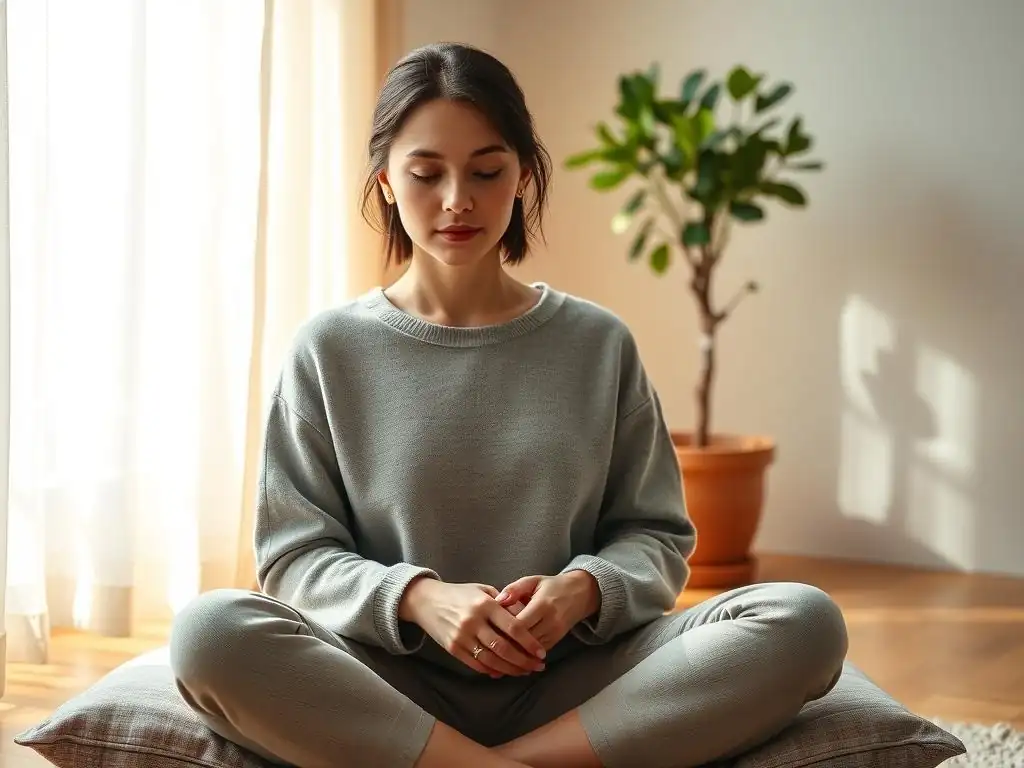
Simple Mindfulness Exercises for Beginners
Starting a mindfulness meditation practice doesn't require hours of sitting or complex techniques. Even a few minutes a day can make a significant difference. The key is consistency and a willingness to approach the practice with patience and curiosity. Beginners can start with short, guided meditations or simple exercises that can be easily woven into the fabric of their day. The goal is to become more comfortable with stillness and observation, gradually increasing the duration as feels comfortable.
One of the most accessible ways to begin mindfulness meditation for daily life is by focusing on the breath. Another foundational practice involves systematically bringing attention to different parts of the body. These techniques help to anchor the mind in the present moment and provide a gentle introduction to observing sensations without judgment. Incorporating these simple exercises regularly can lay a solid foundation for a sustainable and beneficial mindfulness practice.
Mindful Breathing Techniques
- Find a comfortable seated position.
- Close your eyes gently or soften your gaze.
- Bring your awareness to your breath. Notice the sensation of the air entering and leaving your nostrils or the rise and fall of your abdomen.
- Simply observe the breath without trying to change it.
- When your mind wanders (which it will), gently notice where it went and guide your attention back to your breath.
- Start with just 1-2 minutes and gradually increase over time.
Body Scan Meditation for Relaxation
- Lie down comfortably on your back or sit in a chair, feet flat on the floor.
- Close your eyes and take a few deep breaths.
- Bring your attention to your toes. Notice any sensations there – warmth, coolness, tingling, pressure.
- Gently move your attention up through your feet, ankles, calves, knees, and so on, slowly scanning your entire body.
- As you scan, simply notice the sensations in each area without judgment. If you encounter discomfort, simply acknowledge it with kindness.
- If your mind wanders, gently return your attention to the body part you were scanning.
Mindful Walking for Grounding
- Find a quiet space where you can walk slowly, perhaps indoors or outdoors.
- Begin walking at a slower pace than usual.
- Bring your attention to the physical sensations of walking: the lifting of the foot, the forward movement, the placement of the foot on the ground, the shifting of weight.
- Notice the movement of your arms, the rhythm of your steps, the feeling of the ground beneath your feet.
- If your mind gets caught up in thoughts, gently redirect your attention back to the physical sensations of walking.
- This can be practiced during your commute, a stroll in the park, or even walking around your home.
Creating a Dedicated Meditation Space
While you can technically practice mindfulness meditation anywhere, having a dedicated space can help establish a routine and create a sense of ritual around your practice. This space doesn't need to be large or elaborate; it could be a corner of a room, a cushion on the floor, or even just a specific chair. The key is that it feels relatively quiet and free from major distractions. Making this space pleasant and inviting can encourage you to return to it regularly.
Consider personalizing your meditation space with items that bring you a sense of calm or focus. This might include a comfortable cushion or bench, a soft blanket, or perhaps a simple object to rest your gaze upon if you choose to meditate with your eyes open (though closing them is common). Keeping the space tidy and free of clutter can also contribute to a sense of mental clarity. Establishing a physical space for mindfulness meditation for daily life signals to your brain that it's time to transition into a state of focused awareness and presence.
Setting Realistic Goals for Your Mindfulness Practice
When starting out with mindfulness meditation, it's essential to set realistic and achievable goals to avoid becoming discouraged. Aiming for daily practice is ideal, but starting with just 5-10 minutes a day is perfectly acceptable and often more sustainable than trying to jump into longer sessions. The quality of your attention during the practice is more important than the duration. Don't expect your mind to suddenly become empty or perfectly still; the nature of the mind is to think, and the practice is about noticing that thinking without getting lost in it.
Be kind to yourself on your mindfulness journey. There will be days when it feels easier and days when it feels more challenging. Missed days happen, and that's okay. Simply acknowledge it without judgment and return to your practice when you can.
Setting a specific time each day, such as first thing in the morning or before bed, can help build consistency. Remember that the goal is to cultivate greater presence and awareness in your daily life, not just during formal meditation sessions. Celebrate small victories, like noticing your breath for a few moments during a busy day, as these moments are evidence of your practice extending beyond the cushion.
Overcoming Challenges in Your Mindfulness Journey
Dealing with Distractions During Meditation
Distraction is perhaps the most common challenge encountered during mindfulness meditation. The mind is inherently prone to wandering, getting caught up in thoughts about the past, future, or simply random associations. Beginners often feel like they are "failing" at meditation because their minds are so busy, but this is a fundamental misunderstanding of the practice. The act of noticing that your mind has wandered and gently bringing it back is the very essence of mindfulness training. It's like a bicep curl for the brain – each return strengthens the muscle of attention.
Instead of fighting distractions or getting frustrated, try approaching them with curiosity and acceptance. When you notice your mind has drifted, simply acknowledge the thought or feeling that took you away without judgment. You might silently label it ("thinking," "planning," "worrying") and then gently redirect your attention back to your chosen anchor, such as the breath or bodily sensations.
This process isn't about eliminating thoughts, but about changing your relationship with them – recognizing them as temporary mental events rather than absolute truths you must follow. Persistent practice with mindfulness meditation for daily life helps reduce the frequency with which the mind gets intensely caught up in distractions.
Managing Difficult Emotions and Thoughts
Mindfulness meditation can sometimes bring difficult emotions or uncomfortable thoughts to the surface. When we stop distracting ourselves, unresolved feelings, anxieties, or painful memories may arise. This can be challenging and may lead some people to abandon their practice. However, mindfulness offers a framework for approaching these difficult internal experiences with greater courage and wisdom. Instead of pushing them away or getting overwhelmed, the practice encourages observing them from a place of non-judgmental awareness.
When difficult emotions arise, try to approach them with the same gentle curiosity you would apply to observing your breath. Notice where you feel the emotion in your body. What are the physical sensations associated with it? Can you describe the feeling without labeling it as "good" or "bad"?
Remember that emotions are transient; they arise, linger for a while, and eventually pass. By allowing yourself to feel them without resistance, you reduce their power over you. If overwhelming feelings arise consistently, it may be beneficial to seek guidance from a qualified mindfulness teacher or therapist who can provide support in navigating these challenges safely. Integrating mindfulness meditation for daily life includes learning to be present with the full spectrum of human experience, not just the pleasant parts.
Maintaining Consistency in Your Practice
One of the biggest hurdles in establishing any new habit, including mindfulness meditation, is maintaining consistency. Life gets busy, motivation wanes, and it's easy to let the practice slide. However, like physical exercise or learning a new skill, the benefits of mindfulness accrue over time with regular effort. Short, consistent sessions are often more beneficial than infrequent, long ones. Finding ways to integrate the practice seamlessly into your existing routine is key.
Consider using cues or triggers to remind you to practice. This could be meditating right after you brush your teeth in the morning, during your commute (if not driving! ), or while waiting for your coffee to brew. Using a meditation app with scheduled reminders can also be helpful.
It can also be beneficial to reflect on why you started practicing mindfulness meditation for daily life in the first place and reconnect with the benefits you've experienced or hope to experience. Don't strive for perfection; strive for progress. Even just a few minutes of mindful breathing during a stressful moment counts as practice and helps reinforce the habit.
Advanced Mindfulness Techniques for Deeper Presence
Vipassana Meditation: Insight Through Observation
Vipassana, meaning "to see things as they really are," is a form of mindfulness meditation that focuses on cultivating deep insight into the nature of reality, particularly the impermanence of all phenomena. It is often taught in intensive retreat settings, ranging from 3 to 90 days or longer, where practitioners maintain silence and meditate for many hours each day. The core technique involves observing physical sensations throughout the body in a systematic way, noticing their arising and passing away without reacting to them.
Through the rigorous practice of Vipassana, meditators train themselves to perceive the constant flux of sensations, thoughts, and emotions, understanding experientially that nothing is permanent or fixed. This understanding can lead to a reduction in attachment and aversion, the root causes of suffering according to this tradition. While often practiced in intensive formats, the principles of observing impermanence and non-reactivity can be integrated into ongoing mindfulness meditation for daily life. It provides a path towards profound insight into the workings of the mind and body.
Loving-Kindness Meditation (Metta): Cultivating Compassion
Loving-Kindness Meditation, or Metta, is a practice specifically designed to cultivate feelings of warmth, friendliness, and compassion towards oneself and others. Unlike mindfulness which often focuses on present-moment awareness of whatever arises, Metta actively directs positive intentions. The practice typically involves silently repeating phrases that express goodwill, starting with oneself, then extending to loved ones, neutral persons, difficult persons, and finally to all beings. Examples of phrases include: "May I be happy. May I be healthy. May I be safe. May I live with ease."
Regular practice of Metta can counteract negative emotional states such as anger, resentment, and fear, replacing them with feelings of warmth and connection. Research has shown that Metta meditation can increase positive emotions, reduce social isolation, and even increase activation in brain regions associated with empathy. While distinct from core mindfulness (which is about non-judgmental awareness), Metta is often practiced alongside it as it complements the development of presence with the cultivation of a compassionate heart. Integrating Metta into your mindfulness meditation for daily life can enrich your emotional landscape and improve your relationships.
Mindfulness in Everyday Activities: Mindful Dishwashing, Mindful Communication
Mindfulness is not confined to formal meditation sessions; it is a quality of attention that can be brought to any activity. Practicing mindfulness in everyday tasks helps to extend the benefits of formal meditation into your daily life, making even mundane activities opportunities for presence and grounding. This can involve bringing your full attention to the sensations, sights, sounds, and smells involved in simple actions like washing dishes, brushing your teeth, or walking from one room to another.
For example, mindful dishwashing involves noticing the temperature of the water, the feel of the soap, the texture of the dishes, and the movements of your hands, rather than letting your mind race or plan while your body is on autopilot. Mindful communication involves truly listening to the other person without formulating your response, being aware of your own emotional state, and speaking with intention and presence.
By consciously engaging in mindful everyday activities, you reinforce your ability to stay present and grounded throughout the day, making mindfulness meditation for daily life a continuous practice, not just a seated one.
Mindfulness Meditation and Mental Well-being

Mindfulness for Managing Depression and Anxiety
Mindfulness meditation has emerged as a valuable complementary approach for individuals struggling with depression and anxiety. It helps by interrupting the cycles of negative rumination and worry that are often characteristic of these conditions. By teaching individuals to observe their thoughts and feelings from a distance, mindfulness reduces the tendency to identify with or be overwhelmed by depressive or anxious thought patterns. It encourages a shift from a state of constant internal struggle to one of greater acceptance and non-reactivity.
Clinical research provides strong support for the efficacy of mindfulness-based interventions in reducing symptoms of depression and anxiety. Studies have shown that mindfulness training can be effective in preventing relapse in individuals with recurrent depression, sometimes comparable to the effectiveness of maintenance antidepressant medication for certain populations. For anxiety, mindfulness helps individuals become more aware of the physical sensations and thought patterns associated with panic or worry, allowing them to respond with less fear and avoidance.
For instance, studies have indicated significant reductions in both generalized anxiety disorder and panic disorder symptoms following participation in mindfulness programs. While not a replacement for professional treatment, integrating mindfulness meditation for daily life can significantly support mental health management.
Mindfulness-Based Stress Reduction (MBSR) Programs
Mindfulness-Based Stress Reduction (MBSR) is one of the most well-known and widely researched mindfulness programs. Developed by Jon Kabat-Zinn in the late 1970s at the University of Massachusetts Medical School, it is an intensive 8-week course that teaches participants various mindfulness meditation techniques, gentle yoga, and mindful movement, along with group discussions. The program aims to help participants cope more effectively with stress, pain, and illness by cultivating present-moment awareness.
MBSR has been extensively studied and shown to be effective across a wide range of populations and conditions. Research has demonstrated its benefits in reducing symptoms of chronic pain, improving immune function, and significantly lowering levels of stress, anxiety, and depression. For example, studies on MBSR participants often report substantial improvements in well-being scores and physiological markers of stress, such as cortisol levels. The structured format and group setting provide a supportive environment for learning and integrating mindfulness meditation for daily life, making it accessible even to those with no prior experience.
The Role of Mindfulness in Cognitive Behavioral Therapy (CBT)
Cognitive Behavioral Therapy (CBT) is a widely used therapeutic approach that focuses on identifying and changing negative thought patterns and behaviors. Mindfulness has been increasingly integrated into CBT, leading to approaches like Mindfulness-Based Cognitive Therapy (MBCT). MBCT combines the principles of CBT with mindfulness meditation practices, specifically targeting the prevention of depressive relapse. It helps individuals recognize depressive thought patterns as just thoughts, rather than objective reality, reducing the likelihood of spiraling into a depressive episode.
In traditional CBT, clients might challenge the validity of negative thoughts. In MBCT and other mindfulness-integrated therapies, the focus is often less on changing the thought's content and more on changing the relationship to the thought – observing it non-judgmentally and letting it pass. This allows individuals to step back from automatic negative reactions.
For example, someone with social anxiety might learn to observe the physical sensations of anxiety and the thought "I'm going to embarrass myself" without automatically believing it or fleeing the situation. This synergy between mindfulness and CBT provides powerful tools for managing a range of mental health challenges, emphasizing the practical application of mindfulness meditation for daily life as a therapeutic skill.
Resources for Learning More About Mindfulness Meditation
Recommended Books on Mindfulness and Meditation
Books offer a valuable way to delve deeper into the philosophy and practice of mindfulness meditation. They can provide historical context, explain the underlying principles, offer guided practices, and share personal stories of transformation. For beginners, books that provide clear, step-by-step instructions and address common challenges are particularly helpful. Many classic texts and contemporary guides are available, catering to different interests and levels of experience.
Popular and highly regarded books include "Wherever You Go, There You Are" by Jon Kabat-Zinn, which offers short, accessible reflections and practices, and "Mindfulness: An Eight-Week Plan for Finding Peace in a Frantic World" by Mark Williams and Danny Penman, which provides a structured program based on MBCT principles. Other authors like Thich Nhat Hanh offer teachings rooted in Buddhist tradition but universally applicable. Reading about mindfulness can deepen your understanding and reinforce your commitment to practicing mindfulness meditation for daily life.
Online Mindfulness Courses and Apps
In today's digital age, numerous online resources make learning and practicing mindfulness meditation more accessible than ever. Online courses offer structured learning programs, often led by experienced teachers, that guide participants through foundational techniques and concepts. These courses can range from short introductory modules to comprehensive programs like online versions of MBSR. They provide flexibility for individuals who cannot attend in-person classes.
Meditation apps are also incredibly popular tools for supporting a mindfulness practice. Apps like Calm, Headspace, Ten Percent Happier, and Insight Timer offer guided meditations of varying lengths, programs tailored to specific goals (like sleep, stress, or focus), and tracking features to monitor consistency. Many provide options for silent meditation timers as well. These digital resources can serve as convenient companions for integrating mindfulness meditation for daily life, offering guidance and motivation right at your fingertips.
Finding a Qualified Mindfulness Teacher or Therapist
While self-guided learning through books and apps is possible, working with a qualified mindfulness teacher or therapist can significantly enhance your practice, especially if you are dealing with specific mental health challenges or encounter difficulties. A teacher can provide personalized guidance, offer feedback on your practice, and help you navigate challenges like distractions or difficult emotions. They can also introduce you to a supportive community of fellow practitioners.
For individuals using mindfulness to manage mental health conditions, a therapist trained in mindfulness-based approaches (like MBCT or MBSR) can integrate mindfulness practices into a broader therapeutic plan. They can help you understand how mindfulness relates to your specific challenges and provide support in a clinical context. When seeking a teacher or therapist, look for those who have undergone rigorous training in recognized mindfulness programs and ideally have a personal practice themselves. Seeking professional guidance ensures you are learning and applying mindfulness meditation for daily life in a safe and effective manner.
Conclusion: The Transformative Power of Mindfulness in Daily Life
Embracing a More Present and Grounded Existence
The journey of incorporating mindfulness meditation into daily life is one of gradual unfolding and continuous learning. It's not about achieving a perfect state of constant calm or eliminating all difficult experiences. Rather, it is about cultivating a consistent practice of returning to the present moment, observing whatever arises with kindness and curiosity, and developing a more skillful relationship with your internal and external world. This simple act of paying attention can profoundly change how you experience each day.
By regularly engaging in mindfulness meditation, even for just a few minutes, you build resilience, enhance your ability to focus, improve emotional regulation, and reduce the impact of stress and anxiety. You learn to pause before reacting, to appreciate simple moments, and to connect with yourself and others on a deeper level. Embracing mindfulness meditation for daily life is an investment in your well-being, offering a path toward living a more present, grounded, and fulfilling existence, one moment at a time.
Frequently Asked Questions
What is mindfulness meditation and how does it relate to daily life?
Mindfulness meditation is a mental training practice that involves focusing on your present moment experiences. It helps you become more aware of your thoughts, feelings, and sensations, allowing you to stay grounded in your daily activities.
How can I incorporate mindfulness meditation into my busy schedule?
Start with short sessions of 5-10 minutes each day. You can practice during your commute, while eating, or before bed. The key is to find moments where you can focus on your breath and be present.
What are the benefits of practicing mindfulness meditation regularly?
Regular practice can reduce stress, improve focus, and enhance your overall mental well-being. It can also help you develop greater self-awareness and emotional regulation skills.
Is mindfulness meditation effective for managing specific mental health challenges?
Yes, studies suggest that mindfulness meditation can be beneficial for managing anxiety, depression, and chronic pain. It helps individuals develop coping mechanisms and reduce negative thought patterns.
Where can I find resources and support to learn more about mindfulness meditation?
Mind Care Guide offers a comprehensive guide with information, support, and resources for practicing mindfulness meditation. Many apps and online platforms also provide guided meditations and educational materials.
Final Reflection: Cultivating Presence in a Frantic World
The relentless pace of modern life often leaves us feeling disconnected, adrift in a sea of to-dos and distractions. Mindfulness meditation, however, offers a powerful antidote, a lifeline to the present moment. This article explored practical techniques to integrate mindfulness into your daily routine, transforming even mundane tasks into opportunities for grounding and self-awareness. The ability to truly be present is not a luxury; it's a necessity for navigating the complexities of our world with clarity and compassion.
The impact of mindfulness on our cultural landscape is undeniable, slowly but surely shifting the focus from relentless productivity to a more holistic understanding of well-being. We are increasingly recognizing the limitations of a solely achievement-driven existence and seeking alternative paths to fulfillment. This growing awareness is reflected in the rise of mindfulness-based interventions in various fields, from education and healthcare to corporate settings. The present moment is filled with joy and happiness. If you are attentive, you will see it.
– Thich Nhat Hanh. This simple yet profound statement encapsulates the core message of this article: finding joy and peace in the everyday by cultivating presence.
Now, I invite you to consider how you can integrate these practices into your own life. Start small. Begin with just five minutes of mindful breathing each day. Notice the sensations in your body, the sounds around you, the thoughts that arise without judgment. As you cultivate this awareness, you will discover a deeper connection to yourself and the world around you, fostering resilience, reducing stress, and ultimately, enriching your life in countless ways. Embrace the journey of presence; it is a gift you give yourself.
Unlock Your Inner Calm: Start Your Mindfulness Journey Today
Thanks for taking the time to explore the power of mindfulness! We hope you gained valuable insights into how to stay grounded and present in your daily life. Ready to deepen your practice?
- Begin your daily mindfulness meditation: Even 5 minutes a day can make a significant difference. Try one of the guided meditations we mentioned, or simply find a quiet space and focus on your breath.
- Share your experience: Connect with others on their mindfulness journey by sharing this article with friends or family who might benefit. Let's build a supportive community!
- Explore different mindfulness techniques: Consider trying a mindful walking meditation, body scan, or loving-kindness practice to broaden your experience.
Ready to embrace a more peaceful and present you? What simple mindfulness practice are you most excited to try first?