
Mindfulness and the Amygdala: Reducing Fear Responses Through Awareness

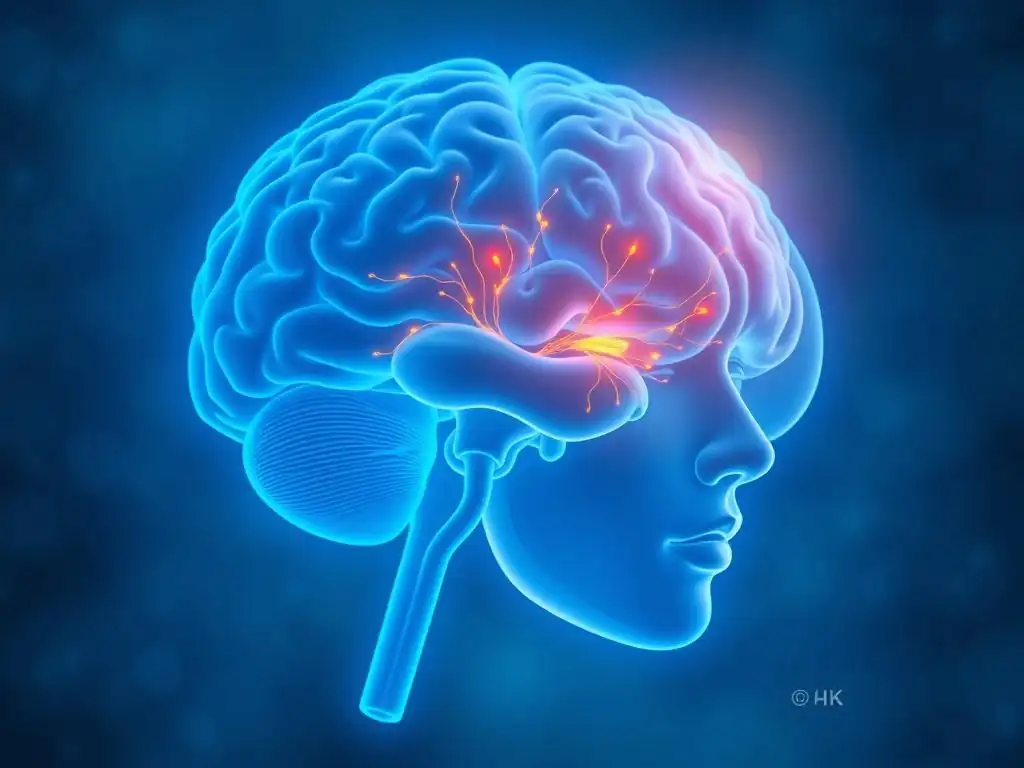
Welcome to Mind Care Guide, a space dedicated to nurturing your mental well-being.
Ever wonder how your brain responds to fear? Dive into our exploration of how mindfulness reduces amygdala fear, offering insights into the neuroscience of mental health. Understand how cultivating awareness can reshape your brain's response to anxiety and stress, and discover practical steps you can take to foster a calmer, more resilient you. Ready to unlock the potential of a mindful mind?
Mindfulness and the Amygdala: Reducing Fear Responses Through Awareness
- Understanding the Amygdala's Role in Fear and Anxiety
- Mindfulness: A Powerful Tool for Managing Fear
- Mindfulness Reduces Amygdala Fear: The Connection
- Practical Mindfulness Techniques for Calming the Amygdala
- Integrating Mindfulness into Daily Life
- Mindfulness and Amygdala Regulation: Long-Term Benefits
- The Future of Mindfulness Research and Amygdala Regulation
- Conclusion: Embracing Mindfulness for a Calmer, More Resilient Mind
-
Frequently Asked Questions
- What is the amygdala and what role does it play in fear?
- How does mindfulness practice affect the amygdala's activity?
- What specific mindfulness techniques are most effective for reducing fear responses?
- Is there scientific evidence to support the claim that mindfulness reduces amygdala activity?
- How long does it typically take to see the benefits of mindfulness on fear reduction?
- Final Reflection: Cultivating Inner Peace in a Fearful World
- Unlock Your Inner Calm: Start Reducing Fear Today
Understanding the Amygdala's Role in Fear and Anxiety
The Amygdala: Your Brain's Fear Center Explained
Nestled deep within the temporal lobe of the brain, the amygdala is a small, almond-shaped structure that plays a critical role in processing emotions, particularly fear. Often referred to as the brain's "fear center," the amygdala is constantly scanning the environment for potential threats. When it detects something it perceives as dangerous, it quickly initiates a cascade of physiological responses designed to help you survive – the well-known "fight or flight" reaction. This ancient part of the brain is incredibly efficient at its job, prioritizing speed over accuracy to ensure rapid protection from harm.
The amygdala is not a single structure but rather a complex network of nuclei. It receives input from various parts of the brain, including sensory areas (seeing, hearing, smelling potential threats), the hippocampus (context and memory), and the prefrontal cortex (higher-level processing). Based on this input, the amygdala determines the emotional significance of a stimulus and orchestrates appropriate responses, such as increased heart rate, rapid breathing, muscle tension, and the release of stress hormones like cortisol and adrenaline. While essential for survival in truly dangerous situations, an overactive amygdala can contribute significantly to anxiety disorders by triggering false alarms.
How the Amygdala Triggers Fear Responses
When the amygdala perceives a threat, it sends signals through two main pathways. The "low road" is a direct, rapid pathway from sensory organs to the amygdala, allowing for almost instantaneous, albeit sometimes inaccurate, responses. This pathway is crucial for reacting quickly to immediate dangers, like jumping back from a sudden loud noise. The "high road," on the other hand, is slower and more complex. It involves processing sensory information through the cortex, including the prefrontal cortex, which allows for a more nuanced and contextual understanding of the situation before a response is generated.
This dual pathway system highlights the amygdala's power and its potential for misinterpretation. In the case of anxiety, the amygdala can become hypersensitive, reacting strongly to stimuli that are not genuinely threatening. For instance, someone with social anxiety might experience an intense fear response (sweating, trembling, racing heart) simply by entering a crowded room or anticipating a conversation. The amygdala interprets these social cues as a significant threat, bypassing the slower, rational processing of the prefrontal cortex via the "low road," leading to disproportionate fear and anxiety.
Amygdala Hyperactivity and Anxiety Disorders
Chronic stress, traumatic experiences, and genetic predisposition can lead to hyperactivity in the amygdala. When the amygdala is consistently on high alert, it becomes more easily triggered, contributing to the hallmark symptoms of various anxiety disorders, such as Generalized Anxiety Disorder (GAD), Panic Disorder, Social Anxiety Disorder, and Post-Traumatic Stress Disorder (PTSD). In individuals with these conditions, the amygdala may show increased size or heightened reactivity compared to those without anxiety.
Research, often utilizing functional magnetic resonance imaging (fMRI), has consistently demonstrated elevated amygdala activity in response to fearful or ambiguous stimuli in individuals with anxiety disorders. For example, studies have shown that patients with PTSD exhibit stronger amygdala responses when viewing trauma-related images. This persistent state of heightened reactivity means the brain is stuck in a threat-detection mode, making it difficult to feel safe and relaxed, and perpetuating the cycle of fear and worry characteristic of anxiety. Addressing this amygdala hyperactivity is a key target for therapeutic interventions.
Mindfulness: A Powerful Tool for Managing Fear
What is Mindfulness? Defining Awareness and Presence
Mindfulness is fundamentally about paying attention, on purpose, to the present moment, without judgment. It involves cultivating a state of active, open attention to whatever is happening right now – thoughts, feelings, bodily sensations, and the surrounding environment. It's not about emptying the mind or achieving a state of bliss, but rather about observing your experiences as they arise and pass, recognizing them without getting caught up in reactivity or judgment.
Practicing mindfulness involves intentionally bringing your awareness to your breath, bodily sensations, thoughts, or external stimuli. This deliberate focus trains the mind to stay anchored in the present, rather than getting lost in ruminating about the past or worrying about the future, which are common triggers for anxiety. By fostering a non-judgmental attitude, mindfulness helps individuals observe difficult emotions like fear or anxiety with greater acceptance, reducing the tendency to react impulsively or amplify the distress.
The Science Behind Mindfulness and its Benefits
Scientific research into mindfulness has exploded over the past few decades, revealing a wide range of benefits supported by neuroscientific evidence. Studies using fMRI and EEG have shown that regular mindfulness practice can lead to structural and functional changes in the brain. Notably, it's been linked to increased gray matter density in areas associated with learning, memory, emotion regulation, and perspective-taking, such as the hippocampus and parts of the prefrontal cortex.
Beyond brain changes, mindfulness has been shown to reduce stress levels, decrease symptoms of anxiety and depression, improve focus and attention, and enhance emotional regulation. Research indicates that individuals who practice mindfulness regularly report lower levels of cortisol, a primary stress hormone. This physiological effect, combined with the neurological changes, underscores mindfulness's potential as a powerful tool for managing emotional distress and improving overall mental well-being, particularly in counteracting the effects of an overactive fear response system.
How Mindfulness Practices Can Reduce Anxiety
Mindfulness practices offer several mechanisms for reducing anxiety. By training attention, mindfulness helps individuals become more aware of their anxious thoughts and feelings without immediately identifying with them or being overwhelmed by them. This creates a space between the trigger and the reaction, allowing for a more considered response rather than an automatic fear reaction.
Furthermore, mindfulness cultivates a greater tolerance for uncomfortable emotions. Instead of trying to suppress or escape anxiety, practitioners learn to acknowledge its presence with curiosity and non-judgment. This radical acceptance can reduce the secondary suffering that often arises from resisting difficult feelings. Regular engagement with practices like mindful breathing, meditation, or body scans helps to calm the nervous system, counteracting the physiological arousal triggered by the amygdala and promoting a state of greater ease and relaxation.
Mindfulness Reduces Amygdala Fear: The Connection
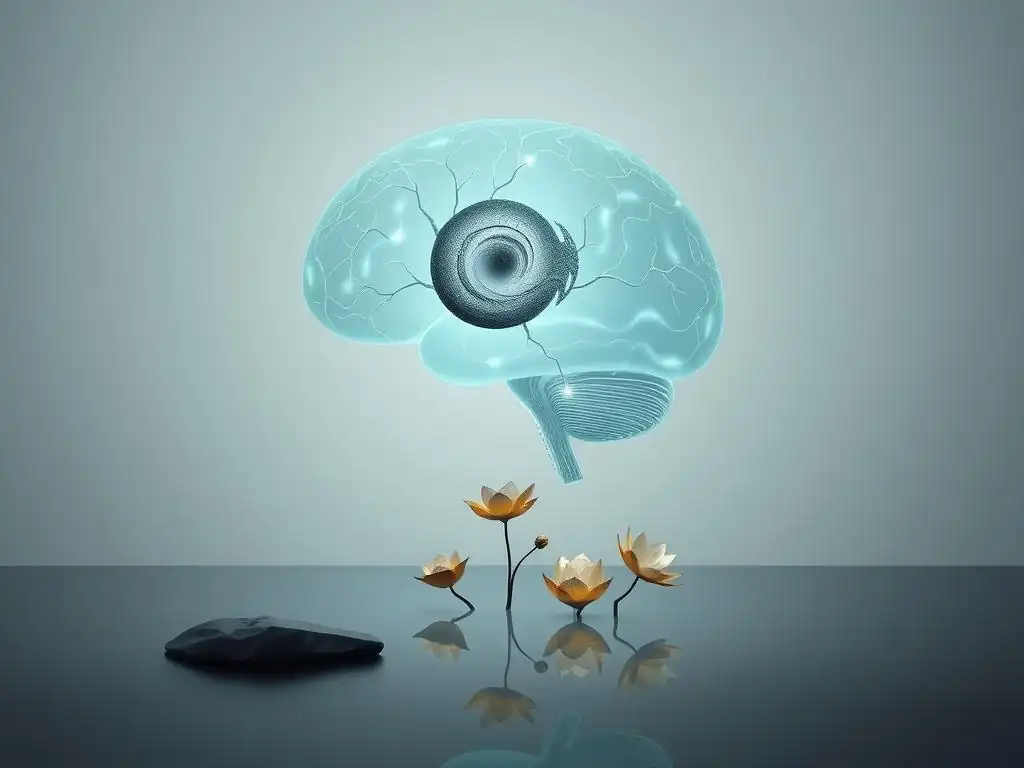
The Neurological Link: Mindfulness' Impact on the Amygdala
The key to understanding how mindfulness reduces amygdala fear lies in its influence on brain connectivity and activity. Research indicates that mindfulness practice strengthens the connections between the prefrontal cortex – the brain region responsible for higher-order thinking, decision-making, and emotional regulation – and the amygdala. The prefrontal cortex acts like the brain's executive control center, and a stronger connection allows it to exert more top-down control over the amygdala's reactivity.
Essentially, regular mindfulness training helps to enhance the ability of the prefrontal cortex to modulate or "turn down" the intensity of the amygdala's fear signals. This means that even when faced with potentially stressful situations, the amygdala is less likely to trigger an extreme, immediate fear response. Instead, the more developed connection allows for information to be processed more rationally through the "high road," enabling a calmer, more measured reaction. This neurological link is central to why mindfulness reduces amygdala fear and its associated anxiety symptoms.
Studies Showing Mindfulness Decreases Amygdala Activity
Numerous studies using advanced neuroimaging techniques have provided compelling evidence that mindfulness training leads to decreased amygdala activity. One landmark study published in Social Cognitive and Affective Neuroscience found that participants who completed an 8-week Mindfulness-Based Stress Reduction (MBSR) program showed significantly reduced amygdala activation when exposed to emotionally arousing images compared to a control group. This reduced reactivity was observed even outside of formal meditation practice.
Another study, published in Psychiatry Research: Neuroimaging, demonstrated that short-term mindfulness meditation training (as little as two weeks) could lead to measurable reductions in amygdala density and decreased emotional reactivity. These findings strongly support the idea that mindfulness practice directly impacts the structure and function of the amygdala, making it less prone to triggering intense fear responses. The consistent results across various research designs bolster the scientific basis for how mindfulness reduces amygdala fear responses.
Mindfulness-Based Interventions (MBIs) and Fear Reduction
Mindfulness-Based Interventions (MBIs), such as MBSR and Mindfulness-Based Cognitive Therapy (MBCT), are structured programs that teach mindfulness skills over several weeks. These programs have been extensively studied for their effectiveness in treating anxiety and stress-related conditions. Research consistently shows that participation in MBIs leads to significant reductions in self-reported anxiety levels and improvements in emotional regulation.
The therapeutic mechanism behind these improvements is strongly linked to the observed changes in amygdala activity. By teaching individuals to become more aware of their internal states without judgment and to regulate their attention, MBIs empower them to interrupt the cycle of fear amplification driven by an overactive amygdala. For example, an 8-week MBSR course typically involves daily practice and group sessions, providing the consistent training necessary to foster the neural changes that help mindfulness reduces amygdala fear and improves resilience to stress.
Practical Mindfulness Techniques for Calming the Amygdala
Breathing Exercises for Immediate Anxiety Relief
One of the most accessible and effective mindfulness techniques for calming an activated amygdala is focused breathing. When the amygdala triggers the stress response, breathing becomes shallow and rapid. By intentionally slowing down and deepening the breath, you send a signal to your nervous system that the perceived threat is passing. A simple technique is 4-7-8 breathing: inhale for a count of four, hold the breath for a count of seven, and exhale slowly for a count of eight. Repeat this several times.
Another powerful technique is diaphragmatic or belly breathing. Place one hand on your chest and the other on your abdomen. Inhale deeply through your nose, allowing your abdomen to rise while your chest remains relatively still. Exhale slowly through your mouth, letting your abdomen fall. Focusing your attention solely on the sensation of the breath entering and leaving your body grounds you in the present moment, interrupting the anxious thought spirals and directly counteracting the physiological arousal instigated by the amygdala, helping to soothe the fear response.
Body Scan Meditation for Enhanced Body Awareness
The body scan is a mindfulness practice that involves systematically bringing awareness to different parts of the body, noticing any sensations without judgment. This practice helps individuals become more attuned to physical sensations associated with anxiety (like tension in the shoulders or tightness in the chest) and learn to observe them with curiosity rather than fear. By focusing attention on the body, the mind is drawn away from anxious thoughts, promoting relaxation.
During a body scan, you might lie down or sit comfortably and guide your attention from your toes all the way up to the crown of your head. As you focus on each area, you simply notice whatever sensations are present – tingling, warmth, coolness, tension, or lack thereof. If your mind wanders, you gently guide it back to the body part you were focusing on. Regular body scans increase interoceptive awareness, the ability to sense internal bodily states, which can help you recognize the early signs of amygdala activation and apply calming techniques before anxiety escalates.
Mindful Walking: Connecting with the Present Moment
Mindful walking integrates awareness into the everyday activity of walking. Instead of rushing from one place to another or getting lost in thought, mindful walking involves paying deliberate attention to the physical sensations of walking – the feeling of your feet touching the ground, the movement of your legs, the swing of your arms, and your breath. You can also expand your awareness to include the sights, sounds, and smells around you, experiencing the environment with fresh attention.
This practice provides a gentle way to anchor yourself in the present moment, interrupting rumination and worry. By focusing on the sensory input of walking and the environment, you engage different parts of the brain and shift attention away from internal fear-based narratives originating from an overactive amygdala. Even a short mindful walk of 5-10 minutes can help to reduce stress and bring a sense of calm, offering a practical way that mindfulness reduces amygdala fear responses during the day.
Loving-Kindness Meditation: Cultivating Compassion and Reducing Fear
Loving-Kindness Meditation, or Metta, is a practice focused on cultivating feelings of warmth, compassion, and kindness towards oneself and others. While seemingly different from direct fear reduction techniques, Metta can be profoundly effective in calming the amygdala and reducing social anxiety and fear of judgment. The practice typically involves silently repeating phrases wishing well-being, happiness, and freedom from suffering first for oneself, then for loved ones, neutral persons, difficult persons, and finally for all beings.
By intentionally generating positive emotions and focusing on connection rather than threat, Loving-Kindness Meditation can counterbalance the amygdala's tendency to interpret social interactions or internal states through a lens of fear and negativity. Research suggests that cultivating positive emotions can activate different neural pathways than fear, helping to regulate the amygdala's activity. Regular practice can foster a greater sense of safety and connection, reducing the chronic vigilance often associated with anxiety and demonstrating another way mindfulness reduces amygdala fear by shifting emotional processing.
Integrating Mindfulness into Daily Life
Creating a Daily Mindfulness Practice
Integrating mindfulness into daily life doesn't necessarily require hours of formal meditation. It can start with small, consistent practices. Begin by committing to just 5-10 minutes each day for a focused mindfulness exercise, such as mindful breathing or a short body scan. Choose a specific time that works for you, perhaps first thing in the morning or before bed, to build a routine. Consistency is more important than duration, especially when starting out, to allow the brain to begin forming new habits and neural pathways.
Beyond formal practice, look for opportunities to bring mindfulness to everyday activities. This could involve mindful eating, paying attention to the taste, texture, and smell of your food; mindful showering, noticing the sensation of water on your skin; or mindful listening, truly focusing on the person speaking without planning your response. These brief moments of present-moment awareness accumulate over time, strengthening your capacity for mindfulness and reinforcing the neural changes that help mindfulness reduces amygdala fear and improve emotional regulation throughout the day.
Using Mindfulness to Manage Stressful Situations
Mindfulness provides powerful tools for navigating stressful situations in the moment, rather than being swept away by the amygdala's fear response. When you feel anxiety rising – perhaps before a presentation, during a difficult conversation, or in traffic – pause and take a few mindful breaths. Notice the physical sensations of anxiety without judgment. Acknowledge the thoughts racing through your mind ("I can't do this," "What if I fail?") simply as thoughts, not necessarily as reality.
This pause, created through mindfulness, gives your prefrontal cortex a chance to engage. Instead of reacting automatically from the amygdala's "low road," you can access the "high road," allowing for a more thoughtful response. You might ask yourself, "Is this fear based on a real, immediate threat, or is it my amygdala reacting to a potential future outcome?" By applying present-moment awareness, you can ground yourself, choose a more constructive response, and prevent the anxiety from escalating into a full-blown panic or avoidance reaction.
Mindfulness Apps and Resources
Numerous resources are available to support the development of a mindfulness practice. Mindfulness apps, such as Calm, Headspace, or Insight Timer, offer guided meditations of varying lengths, body scans, mindful breathing exercises, and programs specifically designed for stress and anxiety reduction. Many of these resources are based on principles derived from MBIs and provide structured guidance for beginners.
Beyond apps, there are many books, websites, and local centers offering mindfulness courses and workshops. MBSR and MBCT programs are widely available and offer comprehensive, evidence-based training. Utilizing these resources can provide structure, support, and a deeper understanding of mindfulness principles, helping individuals to establish a regular practice that effectively targets and helps to regulate the amygdala's fear responses over time.
Mindfulness and Amygdala Regulation: Long-Term Benefits

Reprogramming the Fear Response: Neuroplasticity and Mindfulness
The brain's remarkable ability to reorganize itself by forming new neural connections throughout life is known as neuroplasticity. Mindfulness practice leverages this neuroplasticity to effectively reprogram the fear response system. As discussed earlier, consistent mindfulness strengthens the communication pathways between the prefrontal cortex and the amygdala. This isn't just a temporary effect; it represents a physical rewiring of the brain.
Through repeated practice, the prefrontal cortex becomes more adept at recognizing when the amygdala is overreacting and sending signals to dampen its activity. This creates a new default response pattern. Instead of the amygdala automatically triggering intense fear based on minimal stimuli, the prefrontal cortex can step in, assess the situation more rationally, and signal safety. This long-term reprogramming is a significant benefit of mindfulness, fundamentally changing how the brain processes potential threats and reducing chronic anxiety.
Preventing Future Anxiety and Fear Through Consistent Practice
Maintaining a consistent mindfulness practice builds resilience against future anxiety and fear. Just as physical exercise strengthens muscles and improves cardiovascular health, regular mindfulness strengthens the brain's capacity for emotional regulation and stress management. By keeping the prefrontal cortex-amygdala connection strong and the amygdala less hyperactive, consistent practice acts as a preventative measure.
Individuals with established mindfulness practices are often better equipped to handle life's inevitable stressors without spiraling into overwhelming fear or anxiety. They are more likely to recognize early signs of stress or fear in their body and mind and apply learned coping strategies, such as mindful breathing or grounding techniques, effectively. This proactive approach, facilitated by the long-term impact of mindfulness on amygdala regulation, helps to prevent the escalation of fear responses and maintain a greater sense of calm and stability.
Mindfulness as a Complementary Therapy for Anxiety Disorders
Given its proven impact on the amygdala and emotional regulation, mindfulness is increasingly recognized and utilized as a valuable complementary therapy for various anxiety disorders. While it is not a replacement for professional medical or psychological treatment, integrating mindfulness practices alongside traditional therapies like Cognitive Behavioral Therapy (CBT) or medication can significantly enhance outcomes.
Many therapists now incorporate mindfulness techniques into their sessions or recommend MBIs to their clients with anxiety. For example, MBCT was initially developed for depression relapse prevention but has shown significant effectiveness in reducing symptoms of GAD and social anxiety. The combination of therapeutic approaches leverages different mechanisms – CBT addresses thought patterns, while mindfulness addresses the underlying physiological and neurological reactivity driven by the amygdala. This integrated approach provides a more comprehensive strategy for managing anxiety and reinforces how mindfulness reduces amygdala fear in clinical settings.
The Future of Mindfulness Research and Amygdala Regulation
Ongoing Studies Exploring the Amygdala-Mindfulness Connection
Research into the fascinating link between mindfulness and the amygdala is an active and evolving field. Scientists continue to use advanced neuroimaging techniques to understand the precise mechanisms by which mindfulness alters amygdala activity and connectivity. Ongoing studies are exploring how different types of mindfulness practices (e.g., focused attention vs. open monitoring) might have distinct impacts on specific amygdala subregions or neural circuits involved in fear processing.
Furthermore, researchers are investigating the optimal dosage and duration of mindfulness practice required to produce significant and lasting changes in amygdala function. Studies are also examining the effects of mindfulness on the amygdala in specific populations, such as individuals with different types of anxiety disorders, trauma survivors, or those with chronic pain, to understand its potential therapeutic applications more fully. This continuous exploration aims to refine our understanding of exactly how mindfulness reduces amygdala fear and how to maximize its benefits.
The Potential for Personalized Mindfulness Interventions
As research progresses, there is growing interest in the potential for personalized mindfulness interventions. Recognizing that different people may respond differently to various mindfulness techniques, future research may explore tailoring practices based on an individual's specific neurological profile or type of anxiety. For instance, someone with particularly high amygdala reactivity might benefit more from practices that specifically target the body's relaxation response, like body scans or focused breathing, while someone else might benefit more from practices that enhance cognitive control, like mindful observation of thoughts.
The integration of neuroimaging data, genetic information, and psychological assessments could lead to more precise recommendations for mindfulness practices, optimizing their effectiveness in regulating amygdala activity and reducing fear for each individual. This personalized approach holds promise for making mindfulness an even more potent tool in the management of anxiety and stress-related conditions.
Expert Perspectives on Mindfulness and Amygdala Health
Leading neuroscientists and mental health professionals increasingly emphasize the importance of mindfulness for promoting amygdala health and overall emotional well-being. Experts in the field often highlight mindfulness not just as a coping mechanism but as a fundamental skill that can restructure the brain's emotional architecture over time. They point to the robust evidence showing mindfulness reduces amygdala fear as a key reason for its therapeutic efficacy.
Many experts advocate for integrating mindfulness education into schools, workplaces, and healthcare settings to empower individuals with tools for emotional resilience from an early age. They view mindfulness as a non-pharmacological intervention with minimal side effects that can complement traditional treatments and promote long-term mental health by fostering a healthier relationship with fear and other difficult emotions, ultimately reducing the burden on the amygdala.
Conclusion: Embracing Mindfulness for a Calmer, More Resilient Mind
Mindfulness: A Pathway to Reducing Fear and Enhancing Well-being
The scientific evidence strongly supports the notion that mindfulness is a powerful tool for managing fear and anxiety by influencing the amygdala, the brain's primary fear center. By strengthening the connection between the rational prefrontal cortex and the reactive amygdala, mindfulness helps to regulate the intensity and frequency of fear responses. Practices like mindful breathing, body scans, and loving-kindness meditation provide tangible ways to calm the nervous system, interrupt anxious thought patterns, and cultivate a greater sense of presence and acceptance.
Embracing mindfulness is more than just learning a relaxation technique; it's about training your brain to respond to life's challenges with greater awareness and less automatic reactivity. The long-term benefits of consistent practice, rooted in neuroplasticity, include a reduced tendency for the amygdala to trigger false alarms, increased emotional resilience, and a greater capacity for navigating stress. Understanding how mindfulness reduces amygdala fear empowers individuals to take proactive steps towards cultivating a calmer, more resilient mind and enhancing overall mental well-being.
Explore Mindfulness Practices
If you are experiencing anxiety or struggling with fear, exploring mindfulness practices could be a beneficial step on your journey towards greater emotional regulation. Start small, perhaps with a few minutes of mindful breathing each day, and gradually explore different techniques. Resources like apps, books, and courses can provide guidance and support as you develop your practice. Remember, building a mindful mind takes time and patience, but the potential rewards – a calmer amygdala, reduced fear, and enhanced well-being – are significant.
Frequently Asked Questions
What is the amygdala and what role does it play in fear?
The amygdala is a brain structure crucial for processing emotions, particularly fear and anxiety. It triggers the "fight or flight" response when a threat is perceived.
How does mindfulness practice affect the amygdala's activity?
Mindfulness helps regulate emotions by reducing the amygdala's reactivity. This is achieved through focused attention and acceptance of present moment experiences.
What specific mindfulness techniques are most effective for reducing fear responses?
Techniques like meditation and mindful breathing are most effective. These practices cultivate present moment awareness and help to detach from fearful thoughts.
Is there scientific evidence to support the claim that mindfulness reduces amygdala activity?
Yes, studies using neuroimaging techniques like fMRI show that mindfulness meditation can lead to decreased amygdala activity in response to stress.
How long does it typically take to see the benefits of mindfulness on fear reduction?
The timeline varies, but consistent practice, even for a few minutes daily, can lead to noticeable improvements within a few weeks. Continued practice leads to lasting benefits.
Final Reflection: Cultivating Inner Peace in a Fearful World
The pervasive nature of fear in our modern lives necessitates a deeper understanding of its neurological underpinnings and, crucially, how we can effectively mitigate its impact. The exploration of mindfulness practices and their influence on the amygdala, the brain's fear center, reveals a powerful pathway to reducing anxiety and cultivating emotional resilience. This understanding isn't merely academic; it's a vital tool for navigating the complexities of the 21st century.
The ongoing influence of mindfulness techniques on our cultural landscape is undeniable, moving beyond niche practices to become increasingly integrated into mainstream approaches to mental well-being. We see this shift reflected in everything from corporate wellness programs to widespread adoption of meditation apps. This growing acceptance underscores the inherent human need for effective coping mechanisms in the face of constant stress and uncertainty. The mind is everything. What you think you become.
– Buddha. This ancient wisdom resonates powerfully in the context of modern neuroscience, highlighting the profound impact our thoughts and mental states have on our physiological responses, including fear.
Consider the power you hold within yourself. This article has illuminated the connection between mindful awareness and the amygdala's reactivity. Now, it's time to translate this knowledge into action.
Begin by incorporating even small moments of mindfulness into your daily routine – a few deep breaths before a challenging task, a mindful walk in nature, or simply paying attention to the sensations in your body. By consciously cultivating this inner awareness, you are not just reducing fear; you are building a stronger, more resilient self, capable of navigating life's challenges with greater peace and clarity. Embrace the journey towards inner peace; it begins with a single, mindful breath.
Unlock Your Inner Calm: Start Reducing Fear Today
Thanks for taking the time to explore the powerful connection between mindfulness and your amygdala! You've learned valuable techniques to manage fear responses – now it's time to put them into practice. Ready to feel more in control?
- Prioritize a daily mindfulness practice: Even 5 minutes of focused breathing can make a significant difference in reducing reactivity. Try a guided meditation today!
- Share this article with someone who might benefit from learning these stress-reduction techniques. Helping others is a powerful way to reinforce your own learning.
- Explore the Mind Care Guide website for more resources on managing anxiety and cultivating inner peace. Discover additional tools to support your journey.
What small step will you take today to cultivate more calmness and resilience?