
Beyond SSRIs: Other Medications Targeting Serotonin Pathways for Mood


Welcome to Mind Care Guide, a safe space dedicated to understanding and navigating the complexities of mental well-being. Feeling overwhelmed by information about serotonin medications? It's understandable. This article delves into the world of Serotonin medication side effects, going beyond simple explanations to explore the nuances and offering practical insights. But that's just the start... What else can influence serotonin pathways and how can we leverage that knowledge for better mental health? Let's find out.
Beyond SSRIs: Other Medications Targeting Serotonin Pathways for Mood
- Introduction: Understanding Serotonin's Role in Mood Regulation
- Serotonin Medications Beyond SSRIs: A Comprehensive Overview
- Exploring Tricyclic Antidepressants (TCAs) and Serotonin
- Monoamine Oxidase Inhibitors (MAOIs) and Their Impact on Serotonin
- Augmentation Strategies: Combining Medications to Enhance Serotonin Activity
- Managing Serotonin Medication Side Effects: A Practical Guide
- Individualized Treatment: Finding the Right Serotonin Medication for You
- Future Directions in Serotonin-Targeting Medications
- Conclusion: Empowering Informed Decisions About Serotonin Medications
-
Frequently Asked Questions
- What are some common side effects associated with serotonin medications, especially beyond SSRIs?
- How do medications targeting serotonin pathways, beyond SSRIs, differ in their side effect profiles?
- Are there strategies to manage or mitigate the side effects of serotonin medications?
- What are the risks of abruptly stopping serotonin medication, and what is the recommended approach?
- Where can I find reliable information and support regarding serotonin medication side effects?
- Final Reflection: Rethinking Serotonin: Beyond the Side Effects
- Unlock Your Mood's Potential: Explore New Pathways to Wellbeing
Introduction: Understanding Serotonin's Role in Mood Regulation
Serotonin: A Key Neurotransmitter in Mental Well-being
Serotonin, chemically known as 5-hydroxytryptamine (5-HT), is a vital neurotransmitter in the brain and body. It plays a multifaceted role, influencing not just mood but also sleep, appetite, digestion, bone health, and sexual function. In the context of mental health, serotonin is particularly implicated in the regulation of mood and emotions. Imbalances in serotonin levels or signaling within specific brain circuits are thought to contribute significantly to conditions like depression and anxiety disorders.
Research into serotonin's role in mood began gaining traction in the mid-20th century, leading to the development of medications specifically designed to modulate its activity. While the exact mechanisms are still being fully elucidated, it is understood that serotonin acts by binding to various receptors located on neurons, triggering a cascade of effects that influence neural communication. Different serotonin receptors (there are at least 14 identified types) mediate different effects, adding complexity to how serotonin impacts our mental state. Understanding this complexity is crucial when considering the range of serotonin medications available.
The Limitations of SSRIs: Addressing Unmet Needs in Depression Treatment
Selective Serotonin Reuptake Inhibitors (SSRIs) have been the cornerstone of depression treatment for decades, primarily working by blocking the reabsorption (reuptake) of serotonin into neurons, thus increasing its availability in the synaptic cleft. While effective for many individuals, SSRIs are not a universal solution. A significant portion of patients, estimated to be around 30-40%, may not achieve full remission with an initial SSRI trial, experiencing only a partial response or no response at all. This highlights the need for alternative or adjunctive treatment strategies.
Furthermore, while often well-tolerated, SSRIs can present challenging serotonin medication side effects for some individuals. Common issues include gastrointestinal upset, insomnia or drowsiness, weight changes, and particularly, sexual dysfunction, which can significantly impact quality of life and lead to discontinuation. These limitations underscore the importance of exploring other classes of medications that also target serotonin pathways, offering different mechanisms of action or targeting multiple neurotransmitter systems to better address the diverse needs and responses seen in the patient population.
Serotonin Medications Beyond SSRIs: A Comprehensive Overview
Serotonin-Norepinephrine Reuptake Inhibitors (SNRIs): Dual-Action Mood Stabilizers
How SNRIs Differ from SSRIs: Mechanism of Action and Effects
Serotonin-Norepinephrine Reuptake Inhibitors (SNRIs) represent a class of antidepressants that, as their name suggests, inhibit the reuptake of both serotonin and norepinephrine into nerve cells. This dual mechanism is the key difference from SSRIs, which primarily target serotonin. By increasing the levels of both neurotransmitters in the synaptic cleft, SNRIs aim to enhance mood regulation and potentially offer benefits for symptoms related to energy and motivation, which are also influenced by norepinephrine.
This dual action may be particularly beneficial for patients whose depression symptoms extend beyond low mood to include significant fatigue, lack of interest, or physical pain. While both serotonin and norepinephrine pathways are involved, the balance of their reuptake inhibition varies between different SNRIs, leading to potential differences in efficacy profiles and serotonin medication side effects. For instance, some SNRIs may have a stronger effect on serotonin at lower doses, with norepinephrine reuptake inhibition becoming more prominent at higher doses.
Common SNRIs: Venlafaxine, Duloxetine, and Desvenlafaxine
Several SNRIs are commonly prescribed for major depressive disorder, generalized anxiety disorder, and other conditions. Venlafaxine (Effexor) was one of the first widely used SNRIs; it inhibits serotonin reuptake at lower doses and norepinephrine reuptake at higher doses. Duloxetine (Cymbalta) inhibits both serotonin and norepinephrine reuptake across its dosage range and is also approved for certain chronic pain conditions like fibromyalgia and diabetic peripheral neuropathic pain, suggesting a role for these pathways in pain modulation.
Desvenlafaxine (Pristiq) is a major active metabolite of venlafaxine, with a similar mechanism of action. While generally considered effective for depression and anxiety, SNRIs share some common serotonin medication side effects with SSRIs, including nausea, insomnia, and sexual dysfunction. However, they may also introduce norepinephrine-related side effects such as increased blood pressure, heart rate, and sweating. Managing these potential adverse effects is a critical part of treatment.
Serotonin Modulators and Stimulators (SMS): Novel Approaches to Serotonin Regulation
Vilazodone and Vortioxetine: Mechanisms and Benefits
Serotonin Modulators and Stimulators (SMS) represent a newer class of antidepressants with more complex mechanisms of action than simple reuptake inhibition. Vilazodone (Viibryd) acts as a serotonin reuptake inhibitor and a partial agonist at the 5-HT1A serotonin receptor. The partial agonist activity at 5-HT1A receptors is hypothesized to help regulate serotonin release and potentially mitigate some of the initial side effects often seen with SSRIs, though gastrointestinal side effects remain common.
Vortioxetine (Trintellix) is another SMS that inhibits serotonin reuptake but also acts as an agonist at the 5-HT1A receptor, a partial agonist at the 5-HT1B receptor, and an antagonist at the 5-HT3, 5-HT1D, and 5-HT7 receptors. This multi-receptor activity is thought to modulate serotonin transmission in a way that could potentially improve cognitive function, a common area of impairment in depression, in addition to mood symptoms. Clinical trials have explored vortioxetine's effects on cognitive measures in depressed patients.
SMS vs. SSRIs: A Comparative Analysis of Efficacy and Cognitive Effects
Comparing SMS medications like vilazodone and vortioxetine to traditional SSRIs involves looking at both efficacy in reducing depressive symptoms and their profile of serotonin medication side effects. Some studies and clinical experiences suggest that vortioxetine, due to its unique receptor profile, might offer benefits beyond mood improvement, particularly in areas of cognitive function like processing speed and executive function, which are often impaired in depression.
While efficacy for core depressive symptoms is generally comparable to SSRIs and SNRIs, the side effect profiles can differ. Vilazodone is often associated with nausea and diarrhea, particularly when initiating treatment. Vortioxetine's most common side effect is nausea, which can be dose-dependent. Both may cause other typical serotonin medication side effects such as sexual dysfunction, though some data suggests vortioxetine might have a lower rate of sexual side effects compared to some SSRIs, but this can vary greatly between individuals. The complexity of their mechanisms makes them valuable options when SSRIs or SNRIs are ineffective or poorly tolerated.
Exploring Tricyclic Antidepressants (TCAs) and Serotonin
TCAs: An Older Class of Antidepressants with Serotonin Effects
Tricyclic Antidepressants (TCAs) are among the earliest classes of antidepressants, developed in the 1950s. Their name comes from their characteristic three-ring chemical structure. TCAs primarily work by inhibiting the reuptake of both norepinephrine and serotonin, similar to SNRIs, but they also affect other neurotransmitter systems, including acetylcholine and histamine receptors. This broader impact contributes to both their therapeutic effects and their more extensive profile of serotonin medication side effects compared to newer drugs.
Examples of TCAs include amitriptyline, imipramine, and nortriptyline. While less commonly prescribed as first-line treatments for depression today due to the availability of medications with more favorable side effect profiles, they remain valuable options in certain circumstances. Their efficacy in treating moderate to severe depression is well-established, and they are also used for other conditions like chronic pain, migraine prevention, and certain anxiety disorders.
The Role of TCAs in Managing Treatment-Resistant Depression
Despite their age, TCAs continue to play a role in managing treatment-resistant depression (TRD), defined as depression that does not respond adequately to at least two different antidepressant trials. For some individuals who have not found relief with SSRIs, SNRIs, or other newer agents, a TCA may prove effective. Their ability to influence multiple neurotransmitter systems might be beneficial in complex cases of depression where serotonin and norepinephrine pathways alone may not be sufficient targets.
Furthermore, specific TCAs might be chosen based on their particular balance of serotonin and norepinephrine reuptake inhibition and their additional effects on other receptors. For instance, some TCAs like clomipramine have a relatively strong effect on serotonin reuptake and are also used in treating obsessive-compulsive disorder (OCD). However, the decision to use a TCA requires careful consideration due to their potential for significant serotonin medication side effects and toxicity in overdose.
TCA Side Effects and Considerations: Weighing the Risks and Benefits
The primary reason TCAs are no longer first-line for many patients is their less favorable side effect profile compared to SSRIs and SNRIs. Common serotonin medication side effects shared with newer drugs include dry mouth, constipation, blurred vision, urinary retention, and sedation – effects related to their anticholinergic activity. They can also cause dizziness and orthostatic hypotension (a drop in blood pressure upon standing) due to effects on alpha-adrenergic receptors.
More concerning risks include potential cardiac effects, such as arrhythmias, particularly in patients with pre-existing heart conditions. Weight gain is also a common issue. Furthermore, TCAs are significantly more toxic in overdose than SSRIs, posing a higher risk in patients with suicidal ideation. Therefore, prescribing TCAs requires a thorough medical history, careful monitoring, often including an electrocardiogram (ECG), and prescribing limited quantities, especially for patients at risk of overdose. The decision to use a TCA involves a careful assessment of the potential benefits against these considerable risks and serotonin medication side effects.
Monoamine Oxidase Inhibitors (MAOIs) and Their Impact on Serotonin

MAOIs: Preventing Serotonin Breakdown for Mood Enhancement
Monoamine Oxidase Inhibitors (MAOIs) are another older class of antidepressants that significantly impact serotonin levels, among other neurotransmitters. Unlike reuptake inhibitors, MAOIs work by blocking the action of monoamine oxidase, an enzyme responsible for breaking down neurotransmitters like serotonin, norepinephrine, and dopamine in the brain. By inhibiting this enzyme, MAOIs lead to increased concentrations of these monoamines in the synaptic cleft, enhancing neurotransmission.
There are different types of MAOIs, including irreversible non-selective inhibitors (like phenelzine, tranylcypromine, and isocarboxazid) that inhibit both MAO-A and MAO-B enzymes permanently until new enzyme is synthesized, and reversible inhibitors of MAO-A (like moclobemide, not available in all countries). Their potent effect on neurotransmitter levels makes them highly effective for some individuals with depression, but this mechanism also underpins the significant safety considerations associated with their use.
Dietary Restrictions and Drug Interactions with MAOIs: Safety Precautions
The primary challenge and risk associated with traditional, irreversible MAOIs is the potential for dangerous interactions with certain foods and medications. Foods containing high levels of tyramine, an amino acid found in aged cheeses, cured meats, fermented products, and some alcoholic beverages, can cause a hypertensive crisis (a sudden, dangerous spike in blood pressure) when taken with MAOIs. This is because MAO-A also breaks down tyramine in the gut and liver; without this breakdown, tyramine can enter the bloodstream and release stored norepinephrine, leading to vasoconstriction and increased heart rate.
Furthermore, MAOIs can cause potentially life-threatening interactions with many other medications, particularly those that increase serotonin levels, such as SSRIs, SNRIs, TCAs, and certain pain medications (e.g., tramadol, meperidine). Combining these can lead to serotonin syndrome, a severe condition characterized by symptoms ranging from agitation and confusion to muscle rigidity, fever, and seizures. Due to these significant risks, patients taking MAOIs must adhere to strict dietary restrictions and inform all healthcare providers about their medication. Managing serotonin medication side effects with MAOIs is complex and requires careful monitoring.
MAOIs as a Last Resort Treatment Option for Depression
Given the stringent dietary restrictions and significant drug interaction risks, MAOIs are typically reserved for patients with severe or atypical depression who have not responded to other antidepressant classes, including SSRIs, SNRIs, and even TCAs. In cases of truly treatment-resistant depression, the potential benefits of MAOIs may outweigh the risks, provided the patient is carefully selected, educated, and monitored.
Despite the challenges, for some individuals, MAOIs can be remarkably effective when other treatments have failed. They are sometimes particularly effective for atypical depression, characterized by symptoms like increased appetite and sleep, leaden paralysis, and rejection sensitivity. The decision to prescribe an MAOI is usually made by a psychiatrist experienced in their use, involving a thorough risk assessment and ensuring the patient understands and can comply with the necessary precautions to minimize the risk of dangerous serotonin medication side effects and interactions.
Augmentation Strategies: Combining Medications to Enhance Serotonin Activity
Adding Atypical Antipsychotics to SSRIs: Enhancing Antidepressant Response
When a single antidepressant, such as an SSRI or SNRI, does not fully alleviate depressive symptoms, healthcare providers may consider augmentation strategies, which involve adding a second medication with a different mechanism of action. One common approach involves adding an atypical antipsychotic medication to an antidepressant regimen. While primarily used for conditions like schizophrenia and bipolar disorder, certain atypical antipsychotics, such as aripiprazole (Abilify), quetiapine (Seroquel), and olanzapine (Zyprexa) in combination with fluoxetine (Prozac, sold as Symbyax), are FDA-approved as adjunctive treatments for major depressive disorder.
These medications are thought to enhance antidepressant response through various mechanisms, including effects on dopamine and serotonin pathways. For example, aripiprazole is a partial agonist at certain dopamine and serotonin receptors, which can help modulate neurotransmitter activity. This augmentation strategy can help achieve remission in patients who have only partially responded to an antidepressant alone, offering a new avenue for those struggling with persistent symptoms.
The Rationale Behind Augmentation Therapy: Targeting Multiple Neurotransmitter Systems
The rationale for augmentation therapy stems from the understanding that depression is a complex disorder likely involving dysregulation across multiple neurotransmitter systems, not just serotonin. While SSRIs and SNRIs target serotonin and norepinephrine reuptake, adding a medication that influences other pathways, such as dopamine or different serotonin receptors, can provide a more comprehensive approach. This multi-target strategy aims to address different facets of depressive illness that might not be fully captured by a single antidepressant.
For instance, dopamine pathways are heavily involved in motivation, reward, and pleasure, symptoms often severely impaired in depression. By adding an agent that modulates dopamine, like an atypical antipsychotic, the treatment aims to improve these specific symptoms. Similarly, influencing different serotonin receptor subtypes through augmentation can refine the impact on mood circuits beyond simple reuptake inhibition. This personalized approach seeks to tailor treatment to the individual's specific symptom profile and neurobiological underpinnings.
Potential Risks and Benefits of Combining Serotonin Medications
While augmentation can offer significant benefits for individuals with treatment-resistant depression, it also increases the complexity of the treatment regimen and the potential for serotonin medication side effects and drug interactions. Combining medications increases the likelihood of experiencing adverse effects, and it can be challenging to identify which specific medication is causing a particular side effect.
Potential side effects of adding atypical antipsychotics include weight gain, metabolic changes (like elevated blood sugar and lipids), sedation, and movement disorders (though less common with atypical agents than older antipsychotics). There is also a risk of serotonin syndrome when combining medications that increase serotonin levels, though this is generally lower with atypical antipsychotics compared to combining two traditional antidepressants.
The decision to pursue augmentation involves carefully weighing the potential for improved mood and function against the increased risk of side effects and the need for closer monitoring. Open communication with the healthcare provider about any new or worsening serotonin medication side effects is crucial.
Managing Serotonin Medication Side Effects: A Practical Guide
Common Serotonin Medication Side Effects: Nausea, Sexual Dysfunction, Insomnia
Serotonin medications, while effective for many, can unfortunately cause a range of side effects due to the widespread distribution of serotonin receptors in the body. Some of the most frequently reported serotonin medication side effects include gastrointestinal issues like nausea, diarrhea, or constipation, especially during the initial weeks of treatment as the body adjusts. These often improve over time.
Perhaps the most persistent and bothersome side effects for many patients are sexual dysfunction, which can manifest as decreased libido, difficulty achieving orgasm, or erectile dysfunction. Insomnia or excessive drowsiness are also common, depending on the specific medication and individual response. Other potential side effects include headaches, dizziness, dry mouth, sweating, and changes in appetite or weight. It's important to remember that not everyone experiences these effects, and their severity varies greatly.
Strategies for Mitigating Serotonin Medication Side Effects: Lifestyle Changes and Dosage Adjustments
Fortunately, there are strategies to help manage or reduce serotonin medication side effects. For initial nausea, taking the medication with food can often help.
Adjusting the timing of the dose (e.g., taking a sedating medication at night or an activating one in the morning) can mitigate issues with sleep or daytime drowsiness. For sexual side effects, options include waiting to see if they improve over time, adjusting the dose (lower doses might have fewer side effects), switching to a different antidepressant with a potentially lower risk profile (like bupropion or vortioxetine for some individuals), or adding a medication specifically to counteract the sexual side effect.
Lifestyle changes, such as regular exercise, a balanced diet, and good sleep hygiene, can also support overall well-being and potentially help manage some side effects. However, it's crucial not to make any changes to medication dosage or timing without consulting a healthcare provider. They can evaluate the specific side effect, its severity, and recommend the most appropriate and safe course of action, which might include a gradual dosage adjustment or a trial of a different medication.
When to Seek Medical Advice for Serotonin Medication Side Effects
While some serotonin medication side effects are mild and transient, others warrant prompt medical attention. You should contact your healthcare provider immediately if you experience severe or persistent side effects that significantly impact your quality of life or health. This includes:
- Severe allergic reactions (rash, itching, swelling, difficulty breathing)
- Signs of serotonin syndrome (agitation, hallucinations, rapid heart rate, fever, excessive sweating, shivering, muscle stiffness or twitching, loss of coordination, nausea, vomiting, diarrhea) – this is a medical emergency.
- Signs of a hypertensive crisis (severe headache, blurred vision, chest pain, shortness of breath, confusion) when taking MAOIs.
- Thoughts of self-harm or suicide (while not a direct side effect of serotonin, antidepressants can sometimes be associated with an increased risk, particularly in young adults, and requires immediate evaluation).
- Any side effect that feels unusual, severe, or concerning to you.
- Task List for Managing Side Effects:
- [ ] Keep a log of experienced side effects, noting severity and timing.
- [ ] Discuss all side effects openly and honestly with your prescribing provider.
- [ ] Ask about strategies for managing common issues like nausea or insomnia.
- [ ] Inquire about options for persistent side effects like sexual dysfunction.
- [ ] Understand the warning signs for serious conditions like serotonin syndrome.
- [ ] Never stop taking medication or change dosage without medical advice.
Open communication with your doctor is key to safely managing serotonin medication side effects and ensuring your treatment plan is effective and tolerable.
Individualized Treatment: Finding the Right Serotonin Medication for You
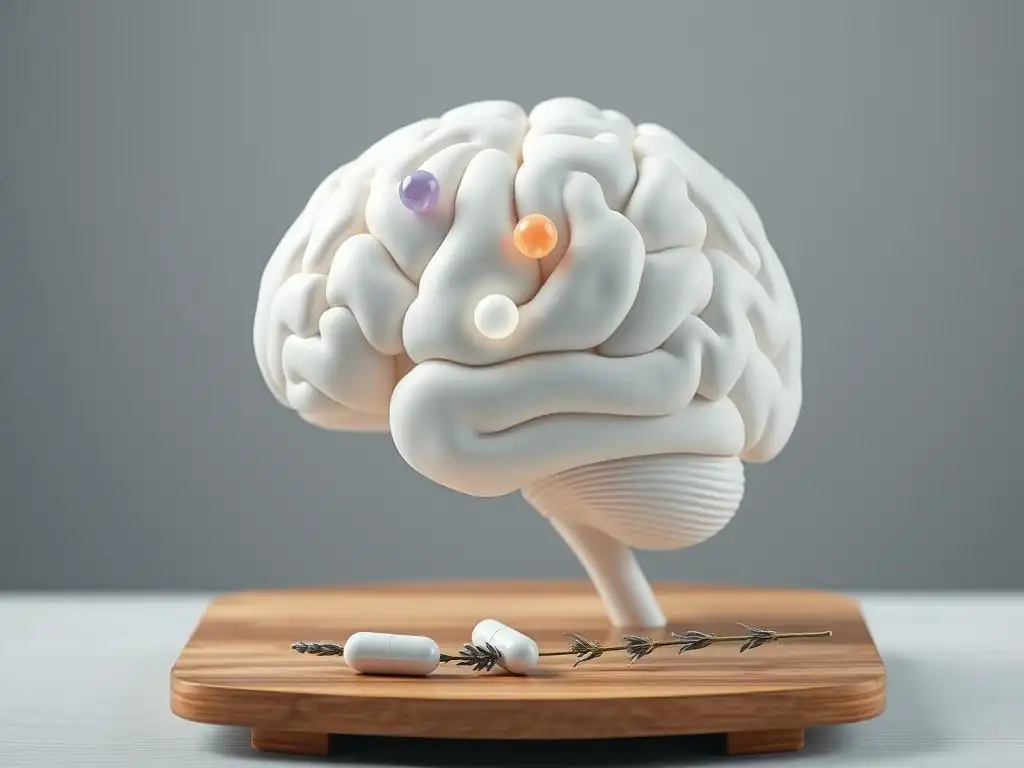
Factors to Consider When Choosing a Serotonin Medication: Patient History, Co-morbidities
Selecting the most appropriate serotonin medication is a highly individualized process. There is no one-size-fits-all approach, and what works well for one person may not work for another. Healthcare providers consider numerous factors when making a recommendation. A patient's detailed medical history, including previous responses to antidepressants and any family history of response, is crucial. Information about past serotonin medication side effects is particularly valuable in guiding future choices.
Co-existing medical conditions (co-morbidities) also play a significant role. For example, an SNRI like duloxetine might be considered for a patient with both depression and chronic pain. A patient with significant anxiety might benefit from an SSRI or SNRI known to be effective for anxiety disorders. Conversely, certain medications might be avoided if a patient has specific conditions; for instance, TCAs or SNRIs might be used cautiously in patients with uncontrolled hypertension or certain cardiac issues.
The Importance of Open Communication with Your Healthcare Provider
Effective treatment relies heavily on open and honest communication between the patient and the healthcare provider. Patients should feel comfortable discussing all their symptoms, concerns, and any serotonin medication side effects they experience. This dialogue helps the provider understand how the medication is working, identify potential issues early, and make necessary adjustments to the treatment plan.
Sharing your experiences with side effects, even if they seem minor, is vital. What might seem insignificant could be an early indicator of a problem or a side effect that can be easily managed. Similarly, reporting a lack of improvement in symptoms is crucial, as it signals the need to potentially adjust the dose, switch medications, or consider augmentation strategies. Asking questions about the medication, its expected benefits, potential serotonin medication side effects, and how long it might take to work empowers you to be an active participant in your care.
Tailoring Treatment Plans for Optimal Mood Regulation and Minimal Side Effects
The goal of treatment is to achieve optimal mood regulation with minimal serotonin medication side effects. This often requires a process of titration (gradually increasing the dose), monitoring response and side effects, and potentially switching medications or adding others if the initial choice is ineffective or poorly tolerated. Tailoring the treatment plan involves considering the specific type and severity of depression, the presence of other mental or physical health conditions, potential drug interactions with other medications the patient is taking, and the patient's preferences and lifestyle.
For example, if a patient is particularly concerned about weight gain, the provider might favor medications less commonly associated with this side effect. If sexual side effects are a significant issue, exploring options like bupropion (which doesn't primarily target serotonin reuptake) or vortioxetine might be considered after discussing the potential serotonin medication side effects of these alternatives. This iterative process, guided by clinical expertise and patient feedback, is key to finding the right balance for long-term well-being.
Future Directions in Serotonin-Targeting Medications
Research and Development of Novel Serotonin-Based Therapies
The field of psychopharmacology is constantly evolving, with ongoing research into novel ways to modulate serotonin and other neurotransmitter systems for treating mood disorders. While SSRIs, SNRIs, SMS, TCAs, and MAOIs represent current approaches, scientists are exploring medications that target specific serotonin receptor subtypes with greater precision or influence serotonin in conjunction with other pathways in innovative ways.
One area of research involves compounds that act on receptors like 5-HT2A or 5-HT2C, which are thought to play roles in mood and anxiety. Another direction is exploring agents that influence the serotonin system indirectly or modulate its interaction with other systems like glutamate, which is also implicated in depression. The aim is to develop medications that are not only more effective for a broader range of patients but also have faster onset of action and a more favorable profile of serotonin medication side effects.
Personalized Medicine and the Future of Depression Treatment
A significant focus in the future of depression treatment is personalized medicine. Recognizing that individuals respond differently to medications based on genetic factors, metabolic profiles, and the specific neurobiological underpinnings of their depression, researchers are working towards identifying biomarkers that can predict treatment response or the likelihood of experiencing certain serotonin medication side effects.
Genetic testing, for instance, is an emerging tool that can provide insights into how an individual metabolizes certain medications (pharmacokinetics) or how their receptors might respond (pharmacodynamics). While still not a definitive guide, this information can sometimes help clinicians make more informed choices about which medication might be a better starting point or what dose might be appropriate, potentially reducing the trial-and-error process and minimizing exposure to ineffective treatments or unnecessary serotonin medication side effects.
The Promise of Precision Psychiatry: Targeting Serotonin Pathways with Greater Accuracy
The ultimate goal is precision psychiatry – moving beyond broad-spectrum drugs to therapies that target the specific neurobiological deficits underlying an individual's depression. This involves not just understanding serotonin pathways but also their intricate interactions with other brain circuits and neurotransmitters. Advanced neuroimaging techniques and sophisticated genetic and molecular analyses are providing deeper insights into the heterogeneity of depression.
Future serotonin-targeting medications may be designed to act on very specific receptors or pathways identified as dysregulated in a particular patient subtype. This could lead to treatments that are more effective, have fewer off-target effects, and consequently, a reduced incidence of unwanted serotonin medication side effects. The path to precision psychiatry is complex and requires significant research, but it holds the promise of revolutionizing how mood disorders are diagnosed and treated, making treatment more effective and tailored to the individual.
Conclusion: Empowering Informed Decisions About Serotonin Medications
Understanding the Options Beyond SSRIs for Mood Regulation
Navigating the landscape of serotonin medications can feel complex, but understanding the options available beyond the commonly known SSRIs is empowering. Classes like SNRIs, SMS, TCAs, and MAOIs, as well as augmentation strategies, offer different mechanisms of action and represent valuable tools in treating the diverse manifestations of depression and anxiety. Each class has its unique profile of benefits and potential serotonin medication side effects, making the choice of medication a careful balance.
Recognizing that SSRIs are just one piece of the puzzle is the first step. For individuals who do not achieve full remission or experience bothersome serotonin medication side effects with one medication, exploring these alternative or adjunctive therapies is a crucial part of the journey towards recovery. Awareness of these options allows for more informed discussions with healthcare providers.
Seeking Professional Guidance for Safe and Effective Treatment
Given the complexity of these medications, their potential serotonin medication side effects, and the importance of individualized treatment, professional guidance is absolutely essential. A qualified healthcare provider, such as a psychiatrist, primary care physician, or psychiatric nurse practitioner, can accurately diagnose your condition, assess your overall health, consider potential drug interactions, and recommend the most appropriate treatment plan for you.
They can also monitor your progress, manage any serotonin medication side effects that arise, and make necessary adjustments to your treatment. Never attempt to self-medicate or change your medication dosage or schedule without consulting your provider. Your journey to mental well-being is a collaborative process, and seeking expert help ensures that you receive safe, effective, and personalized care tailored to your specific needs.
Frequently Asked Questions
What are some common side effects associated with serotonin medications, especially beyond SSRIs?
Many serotonin medications, including those beyond SSRIs, can cause side effects like nausea, dizziness, and sexual dysfunction. The specific side effects and their severity can vary depending on the medication and individual.
How do medications targeting serotonin pathways, beyond SSRIs, differ in their side effect profiles?
Medications other than SSRIs that affect serotonin pathways may have unique side effect profiles. For example, some might be more likely to cause weight gain or sedation compared to SSRIs, while others might interact differently with other medications.
Are there strategies to manage or mitigate the side effects of serotonin medications?
Yes, several strategies exist. These include adjusting dosage, taking the medication at a specific time of day, and managing side effects through lifestyle changes or additional medications as prescribed by a doctor.
What are the risks of abruptly stopping serotonin medication, and what is the recommended approach?
Abruptly stopping serotonin medication can lead to withdrawal symptoms, sometimes called discontinuation syndrome. The recommended approach is to gradually taper the dosage under a doctor's supervision to minimize these effects.
Where can I find reliable information and support regarding serotonin medication side effects?
Mind Care Guide offers resources on mental well-being and medications. Consult your doctor or a qualified mental health professional for personalized advice and information.
Final Reflection: Rethinking Serotonin: Beyond the Side Effects
The search for effective mood management extends far beyond the familiar landscape of SSRIs. The sheer volume of individuals seeking relief from mood disorders underscores the urgent need for a more nuanced understanding of serotonin pathways and the medications targeting them. This exploration into alternative treatments highlights the complexity of mental health and the critical importance of personalized approaches.
The impact of serotonin-related medications on our cultural understanding of mental health is profound, shaping both treatment strategies and societal perceptions of mood disorders. The prevalence of SSRI prescriptions, while offering relief to many, has also brought to light a range of side effects, prompting a crucial conversation about informed consent and the limitations of a one-size-fits-all approach. The most important thing is to find the right medication and dosage for you, working closely with your doctor.
This simple statement encapsulates the journey many undertake, a journey that necessitates a deeper understanding of the available options beyond the commonly prescribed.
Consider the implications of this exploration. You now possess a broader understanding of the intricate serotonin system and the diverse medications designed to interact with it. This knowledge empowers you to engage in a more informed dialogue with your healthcare provider, advocating for a treatment plan that aligns with your unique needs and circumstances. Don't hesitate to ask questions, explore alternatives, and actively participate in shaping your own path toward improved mental well-being. The journey to better mental health is a personal one, and you are the most important voice in that journey.
Unlock Your Mood's Potential: Explore New Pathways to Wellbeing
Thanks for taking the time to explore alternative approaches to mood management! We hope this article shed light on the intricacies of serotonin pathways and the various medications targeting them. Now, let's put this knowledge into action:
- Schedule a consultation with your doctor or psychiatrist: This is the most crucial step to discuss your individual needs and explore whether alternative medications might be a suitable option for you. Remember, this article is for informational purposes only and isn't a substitute for professional medical advice.
- Share this article with someone who might benefit: Knowing you're not alone in your journey can make a world of difference. Pass on the information and empower others to seek help.
- Dive deeper into research: Explore reputable sources like the National Institutes of Health or your doctor's recommended resources to learn more about specific medications mentioned in this article.
Ready to take the next step toward a brighter mood? What specific questions do you have about exploring alternative treatment options for serotonin-related conditions?