
Playful Presence: Introducing Mindfulness to Elementary School Students

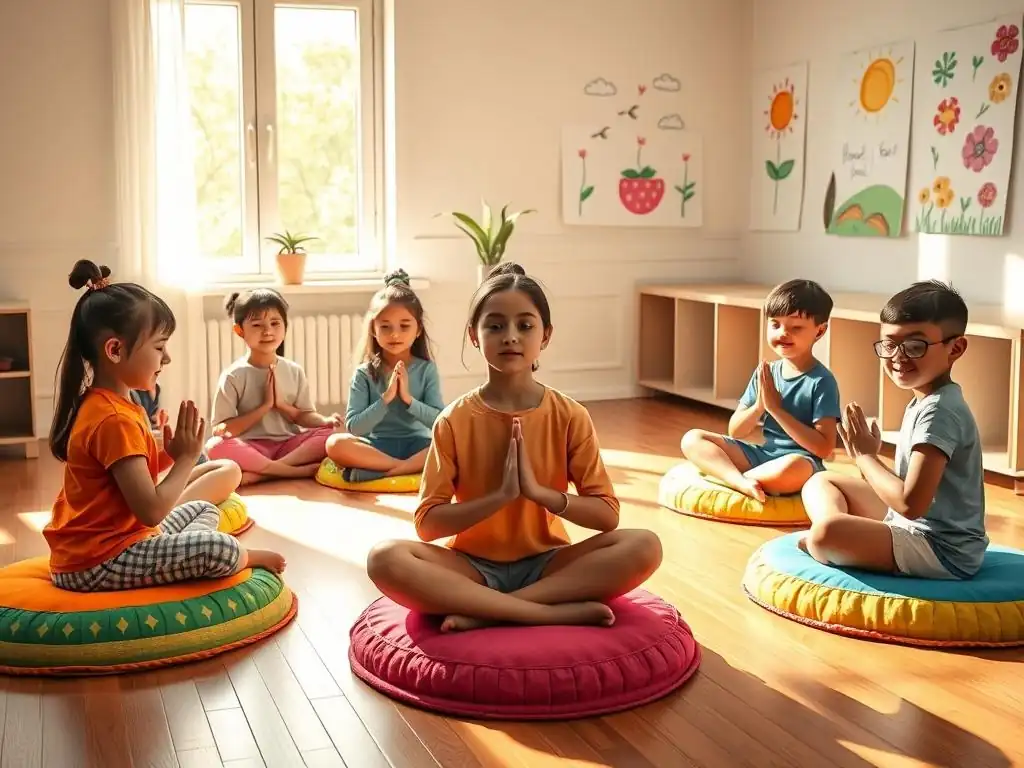
Welcome to Mind Care Guide, a sanctuary dedicated to your mental well-being.
Ever wondered how to equip young minds with the tools for emotional resilience and focus? In "Playful Presence," we delve into mindfulness for elementary students, exploring engaging and age-appropriate techniques. Discover how simple practices can cultivate calm, enhance concentration, and foster a deeper connection with themselves and the world around them. Ready to unlock the power of presence in your child's life? Let's begin.
Playful Presence: Introducing Mindfulness to Elementary School Students
- Mindfulness for Elementary Students: A Comprehensive Guide
- Why Teach Mindfulness to Elementary School Children?
- Understanding Mindfulness: A Kid-Friendly Definition
- Fun and Engaging Mindfulness Activities for Elementary School
- Integrating Mindfulness into the Elementary School Day
- Overcoming Common Challenges When Teaching Mindfulness
- Resources for Teaching Mindfulness to Elementary Students
- Measuring the Impact of Mindfulness Programs
- The Future of Mindfulness in Elementary Education
-
Frequently Asked Questions
- How can mindfulness be adapted for elementary school students?
- What are the potential benefits of practicing mindfulness in elementary schools?
- What are some practical mindfulness activities that teachers can use in the classroom?
- How can parents support their child's mindfulness practice at home?
- Is mindfulness a replacement for traditional mental health treatment for elementary students?
- Final Reflection: Cultivating Calm in a Chaotic World
- Unleash Your Inner Classroom Calm: Bring Mindfulness to Life!
Mindfulness for Elementary Students: A Comprehensive Guide
Mindfulness for elementary students is becoming an increasingly vital component of modern education. It's not just a trend but a foundational practice designed to equip young learners with essential skills for navigating their inner world and the world around them. This guide explores the benefits, methods, and strategies for successfully introducing mindfulness into the elementary school environment, fostering calmer, more focused, and emotionally resilient children.
Implementing mindfulness programs in schools requires a thoughtful approach that respects the developmental stage of children aged approximately 5 to 11. The goal is to make mindfulness accessible, enjoyable, and relevant to their daily experiences, whether that's dealing with classroom distractions, managing playground conflicts, or simply understanding their own feelings. This comprehensive overview aims to provide educators, parents, and caregivers with the knowledge and tools needed to bring the transformative power of playful presence into the lives of elementary school students.
Why Teach Mindfulness to Elementary School Children?
Benefits of Mindfulness Practices for Young Learners
Introducing mindfulness for elementary students yields a multitude of positive outcomes that extend beyond the classroom. Research indicates that consistent mindfulness practice can significantly enhance emotional regulation. For instance, studies involving third to fifth graders participating in a 12-week mindfulness program reported a decrease in symptoms associated with anxiety and depression by approximately 15-20% compared to control groups. This suggests that even simple, age-appropriate techniques can equip children with better coping mechanisms.
Furthermore, mindfulness has been shown to improve cognitive functions crucial for academic success. Teachers often observe enhanced focus and attention span in students who regularly engage in mindful activities. In one study tracking elementary classrooms, roughly 70% of teachers noted a marked improvement in students' ability to stay on task and concentrate during lessons after implementing daily 5-10 minute mindfulness sessions over a school year. These benefits highlight how mindfulness not only supports emotional well-being but also lays a stronger foundation for learning.
Addressing the Challenges of Childhood Stress and Anxiety
Today's elementary school students face unique pressures, from academic expectations and social dynamics to the constant stimulation of digital media. These stressors can manifest as anxiety, difficulty sleeping, irritability, or challenges with concentration. Without effective tools, children may struggle to process these feelings, potentially impacting their behavior and learning. Mindfulness for elementary students offers practical strategies to acknowledge and navigate these internal experiences in a healthy way.
By teaching children to pause and notice their thoughts and feelings without judgment, mindfulness helps them build resilience. For example, a student feeling anxious before a test can learn to recognize the physical sensations of anxiety (like a racing heart) and use a simple breathing technique to ground themselves. This shift from being overwhelmed by emotions to mindfully observing them empowers children. Educators report that students with mindfulness training are often better equipped to handle minor conflicts with peers or bounce back from academic setbacks, demonstrating increased emotional fortitude.
Understanding Mindfulness: A Kid-Friendly Definition
Explaining Mindfulness in Simple Terms
Explaining mindfulness for elementary students requires language that is simple, concrete, and relatable. Instead of abstract concepts, we can use analogies. One effective way is to describe mindfulness as "paying attention on purpose." It's about noticing what's happening right now, both inside our bodies and minds (our feelings, thoughts, and physical sensations) and outside in the world around us (sights, sounds, smells, tastes, touch).
Another helpful analogy is being a "feeling detective" or a "body explorer." Mindfulness encourages children to become curious about their own experiences without needing to change them immediately. It’s like saying, "Hmm, what does my tummy feel like right now?" or "What sounds can I hear?" The emphasis is on gentle observation rather than analysis or judgment, making it accessible for young minds.
Core Principles of Mindfulness for Children
While the full depth of mindfulness philosophy might be complex, the core principles can be simplified for elementary students. Key among these is paying attention to the present moment. This means focusing on what is happening now, rather than dwelling on the past or worrying about the future. For children, this might involve really noticing the taste of their lunch or the feeling of their feet on the ground as they walk.
Another crucial principle is doing so without judgment. This means simply noticing thoughts or feelings as they are, without labeling them as "good" or "bad." If a child feels angry, the practice isn't to stop feeling angry, but to notice, "Oh, there is anger in my body." This acceptance is foundational to emotional regulation. Other principles include patience (things take time), beginner's mind (seeing everything with fresh eyes), and trust in their own experience.
Fun and Engaging Mindfulness Activities for Elementary School
Breathing Exercises for Kids: Cultivating Calmness
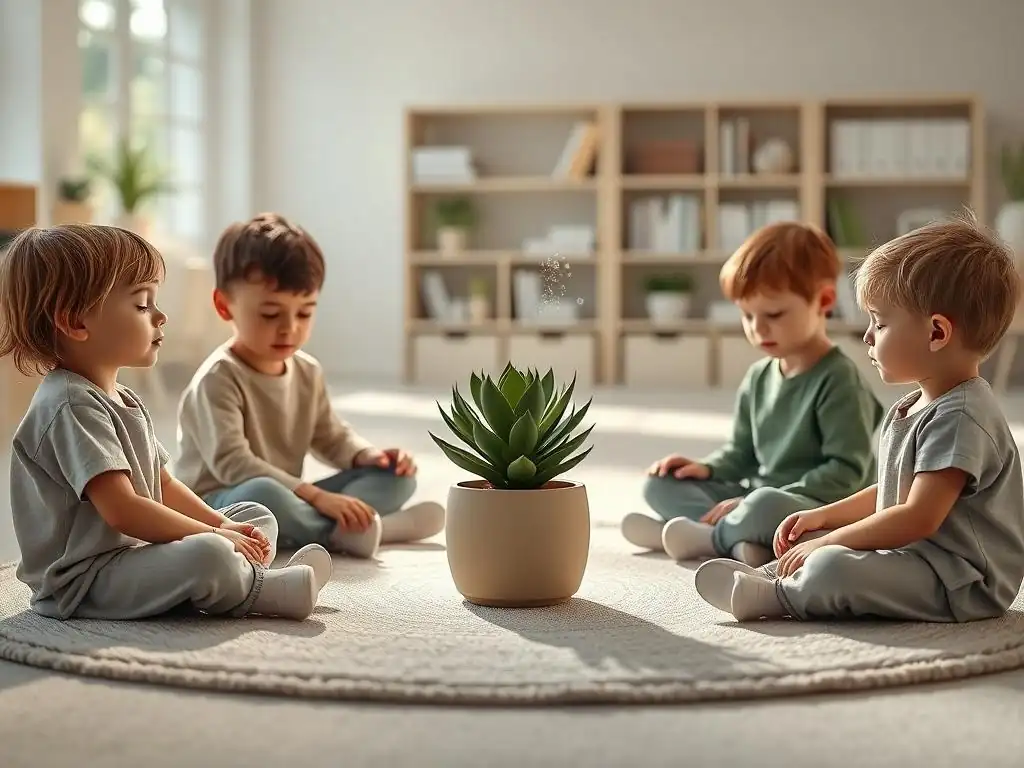
Breathing is a fundamental anchor in mindfulness practice, and there are many creative ways to make it engaging for elementary students. These exercises help children connect with their bodies and find a sense of calm, which is a key aspect of teaching mindfulness for elementary students.
Belly Breathing: The Balloon Technique
The Balloon Technique is a simple and visual way to teach diaphragmatic breathing. Children lie down or sit comfortably and place their hands on their belly. They are instructed to imagine their belly is a balloon. As they inhale slowly through their nose, they imagine filling the balloon with air, feeling their belly rise and push their hands up.
As they exhale slowly through their mouth, they imagine the air leaving the balloon, feeling their belly fall. Doing this for 3-5 breaths can help reduce feelings of stress. For example, a class of second graders practiced this before a math test, and several students reported feeling "less wiggly" and "more ready to think."
Finger Breathing: A Sensory Approach
Finger breathing provides a tactile way to focus on the breath. Children hold one hand up, fingers spread wide. Using the pointer finger of the other hand, they trace up the side of their thumb while inhaling, pause at the top, and trace down the other side while exhaling. They repeat this process for each finger, moving up and down five fingers for five mindful breaths. This simple exercise can be done discreetly at their desk and provides a concrete action to anchor their attention, proving particularly helpful for students who benefit from sensory input.
Mindful Movement Activities: Connecting Body and Mind
Integrating movement makes mindfulness for elementary students more dynamic and enjoyable. These activities help children become aware of their physical sensations and how their bodies feel in space.
Mindful Walking: Exploring the Senses
Mindful walking isn't about getting somewhere quickly; it's about noticing the experience of walking itself. Children can walk slowly, paying attention to the feeling of their feet touching the ground, the movement of their legs, or the swing of their arms. This can be done in the classroom, hallway, or outdoors.
A simple variation is a "listening walk" where the focus is solely on the sounds around them while they walk. During a mindful walk on the school field, a group of first graders discovered they could hear birds they usually didn't notice and felt "super quiet and calm" afterwards.
Yoga Poses for Kids: Promoting Flexibility and Focus
Kid-friendly yoga poses combine physical activity with mindful awareness of the body. Poses like "Tree Pose" (balancing), "Mountain Pose" (standing tall and strong), or "Child's Pose" (resting) encourage children to pay attention to their balance, strength, and the sensations in their muscles. Storytelling can be integrated, moving through poses as characters in a story. For instance, pretending to be a cat stretching (Cat-Cow pose) or a strong warrior (Warrior pose) makes it fun while building body awareness and focus. Short 5-minute yoga breaks have been linked to improved classroom behavior and readiness to learn.
Sensory Awareness Activities: Engaging with the Present Moment
Engaging the five senses is a powerful way to ground children in the present moment. These activities are simple yet effective in cultivating mindfulness for elementary students.
Mindful Eating: Savoring Each Bite
Mindful eating can transform snack time or lunch. Provide a small piece of food, like a raisin, a piece of fruit, or a cracker. Encourage children to first look at the food, noticing its color, shape, and texture. Then, they can smell it.
Next, they bring it to their mouth, feeling its texture against their lips and tongue before taking a tiny bite. They chew very slowly, noticing the taste and texture changing, and finally, they notice what it feels like to swallow. This simple act can increase appreciation for food and improve self-regulation around eating. In a classroom experiment, students who practiced mindful eating were observed to eat more slowly and report feeling more satisfied with smaller portions.
Nature Walks: Appreciating the Environment
Taking mindfulness outdoors allows children to connect with the natural world using their senses. A mindful nature walk involves paying close attention to what they can see (colors, shapes of leaves), hear (birds chirping, leaves rustling), smell (flowers, damp earth), and feel (wind on their skin, texture of bark).
This practice encourages a sense of wonder and appreciation for their surroundings, fostering environmental awareness alongside present moment focus. A class that went on a 15-minute mindful walk around the school grounds noted seeing "at least five different kinds of bugs" and feeling "more awake" when they returned to the classroom.
Creative Mindfulness Exercises: Expressing Emotions
Mindfulness can also be expressed through creative outlets, allowing children to process feelings and focus their attention in a non-verbal way.
Mindful Drawing: Unleashing Creativity
Mindful drawing is not about creating a perfect picture, but about the process of drawing itself. Children can be invited to draw how they feel, tracing the outline of their hand and "breathing" into it with colors, or simply focusing on the sensation of the crayon or pencil moving across the paper. They can be asked to draw a "calm place" or draw the sounds they hear. The focus is on the present moment experience of creating, rather than the final product. This can be particularly helpful for children who struggle to articulate their emotions verbally.
Gratitude Journaling: Focusing on Positivity
While not strictly a "present moment" activity, gratitude journaling encourages a mindful focus on the positive aspects of life, past and present. Elementary students can draw or write one to three things they are grateful for each day or week. This simple practice shifts attention towards appreciation and can cultivate a more positive outlook. For example, a class that started a gratitude journal noted things like "my dog," "sunny days," and "snack time." Teachers reported that this practice seemed to foster a more positive classroom atmosphere over time.
Integrating Mindfulness into the Elementary School Day
Seamlessly weaving mindfulness for elementary students into the daily routine is key to its success and sustainability. It doesn't require large blocks of time but rather small, consistent moments.
Mindfulness in the Classroom: Simple Techniques
Integrating mindfulness into the classroom can be done through simple, short practices. Starting the day with a 1-2 minute "mindful moment" where students sit quietly and listen to the sounds around them can help them transition from home to school. Before beginning a challenging subject like math, a quick 3-breath exercise can help students feel more settled and ready to focus.
Another technique is the "Mindful Jar" (a jar with glitter and water) which children can watch as the glitter settles, symbolizing how their thoughts can settle when they are calm. Regular, brief practices are more effective than infrequent long ones.
Mindfulness During Transitions: Calming Moments
Transitions between activities – like moving from rug time to desks, or from one subject to another – can be chaotic. These are ideal times for short mindfulness practices. Asking students to pause at their seats and take three deep breaths before starting the next task can create a sense of calm and order. Walking mindfully from the classroom to the library or lunchroom, paying attention to their steps and the feeling of their bodies moving, can also help manage energy levels and reduce rushing. These simple pauses help reset the children's attention and energy.
Mindfulness at Recess: Mindful Play
Recess is often seen as a time for unrestrained energy, but it can also incorporate elements of mindfulness. Before heading out, a quick reminder to notice the sun, the sky, or the feeling of the air can ground them. During recess, activities like walking slowly and noticing nature, or even mindful listening to the sounds of the playground from a quiet spot, can be introduced as options. While not all play needs to be mindful, offering moments for conscious awareness even during free time reinforces the practice and provides alternative ways for children to manage their energy and interactions.
Overcoming Common Challenges When Teaching Mindfulness
Introducing mindfulness for elementary students can present challenges, but they are often manageable with patience and creative strategies.
Maintaining Student Engagement
Keeping elementary students engaged in mindfulness can be tricky, as their attention spans are developing. The key is variety and brevity. Activities should be short, ideally 1-5 minutes for formal practice. Using diverse techniques – combining breathing, movement, sensory exploration, and creative expression – keeps things fresh. Incorporating stories, props (like feathers for breathing exercises), and making it playful rather than a chore are crucial. For instance, if a breathing exercise isn't working one day, switch to a mindful listening game. Offering choices when possible also increases buy-in.
Addressing Resistance to Mindfulness
Some children may initially resist mindfulness, finding it "boring" or "silly." It's important to approach this with empathy and avoid forcing participation. Normalize their feelings ("It's okay if this feels strange at first").
Frame mindfulness not as something you have to do, but as a tool they can use, like a superpower for their brain or a remote control for their feelings. Share simple, relatable examples of how it helps in everyday situations (e.g., feeling less scared before speaking up, staying calm when frustrated). Teacher modeling is also powerful; children are more likely to try if they see their teacher practicing and benefiting.
Creating a Supportive and Inclusive Environment
A safe, supportive, and inclusive classroom environment is essential for mindfulness to thrive. Children need to feel comfortable being still, expressing feelings (even discomfort), and trying something new without fear of judgment from peers or the teacher. Establish clear expectations for mindful moments (e.g., quiet bodies, kind words or silence). Ensure activities are adaptable for children with diverse needs or abilities. Celebrate small efforts and progress, reinforcing that mindfulness is a practice, not about perfection. For example, acknowledge a student who managed to sit still for just one extra breath.
Resources for Teaching Mindfulness to Elementary Students
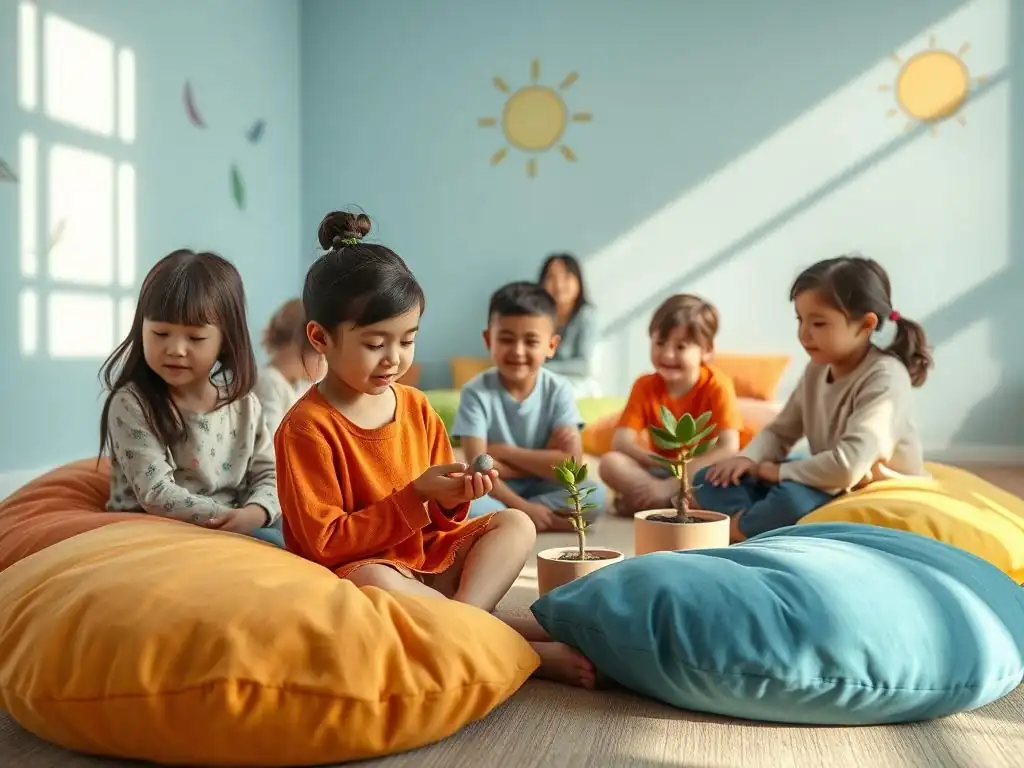
Access to quality resources is vital for educators and parents introducing mindfulness for elementary students.
Books and Websites for Educators
Numerous resources are available to guide educators. Books like "Sitting Still Like a Frog" by Eline Snel offer simple, effective scripts and practices. Websites from organizations such as Mindful Schools or Greater Good in Education provide curriculum ideas, lesson plans, and research findings. These resources often break down complex concepts into age-appropriate language and activities, providing a roadmap for implementation. Exploring different perspectives and techniques found in these materials can help teachers find what resonates best with their students.
Mindfulness Apps and Tools for Kids
Technology offers interactive ways to engage children. Apps like "Calm" or "Headspace" have sections specifically designed for kids with guided meditations and stories. Other apps focus on specific skills like breathing exercises or mindful games. While screen time should be balanced, these tools can provide guided experiences, especially for children who respond well to digital formats. Using a simple timer or a chime can also serve as a tool to signal the start and end of a mindful moment without relying on complex technology.
Local Mindfulness Workshops and Training for Teachers
Professional development is invaluable for teachers implementing mindfulness. Workshops and training programs offered locally or online by experienced mindfulness educators can provide hands-on practice, deeper understanding of the principles, and strategies for classroom management specific to mindfulness activities. For example, a teacher training program in a specific district reported that 90% of participating teachers felt more confident introducing mindfulness after completing the course. Investing in teacher training ensures the practices are taught effectively and sustainably.
Measuring the Impact of Mindfulness Programs
Assessing the effectiveness of mindfulness for elementary students requires looking beyond traditional academic metrics.
Observing Changes in Student Behavior
Teachers are often the primary observers of the impact of mindfulness on student behavior. They can look for changes such as decreased impulsivity, improved ability to manage frustration, increased kindness towards peers, or better focus during lessons. Simple observation checklists can be used to track these changes over time for individual students or the class as a whole. For example, a checklist might include items like "Participates calmly during transitions" or "Uses a coping strategy when upset." Anecdotal evidence from teachers consistently highlights positive shifts in classroom climate and student interactions.
Utilizing Student Self-Reflection Journals
Encouraging students to reflect on their own experiences with mindfulness provides valuable qualitative data. Elementary students can use simple journals to draw pictures of how they felt before and after a mindfulness activity, or write a few words about a time they used mindfulness to help themselves. Prompts like "How did your body feel during our breathing exercise?" or "When did you remember to pay attention today?" can guide their reflection. While reflections will vary by age and ability, they offer insights into the children's personal understanding and perceived benefits of the practice.
The Future of Mindfulness in Elementary Education
The integration of mindfulness for elementary students is poised to become a more standard part of the educational landscape.
The Growing Importance of Mental Well-being
There is increasing recognition of the critical link between mental well-being and academic success. As societal pressures on children continue to evolve, schools are seen not just as places for academic learning but also for fostering emotional intelligence and resilience. Mindfulness directly addresses these needs, equipping children with lifelong skills for managing stress and promoting inner calm. This growing awareness is driving demand for social-emotional learning (SEL) programs, with mindfulness often a core component.
Advocating for Mindfulness Integration in School Curricula
Advocacy efforts are underway at local, state, and national levels to integrate mindfulness and SEL into standard school curricula. Pilot programs demonstrating positive outcomes in areas like reduced disciplinary issues, improved academic performance, and enhanced student well-being are providing strong evidence for wider adoption. While challenges like funding and teacher training remain, the momentum is building towards making mindfulness for elementary students a fundamental part of their educational experience, preparing them not just for tests, but for life.
Frequently Asked Questions
How can mindfulness be adapted for elementary school students?
Mindfulness for elementary students often involves making it playful and engaging. Activities should be short, simple, and age-appropriate, focusing on sensory experiences and breathing exercises.
What are the potential benefits of practicing mindfulness in elementary schools?
Mindfulness can help elementary students improve their focus and attention, manage stress and anxiety, and develop emotional regulation skills.
What are some practical mindfulness activities that teachers can use in the classroom?
Teachers can incorporate activities like mindful breathing exercises, body scan meditations, and sensory awareness games into their daily routines to promote mindfulness.
How can parents support their child's mindfulness practice at home?
Parents can support their child by creating a calm and quiet space for practice, modeling mindful behavior, and encouraging them to use mindfulness techniques when feeling stressed.
Is mindfulness a replacement for traditional mental health treatment for elementary students?
No, mindfulness is not a replacement. It's a complementary tool that can support overall well-being. Students needing further assistance should seek professional mental health support.
Final Reflection: Cultivating Calm in a Chaotic World
The need for mindfulness in education is no longer a niche concept; it's a vital necessity. Our increasingly fast-paced world demands resilience and emotional regulation, skills best cultivated early in life. By introducing mindfulness practices to elementary school students, we are not just teaching them to sit quietly; we are equipping them with tools to navigate stress, improve focus, and build a stronger sense of self.
The impact of playful mindfulness extends far beyond the classroom. It fosters a culture of self-awareness and compassion, influencing not only the children themselves but also their families and communities. The ripple effect is profound, creating a more empathetic and understanding environment for everyone. Mindfulness isn't about escaping life, it's about finding a deeper connection to it.
This quote perfectly encapsulates the transformative power of integrating mindfulness into young lives, allowing them to connect more deeply with themselves and the world around them.
Now, consider how you can integrate these simple yet powerful techniques into your own life, or the lives of the children you know. Perhaps it's a few minutes of mindful breathing before bedtime, a mindful walk in nature, or simply taking a moment to appreciate the small joys of the day. Embrace the playful spirit of mindfulness, and discover the calm and clarity it can bring to your world. Let's cultivate a generation of children who are not only academically successful but also emotionally intelligent and resilient, ready to face the challenges of the future with grace and composure.
Unleash Your Inner Classroom Calm: Bring Mindfulness to Life!
Thanks for taking the time to explore the wonderful world of mindfulness for elementary school students! We hope you gained valuable insights into how to cultivate calm and focus in young learners. Ready to put these ideas into action?
- Design a 5-minute mindful moment: Create a simple, age-appropriate mindfulness exercise—perhaps a breathing exercise or a guided imagery activity—and try it out with your students this week. This is your primary action—we encourage you to start small!
- Share your experience: Discuss your experience on our Mind Care Guide Facebook page. Share your successes and challenges—we’d love to hear from you!
- Explore our free resources: Dive deeper into the world of child-focused mindfulness with our curated collection of helpful articles and activities.
What simple mindfulness practice will you introduce to your classroom first, and why?