Decoding Madness: Key Theories That Shaped 20th Century Psychiatry
🧠 Explore the fascinating evolution of psychiatric theories that shaped 20th-century mental health understanding. This article delves into key ideas behind psychiatric…
Read article
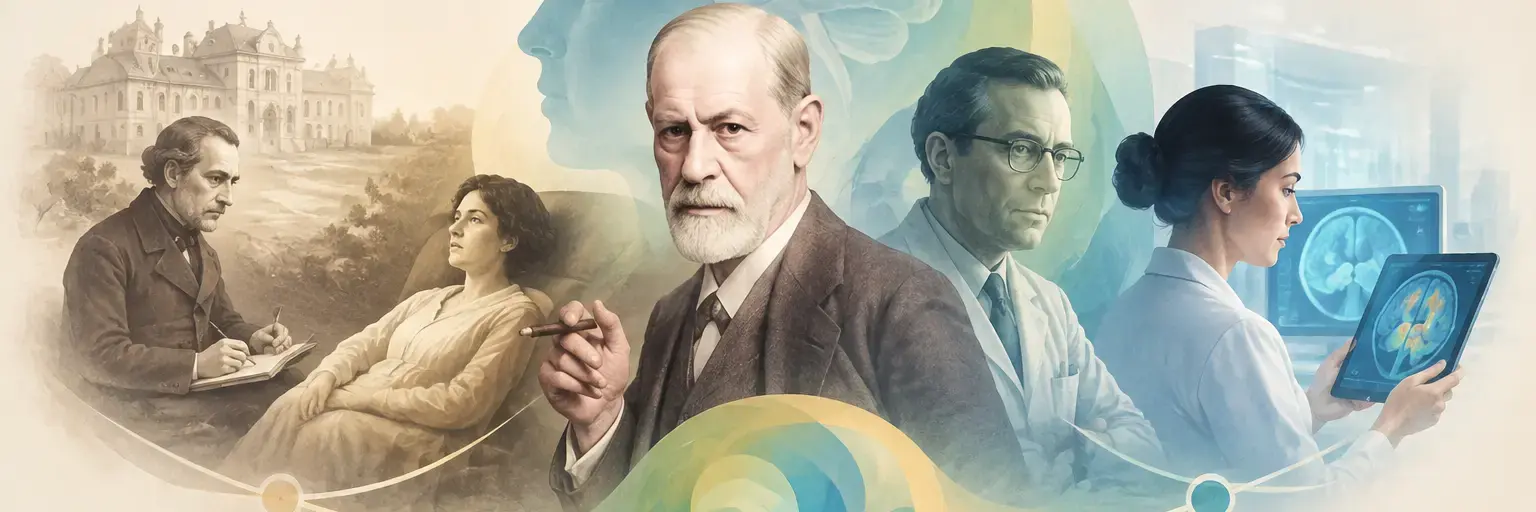
Explore the fascinating evolution of the mind’s healing through our deep dive into 20th Century Psychiatry, tracing the revolutionary journey from Freud’s psychoanalytic couch to today’s precise, brain-based medicine. This era redefined mental health, moving from probing the unconscious to mapping neural circuits—a transformation that empowers modern care. Discover how groundbreaking theories, bold treatments, and relentless research built the foundation for current therapies, offering hope and clarity for those navigating anxiety, depression, trauma, and more. Uncover the pivotal shifts—from talk therapy’s rise to psychopharmacology’s dawn—and see how past insights shape your mental wellness today. Whether you’re a history buff, a curious mind, or seeking context for your own journey, this narrative bridges the old and new, making complex science accessible and deeply human. Dive in to understand why the past matters for your present peace of mind.

🧠 Explore the fascinating evolution of psychiatric theories that shaped 20th-century mental health understanding. This article delves into key ideas behind psychiatric…
Read article
🌱 Discover how group therapy benefits anxiety relief by fostering shared understanding and support, promoting healing through collective experience. This article explores…
Read article
🌟 Explore the mental illness stigma history in the 20th century, highlighting pivotal efforts to challenge misconceptions, foster understanding, and reshape public…
Read article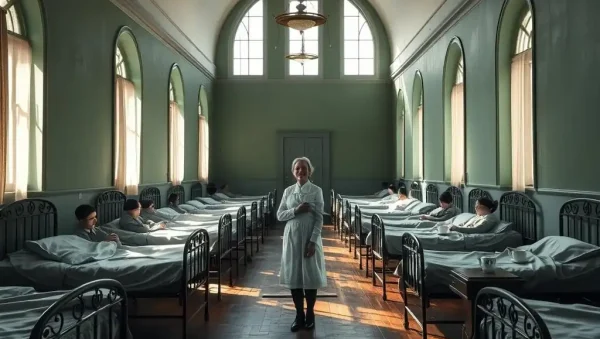
🌟 Discover the realities of early 20th century asylum life, exploring the conditions, treatment practices, and societal perceptions of mental health institutions…
Read article
🧠 Explore the evolving landscape of mental health as we delve into the personality disorder diagnosis process, highlighting how recognizing character disorders…
Read article
🧠 Explore the devastating historical lobotomy impact on patients, a tragic chapter in psychiatric history that highlights the importance of compassionate, evidence-based…
Read article
🧠 Explore how psychiatry research's historical advancements from 1900 to 2000 revolutionized mental health understanding, paving the way for innovative treatments and…
Read article
🌟 Discover the groundbreaking contributions of 20th-century pioneers beyond Freud, revolutionizing psychiatry and mental health support. This article highlights key figures who…
Read article
🔍 Explore how psychiatry's role in identity is evolving amidst scientific advances, medical practices, and societal expectations. This article highlights the ongoing…
Read article
🌟 Explore how wartime psychiatry addresses trauma and stress, highlighting innovative wartime psychiatry trauma treatment methods that foster resilience and social change,…
Read article
🌟 Discover the evolution of treating depression medication options, from early melancholia treatments to modern SSRIs, highlighting how advancements have transformed mental…
Read article
🧠 Discover how Freud’s influence on mental health shaped our understanding of the unconscious mind, laying the foundation for modern therapies and…
Read articleWelcome to Mind Care Guide’s deep dive into the transformative journey of psychiatry during the 20th century. This subcategory explores how the field shifted from psychoanalytic theory to evidence-based biological treatments, shaping today’s understanding of mental health. Whether you’re a student, a history enthusiast, or someone seeking context for modern care, these resources illuminate the pivotal ideas, breakthroughs, and controversies that defined an era and continue to influence current practice.
Here, you’ll discover how Sigmund Freud’s theories—the unconscious mind, defense mechanisms, and talk therapy—revolutionized the treatment of mental illness. Early 20th-century psychiatry was dominated by psychoanalysis, emphasizing childhood experiences and inner conflicts. Expect to learn how Freud’s work challenged asylum-based custodial care, introducing the concept that dialogue could heal psychological distress, a radical shift that laid the groundwork for psychotherapy as a cornerstone of mental health care.
Our content also examines the limitations of early psychoanalysis, including its lengthy疗程 and lack of empirical validation. You’ll see how figures like Carl Jung and Melanie Klein expanded or critiqued Freud’s ideas, creating diverse analytical schools. This section clarifies why, by mid-century, psychoanalysis—while culturally influential—faced growing pressure from biological psychiatry, setting the stage for the pharmacological revolution that would follow.
This critical subsection details the accidental discoveries and clinical trials that brought psychiatric drugs into mainstream medicine. From chlorpromazine (Thorazine) in the 1950s for psychosis to lithium for bipolar disorder and the first antidepressants (MAOIs and TCAs), these medications promised symptom relief and deinstitutionalization. You’ll explore how these drugs shifted psychiatric practice from lengthy talk therapy to biological management, making outpatient care more feasible and reducing stigma for many conditions, though not without side effects.
Expect a balanced look at both triumphs and drawbacks. We highlight how psychopharmacology improved quality of life for millions but also sparked concerns about overmedication and the influence of pharmaceutical companies. This section provides the historical context for current debates on prescribing practices, helping you understand why medications like SSRIs became household names and how they coexist with therapy in modern integrated treatment approaches.
Explore the policy shift that emptied large psychiatric hospitals across the West, beginning in the 1960s. This movement, driven by civil rights advocacy, new antipsychotic medications, and budget pressures, aimed to relocate patients into community-based settings. You’ll learn about landmark laws like the Community Mental Health Act of 1963 in the U.S. and their intended promise: humane, localized care. We analyze the dramatic rise and fall of asylum populations, showing how this change transformed the patient experience and the role of psychiatric nurses and social workers.
However, this section also confronts the failures of deinstitutionalization, such as insufficient funding, homelessness, and the criminalization of mental illness. Through case studies and statistical data, you’ll see how under-resourced community services led to a revolving-door effect in emergency rooms. Our goal is to provide a nuanced understanding of this complex legacy, emphasizing the importance of integrated support systems—a lesson still vital for today’s policymakers and mental health advocates.
Delve into the shift from psychoanalytic categories to the diagnostic revolution marked by the DSM-III in 1980. This guide explains how the Diagnostic and Statistical Manual introduced standardized, symptom-based criteria, dramatically improving reliability in research and clinical communication. You’ll trace the rise of neuroscience, including the discovery of neurotransmitter imbalances, brain imaging advances, and the genetic underpinnings of mental disorders. This section clarifies why modern psychiatry is often described as “biological psychiatry,” focusing on measurable brain processes rather than abstract conflicts.
Still, we don’t ignore critiques—such as overreliance on diagnostic labels and the neglect of social determinants. You’ll explore the tension between reductionist models and biopsychosocial frameworks, a debate that continues in contemporary care. By understanding this historical pivot, you’ll appreciate how treatments evolved from dubious methods like lobotomy and insulin shock therapy to targeted pharmacological and cognitive-behavioral interventions, shaping today’s evidence-based guidelines at Mind Care Guide.
This section candidly reviews the dark corners of 20th-century psychiatry, including eugenics, forced sterilization, and the abuse of psychiatric diagnosis for political repression, notably in the Soviet Union. We also examine the ethical failures of early biological treatments, such as prefrontal lobotomy (even earning a Nobel Prize) and the overuse of electroconvulsive therapy without consent. Expect a critical analysis that humanizes these issues, connecting them to the rise of the antipsychiatry movement and patient advocacy groups demanding autonomy and informed consent.
Yet, we balance this with progress: the Belmont Report, the establishment of institutional review boards, and the push for shared decision-making. You’ll learn how survivor narratives have influenced care, leading to trauma-informed approaches and peer support models. This subcategory ensures you understand that psychiatry is not a monolithic science but a contested field shaped by culture, power, and resilience. It’s essential reading for anyone interested in ethical mental health practice today.
Freud introduced the theory of the unconscious and developed psychoanalysis, a talk-based therapy that emphasized early childhood experiences. His work shifted psychiatry from purely custodial care to a discipline that considered psychological meaning, paving the way for modern psychotherapy. Despite later critiqued, his ideas remain foundational in understanding defense mechanisms and transference.
Chlorpromazine (Thorazine) in the 1950s reduced psychotic symptoms, enabling many patients to leave asylums. This sparked deinstitutionalization and led to the dominance of pharmacological treatments. It made outpatient management feasible, but also raised issues like overmedication and side effects, prompting a balance between medication and therapy in current practice.
The DSM-III (1980) introduced standardized, symptom-based diagnostic criteria, improving reliability across clinicians and researchers. It facilitated epidemiological studies, insurance reimbursement, and clinical trials. This marked a shift from psychoanalytic to empirical psychiatry, although it also drew criticism for over-diagnosis and medicalizing normal experiences.
Many patients left hospitals without adequate community support, leading to homelessness, incarceration, and emergency room overcrowding. Funding for community mental health centers was insufficient, and stigma persisted. This failure highlighted the need for integrated services—housing, employment, and crisis intervention—that modern mental health systems strive to provide.
Antipsychiatry movements in the 1960s-70s exposed abuses and pushed for patient rights, informed consent, and reduced involuntary hospitalization. Survivor groups promoted peer support and trauma-informed care, influencing current guidelines that emphasize shared decision-making and dignity. Their activism continues to challenge paternalism and improve ethical standards.