Music and the Mind: Exploring Unexpected Therapies in Medieval Mental Care
🎶 Discover how medieval music therapy benefits mental health by revealing unexpected therapeutic techniques from the past that can inspire modern approaches…
Read article
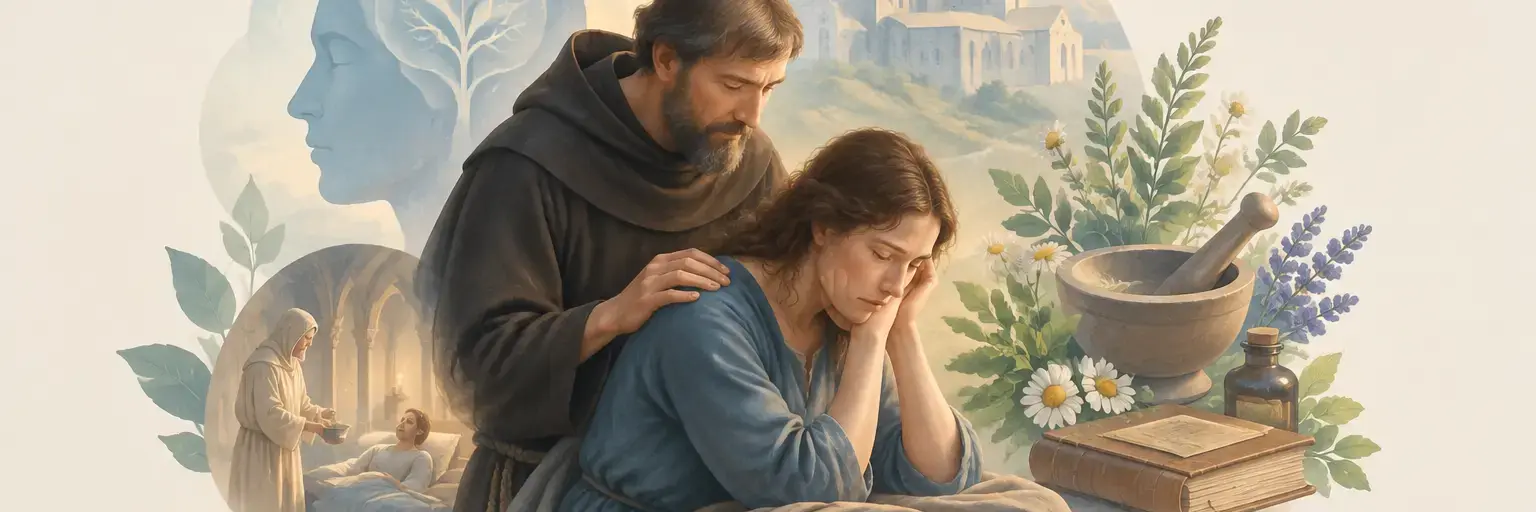
Explore the fascinating and often misunderstood world of medieval mental health, where supernatural beliefs and early medical practices intertwined to shape the care of the mind. In an era before modern psychology, conditions we now recognize as depression, anxiety, or psychosis were often attributed to demonic possession, divine punishment, or an imbalance of the four bodily humors. From herbal remedies and bloodletting to religious exorcisms and pilgrimages, the medieval response to mental distress was as diverse as it was dramatic. Discover how monks, physicians, and folk healers approached the “melancholic” and the “mad,” revealing the roots of stigma, compassion, and community care that still echo in today’s conversations about mental well-being. Whether you’re a history enthusiast or seeking context for modern challenges, this journey into the past offers a unique lens on how far we’ve come—and what we can still learn.

🎶 Discover how medieval music therapy benefits mental health by revealing unexpected therapeutic techniques from the past that can inspire modern approaches…
Read article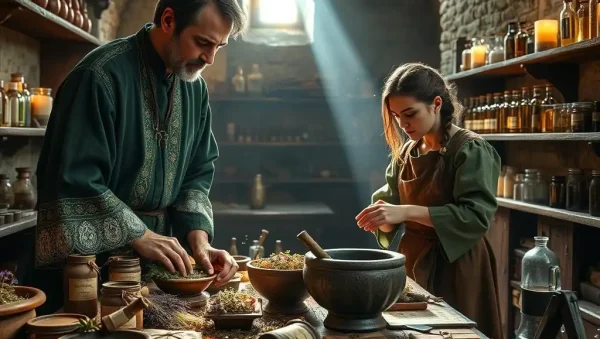
🌿 Discover how medieval healers used herbal remedies for anxiety, blending early medical practices with holistic approaches. Explore the vital roles of…
Read article
🧠 Explore how medieval demonic possession mental health episodes were misunderstood, often attributed to evil spirits rather than genuine mental health issues.…
Read article
🌟 Discover how medieval mental illness treatment strategies evolved during the Middle Ages, reflecting shifting societal attitudes and emerging understandings of mental…
Read article
🌟 Explore how religious healing practices in medieval mental health relied on prayer, penance, and pilgrimage, highlighting their significance in holistic mental…
Read article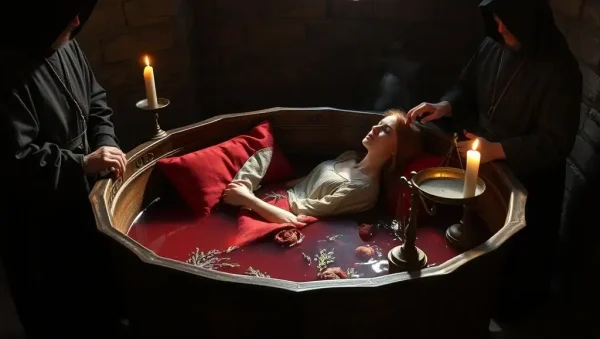
🩺 Discover the controversial world of medieval purging mental health treatments, including bleeding, purging, and baths, revealing how historical practices aimed to…
Read article
🌿 Discover timeless wisdom with medieval mental wellbeing strategies that emphasize balanced diet, adequate rest, and healthy lifestyle habits, offering valuable insights…
Read article
🧠 Explore how societal perceptions evolved from pity to fear, revealing the roots of medieval mental illness stigma and its lasting impact.…
Read article
✨ Explore how astrology’s impact on medieval minds shaped mental health practices, revealing ancient beliefs that intertwined celestial movements with psychological well-being.…
Read article
🧠 Explore how medieval mental health treatment styles divided faith and medicine, revealing a compelling clash between the physician’s scientific approach and…
Read article
🌿 Discover how Galen’s theory mental health practice influenced medieval approaches to mental well-being, laying groundwork for modern understanding. Explore the enduring…
Read article
🌟 Discover how medieval family caregivers faced immense stress caring for mentally ill relatives, highlighting the societal pressures and limited resources of…
Read articleStep back into the Middle Ages, a time when the mind, body, and soul were seen as one inseparable tapestry. Unlike today’s clinical labels, mental distress in medieval Europe was often framed through spiritual, cosmic, and humoral lenses. This subcategory on *Mind Care Guide* explores how monks, physicians, and villagers interpreted madness, melancholy, and anxiety—and how those beliefs shaped daily care. You’ll discover that centuries-old practices, from herbal remedies to pilgrimage, still echo in modern holistic care. Explore with us as we untangle the fascinating, and sometimes unsettling, roots of mental health history.
Medieval physicians inherited the ancient Greek concept of four bodily fluids—blood, phlegm, black bile, and yellow bile—believing an imbalance caused both physical and mental illness. Melancholy, for instance, was tied to excess black bile, producing sadness, sluggishness, and fearful delusions. Treatments focused on rebalancing through diet, bloodletting, and purging, often prescribed by university-trained doctors. This theory framed mental suffering as a natural, treatable condition, not purely a demonic curse, offering a medical pathway alongside religious explanations.
For *Mind Care Guide* readers, understanding humoral theory reveals why medieval people sought practical relief. Herbal laxatives, warm baths, and changes to sleep schedules were common “prescriptions.” Even music and conversation were recommended to “restore” the spirit. While these methods seem crude today, they show an early attempt at systematic, environmental intervention—a precursor to biopsychosocial models. Recognizing this helps us appreciate that mental health care has always blended science, culture, and compassion, even when the science was flawed.
Religious authorities often viewed madness as a punishment for sin or an attack by demonic forces, particularly when symptoms included hallucinations or violent behavior. Exorcism, prayer, and penance were primary “treatments” administered by clergy. Yet many theologians, like Thomas Aquinas, argued that mental illness could also arise from natural causes, urging compassion over condemnation. Monasteries served as early asylums, offering shelter, regular meals, and spiritual comfort to the afflicted, blending care with ritual.
This dual perspective—medical and spiritual—created a complex support system. Families might first consult a priest, then a physician if the condition persisted. Pilgrimages to shrines, such as those for Saint Dymphna, were popular for those seeking miraculous healing. For our modern audience, this highlights how cultural beliefs shape help-seeking behavior. Even today, many people integrate faith-based coping with clinical care. The medieval example teaches us to respect diverse explanatory models while ensuring vulnerable individuals receive dignified, non-stigmatizing treatment.
Beyond elite medicine, folk healers and wise women used local plants to soothe anxious minds. St. John’s Wort, valerian, and lavender were brewed into teas or placed under pillows to ease insomnia and “melancholic vapors.” These remedies were often blended with charms, incantations, and seasonal rituals, reflecting a pragmatic, community-based approach. Knowledge passed orally, with recipes tailored to each sufferer’s unique symptoms, weather, and lunar phase. This holistic, personalized care contrasts sharply with rigid institutional protocols of later eras.
Modern research has validated some of these botanicals—St. John’s Wort is now a known antidepressant, though with drug-interaction warnings. For *Mind Care Guide*, this offers a fascinating bridge: medieval empiricism accidentally discovered active compounds. Yet, we must caution against romanticizing folk practice, as many remedies were ineffective or toxic. Still, the emphasis on nature, routine, and social support resonates with current wellness trends. Learning these historical practices encourages us to examine the evidence behind both ancient and contemporary treatments, fostering critical thinking and self-efficacy.
Contrary to myth, medieval towns rarely locked “mad” people in dungeons. Instead, civic hospitals, run by religious orders, accepted the mentally ill alongside the physically sick. Poor relief systems provided outdoor support—food, clothing, and shelter—to families caring for a disturbed relative. “Fools” were often allowed to wander freely, protected by their perceived innocence, and some served as court jesters with social roles. This inclusive model aimed to maintain social order without wholesale exclusion, though conditions varied by wealth and region.
For modern readers, this reveals a spectrum of tolerance and neglect. Wealthy melancholics received private care and spa-like retreats, while poor villagers relied on parish aid. Institutionalization was a last resort, not a default. This historical nuance challenges the assumption that premodern societies abandoned the mentally ill. Understanding local, kinship-based care can inspire community-centered approaches today, reminding us that hospital beds are not the only answer. However, we must also recognize the lack of specialized knowledge meant many suffered without effective therapy. Still, this legacy of communal responsibility offers valuable lessons for peer support networks.
Medieval literature and art reveal society’s attitudes toward mental disturbance. Works like *The Knight’s Tale* and *The Book of Margery Kempe* portray melancholic lovers, visionary hermits, and “holy fools” whose altered states carried prophetic meaning. Visual arts often depicted madness as wild-haired figures, sometimes chained, but also as victims of Fortune’s wheel symbolizing life’s unpredictability. These portrayals served moral purposes—warning against excessive passion or pride—while also humanizing sufferers. They demonstrate that madness was a recognized, narratively rich experience, not an unspeakable taboo.
For *Mind Care Guide*, exploring these depictions helps destigmatize mental health struggles by showing they are universal human experiences across time. The “holy fool” archetype, for example, suggests that some eccentricities were valued as divine insight. Yet, romanticized images could also justify neglect. By analyzing these texts and images, we learn to read historical evidence critically, separating cultural ideal from lived reality. This artistic lens enriches our empathy, reminding us that every era has its own language for suffering—and our modern vocabulary of diagnoses is just one translation.
No, not always. Many scholars and physicians recognized natural causes, including humoral imbalances, injuries, or life stressors. While demonic possession was a common explanation for severe symptoms like convulsions or bizarre speech, medical texts and practical care often combined spiritual and physical remedies. The Church itself sometimes discouraged exorcism for obviously sick individuals, urging they seek a doctor first. Thus, belief systems were pluralistic, varying by education, region, and personal interpretation.
Most physicians prescribed a regimen to rebalance black bile, including a warm, moist diet (broths, figs), moderate exercise like walking, and avoidance of cold, dry foods. Bloodletting and purging were used for severe imbalances. Equally important were “pleasurable diversions”—music, storytelling, and time in gardens—to lift the spirit. For many, prayer and confession provided emotional relief. Treatments were personalized, often combining herbal laxatives with social recreation, showing an early mind-body approach.
Strictly dedicated psychiatric hospitals did not exist until the 15th century, with places like Bethlem in London. However, many general hospitals and monasteries set aside wards or rooms for “lunatics,” offering custodial care, basic meals, and religious services. In some cities, towers or cells were used for violent individuals, but such confinement was rare. Most mentally ill people stayed with family or wandered, relying on charitable alms. Thus, care was decentralized and community-based, not institutionalized as later asylums.
Context was everything. If visions aligned with religious orthodoxy and the person acted calmly, they might be venerated as mystics—Joan of Arc is a famous example. If the voices were blasphemous or the behavior disruptive, they were often seen as demonic temptation or illness. Clergy and physicians assessed these experiences case by case. This flexible interpretation meant some individuals found social acceptance and even status, while others faced exclusion or exorcism, depending on their community’s judgment.
Some, with caution. St. John’s Wort has clinical evidence for mild-to-moderate depression, but it interacts dangerously with many antidepressants and birth control pills. Valerian root may aid sleep, and lavender aromatherapy can reduce stress. However, medieval doses were often inconsistent, and many herbs were toxic. Always consult a qualified healthcare provider before trying any botanical, as proper dosage, quality, and interactions matter. Their historical use demonstrates natural compounds’ potential, but modern evidence-based protocols are essential for safe efficacy.