Part of · History of Mental Health

Medieval Understanding of Mental Health - Beliefs and Practices

34 articles

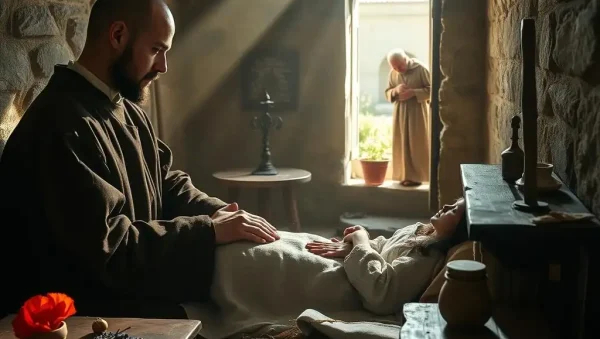
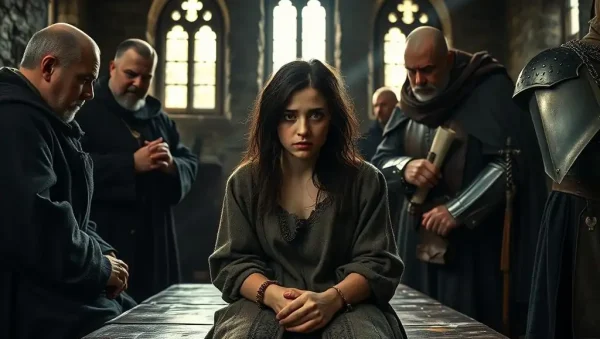
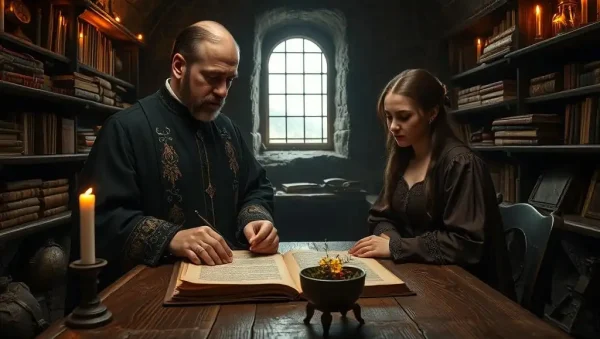
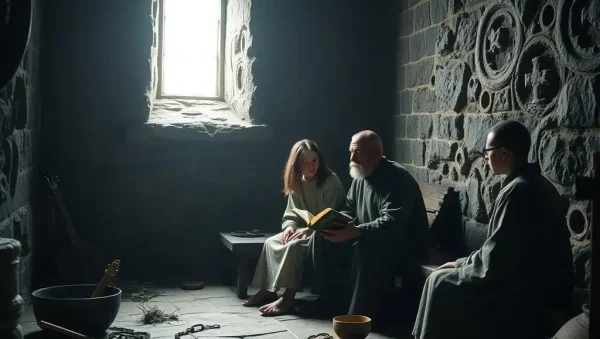
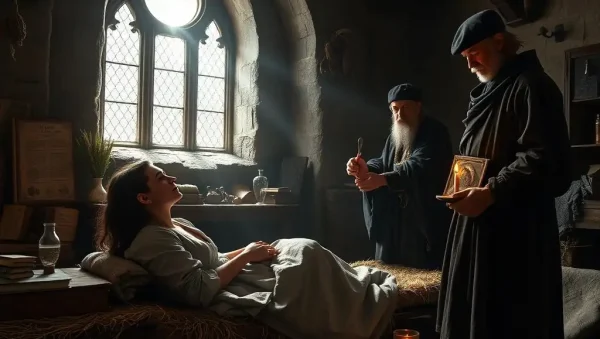
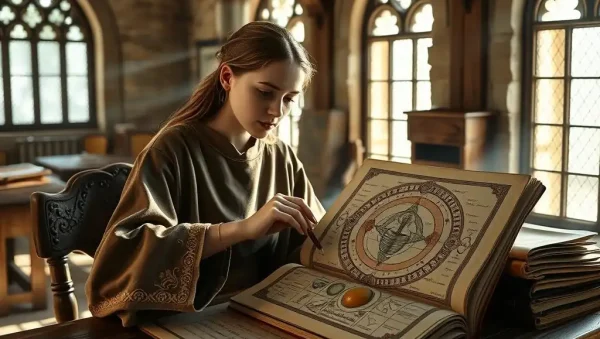
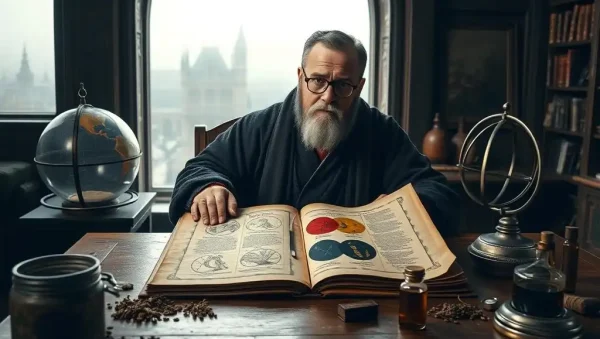
Explore the fascinating and often misunderstood world of medieval mental health, where supernatural beliefs and early medical practices intertwined to shape the care of the mind. In an era before modern psychology, conditions we now recognize as depression, anxiety, or psychosis were often attributed to demonic possession, divine punishment, or an imbalance of the four bodily humors. From herbal remedies and bloodletting to religious exorcisms and pilgrimages, the medieval response to mental distress was as diverse as it was dramatic. Discover how monks, physicians, and folk healers approached the “melancholic” and the “mad,” revealing the roots of stigma, compassion, and community care that still echo in today’s conversations about mental well-being. Whether you’re a history enthusiast or seeking context for modern challenges, this journey into the past offers a unique lens on how far we’ve come—and what we can still learn.

Medieval Understanding of Mental Health - Beliefs and Practices

Articles in this topic