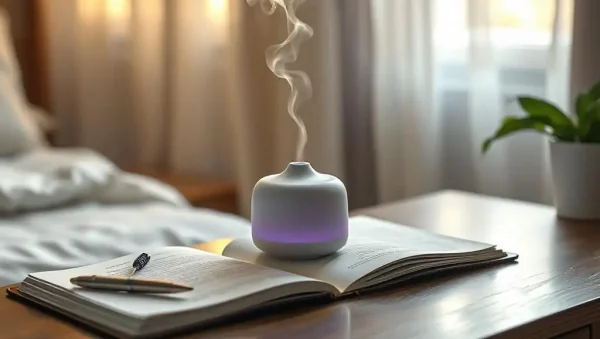
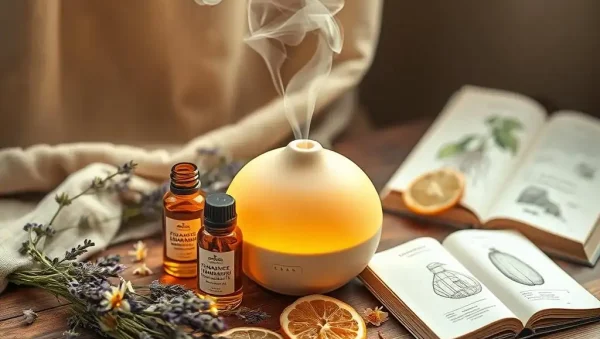
Essential Oil Diffusers for Anxiety – Aromatherapy Benefits
Discover how essential oil diffusers for anxiety transform your living space into a sanctuary of calm. At Mind Care Guide, we explore the science-backed synergy between aromatherapy and mental wellness, helping you choose the perfect diffuser to ease stress, promote better sleep, and elevate your self-care routine. Whether you’re new to essential oils or a seasoned enthusiast, this subcategory offers practical guidance, product insights, and relaxation techniques tailored to your emotional needs.
🌿 How Diffusers Work to Reduce Anxiety
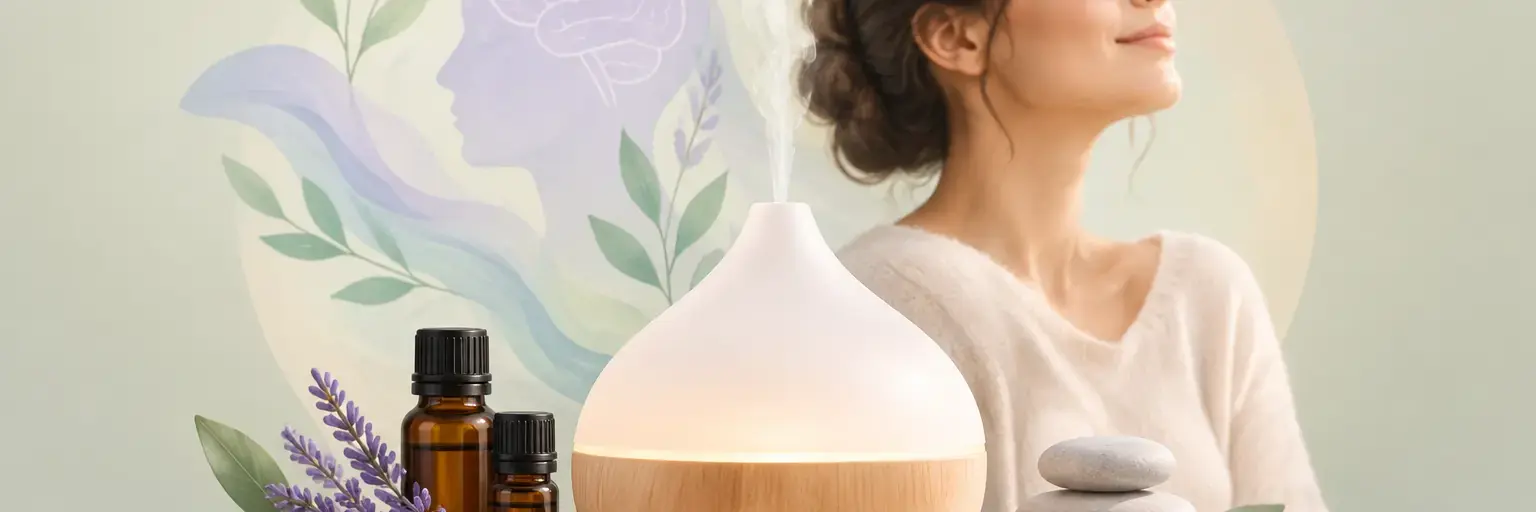
Ultrasonic and nebulizing diffusers break down essential oils into microscopic particles, dispersing them into the air for inhalation. When you breathe in compounds like linalool from lavender or limonene from citrus, they interact with the olfactory system and amygdala, the brain’s emotional center. This triggers a reduction in cortisol levels, promoting a parasympathetic “rest and digest” state. For anxiety sufferers, consistent use can lower heart rate and improve mood regulation, making diffusers a powerful non-invasive tool.
Unlike candles or sprays, diffusers provide continuous, controlled release without heat, preserving the oil’s therapeutic properties. Many models include timers and mist settings, allowing you to customize intensity for daytime focus or nighttime calm. When paired with breathing exercises, the aromatic cues become a conditioned signal for relaxation, reinforcing positive neural pathways over time.
😌 Best Essential Oils for Calm and Stress Relief
Lavender remains the gold standard for anxiety relief, with clinical studies showing it reduces restlessness and improves sleep quality. Bergamot, a citrus oil, elevates mood while lowering blood pressure, making it ideal for social anxiety or morning worries. Frankincense and ylang-ylang are excellent for deep emotional grounding, while chamomile soothes overactive minds. Blends like “Tranquility” or “Sleepy” often combine these to amplify effects.
For best results, use 3–5 drops per 100ml of water in a diffuser, starting with a 30-minute session and adjusting based on your sensitivity. Always choose 100% pure therapeutic-grade oils from reputable brands, avoiding synthetic fillers that can trigger headaches. Rotate oils weekly to prevent olfactory fatigue, and note that citrus oils are phototoxic—avoid skin contact before sun exposure.
💡 Choosing the Right Diffuser for Your Home
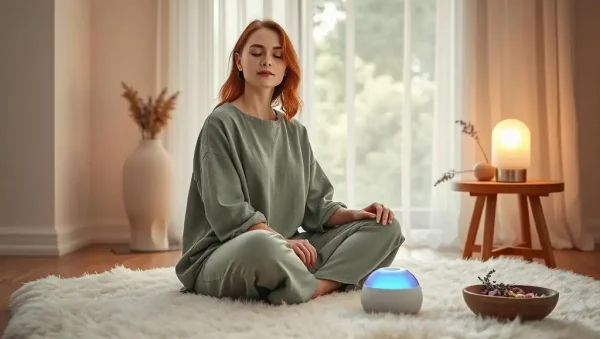
Key factors include room size, noise level, and maintenance. Ultrasonic diffusers are whisper-quiet, suitable for bedrooms, and double as humidifiers. Nebulizers offer stronger scent without water but are louder and require more oil. For anxiety households, consider a diffuser with a warm LED light (purple or blue) to enhance ambiance. Smart diffusers with app control let you schedule sessions, perfect for consistent relaxation routines.
Look for models with auto-shutoff for safety, and easy-to-clean reservoirs to prevent mold. Ceramic and glass designs are aesthetically pleasing, while compact USB options are great for office or travel use. Budget-wise, mid-range ultrasonic diffusers (around $30–$50) balance durability and features. Read reviews focusing on longevity and mist output—some cheaper units clog or underperform after months.
📅 Creating a Daily Aromatherapy Routine
Integrate diffusing into morning and evening rituals to stabilize mood. Start your day with 10 minutes of energizing peppermint or sweet orange to reduce anticipatory anxiety. During work breaks, use a portable diffuser with rosemary to enhance focus. For nighttime, run a lavender and cedarwood blend 30 minutes before bed, dimming lights and pairing with a gratitude journal. Consistency trains your brain to associate these scents with safety.
Track your anxiety levels with a simple journal—rate stress on a scale of 1–10 before and after each session. Over two weeks, you’ll notice patterns. Combine diffusion with mindfulness (deep breathing, body scans) to amplify benefits. Avoid diffusing continuously for over 3 hours at high output to prevent headaches. On high-stress days, add a few drops of clary sage to a bath or pillow mist for extra support.
🛒 Gift Ideas and Safety Tips for Anxiety Diffusers
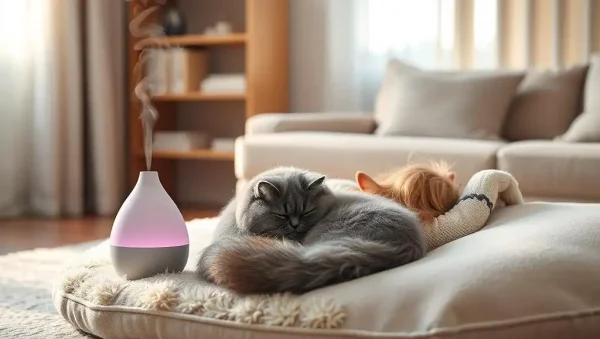
Diffusers make thoughtful gifts for stressed friends or family. Pair a white ultrasonic diffuser with a starter set of 4 calming oils (lavender, chamomile, bergamot, frankincense) and a “relaxation recipe card.” Look for gift sets that include a wooden base or fabric pouch. For pet owners, avoid oils toxic to cats/dogs (like tea tree or wintergreen) and choose pet-safe options like cedarwood. Always check allergen warnings—some people are sensitive to strong scents.
Maintain your diffuser by wiping the reservoir weekly with vinegar and water. Never leave it unattended with children or pets near. If you’re pregnant or have asthma, consult a healthcare provider before regular use. Store oils in dark glass bottles away from light to preserve potency. With proper care, a quality diffuser lasts years, offering ongoing aromatherapy benefits for anxiety relief and overall self-care.
Frequently Asked Questions
Can essential oil diffusers actually reduce anxiety symptoms?
Yes, but they are not a standalone cure. Research shows inhalation of lavender and bergamot reduces cortisol and anxiety scores in clinical settings. Diffusers provide steady, low-dose exposure, which helps manage mild to moderate stress. For severe anxiety, use them alongside therapy or medication—consider them a complementary tool for relaxation, not a replacement.
How long should I run a diffuser per day for anxiety?
Start with 20–30 minutes, three times daily, then adjust to your tolerance. Continuous use beyond 2 hours can cause scent fatigue or headaches. Many diffusers have intermittent settings (e.g., 30 sec on/30 sec off) that extend runtime safely. Listen to your body—if you feel dizzy or nauseated, reduce duration or oil amount.
Which is better: ultrasonic or nebulizing diffuser for stress?
Ultrasonic diffusers are better for anxiety because they are quieter, safer for humid climates, and use water to dilute oils, making scents gentler—ideal for sensitive noses. Nebulizers deliver a stronger, immediate aroma but can be overwhelming and are louder. For daily self-care, choose ultrasonic with soft LED lights to enhance calm.
Are there any essential oils to avoid for anxiety?
Stimulating oils like eucalyptus, peppermint, and thyme can increase alertness and worsen panic symptoms in some people. High doses of clove or cinnamon may irritate airways. Always avoid oils with synthetic additives. If you have allergies or respiratory conditions, test a small amount first and choose single-origin, GC-MS tested oils.
Can I blend multiple oils in a diffuser for better anxiety relief?
Absolutely. Create a grounding blend of 3 parts lavender, 2 parts bergamot, and 1 part frankincense. Or try 2 parts chamomile, 1 part clary sage, and 1 drop of sweet orange. Use 4–6 total drops per session. Avoid combining more than four oils to prevent olfactory confusion. Keep a log of effective blends for your personal routine.