
Training Everyday Heroes: Empowering Community Members as First Responders

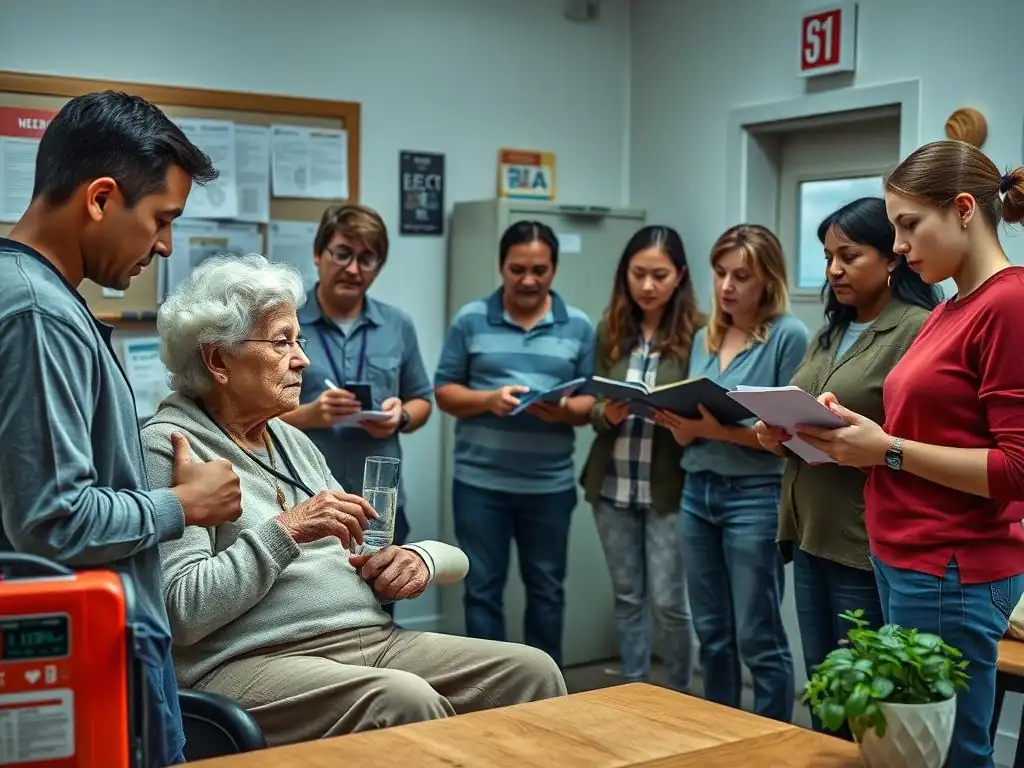
Welcome to Mind Care Guide, a space dedicated to nurturing your mental well-being. Are you passionate about making a real difference in your community? This guide explores a vital aspect of support: community first responder mental health. Discover how empowering everyday heroes with the right training can be a lifeline in times of crisis. Uncover the strategies and resources that can help build stronger, more resilient communities. Let's delve in and explore how we can collectively support those who are often first on the scene.
- Empowering Communities: Training Mental Health First Responders
- The Critical Role of Community Mental Health First Responders
- Defining the Mental Health First Responder's Role
-
Comprehensive Training for Mental Health First Responders
- Core Curriculum: Mental Health Literacy, Trauma-Informed Care, and Cultural Sensitivity
- De-escalation Techniques: Verbal and Non-Verbal Strategies
- Psychological First Aid: Providing Immediate Comfort and Support
- Self-Care and Resilience: Preventing Burnout and Promoting Well-being
- Legal and Ethical Frameworks: Confidentiality and Duty to Report
-
Implementing Community Mental Health First Responder Programs
- Needs Assessment: Identifying Local Challenges and Resources
- Recruitment and Screening: Ensuring Qualified and Dedicated Volunteers
- Sustainable Training Models: Accessibility and Ongoing Development
- Communication and Support: Establishing Clear Protocols and Mentorship
- Collaboration with Professionals: Building Bridges to Existing Services
- The Impact of Mental Health First Responders on Crisis Intervention
- Case Studies: Successful Mental Health First Responder Programs
- Resources for Mental Health First Responders
- Building Resilient Communities Through Mental Health Support
-
Frequently Asked Questions
- What is the primary goal of training community members as first responders for mental health?
- Why is it important to focus specifically on "Community First Responder Mental Health?"
- What types of skills and knowledge are imparted in the "Training Everyday Heroes" program?
- How does this training contribute to the overall "Comprehensive guide to mental well-being" offered by Mind Care Guide?
- Who should consider participating in "Training Everyday Heroes: Empowering Community Members as First Responders?"
- Final Reflection: The Unsung Resilience of Community First Responders
- Unleash Your Inner Hero: Become a Community Lifesaver
Empowering Communities: Training Mental Health First Responders
In today's complex world, mental health challenges are increasingly prevalent, yet access to professional care remains a significant barrier for many. This gap often leaves individuals in crisis without immediate support. Recognizing this critical need, communities are increasingly turning to innovative solutions, one of the most promising being the training and deployment of community first responder mental health teams. These everyday heroes, equipped with essential skills, serve as a vital bridge, offering initial support and guidance during mental health crises before professional help arrives or becomes accessible.
The concept of empowering local citizens with mental health first aid knowledge is gaining traction globally. By building a network of trained individuals within neighborhoods, workplaces, and community organizations, we can create a more resilient and responsive social fabric. This approach not only provides immediate assistance but also helps to destigmatize mental health issues, encouraging open conversations and fostering a culture of care and understanding from the ground up. The goal is to make mental health support as readily available and accepted as traditional physical first aid.
The Critical Role of Community Mental Health First Responders
Community first responder mental health initiatives play an indispensable role in the mental health ecosystem, particularly in areas with limited resources. They are not substitutes for licensed clinicians but rather a crucial first line of support, capable of recognizing signs of distress, offering empathetic listening, and connecting individuals to appropriate professional services. Their presence in the community means help can often be just around the corner, reducing response times and potentially preventing crises from escalating.
These responders contribute significantly to early intervention efforts. By being present and approachable within their communities, they can identify individuals who may be struggling before they reach a point of crisis. This proactive engagement allows for timely support, potentially diverting individuals from emergency rooms or inpatient facilities and instead linking them with outpatient care or community resources. Their role is fundamentally about building trust and offering a helping hand in moments of vulnerability.
Addressing Mental Health Service Gaps in Underserved Areas
A significant challenge in mental healthcare is the unequal distribution of resources, particularly in rural and low-income urban areas. According to recent reports, over 60% of U.S. counties, primarily rural, have no practicing psychiatrists, and many more lack adequate access to other mental health professionals. This creates vast deserts where individuals facing mental health crises have limited options for immediate help.
Community first responder mental health programs offer a practical solution to this disparity. By training local residents – teachers, librarians, faith leaders, neighbors – they create a distributed network of support. For instance, a program in rural Appalachia reported training over 300 community members in mental health first aid within two years, significantly increasing the number of people equipped to respond to crises locally, reducing the average time to initial support from several hours to under one hour in some cases, based on program evaluations.
Building Accessible Support Networks Within Communities
Accessibility goes beyond geographical proximity; it also involves reducing psychological barriers like stigma and fear. Traditional mental health services can feel intimidating or be perceived as only for severe cases. Community first responder mental health volunteers, being members of the community themselves, are often seen as more approachable and trustworthy.
Consider a neighborhood initiative in a large city where volunteers trained in mental health first aid are embedded within community centers and local businesses. Over a six-month period, these volunteers engaged in over 500 supportive conversations, identifying dozens of individuals who needed further help and successfully connecting approximately 70% of those individuals with local counseling services or support groups. This demonstrates the power of leveraging existing social structures to build accessible, informal support networks that complement formal services.
Strengthening Early Intervention and Prevention Efforts
Early intervention is key to preventing mental health issues from escalating into crises. Community first responder mental health training equips individuals to recognize the early signs and symptoms of common mental health challenges, such as depression, anxiety, substance use issues, and psychosis. This includes recognizing changes in behavior, mood, or thought patterns that might indicate someone is struggling.
For example, a study tracking outcomes of a community first responder mental health program in schools found that staff trained in mental health first aid identified potential issues in students approximately 30% earlier than untrained staff. This early identification allowed for timely referrals to school counselors or external resources, potentially preventing academic decline, social withdrawal, or more severe crises. The ability to intervene early can significantly alter the trajectory of an individual's mental health journey.
Defining the Mental Health First Responder's Role
The role of a community first responder mental health volunteer is distinct and crucial. They are not diagnosticians or therapists. Their primary function is to provide initial support, offer hope, and connect individuals experiencing a mental health challenge or crisis with appropriate professional help and resources. This involves active listening, offering non-judgmental support, and guiding the person towards recovery and stability.
Understanding the boundaries of this role is paramount. Responders are trained to assist in a mental health crisis until professional help arrives or the crisis resolves, or to offer support to someone developing a mental health problem. They are equipped with an action plan, often referred to as the ALGEE action plan (Assess for risk of suicide or harm, Listen non-judgmentally, Give reassurance and information, Encourage appropriate professional help, Encourage self-help and other support strategies), which provides a structured approach to providing assistance.
Ideal candidates for community first responder mental health training come from all walks of life. They can be parents, teachers, police officers, faith leaders, community volunteers, or simply concerned neighbors. What unites them is a genuine desire to help others and a willingness to learn the skills necessary to provide support during difficult times.
Programs often recruit individuals who are already active and trusted within their communities. For instance, a successful program targeting elderly populations specifically recruited volunteers who were retirees active in senior centers or neighborhood watch groups. This targeted approach leveraged existing social capital, resulting in a training cohort that was highly motivated and well-connected to the population they aimed to serve, leading to higher engagement rates among those seeking help.
Essential Skills: Empathy, Communication, and Crisis Management
Effective community first responder mental health training focuses on building a core set of skills. Paramount among these are empathy and non-judgmental listening. Responders must be able to create a safe space where individuals feel heard and understood without fear of criticism.
Key skills include:
- Active listening: Paying full attention, understanding, responding, and remembering what is being said.
- Non-verbal communication: Using open body language and making appropriate eye contact.
- Asking open-ended questions: Encouraging the person to share their experience.
- De-escalation techniques: Learning strategies to calm intense emotions and situations.
- Understanding crisis signs: Recognizing immediate risks like suicidal ideation or panic attacks.
- Providing relevant information: Sharing resources for professional help and support groups.
These skills are not just theoretical; training programs typically involve role-playing and simulations to practice these techniques in scenarios that mimic real-life situations, ensuring responders are comfortable and competent when faced with a genuine crisis.
Scope of Practice: Boundaries, Referrals, and Ethical Considerations
It is critical that community first responder mental health volunteers understand the limitations of their role. They do not diagnose mental health conditions, nor do they provide therapy or counseling. Their scope is to provide initial support and facilitate connection to appropriate professional care.
Training emphasizes:
- Maintaining confidentiality: Respecting the privacy of individuals they assist.
- Recognizing when to refer: Knowing when a situation requires professional intervention.
- Understanding duty to report: Being aware of legal obligations regarding harm to self or others.
- Setting personal boundaries: Knowing how to protect their own well-being and avoid taking on too much.
#### Key Responsibilities of a Mental Health First Responder
*   Listen without judgment.
*   Assess for immediate risk (suicide, harm).
*   Offer reassurance and information.
*   Encourage professional help.
*   Connect to resources.
*   Maintain confidentiality (within legal limits).
*   Prioritize personal safety and well-being.
Ethical considerations, such as respecting autonomy and promoting dignity, are woven throughout the training, ensuring responders act responsibly and compassionately.
Comprehensive Training for Mental Health First Responders

Effective community first responder mental health programs rely on robust and comprehensive training curricula. These programs are designed to equip volunteers with the knowledge and skills needed to confidently and safely assist individuals experiencing mental health challenges or crises. Training typically involves a blend of theoretical learning, practical skill-building exercises, and scenario-based practice.
A standard training course often spans 8-12 hours, delivered over one or two days. The curriculum is carefully structured to cover a wide range of topics, ensuring responders are prepared for various situations they might encounter in their communities. The quality of this training is paramount to the success and safety of both the responders and the individuals they support.
Core Curriculum: Mental Health Literacy, Trauma-Informed Care, and Cultural Sensitivity
A foundational component of community first responder mental health training is building mental health literacy. This involves educating volunteers about common mental health conditions, their signs and symptoms, and available treatments. Understanding conditions like depression, anxiety disorders, bipolar disorder, schizophrenia, and substance use disorders helps responders recognize potential issues.
Equally vital are modules on trauma-informed care and cultural sensitivity. Trauma-informed care teaches responders to recognize the widespread impact of trauma and understand potential paths for recovery, avoiding re-traumatization. Cultural sensitivity ensures responders are aware of how cultural backgrounds, beliefs, and experiences can influence mental health and help-seeking behaviors, promoting respectful and effective interactions with diverse populations. For instance, training might include specific modules on supporting veterans, LGBTQ+ individuals, or specific ethnic groups prevalent in the community.
De-escalation Techniques: Verbal and Non-Verbal Strategies
Responding to someone in distress or experiencing a mental health crisis often requires skilled de-escalation. Community first responder mental health training provides volunteers with practical techniques to help calm intense emotions and reduce tension in a situation. This is crucial for ensuring the safety of everyone involved.
Techniques covered typically include:
- Maintaining a calm and non-threatening demeanor.
- Using a calm, clear, and slow tone of voice.
- Giving the individual space and avoiding physical contact.
- Listening actively and validating feelings without agreeing with harmful thoughts.
- Offering choices when possible to give a sense of control.
- Knowing when and how to disengage if the situation becomes unsafe.
These skills are often practiced through role-playing exercises where volunteers navigate simulated crisis scenarios, receiving feedback on their verbal and non-verbal communication. Mastering de-escalation is a cornerstone of effective crisis intervention at the community level.
Psychological First Aid: Providing Immediate Comfort and Support
Psychological First Aid (PFA) is a core skill taught in community first responder mental health programs. PFA is an evidence-informed approach that provides immediate, non-intrusive support to people who have been affected by emergencies, disasters, or other traumatic events. It focuses on reducing initial distress and fostering adaptive functioning.
The principles of PFA involve:
- Making contact and engagement in a non-intrusive, helpful manner.
- Enhancing safety and comfort.
- Stabilizing individuals who are overwhelmed or distressed.
- Gathering information about immediate needs and concerns.
- Providing practical assistance.
- Connecting people with social support networks.
- Supporting coping strategies.
- Linking with collaborative services.
PFA is not counseling; it's about providing basic human support in the immediate aftermath of a distressing event, helping individuals feel safe, connected, and hopeful.
Self-Care and Resilience: Preventing Burnout and Promoting Well-being
Supporting others through mental health challenges can be emotionally demanding. Comprehensive community first responder mental health training includes a significant focus on self-care and building resilience for the volunteers themselves. This is essential for preventing burnout and ensuring the sustainability of community-based support efforts.
Topics covered include:
- Recognizing the signs of stress and burnout in oneself.
- Developing personal coping strategies.
- Establishing healthy boundaries in their helping role.
- Understanding the importance of seeking supervision or support from peers or program coordinators.
- Practicing mindfulness or relaxation techniques.
Programs often encourage peer support networks among responders and provide access to supervision or debriefing sessions, reinforcing that self-care is not selfish but a necessary part of being an effective helper.
Legal and Ethical Frameworks: Confidentiality and Duty to Report
Understanding the legal and ethical landscape is crucial for community first responder mental health volunteers. Training covers key concepts like confidentiality – the importance of protecting the privacy of individuals they assist – and the legal limits to confidentiality.
A critical component is understanding the "duty to report." This involves knowing when they are legally obligated to break confidentiality, such as when there is an imminent risk of harm to self or others, or suspicion of child or elder abuse. Training provides clear guidelines on how to assess risk and the proper procedures for reporting concerns to appropriate authorities or mental health professionals. This ensures responders can act responsibly and within legal boundaries while prioritizing safety.
Implementing Community Mental Health First Responder Programs
Establishing a successful community first responder mental health program requires careful planning and execution. It's not simply about training individuals; it involves creating a sustainable infrastructure that supports the volunteers and integrates their efforts with existing community resources.
Key phases of implementation typically include assessing community needs, recruiting and training volunteers, establishing support systems, and fostering collaboration with professional services. Each step requires thoughtful consideration to ensure the program is effective, ethical, and truly beneficial to the community it serves.
Needs Assessment: Identifying Local Challenges and Resources
The first step in launching a community first responder mental health program is a thorough needs assessment. This involves understanding the specific mental health challenges prevalent in the target community (e.g., high rates of suicide attempts among youth, opioid addiction crisis, lack of services for specific populations) and identifying existing resources (e.g., local clinics, support groups, crisis lines).
A needs assessment might involve:
- Analyzing local health data (e.g., emergency room visits for mental health crises, suicide rates).
- Conducting surveys or focus groups with community members, leaders, and service providers.
- Mapping existing mental health services and identifying gaps.
For example, a needs assessment in a suburban area might reveal a high incidence of anxiety and depression among middle-aged adults but limited access to affordable counseling. This data would then inform the focus of the community first responder mental health training and the types of resources volunteers are equipped to share.
Recruitment and Screening: Ensuring Qualified and Dedicated Volunteers
Recruiting the right volunteers is crucial. Programs look for individuals who are reliable, empathetic, good listeners, and respected within their community. Screening processes are often implemented to ensure candidates are suitable for the sensitive nature of the role.
Screening might involve:
- Application forms detailing motivation and relevant experience.
- Interviews to assess interpersonal skills and judgment.
- Background checks (depending on the program's scope and target population).
A program targeting youth mental health might prioritize recruiting teachers, youth group leaders, or school staff. A program focused on supporting adults with substance use challenges might seek individuals with lived experience or those working in related fields. The goal is to build a team of dedicated individuals who can effectively connect with and support those in need.
Sustainable Training Models: Accessibility and Ongoing Development
For a community first responder mental health program to thrive, the training model must be sustainable and accessible. Offering training at convenient times and locations, potentially including online or blended formats, can increase participation. Providing training free of charge or at low cost is also essential for equitable access.
Furthermore, initial training is just the beginning. Effective programs incorporate opportunities for ongoing development, such as:
- Refresher courses to reinforce skills and knowledge.
- Advanced training modules on specific topics (e.g., supporting veterans, suicide prevention).
- Workshops to discuss challenging cases and share experiences.
Ensuring volunteers feel supported in their learning journey helps maintain their engagement and competence over time.
Communication and Support: Establishing Clear Protocols and Mentorship
Clear communication channels and robust support systems are vital for community first responder mental health volunteers. They need to know who to contact when they encounter a difficult situation, need guidance on a referral, or require emotional support themselves.
This involves:
- Establishing clear protocols for responding to different types of situations.
- Providing access to program coordinators or supervisors for consultation.
- Creating peer support groups or mentorship opportunities.
- Regular check-ins or meetings to share information and experiences.
For example, a program might have a dedicated phone line or online platform where volunteers can quickly access resources or speak with a supervisor during or after assisting someone in crisis. This support structure ensures volunteers feel confident and are not left to handle challenging situations alone.
Collaboration with Professionals: Building Bridges to Existing Services
Community first responder mental health programs are most effective when they work in collaboration with existing professional mental health services, healthcare providers, and emergency services. Volunteers serve as a bridge, connecting individuals to the professional care they need.
Collaboration involves:
- Building relationships with local clinics, hospitals, and therapists.
- Creating clear referral pathways and sharing resource lists.
- Understanding the services available and eligibility criteria.
- Potentially establishing formal partnerships or memoranda of understanding.
A successful program might regularly meet with representatives from local mental health agencies to discuss referral processes and share updates, ensuring seamless transitions for individuals moving from community support to professional care. This collaborative approach maximizes the impact of both volunteer and professional efforts.
The Impact of Mental Health First Responders on Crisis Intervention

The presence of trained community first responder mental health volunteers can have a profound impact on how mental health crises are managed at the local level. They offer an immediate, compassionate response that can de-escalate situations, provide comfort, and ensure individuals are connected with appropriate help sooner rather than later.
Their intervention can potentially reduce the burden on emergency services and hospitals, freeing up professional resources for more complex cases. More importantly, they offer a human connection during moments of acute distress, which can be a critical factor in preventing negative outcomes.
Improving Early Identification and Response to Mental Health Crises
One of the most significant impacts of community first responder mental health training is the improvement in early identification of mental health crises. Individuals trained to recognize warning signs are more likely to notice when someone around them is struggling, whether it's a colleague, friend, family member, or acquaintance.
This early recognition enables a prompt, supportive response. Instead of a crisis escalating unnoticed, a trained volunteer can step in, offer a listening ear, and provide initial support before the situation becomes critical. Data from some programs indicates that communities with active community first responder mental health networks see a decrease in the use of emergency services for non-violent mental health calls, suggesting that early, community-based intervention is effectively managing situations before they require a higher level of response.
Reducing Stigma: Fostering Open Dialogue and Acceptance
A major barrier to seeking help for mental health issues is the pervasive stigma associated with them. Community first responder mental health programs actively work to dismantle this stigma by bringing conversations about mental health into everyday settings.
When community members are openly trained and empowered to discuss and support mental well-being, it normalizes the topic. Seeing familiar faces equipped to talk about mental health sends a powerful message that it's okay to not be okay and that help is available and acceptable. This visibility and openness encourage more people to talk about their struggles and seek the support they need, fostering a more accepting and compassionate community environment.
Promoting Help-Seeking Behavior: Creating a Supportive Environment
By reducing stigma and providing accessible points of contact, community first responder mental health volunteers actively promote help-seeking behavior. They serve as trusted navigators who can guide individuals towards appropriate resources, whether it's a crisis hotline, a local therapist, a support group, or online resources.
Their presence creates a supportive environment where individuals feel safer reaching out. For instance, a study in a workplace that implemented mental health first aid training found that employees were 40% more likely to report feeling comfortable discussing mental health concerns with a trained colleague and that referrals to the employee assistance program increased by approximately 25% within the first year. This highlights the direct link between accessible, trained community support and increased utilization of professional services.
Case Studies: Successful Mental Health First Responder Programs
Examining real-world examples provides valuable insights into the effectiveness and potential of community first responder mental health initiatives. While specific program names and exact figures can vary, the patterns of success highlight the power of empowering local citizens.
These case studies demonstrate how tailored programs can address unique community needs, from isolated rural areas to busy urban schools and workplaces. They underscore that the principles of mental health first aid are universally applicable, adapting to different contexts to provide essential support.
Rural Mental Health Outreach: Addressing Isolation and Limited Access
In many rural areas, geographical isolation and limited access to professional services exacerbate mental health challenges. Community first responder mental health programs have been particularly impactful in these settings. Consider a program in a large, sparsely populated county where the nearest mental health clinic was over an hour's drive for many residents.
The program trained over 15% of the adult population in several key villages, focusing on individuals like post office workers, store owners, and community leaders – people who naturally interacted with many residents. Within three years, the local sheriff's department reported a nearly 20% reduction in non-violent mental health-related calls requiring their intervention, and local health services noted an increase in timely referrals from community members, suggesting that trained volunteers were effectively managing situations and connecting people to help before crises escalated.
School-Based Crisis Response: Supporting Students and Staff
Schools are vital community hubs where mental health challenges among young people are increasingly recognized. Implementing community first responder mental health training for teachers, administrators, and support staff creates a crucial layer of support within the school environment.
A program in a large urban school district trained over 500 staff members across multiple schools. The training focused on identifying signs of distress in youth, suicide risk assessment, and connecting students with school counselors or external services. Following the implementation, counselors reported receiving referrals for students exhibiting concerning behaviors approximately two weeks earlier on average, enabling more proactive support. Furthermore, the school climate surveys indicated a modest but measurable increase in students reporting feeling that there was an adult at school they could talk to if they were struggling.
Workplace Mental Health Initiatives: Promoting Employee Well-being
Mental health challenges significantly impact the workplace, affecting productivity and employee well-being. Companies are increasingly recognizing the value of training employees as community first responder mental health contacts.
One large manufacturing company implemented mental health first aid training for managers and HR staff across several sites. The training focused on recognizing stress, anxiety, and depression among employees and providing initial support and guidance on accessing the company's employee assistance program (EAP). Post-training evaluations showed a significant increase in managers' confidence in approaching employees they believed were struggling. While specific numbers are often confidential, the EAP reported a notable increase in utilization specifically linked to referrals from trained managers, indicating that the program successfully reduced barriers to employees seeking professional support.
Resources for Mental Health First Responders
Being a community first responder mental health volunteer is an ongoing commitment that requires access to reliable resources for continued learning, support, and up-to-date information. Connecting volunteers with national and local organizations, training platforms, and crisis services is essential for their effectiveness and well-being.
These resources provide crucial backup, information on specific conditions, guidance on complex situations, and avenues for volunteers to seek support for themselves after assisting someone in distress. A well-supported responder is a more effective responder.
National and Local Mental Health Organizations
Numerous organizations offer valuable resources for community first responder mental health volunteers and the programs that train them. These include:
- Organizations providing standardized mental health first aid training curricula.
- National alliances focused on mental illness advocacy and education.
- Local mental health associations offering information on regional services and support groups.
- Disease-specific organizations focusing on conditions like depression, anxiety, bipolar disorder, etc.
Accessing these organizations provides volunteers with reliable information, connections to professional networks, and often opportunities for ongoing training or webinars. They serve as crucial partners in building community-based mental health support systems.
Online Training Platforms and Certification Programs
While in-person training is highly effective, online platforms and blended learning models are making community first responder mental health training more accessible. Many reputable organizations offer online courses that cover the core curriculum, often combined with in-person practical sessions or virtual live instruction.
Certification programs provide a recognized standard of training and competence. Volunteers who complete certified programs demonstrate a foundational level of knowledge and skill, which can enhance credibility and confidence within the community. Keeping certification current often requires periodic refresher courses, encouraging ongoing learning.
Crisis Hotlines and Support Services
Knowing how and when to connect someone in crisis with immediate professional help is a primary function of a community first responder mental health volunteer. Having readily available information for national and local crisis hotlines, text lines, and warmlines is critical.
Volunteers are trained on when to call emergency services (e.g., 911 or local equivalent) and when to utilize mental health-specific crisis lines, which are staffed by trained mental health professionals. Providing volunteers with a curated list of these resources, along with information on what to expect when contacting them, empowers them to make timely and appropriate referrals during critical moments.
Building Resilient Communities Through Mental Health Support
The ultimate goal of training community first responder mental health volunteers is to build more resilient communities. Resilience isn't just about bouncing back from adversity; it's about having the collective capacity to support one another through challenges, including those related to mental well-being.
By empowering everyday citizens with the skills and knowledge to provide initial support, we create a safety net woven into the fabric of community life. This shifts mental health support from being solely the domain of professionals to a shared responsibility, fostering a culture where asking for and offering help is normalized and encouraged.
The Future of Community-Based Mental Health Care
The role of community first responder mental health is poised to become an increasingly important part of the mental healthcare landscape. As demand for services continues to outstrip the supply of professional providers, community-based models offer a scalable and accessible solution for early intervention and support.
Future developments may include integrating mental health first aid training into more workplaces, schools, and public service roles, expanding the network of trained individuals. Technology may also play a role, with apps or platforms supporting volunteers with resources and communication tools. The trend is clear: empowering communities is key to building a more responsive and preventative mental health system.
Empowering Individuals to Promote Well-being
Community first responder mental health training doesn't just equip individuals to help others; it also empowers them to prioritize their own mental well-being. By learning about mental health, stress management, and self-care strategies to support others, volunteers often gain valuable insights that benefit their own lives.
This ripple effect strengthens individual resilience within the community. As more people become literate in mental health and practice self-care, they are better equipped to navigate their own challenges and serve as positive role models for others, further reinforcing a culture of well-being.
Fostering a Culture of Compassion and Understanding
Perhaps the most profound impact of community first responder mental health programs is their contribution to fostering a culture of compassion and understanding. When neighbors are trained to listen without judgment, colleagues feel safe discussing their struggles, and community leaders champion mental wellness, it transforms the social environment.
This compassionate culture reduces isolation, encourages open dialogue, and ensures that individuals facing mental health challenges feel seen, heard, and supported. It moves beyond simply treating illness to actively promoting mental well-being as an integral part of overall community health, creating a more empathetic and supportive world for everyone.
Frequently Asked Questions
What is the primary goal of training community members as first responders for mental health?
The primary goal is to increase access to initial mental health support in the community. This involves equipping community members with the skills to recognize and respond to mental health crises before professional help arrives, thereby improving overall community well-being.
Why is it important to focus specifically on "Community First Responder Mental Health?"
Focusing on Community First Responder Mental Health is vital because it addresses a critical gap in mental health services. It empowers individuals to become active agents in their community's mental well-being, fostering a more proactive and supportive environment.
What types of skills and knowledge are imparted in the "Training Everyday Heroes" program?
The program focuses on practical skills, such as active listening, crisis de-escalation, and recognizing signs of mental distress. Participants also gain knowledge about local resources and how to connect individuals with appropriate professional help.
How does this training contribute to the overall "Comprehensive guide to mental well-being" offered by Mind Care Guide?
The training acts as a crucial element in the comprehensive guide by providing hands-on strategies for addressing mental health challenges at the community level. This directly contributes to the Mind Care Guide's mission of promoting mental well-being through information, support, and resources.
Who should consider participating in "Training Everyday Heroes: Empowering Community Members as First Responders?"
Anyone who wants to make a positive impact in their community should consider participating. This includes teachers, neighbors, community leaders, and concerned citizens who are passionate about promoting mental health and helping others in need.
Final Reflection: The Unsung Resilience of Community First Responders
The mental health of our community first responders is not merely a concern; it's a critical pillar of community safety and well-being. These everyday heroes, often volunteers, bear witness to trauma and hardship, demanding a level of resilience that is rarely acknowledged, let alone supported. Their dedication deserves not just our gratitude, but also proactive measures to safeguard their mental health.
The impact of this often-overlooked population's emotional burden ripples far beyond the individual. Their experiences shape their lives, their families, and the communities they serve. The cumulative effect of witnessing suffering, coupled with the inherent pressures of emergency response, can lead to burnout, PTSD, and other mental health challenges. The first to arrive, often the last to leave, and frequently the least supported.
This poignant observation highlights the critical need for comprehensive mental health resources tailored specifically to the unique needs of community first responders.
You, the reader, are now equipped with a deeper understanding of the challenges faced by these dedicated individuals. Consider how you can contribute to a culture of support. This might involve advocating for increased funding for mental health programs, volunteering your time to assist with support initiatives, or simply expressing your gratitude to the first responders in your community. Let us collectively work to ensure that those who dedicate their lives to helping others receive the care and support they so richly deserve. Their well-being is our well-being.
Unleash Your Inner Hero: Become a Community Lifesaver
Thanks for taking the time to learn how you can make a real difference in your community! You've gained valuable insights into becoming a more prepared and capable first responder. Now, let's put that knowledge into action.
- Sign up for a local first aid/CPR course: This is your first step towards becoming a confident and effective community helper. It's a practical skill that can save lives.
- Share this article with your network: Spread the word and inspire others to join the movement of everyday heroes! Let's build a stronger, safer community together.
- Consider volunteering with your local emergency services: This is a fantastic way to gain hands-on experience and contribute directly to community safety. It may involve shadowing, assisting, or even becoming a fully trained volunteer.
Ready to take the next step towards empowering yourself and your community? What small action will you take today to become a more prepared and helpful member of your community?