
Exploring Keto's Role in Schizophrenia Management: New Studies


Welcome to Mind Care Guide, your compassionate companion on the journey to mental well-being.
Are you, or someone you care about, navigating the complexities of schizophrenia and seeking alternative approaches? We understand the challenges and the desire for innovative solutions. In this article, we delve into the fascinating and emerging research exploring the potential of keto treatment for managing schizophrenia symptoms. Discover what the latest studies reveal and whether this dietary intervention could offer a new avenue for hope and improved quality of life. Curious to learn more? Let's explore together.
Exploring Ketogenic Diet's Role in Schizophrenia Management: Emerging Evidence - Mind Care Guide
- Introduction: Ketogenic Diet and Schizophrenia - An Emerging Field
- Ketogenic Diet and Schizophrenia Symptoms: Latest Research Overview
- The Science Behind Ketogenic Diet and Schizophrenia: Mechanisms of Action
- Implementing a Ketogenic Diet for Schizophrenia: Considerations and Guidelines
- Potential Benefits of Ketogenic Diet for Schizophrenia: Beyond Symptom Management
- Potential Risks and Side Effects of Ketogenic Diet in Schizophrenia
- Comparing Ketogenic Diet to Traditional Schizophrenia Treatments
- Case Studies and Real-World Examples: Ketogenic Diet and Schizophrenia
- Future Directions: Research and Clinical Trials on Ketogenic Diet and Schizophrenia
-
Conclusion: The Potential of Ketogenic Diet in Schizophrenia Management
- Summarizing the Current Evidence and Future Prospects
- Empowering Individuals with Schizophrenia Through Nutritional Strategies
- Disclaimer: This information is for educational purposes only and does not constitute medical advice. Always consult with a qualified healthcare professional before making any changes to your diet or treatment plan.
-
Frequently Asked Questions
- What is the potential link between a ketogenic diet and schizophrenia symptom management?
- How does the keto diet potentially work to alleviate schizophrenia symptoms?
- Is the ketogenic diet a proven treatment for schizophrenia?
- What are the potential risks and side effects of using a keto diet for schizophrenia?
- Where can I find reliable information and support regarding the keto diet and schizophrenia?
- Final Reflection: Keto's Promise and the Path Forward in Schizophrenia Treatment
- Unlock Your Brain's Potential: Next Steps on Your Keto Journey
Introduction: Ketogenic Diet and Schizophrenia - An Emerging Field
The Promise of Nutritional Interventions for Mental Health
Emerging research is increasingly highlighting the profound connection between nutrition and mental well-being. While psychiatric medications remain a cornerstone of treating complex conditions like schizophrenia, there is growing interest in how dietary approaches might serve as complementary or alternative strategies. The idea is that what we eat can directly influence brain function, neurotransmitter balance, inflammation, and the gut microbiome – all factors implicated in various mental health challenges. This perspective opens the door to exploring specific dietary patterns, such as the ketogenic diet, for their potential therapeutic effects beyond traditional pharmacological interventions.
Historically, mental health treatment has focused primarily on pharmaceutical and psychotherapeutic approaches. However, nutritional science is revealing intricate biochemical pathways linking diet to mood, cognition, and even the underlying pathology of severe mental illnesses.
For instance, studies have shown correlations between diets high in processed foods and increased risk of depression and anxiety, while diets rich in omega-3 fatty acids, antioxidants, and probiotics appear to support brain health. Investigating the potential of the ketogenic diet, a high-fat, low-carbohydrate approach, represents a significant step in understanding how targeted nutritional strategies might offer new avenues for managing conditions as challenging as schizophrenia, potentially impacting symptoms like hallucinations, delusions, and cognitive difficulties.
Understanding Schizophrenia: Symptoms and Traditional Treatments
Schizophrenia is a chronic and severe mental disorder that affects how a person thinks, feels, and behaves. Individuals with schizophrenia may seem to have lost touch with reality, which can be very distressing for them and their families. The symptoms are typically divided into positive symptoms (hallucinations, delusions, thought disorders), negative symptoms (lack of motivation, social withdrawal, reduced emotional expression), and cognitive symptoms (problems with memory, attention, and executive function). These symptoms can significantly impair a person's ability to function in daily life, including work, school, and social relationships.
Traditional treatment for schizophrenia primarily involves antipsychotic medications, which work by affecting neurotransmitters like dopamine in the brain. These medications can be effective in managing positive symptoms for many individuals, but they often have limited impact on negative and cognitive symptoms.
Furthermore, antipsychotic medications can have significant side effects, including weight gain, metabolic issues (like increased risk of type 2 diabetes), movement disorders, and sedation. Psychotherapy, such as cognitive behavioral therapy (CBT) and family therapy, along with social skills training and supported employment, are also crucial components of a comprehensive treatment plan, aiming to help individuals manage their symptoms, improve functioning, and enhance quality of life.
Ketogenic Diet and Schizophrenia Symptoms: Latest Research Overview
Recent Studies Investigating Ketogenic Diet's Impact on Schizophrenia
Recent scientific inquiry has begun to specifically investigate the impact of the ketogenic diet on schizophrenia symptoms. While the body of evidence is still relatively small compared to research on traditional treatments, initial studies and case reports are providing promising, albeit preliminary, insights.
A notable study published in Schizophrenia Research in 2020, for example, explored the effects of a ketogenic diet in individuals with schizophrenia and bipolar disorder who had not responded well to conventional treatments. While this was a small, uncontrolled study, it reported significant clinical improvements in several participants, including reductions in psychotic symptoms and improved mood, suggesting a potential role for Keto treatment for schizophrenia symptoms.
Another avenue of investigation involves animal models, which allow researchers to explore the underlying mechanisms. Studies in rodents have indicated that a ketogenic diet can improve behavioral deficits relevant to schizophrenia, such as reduced social interaction and cognitive impairments.
These animal studies, while not directly translatable to human experience, provide a basis for understanding how the diet might work at a biological level, potentially influencing brain energy metabolism, reducing inflammation, and altering neurotransmitter levels. This foundational research is crucial for designing future, more rigorous human trials to evaluate the efficacy and safety of using a ketogenic diet as a complementary approach for managing schizophrenia symptoms.
Key Findings: How Ketogenic Diet Affects Schizophrenia Symptoms
The key findings from early research on the ketogenic diet and schizophrenia symptoms point towards potential improvements in several areas, particularly metabolic health and, in some cases, core psychiatric symptoms. Several studies have noted that individuals adopting a ketogenic diet often experience significant weight loss and improvements in metabolic markers like blood sugar and insulin sensitivity. Given that many individuals with schizophrenia experience metabolic challenges, often exacerbated by antipsychotic medication side effects, these metabolic benefits are significant and can contribute to overall health and well-being.
Beyond metabolic effects, case reports and small studies have anecdotally reported reductions in psychotic symptoms such as hallucinations and delusions in individuals following a ketogenic diet. For instance, a case series reported in Frontiers in Psychiatry described four women with schizophrenia who implemented a ketogenic diet and experienced substantial clinical improvements, including a reduction in the severity and frequency of psychotic episodes.
While these are individual cases and cannot prove causality, they strongly suggest that for some individuals, a Keto treatment for schizophrenia symptoms might influence the underlying brain dysfunction associated with psychosis. The mechanism for this is still being explored but may relate to the unique metabolic state induced by ketosis.
The Science Behind Ketogenic Diet and Schizophrenia: Mechanisms of Action
Ketones and Brain Function: A Potential Link to Improved Mental Clarity
The ketogenic diet induces a metabolic state called ketosis, where the body primarily burns fat for energy, producing molecules called ketones (like beta-hydroxybutyrate, BHB). These ketones can cross the blood-brain barrier and serve as an alternative fuel source for the brain, especially when glucose availability is low. Research suggests that ketones might provide a more efficient and cleaner energy source for neurons compared to glucose, potentially enhancing brain function and stability. This shift in energy metabolism could be particularly relevant in schizophrenia, where there is some evidence of impaired glucose utilization in certain brain regions.
Furthermore, BHB is not just an energy source; it also acts as a signaling molecule with diverse effects on brain health. Studies indicate that BHB can increase the production of brain-derived neurotrophic factor (BDNF), a protein crucial for neuronal growth, survival, and plasticity. Increased BDNF levels have been associated with improved cognitive function and may play a role in mitigating some of the cognitive deficits seen in schizophrenia.
Additionally, BHB has been shown to influence neurotransmitter levels, potentially stabilizing glutamate and GABA systems, which are often dysregulated in individuals with schizophrenia. These multifaceted effects of ketones on brain metabolism and signaling offer a compelling biological rationale for exploring the ketogenic diet as a therapeutic intervention.
Inflammation and Schizophrenia: Can Ketogenic Diet Reduce Inflammation?
Chronic low-grade inflammation is increasingly recognized as a contributing factor in the pathophysiology of schizophrenia. Evidence suggests that inflammatory processes can affect brain function, neurotransmitter systems, and the integrity of neuronal circuits. The ketogenic diet has been shown in various contexts to have potent anti-inflammatory effects. One mechanism involves the ketone body BHB, which can inhibit the NLRP3 inflammasome, a key component of the innate immune system that triggers inflammatory responses. By suppressing this pathway, BHB may help reduce neuroinflammation.
Moreover, adopting a ketogenic diet often involves eliminating processed foods, refined sugars, and unhealthy fats, which are known contributors to systemic inflammation. Simultaneously, the diet typically encourages the consumption of anti-inflammatory foods like fatty fish, avocados, nuts, and non-starchy vegetables.
This combination of reduced inflammatory inputs and increased anti-inflammatory factors, coupled with the direct effects of ketones, could lead to a significant reduction in neuroinflammation in individuals with schizophrenia. While direct evidence specifically linking ketogenic diet-induced inflammation reduction to symptom improvement in schizophrenia is still emerging, the established anti-inflammatory properties of the diet provide a plausible mechanism by which it might exert therapeutic effects on the brain.
Gut Microbiome and Mental Health: The Ketogenic Diet-Gut Connection in Schizophrenia
The gut microbiome – the trillions of microorganisms living in our digestive tract – plays a significant role in overall health, including brain function and mental health, via the gut-brain axis. Research suggests that individuals with schizophrenia may have alterations in their gut microbial composition compared to healthy individuals. These imbalances can affect the production of neuroactive compounds, influence inflammation, and impact the integrity of the gut barrier, potentially contributing to brain dysfunction. The ketogenic diet has been shown to significantly alter the composition and function of the gut microbiome.
Studies indicate that a ketogenic diet can lead to an increase in certain beneficial bacteria species and a decrease in others. For instance, some research suggests an increase in bacteria that produce short-chain fatty acids (SCFAs) like butyrate, which have anti-inflammatory properties and can positively influence brain health.
By shifting the balance of gut bacteria, the ketogenic diet may help to restore a healthier gut-brain axis communication, potentially reducing inflammation and influencing neurotransmitter pathways relevant to schizophrenia. While research on the specific effects of the ketogenic diet on the gut microbiome in the context of schizophrenia is nascent, the known connections between diet, gut health, and mental illness highlight this as a promising area for further investigation into how Keto treatment might impact schizophrenia symptoms.
Implementing a Ketogenic Diet for Schizophrenia: Considerations and Guidelines

Consulting with Healthcare Professionals: A Crucial First Step
Embarking on a significant dietary change like the ketogenic diet, especially for managing a complex condition like schizophrenia, absolutely requires careful medical supervision. It is crucial to consult with a multidisciplinary team, including a psychiatrist, a registered dietitian or nutritionist specializing in mental health and ketogenic diets, and potentially a primary care physician. This team can assess the individual's overall health status, current medications, potential drug-nutrient interactions, and readiness for such a dietary intervention.
A healthcare professional can help determine if a ketogenic diet is appropriate and safe, considering potential contraindications or risks specific to the individual's medical history and current treatment plan. They can also provide guidance on how to initiate the diet safely, monitor for potential side effects, and adjust the diet as needed.
Simply starting a ketogenic diet without professional guidance can be risky, potentially leading to nutritional deficiencies, electrolyte imbalances, or adverse interactions with existing medications. A supervised approach ensures that the process is undertaken safely and effectively, maximizing potential benefits while minimizing risks associated with Keto treatment for schizophrenia symptoms.
Tailoring the Ketogenic Diet to Individual Needs and Potential Risks
The ketogenic diet is not a one-size-fits-all approach, and it must be tailored to the individual's specific nutritional needs, preferences, lifestyle, and medical conditions. Factors such as age, sex, activity level, and existing health issues must be considered when determining the appropriate macronutrient ratios and calorie intake. Furthermore, individuals with schizophrenia may have unique challenges, such as difficulty with routine, organization, or motivation, which need to be addressed when planning and implementing the diet. Support from caregivers or family members can be invaluable in this process.
Potential risks associated with a ketogenic diet include the "keto flu" (fatigue, headache, nausea during the initial adaptation phase), constipation, kidney stones, and nutrient deficiencies if not well-planned. For individuals taking antipsychotic medications, there's also a theoretical concern about altered drug metabolism or absorption, although specific interactions are not well-documented. Close monitoring by healthcare professionals is essential to identify and manage these potential issues.
Blood tests to check electrolytes, kidney function, and nutritional status should be performed regularly. Tailoring the diet involves selecting nutrient-dense foods and potentially considering supplementation to ensure all nutritional requirements are met while maintaining ketosis, thereby safely exploring Keto treatment for schizophrenia symptoms.
Sample Ketogenic Diet Meal Plan: Emphasizing Nutrient Density and Individual Tolerance
Creating a ketogenic meal plan for someone with schizophrenia should focus on simplicity, nutrient density, and incorporating foods that are well-tolerated and enjoyable. The goal is to achieve ketosis by consuming roughly 70-80% of calories from fat, 15-20% from protein, and 5-10% from carbohydrates (typically less than 20-50 grams of net carbs per day).
Here is a simplified example meal plan, which would need significant individual adjustment:
- Breakfast: Scrambled eggs cooked in butter or olive oil with spinach and avocado slices.
- Lunch: Large salad with leafy greens, grilled chicken or salmon, cheese, nuts, seeds, and a high-fat dressing (olive oil and vinegar).
- Dinner: Baked fatty fish (like salmon or mackerel) with a side of broccoli or asparagus roasted in olive oil.
- Snacks (if needed): A handful of macadamia nuts, a few slices of avocado, or full-fat plain yogurt (in moderation, depending on carb count).
This sample emphasizes whole, unprocessed foods rich in healthy fats and micronutrients. It's crucial to include a variety of non-starchy vegetables for fiber and vitamins. Fluid and electrolyte intake (sodium, potassium, magnesium) must be carefully managed to prevent imbalances, especially during the initial phase. Working with a dietitian is key to developing a sustainable and nutritionally adequate plan that supports the individual's journey with Keto treatment for schizophrenia symptoms.
Potential Benefits of Ketogenic Diet for Schizophrenia: Beyond Symptom Management
Improved Cognitive Function and Focus
Beyond the potential impact on core psychotic symptoms, the ketogenic diet may offer benefits for cognitive function, which is often impaired in schizophrenia. Cognitive deficits, including problems with attention, memory, executive functions, and processing speed, are significant contributors to functional disability in individuals with the condition. As discussed earlier, ketone bodies, particularly BHB, can serve as an efficient fuel source for the brain and may enhance mitochondrial function, the powerhouses of cells. Improved brain energy metabolism could potentially lead to enhanced cognitive performance.
Anecdotal reports and preliminary studies exploring Keto treatment for schizophrenia symptoms have sometimes noted improvements in mental clarity, focus, and concentration among individuals adhering to the diet. The potential neuroprotective effects of ketones and their ability to modulate neurotransmitter systems involved in cognition might contribute to these observed benefits. While more rigorous studies are needed to definitively establish the extent of cognitive improvement, the theoretical mechanisms and early observations suggest that enhancing brain energy and reducing neuroinflammation via a ketogenic diet could positively impact the cognitive challenges faced by people with schizophrenia.
Enhanced Mood Stability and Reduced Anxiety
Individuals with schizophrenia often experience mood dysregulation, including depression and anxiety, which can significantly impact their quality of life and contribute to social isolation. The ketogenic diet's influence on brain chemistry extends beyond psychosis and cognition; it may also impact mood and anxiety levels. The diet's potential to stabilize blood sugar levels can prevent energy crashes and mood swings often associated with high-carbohydrate diets. Furthermore, the anti-inflammatory effects of the diet could play a role, as inflammation has been linked to mood disorders.
Some individuals following a ketogenic diet, including those exploring it for psychiatric conditions, report feeling calmer, more stable in mood, and experiencing reduced anxiety. The impact of ketones on neurotransmitters like GABA, the brain's primary inhibitory neurotransmitter, could contribute to a sense of calm and reduced anxiety. While the primary focus when considering Keto treatment for schizophrenia symptoms is often on psychosis, the potential for improvements in comorbid mood and anxiety symptoms represents a significant additional benefit that warrants further investigation and consideration in a holistic treatment plan.
Supporting Overall Metabolic Health
As mentioned earlier, individuals with schizophrenia, particularly those on antipsychotic medications, are at a higher risk for metabolic syndrome, weight gain, type 2 diabetes, and cardiovascular disease. These metabolic issues not only impact physical health but can also negatively affect mental well-being and treatment adherence. The ketogenic diet is well-established as an effective intervention for weight loss, improving insulin sensitivity, lowering blood sugar levels, and reducing triglycerides.
By addressing these common metabolic comorbidities, a ketogenic diet can significantly improve the overall health and prognosis for individuals with schizophrenia. Reducing the burden of metabolic illness can enhance physical energy levels, improve self-esteem, and potentially reduce the long-term health risks associated with both the illness and its treatment. The metabolic benefits alone make exploring Keto treatment for schizophrenia symptoms a compelling option, especially for individuals struggling with medication-induced weight gain and metabolic dysfunction, even independent of direct psychiatric symptom effects.
Potential Risks and Side Effects of Ketogenic Diet in Schizophrenia
Nutrient Deficiencies and Supplementation Strategies
While a well-planned ketogenic diet can be nutritionally complete, the restrictive nature of eliminating entire food groups (like grains, legumes, and most fruits) increases the risk of certain nutrient deficiencies. Key nutrients that may be lower on a ketogenic diet include certain B vitamins (especially folate and thiamine), vitamin C, potassium, magnesium, and fiber. Deficiencies in these nutrients can have significant health consequences, including impacts on neurological function and overall well-being, which are particularly concerning for individuals managing schizophrenia.
To mitigate the risk of deficiencies, it is crucial to emphasize nutrient-dense, whole foods within the ketogenic framework. This includes consuming a wide variety of non-starchy vegetables, leafy greens, nuts, seeds, and fatty fish. Supplementation is often recommended under the guidance of a healthcare professional or dietitian. Common supplements include a multivitamin, magnesium, potassium (often through diet or specific supplements), and fiber (if dietary intake is insufficient). Ensuring adequate intake of these nutrients is vital for the safety and sustainability of using Keto treatment for schizophrenia symptoms.
Monitoring Ketone Levels and Electrolyte Balance
Maintaining ketosis is central to the ketogenic diet, and monitoring ketone levels can help individuals ensure they are on track. Ketone levels can be measured through urine strips, blood ketone meters, or breath analyzers. Blood ketone monitoring, particularly of beta-hydroxybutyrate (BHB), is generally considered the most accurate method for confirming nutritional ketosis (typically defined as blood BHB levels between 0.5 mmol/L and 3.0 mmol/L). Consistent monitoring helps individuals understand how different foods or factors impact their ketosis state.
Equally, if not more, important is monitoring electrolyte balance, especially during the initial adaptation phase ("keto flu") and long-term. The ketogenic diet has a diuretic effect, leading to increased excretion of sodium, potassium, and magnesium. Deficiencies in these electrolytes can cause symptoms like fatigue, headaches, muscle cramps, and even heart palpitations.
Adequate intake of sodium (often encouraged slightly higher than standard recommendations), potassium (from foods like avocados, spinach, and mushrooms), and magnesium (from foods like nuts, seeds, and leafy greens, or supplementation) is critical. Regular blood tests to check electrolyte levels are advisable, particularly for individuals with underlying health conditions or those taking medications that affect electrolyte balance, when utilizing Keto treatment for schizophrenia symptoms.
Managing Potential Gastrointestinal Distress
Some individuals initiating a ketogenic diet may experience gastrointestinal side effects, most commonly constipation. This is often due to a decrease in dietary fiber intake, especially if the diet is not carefully planned to include sufficient non-starchy vegetables. Other potential digestive issues can include nausea, particularly during the initial phase, and sometimes diarrhea, often related to high fat intake or certain fat sources like MCT oil.
Strategies to manage gastrointestinal distress include gradually transitioning into the diet, ensuring adequate fluid and electrolyte intake, and prioritizing high-fiber, low-carb vegetables (like broccoli, cauliflower, leafy greens, and asparagus). Including sources of healthy fats that are well-tolerated, such as olive oil, avocados, and fatty fish, can also help. If constipation persists, a fiber supplement or gentle laxative may be considered, but always under professional guidance. Addressing these digestive issues is important for comfort and adherence, making the implementation of Keto treatment for schizophrenia symptoms more manageable.
Comparing Ketogenic Diet to Traditional Schizophrenia Treatments
Ketogenic Diet as an Adjunct Therapy: Combining with Medication
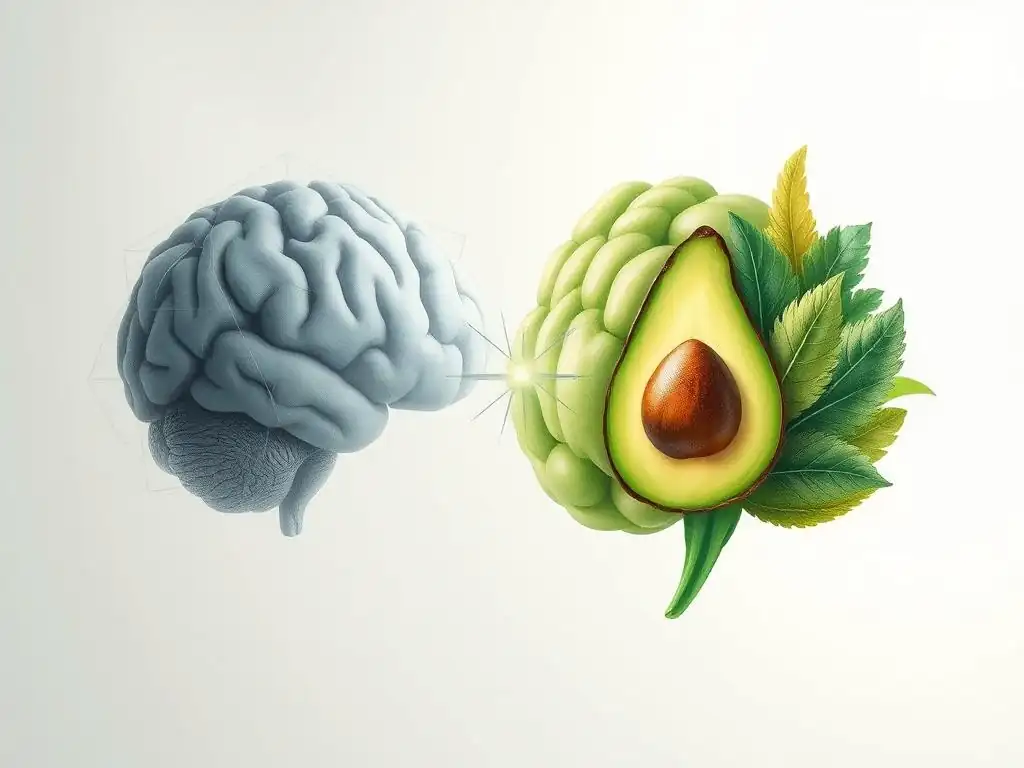
It is crucial to understand that for most individuals, the ketogenic diet is currently being explored as an adjunct therapy for schizophrenia, meaning it is used in addition to traditional treatments, particularly antipsychotic medications. The goal is not typically to replace medication initially, but rather to potentially enhance its effectiveness, mitigate side effects (especially metabolic ones), or improve symptoms that medication alone hasn't fully addressed (like negative or cognitive symptoms). Combining a ketogenic diet with antipsychotics requires close collaboration between the prescribing psychiatrist and the dietary team.
There is limited formal research on the safety and efficacy of combining the ketogenic diet with specific antipsychotic medications. However, case reports and anecdotal evidence from individuals who have tried this approach suggest that it can be done safely under medical supervision. The hope is that the diet's different mechanisms of action – impacting energy metabolism, inflammation, and the gut microbiome – could be synergistic with the neurotransmitter-focused effects of antipsychotics, leading to a more comprehensive improvement in schizophrenia symptoms. Any decision to integrate Keto treatment with existing schizophrenia symptoms medication must be made cautiously and with ongoing monitoring.
Advantages and Disadvantages of Ketogenic Diet Compared to Antipsychotics
Comparing the ketogenic diet directly to antipsychotics highlights their distinct roles and characteristics. Antipsychotics have established efficacy for managing positive symptoms of schizophrenia and are supported by decades of research, including large-scale clinical trials. They are relatively easy to administer (pills or injections) and their effects on neurotransmitters are well-understood. However, their disadvantages include significant side effect profiles (metabolic, neurological), limited efficacy for negative and cognitive symptoms, and the challenge of adherence for some individuals.
The ketogenic diet, conversely, offers potential advantages related to metabolic health improvement, potential impact on negative and cognitive symptoms, and addressing underlying biological pathways like inflammation and energy metabolism not directly targeted by traditional medications. It is a non-pharmacological intervention, appealing to those seeking complementary approaches.
However, its disadvantages are significant: it is a highly restrictive diet requiring substantial lifestyle changes, discipline, and support; the evidence for its efficacy in schizophrenia is still preliminary and based largely on case reports and small studies; and it carries its own set of potential side effects and risks, including nutritional deficiencies and electrolyte imbalances. The feasibility and sustainability of Keto treatment for schizophrenia symptoms can also be challenging for individuals with severe illness.
Long-Term Sustainability of Ketogenic Diet for Schizophrenia Management
One of the major challenges in utilizing the ketogenic diet for long-term management of any chronic condition, including schizophrenia, is sustainability. Adhering to a strict low-carbohydrate, high-fat diet requires significant effort in meal planning, preparation, and navigating social situations involving food. For individuals with schizophrenia, who may face challenges with executive function, motivation, or social engagement, maintaining such a rigorous dietary regimen can be particularly difficult.
The long-term sustainability depends heavily on individual factors, the level of support available from family or caregivers, access to appropriate foods, and ongoing guidance from healthcare professionals, particularly a dietitian. Finding ways to make the diet enjoyable and manageable within the individual's lifestyle is crucial. This might involve simplifying meal preparation, utilizing pre-prepared low-carb options where available, or incorporating flexibility under guidance.
While some individuals may find the diet sustainable and beneficial over the long term, others may struggle with adherence. Research is needed to understand the long-term adherence rates and outcomes of Keto treatment for schizophrenia symptoms in real-world settings.
Case Studies and Real-World Examples: Ketogenic Diet and Schizophrenia
Preliminary Observations: Individual Responses to Ketogenic Diet Intervention
While large-scale clinical trials are ongoing or yet to be conducted, preliminary observations from individual cases and small cohorts offer compelling, though not definitive, insights into the potential of the ketogenic diet for schizophrenia. One frequently cited example involves a woman with schizoaffective disorder who, after years of struggling with symptoms despite medication, adopted a ketogenic diet and reportedly experienced a significant reduction in hallucinations and delusions, along with improvements in mood and energy. This case, published in a medical journal, spurred further interest in the field.
Another case series documented several individuals with treatment-resistant schizophrenia or schizoaffective disorder who implemented a ketogenic diet under medical supervision. Some of these individuals showed notable improvements in positive symptoms, negative symptoms, and cognitive function, sometimes allowing for a reduction in medication dosage (though medication changes must always be supervised by a psychiatrist).
These preliminary observations highlight that while the response is likely highly individual, for some people, a Keto treatment for schizophrenia symptoms may offer a path to symptom improvement that wasn't achieved with traditional methods alone. These cases serve as important starting points for designing more rigorous studies.
Integrating Ketogenic Diet into a Holistic Schizophrenia Treatment Approach
Real-world implementation of the ketogenic diet for schizophrenia underscores the necessity of integrating it within a comprehensive, holistic treatment approach. It is not a standalone cure but rather one potential tool among many. Successful cases often involve individuals who are also receiving psychiatric care, therapy, social support, and potentially other lifestyle interventions. The diet is viewed as a complementary strategy that addresses specific biological pathways that might be contributing to the illness.
In practice, integrating the diet involves careful planning between the individual, their psychiatrist, dietitian, and potentially other members of their care team. Regular monitoring of both psychiatric symptoms and physical health markers (weight, blood work, ketone levels) is essential. Support from family or caregivers in meal preparation and adherence can be critical. Real-world examples demonstrate that when implemented thoughtfully and with robust support, the ketogenic diet can be a valuable addition to the toolkit for managing schizophrenia symptoms for some individuals, particularly those who have not achieved full remission with standard treatments or who struggle with metabolic side effects.
Future Directions: Research and Clinical Trials on Ketogenic Diet and Schizophrenia
Ongoing Studies Exploring the Efficacy of Ketogenic Diet
The promising preliminary findings have spurred increased interest in conducting more rigorous research into the ketogenic diet's role in schizophrenia management. Several studies are currently underway globally, aiming to move beyond case reports and small observational studies. These include pilot randomized controlled trials (RCTs) designed to compare the effects of a ketogenic diet plus standard care versus standard care alone in individuals with schizophrenia. These studies aim to assess the impact on psychiatric symptom severity, cognitive function, metabolic health markers, and quality of life.
Researchers are also actively investigating the mechanisms by which the ketogenic diet might exert its effects in schizophrenia, using advanced neuroimaging techniques, examining inflammatory markers, and analyzing changes in the gut microbiome in participants following the diet. Understanding these biological pathways is crucial for confirming the therapeutic rationale and identifying which individuals might be most likely to benefit from this intervention. The results of these ongoing studies are eagerly awaited by both clinicians and individuals interested in exploring Keto treatment for schizophrenia symptoms.
The Need for Larger, Randomized Controlled Trials
While ongoing pilot studies are valuable, there is a significant and urgent need for larger, well-designed, randomized controlled trials to definitively establish the efficacy and safety of the ketogenic diet as a treatment for schizophrenia. Larger RCTs with longer follow-up periods are necessary to determine the true impact on psychiatric symptoms, cognitive function, and long-term sustainability, as well as to identify potential risks or side effects that might not be apparent in smaller studies.
These larger trials should also focus on specific subgroups of individuals with schizophrenia, such as those with treatment-resistant symptoms, significant metabolic dysfunction, or prominent negative or cognitive symptoms, to determine if the diet is particularly beneficial for certain presentations of the illness. Furthermore, research is needed to develop practical guidelines for implementing and maintaining the diet in this population, addressing potential barriers to adherence. High-quality evidence from large RCTs is essential before the ketogenic diet can be widely recommended as a standard adjunctive or alternative therapy for managing schizophrenia symptoms.
Conclusion: The Potential of Ketogenic Diet in Schizophrenia Management
Summarizing the Current Evidence and Future Prospects
The current evidence exploring the role of the ketogenic diet in schizophrenia management is preliminary but promising. Early case reports and small studies suggest that a ketogenic diet may offer potential benefits for some individuals, including improvements in psychotic symptoms, cognitive function, mood, and crucially, metabolic health. The proposed mechanisms of action, involving altered brain energy metabolism, reduced inflammation, and modulation of the gut-brain axis, provide a strong biological rationale for this approach. While not a universal solution, Keto treatment for schizophrenia symptoms is emerging as a potential complementary strategy.
However, it is critical to reiterate that the research is still in its early stages. The evidence base is limited by the size and design of existing studies. Future prospects depend on the results of ongoing and planned larger, more rigorous randomized controlled trials, which are essential for confirming these initial findings, understanding long-term outcomes, and identifying which individuals are most likely to respond positively. The potential of the ketogenic diet lies in its ability to target biological pathways distinct from traditional antipsychotic medications, offering hope for individuals who have not achieved full recovery.
Empowering Individuals with Schizophrenia Through Nutritional Strategies
Exploring nutritional strategies like the ketogenic diet represents a shift towards a more holistic view of mental health care, empowering individuals with schizophrenia to actively participate in their treatment and well-being. While traditional treatments remain vital, integrating dietary interventions, under professional guidance, offers additional avenues for potentially improving symptoms, enhancing overall health, and increasing a sense of control. Providing accurate, evidence-based information about these emerging strategies is crucial for individuals and their families.
It is important that discussions about Keto treatment for schizophrenia symptoms are grounded in realistic expectations, acknowledging the challenges and the need for ongoing support and medical supervision. Empowering individuals means providing them with safe options and comprehensive care that addresses their physical and mental health needs simultaneously. As research progresses, nutritional strategies like the ketogenic diet may become a more established component of integrated care plans for schizophrenia, offering new hope and possibilities for recovery and improved quality of life.
Disclaimer: This information is for educational purposes only and does not constitute medical advice. Always consult with a qualified healthcare professional before making any changes to your diet or treatment plan.
Frequently Asked Questions
What is the potential link between a ketogenic diet and schizophrenia symptom management?
Recent studies suggest a ketogenic diet, which is high in fat and very low in carbohydrates, may impact brain chemistry and energy metabolism, potentially reducing certain schizophrenia symptoms. This area of research is still evolving.
How does the keto diet potentially work to alleviate schizophrenia symptoms?
The keto diet induces a state of ketosis, where the body uses fat for fuel instead of glucose. This process may stabilize brain glucose levels and reduce inflammation, potentially affecting neurotransmitter function in individuals with schizophrenia.
Is the ketogenic diet a proven treatment for schizophrenia?
No, the ketogenic diet is not a proven or standard treatment for schizophrenia. While some preliminary studies show promise, more rigorous research is needed to determine its effectiveness and safety. Always consult a doctor.
What are the potential risks and side effects of using a keto diet for schizophrenia?
Potential risks include nutrient deficiencies, keto flu (flu-like symptoms during the initial adaptation), and potential interactions with antipsychotic medications. It's crucial to work with a healthcare professional.
Where can I find reliable information and support regarding the keto diet and schizophrenia?
Consult with your psychiatrist, a registered dietitian, or a healthcare provider specializing in mental health and nutrition. Look for information from reputable organizations like the National Institute of Mental Health (NIMH).
Final Reflection: Keto's Promise and the Path Forward in Schizophrenia Treatment
The exploration of ketogenic diets in schizophrenia management represents a significant frontier in mental health research, offering a potential paradigm shift in how we approach this complex disorder. While still in its early stages, the accumulating evidence suggests that this metabolic intervention may offer a novel avenue for symptom reduction and improved quality of life for individuals struggling with schizophrenia. The potential for a dietary approach to alleviate debilitating symptoms is undeniably compelling.
The journey to understanding the intricate relationship between diet, metabolism, and mental health is far from over, but the preliminary findings are undeniably intriguing. The potential for a non-pharmacological intervention to positively impact schizophrenia symptoms is particularly significant, given the limitations and side effects associated with many current treatments. The body is a complex ecosystem, and what we feed it profoundly impacts its function, including brain function.
This simple truth underscores the importance of continued research into the ketogenic diet's role in schizophrenia and other neurological conditions.
Consider the implications of these findings. Could a simple dietary change, carefully monitored and implemented, become a valuable tool in your own journey or the journey of someone you care about? I urge you to continue learning, to engage in informed discussions with healthcare professionals, and to advocate for further research in this promising area. The future of schizophrenia treatment may well involve a more holistic approach, one that integrates dietary interventions alongside traditional therapies, to provide comprehensive and effective care.
Unlock Your Brain's Potential: Next Steps on Your Keto Journey
Thank you for exploring the fascinating intersection of keto and schizophrenia management with us! We hope this article provided valuable insights into the latest research and potential benefits. Now, it's time to take action and empower yourself with knowledge.
- Prioritize personalized consultation: Schedule a consultation with your doctor or a registered dietitian to discuss if a ketogenic diet is suitable for your specific situation and health needs. This is crucial for safety and efficacy.
- Deepen your understanding: Explore additional resources on ketogenic diets and their potential applications in mental health. Look for reputable sources to ensure accurate information.
- Share your insights: Discuss your findings with others navigating similar health challenges. Sharing experiences can be incredibly supportive and beneficial.
What personalized approach to keto will you explore to optimize your well-being?