
Beyond the Brain: How Your Gut Influences Hormones and Mental Stability

Welcome to Mind Care Guide, your sanctuary for understanding and nurturing your mental well-being.
Ever wondered if your mood swings and anxieties could be linked to something beyond your brain? Dive into our groundbreaking exploration of Gut Hormones & Mental Stability, and discover the surprising connection between your digestive system and your emotional landscape. This journey into the neuroscience of mental health might just reveal the missing piece you've been searching for. Intrigued? Let's unravel the secrets together...
- Beyond the Brain: Understanding the Gut-Hormone-Mental Stability Connection
- The Gut Microbiome: A Key Player in Hormone Production
- Gut Hormones and Their Impact on Mental Stability
- Imbalances in Gut Hormones: Consequences for Mental Health
- Practical Strategies to Improve Gut Health and Hormonal Balance for Mental Well-being
- The Future of Gut-Brain Research and Mental Health Treatment
- Conclusion: Nurturing Your Gut for a Stable Mind
-
Frequently Asked Questions
- How exactly do gut hormones influence mental stability?
- What role does the gut microbiome play in hormone production and, subsequently, mental well-being?
- What specific mental health conditions are most closely linked to imbalances in gut hormones?
- What are some practical dietary changes I can make to improve my gut health and potentially enhance my mental stability?
- Are there any specific supplements or medications that can help regulate gut hormones and improve mental stability?
- Final Reflection: The Gut-Brain Axis: A Symphony of Wellbeing
- Unleash Your Inner Harmony: Gut & Mind Connection
Beyond the Brain: Understanding the Gut-Hormone-Mental Stability Connection
The Emerging Field of Gut-Brain Interaction
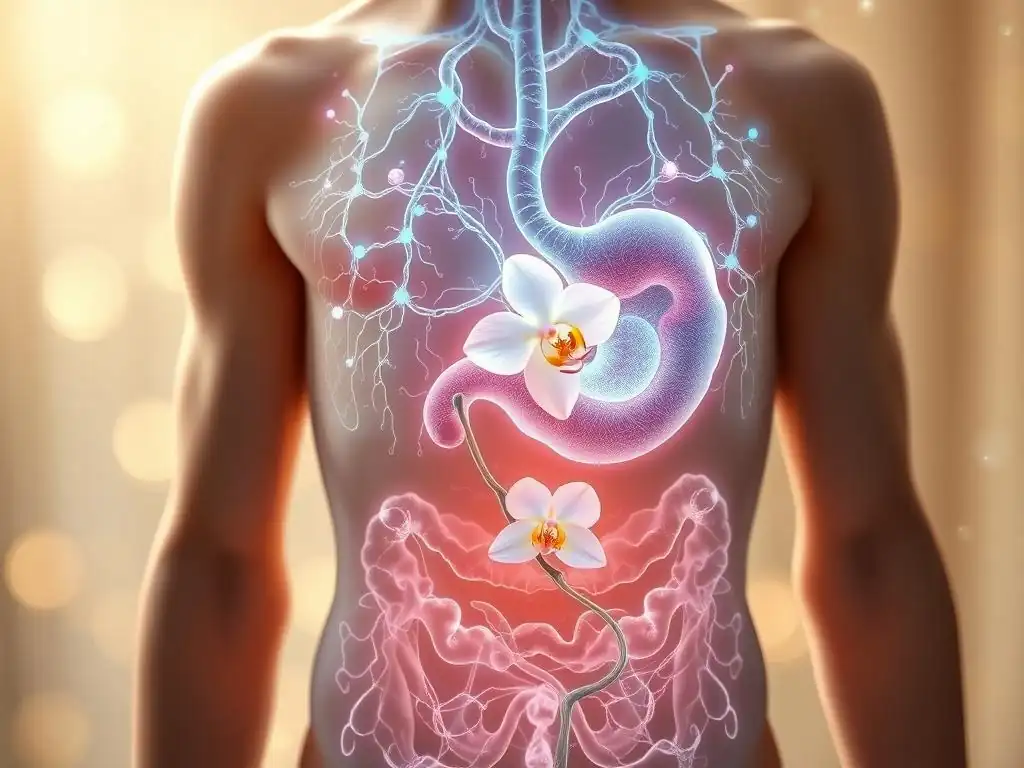
For decades, the brain was considered the sole command center for our thoughts, feelings, and behaviors. However, emerging research has unveiled a complex, bidirectional communication network connecting the gut and the brain, known as the gut-brain axis. This intricate system involves nerve pathways, immune signaling, and, crucially, hormonal communication, demonstrating that the state of our digestive system profoundly impacts our mental well-being. Understanding this connection is vital for a holistic approach to mental health, moving beyond just focusing on the brain.
This fascinating area of neuroscience is rapidly expanding, revealing how disturbances in one part of the axis can trigger issues in the other. For instance, stress originating in the brain can negatively affect gut function, potentially altering transit time or increasing sensitivity. Conversely, problems within the gut, such as inflammation or changes in microbial composition, can send signals back to the brain that influence mood, anxiety levels, and even cognitive function. This constant interplay underscores the physical foundation of our psychological state and highlights the importance of considering gut health in the context of gut hormones mental stability.
Why Focus on Gut Hormones and Mental Health?
Hormones are chemical messengers that travel through the bloodstream, regulating countless bodily functions. While we often associate hormones with glands like the thyroid or adrenals, the gut is a major endocrine organ, producing a vast array of hormones that influence digestion, appetite, and metabolism. Increasingly, studies are showing that these gut-derived hormones, along with those influenced by the gut microbiome, play a significant role in signaling to the brain and affecting mental states.
Focusing on gut hormones provides a tangible link in the gut-brain axis, explaining how the gut communicates with the brain to impact mental stability. These hormones can cross the blood-brain barrier or act indirectly via neural pathways, influencing neurotransmitter activity, inflammation, and stress responses. By understanding the specific roles of hormones like serotonin, dopamine, and cortisol in this axis, we gain valuable insights into how gut health interventions might offer novel strategies for managing conditions like depression, anxiety, and stress-related disorders, directly impacting gut hormones mental stability.
The Gut Microbiome: A Key Player in Hormone Production
The Role of Gut Bacteria in Hormone Synthesis
The human gut is home to trillions of microorganisms, collectively known as the gut microbiome. This diverse community, primarily bacteria, is not merely passive inhabitants but active metabolic partners. Gut bacteria ferment dietary fibers, produce vitamins, and, significantly, synthesize or influence the production of various hormones and neuroactive compounds that affect both gut function and brain signaling. Their metabolic byproducts, such as short-chain fatty acids (SCFAs) like butyrate, propionate, and acetate, can stimulate the release of gut hormones like GLP-1 and PYY, which signal satiety to the brain and can influence mood.
Furthermore, certain gut bacteria can directly produce neurotransmitters or their precursors. For example, some species are capable of producing GABA (gamma-aminobutyric acid), an inhibitory neurotransmitter crucial for reducing anxiety. Others can contribute to the synthesis of serotonin or dopamine precursors. This highlights the direct biochemical link between the composition and activity of the gut microbiome and the levels of crucial signaling molecules that impact gut hormones mental stability. The health and diversity of this microbial community are therefore paramount for maintaining hormonal balance and supporting robust mental health.
Specific Gut Bacteria Influencing Hormone Levels
Research has begun to identify specific bacterial species or groups that have a notable impact on hormone levels and subsequent mental states. For instance, certain Lactobacillus and Bifidobacterium species, commonly found in probiotics, have been shown in some studies to increase levels of GABA. This increase could contribute to their observed anxiety-reducing effects in preclinical and limited human studies.
Other bacteria, like specific strains of Escherichia and Bacillus, have been implicated in the production of dopamine or its precursors. While the direct impact of bacterially produced dopamine on the brain is still under investigation, it illustrates the potential for the microbiome to influence neurochemistry. The intricate interactions within the microbial community itself also matter; a diverse and balanced microbiome is generally associated with better health outcomes, likely due in part to a more stable production and regulation of hormone-influencing compounds, thereby supporting gut hormones mental stability.
Gut Hormones and Their Impact on Mental Stability
Serotonin: The Gut's Contribution to Mood Regulation
Serotonin, often dubbed the "happiness hormone," is a key neurotransmitter regulating mood, sleep, appetite, and social behavior. While the brain uses serotonin for these functions, a remarkable 90% or more of the body's total serotonin is actually produced in the gut, specifically by enterochromaffin cells within the intestinal lining. This gut-derived serotonin primarily functions within the digestive system, regulating motility and sensation.
However, gut serotonin can also communicate with the brain via the vagus nerve, a major neural highway connecting the two organs. Changes in gut serotonin levels or signaling can influence brain serotonin pathways, impacting mood and emotional regulation. For example, disruptions in gut serotonin production or transport have been hypothesized to play a role in conditions like Irritable Bowel Syndrome (IBS), which frequently co-occurs with anxiety and depression. This strong link underscores the critical role of gut-produced serotonin in maintaining gut hormones mental stability.
Dopamine: Gut's Role in Reward and Motivation
Dopamine is another crucial neurotransmitter involved in reward, motivation, pleasure, and motor control. While primarily synthesized in the brain, there is growing evidence of the gut's influence on dopamine signaling. Enterochromaffin cells in the gut can produce dopamine, which acts locally to regulate gut motility and blood flow.
The gut microbiome's ability to produce dopamine precursors or compounds that influence dopamine receptors adds another layer of complexity. Although the direct passage of gut-derived dopamine to the brain is limited by the blood-brain barrier, signals sent via the vagus nerve or through immune pathways can indirectly affect central dopamine systems. This indirect influence suggests that modulating gut health could potentially impact motivational states and the brain's reward pathways, contributing to the broader picture of gut hormones mental stability.
GABA: Gut-Derived GABA and Anxiety Reduction
Gamma-aminobutyric acid (GABA) is the primary inhibitory neurotransmitter in the central nervous system, essential for calming nerve activity and reducing feelings of anxiety and stress. While GABA is synthesized in the brain, certain gut bacteria, including specific Lactobacillus and Bifidobacterium strains, are capable of producing GABA.
Although the extent to which bacterially produced GABA directly crosses the blood-brain barrier is debated, it can act on GABA receptors present in the gut lining. Activation of these receptors can send calming signals to the brain via the vagus nerve, potentially influencing mood and anxiety levels. Studies in animals have shown that increasing gut microbial GABA production can lead to reduced anxiety-like behaviors, supporting the notion that the gut microbiome's influence on GABA contributes significantly to gut hormones mental stability.
Cortisol: How Gut Health Affects Stress Response
Cortisol is a primary stress hormone released by the adrenal glands as part of the body's fight-or-flight response. While its production is controlled by the brain (hypothalamic-pituitary-adrenal or HPA axis), the gut and its microbiome significantly influence HPA axis activity and cortisol levels. Stress can alter gut permeability ("leaky gut") and microbial composition, which in turn can trigger inflammatory responses and activate the HPA axis.
Conversely, a healthy gut microbiome can help regulate the stress response. SCFAs produced by beneficial bacteria, like butyrate, have anti-inflammatory properties and can help maintain gut barrier integrity, reducing signals that would otherwise activate the HPA axis. Chronic stress, often associated with elevated cortisol, is known to negatively impact gut health, creating a vicious cycle. Maintaining gut health can therefore be a critical strategy for modulating the stress response and supporting gut hormones mental stability.
Imbalances in Gut Hormones: Consequences for Mental Health
Gut Dysbiosis and Mood Disorders
An imbalance in the gut microbiome, known as dysbiosis, can disrupt the delicate balance of gut hormones and neuroactive compounds, contributing to various mental health challenges. Dysbiosis can involve a reduction in beneficial bacteria, an increase in potentially harmful microbes, or a loss of overall diversity. This altered microbial landscape can lead to reduced production of beneficial SCFAs, impaired synthesis of neurotransmitter precursors, and increased production of inflammatory molecules.
Numerous studies have observed associations between gut dysbiosis and mood disorders like depression and anxiety. For example, individuals with depression often exhibit different microbial profiles compared to healthy controls, sometimes showing reduced levels of Faecalibacterium prausnitzii or Bifidobacterium species. While association does not equal causation, this consistent finding across diverse populations suggests that gut microbial imbalances significantly impact the complex interplay of gut hormones mental stability.
The Link Between Intestinal Permeability and Mental Instability
Intestinal permeability, often referred to as "leaky gut," occurs when the tight junctions between cells lining the intestinal wall become compromised, allowing undigested food particles, toxins, and microbes to pass into the bloodstream. This breach can trigger systemic inflammation and activate the immune system. While some degree of permeability is normal, excessive permeability is linked to various health issues, including those affecting the brain.
Substances leaking from the gut can cross the blood-brain barrier or stimulate immune cells that release inflammatory cytokines. These cytokines can interfere with neurotransmitter function, impair neurogenesis (the creation of new neurons), and negatively impact mood and cognitive function. Conditions associated with increased intestinal permeability, such as IBS or inflammatory bowel diseases (IBD), have a higher prevalence of anxiety and depression, highlighting how a compromised gut barrier can directly undermine gut hormones mental stability.
Inflammation: The Gut-Brain Connection and Neuroinflammation
Inflammation is a key mechanism by which gut imbalances can impact mental health. Gut dysbiosis and increased intestinal permeability can lead to chronic low-grade inflammation in the body. Inflammatory molecules produced in the gut, such as lipopolysaccharides (LPS) from the cell walls of certain bacteria, can enter the bloodstream and travel to the brain.
In the brain, these inflammatory signals can activate glial cells, leading to neuroinflammation. Neuroinflammation is increasingly recognized as a contributing factor in the development and progression of mood disorders, fatigue, and cognitive decline. It can disrupt neurotransmitter systems (like serotonin and dopamine pathways), impair synaptic function, and contribute to neuronal damage. Managing gut health to reduce systemic and neuroinflammation is thus a critical strategy for supporting gut hormones mental stability and overall brain health.
Practical Strategies to Improve Gut Health and Hormonal Balance for Mental Well-being
Diet and Nutrition for a Healthy Gut-Brain Axis
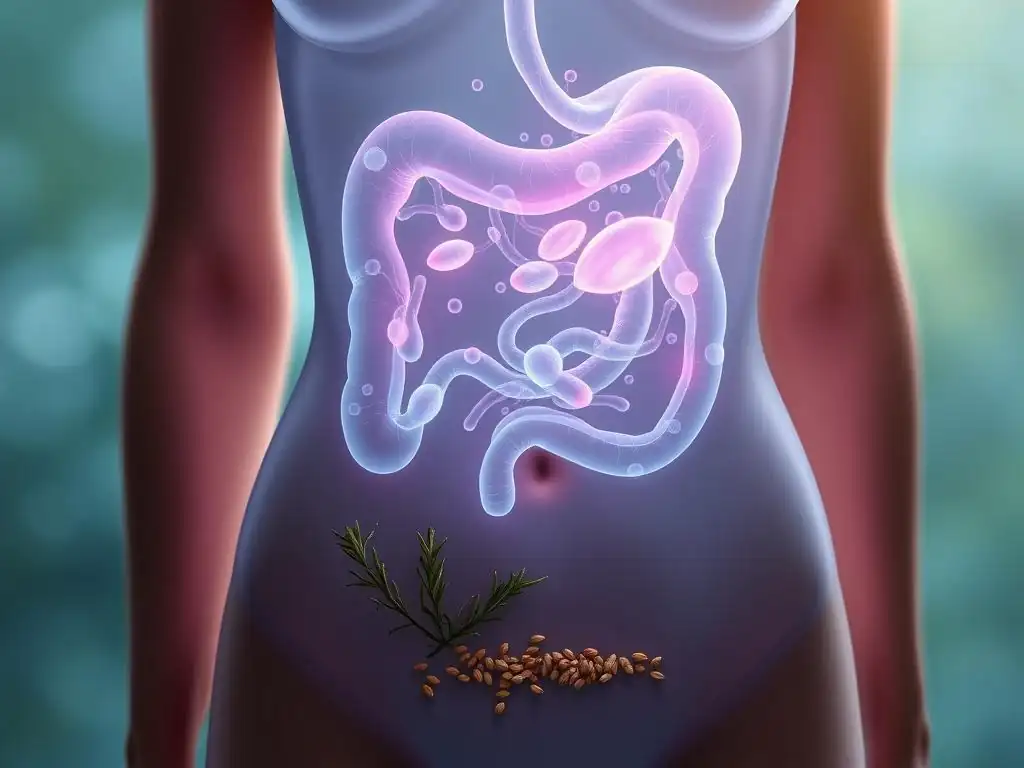
Diet is arguably the most impactful factor we can control when it comes to shaping our gut microbiome and influencing gut hormones mental stability. A diet rich in diverse plant fibers and fermented foods promotes the growth of beneficial bacteria, while a diet high in processed foods, sugar, and unhealthy fats can lead to dysbiosis and inflammation.
Prebiotic Foods: Fueling Beneficial Gut Bacteria
Prebiotics are non-digestible fibers that selectively feed beneficial bacteria in the gut. Consuming adequate prebiotics helps these beneficial microbes thrive and produce beneficial compounds like SCFAs. Good sources of prebiotics include garlic, onions, leeks, asparagus, bananas, oats, and apples. Aiming for a diverse intake of these foods daily can significantly improve the landscape of your gut microbiome.
Probiotic Foods: Introducing Beneficial Bacteria
Probiotic foods contain live, beneficial microorganisms that can help replenish and diversify the gut microbiome. Regularly consuming probiotic-rich foods can introduce helpful species that contribute to a balanced environment and support healthy gut hormones mental stability. Examples include yogurt with live and active cultures, kefir, sauerkraut, kimchi, miso, and kombucha.
Avoiding Inflammatory Foods: Sugar, Processed Foods, and Artificial Additives
Certain foods can negatively impact gut health by promoting the growth of unfavorable bacteria, increasing inflammation, and damaging the gut lining. High intake of refined sugars, processed foods, artificial sweeteners, and excessive saturated or trans fats can contribute to dysbiosis and increased intestinal permeability. Reducing consumption of these items is crucial for creating a gut environment that supports hormonal balance and mental well-being.
Lifestyle Factors That Influence Gut Health and Mental Stability
Beyond diet, several lifestyle factors play a significant role in shaping the gut microbiome and influencing the gut-brain axis, impacting gut hormones mental stability.
Stress Management Techniques for Gut Health
Chronic stress is detrimental to gut health, altering motility, increasing permeability, and negatively impacting microbial composition. Implementing stress management techniques can help mitigate these effects. Practices such as meditation, deep breathing exercises, yoga, mindfulness, or spending time in nature have been shown to reduce stress hormones and promote a healthier gut environment.
The Importance of Sleep for Gut Microbiome Balance
Sleep deprivation and irregular sleep schedules can disrupt the circadian rhythms of both the host and the gut microbiome. Studies suggest that poor sleep quality can negatively alter microbial diversity and composition within just a few days. Aiming for 7-9 hours of quality sleep per night is essential for supporting a balanced gut ecosystem, which in turn helps regulate gut hormones mental stability.
Exercise and Its Impact on Gut Microbial Diversity
Regular physical activity has been linked to increased diversity and richness of the gut microbiome, particularly promoting species associated with positive health outcomes, such as those producing SCFAs. Exercise appears to have a prebiotic-like effect, potentially by altering gut transit time and promoting a favorable environment. Aim for consistent, moderate exercise most days of the week to support both physical and gut health.
Supplements for Gut Health and Hormonal Support [Consult with a healthcare professional]
Supplements can be a supportive tool, but should not replace foundational diet and lifestyle changes. Always consult with a healthcare professional before starting any new supplement regimen, especially when addressing gut hormones mental stability.
Probiotic Supplements: Choosing the Right Strain
Probiotic supplements contain concentrated doses of specific bacterial strains. Different strains have different effects, so choosing one based on specific needs (e.g., Lactobacillus rhamnosus GG for potential mood benefits, or a multi-strain formula for general support) is key. The efficacy of probiotics is strain-specific and may vary between individuals.
Prebiotic Supplements: Enhancing Gut Microbiome Growth
If dietary intake of prebiotics is insufficient, a prebiotic supplement (like inulin, FOS, or GOS) can help nourish beneficial gut bacteria. These supplements provide the fuel for microbes to produce SCFAs and other beneficial compounds. Start with a low dose and increase gradually to avoid digestive discomfort.
Other Gut-Supportive Supplements [e.g., L-Glutamine, Digestive Enzymes]
Other supplements may support gut health. L-Glutamine is an amino acid that is a primary fuel source for intestinal cells and can help repair the gut lining, potentially improving permeability. Digestive enzymes can assist in breaking down food, reducing the burden on the gut and potentially minimizing undigested particles that could cause issues. Again, professional guidance is crucial to determine if these are appropriate for your specific situation related to gut hormones mental stability.
The Future of Gut-Brain Research and Mental Health Treatment
Emerging Therapies Targeting the Gut Microbiome
The rapid advances in understanding the gut-brain axis are paving the way for exciting new mental health therapies. Fecal microbiota transplantation (FMT), while currently primarily used for Clostridioides difficile infection, is being explored for its potential in treating other conditions, including neurological and psychiatric disorders, by fundamentally restructuring the gut microbiome.
Beyond FMT, research is focusing on "psychobiotics" – probiotics or prebiotics that, when consumed, may produce a mental health benefit. Specific strains are being investigated for their ability to modulate neurotransmitters, reduce inflammation, or influence the HPA axis. Bacteriophages (viruses that infect bacteria) are also being studied as a way to precisely target and eliminate undesirable bacteria in the gut. These targeted approaches hold promise for directly influencing gut hormones mental stability.
Personalized Approaches to Gut Health and Mental Well-being
Recognizing that each individual's gut microbiome is unique, the future of this field lies in personalized medicine. Advances in microbial sequencing technology allow for detailed analysis of an individual's gut flora. This information can potentially be used to tailor dietary recommendations, select specific probiotic strains, or develop other interventions designed to optimize that person's unique gut ecosystem.
This personalized approach could revolutionize the treatment of mental health conditions by addressing the specific gut imbalances contributing to an individual's symptoms. Instead of a one-size-fits-all approach, treatments could be customized based on an individual's microbial profile, genetic predispositions, and lifestyle factors, leading to more effective strategies for improving gut hormones mental stability and overall mental resilience.
Conclusion: Nurturing Your Gut for a Stable Mind
The Power of the Gut-Hormone-Mental Stability Connection
The intricate connection between the gut, its microbial inhabitants, gut hormones, and mental stability is undeniable. The gut is far more than just a digestive organ; it is a major endocrine factory and a crucial communicator with the brain. Hormones produced or influenced by the gut play a significant role in regulating mood, stress response, and overall mental well-being. Understanding this powerful axis empowers us to recognize that caring for our gut is a fundamental aspect of caring for our minds.
Imbalances in this system, such as dysbiosis, leaky gut, or chronic inflammation, can disrupt hormonal signaling and contribute significantly to mental health challenges. Recognizing the signs and understanding the mechanisms behind this connection is the first step towards taking proactive control. The science of gut hormones mental stability is still evolving, but the evidence consistently points to the gut as a vital partner in psychological health.
Taking Control of Your Mental Health Through Gut Health
The good news is that we have considerable power to positively influence our gut health through daily choices. Simple yet profound actions like adopting a nutrient-dense diet rich in fiber and fermented foods, managing stress effectively, ensuring adequate sleep, and engaging in regular physical activity can significantly reshape the gut microbiome and support a healthy gut-brain axis.
While professional guidance is always recommended, especially for complex mental health conditions or before using supplements, the foundation of supporting gut hormones mental stability lies in these fundamental lifestyle practices. By nurturing your gut, you are actively investing in the health and resilience of your mind. Embracing a gut-healthy lifestyle is a powerful step towards achieving greater mental stability and overall well-being.
Frequently Asked Questions
How exactly do gut hormones influence mental stability?
Gut hormones, like serotonin and dopamine, are produced in the gut and travel to the brain via the vagus nerve. These hormones directly impact mood regulation and cognitive function, affecting mental stability.
What role does the gut microbiome play in hormone production and, subsequently, mental well-being?
The gut microbiome influences hormone production by breaking down nutrients and synthesizing essential compounds. A balanced microbiome supports healthy hormone levels, positively impacting mental stability and reducing anxiety.
What specific mental health conditions are most closely linked to imbalances in gut hormones?
Anxiety and depression are significantly linked to gut hormone imbalances. Conditions such as irritable bowel syndrome (IBS), often co-occur with mental health issues due to shared pathways involving gut hormones.
What are some practical dietary changes I can make to improve my gut health and potentially enhance my mental stability?
Focus on consuming a diet rich in fiber, prebiotics, and probiotics. Incorporating fermented foods like yogurt and kimchi can help boost beneficial gut bacteria, supporting hormone balance and mental well-being.
Are there any specific supplements or medications that can help regulate gut hormones and improve mental stability?
Probiotic supplements can help restore a healthy gut microbiome and influence hormone production. However, always consult with a healthcare professional before starting any new supplements or medications to ensure safe and effective use, especially when addressing mental health concerns.
Final Reflection: The Gut-Brain Axis: A Symphony of Wellbeing
The intricate connection between our gut and brain, once a niche scientific topic, is now undeniably central to understanding mental and physical health. Understanding this gut-brain axis is no longer a matter of academic curiosity; it's a crucial step towards a more holistic and effective approach to wellbeing in our increasingly stressful world. The implications for preventative healthcare and personalized treatment are profound and far-reaching.
The exploration of the gut-brain axis has profoundly shifted my understanding of health, moving beyond a purely neurological perspective to encompass the complex interplay of microorganisms, hormones, and neurotransmitters. This journey of discovery underscores the importance of considering the whole person, not just the brain in isolation. The gut is the second brain,
a phrase often repeated, is more than a metaphor; it's a powerful reminder of the interconnectedness of our bodily systems and their influence on our mental state. This understanding challenges the traditional medical model and opens doors to innovative therapeutic approaches.
Now, consider your own relationship with your gut health. Are you nourishing it with the foods and lifestyle choices that support its intricate ecosystem? I invite you to reflect on your diet, stress levels, and sleep patterns – all factors significantly impacting your gut microbiome and, consequently, your mental stability. Make small, conscious changes to support your gut health, and observe the ripple effect on your overall wellbeing. This is not just about improving digestion; it's about cultivating a harmonious internal environment that fosters resilience, clarity, and a deeper sense of self.
Unleash Your Inner Harmony: Gut & Mind Connection
Thanks for diving deep into the fascinating world of the gut-brain connection! You've learned how crucial gut health is for hormonal balance and mental well-being. Now, it's time to put this knowledge into action.
- Prioritize your gut health: Start by incorporating more fiber-rich foods into your diet and reducing processed foods and sugars. This simple shift can make a huge difference!
- Share your newfound knowledge: Discuss this with friends and family – you might inspire them to prioritize their gut health too! Perhaps even start a healthy cooking challenge together.
- Explore further: Dive deeper into specific gut-friendly recipes and supplements by researching online resources or contacting a nutritionist.
Ready to cultivate a happier, healthier you from the inside out? What's one small step you'll take today to improve your gut health?