
Cognitive Flexibility Lost: Why Depression Makes It Hard to Adapt (PFC Explained)


Welcome to Mind Care Guide, your trusted companion on the journey to mental well-being.
Ever felt trapped in a cycle of thoughts, unable to adapt to changing situations? You're not alone. Our in-depth exploration of how depression impairs cognitive flexibility sheds light on this often-overlooked symptom. Discover the neuroscience behind this challenge and learn how understanding the impact on your prefrontal cortex (PFC) can empower you to reclaim your mental agility. Let's unravel this complex issue together and find pathways to a more flexible and resilient mind.
Cognitive Flexibility and Major Depressive Disorder: The Role of the Prefrontal Cortex
- Introduction: Cognitive Flexibility and its Significance in Mental Health
- Major Depressive Disorder and Cognitive Flexibility: An Impaired Connection
- The Prefrontal Cortex (PFC) in Cognitive Flexibility and MDD
- Specific Cognitive Deficits in MDD that Affect Flexibility
- Neurobiological Mechanisms: MDD, PFC, and Cognitive Flexibility
- Strategies to Enhance Cognitive Flexibility in Individuals with MDD
- Seeking Professional Help for MDD and Cognitive Impairment
- Conclusion: Promoting Cognitive Flexibility and Resilience in MDD
-
Frequently Asked Questions
- What is cognitive flexibility and why is it important?
- How does depression specifically impact cognitive flexibility?
- What role does the prefrontal cortex (PFC) play in cognitive flexibility and how is it affected by depression?
- Are there specific symptoms of depression that are directly linked to impaired cognitive flexibility?
- Can cognitive flexibility be improved even when someone is experiencing depression?
- Final Reflection: Reclaiming Cognitive Flexibility in the Face of Depression
- Unlock Your Adaptive Mind: Boosting Cognitive Flexibility Beyond Depression
Introduction: Cognitive Flexibility and its Significance in Mental Health
Defining Cognitive Flexibility: Adapting to Change and Shifting Perspectives
Cognitive flexibility is a crucial executive function that allows individuals to switch between different mental sets, tasks, or strategies depending on environmental demands. It involves the ability to adjust one's thinking and behavior in response to new or changing information, overcoming habitual or automatic responses. Think of it as the brain's ability to pivot – to stop focusing on one idea or action and smoothly transition to another that is more appropriate for the current situation. This mental agility is fundamental for learning, problem-solving, and navigating the complexities of daily life.
At its core, cognitive flexibility requires several interconnected cognitive processes. These include working memory, which holds and manipulates information; inhibitory control, which suppresses irrelevant thoughts or actions; and the ability to monitor errors and adjust behavior accordingly. When someone possesses high cognitive flexibility, they can easily shift their perspective, consider multiple possibilities, and adapt their approach when initial strategies fail. Conversely, low cognitive flexibility can manifest as rigid thinking, difficulty adapting to unexpected changes, and getting stuck in particular thought patterns or behaviors.
The Importance of Cognitive Flexibility for Daily Functioning and Well-being
The capacity for cognitive flexibility is profoundly important for successful daily functioning and overall psychological well-being. In everyday scenarios, it enables us to navigate social interactions by understanding different viewpoints, solve novel problems at work or home, and adjust our plans when faced with unforeseen obstacles. For instance, if a planned route to work is blocked, cognitive flexibility allows us to quickly consider alternative routes and choose the best one, rather than getting stuck on the original plan.
Beyond simple problem-solving, robust cognitive flexibility contributes significantly to emotional regulation and resilience. It helps individuals reframe negative experiences, move past setbacks, and avoid getting trapped in rumination. People with greater cognitive flexibility are often better equipped to cope with stress, manage emotional challenges, and maintain a positive outlook even when circumstances are difficult. It plays a vital role in learning from mistakes and adapting behaviors to achieve goals, underpinning our ability to thrive in a constantly changing world.
Major Depressive Disorder and Cognitive Flexibility: An Impaired Connection
The Impact of MDD on Adaptability and Problem-Solving Skills
Major Depressive Disorder (MDD) is characterized by persistent feelings of sadness, loss of interest, and a range of physical and emotional problems. However, the impact of MDD extends significantly to cognitive functions, particularly impairing cognitive flexibility. Individuals experiencing depression often report feeling mentally "stuck" or rigid in their thinking. This makes it challenging to adapt to new situations, find alternative solutions to problems, or shift away from negative thought cycles.
This reduced adaptability can manifest in numerous ways. Simple daily tasks that require adjusting to minor changes can become overwhelming. Problem-solving, which inherently demands the ability to try different approaches, becomes difficult as the individual may perseverate on a single, often unhelpful, strategy or feel unable to generate alternatives. This cognitive rigidity contributes to feelings of helplessness and hopelessness, reinforcing the depressive state and creating a vicious cycle where depression impairs cognitive flexibility, which in turn deepens depressive symptoms.
Research Supporting the Link Between MDD and Reduced Cognitive Flexibility
Extensive research using neuropsychological assessments and neuroimaging techniques has consistently demonstrated that depression impairs cognitive flexibility. Studies utilizing tasks like the Wisconsin Card Sorting Test (WCST) or task-switching paradigms show that individuals with MDD perform significantly worse than healthy controls. For example, on the WCST, participants with MDD tend to make more perseverative errors – continuing to sort cards based on a rule that is no longer correct, indicating difficulty in shifting mental sets.
Meta-analyses pooling data from multiple studies confirm this pattern, highlighting cognitive flexibility deficits as a prominent feature of MDD, often alongside impairments in working memory and planning. Some studies suggest that the degree of cognitive impairment, including reduced cognitive flexibility, can be correlated with the severity of depressive symptoms. This body of evidence underscores that depression impairs cognitive flexibility not just as a feeling reported by patients, but as a measurable deficit linked to the underlying neurobiology of the disorder.
The Prefrontal Cortex (PFC) in Cognitive Flexibility and MDD
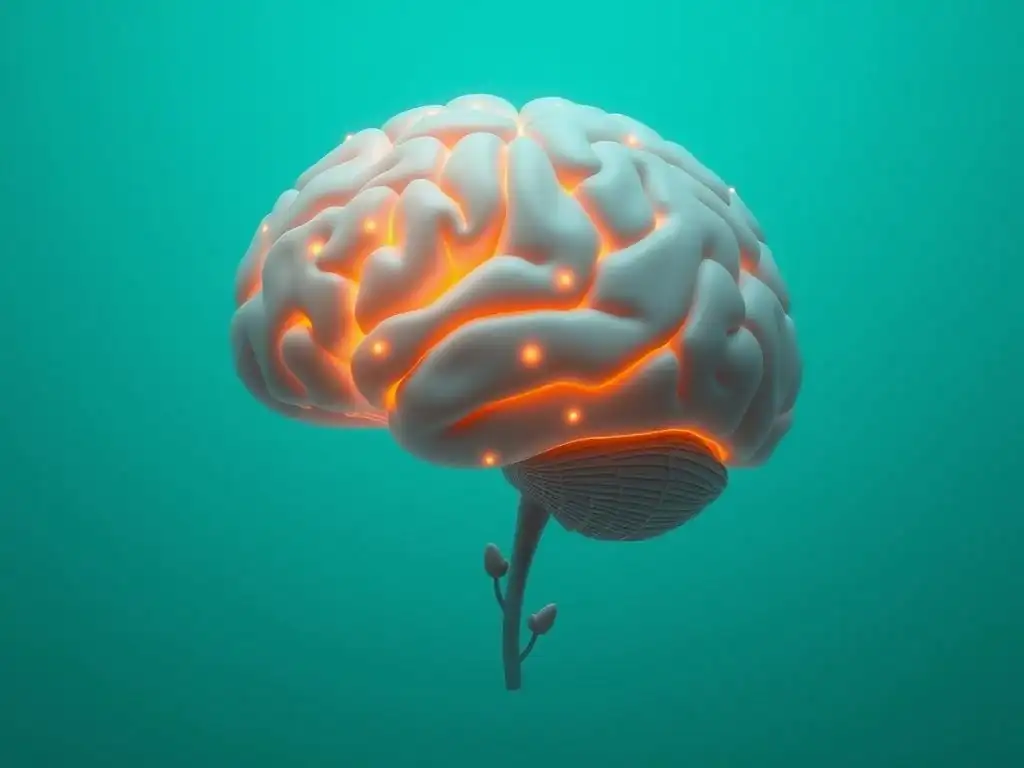
The PFC: Executive Functions and Cognitive Shifting
The prefrontal cortex (PFC), located at the very front of the brain, is a critical hub for higher-level cognitive functions, collectively known as executive functions. These include planning, decision-making, working memory, impulse control, and crucially, cognitive flexibility. Different subregions within the PFC contribute to specific aspects of these functions. For instance, the dorsolateral prefrontal cortex (DLPFC) is particularly involved in maintaining and manipulating information in working memory and in rule-based task switching, core components of cognitive flexibility.
The PFC acts as a conductor, coordinating activity across various brain regions to allow for goal-directed behavior and adaptive responses. When faced with a situation requiring a shift in strategy or perspective, the PFC integrates information from other brain areas, evaluates potential responses, suppresses irrelevant ones, and guides the selection and implementation of a new course of action. This intricate coordination is what enables smooth cognitive shifting and flexible thinking. Its healthy functioning is paramount for navigating complex cognitive demands.
Disruptions in PFC Functioning and Cognitive Performance in MDD
Neuroimaging studies, such as fMRI and PET scans, have provided compelling evidence that the prefrontal cortex is significantly affected in Major Depressive Disorder. These studies often reveal altered activity and connectivity within the PFC in individuals with depression compared to healthy controls. For example, the DLPFC, vital for cognitive flexibility, may show reduced activation during tasks requiring executive function.
Furthermore, structural changes, such as decreased grey matter volume in certain PFC subregions, have been reported in some individuals with chronic or severe depression. These functional and structural abnormalities suggest that the neural machinery supporting executive functions, including cognitive flexibility, is compromised in MDD. This disruption provides a neurobiological basis for why depression impairs cognitive flexibility observed at the behavioral level.
PFC Dysfunction as a Key Factor in Reduced Cognitive Flexibility in MDD
Given the PFC's central role in cognitive flexibility, it is not surprising that its dysfunction is considered a key factor underlying the reduced cognitive flexibility seen in MDD. The observed hypoactivity (reduced activity) or structural changes in areas like the DLPFC directly impair the brain's ability to perform the necessary computations for switching tasks, inhibiting prepotent responses, and updating working memory.
When the PFC isn't functioning optimally, the individual struggles to disengage from negative thoughts or rigid behavioral patterns. The mental effort required to shift focus or adapt strategies becomes significantly higher, often feeling insurmountable. This neurological impairment contributes directly to the subjective experience of feeling stuck and the objective difficulty in adapting to changing circumstances, illustrating how dysfunction in this specific brain region explains why depression impairs cognitive flexibility.
Specific Cognitive Deficits in MDD that Affect Flexibility
Difficulties with Task Switching: Perseveration and Cognitive Rigidity
One of the most commonly observed deficits contributing to impaired cognitive flexibility in MDD is difficulty with task switching. This refers to the ability to smoothly and efficiently shift attention and response from one task or set of rules to another. Individuals with depression often exhibit slower switching times and make more errors when required to rapidly switch between different cognitive operations or response styles.
This difficulty can lead to perseveration, which is the tendency to repeat a particular response, thought, or behavior even when it is no longer appropriate or effective. In the context of depression, this might manifest as getting stuck on negative thought loops (rumination) or rigidly adhering to unhelpful problem-solving strategies. This cognitive rigidity makes it hard to break free from cycles of negative thinking or to adapt behavior when a situation demands a different approach, highlighting how depression impairs cognitive flexibility in practical terms.
Impaired Decision-Making: Challenges in Evaluating Options and Adapting Strategies
MDD frequently affects decision-making processes, which are closely linked to cognitive flexibility. Effective decision-making requires evaluating multiple options, weighing potential outcomes, and being able to adjust one's choice or strategy as new information emerges. Individuals with depression often struggle with this, sometimes exhibiting indecisiveness or, conversely, making impulsive decisions.
The difficulty lies partly in the inability to flexibly consider various perspectives or potential consequences. They may get stuck on negative outcomes, find it hard to shift focus to positive possibilities, or struggle to integrate new information that contradicts their initial, often negative, assessment. This impairment in evaluating and adapting strategies means that depression impairs cognitive flexibility in a way that impacts significant life choices and daily problem-solving alike.
Negative Cognitive Biases: Difficulty Reframing Negative Thoughts
A hallmark symptom of MDD is the presence of negative cognitive biases – the tendency to interpret ambiguous information negatively, focus on negative aspects of a situation, and recall negative memories more readily than positive ones. This bias is a direct manifestation of impaired cognitive flexibility in processing information and emotions.
Individuals with depression find it incredibly difficult to shift their perspective away from these negative interpretations. They may get stuck in catastrophic thinking or self-critical rumination, unable to flexibly consider alternative, more balanced viewpoints. The mental effort required to challenge these ingrained negative thought patterns is immense, demonstrating how depression impairs cognitive flexibility at the level of fundamental thought processes and emotional regulation.
Reduced Working Memory Capacity: Impact on Adaptability
Working memory, the system that holds and manipulates information temporarily, is also often compromised in MDD. While not directly cognitive flexibility itself, working memory capacity is a crucial component that supports flexible thinking. To switch tasks or adapt a strategy, one needs to hold relevant information in mind, suppress irrelevant information, and process new data simultaneously.
When working memory is reduced, the capacity to juggle multiple pieces of information needed for flexible problem-solving or task switching is diminished. This makes it harder to keep track of different rules, potential solutions, or perspectives, thereby hindering the ability to adapt effectively. The strain on working memory contributes to the overall feeling of mental fatigue and difficulty in performing cognitively demanding tasks that require flexible mental maneuvering, showing another pathway through which depression impairs cognitive flexibility.
Neurobiological Mechanisms: MDD, PFC, and Cognitive Flexibility
Neurotransmitter Dysregulation: Serotonin, Norepinephrine, and PFC Function
Dysregulation of key neurotransmitters is a well-established feature of MDD and plays a significant role in both mood symptoms and cognitive deficits. Serotonin and norepinephrine, often targeted by antidepressant medications, are crucial for regulating mood, attention, and executive functions supported by the PFC. Imbalances in these neurotransmitters can directly affect neuronal activity and communication within prefrontal circuits.
Reduced availability or impaired signaling of serotonin and norepinephrine in the PFC can disrupt its ability to effectively process information and coordinate activity needed for cognitive flexibility. For example, norepinephrine is involved in attentional shifting and maintaining alertness, while serotonin influences inhibitory control and emotional regulation – both vital for flexible cognition. This neurochemical imbalance contributes significantly to why depression impairs cognitive flexibility by disrupting the underlying neural pathways.
Structural and Functional Changes in the PFC Associated with MDD
Beyond neurotransmitter imbalances, MDD is associated with observable structural and functional changes in the prefrontal cortex. Studies using MRI have reported findings such as reduced grey matter volume in the anterior cingulate cortex (ACC) and parts of the orbitofrontal cortex (OFC), regions closely interconnected with the DLPFC and involved in cognitive control and emotional processing.
Functional MRI (fMRI) studies often show altered patterns of activity and connectivity within prefrontal networks during cognitive tasks. This might include decreased activation in the DLPFC during executive tasks or abnormal connectivity between the PFC and other brain regions involved in emotion and memory. These structural and functional alterations provide a tangible neurobiological basis for the impaired executive functions, including why depression impairs cognitive flexibility at a fundamental brain level.
The Role of Inflammation and Stress Hormones in Cognitive Impairment
Chronic stress and elevated levels of stress hormones, particularly cortisol, are frequently observed in individuals with MDD and have detrimental effects on brain health, especially the PFC. Prolonged exposure to high cortisol levels can impair neurogenesis (the creation of new neurons) and lead to atrophy (shrinkage) in brain regions like the hippocampus and parts of the PFC.
Furthermore, research increasingly points to the role of inflammation in MDD and its associated cognitive deficits. Inflammatory markers are often elevated in depressed individuals, and these inflammatory processes can affect neurotransmitter metabolism and neuronal function, including within the prefrontal cortex. The combined effects of stress hormones and inflammation can disrupt the intricate neural circuitry of the PFC, further contributing to the cognitive rigidity and difficulty with adaptation that characterizes how depression impairs cognitive flexibility.
Strategies to Enhance Cognitive Flexibility in Individuals with MDD

Cognitive Behavioral Therapy (CBT): Cognitive Restructuring Techniques
Cognitive Behavioral Therapy (CBT) is a highly effective psychotherapy for MDD that directly addresses the cognitive distortions and rigid thinking patterns characteristic of the disorder. A core component of CBT is cognitive restructuring, which teaches individuals to identify, challenge, and modify unhelpful or irrational thoughts.
Through techniques like Socratic questioning and thought records, individuals learn to recognize their negative cognitive biases and develop more balanced and flexible ways of interpreting situations. By practicing identifying alternative perspectives and testing the validity of their negative thoughts, they actively work on improving their mental flexibility. CBT helps individuals see that there isn't just one way to view a situation, thereby directly counteracting the cognitive rigidity that occurs when depression impairs cognitive flexibility.
Mindfulness-Based Interventions: Enhancing Awareness and Mental Flexibility
Mindfulness-Based Interventions (MBIs), such as Mindfulness-Based Cognitive Therapy (MBCT), are also valuable in enhancing cognitive flexibility. Mindfulness involves paying attention to the present moment without judgment. This practice helps individuals become more aware of their thoughts, feelings, and bodily sensations as transient events rather than getting caught up or fused with them.
By observing thoughts without immediately reacting or getting stuck on them, individuals develop a greater capacity to disengage from rigid or ruminative thinking patterns. Mindfulness training encourages a shift in perspective from automatic reactivity to deliberate response, fostering a more flexible relationship with one's internal experiences. This increased awareness and non-judgmental observation build the mental space needed to choose how to respond, which is a key aspect of overcoming the rigidity that comes when depression impairs cognitive flexibility.
Cognitive Training: Targeted Exercises for Improving Executive Functions
Specific cognitive training programs, often delivered via computer or mobile applications, are designed to target and improve executive functions, including those underlying cognitive flexibility. These programs involve engaging in structured exercises that require skills such as task switching, working memory updating, and inhibitory control.
Examples might include games that require rapidly switching between different sorting rules, remembering and manipulating sequences of information, or inhibiting responses to irrelevant stimuli. While research on the direct impact of cognitive training on clinical depression symptoms is ongoing, studies suggest that these targeted exercises can lead to improvements in specific cognitive abilities, potentially offering a way to directly address how depression impairs cognitive flexibility through focused practice.
Lifestyle Modifications: Exercise, Diet, and Sleep for Cognitive Health
Beyond specific therapies, general lifestyle modifications play a significant role in supporting overall brain health and can positively impact cognitive function in individuals with MDD. Regular physical exercise has been shown to improve mood and cognitive function, including aspects of executive function, potentially by increasing blood flow to the brain and promoting neurogenesis.
A balanced diet rich in omega-3 fatty acids, antioxidants, and vitamins supports brain health and neurotransmitter function. Adequate and consistent sleep is also crucial, as sleep deprivation negatively impacts PFC function and cognitive flexibility. Prioritizing these lifestyle factors can create a foundation for improving cognitive resilience and helping to mitigate the effects of how depression impairs cognitive flexibility.
Seeking Professional Help for MDD and Cognitive Impairment
Recognizing Signs of Cognitive Dysfunction: When to Seek Assessment
It's important for individuals experiencing MDD, and their loved ones, to be aware that cognitive difficulties, including impaired cognitive flexibility, are common symptoms. Signs that might indicate significant cognitive dysfunction include:
- Persistent difficulty making decisions
- Feeling mentally "stuck" or rigid in thinking
- Struggling to adapt to minor changes in routine
- Difficulty concentrating or remembering things
- Taking much longer to complete tasks that require planning or problem-solving
- Excessive worry or rumination that is hard to stop
If these cognitive challenges are noticeable and interfering with daily life, work, or relationships, it is advisable to seek professional assessment. A mental health professional can evaluate the extent of cognitive impairment and determine if it is related to MDD or other factors.
Treatment Options: Pharmacotherapy, Psychotherapy, and Neuromodulation
Treating the underlying Major Depressive Disorder is often the most effective way to address the associated cognitive impairment, including reduced cognitive flexibility. Standard treatments for MDD include pharmacotherapy (antidepressant medications) and various forms of psychotherapy (like CBT or Interpersonal Therapy). Antidepressants can help restore neurotransmitter balance, potentially improving PFC function, while psychotherapy addresses behavioral and cognitive patterns.
For some individuals with severe or treatment-resistant depression, neuromodulation techniques such as Transcranial Magnetic Stimulation (TMS) or Electroconvulsive Therapy (ECT) may be considered. These treatments directly affect brain activity and connectivity and have shown promise in improving both mood symptoms and cognitive function in some cases. A comprehensive treatment plan tailored to the individual's needs is key.
The Role of Mental Health Professionals in Improving Cognitive Flexibility
Mental health professionals, including psychiatrists, psychologists, and therapists, play a crucial role in helping individuals with MDD improve their cognitive flexibility. They can:
- Conduct thorough assessments to identify specific cognitive deficits.
- Develop personalized treatment plans that integrate therapy, medication, and potentially cognitive rehabilitation strategies.
- Teach specific techniques (like those in CBT or mindfulness) to challenge rigid thinking.
- Provide support and strategies for managing cognitive difficulties in daily life.
- Monitor progress and adjust treatment as needed.
Working collaboratively with a professional ensures that both the mood symptoms and the cognitive challenges are addressed, providing the best chance for recovery and improved mental agility. They can help individuals understand why depression impairs cognitive flexibility and guide them toward effective strategies for regaining it.
Conclusion: Promoting Cognitive Flexibility and Resilience in MDD
Cognitive Flexibility as an Indicator of Improved Mental Health Outcomes
Improving cognitive flexibility is not just about sharper thinking; it is a vital component of recovery from Major Depressive Disorder and a strong indicator of improved mental health outcomes. As individuals regain the ability to shift perspective, adapt to change, and disengage from negative thought patterns, they are better equipped to cope with life's challenges, build resilience, and engage more fully in activities that bring meaning and pleasure.
The return of mental agility signifies a brain that is recovering its capacity for adaptive functioning. It correlates with a reduced tendency for rumination, improved problem-solving skills, and a greater ability to regulate emotions. Focusing on enhancing cognitive flexibility as part of treatment can therefore empower individuals to break free from the cognitive traps of depression and sustain long-term well-being.
Future Directions: Research on Enhancing Cognitive Function in MDD
Research continues to explore new ways to enhance cognitive function, including cognitive flexibility, in individuals with MDD. This includes investigating novel pharmacological agents that specifically target cognitive circuits, developing more personalized cognitive training programs, and exploring the potential of emerging therapies like neurofeedback or targeted neuromodulation techniques.
Understanding precisely how depression impairs cognitive flexibility at the neural level is an ongoing area of study, paving the way for more targeted and effective interventions. The goal is to develop strategies that not only alleviate mood symptoms but also directly restore the cognitive capacities essential for resilience, adaptability, and a higher quality of life for those affected by depression.
Frequently Asked Questions
What is cognitive flexibility and why is it important?
Cognitive flexibility is the ability to adapt our thinking and shift perspectives in response to changing situations. It's vital for problem-solving, learning, and navigating everyday life effectively, allowing us to adjust strategies when needed.
How does depression specifically impact cognitive flexibility?
Depression often impairs cognitive flexibility by affecting the prefrontal cortex (PFC), the brain region responsible for executive functions. This can manifest as difficulty shifting attention, rigid thinking patterns, and an inability to adapt to new information or situations.
What role does the prefrontal cortex (PFC) play in cognitive flexibility and how is it affected by depression?
The PFC is crucial for executive functions like planning, decision-making, and cognitive flexibility. In depression, the PFC can experience reduced activity and altered connectivity, leading to the cognitive inflexibility often observed.
Are there specific symptoms of depression that are directly linked to impaired cognitive flexibility?
Yes, symptoms like rumination, difficulty concentrating, and negative thought patterns are directly related. These reflect the impaired ability to shift away from unhelpful thoughts and adapt to more positive or productive perspectives.
Can cognitive flexibility be improved even when someone is experiencing depression?
Absolutely! Therapies like Cognitive Behavioral Therapy (CBT) and Mindfulness-Based Cognitive Therapy (MBCT) can help. These therapies help individuals develop new coping mechanisms and retrain their brains to become more flexible in their thinking.
Final Reflection: Reclaiming Cognitive Flexibility in the Face of Depression
The struggle with depression is not merely emotional; it's a battle for cognitive agility, a fight to maintain the crucial ability to adapt and shift perspectives. The prefrontal cortex, the brain's command center for executive function, is significantly impacted by depression, leading to a diminished capacity for cognitive flexibility – the very skill that allows us to navigate the complexities of life and respond effectively to change. This impairment isn't just an inconvenience; it's a core component of the debilitating experience of depression.
The pervasive influence of this cognitive inflexibility extends far beyond the individual, shaping relationships, impacting career trajectories, and hindering overall well-being. It's a silent struggle, often misunderstood, leaving those affected feeling trapped in rigid thought patterns and unable to escape the cycle of negative thinking. The mind is not a vessel to be filled, but a fire to be kindled.
– Plutarch. This quote speaks to the vital spark of cognitive flexibility, a spark often dimmed by the shadow of depression, but one that can, and should, be rekindled.
You, the reader, are now equipped with a deeper understanding of the neurological underpinnings of this challenge. This knowledge is power. Consider how cognitive inflexibility might be manifesting in your own life, or in the lives of those around you. Take the time to explore resources that promote cognitive flexibility – mindfulness practices, cognitive behavioral therapy, or even simple exercises that challenge your mental rigidity. Remember, reclaiming your cognitive flexibility is not just about managing depression; it's about reclaiming your life, your agency, and your ability to thrive.
Unlock Your Adaptive Mind: Boosting Cognitive Flexibility Beyond Depression
Thanks for taking the time to explore the fascinating (and sometimes challenging!) world of cognitive flexibility and its connection to depression. You've gained valuable insights into the prefrontal cortex and its role in adapting to life's curveballs. Now, let's put that knowledge into action!
- Prioritize a mindful activity today: Even 5 minutes of meditation or deep breathing can strengthen your prefrontal cortex and improve your ability to shift perspectives. This is your primary step towards reclaiming cognitive flexibility.
- Share your thoughts: Did a specific technique or concept resonate with you? Share your reflections with our community in the comments below – your experience might help someone else.
- Explore personalized strategies: Consider researching mindfulness exercises or cognitive behavioral techniques tailored to address depression-related challenges. You can find a wealth of resources online and with mental health professionals.
So, what small step will you take today to nurture your adaptive mind and build resilience?