
Is Depression Just a Chemical Imbalance? A Deeper Look at the Nuances

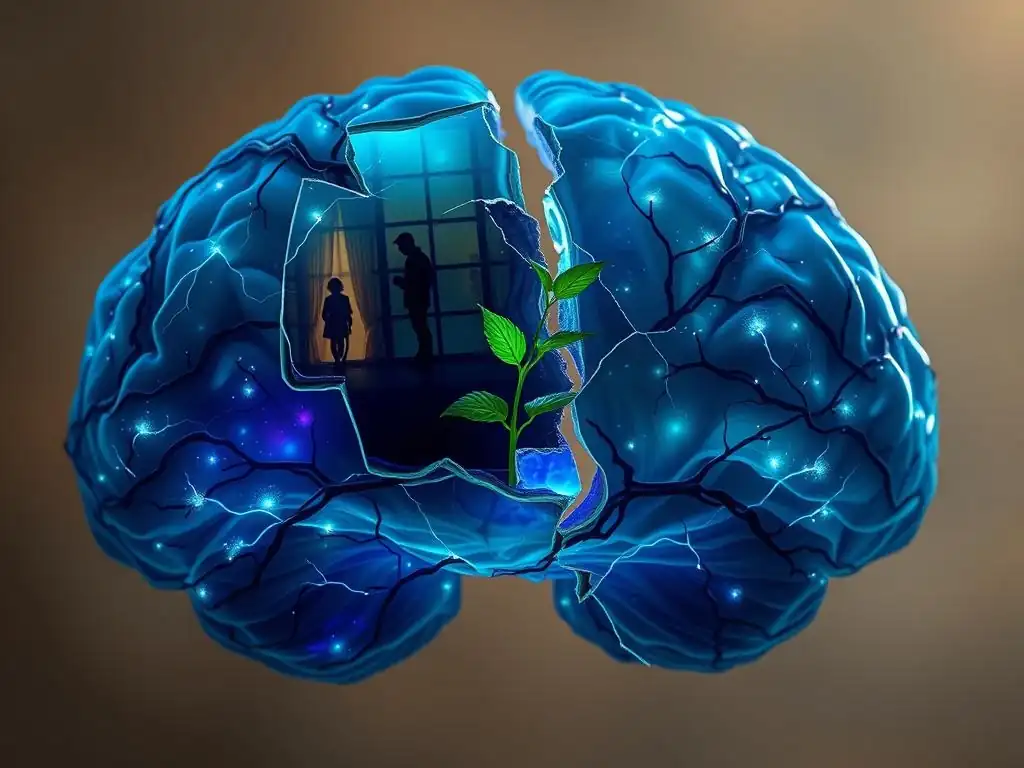
Welcome to Mind Care Guide, a sanctuary for understanding and nurturing your mental well-being.
Feeling lost in the fog of depression? You're not alone. We're here to illuminate the path towards healing. In this article, we'll delve into the complex world of Depression: Causes, symptoms, and treatment, moving beyond simple explanations to explore the intricate interplay of factors that contribute to this challenging condition. Are the answers really as simple as "a chemical imbalance"? Let's unravel the science and discover a more nuanced understanding, together.
- Understanding Depression: Causes, Symptoms, and Treatment Options
- The Chemical Imbalance Theory of Depression: A Historical Perspective
- Beyond Neurotransmitters: The Multifaceted Causes of Depression
- The Brain's Role in Depression: Structural and Functional Changes
- Treatment Approaches: Addressing the Complexity of Depression
- The Future of Depression Research: Personalized Treatment Approaches
- Conclusion: A Holistic Understanding of Depression
-
Frequently Asked Questions
- What are the primary causes of depression, according to the Mind Care Guide article?
- What are some common symptoms of depression described in the article?
- What treatment options for depression does the Mind Care Guide likely discuss?
- Does the article imply that medication is the only effective treatment for depression?
- Where can I find more resources and support for dealing with depression, based on the Mind Care Guide?
- Final Reflection: Beyond the Biology of Depression
- Unlock Your Understanding: Take Charge of Your Mental Wellbeing
Understanding Depression: Causes, Symptoms, and Treatment Options
Defining Depression: Beyond a Simple Definition
Depression, clinically known as Major Depressive Disorder, is far more than just feeling sad or having a bad day. It is a serious and complex mood disorder that affects how you feel, think, and handle daily activities, such as sleeping, eating, or working. While sadness is a normal human emotion experienced in response to difficult life events, clinical depression is a persistent state that significantly impairs a person's ability to function over an extended period, typically two weeks or longer.
Unlike fleeting sadness, depression involves a constellation of symptoms that can impact nearly every aspect of a person's life. It's recognized by major diagnostic manuals, like the DSM-5, as a distinct illness with specific criteria. Understanding depression in this clinical context is crucial for identifying it accurately and pursuing effective treatment for depression, recognizing it as a health condition with identifiable causes, symptoms, and treatment pathways.
Common Symptoms of Depression: Recognizing the Signs
Recognizing the symptoms of depression is a vital first step towards seeking help. While symptoms can vary greatly from person to person, some are particularly common and indicative of the disorder. A hallmark symptom is a persistently low or sad mood, often described as feeling empty or hopeless, present for most of the day, nearly every day. Another key sign is a marked loss of interest or pleasure in activities that were once enjoyed, known as anhedonia.
Beyond mood changes, physical and cognitive symptoms are also prevalent. These can include significant changes in appetite or weight (either loss or gain), sleep disturbances (insomnia or excessive sleeping), fatigue or low energy, and feelings of worthlessness or excessive guilt. Individuals may also experience difficulty thinking, concentrating, making decisions, or remembering things. In severe cases, recurrent thoughts of death or suicide may occur, highlighting the serious nature of this condition and the urgent need for intervention and comprehensive treatment for depression.
- Persistent sad, anxious, or "empty" mood
- Loss of interest or pleasure in hobbies and activities (anhedonia)
- Fatigue, decreased energy, feeling "slowed down"
- Difficulty concentrating, remembering, or making decisions
- Sleep disturbances (insomnia, early-morning waking, or oversleeping)
- Changes in appetite or weight (gain or loss)
- Restlessness or irritability
- Feelings of worthlessness, helplessness, or guilt
- Thoughts of death or suicide
Exploring Treatment Options for Depression: A Comprehensive Overview
Fortunately, depression is a treatable condition, and a range of effective interventions are available. The choice of treatment often depends on the severity of the depression, individual circumstances, and preferences. Common approaches include psychotherapy (talk therapy), medication, or a combination of both. Lifestyle changes, such as regular exercise and improved nutrition, are also increasingly recognized as valuable components of a comprehensive treatment plan.
Psychotherapy, like Cognitive Behavioral Therapy (CBT) or Interpersonal Therapy (IPT), helps individuals identify and change negative thought patterns and behaviors. Antidepressant medications work by affecting brain chemistry, often targeting neurotransmitters. For severe or treatment-resistant depression, other options like electroconvulsive therapy (ECT) or transcranial magnetic stimulation (TMS) may be considered. A thorough understanding of depression: causes, symptoms, and treatment options involves recognizing that effective care is often personalized and may evolve over time.
The Chemical Imbalance Theory of Depression: A Historical Perspective
The Origins of the Chemical Imbalance Hypothesis
The idea that depression is caused by a "chemical imbalance" in the brain gained significant traction in the mid-20th century. This hypothesis, particularly the monoamine hypothesis, emerged largely from observations made during the development of early psychiatric medications. In the 1950s, drugs like iproniazid, initially used for tuberculosis, were found to have mood-elevating effects. Researchers discovered that iproniazid inhibited monoamine oxidase (MAO), an enzyme that breaks down neurotransmitters like serotonin, norepinephrine, and dopamine, leading to increased levels of these chemicals in the brain.
Around the same time, imipramine, a drug being tested for schizophrenia, was found to alleviate symptoms of depression. It was later discovered that imipramine worked by blocking the reuptake of norepinephrine and serotonin, again increasing their availability in the synapse. These findings led scientists to hypothesize that a deficit in these monoamine neurotransmitters might be the underlying cause of depression. This simple, yet compelling, idea became the dominant paradigm for understanding the causes of depression for decades and significantly influenced the development of antidepressant drugs.
Neurotransmitters and Depression: Serotonin, Norepinephrine, and Dopamine's Role
The chemical imbalance theory focused primarily on three key neurotransmitters: serotonin, norepinephrine, and dopamine. These are chemical messengers in the brain that play crucial roles in regulating mood, motivation, sleep, appetite, and other functions relevant to the symptoms of depression. The hypothesis suggested that insufficient levels or activity of one or more of these neurotransmitters could lead to depressive symptoms.
While it is true that these neurotransmitters are involved in mood regulation and are targeted by many antidepressant medications, the initial hypothesis that depression is simply a deficit of these chemicals is now considered an oversimplification. Modern neuroscience views depression as a complex disorder involving dysregulation across multiple brain systems and circuits, not just a simple lack of specific chemicals. However, understanding the proposed roles of these neurotransmitters is key to appreciating the historical context and the mechanisms of many current treatments for depression.
Serotonin's Impact on Mood and Behavior
Serotonin is often dubbed the "feel-good" neurotransmitter, although its role is far more complex. It is involved in regulating mood, sleep, appetite, digestion, learning ability, and memory. The original chemical imbalance theory proposed that low levels of serotonin were a direct cause of depressive symptoms like sadness, anxiety, and sleep problems. This led to the development of Selective Serotonin Reuptake Inhibitors (SSRIs), which block the reabsorption (reuptake) of serotonin into the neurons, thus increasing its concentration in the synaptic cleft and enhancing its signaling.
While SSRIs are effective for many individuals with depression, their mechanism highlights the complexity. It takes several weeks for SSRIs to produce significant mood improvement, even though serotonin levels increase relatively quickly. This suggests that the therapeutic effect isn't merely due to more serotonin, but likely involves downstream adaptations in brain circuits, including changes in receptor sensitivity, gene expression, and neuroplasticity, pointing away from a simple deficit model as the sole explanation for the causes of depression.
Norepinephrine's Influence on Energy and Motivation
Norepinephrine, also known as noradrenaline, is another monoamine neurotransmitter implicated in the chemical imbalance theory. It plays a key role in the body's "fight or flight" response and is involved in regulating alertness, energy levels, motivation, and attention. The hypothesis suggested that deficits in norepinephrine could contribute to the fatigue, lack of motivation, and difficulty concentrating often seen in depression.
Antidepressants like Serotonin-Norepinephrine Reuptake Inhibitors (SNRIs) target both serotonin and norepinephrine systems. By increasing the availability of norepinephrine in the brain, these medications can help improve energy levels, focus, and motivation in individuals experiencing depression. However, similar to serotonin, the relationship is not a simple cause-and-effect. The intricate ways norepinephrine interacts with other brain systems and its role in stress response highlight that its involvement in depression is part of a larger, more complex picture of brain dysregulation.
Dopamine's Connection to Pleasure and Reward
Dopamine is a neurotransmitter strongly associated with the brain's reward system, pleasure, motivation, and motor control. While less central to the initial monoamine hypothesis than serotonin and norepinephrine, disruptions in dopamine signaling are increasingly recognized as contributing to certain symptoms of depression, particularly anhedonia (loss of pleasure) and lack of motivation. Conditions like Parkinson's disease, which involve dopamine system degeneration, often co-occur with depression.
Some antidepressants, or augmenting agents used alongside them, also influence dopamine activity. For instance, bupropion affects dopamine and norepinephrine reuptake. Research suggests that dysregulation in dopaminergic pathways, particularly those connecting to the prefrontal cortex and nucleus accumbens, may play a significant role in the motivational and pleasure deficits characteristic of depression. This further underscores that depression is not limited to a single chemical imbalance but involves multiple neurotransmitter systems and complex brain circuits.
Beyond Neurotransmitters: The Multifaceted Causes of Depression

Genetic Predisposition and Depression Risk
While not purely a chemical imbalance, genetics do play a role in an individual's susceptibility to depression. Research, including studies of families and twins, consistently shows that having a first-degree relative with depression increases one's own risk. For example, studies suggest that if one identical twin has depression, the other twin has a significantly higher chance (estimated between 30% and 50%) of also developing the disorder compared to the general population (which is roughly 10-15% lifetime risk).
It's crucial to understand that there isn't a single "depression gene." Instead, multiple genes, each with a small effect, likely interact with environmental factors to increase vulnerability. Ongoing research is identifying specific genetic variations that might influence neurotransmitter function, stress reactivity, or brain structure, contributing to the complex causes of depression. However, having a genetic predisposition does not guarantee that someone will develop depression; it means they may be more sensitive to other contributing factors.
Environmental Factors Contributing to Depression
Environmental factors play a critical role in the onset and persistence of depression, often interacting with genetic predispositions. Stressful life events are among the most well-documented environmental triggers. Major life changes or difficulties such as the death of a loved one, job loss, divorce, financial problems, or chronic illness can precipitate a depressive episode in vulnerable individuals.
These events can activate the body's stress response system, leading to physiological changes that, over time, can affect brain function and structure. The impact of these events is not uniform; individual differences in coping mechanisms, social support, and resilience significantly influence whether a stressful event leads to depression. Understanding these external pressures is vital when considering the full spectrum of depression: causes, symptoms, and treatment approaches.
Stressful Life Events and Their Impact
Significant life stressors can trigger a cascade of biological and psychological responses that increase the risk of depression. Chronic stress, in particular, has been shown to negatively impact brain regions involved in mood regulation, such as the hippocampus and prefrontal cortex. For instance, prolonged exposure to high levels of stress hormones like cortisol can impair neurogenesis (the creation of new brain cells) and reduce synaptic connections, potentially contributing to the symptoms of depression.
The impact of a stressful event is often mediated by how an individual perceives and copes with it. Lack of social support, poor coping skills, and pre-existing vulnerabilities can amplify the negative effects of stress. For example, losing a job might be a transient setback for one person but could trigger a severe depressive episode in another with a history of trauma or a strong family history of mood disorders, illustrating the complex interplay between environment, biology, and individual psychology in the causes of depression.
The Role of Trauma in Developing Depression
Trauma, particularly early-life trauma such as abuse or neglect, is a significant risk factor for developing depression later in life. Traumatic experiences can fundamentally alter brain development and stress response systems, making individuals more vulnerable to mood disorders. Research indicates that individuals with a history of childhood trauma often exhibit altered structure and function in brain areas like the amygdala (involved in fear processing) and hippocampus (involved in memory and stress regulation).
These long-lasting changes can affect how an individual processes stress and emotions, increasing their susceptibility to depression when faced with subsequent challenges. The impact of trauma underscores that depression is not solely a matter of current circumstances or simple chemical levels, but can be deeply rooted in past experiences that have lasting effects on the brain and psychological well-being, necessitating trauma-informed approaches within the broader scope of treatment for depression.
Psychological Factors in Depression: Thought Patterns and Coping Mechanisms
Psychological factors, including an individual's typical thinking patterns and how they cope with challenges, significantly contribute to the development and maintenance of depression. Cognitive theories of depression propose that negative or distorted ways of thinking about oneself, the world, and the future play a central role. These cognitive biases can amplify negative feelings and make it difficult to overcome difficulties.
Furthermore, maladaptive coping mechanisms, such as avoidance, rumination (dwelling on negative thoughts), or withdrawal from social interactions, can perpetuate depressive states. Understanding these psychological dimensions is crucial for developing effective treatment strategies, particularly in psychotherapy, which often focuses on identifying and modifying these patterns as part of a comprehensive approach to depression: causes, symptoms, and treatment.
Negative Thinking Patterns and Cognitive Distortions
Aaron Beck's cognitive theory of depression highlights the role of the "cognitive triad": negative thoughts about oneself, the world, and the future. Individuals with depression often exhibit cognitive distortions, which are irrational or biased ways of thinking. Examples include all-or-nothing thinking (seeing things in extremes), overgeneralization (drawing broad negative conclusions from a single event), mental filtering (focusing only on the negatives), and catastrophizing (assuming the worst possible outcome).
These negative thought patterns can create a self-reinforcing cycle. For instance, someone with depression might fail at one task and think, "I'm a complete failure at everything" (overgeneralization), leading to feelings of worthlessness and reduced motivation to try again. Cognitive Behavioral Therapy (CBT) directly targets these distortions, helping individuals identify, challenge, and replace negative thought patterns with more balanced and realistic ones, demonstrating the power of psychological intervention in addressing the causes of depression.
Learned Helplessness and Depression
The concept of learned helplessness, initially observed in animal studies by Martin Seligman, describes a state where an individual feels powerless to change their circumstances after experiencing repeated negative events they couldn't control. This feeling of lack of control can generalize to other situations, leading to passivity, lack of motivation, and a failure to escape negative stimuli even when escape becomes possible.
In humans, this translates to a belief that efforts are futile and that one's actions won't make a difference in improving their situation. This sense of helplessness is a core feature of depression and contributes significantly to symptoms like apathy, lack of initiative, and despair. Understanding learned helplessness helps explain why individuals with depression may struggle to take steps towards recovery, even when resources and support are available, underscoring the need for therapeutic approaches that help restore a sense of agency and control as part of treatment for depression.
The Brain's Role in Depression: Structural and Functional Changes
Brain Regions Affected by Depression: A Neuroimaging Perspective
Neuroimaging studies, using techniques like fMRI (functional Magnetic Resonance Imaging) and PET (Positron Emission Tomography), have provided valuable insights into the brain regions that show altered activity or structure in individuals with depression. These studies reveal that depression is associated with changes in the activity and connectivity of several key brain circuits involved in regulating mood, cognition, and stress response, moving beyond the idea of a simple chemical imbalance.
While findings can vary, research consistently points to dysregulation in areas such as the prefrontal cortex, amygdala, and hippocampus. These regions don't function in isolation; they are part of complex networks that are disrupted in depression. Understanding these neural correlates helps to explain the diverse range of symptoms experienced by individuals and informs the development of targeted interventions as part of a comprehensive understanding of depression: causes, symptoms, and treatment.
The Prefrontal Cortex and Executive Function
The prefrontal cortex (PFC), located at the front of the brain, is critical for executive functions such as decision-making, planning, working memory, and regulating emotions and social behavior. Studies often show reduced activity or volume in certain parts of the PFC, particularly the dorsolateral and medial prefrontal cortex, in individuals with depression. This can help explain symptoms like difficulty concentrating, impaired decision-making, and problems with emotional regulation.
The PFC is also interconnected with deeper brain structures involved in emotion, like the amygdala. Dysregulation in these circuits can impair the brain's ability to process emotional information appropriately and regulate mood states. Effective treatments for depression, including both medication and psychotherapy, have been shown to normalize activity in these prefrontal regions, highlighting their importance in recovery.
The Amygdala and Emotional Processing
The amygdala, a small almond-shaped structure deep within the temporal lobe, plays a key role in processing emotions, particularly fear and anxiety. In many individuals with depression, the amygdala shows increased activity, especially in response to negative stimuli. This heightened reactivity may contribute to the increased feelings of anxiety, fear, and negative affect characteristic of depression.
An overactive amygdala can lead to a persistent state of heightened emotional reactivity and difficulty modulating intense feelings. While the amygdala is crucial for detecting threats, its over-engagement in depression can lead to a constant state of distress. Successful treatment often involves reducing this heightened amygdala activity and improving its communication with regulatory areas like the prefrontal cortex.
The Hippocampus and Memory Formation
The hippocampus, located near the amygdala, is vital for memory formation, learning, and regulating the body's stress response system. Chronic stress and high levels of stress hormones like cortisol, which are often present in depression, have been linked to reduced volume and impaired function of the hippocampus. This hippocampal dysfunction may contribute to memory problems, difficulty with learning, and dysregulation of the stress response observed in depression.
Reduced neurogenesis (the birth of new neurons) in the hippocampus is also implicated in depression. Antidepressant treatments and activities like exercise have been shown to promote neurogenesis in this region, which may contribute to their therapeutic effects. The hippocampus's vulnerability to stress highlights the deep connection between environmental factors, physiological stress responses, and the brain changes associated with depression.
Neuroplasticity and Depression: The Brain's Ability to Adapt
Neuroplasticity refers to the brain's remarkable ability to change and adapt throughout life by forming new neural connections and reorganizing itself in response to experiences. While the chemical imbalance theory focused on static levels of neurotransmitters, current understanding emphasizes that depression involves disruptions in neuroplasticity, particularly in circuits related to mood regulation and stress response.
Chronic stress and depression can impair beneficial neuroplasticity, potentially leading to the atrophy or reduced function of neurons in vulnerable areas like the hippocampus and prefrontal cortex. Conversely, effective treatments for depression, including antidepressants, psychotherapy, and lifestyle interventions, appear to work, in part, by promoting positive neuroplastic changes, helping to restore healthy brain function and connections. This dynamic view of the brain underscores that depression is not a fixed state but a condition involving malleable neural circuits that can be influenced by various factors and interventions aimed at treating depression.
Treatment Approaches: Addressing the Complexity of Depression

Antidepressant Medications: Targeting Neurotransmitter Systems
Antidepressant medications are a common and often effective component of treatment for depression, particularly for moderate to severe cases. While they were initially developed based on the chemical imbalance hypothesis, their mechanism of action is now understood to be more complex. They primarily work by affecting the levels and activity of neurotransmitters like serotonin, norepinephrine, and dopamine in the brain, but their full therapeutic effect likely involves downstream changes in neural circuits and neuroplasticity over time.
It's important to note that antidepressants are not a "magic bullet" and do not work for everyone. Approximately 40-60% of people with moderate to severe depression will show significant improvement with the first antidepressant they try. Finding the right medication and dose often requires a period of trial and error. They also typically take several weeks to reach full effectiveness and may have side effects.
Selective Serotonin Reuptake Inhibitors (SSRIs)
SSRIs are currently the most commonly prescribed type of antidepressant. Examples include fluoxetine (Prozac), sertraline (Zoloft), escitalopram (Lexapro), and paroxetine (Paxil). They work by blocking the reabsorption (reuptake) of serotonin by neurons in the brain. This increases the amount of serotonin available in the synaptic cleft, potentially enhancing neurotransmission in serotonin-sensitive pathways involved in mood regulation.
SSRIs are generally well-tolerated compared to older classes of antidepressants, although common side effects can include nausea, insomnia, weight changes, and sexual dysfunction. Their widespread use stems from their efficacy in treating not only depression but also anxiety disorders, making them a versatile tool in the arsenal of treatment for depression and related conditions.
Serotonin-Norepinephrine Reuptake Inhibitors (SNRIs)
SNRIs are another class of antidepressants that affect the reuptake of both serotonin and norepinephrine. Common examples include venlafaxine (Effexor), duloxetine (Cymbalta), and desvenlafaxine (Pristiq). By increasing the availability of both neurotransmitters, SNRIs can be effective for individuals whose depression symptoms include low energy and motivation, in addition to low mood.
SNRIs may be particularly helpful for individuals experiencing significant fatigue or pain symptoms alongside their depression, as norepinephrine is also involved in pain modulation. Like SSRIs, they generally have fewer side effects than older antidepressants but can still cause issues such as nausea, dizziness, and increased blood pressure. The choice between an SSRI and SNRI often depends on the individual's specific symptom profile and tolerance for side effects.
Other Types of Antidepressants
Beyond SSRIs and SNRIs, other classes of antidepressants are used, often when first-line treatments are ineffective or due to specific symptom profiles. Tricyclic Antidepressants (TCAs), developed before SSRIs, affect serotonin and norepinephrine but also other neurotransmitters, leading to more significant side effects like dry mouth, constipation, and drowsiness. Examples include amitriptyline and imipramine.
Monoamine Oxidase Inhibitors (MAOIs) were among the earliest antidepressants and work by inhibiting the enzyme that breaks down monoamines (serotonin, norepinephrine, and dopamine). While highly effective for some, MAOIs require strict dietary restrictions to avoid dangerous interactions with certain foods and medications, limiting their use. Atypical antidepressants, like bupropion (Wellbutrin) which primarily affects dopamine and norepinephrine, or mirtazapine (Remeron) which works on different receptors, offer alternative options based on individual needs and tolerance, contributing to the diverse approaches to treatment for depression.
Psychotherapy for Depression: Cognitive Behavioral Therapy (CBT) and More
Psychotherapy, or "talk therapy," is an evidence-based treatment for depression that can be used alone for mild to moderate depression or in combination with medication for more severe cases. Unlike medication, which primarily targets neurochemical processes, psychotherapy addresses the psychological and behavioral factors contributing to depression, such as negative thought patterns, coping skills, and interpersonal relationships.
Several types of psychotherapy have been proven effective for depression. The most widely studied and utilized are Cognitive Behavioral Therapy (CBT) and Interpersonal Therapy (IPT). These therapies provide individuals with tools and strategies to manage their symptoms and prevent relapse, offering a different but complementary approach to understanding and treating depression.
CBT Techniques for Changing Negative Thought Patterns
CBT is based on the principle that our thoughts, feelings, and behaviors are interconnected, and that negative or irrational thoughts can lead to emotional distress and maladaptive behaviors. A core technique in CBT for depression is helping individuals identify their automatic negative thoughts and cognitive distortions (as discussed earlier). Therapists work with clients to challenge the validity of these thoughts and replace them with more balanced, realistic, and helpful ways of thinking.
Another key component of CBT is behavioral activation. This involves helping individuals with depression, who often withdraw from activities, schedule and engage in enjoyable or meaningful activities. The goal is to break the cycle of inactivity and low mood, demonstrating that engaging in positive behaviors can improve mood. CBT is highly structured and goal-oriented, equipping individuals with practical skills they can use long after therapy ends to manage potential future depressive episodes.
Interpersonal Therapy (IPT) and Relationship Dynamics
Interpersonal Therapy (IPT) focuses on the role of interpersonal relationships and social interactions in the development and maintenance of depression. The theory behind IPT is that difficulties in relationships or social roles can trigger or exacerbate depressive symptoms. IPT typically focuses on one or two current interpersonal problem areas, such as grief over loss, role disputes (conflicts with others), role transitions (adjusting to major life changes like becoming a parent or retiring), or interpersonal deficits (difficulty forming or maintaining relationships).
The goal of IPT is to help individuals improve their interpersonal functioning, which in turn is expected to alleviate depressive symptoms. Therapists help clients identify the link between their mood and their relationships, develop strategies for improving communication, resolve conflicts, and build stronger social support networks. IPT is typically a time-limited therapy, often lasting 12-16 sessions, making it an efficient and effective treatment for depression rooted in relational challenges.
Lifestyle Changes and Natural Remedies for Depression Support
While not typically sufficient as standalone treatments for moderate to severe depression, lifestyle changes and certain natural remedies can play a valuable supportive role in managing symptoms and promoting overall well-being. Integrating healthy habits into a treatment plan can enhance the effects of medication or psychotherapy and provide individuals with a sense of agency in their recovery. These approaches often focus on improving physical health, which is intimately connected to mental health, contributing to a holistic understanding of depression: causes, symptoms, and treatment.
It's crucial to approach natural remedies with caution and always discuss them with a healthcare provider, as some can interact with medications or have side effects. However, evidence supports the benefits of several lifestyle modifications in alleviating depressive symptoms and improving resilience.
The Importance of Exercise and Physical Activity
Regular physical exercise is one of the most strongly supported lifestyle interventions for depression. Studies have shown that engaging in moderate-intensity exercise several times a week can have antidepressant effects comparable to medication or psychotherapy for mild to moderate depression. Exercise releases endorphins, often called natural mood boosters, and can also improve sleep, reduce stress, and increase feelings of self-efficacy.
Aiming for guidelines like 30 minutes of moderate exercise most days of the week can make a significant difference. This doesn't necessarily mean intense workouts; activities like brisk walking, cycling, swimming, or dancing are beneficial. Incorporating physical activity is a concrete step individuals can take to actively participate in their treatment for depression and improve both their physical and mental health.
Diet and Nutrition for Mood Regulation
Nutrition plays a role in brain health and mood regulation. While no specific "anti-depression diet" exists, a diet rich in whole foods, including fruits, vegetables, whole grains, lean proteins, and healthy fats, is generally recommended. Some nutrients have been specifically studied for their potential impact on mood. For example, omega-3 fatty acids, found in fatty fish, flaxseeds, and walnuts, are important for brain structure and function, and some research suggests they may have a modest benefit in reducing depressive symptoms.
B vitamins, particularly folate and B12, are essential for neurotransmitter synthesis, and deficiencies have been linked to depression risk. Ensuring adequate intake through diet or supplements (under medical guidance) can be supportive. Limiting processed foods, excessive sugar, and caffeine can also help stabilize mood and improve energy levels. Focusing on balanced nutrition is an accessible way to support overall brain health as part of managing the causes of depression.
Mindfulness and Relaxation Techniques
Mindfulness and relaxation techniques can help individuals with depression manage stress, reduce rumination, and increase self-awareness of their thoughts and feelings without judgment. Practices such as meditation, deep breathing exercises, yoga, and progressive muscle relaxation can activate the body's relaxation response, counteracting the physiological effects of stress and anxiety often associated with depression.
Mindfulness-Based Cognitive Therapy (MBCT), which combines mindfulness techniques with CBT principles, has shown promise in preventing relapse in individuals with recurrent depression. These practices teach individuals to observe their thoughts and feelings without getting caught up in them, helping to break the cycle of negative rumination. Incorporating relaxation techniques into a daily routine can provide valuable tools for managing the symptoms of depression and fostering emotional resilience.
The Future of Depression Research: Personalized Treatment Approaches
Genetic Testing and Tailored Medication
The future of treatment for depression is increasingly moving towards personalized approaches, recognizing that what works for one person may not work for another. One area of active research is pharmacogenomics, the study of how an individual's genes influence their response to medications. Genetic testing is becoming more available to help predict how a person might metabolize certain antidepressant medications, potentially guiding prescribing decisions and reducing the trial-and-error period.
While still an evolving field, pharmacogenomic testing holds promise for identifying which medications are more likely to be effective or cause fewer side effects based on an individual's genetic makeup. This could lead to more efficient and effective treatment for depression, moving away from a one-size-fits-all model towards truly tailored care based on an individual's biological profile and the specific causes of depression affecting them.
Novel Therapies: Ketamine and Transcranial Magnetic Stimulation (TMS)
Research continues to explore novel therapies for depression, particularly for individuals who haven't responded to conventional treatments. Ketamine, an anesthetic, has emerged as a rapidly acting antidepressant, showing effects within hours rather than weeks, even in treatment-resistant cases. While its exact mechanism is still being studied, it appears to work differently than traditional antidepressants, potentially by affecting the glutamate neurotransmitter system and promoting rapid synaptic plasticity. Ketamine treatment is typically administered in a controlled medical setting due to its potential side effects and need for monitoring.
Transcranial Magnetic Stimulation (TMS) is a non-invasive procedure that uses magnetic pulses to stimulate specific areas of the brain thought to be involved in mood control, typically the prefrontal cortex. TMS is an FDA-approved treatment for major depression when other treatments have not been effective. It is usually administered daily for several weeks in an outpatient setting. These novel therapies represent significant advancements, offering hope for individuals who have not found relief from traditional approaches to treatment for depression.
Integrative Approaches to Mental Healthcare
There is a growing recognition that the most effective way to treat depression involves integrating multiple approaches, addressing the biological, psychological, and social factors that contribute to the disorder. Integrative mental healthcare emphasizes collaboration between different types of providers, such as psychiatrists, therapists, primary care physicians, and social workers, to create a cohesive and comprehensive treatment plan.
This model often incorporates evidence-based therapies like medication and psychotherapy alongside supportive interventions such as nutrition counseling, exercise programs, mindfulness training, and social support strategies. The goal is to treat the whole person, acknowledging the complex interplay of factors underlying depression: causes, symptoms, and treatment. This holistic perspective is likely the future of effective and sustainable mental health care, moving beyond fragmented approaches to provide truly comprehensive support.
Conclusion: A Holistic Understanding of Depression
Moving Beyond the Chemical Imbalance Myth
The journey to understanding depression has evolved significantly since the simple chemical imbalance hypothesis emerged. While neurotransmitters like serotonin, norepinephrine, and dopamine are undeniably involved and targeted by effective medications, attributing depression solely to a deficiency in these chemicals is an outdated and overly simplistic view. Research over the past several decades has revealed that depression is a far more complex disorder involving intricate interactions between genetics, environmental factors, psychological vulnerabilities, and structural and functional changes across multiple brain circuits.
Recognizing that depression is not just a chemical imbalance is crucial. It helps destigmatize the condition by framing it accurately as a complex medical illness, not a personal failing caused by a lack of "happy chemicals." It also underscores the need for multifaceted treatment approaches that address the various contributing factors, rather than relying solely on interventions aimed at altering neurotransmitter levels. A comprehensive understanding of depression: causes, symptoms, and treatment acknowledges this complexity.
Empowering Individuals with Knowledge and Support
Understanding the true nature of depression – its biological underpacing, psychological dimensions, and environmental influences – empowers individuals affected by it. It highlights that depression is a real and treatable condition, not something to be ashamed of or simply "snapped out of." Knowledge about the various causes, symptoms, and treatment options available provides a roadmap for seeking help and navigating the path to recovery.
Effective treatment for depression often involves a combination of therapies tailored to the individual's specific needs. Whether through medication, psychotherapy, lifestyle changes, or newer interventions, recovery is possible. By moving beyond myths and embracing a holistic understanding, individuals can feel more supported, hopeful, and equipped to access the care they need to manage their symptoms, improve their well-being, and lead fulfilling lives.
Frequently Asked Questions
What are the primary causes of depression, according to the Mind Care Guide article?
The article suggests that depression is not solely due to a chemical imbalance. Instead, it highlights a complex interplay of genetic predisposition, environmental factors, and life experiences.
What are some common symptoms of depression described in the article?
The article likely details symptoms such as persistent sadness or emptiness, loss of interest in activities, and changes in appetite or sleep patterns, among others.
What treatment options for depression does the Mind Care Guide likely discuss?
While the article focuses on the nuance of causes, it probably mentions treatments like therapy (e.g., CBT), medication (antidepressants), and lifestyle changes, emphasizing a holistic approach.
Does the article imply that medication is the only effective treatment for depression?
No, the article likely doesn't suggest medication as the only solution. It promotes understanding depression's complexity and often integrates medication with therapy and lifestyle modifications.
Where can I find more resources and support for dealing with depression, based on the Mind Care Guide?
The Mind Care Guide website offers information, support, and resources for mental well-being, including specific help for those facing various mental health challenges like depression.
Final Reflection: Beyond the Biology of Depression
The simplistic notion of depression as solely a chemical imbalance is a dangerous oversimplification, actively hindering effective treatment and perpetuating stigma. While biological factors undoubtedly play a role, ignoring the complex interplay of psychological, social, and environmental influences prevents a holistic understanding of this pervasive mental health challenge. This misunderstanding fuels inadequate support systems and leaves countless individuals struggling in silence.
The pervasive influence of societal pressures, traumatic experiences, and systemic inequalities on mental health is undeniable, shaping not only the onset of depression but also the accessibility and effectiveness of treatment. The mind is not a vessel to be filled, but a fire to be kindled.
– Plutarch. This quote highlights the active, dynamic nature of mental well-being, a concept often overlooked in reductionist approaches to depression. Understanding this dynamic requires a shift in perspective, moving beyond simplistic explanations and embracing the multifaceted nature of the human experience.
You, the reader, are now equipped with a more nuanced understanding of depression. Consider the impact of your own life experiences, social environment, and support systems. Actively challenge the stigma surrounding mental health, and seek professional help if you or someone you know is struggling. Remember, recovery is possible, and a holistic approach that addresses the whole person – mind, body, and spirit – is crucial to finding lasting well-being. Let's work together to create a more compassionate and understanding world where mental health is prioritized and support is readily available.
Unlock Your Understanding: Take Charge of Your Mental Wellbeing
Thanks for taking the time to explore the complexities of depression with us. We hope this article shed some light on the multifaceted nature of this condition, moving beyond simplistic explanations. Now it's time to turn knowledge into action.
- Prioritize self-care today: Identify one small act of self-compassion you can implement right now—whether it's a warm bath, a mindful breathing exercise, or simply stepping away from screens for 30 minutes.
- Share your insights: Discuss your key takeaways with a friend, family member, or in an online community. Open conversations can make a powerful difference.
- Explore further resources: Delve deeper into the topics that resonated most with you. Research additional articles, books, or support groups tailored to your specific needs.
What small step will you take today to nurture your mental wellbeing?