
Exploring 5HTP: A Precursor to Serotonin – Is It Effective for Mood?

Welcome to Mind Care Guide, your trusted companion on the journey to mental well-being.
Feeling lost in the labyrinth of mood management? We understand. Many are exploring natural avenues for support, and one often considered is 5-HTP. Delve into our comprehensive article on 5htp mood support benefits and uncover evidence-based insights to help you make informed decisions. Could this naturally occurring amino acid be the key to unlocking a brighter outlook? Let's explore the science together and discover if 5-HTP is right for you…
5-HTP and Mood: Exploring Benefits, Dosage, and Scientific Evidence
- Understanding 5-HTP and Serotonin
- Scientific Evidence for 5-HTP and Mood
- 5-HTP Mechanism of Action and Bioavailability
- Dosage, Safety, and Potential Side Effects of 5-HTP
- Optimizing 5-HTP Benefits for Mental Well-being
- 5-HTP for Specific Conditions
- Alternatives to 5-HTP for Mood Enhancement
- Conclusion: Evaluating 5-HTP for Mood Support
-
Frequently Asked Questions
- What exactly is 5-HTP, and how does it relate to mood?
- What are the purported mood support benefits of taking 5-HTP supplements?
- Is there scientific evidence to support the use of 5-HTP for mood enhancement?
- Are there any potential side effects or risks associated with taking 5-HTP?
- Where can I find reliable information and resources about 5-HTP and mental well-being?
- Final Reflection: Unlocking the Potential of 5-HTP for Mood Support
- Unlock Your Mood's Potential: Take the Next Step
Understanding 5-HTP and Serotonin
Serotonin's Role in Mood, Sleep, and Appetite
Serotonin, often dubbed the "feel-good" neurotransmitter, plays a pivotal role in regulating various physiological and psychological functions essential for overall well-being. Its influence extends significantly to mood stability, helping to mediate feelings of happiness, calm, and emotional resilience. Disruptions in serotonin levels are frequently associated with mood disorders like depression and anxiety. Beyond its impact on emotional states, serotonin is crucial for circadian rhythms, influencing the sleep-wake cycle, and it also helps regulate appetite and digestion. A balanced level of this neurotransmitter is fundamental for maintaining mental equilibrium and physical health.
Furthermore, serotonin's widespread effects highlight its importance in the complex interplay of brain chemistry. It acts on various receptors located throughout the brain and body, mediating its diverse functions. For instance, serotonin in the gut influences motility and sensation, while in the brainstem, it affects sleep architecture. Understanding serotonin's broad reach underscores why maintaining adequate levels is vital for comprehensive health, including experiencing the desired 5htp mood support benefits.
5-HTP's Conversion to Serotonin: The Biochemical Process
5-Hydroxytryptophan (5-HTP) is a naturally occurring amino acid and a direct precursor to serotonin. When consumed, 5-HTP is readily absorbed from the digestive tract and crosses the blood-brain barrier efficiently. Once inside the brain, it is converted into serotonin through a single enzymatic step catalyzed by the enzyme aromatic L-amino acid decarboxylase. This biochemical pathway makes 5-HTP a more direct route to increasing serotonin levels compared to its precursor, tryptophan.
The conversion process is relatively straightforward, allowing 5-HTP to bypass the rate-limiting step in tryptophan's conversion to serotonin, which is catalyzed by tryptophan hydroxylase. This efficiency is one reason researchers and individuals explore 5-HTP for its potential 5htp mood support benefits. However, the conversion also requires cofactors like Vitamin B6, which can influence the overall effectiveness of supplementation. The body's ability to perform this conversion is key to harnessing 5-HTP's potential.
Considering 5-HTP Within a Holistic Mental Wellness Approach
Exploring 5-HTP as a supplement should be viewed within the broader context of a holistic approach to mental wellness. While it may offer potential 5htp mood support benefits by influencing serotonin levels, it is not a standalone solution for complex mental health challenges. Effective mental wellness strategies typically involve a combination of factors, including lifestyle adjustments, therapeutic interventions, and sometimes, conventional medical treatments.
Integrating 5-HTP means considering how it fits alongside practices such as regular exercise, a balanced diet rich in nutrients, sufficient sleep, stress management techniques (like mindfulness or meditation), and potentially psychotherapy. Supplements can play a supportive role, but they are most impactful when part of a comprehensive plan addressing the multifaceted nature of mental health. This perspective encourages individuals to look beyond a single supplement for lasting well-being.
Scientific Evidence for 5-HTP and Mood
5-HTP and Depression: A Review of Clinical Trials
Clinical trials investigating 5-HTP's efficacy for depression have yielded mixed results, though some studies suggest potential benefits, particularly in mild to moderate cases. An early meta-analysis from 2002, reviewing studies conducted before 1990, indicated that 5-HTP (and tryptophan) might be more effective than placebo in alleviating depressive symptoms. However, the quality of these older studies is often questioned due to methodological limitations, small sample sizes, and lack of rigorous controls compared to modern clinical trials.
More recent research is less conclusive, with some studies showing modest improvements and others finding no significant difference compared to placebo or standard antidepressants. For instance, a study might show a 40% response rate (defined as a 50% reduction in symptom scores) in a 5-HTP group compared to 25% in a placebo group, but these results often require larger, well-designed trials for confirmation. The variability in findings highlights the need for more robust, large-scale randomized controlled trials to definitively establish the extent of 5htp mood support benefits for depression.
5-HTP and Anxiety: Examining Research Findings
Research into 5-HTP's effects on anxiety is less extensive and even more preliminary than studies on depression. The rationale for its potential use stems from serotonin's role in modulating anxiety pathways in the brain. Some animal studies suggest that increasing serotonin via 5-HTP could have anxiolytic effects. However, human trials specifically focused on anxiety disorders are scarce and often involve participants with comorbid conditions like panic disorder, making it difficult to isolate the effects on anxiety alone.
A few small studies have explored 5-HTP for panic disorder, sometimes showing a reduction in panic attack frequency, but these findings are not universally supported and require further investigation. The evidence base for using 5-HTP specifically for generalized anxiety disorder or social anxiety disorder in humans remains limited. Currently, there is insufficient high-quality clinical evidence to strongly support the use of 5-HTP as a primary treatment for anxiety disorders, despite the theoretical link between serotonin and anxiety regulation.
5-HTP and Sleep: Investigating the Connection
Serotonin is a precursor not only to melatonin, the hormone that regulates sleep-wake cycles, but also plays a direct role in sleep architecture. Therefore, increasing serotonin levels via 5-HTP might indirectly influence sleep quality and duration. Some studies have investigated 5-HTP's potential to improve sleep, particularly in individuals with sleep disturbances linked to low serotonin or related issues.
Research suggests that 5-HTP may help decrease the time it takes to fall asleep and increase the amount of REM sleep, especially when combined with Gamma-Aminobutyric Acid (GABA). For example, a study might report participants falling asleep an average of 15 minutes faster. However, the evidence is not overwhelming, and results vary. While some individuals report subjective improvements in sleep after taking 5-HTP, more rigorous clinical trials are needed to confirm its efficacy for various types of insomnia and to understand the optimal dosage and timing for sleep support.
5-HTP Mechanism of Action and Bioavailability
How 5-HTP Increases Serotonin Levels in the Brain
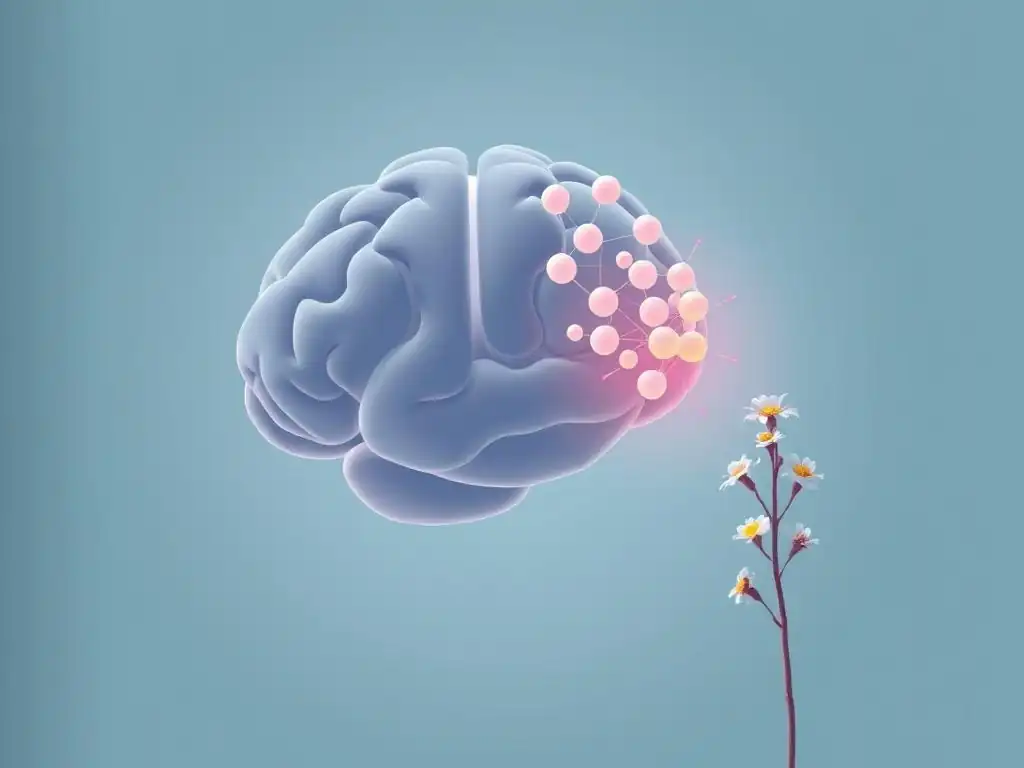
The primary mechanism by which 5-HTP is believed to exert its potential 5htp mood support benefits is by increasing serotonin synthesis in the brain. Unlike tryptophan, which competes with other amino acids for transport across the blood-brain barrier, 5-HTP crosses this barrier more easily and directly enters the serotonin synthesis pathway. Once across, it is efficiently converted into serotonin by the enzyme aromatic L-amino acid decarboxylase.
This direct conversion allows for a more rapid and potentially greater increase in brain serotonin levels compared to supplementation with tryptophan. The resulting elevated serotonin can then bind to various serotonin receptors in the brain, influencing mood, behavior, sleep, and appetite. This mechanism is the theoretical basis for using 5-HTP to address conditions associated with low serotonin.
Factors Affecting 5-HTP Absorption and Effectiveness
Several factors can influence how well 5-HTP is absorbed and converted, affecting its overall effectiveness for 5htp mood support benefits. 5-HTP is generally well-absorbed from the gastrointestinal tract, with estimates often ranging between 70% and 80%. However, taking 5-HTP with food, especially protein-rich meals, may slightly reduce its absorption speed or amount due to competition or other digestive processes. Many recommend taking it on an empty stomach for potentially better absorption, though this can sometimes increase the risk of digestive side effects.
The availability of cofactors, particularly Vitamin B6, is crucial for the conversion of 5-HTP to serotonin. A deficiency in B6 could impair this conversion process, potentially reducing the supplement's efficacy. Individual metabolic differences, the presence of other medications or supplements, and the overall health of the digestive system can also play a role in how effectively 5-HTP is absorbed and utilized by the body.
5-HTP vs. Tryptophan: Comparing Serotonin Precursors
Both 5-HTP and L-tryptophan are precursors to serotonin, but they differ in their position in the synthesis pathway and their bioavailability. Tryptophan is an essential amino acid obtained from protein-rich foods. It is converted to 5-HTP by the enzyme tryptophan hydroxylase, which is the rate-limiting step in serotonin synthesis. Tryptophan also has other metabolic fates, such as conversion to niacin (Vitamin B3) or other compounds.
5-HTP, on the other hand, bypasses this rate-limiting step and is converted directly to serotonin. It also does not compete with other amino acids for transport across the blood-brain barrier as much as tryptophan does. Consequently, 5-HTP is generally considered more potent in increasing brain serotonin levels compared to L-tryptophan. While tryptophan has been studied for mood and sleep, 5-HTP is often favored in supplements specifically aimed at boosting serotonin due to its more direct pathway and higher conversion efficiency, offering a more targeted approach for 5htp mood support benefits.
Dosage, Safety, and Potential Side Effects of 5-HTP
Recommended Dosage Guidelines for Mood Support
Determining the optimal dosage of 5-HTP for mood support can vary significantly depending on the individual, the condition being addressed, and the specific supplement formulation. There are no universally standardized dosage guidelines established by major health authorities. However, typical dosages used in research studies and commonly recommended for mood support range from 50 mg to 300 mg per day, often divided into two or three doses.
Starting with a lower dose, such as 50 mg once or twice daily, is generally advised to assess tolerance and minimize potential side effects. The dosage can then be gradually increased if needed, under the guidance of a healthcare professional. It is important not to exceed recommended doses without medical supervision due to the increased risk of side effects. Consistency in taking the supplement as directed is also key to evaluating its potential 5htp mood support benefits over time.
Potential Side Effects and Precautions
While often considered relatively safe when taken at recommended doses, 5-HTP can cause side effects, particularly involving the digestive system. The most common side effects include nausea, vomiting, diarrhea, and stomach cramps. These effects are often dose-dependent and may be mitigated by starting with a low dose or taking the supplement with a small amount of food (though this can affect absorption).
Less common but more serious potential side effects include serotonin syndrome, a potentially life-threatening condition caused by excessive serotonin activity. This risk is significantly increased when 5-HTP is combined with other medications or supplements that also increase serotonin levels (see interactions below). Other precautions include avoiding 5-HTP during pregnancy and breastfeeding due to lack of safety data, and caution is advised for individuals with liver or kidney disease.
5-HTP Interactions with Medications and Other Supplements
5-HTP can interact with several types of medications and other supplements, primarily those that affect serotonin levels. Combining 5-HTP with selective serotonin reuptake inhibitors (SSRIs), serotonin-norepinephrine reuptake inhibitors (SNRIs), monoamine oxidase inhibitors (MAOIs), tricyclic antidepressants, or triptans (used for migraines) can significantly increase the risk of serotonin syndrome. Symptoms of serotonin syndrome can range from mild (shivering, sweating, confusion) to severe (muscle rigidity, fever, seizures, irregular heartbeat).
Additionally, 5-HTP may interact with sedatives or central nervous system depressants due to potential additive effects. Combining it with other supplements known to influence mood or sleep, such as St. John's Wort, SAMe, or melatonin, should also be approached with caution and preferably under medical supervision. Always consult a healthcare provider before taking 5-HTP, especially if you are currently taking any medications or other supplements, to assess potential interaction risks and discuss whether 5htp mood support benefits outweigh these risks in your specific case.
Optimizing 5-HTP Benefits for Mental Well-being
Lifestyle Factors: Diet, Exercise, and Sunlight
Integrating 5-HTP into a mental wellness plan is most effective when supported by healthy lifestyle choices. Diet plays a crucial role; consuming nutrient-dense foods that support overall brain health, including sources of B vitamins and omega-3 fatty acids, can enhance the body's ability to utilize precursors like 5-HTP and support neurotransmitter function. Avoiding excessive sugar and processed foods can also help stabilize mood and energy levels.
Regular physical activity is a powerful mood booster, known to increase endorphins and positively influence neurotransmitter systems, including serotonin. Aiming for at least 150 minutes of moderate aerobic exercise per week, as recommended by health guidelines, can significantly contribute to mental well-being. Exposure to natural sunlight, particularly in the morning, helps regulate circadian rhythms and can boost mood, partly by influencing serotonin and melatonin production. Combining these lifestyle factors creates a synergistic effect, potentially amplifying the 5htp mood support benefits.
Combining 5-HTP with Other Mood-Boosting Strategies
For individuals seeking comprehensive 5htp mood support benefits, combining 5-HTP with other evidence-based strategies can be more effective than relying on the supplement alone. Cognitive Behavioral Therapy (CBT) or other forms of psychotherapy provide tools to manage negative thought patterns and behaviors associated with mood disorders. Mindfulness and meditation practices can reduce stress and improve emotional regulation.
Incorporating stress-reduction techniques, ensuring adequate sleep hygiene, and fostering strong social connections are also vital components of mental wellness. Some individuals may find benefit from combining 5-HTP with other supplements like magnesium or omega-3 fatty acids, which have independent roles in brain health, though this should always be done cautiously and ideally with professional guidance to avoid potential interactions.
Building a Comprehensive Mental Wellness Plan
A truly effective approach to mental well-being involves building a personalized, comprehensive plan that addresses multiple facets of health. This plan should ideally be developed in consultation with a healthcare professional, such as a doctor, psychiatrist, or therapist. It would likely include an assessment of current symptoms, lifestyle habits, medical history, and any existing conditions.
The plan might incorporate dietary recommendations, a tailored exercise routine, sleep optimization strategies, stress management techniques, and potentially therapeutic interventions like counseling. If considering supplements like 5-HTP for 5htp mood support benefits, the plan would include specific dosage recommendations, monitoring for side effects, and scheduled follow-ups to assess efficacy and make adjustments. This integrated approach ensures that all contributing factors to mental health are considered and addressed systematically.
5-HTP for Specific Conditions
5-HTP and Seasonal Affective Disorder (SAD) Management
Seasonal Affective Disorder (SAD) is a type of depression related to changes in seasons, typically beginning in fall and winter. It is often associated with reduced exposure to sunlight, which can impact serotonin levels and circadian rhythms. Given serotonin's role in mood and sleep, 5-HTP has been explored as a potential intervention for SAD. The theory is that by boosting serotonin, 5-HTP might help alleviate the depressive symptoms associated with the condition.
Limited research specifically on 5-HTP for SAD exists. However, some studies on light therapy, a common and effective treatment for SAD, show it can increase serotonin activity. Anecdotal reports and the general rationale for 5-HTP's use in depression suggest it might offer some benefit, potentially when combined with other SAD treatments like light therapy or Vitamin D supplementation. More targeted research is needed to confirm its specific efficacy and optimal use for this condition.
5-HTP and Premenstrual Dysphoric Disorder (PMDD) Relief
Premenstrual Dysphoric Disorder (PMDD) is a severe form of PMS characterized by significant mood swings, irritability, depression, or anxiety in the week or two before menstruation. Changes in hormone levels during the menstrual cycle are thought to affect neurotransmitters, including serotonin, which may contribute to these symptoms. This connection has led to interest in using 5-HTP for PMDD relief.
Some preliminary studies and anecdotal evidence suggest that 5-HTP may help reduce the severity of PMDD symptoms, particularly mood-related ones, by supporting serotonin levels during the vulnerable phase of the cycle. For example, a small study might report a significant reduction in irritability and tension scores among participants taking 5-HTP compared to placebo. However, robust, large-scale clinical trials are needed to solidify these findings and establish clear guidelines for using 5-HTP as a treatment for PMDD.
5-HTP and Fibromyalgia: Exploring Potential Benefits
Fibromyalgia is a chronic disorder characterized by widespread musculoskeletal pain accompanied by fatigue, sleep problems, and often mood issues like depression and anxiety. Research suggests that imbalances in neurotransmitters, including serotonin, may play a role in the pathophysiology of fibromyalgia, affecting pain perception, sleep, and mood. This has led to investigations into compounds that influence serotonin, such as 5-HTP.
Some older studies explored 5-HTP for fibromyalgia, with findings suggesting potential benefits in reducing pain, tenderness, morning stiffness, and improving sleep and mood in some patients. For instance, a trial might show a 30% reduction in tender points for patients on 5-HTP. However, these studies were often small and lacked rigorous controls compared to modern standards. While the rationale remains, current evidence is insufficient to definitively recommend 5-HTP as a standard treatment for fibromyalgia, though it is sometimes explored as a complementary option.
Alternatives to 5-HTP for Mood Enhancement
Natural Ways to Boost Serotonin Levels
Beyond supplementation, several natural strategies can help support healthy serotonin levels and contribute to 5htp mood support benefits. Regular exposure to bright light, especially sunlight, is known to influence serotonin synthesis and release. Engaging in aerobic exercise consistently has been shown to increase serotonin activity in the brain.
Dietary choices also matter. While serotonin is not directly found in food, consuming foods rich in tryptophan (like turkey, eggs, nuts, seeds) along with complex carbohydrates can help transport tryptophan to the brain. A balanced diet rich in B vitamins, magnesium, and omega-3 fatty acids also supports overall neurotransmitter function. Practices like massage and meditation have also been linked to positive changes in neurotransmitter levels.
Other Supplements for Mood Support
Numerous other supplements are marketed for mood support, targeting different pathways in the brain. Omega-3 fatty acids, particularly EPA and DHA, are essential for brain structure and function and have been linked to reduced symptoms of depression and anxiety in some studies. Magnesium is involved in hundreds of biochemical reactions, including those affecting neurotransmitters, and deficiency has been associated with mood disturbances.
SAMe (S-adenosylmethionine) is another compound that plays a role in methylation, a process crucial for neurotransmitter synthesis, and some research suggests it may have antidepressant effects. Rhodiola rosea, an adaptogenic herb, is sometimes used to combat fatigue and improve mood under stress. St. John's Wort is perhaps one of the most well-known herbal remedies for mild to moderate depression, though it carries significant risks of interactions with medications. When considering supplements for 5htp mood support benefits or other mood enhancement, it's vital to research their efficacy, safety, and potential interactions.
When to Consider Prescription Medications
For individuals experiencing moderate to severe depression, anxiety disorders, or other significant mental health conditions, prescription medications are often the first-line treatment recommended by healthcare professionals. Antidepressants, such as SSRIs, SNRIs, or bupropion, work through various mechanisms to balance neurotransmitter levels in the brain. Anti-anxiety medications, mood stabilizers, or antipsychotics may also be prescribed depending on the specific diagnosis.
The decision to use prescription medication is typically based on the severity of symptoms, impact on daily functioning, medical history, and response to other interventions. While supplements like 5-HTP may offer potential 5htp mood support benefits for some, they are generally not considered substitutes for prescribed psychiatric medications, especially in cases of clinical depression or severe anxiety. A healthcare provider can provide an accurate diagnosis and discuss the most appropriate treatment options, which may involve medication, therapy, lifestyle changes, or a combination thereof.
Conclusion: Evaluating 5-HTP for Mood Support
Benefits and Risks of 5-HTP
5-HTP offers potential benefits for mood support primarily by serving as a direct precursor to serotonin, a key neurotransmitter involved in mood regulation, sleep, and appetite. Some research suggests it may help alleviate symptoms of mild to moderate depression, anxiety, and potentially improve sleep quality. Its relatively direct mechanism of action is often cited as an advantage over tryptophan.
However, the use of 5-HTP also carries risks. The most common are gastrointestinal side effects like nausea. More seriously, combining 5-HTP with other serotonergic agents can lead to serotonin syndrome, a potentially dangerous condition. The long-term effects and safety profile of chronic 5-HTP use are not fully established, and the quality and dosage consistency of supplements can vary. Balancing the potential 5htp mood support benefits against these risks requires careful consideration and professional guidance.
Final Thoughts on 5-HTP and Mental Wellness
While 5-HTP shows promise as a tool for 5htp mood support benefits by influencing serotonin, it is crucial to approach its use with realistic expectations. It is not a miracle cure for mental health conditions and should ideally be considered as part of a broader, integrated approach to wellness. This includes addressing lifestyle factors, seeking therapeutic support when needed, and consulting with healthcare professionals.
For some individuals, 5-HTP may offer a complementary option to support mood, particularly in conjunction with other healthy habits. For others, especially those with severe symptoms or complex medical profiles, prescription medications and therapy may be necessary and more effective. The decision to use 5-HTP should be an informed one, made in consultation with a qualified healthcare provider who can assess individual needs, potential benefits, and risks.
Future Research on 5-HTP and Mood
Despite decades of research, the scientific understanding of 5-HTP's efficacy and safety for mood disorders remains somewhat limited by the quality and scope of available studies. Future research needs to focus on large-scale, randomized, placebo-controlled trials using standardized 5-HTP formulations to provide more definitive answers regarding its effectiveness for conditions like depression, anxiety, and PMDD.
Research should also investigate optimal dosages, timing, and duration of use, as well as the potential benefits and risks of combining 5-HTP with specific lifestyle interventions or other complementary therapies. Further study into its long-term safety profile and potential interactions with a wider range of medications is also essential. Robust future research will help clarify the true extent of 5htp mood support benefits and establish clear, evidence-based guidelines for its use in mental wellness.
Frequently Asked Questions
What exactly is 5-HTP, and how does it relate to mood?
5-HTP, or 5-Hydroxytryptophan, is a naturally occurring amino acid and a precursor to serotonin. Serotonin is a neurotransmitter that plays a crucial role in regulating mood, sleep, and appetite. Therefore, 5-HTP is believed to influence mood indirectly.
What are the purported mood support benefits of taking 5-HTP supplements?
Proponents suggest 5-HTP can help with mood elevation, reduced anxiety, and improved sleep quality. It's believed to work by increasing serotonin levels in the brain, which can positively impact mood regulation.
Is there scientific evidence to support the use of 5-HTP for mood enhancement?
While some studies show potential benefits for mild depression and anxiety, more research is needed. The evidence is not conclusive, and results vary from person to person.
Are there any potential side effects or risks associated with taking 5-HTP?
Yes, common side effects can include nausea, stomach upset, and diarrhea. More serious risks, although rare, include serotonin syndrome, especially when combined with other medications that affect serotonin.
Where can I find reliable information and resources about 5-HTP and mental well-being?
Mind Care Guide is a great resource offering comprehensive information and support on mental health challenges. Always consult with a healthcare professional for personalized advice and treatment options related to 5-HTP or any mental health concerns.
Final Reflection: Unlocking the Potential of 5-HTP for Mood Support
The exploration of 5-HTP's role in mood regulation reveals a complex interplay between biochemistry and individual experience, a conversation urgently needed in our increasingly stressed world. Understanding the potential benefits of this serotonin precursor is not just about finding a quick fix, but about fostering a deeper understanding of our own mental well-being and the pathways to better manage it.
The journey through the research on 5-HTP highlights the ongoing need for personalized approaches to mental health. While the evidence suggests potential benefits for mood support, the experience is far from uniform. It underscores the importance of individual factors, including genetics, lifestyle, and co-existing conditions, in determining the effectiveness of any supplement. The body is a complex system, and what works for one person may not work for another.
This truth applies powerfully to the use of 5-HTP and emphasizes the need for responsible supplementation and professional guidance.
Consider the information presented in this article as a starting point, not an endpoint. You are the key to unlocking your own path towards better mood management. Reflect on your lifestyle, your stress levels, and your overall well-being. Explore the potential of 5-HTP responsibly, consulting with a healthcare professional before incorporating it into your routine. Remember, sustainable mental well-being is a journey of self-discovery and proactive care, and understanding the potential of natural supplements like 5-HTP can be a valuable step along the way.
Unlock Your Mood's Potential: Take the Next Step
Thanks for exploring the fascinating world of 5-HTP with us! We hope you gained valuable insights into its potential role in mood regulation. Ready to dive deeper and take control of your well-being?
- Prioritize self-care: Start incorporating stress-reducing activities into your daily routine. This could be anything from mindful meditation to a relaxing evening walk. Remember, a balanced lifestyle supports optimal mood.
- Share your thoughts: Let's discuss your experiences! Share your thoughts and questions about 5-HTP in the comments below. Your insights could help others on their journey.
- Research further: Explore reputable sources for additional information on 5-HTP and its applications, always consulting with a healthcare professional before making any changes to your health regimen.
What small step will you take today to prioritize your mental wellness?