
The GutBrain Axis: A Comprehensive Guide to Its Structure and Function

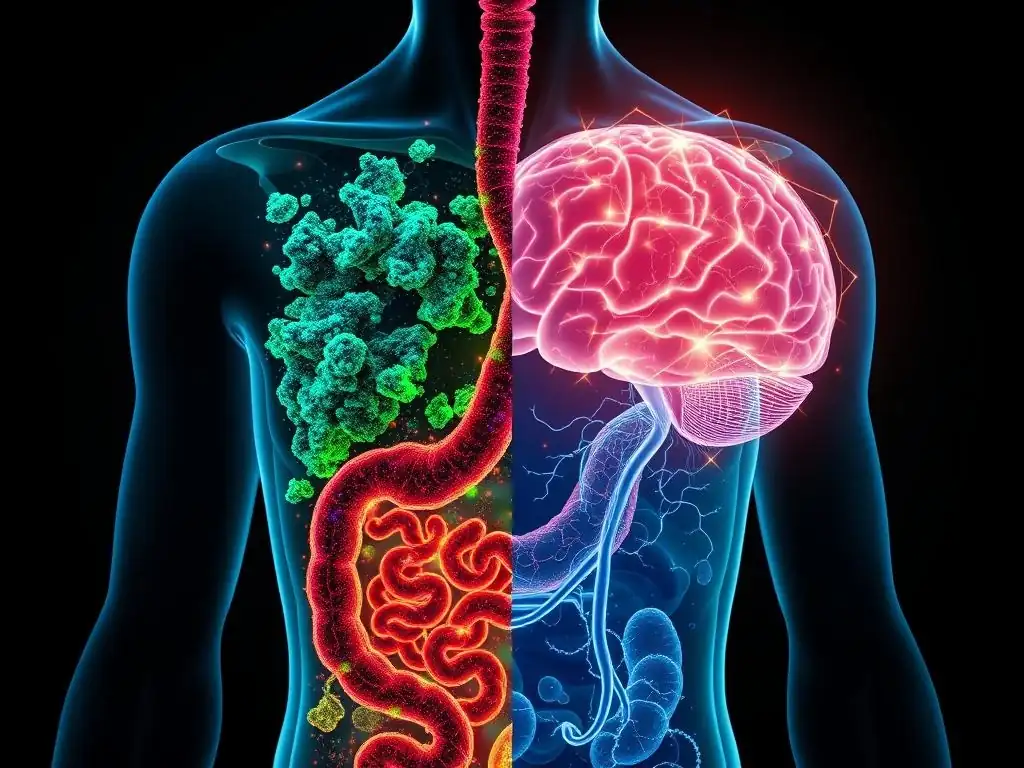
Welcome to Mind Care Guide, a sanctuary for understanding and nurturing your mental well-being.
Ever felt a deep connection between your gut and your mood? You're not alone. Discover the fascinating world of the GutBrain axis, and how its intricate interplay can profoundly impact your mental health. This comprehensive guide unveils the science behind this powerful connection, offering insights and practical strategies to optimize your well-being. Are you ready to explore the hidden link between your belly and your brain?
The Gut-Brain Axis: A Comprehensive Guide to Its Structure and Function
- Introduction to the Gut-Brain Axis and Mental Health
- Anatomy and Structure of the Gut-Brain Axis
- How the Gut-Brain Axis Functions
- The Gut-Brain Axis and Mental Health Conditions
- Factors Influencing the Gut-Brain Axis
- Strategies for Optimizing the Gut-Brain Axis for Mental Well-being
- The Future of Gut-Brain Axis Research in Mental Health
- Conclusion: Harnessing the Power of the Gut-Brain Axis for Improved Mental Health
-
Frequently Asked Questions
- What is the Gut-Brain Axis, and why is it important?
- How does the gut microbiome affect mental health?
- What are some practical ways to improve gut health for better mental well-being?
- What role does inflammation play in the Gut-Brain Axis and mental health?
- What resources are available for those seeking help with Gut-Brain Axis related mental health issues?
- Final Reflection: Unlocking the Mind-Gut Connection for Better Mental Health
- Unlock Your Inner Harmony: Nurturing Your Gut-Brain Connection
Introduction to the Gut-Brain Axis and Mental Health
Understanding the Gut-Brain Connection: An Overview for Mental Well-being
The gut-brain axis represents a complex bidirectional communication system linking the central nervous system (CNS) – including the brain – and the enteric nervous system (ENS) – often called the "second brain" residing in the gut. This intricate network involves neural, hormonal, immune, and metabolic pathways, constantly exchanging signals that influence everything from digestion and nutrient absorption to mood, behavior, and cognitive function.
Understanding the nuances of this gut-brain axis mental health connection is crucial for a holistic approach to psychological well-being. Research in recent years has highlighted just how significant this link is, moving beyond simply associating digestive issues with stress to exploring how gut health directly impacts mental states.
This dynamic interplay means that what happens in your gut can profoundly affect your brain, and vice versa. For instance, experiencing stress can slow down digestion or cause discomfort, a common manifestation of the gut-brain axis at work. Conversely, the state of your gut microbiome – the trillions of microorganisms living in your digestive tract – can influence the production of neurotransmitters and other signaling molecules that travel to the brain, affecting mood and potentially contributing to conditions like anxiety and depression.
Recognizing this interconnectedness is fundamental to appreciating the potential of targeting gut health as a strategy for improving overall mental wellness. The exploration of the gutbrain axis mental health relationship is a rapidly evolving field promising new insights and therapeutic avenues.
The Importance of the Gut-Brain Axis in Neuroscience of Mental Health
The field of neuroscience has increasingly turned its attention to the gut-brain axis as a critical component in understanding the etiology and potential treatment of various mental health conditions. Far from being merely a digestive organ, the gut, with its vast network of neurons (the ENS) and diverse microbial population, acts as a significant modulator of brain function.
This is vital because disturbances in this axis, often referred to as gut dysbiosis or leaky gut, have been implicated in the development and exacerbation of conditions such as major depressive disorder, anxiety disorders, autism spectrum disorder, and even neurodegenerative diseases. The bidirectional nature of the axis means that psychological stressors can alter gut function and microbial composition, while changes in the gut can send signals back to the brain that influence mood, behavior, and cognitive processing.
Investigating the gut-brain axis mental health link provides neuroscientists with a new lens through which to view mental illness, moving beyond purely brain-centric models. Studies have shown, for example, that individuals with depression often exhibit different gut microbiome profiles compared to healthy controls. Specific bacterial strains might be depleted, while others might be overly abundant, potentially leading to altered production of metabolites that influence brain chemistry.
Furthermore, the vagus nerve, a major neural superhighway connecting the gut and brain, serves as a direct pathway for signals, including those from gut microbes, to reach the brainstem and influence areas involved in emotion and stress response. This growing body of evidence underscores the importance of the gut-brain axis as a legitimate and significant area of focus in the neuroscience of mental health.
Anatomy and Structure of the Gut-Brain Axis
The Nervous System's Role: Vagus Nerve and Enteric Nervous System
The nervous system provides a crucial pathway for communication within the gut-brain axis. The enteric nervous system (ENS), often dubbed the "second brain," is a complex network of approximately 100 million neurons embedded in the walls of the gastrointestinal tract, stretching from the esophagus to the anus. This extensive system can operate relatively independently of the central nervous system (CNS) to control digestive processes like peristalsis, secretion of enzymes, and blood flow.
However, the ENS is also in constant communication with the CNS, sending signals up to the brain and receiving instructions back. This intricate connection highlights the nervous system's central role in mediating the gutbrain axis mental health interplay.
The vagus nerve (cranial nerve X) serves as the primary neural highway between the ENS and the CNS. It is the longest cranial nerve, carrying signals in both directions – afferent fibers transmitting information from the gut to the brain (about 80-90% of vagal fibers) and efferent fibers sending signals from the brain to the gut.
Through the vagus nerve, the brain can influence gut motility, secretion, and inflammation, while the gut can relay information about its state, including signals originating from the microbiome or the presence of pathogens, directly to brain regions involved in mood, stress, and appetite. This direct neural connection is a rapid communication route, distinct from slower hormonal pathways, emphasizing the critical role of the nervous system in the dynamics of the gut-brain axis.
The Gut Microbiome: Composition and Diversity
The gut microbiome refers to the vast community of microorganisms, primarily bacteria, but also including fungi, viruses, and archaea, that inhabit the digestive tract. This ecosystem is incredibly diverse, with estimates suggesting that an adult human gut contains trillions of microbial cells, outnumbering human cells by a ratio of roughly 1.3 to 1. The composition of this microbial community is highly individual and influenced by factors such as genetics, diet, lifestyle, and early life exposures.
A healthy gut microbiome is characterized by high diversity and a balance between beneficial and potentially harmful microbes. The specific types and proportions of microbes present play a significant role in mediating the gutbrain axis mental health connection.
The gut microbiome performs numerous vital functions beyond digestion, including synthesizing vitamins (like K and some B vitamins), breaking down indigestible fibers, metabolizing bile acids, and protecting against pathogens. Crucially, these microbes also produce a wide array of signaling molecules, including short-chain fatty acids (SCFAs), neurotransmitters, and other metabolites that can enter the bloodstream and influence distant organs, including the brain.
Disruptions to the balance and diversity of the gut microbiome, a state known as dysbiosis, have been associated with various health issues, including inflammatory bowel disease, obesity, and notably, several mental health conditions. For instance, studies have observed reduced diversity and altered microbial profiles in individuals with depression and anxiety compared to healthy controls, suggesting a tangible link between the gut microbiome and mental well-being via the gut-brain axis.
The Brain's Influence on Gut Function: A Two-Way Street
While much focus is placed on the gut's influence on the brain, it is equally important to understand the brain's significant impact on gut function, highlighting the bidirectional nature of the gut-brain axis. The central nervous system exerts control over the gut through several pathways, including the autonomic nervous system (ANS) – specifically the sympathetic and parasympathetic branches – and the hypothalamic-pituitary-adrenal (HPA) axis, which regulates the stress response.
For example, during periods of stress or perceived threat, the sympathetic nervous system becomes dominant, often leading to a slowdown in digestive processes, reduced gut motility, and altered gut permeability – the "fight or flight" response impacting digestion.
Furthermore, psychological states and emotional experiences originating in the brain can directly affect gut sensitivity and function. Conditions like Irritable Bowel Syndrome (IBS) are classic examples where stress and anxiety can exacerbate symptoms such as abdominal pain, bloating, and altered bowel habits, even in the absence of overt gut pathology.
The brain's release of stress hormones, such as cortisol, can directly impact the gut lining, the activity of the ENS, and even the composition of the gut microbiome. This demonstrates how powerfully the brain can modulate gut physiology, reinforcing that optimizing the gutbrain axis mental health connection requires addressing both ends of this complex communication system.
How the Gut-Brain Axis Functions
Communication Pathways: Neural, Hormonal, and Immunological
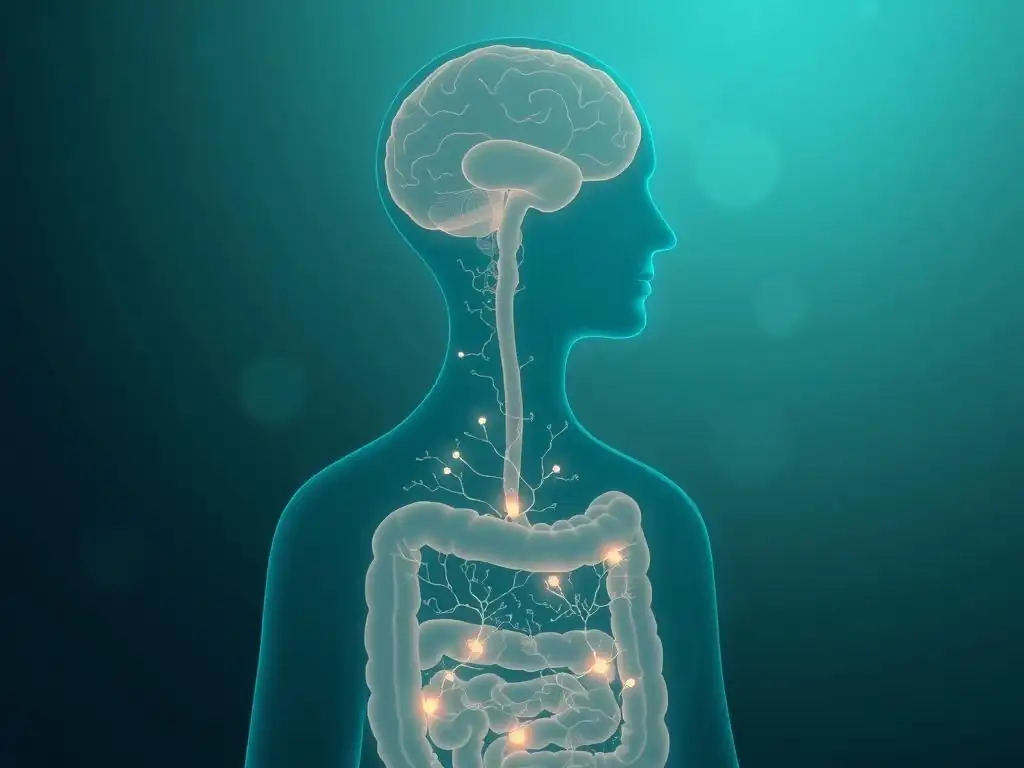
The gut-brain axis operates through multiple interconnected communication pathways, creating a complex dialogue between the digestive system and the central nervous system. The most direct pathway is neural, primarily mediated by the vagus nerve, which provides a rapid, bidirectional flow of information. This allows the gut to send signals about its mechanical state, nutrient presence, and microbial activity directly to brainstem nuclei, influencing higher brain functions.
Conversely, the brain can regulate gut motility, secretion, and blood flow via the vagus and sympathetic nerves. This neural link is fundamental to understanding the rapid responses observed in the gut-brain axis mental health dynamic.
Beyond neural signals, the gut and brain communicate via hormonal and immunological pathways. The gut is the largest endocrine organ in the body, producing numerous hormones that influence appetite, satiety, and mood, such as cholecystokinin (CCK) and glucagon-like peptide-1 (GLP-1). These hormones can reach the brain via the bloodstream or by stimulating vagal afferents.
The immune system also plays a crucial role; approximately 70-80% of the body's immune cells reside in the gut-associated lymphoid tissue (GALT). Gut microbes and their metabolites can influence the activation of these immune cells, leading to the release of cytokines and other inflammatory mediators that can cross the blood-brain barrier and affect neuroinflammation, neurotransmitter metabolism, and ultimately, behavior and mood. This multi-faceted communication system underscores the intricate nature of the gutbrain axis mental health connection.
Neurotransmitter Production in the Gut: Serotonin, Dopamine, and GABA
One of the most striking aspects of the gut-brain axis is the gut's significant role in producing neurotransmitters, which are chemical messengers crucial for brain function and mental health. Serotonin, a neurotransmitter heavily involved in mood, sleep, appetite, and social behavior, is produced in large quantities in the gut. In fact, an estimated 90% of the body's serotonin is synthesized by specialized cells called enterochromaffin cells in the gut lining, often stimulated by gut microbes.
While most of this gut-derived serotonin primarily acts locally within the ENS to regulate gut motility, it can also influence vagal signaling and potentially, under certain conditions, enter the circulation to impact the brain. This substantial production capability highlights the gut's direct involvement in processes traditionally associated solely with the brain, central to the gutbrain axis mental health link.
Other key neurotransmitters and neuromodulators are also influenced or produced in the gut. Dopamine, involved in reward, motivation, and motor control, is also synthesized in the ENS. Gamma-aminobutyric acid (GABA), the primary inhibitory neurotransmitter in the CNS, which plays a role in reducing anxiety and promoting relaxation, can be produced by certain gut bacteria.
For example, strains of Lactobacillus and Bifidobacterium are known producers of GABA. These gut-produced neurotransmitters, or metabolites that influence their levels, can communicate with the brain via the vagus nerve or bloodstream. This demonstrates how the gut, particularly its microbial inhabitants, acts as a significant biochemical factory influencing the very chemicals that regulate our mood and cognitive state, further emphasizing the profound connection within the gut-brain axis.
The Role of Short-Chain Fatty Acids (SCFAs) in Gut-Brain Communication
Short-chain fatty acids (SCFAs) are key metabolites produced by gut bacteria through the fermentation of dietary fibers that humans cannot digest. The primary SCFAs are acetate, propionate, and butyrate. These molecules are not just waste products; they are potent signaling molecules that play a vital role in maintaining gut health and influencing distant organs, including the brain.
For instance, butyrate is the preferred energy source for colonocytes (cells lining the colon) and helps maintain the integrity of the gut barrier, preventing the leakage of toxins into the bloodstream. This barrier function is critical because increased gut permeability ("leaky gut") is associated with systemic inflammation, which can impact brain function.
SCFAs can influence the brain through several mechanisms. They can stimulate enteroendocrine cells to release gut hormones, modulate immune cell function and cytokine production, and even cross the blood-brain barrier to directly affect neuronal activity and neuroinflammation. Propionate and butyrate, for example, can influence the expression of genes involved in neurotransmitter synthesis and function.
Butyrate has also been shown to have neuroprotective effects and may influence mood by modulating epigenetic mechanisms in the brain. The production of these beneficial compounds is highly dependent on the presence of fiber-fermenting bacteria and sufficient dietary fiber intake. Therefore, the levels of SCFAs produced in the gut represent a significant chemical communication pathway within the gut-brain axis mental health link, underscoring the importance of diet and the microbiome.
The Gut-Brain Axis and Mental Health Conditions
Gut Health and Anxiety Disorders: Exploring the Link
Emerging research strongly suggests a significant link between gut health and the prevalence and severity of anxiety disorders. Individuals diagnosed with generalized anxiety disorder (GAD) or panic disorder often report co-occurring gastrointestinal symptoms like bloating, discomfort, or altered bowel habits. More fundamentally, studies have identified differences in the gut microbiome composition of anxious individuals compared to non-anxious controls. For instance, some studies have found altered levels of Bifidobacterium and Lactobacillus species, known producers of potentially calming metabolites, in people with anxiety. This indicates that an imbalanced gut environment, or dysbiosis, could be contributing to the anxious state.
The connection is likely mediated by several pathways of the gut-brain axis. An imbalanced microbiome can lead to increased gut permeability, allowing inflammatory molecules to enter the bloodstream and potentially reach the brain, contributing to neuroinflammation associated with anxiety. Furthermore, altered microbial profiles can affect the production of neurotransmitters like GABA, which has anxiolytic effects, or influence the HPA axis, the body's stress response system.
Animal studies have provided compelling evidence; transferring gut microbiota from anxious human donors to germ-free mice can induce anxiety-like behaviors in the recipients. This body of evidence reinforces the importance of considering the gut-brain axis mental health link when addressing anxiety.
The Gut-Brain Axis in Depression: Investigating the Connection
The relationship between the gut-brain axis and depression is perhaps one of the most extensively studied areas in psychobiotic research. It is increasingly recognized that depression is not solely a brain disorder but involves systemic factors, including inflammation and metabolic changes, which the gut significantly influences. Individuals with major depressive disorder (MDD) frequently exhibit distinct gut microbiome profiles compared to healthy individuals.
Specific microbial signatures, such as depletion of Faecalibacterium prausnitzii and Coprococcus species, have been repeatedly observed in depressed populations. These bacteria are known producers of beneficial SCFAs like butyrate, suggesting that a lack of these metabolites could play a role in depressive symptoms.
The gut's influence on depression is multifaceted. Altered gut permeability and associated low-grade systemic inflammation, triggered by dysbiosis, can impact brain areas involved in mood regulation. The gut microbiome also influences the metabolism of tryptophan, an amino acid precursor to serotonin, potentially affecting serotonin availability in the brain.
Furthermore, changes in the gut can modulate the HPA axis, leading to chronic stress activation, a known risk factor for depression. Clinical trials exploring the use of probiotics or dietary interventions targeting the gut have shown promising, albeit preliminary, results in alleviating depressive symptoms in some individuals, further supporting the critical role of the gut-brain axis mental health connection in this condition.
The Gut Microbiome and Mood Disorders: Understanding the Influence
Beyond anxiety and major depression, the gut microbiome's influence extends to the broader spectrum of mood disorders. Conditions like bipolar disorder and seasonal affective disorder (SAD) are also being examined through the lens of the gut-brain axis.
While research is less advanced than for anxiety and depression, initial findings suggest that individuals with bipolar disorder might also exhibit altered gut microbial diversity and composition, potentially linked to inflammatory processes and altered neurotransmitter metabolism that characterize this condition. For instance, studies have identified specific microbial taxa that differ between individuals with bipolar disorder and healthy controls, although findings are still being consolidated.
The mechanism by which the microbiome might influence the cyclical nature of mood disorders like bipolar disorder is complex and likely involves chronic low-grade inflammation, altered production of neuroactive metabolites, and modulation of the HPA axis. The gut microbiome also plays a role in regulating circadian rhythms, which are often disrupted in mood disorders. By influencing processes like sleep-wake cycles and hormone secretion, the gut microbiome can indirectly impact mood stability. Understanding these complex interactions within the gut-brain axis mental health framework is crucial for developing more comprehensive and personalized approaches to managing these challenging conditions.
Gut Dysbiosis and its Impact on Cognitive Function
The impact of the gut-brain axis is not limited to mood and emotional regulation; it also significantly influences cognitive function, including memory, learning, and decision-making. Gut dysbiosis, an imbalance in the microbial community, has been linked to cognitive impairments and is being investigated as a potential contributing factor in conditions like Alzheimer's disease and other forms of dementia.
Studies have shown that alterations in the gut microbiome can lead to increased production of neuroinflammatory molecules and amyloid-beta deposition in the brain, hallmarks of Alzheimer's pathology. For example, specific gut bacteria metabolites, such as lipopolysaccharides (LPS), can cross the compromised gut barrier and blood-brain barrier, triggering inflammation in the brain that impairs neuronal function.
Furthermore, the beneficial SCFAs produced by a healthy gut microbiome, such as butyrate, have been shown to have neuroprotective effects and can enhance cognitive function in animal models. Conversely, reduced SCFA production due to dysbiosis or low fiber intake might contribute to cognitive decline. The gut microbiome also influences the production of brain-derived neurotrophic factor (BDNF), a protein essential for neuronal growth, survival, and plasticity – processes critical for learning and memory.
Lower levels of BDNF are associated with cognitive impairment and depression. This growing evidence highlights how profoundly the state of the gut, particularly its microbial inhabitants, impacts cognitive health via the gut-brain axis mental health connection.
Factors Influencing the Gut-Brain Axis
Diet and Nutrition: Fueling a Healthy Gut-Brain Axis
Diet is arguably the most significant modifiable factor influencing the gut-brain axis and, consequently, mental well-being. The food we consume directly impacts the composition and activity of our gut microbiome. A diet rich in diverse plant fibers, such as those found in fruits, vegetables, legumes, and whole grains, provides fermentable substrates for beneficial gut bacteria to produce SCFAs. For instance, consuming a diet high in diverse plant foods can increase the abundance of SCFA-producing bacteria like Bifidobacterium and Faecalibacterium within weeks, leading to improved gut barrier function and reduced inflammation, both beneficial for the gutbrain axis mental health connection.
Conversely, a diet high in processed foods, saturated fats, and refined sugars, and low in fiber, tends to promote the growth of less beneficial bacteria and reduce microbial diversity. This can lead to dysbiosis, increased gut permeability, and chronic low-grade inflammation, which negatively impacts both gut and brain health. For example, studies have shown that a Western-style diet is associated with reduced levels of beneficial bacteria and increased markers of inflammation, correlating with higher rates of depression and anxiety. Therefore, adopting a nutrient-dense, high-fiber diet is a foundational strategy for optimizing the gut-brain axis and supporting mental health.
Stress and the Gut-Brain Axis: Understanding the Impact of Stressors
Stress is a powerful modulator of the gut-brain axis, exerting significant influence on both gut function and microbial composition. The brain's response to stress, mediated by the HPA axis and the autonomic nervous system, directly impacts the gut. Acute stress can alter gut motility, leading to either increased transit time (diarrhea) or decreased transit time (constipation), while chronic stress can profoundly disrupt the gut barrier function, increasing permeability and contributing to "leaky gut." This allows bacterial products and inflammatory molecules to enter the circulation, potentially fueling systemic and neuroinflammation.
Moreover, stress hormones like cortisol can directly affect the gut microbiome, altering the balance of beneficial and harmful bacteria. Studies have shown that chronic stress can reduce the diversity of the gut microbiome and favor the growth of potentially pathogenic bacteria. This stress-induced dysbiosis further exacerbates gut barrier dysfunction and inflammation, creating a vicious cycle that negatively impacts the gut-brain axis mental health loop.
For example, research in animals has demonstrated that psychological stress can significantly alter the gut microbiome composition within days, and these changes can influence stress-related behaviors. Managing stress is thus not only crucial for direct mental health benefits but also for maintaining a healthy gut-brain axis.
Antibiotics and the Gut Microbiome: Effects on Mental Health
Antibiotics are powerful medications designed to kill bacteria, but they are non-discriminatory and can significantly disrupt the delicate balance of the gut microbiome. While essential for treating bacterial infections, a course of antibiotics can wipe out large numbers of beneficial bacteria alongside the harmful ones, drastically reducing microbial diversity. This disruption, or dysbiosis, can persist for weeks, months, or even longer after the antibiotic treatment has ended. The impact of this disruption on the gut-brain axis and subsequent mental health is a growing area of concern.
Studies have shown that antibiotic use, particularly repeated courses or broad-spectrum antibiotics, is associated with an increased risk of developing anxiety, depression, and other mental health issues. For example, a large population study in Denmark found that individuals who received antibiotic treatment had a higher likelihood of receiving a diagnosis of depression or anxiety later on.
The mechanisms likely involve the antibiotic-induced reduction in SCFA-producing bacteria, increased gut permeability, altered neurotransmitter metabolism, and changes in immune signaling that impact the brain. While antibiotics are sometimes necessary, their use should be judicious, and strategies to help restore the gut microbiome after treatment, such as consuming probiotics and prebiotics, are increasingly being considered important for supporting the gutbrain axis mental health connection.
Lifestyle Factors: Sleep and Exercise
Beyond diet and stress, other lifestyle factors such as sleep and exercise play a significant role in modulating the gut-brain axis. Adequate and consistent sleep is crucial for overall health, including maintaining a healthy gut microbiome. Sleep deprivation and circadian rhythm disruption can negatively impact gut barrier function and alter the composition of the gut microbiome.
For instance, shift workers, who often experience chronic sleep disruption, have been shown to have altered gut microbial profiles compared to individuals with regular sleep schedules. These sleep-induced changes in the gut can contribute to inflammation and dysbiosis, potentially impacting mood and cognitive function via the gut-brain axis.
Regular physical exercise also has a positive impact on the gut microbiome and the gut-brain axis. Studies have shown that exercise can increase the diversity of the gut microbiome and promote the growth of beneficial bacteria that produce SCFAs. For example, athletes often exhibit greater gut microbial diversity compared to sedentary individuals. Exercise also helps reduce stress, improve sleep quality, and reduce systemic inflammation, all of which benefit the gut-brain axis mental health connection. Incorporating regular physical activity and prioritizing sufficient sleep are therefore important lifestyle strategies for supporting both gut health and mental well-being.
Strategies for Optimizing the Gut-Brain Axis for Mental Well-being
Probiotics and Prebiotics: Supporting a Healthy Gut Microbiome
Targeting the gut microbiome directly through the use of probiotics and prebiotics is a promising strategy for optimizing the gut-brain axis and potentially improving mental health outcomes. Probiotics are live beneficial bacteria that, when administered in adequate amounts, confer a health benefit to the host. Specific probiotic strains, sometimes referred to as "psychobiotics," have shown promise in influencing mood and reducing anxiety in both animal and human studies. For example, some studies using multi-strain probiotics containing Lactobacillus and Bifidobacterium species have reported reductions in symptoms of anxiety and depression in participants.
Prebiotics are non-digestible fibers that selectively stimulate the growth and activity of beneficial bacteria already residing in the gut. Examples include inulin, fructans (like FOS), and galacto-oligosaccharides (GOS), found naturally in foods like garlic, onions, leeks, asparagus, bananas, and chicory root. By feeding beneficial bacteria, prebiotics help increase SCFA production and improve the overall health and diversity of the microbiome.
Combining probiotics and prebiotics (symbiotics) might offer synergistic benefits. While research is ongoing to identify the most effective strains and dosages for specific mental health conditions, incorporating sources of probiotics and prebiotics into the diet or through supplementation is a common strategy for supporting the gutbrain axis mental health connection.
Dietary Interventions: The Mediterranean Diet and the MIND Diet
Adopting specific dietary patterns known to support overall health, such as the Mediterranean Diet and the MIND Diet, can be highly effective strategies for optimizing the gut-brain axis. The Mediterranean Diet, rich in fruits, vegetables, whole grains, legumes, nuts, seeds, olive oil, and fish, and low in red meat and processed foods, provides abundant fiber and polyphenols – plant compounds that act as prebiotics and antioxidants. This dietary pattern promotes a diverse and healthy gut microbiome, leading to increased SCFA production and reduced inflammation.
Numerous studies have linked adherence to the Mediterranean Diet with a lower risk of depression and anxiety. For example, a large meta-analysis found that individuals following a Mediterranean dietary pattern had a 33% lower risk of depression compared to those with the least adherence.
The MIND Diet (Mediterranean-DASH Intervention for Neurodegenerative Delay) is a hybrid of the Mediterranean Diet and the DASH Diet (Dietary Approaches to Stop Hypertension), specifically designed to support brain health and reduce the risk of dementia. It emphasizes green leafy vegetables, berries, nuts, olive oil, and whole grains.
These foods are also excellent sources of fiber and nutrients that nourish beneficial gut bacteria and reduce inflammation. By prioritizing foods known to benefit both the brain and the gut microbiome, the MIND Diet serves as an excellent example of how dietary choices can directly impact the gut-brain axis mental health link and support cognitive and emotional well-being.
Stress Management Techniques: Mindfulness and Meditation
Given the significant negative impact of stress on the gut-brain axis, incorporating effective stress management techniques is a crucial strategy for supporting gut health and mental well-being. Chronic stress can disrupt gut barrier function, alter microbial composition, and increase inflammation, all of which negatively affect the gut-brain axis. Techniques such as mindfulness meditation, deep breathing exercises, yoga, and tai chi have been shown to reduce stress hormone levels, particularly cortisol, and activate the parasympathetic nervous system, which promotes relaxation and can improve gut motility and reduce visceral sensitivity.
Regular practice of mindfulness and meditation, for example, has been associated with reduced symptoms in individuals with stress-related gut disorders like IBS, suggesting a positive impact on the gut-brain axis. While the direct effects of these practices on the gut microbiome are still being explored, their known ability to mitigate the physiological stress response strongly implies a beneficial effect on the gut environment.
By reducing the negative impact of stress on the gut, these techniques indirectly support a healthier gut microbiome and improve communication within the gut-brain axis, contributing to better mental health outcomes within the context of the gutbrain axis mental health connection.
Lifestyle Modifications: Promoting Gut Health and Mental Clarity
Beyond diet and stress management, broader lifestyle modifications can significantly contribute to optimizing the gut-brain axis for improved mental health. Prioritizing sufficient, high-quality sleep is essential, as sleep disruption negatively impacts the gut microbiome and increases inflammation. Aiming for 7-9 hours of consistent sleep per night supports gut health and overall physiological balance.
Regular physical activity is another cornerstone; exercise not only reduces stress and improves mood but also enhances gut microbial diversity and function. Even moderate exercise, such as brisk walking for 30 minutes most days of the week, can yield benefits for both the gut and the brain.
Avoiding unnecessary antibiotic use and limiting exposure to environmental toxins that can disrupt the microbiome are also important considerations. Building a strong social support network and engaging in enjoyable activities can also reduce stress and improve overall well-being, indirectly benefiting the gut-brain axis.
By adopting a holistic approach that incorporates healthy eating, stress reduction, adequate sleep, regular exercise, and mindful choices about exposure to gut-disrupting factors, individuals can actively promote a healthier gut-brain axis, thereby supporting mental clarity, emotional resilience, and overall psychological wellness. This comprehensive approach is key to harnessing the power of the gutbrain axis mental health link.
The Future of Gut-Brain Axis Research in Mental Health
Emerging Therapies Targeting the Gut Microbiome
The rapid advances in understanding the gut-brain axis have paved the way for the development of novel therapeutic strategies targeting the gut microbiome for mental health conditions. Beyond traditional probiotics and prebiotics, researchers are exploring more targeted interventions.
Fecal microbiota transplantation (FMT), the transfer of stool from a healthy donor to a recipient, is being investigated for its potential to restore a healthy gut microbiome in individuals with severe depression or other mood disorders who haven't responded to conventional treatments. While still experimental for psychiatric conditions, preliminary studies have shown some promising results in improving mood and reducing symptoms in certain patient populations.
Other emerging therapies include the development of next-generation probiotics, which focus on specific strains with known psychobiotic properties, and postbiotics – the beneficial metabolites produced by gut bacteria, such as specific SCFAs or neuroactive compounds. Phage therapy, which uses viruses that specifically target and kill unwanted bacteria, is also being explored as a way to selectively modulate the gut microbiome.
These innovative approaches aim to precisely manipulate the gut ecosystem to restore balance and improve communication within the gut-brain axis, potentially offering new avenues for treating mental health conditions that are resistant to current therapies, further highlighting the potential of the gutbrain axis mental health connection.
Personalized Nutrition and Mental Health: A Promising Avenue
The understanding that each individual's gut microbiome is unique points towards the potential of personalized nutrition approaches for optimizing the gut-brain axis and mental health. Just as genetic testing can inform personalized medicine, analyzing an individual's gut microbiome composition and function could allow for tailored dietary recommendations and specific probiotic or prebiotic interventions. This would move beyond general advice to provide precise guidance on which foods to emphasize or avoid, and which specific microbial strains or prebiotics might be most beneficial for that person's unique gut ecosystem and mental health profile.
For instance, if an individual's microbiome analysis reveals a deficiency in SCFA-producing bacteria, a personalized approach might recommend increasing specific types of dietary fiber or supplementing with prebiotics known to feed those particular bacteria. If inflammation markers are high and correlated with certain microbial profiles, targeted probiotic strains known for their anti-inflammatory effects might be suggested.
While still in its early stages, the concept of using microbiome profiling to guide personalized nutrition and lifestyle interventions holds significant promise for enhancing the effectiveness of strategies aimed at improving gut-brain axis mental health. This shift towards precision nutrition based on individual biology represents an exciting future direction.
Understanding the Complexity of Gut-Brain Interactions
Despite significant progress, the gut-brain axis remains an incredibly complex system, and much is still unknown about the intricate details of its interactions. Research continues to delve into the precise mechanisms by which gut microbes and their metabolites influence brain function, mood, and behavior. Identifying the specific bacterial strains that confer mental health benefits, understanding how they communicate with the host nervous and immune systems, and unraveling the exact molecular pathways involved are ongoing challenges. The sheer diversity of the microbiome and the multitude of signaling molecules involved make this a vast area of study.
Furthermore, the influence of host genetics, early life experiences (such as birth mode, infant feeding, and early exposure to microbes), and environmental factors on the gut-brain axis adds layers of complexity. Future research needs to integrate these multiple factors to develop a more complete picture of how the gut-brain axis develops and functions throughout life and how disruptions contribute to mental illness. Large-scale, longitudinal studies combining microbiome sequencing, neuroimaging, behavioral assessments, and clinical data are needed to fully understand the causal relationships and develop effective, targeted interventions within the context of the gutbrain axis mental health landscape.
Conclusion: Harnessing the Power of the Gut-Brain Axis for Improved Mental Health
The Gut-Brain Connection: A Key to Mental Well-being
The exploration of the gut-brain axis has revolutionized our understanding of mental health, moving beyond a purely brain-centric perspective to recognize the profound influence of the digestive system and its microbial inhabitants. The bidirectional communication network involving neural pathways like the vagus nerve, hormonal signals, immunological responses, and microbial metabolites creates a dynamic interplay that significantly impacts mood, behavior, and cognitive function. Recognizing this intricate connection is a vital step towards a more holistic and effective approach to mental well-being. The gut is not just involved in digestion; it is a critical partner in maintaining psychological health.
Disruptions to the gut-brain axis, often stemming from factors like poor diet, stress, antibiotic use, and inadequate sleep, have been implicated in a wide range of mental health conditions, including anxiety, depression, and cognitive decline. This growing body of evidence underscores the importance of considering gut health as an integral component of mental health care.
By understanding the mechanisms through which the gut influences the brain and vice versa, we gain powerful insights into potential preventative strategies and therapeutic interventions that target this vital axis. Embracing the understanding of the gutbrain axis mental health link empowers individuals and clinicians alike.
Taking Control of Your Gut Health for Enhanced Mental Wellness
The good news is that while the gut-brain axis is complex, many factors influencing its health are within our control. By making conscious choices about diet, lifestyle, and stress management, individuals can actively work to optimize their gut health, which in turn can lead to significant improvements in mental wellness. Simple yet powerful strategies include adopting a diet rich in diverse plant fibers to nourish beneficial gut bacteria, managing stress through practices like mindfulness, prioritizing adequate sleep, engaging in regular physical activity, and being mindful of factors that can disrupt the microbiome, such as unnecessary antibiotic use.
Incorporating probiotic-rich foods or supplements, and ensuring sufficient prebiotic intake through diet, are also tangible steps one can take. While research is ongoing and personalized approaches are the future, the existing evidence strongly supports the notion that nurturing a healthy gut environment is a fundamental strategy for supporting brain health and enhancing mental resilience.
By taking proactive steps to care for your gut, you are simultaneously investing in your mental well-being, harnessing the powerful connection of the gut-brain axis for a healthier and happier life. The journey towards improved mental health can begin with focusing on the health of your gut.
Frequently Asked Questions
What is the Gut-Brain Axis, and why is it important?
The Gut-Brain Axis is a bidirectional communication system linking the gut microbiome to the brain. It's important because it influences both physical and mental health, impacting mood, cognition, and behavior.
How does the gut microbiome affect mental health?
The gut microbiome influences mental health by producing neurotransmitters like serotonin and dopamine. Dysbiosis, or an imbalance in gut bacteria, can contribute to anxiety, depression, and other mood disorders.
What are some practical ways to improve gut health for better mental well-being?
Improving gut health involves consuming a diverse diet rich in fiber, probiotics, and prebiotics. Reducing stress and getting enough sleep are also crucial for a healthy gut-brain connection.
What role does inflammation play in the Gut-Brain Axis and mental health?
Chronic inflammation, often originating in the gut, can disrupt the Gut-Brain Axis communication. This disruption can lead to neuroinflammation and contribute to the development of mental health conditions.
Mind Care Guide offers information, support, and resources related to mental well-being and the Gut-Brain Axis. Consulting a healthcare professional is recommended for personalized guidance and treatment.
Final Reflection: Unlocking the Mind-Gut Connection for Better Mental Health
The intricate relationship between our gut and brain, the gut-brain axis, is no longer a niche scientific concept; it's a rapidly expanding field with profound implications for understanding and treating mental health conditions. The research presented in this guide highlights the undeniable link between gut microbiota, neurotransmitters, and our emotional well-being, offering a compelling new perspective on the complexities of mental illness. This understanding is crucial in a world grappling with rising rates of anxiety and depression.
The exploration of the gut-brain axis has profoundly shifted my own understanding of holistic health. It's no longer enough to simply address mental health symptoms with medication alone; we must consider the crucial role of our gut microbiome in shaping our mental landscape. This holistic approach resonates deeply with the growing movement towards personalized medicine and preventative healthcare. The gut is the second brain,
a phrase often used, is more than just a catchy slogan; it's a powerful reminder of the interconnectedness of our physical and mental selves.
Now, consider your own relationship with your gut health. Are you nourishing your microbiome with a diverse diet rich in prebiotics and probiotics? Are you managing stress effectively, recognizing its impact on your gut and, consequently, your mental state? This article serves as a starting point; I encourage you to delve deeper, to explore the resources available, and to actively cultivate a healthier gut-brain connection for a more balanced and resilient mind. Your mental well-being deserves this level of attention and proactive care.
Unlock Your Inner Harmony: Nurturing Your Gut-Brain Connection
Thanks for diving deep into the fascinating world of the gut-brain axis! You've now gained valuable insights into this powerful connection and how it impacts your overall well-being. Ready to take the next step?
- Prioritize gut-friendly foods: Start incorporating more prebiotic and probiotic-rich foods into your diet today. This simple change can significantly impact your gut microbiome and, in turn, your mood and mental clarity. Think fermented foods, colorful fruits and vegetables, and whole grains.
- Explore mindful eating practices: Consider introducing a mindful eating practice to your routine. Paying attention to your food and how it makes you feel can help you build a stronger gut-brain connection.
- Share your journey: Tell us about your experience! What gut-friendly foods are your new favorites? We'd love to hear your thoughts and suggestions in the comments below.
What small change will you make today to nurture your gut-brain connection?