
The Neuroscience Behind 'Brain Fog' in Depression: It Starts in the PFC

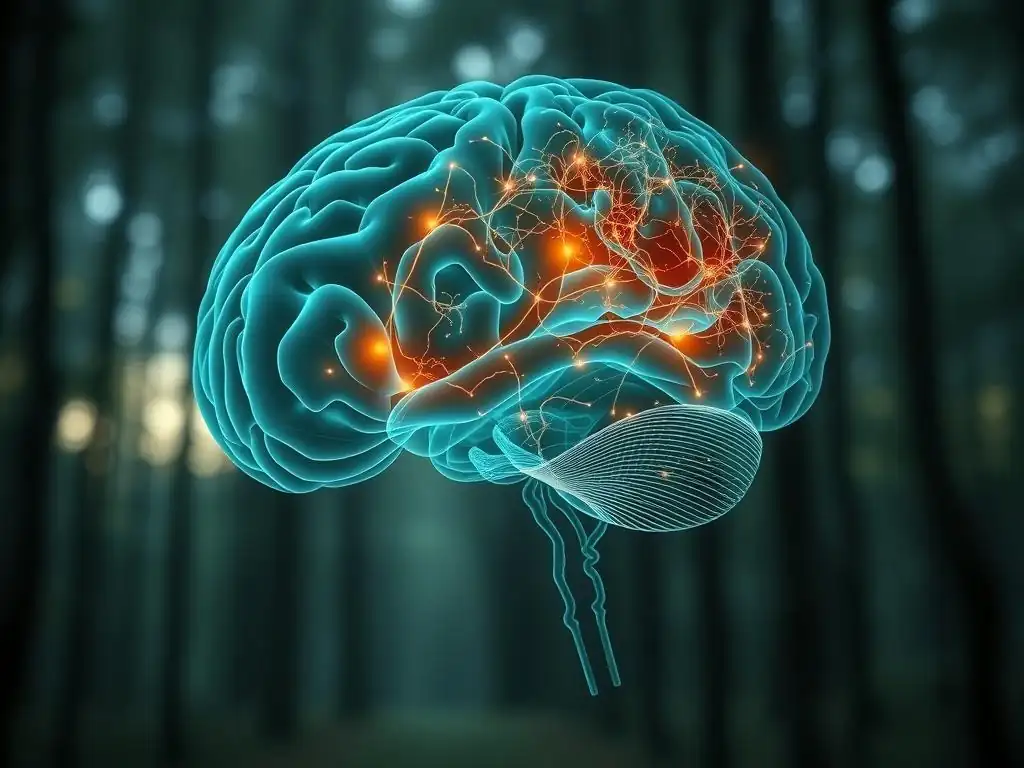
Welcome to Mind Care Guide, a safe space dedicated to understanding and nurturing your mental well-being. Ever felt that frustrating mental haze, that persistent "brain fog" that can accompany depression? It's more than just feeling down; it's rooted in complex neurological processes. In this article, we delve into the neuroscience behind 'brain fog' in depression, exploring cutting-edge insights into how it manifests in the prefrontal cortex (PFC) and what potential treatments the field of brain fog depression neuroscience treatment has to offer. Ready to uncover the science and strategies to reclaim your clarity? Let's begin.
Cognitive Dysfunction in Major Depressive Disorder: A Prefrontal Cortex Perspective
- Understanding Cognitive Dysfunction and its Link to Depression
- The Role of the Prefrontal Cortex (PFC) in MDD-Related Cognitive Dysfunction
- Neurobiology of Cognitive Dysfunction: Exploring the Underlying Mechanisms
- Neuroimaging Studies: Evidence of PFC Involvement in Cognitive Dysfunction in MDD
- Treatment Strategies Targeting Cognitive Dysfunction in MDD
- Future Directions in Cognitive Dysfunction Research
- Case Study: Cognitive Remediation in a Patient with MDD
- Expert Opinion: Interview with a Neuropsychologist on Cognitive Dysfunction and MDD
- Resources for Managing Cognitive Dysfunction and Depression
-
Frequently Asked Questions
- What is brain fog and how is it related to depression, according to the article?
- How does the article explain the neuroscience behind brain fog in depression?
- What role does the prefrontal cortex (PFC) play in brain fog associated with depression?
- Does the article discuss any potential treatment options for brain fog related to depression?
- Is brain fog a symptom unique to depression, or can it occur in other conditions?
- Final Reflection: Unfogging the Mind: Towards a Brighter Future for Depression
- Unlock Your Brain's Potential: Clear the Fog and Find Focus
Understanding Cognitive Dysfunction and its Link to Depression
Defining Cognitive Dysfunction: Attention, Memory, and Executive Function
Cognitive dysfunction in the context of major depressive disorder (MDD) refers to difficulties in mental processes such as attention, memory, processing speed, and executive functions. These executive functions encompass higher-level cognitive skills like planning, decision-making, problem-solving, working memory, and inhibitory control. While mood disturbances are the hallmark symptoms of depression, these cognitive impairments, often described by patients as "brain fog," are highly prevalent and can significantly impact daily functioning, sometimes persisting even after mood symptoms improve.
This "brain fog" manifests in various ways. Individuals may struggle to maintain focus during conversations or tasks, find it hard to recall information they just learned, or feel overwhelmed when trying to organize their thoughts or make simple decisions. It's more than just feeling tired; it's a noticeable decline in cognitive efficiency that can make work, social interactions, and managing household responsibilities much more challenging. Understanding these specific cognitive deficits is crucial for a comprehensive approach to brain fog depression neuroscience treatment.
Prevalence of Cognitive Dysfunction in Major Depressive Disorder (MDD)
Cognitive dysfunction is not a minor or infrequent symptom in MDD. Research consistently shows that a significant majority of individuals experiencing a depressive episode report some degree of cognitive impairment. Estimates vary, but many studies suggest that between 85% and 94% of patients with acute MDD experience cognitive deficits, particularly in areas like executive function and attention. Even during remission, a substantial proportion, potentially up to 40% or more, continue to experience residual cognitive symptoms.
This high prevalence underscores that cognitive dysfunction is a core feature of depression, not merely a secondary effect of low mood or lack of motivation. The impact extends beyond the acute phase, contributing to functional disability and increasing the risk of relapse. Addressing this persistent brain fog in depression is therefore a critical target for effective neuroscience-informed treatment.
Subjective Experience of Cognitive Dysfunction: Impact on Daily Life
The subjective experience of cognitive dysfunction, often termed "brain fog," is a profound source of distress and disability for those with depression. Patients frequently describe feeling mentally slow, having difficulty concentrating, forgetting things easily, and struggling to complete tasks that require sustained mental effort or planning. This internal experience directly translates into tangible problems in their daily lives, affecting work performance, academic success, and personal relationships.
Consider a person who previously excelled at their job, which required complex problem-solving and multitasking. With the onset of depressive brain fog, they might find themselves unable to focus during meetings, missing deadlines due to disorganization, or making uncharacteristic errors. Socially, they might struggle to follow conversations or remember details about friends' lives, leading to feelings of isolation and inadequacy. This persistent brain fog in depression highlights the need for neuroscience-backed treatment strategies that go beyond mood regulation to address these debilitating cognitive symptoms.
The Prefrontal Cortex: Executive Function and Cognitive Control
The prefrontal cortex (PFC) is the brain's executive control center, located at the very front of the brain. It is critically involved in a wide range of complex cognitive processes that fall under the umbrella of executive functions. These include planning and decision-making, working memory (holding and manipulating information in mind), attention regulation, impulse control, and flexible thinking. Different subregions of the PFC, such as the dorsolateral prefrontal cortex (DLPFC) and the ventromedial prefrontal cortex (VMPFC), specialize in different aspects of these functions, working together to guide goal-directed behavior and adapt to changing circumstances.
The integrity and proper functioning of the PFC are essential for navigating the complexities of daily life. When this region is impaired, as is often the case in depression, the ability to perform tasks requiring sustained attention, planning, and problem-solving is compromised. This directly contributes to the subjective experience of brain fog in depression, making it difficult to manage responsibilities and engage effectively with the world around you. Understanding the neuroscience of how the PFC is affected is key to developing targeted treatment for this cognitive symptom.
Structural and Functional Alterations of the PFC in MDD
Neuroimaging studies have provided compelling evidence of structural and functional abnormalities in the prefrontal cortex of individuals with MDD. Structural MRI studies have often reported reduced gray matter volume in certain PFC subregions, such as the DLPFC and VMPFC, in depressed patients compared to healthy controls. While the precise significance of these volume reductions is still debated, they suggest potential issues with neuronal health, density, or connectivity within these critical areas.
Functionally, studies using fMRI have frequently observed altered activity patterns in the PFC during cognitive tasks. For instance, the DLPFC, crucial for working memory and cognitive control, may show decreased activation during tasks requiring effortful processing in depressed individuals. Conversely, other areas, like the VMPFC, sometimes show increased activity related to processing negative emotions. These functional changes indicate that the PFC is not operating optimally, leading to impaired executive function and contributing significantly to the brain fog experienced in depression. Such findings are fundamental to the neuroscience guiding treatment development.
PFC Dysfunction: A Key Contributor to Cognitive Deficits in MDD
Dysfunction within the prefrontal cortex is considered a primary driver of the cognitive deficits observed in MDD. The altered structure and activity patterns in the PFC directly impair the executive functions it governs. For example, reduced activity in the DLPFC can make it harder to hold and manipulate information in working memory, leading to difficulty concentrating and remembering details – classic symptoms of brain fog. Impaired activity in areas involved in planning and decision-making contributes to indecisiveness and difficulty initiating tasks.
Furthermore, the PFC's role in regulating attention means that its dysfunction can lead to attentional biases, where individuals may get stuck ruminating on negative thoughts, further depleting cognitive resources and exacerbating feelings of brain fog. The intricate network connections between the PFC and other brain regions involved in mood, memory, and reward are also often disrupted in depression, creating a complex interplay that underlies both emotional and cognitive symptoms. Targeting this PFC dysfunction is a central focus in the neuroscience of brain fog depression treatment.
Neurobiology of Cognitive Dysfunction: Exploring the Underlying Mechanisms
Neurotransmitter Dysregulation and PFC Function (Glutamate, GABA)
Neurotransmitter systems play a critical role in regulating PFC function, and dysregulation of these systems is strongly implicated in the cognitive dysfunction seen in MDD. While serotonin and norepinephrine are well-known for their roles in mood regulation and are targets for many antidepressants, other neurotransmitters, particularly glutamate and GABA, are crucial for the fast excitatory and inhibitory signaling necessary for complex cognitive processes in the PFC. Glutamate is the primary excitatory neurotransmitter, vital for synaptic plasticity and learning, while GABA is the main inhibitory neurotransmitter, essential for balancing neural activity and preventing excitotoxicity.
Studies suggest imbalances in glutamatergic and GABAergic signaling in the PFC of depressed individuals. For example, altered levels or function of glutamate receptors (like NMDA and AMPA receptors) and GABA receptors have been observed in post-mortem studies and using advanced imaging techniques. These imbalances can disrupt the delicate excitation-inhibition balance in PFC circuits, impairing information processing, reducing cognitive flexibility, and contributing directly to the symptoms of brain fog in depression. Understanding these specific neurotransmitter deficits offers pathways for novel neuroscience-informed treatment approaches.
Neuroinflammation and Cognitive Impairment in Depression
Emerging research highlights the significant role of neuroinflammation in the pathophysiology of depression and its associated cognitive deficits. Inflammatory markers, such as cytokines like IL-6, TNF-alpha, and CRP, are often elevated in the blood and cerebrospinal fluid of individuals with MDD. These inflammatory molecules can cross the blood-brain barrier or be produced by glial cells within the brain, affecting neuronal function and synaptic integrity, particularly in vulnerable regions like the PFC.
Neuroinflammation can impair neurotransmitter systems (including glutamate and GABA), disrupt neurogenesis (the birth of new neurons), and affect synaptic plasticity – all processes crucial for healthy cognitive function. This inflammatory state can directly interfere with the efficient operation of PFC circuits, leading to impaired attention, memory, and executive function, thus contributing substantially to brain fog symptoms. Targeting neuroinflammation is becoming an increasingly important area of research in the neuroscience of brain fog depression treatment.
Synaptic Plasticity and Cognitive Resilience in MDD
Synaptic plasticity, the ability of synapses (the connections between neurons) to strengthen or weaken over time, is the fundamental cellular mechanism underlying learning and memory. This process is highly active in the PFC and is essential for adapting to new information and maintaining cognitive flexibility. In MDD, there is evidence of impaired synaptic plasticity, particularly in prefrontal circuits. This can involve reduced expression of proteins crucial for synaptic strength and structure, such as BDNF (Brain-Derived Neurotrophic Factor), which supports neuronal growth and plasticity.
Impairments in synaptic plasticity can lead to weakened connections between neurons in the PFC, making it harder to form new memories, learn new skills, and maintain cognitive function. This contributes to the subjective feeling of mental sluggishness and difficulty with complex tasks characteristic of brain fog in depression. Conversely, interventions that promote synaptic plasticity, potentially through increasing BDNF levels or other mechanisms, are being explored as strategies to enhance cognitive resilience and improve brain fog depression neuroscience treatment.
Impact of Chronic Stress on PFC and Cognitive Function
Chronic stress is a well-established risk factor for both the onset of MDD and the exacerbation of its symptoms, including cognitive dysfunction. Prolonged exposure to stress hormones, particularly cortisol, can have detrimental effects on the brain, with the prefrontal cortex being particularly vulnerable. High levels of cortisol can impair synaptic function, reduce dendritic branching (the tree-like extensions of neurons that receive signals), and even decrease neurogenesis in stress-sensitive regions like the hippocampus, which is functionally connected to the PFC.
The sustained impact of chronic stress on PFC structure and function directly undermines its ability to perform executive tasks. This can lead to deficits in working memory, attention, and cognitive flexibility, contributing significantly to the persistent brain fog experienced by individuals with stress-related depression. Understanding the interplay between stress, the PFC, and cognitive impairment is vital for developing effective neuroscience-informed treatment strategies that address the underlying causes of brain fog in depression.
Neuroimaging Studies: Evidence of PFC Involvement in Cognitive Dysfunction in MDD
fMRI Studies: Identifying Altered Brain Activity During Cognitive Tasks
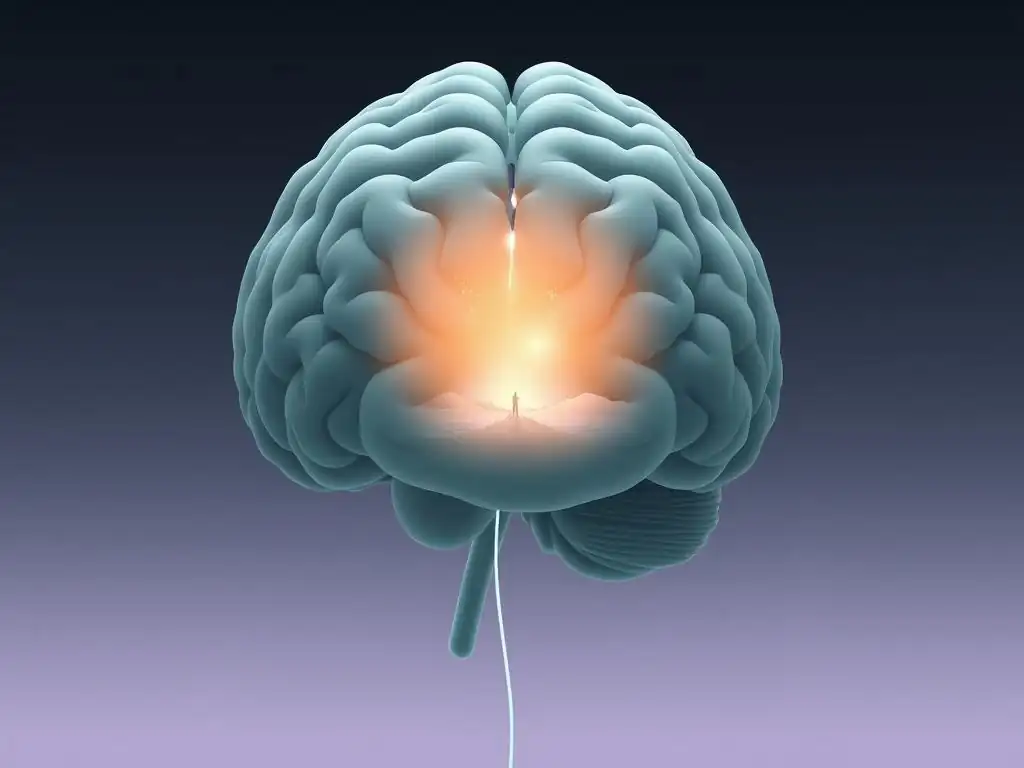
Functional magnetic resonance imaging (fMRI) is a powerful tool used to measure brain activity by detecting changes in blood flow. Numerous fMRI studies have investigated brain activity patterns in individuals with MDD while they perform cognitive tasks designed to probe executive functions, attention, and memory. These studies consistently reveal altered activity, particularly within the prefrontal cortex. For example, during working memory tasks, depressed patients often show reduced activation in the dorsolateral prefrontal cortex (DLPFC) compared to healthy controls, suggesting that this region, critical for holding and manipulating information, is not engaging as effectively.
Furthermore, fMRI studies have shown altered connectivity patterns between the PFC and other brain regions in MDD. The functional connections between the DLPFC and parietal cortex (involved in attention and spatial processing) or hippocampus (involved in memory) may be weakened. Conversely, connections between the ventromedial PFC (involved in emotional processing) and the amygdala (involved in fear and anxiety) might be strengthened. These altered activity and connectivity patterns provide concrete neuroscience evidence linking PFC dysfunction to the cognitive impairments and brain fog experienced in depression, guiding the development of targeted treatment.
EEG Studies: Examining Neural Oscillations and Cognitive Performance
Electroencephalography (EEG) measures electrical activity in the brain through electrodes placed on the scalp. It's particularly useful for examining neural oscillations, or brain waves, which reflect the synchronized activity of large populations of neurons. Different frequency bands of these oscillations (e.g., theta, alpha, gamma) are associated with different cognitive states and processes. EEG studies in MDD have identified alterations in neural oscillations, especially those originating from or involving the prefrontal cortex, during cognitive tasks.
For instance, studies have reported reduced frontal theta activity during working memory tasks in depressed individuals, which is often associated with impaired cognitive control and effortful processing. Alterations in alpha oscillations, related to attentional processing and inhibitory control, have also been observed. These findings suggest that the synchronized neural activity in the PFC, necessary for efficient cognitive processing, is disrupted in depression. EEG provides valuable insights into the temporal dynamics of brain activity underlying the brain fog symptoms, complementing fMRI findings and contributing to the neuroscience understanding of brain fog depression treatment.
Structural MRI: Assessing PFC Volume and Connectivity
Structural magnetic resonance imaging (structural MRI) provides detailed images of brain anatomy, allowing researchers to measure the volume and integrity of different brain regions and the white matter tracts that connect them. As mentioned earlier, structural MRI studies have frequently reported reduced gray matter volume in various subregions of the prefrontal cortex in individuals with MDD, including the DLPFC, VMPFC, and orbitofrontal cortex. While these volume differences can be subtle and vary across studies, they suggest potential underlying issues with neuronal density or size in these areas.
Beyond volume, diffusion tensor imaging (DTI), a type of structural MRI, can assess the integrity of white matter tracts, which are bundles of nerve fibers that connect different brain regions. DTI studies in MDD have shown altered white matter integrity in pathways connecting the PFC to other areas, such as the anterior cingulate cortex or subcortical structures.
These findings suggest that the communication networks involving the PFC may be compromised, further contributing to impaired cognitive function and brain fog. Structural MRI findings provide anatomical evidence supporting the neuroscience link between PFC abnormalities and brain fog in depression, informing potential treatment strategies.
Treatment Strategies Targeting Cognitive Dysfunction in MDD
Pharmacological Interventions: Antidepressants and Cognitive Enhancers
While traditional antidepressant medications primarily target mood symptoms by modulating neurotransmitters like serotonin and norepinephrine, their effects on cognitive dysfunction, or brain fog, can be variable. Some patients experience an improvement in cognitive function as their mood lifts, suggesting that mood and cognition are intertwined. However, for many, cognitive symptoms persist even in remission. This highlights the need for pharmacological approaches that specifically target the neurobiological mechanisms underlying cognitive deficits, particularly those related to PFC function.
Research is exploring the potential of novel pharmacological agents and existing medications with different mechanisms of action as cognitive enhancers in depression. For example, drugs that modulate glutamate or GABA systems, or agents that promote neurogenesis and synaptic plasticity, are being investigated. While no specific "cognitive enhancer" is widely prescribed solely for depression-related brain fog yet, understanding the neuroscience of PFC dysfunction is driving the search for medications that can directly improve attention, memory, and executive function, offering hope for more effective brain fog depression treatment.
Cognitive Remediation Therapy and Executive Function Training
Cognitive Remediation Therapy (CRT) is a behavioral intervention designed to improve cognitive skills through structured exercises and strategies. It is based on the principle of neuroplasticity, the brain's ability to change and adapt. CRT for depression-related cognitive dysfunction, including brain fog, often focuses on training core cognitive processes like attention, working memory, planning, and problem-solving – functions heavily reliant on the prefrontal cortex. Therapy sessions might involve computerized training tasks, group exercises, and strategies to apply learned skills to daily life.
Studies on CRT in MDD have shown promising results, with evidence suggesting improvements in specific cognitive domains, such as executive function and processing speed, which can translate into better functional outcomes. For example, a meta-analysis published in 2017 pooling data from multiple studies found a small to moderate effect size favoring CRT for improving global cognition in MDD patients. This non-pharmacological approach directly targets the cognitive deficits from a neuroscience perspective, aiming to strengthen the underlying neural circuits, particularly in the PFC, providing a valuable component of brain fog depression treatment.
Lifestyle Modifications: Exercise, Nutrition, and Sleep Optimization
Lifestyle factors have a significant impact on brain health and cognitive function, and optimizing these can be a crucial part of managing brain fog in depression. Regular physical exercise, for instance, has been shown to improve mood and cognitive function in MDD. Aerobic exercise, in particular, increases blood flow to the brain, including the PFC, promotes the release of neurotrophic factors like BDNF, and can reduce neuroinflammation – all mechanisms that support PFC health and synaptic plasticity according to neuroscience research. Guidelines often recommend around 150 minutes of moderate-intensity exercise per week.
Nutrition also plays a role; diets rich in omega-3 fatty acids, antioxidants, and vitamins are associated with better cognitive function. Conversely, diets high in saturated fats and refined sugars can negatively impact brain health. Ensuring adequate, quality sleep (typically 7-9 hours per night for adults) is equally vital, as sleep deprivation impairs PFC function, attention, and memory. Implementing structured routines for exercise, healthy eating, and sleep hygiene can provide a foundational level of support for improving cognitive function and complementing other brain fog depression neuroscience treatment strategies.
Neuromodulation Techniques: TMS and tDCS for PFC Activation
Neuromodulation techniques involve using electrical or magnetic stimulation to alter brain activity. Transcranial Magnetic Stimulation (TMS) and transcranial Direct Current Stimulation (tDCS) are two non-invasive methods being explored for their potential to improve cognitive function in MDD by targeting the prefrontal cortex. TMS uses magnetic pulses to stimulate specific brain areas, most commonly the left dorsolateral prefrontal cortex (DLPFC), which is often underactive in depression and plays a key role in executive function. While primarily used for mood symptoms, studies are investigating its effects on cognition.
tDCS uses a low-level electrical current delivered through electrodes placed on the scalp to either excite or inhibit neuronal activity in targeted areas, such as the DLPFC. Research suggests that stimulating the DLPFC with tDCS can enhance cognitive performance in healthy individuals and may offer benefits for cognitive deficits in MDD. These neuromodulation techniques offer direct ways, grounded in neuroscience, to potentially restore more typical activity patterns in the PFC, providing innovative avenues for brain fog depression treatment. While still evolving, they represent promising interventions.
Future Directions in Cognitive Dysfunction Research
Identifying Biomarkers for Cognitive Impairment in MDD
A significant challenge in addressing cognitive dysfunction in MDD is the lack of objective measures or biomarkers that can reliably identify which individuals are most affected or predict their response to specific cognitive interventions. Future research aims to identify biological markers that correlate with or predict the severity of brain fog symptoms. These could include specific patterns in neuroimaging data (e.g., particular functional connectivity profiles in the PFC), levels of certain proteins or metabolites in blood or cerebrospinal fluid (e.g., inflammatory markers, neurotrophic factors), or genetic variations.
Identifying such biomarkers would revolutionize the approach to brain fog depression neuroscience treatment. It could allow for earlier identification of individuals at risk for persistent cognitive deficits, enable personalized treatment selection based on an individual's specific neurobiological profile, and provide objective measures to track treatment progress beyond subjective self-report. This would move the field towards a more precise and effective approach to managing this debilitating aspect of depression.
Personalized Treatment Approaches Based on Neurocognitive Profiles
Given the heterogeneity of MDD and its associated cognitive dysfunction, a "one-size-fits-all" approach to brain fog depression treatment is often insufficient. Future directions in research are focused on developing personalized treatment strategies based on an individual's unique neurocognitive profile. This involves using neuroscience tools, such as detailed cognitive assessments and neuroimaging, to understand the specific pattern of cognitive strengths and weaknesses, and the underlying brain circuitry involved (particularly within the PFC).
For instance, someone whose primary deficit is in working memory with specific DLPFC hypoactivity might benefit more from interventions targeting that region or function, such as certain types of cognitive remediation or neuromodulation, compared to someone with deficits in processing speed linked to different neural circuit issues. Tailoring interventions – whether pharmacological, behavioral (like CRT), or neuromodulation – to the individual's specific neurocognitive signature holds the promise of significantly improving outcomes for brain fog symptoms in depression.
Developing Targeted Therapies to Enhance PFC Function and Cognitive Performance
Building on the understanding of the neuroscience of PFC dysfunction in MDD, a key future direction is the development of therapies specifically designed to enhance the function and connectivity of this critical brain region. This includes the development of novel pharmacological agents that selectively target neurotransmitter systems or molecular pathways critical for PFC function and synaptic plasticity (e.g., drugs affecting glutamate receptors or BDNF signaling).
It also involves refining and optimizing non-pharmacological interventions. For example, research is ongoing to determine the optimal parameters for TMS and tDCS to maximize their cognitive benefits in MDD, perhaps combining them with cognitive training. Furthermore, digital therapeutics and virtual reality platforms are being developed to provide engaging and personalized cognitive training exercises that specifically target PFC-dependent functions. These targeted therapies, grounded in a deep understanding of the neuroscience of brain fog in depression, aim to provide more effective and lasting treatment for cognitive impairment.
Case Study: Cognitive Remediation in a Patient with MDD

Consider Sarah, a 45-year-old graphic designer diagnosed with MDD who reported significant brain fog, including difficulty concentrating, completing tasks, and managing her workload. She felt overwhelmed by projects that previously came easily, often missing details and deadlines. Standard antidepressant treatment had improved her mood somewhat, but the cognitive symptoms persisted, impacting her ability to work and maintain her independence. Her cognitive assessment showed deficits primarily in executive functions, such as planning, organization, and working memory, consistent with PFC dysfunction often seen in the neuroscience of brain fog in depression.
Sarah was enrolled in a cognitive remediation therapy (CRT) program tailored to her specific deficits. The program involved weekly sessions focusing on strategies for improving organization, using external aids for memory, and practicing sustained attention through computerized and paper-and-pencil exercises. Over 12 weeks, Sarah practiced using planners, breaking down large tasks, and engaging in tasks designed to boost her working memory capacity, targeting the cognitive processes reliant on her prefrontal cortex.
By the end of the program, Sarah reported a noticeable reduction in her subjective experience of brain fog. Objective cognitive testing showed significant improvements in measures of working memory, planning, and processing speed. She felt more confident in her ability to manage her work responsibilities, was less overwhelmed by daily tasks, and felt a greater sense of control. While her depression required ongoing management, the targeted treatment for her cognitive dysfunction significantly improved her quality of life and functional capacity, demonstrating the practical impact of applying neuroscience principles to brain fog depression treatment.
Expert Opinion: Interview with a Neuropsychologist on Cognitive Dysfunction and MDD
"One of the most overlooked and debilitating symptoms of major depressive disorder is cognitive dysfunction, or what many patients describe simply as 'brain fog'," states Dr. Emily Carter, a clinical neuropsychologist specializing in mood disorders. "Patients often come to me after their mood has somewhat stabilized with medication, but they're still struggling profoundly with concentration, memory, and executive tasks. They feel like their brain isn't working properly, and this is often directly attributable to the neurobiological changes associated with depression, particularly in the prefrontal cortex."
Dr. Carter emphasizes the neuroscience perspective: "We know from decades of research that the PFC is heavily involved in executive functions like planning, decision-making, and working memory. In depression, we see consistent evidence of structural and functional changes in the PFC – reduced activity during cognitive tasks, altered connectivity, and even subtle volume changes. This isn't just a symptom of being sad; it's a direct impairment of the neural machinery responsible for these critical cognitive skills. Addressing this brain fog requires understanding its neuroscience basis to guide treatment." She advocates for comprehensive assessment: "A thorough neuropsychological evaluation is crucial to pinpoint the specific areas of cognitive difficulty.
Is it primarily attention? Working memory? Processing speed? The pattern of deficits can inform the most effective treatment approach."
Regarding brain fog depression treatment, Dr. Carter notes, "While antidepressants can help some cognitive symptoms as mood improves, they often don't fully resolve the issues. This is where targeted interventions become vital. Cognitive remediation therapy is a frontline strategy, helping patients rebuild cognitive skills and learn compensatory strategies. Lifestyle changes – exercise, sleep, nutrition – are foundational.
And for some, neuromodulation techniques like TMS, while primarily for mood, are showing promise for cognitive benefits by stimulating key PFC areas. The future of brain fog depression neuroscience treatment lies in combining these approaches and personalizing them based on the individual patient's profile." She concludes with an empathetic note: "It's essential for patients to know that this 'brain fog' is real, it's a valid symptom of their illness, and there are evidence-based strategies informed by neuroscience that can help improve it."
Resources for Managing Cognitive Dysfunction and Depression
Managing brain fog associated with depression requires a multi-faceted approach, often combining medical treatment with behavioral strategies and lifestyle adjustments. Understanding the neuroscience behind these difficulties can empower individuals to seek appropriate help and implement effective strategies. Here are some types of resources that can be beneficial:
- Mental Health Professionals:
- Psychiatrists: For diagnosis, medication management (including discussing potential cognitive effects of antidepressants or novel agents).
- Psychologists/Neuropsychologists: For cognitive assessment, diagnosis of specific cognitive deficits, and delivery of cognitive remediation therapy (CRT).
- Therapists (LCSWs, LMFTs): For mood management, coping strategies, and support in implementing lifestyle changes.
- Cognitive Remediation Programs:
- In-person or group CRT programs offered by hospitals, clinics, or rehabilitation centers.
- Computerized cognitive training programs (often used as part of a structured therapy or sometimes available commercially, though efficacy varies).
- Educational Resources:
- Books and websites explaining depression, cognitive dysfunction, and the basics of brain health from a neuroscience perspective.
- Workbooks or guides on improving organizational skills, time management, and memory strategies.
- Support Groups:
- Groups for individuals with depression, where sharing experiences with brain fog and coping strategies can provide validation and practical tips.
- Lifestyle Support:
- Nutritionists/Dietitians: Guidance on brain-healthy eating.
- Sleep Specialists: Help in addressing sleep disturbances that exacerbate cognitive issues.
- Fitness Professionals: Assistance in developing a regular exercise routine.
Remember that addressing brain fog in depression is an ongoing process. Be patient with yourself, celebrate small victories, and work closely with your healthcare team to find the most effective treatment strategies tailored to your needs, informed by the latest neuroscience understanding.
Frequently Asked Questions
Brain fog is a cognitive impairment characterized by difficulty concentrating, memory problems, and mental fatigue. The article explains that it's a common symptom of depression, linked to changes in the prefrontal cortex (PFC).
How does the article explain the neuroscience behind brain fog in depression?
The article points to the PFC's dysfunction as a primary cause. It suggests that disruptions in neurotransmitter activity and neural pathways within the PFC contribute to the cognitive deficits experienced as brain fog.
What role does the prefrontal cortex (PFC) play in brain fog associated with depression?
The PFC is crucial for executive functions, such as planning, decision-making, and attention. When the PFC is affected by depression, these functions become impaired, leading to the symptoms of brain fog.
While the article primarily focuses on the neuroscience, it implies that treatments targeting PFC function and neurotransmitter balance could alleviate brain fog. This might include medication, therapy, or brain stimulation techniques.
Is brain fog a symptom unique to depression, or can it occur in other conditions?
While the article focuses on depression, brain fog is not exclusive to depression. It can also be a symptom of other conditions, such as anxiety, chronic fatigue syndrome, and long COVID, highlighting the need for careful diagnosis.
Final Reflection: Unfogging the Mind: Towards a Brighter Future for Depression
The debilitating effects of brain fog in depression are not merely a symptom; they are a crucial piece of the puzzle in understanding and treating this complex illness. The intricate interplay between prefrontal cortex dysfunction, neurotransmitter imbalances, and the resulting cognitive impairments highlighted in this article represent a significant step forward in our comprehension of depression's neurological underpinnings. This understanding is not just academic; it's directly relevant to the millions struggling daily with the frustrating and isolating experience of cognitive dysfunction alongside their depression.
The ongoing research into the neuroscience of brain fog in depression is profoundly impactful, shifting the conversation from simply managing symptoms to targeting the underlying neurological mechanisms. This shift offers hope for more effective and targeted treatments. As we continue to unravel the complexities of this relationship, I am reminded of the words of Viktor Frankl: >“Between stimulus and response there is a space.
In that space is our power to choose our response. In our response lies our growth and our freedom.” This quote speaks to the agency we can reclaim through understanding the biological processes at play, empowering us to actively participate in our own healing journey.
Consider the implications of this research for your own life, and the lives of those you know who struggle with depression. Take a moment to reflect on the ways in which brain fog might be impacting your cognitive function, your emotional well-being, and your overall quality of life. Seek out resources, connect with healthcare professionals, and advocate for research that continues to illuminate the pathways to effective treatment and recovery. The journey to a clearer mind is possible, and the neuroscience is paving the way.
Unlock Your Brain's Potential: Clear the Fog and Find Focus
Thanks for taking the time to explore the fascinating connection between depression and brain fog! We hope you gained valuable insights into the role of the prefrontal cortex. Now, it's time to put that knowledge into action.
- Prioritize your prefrontal cortex: Start incorporating mindfulness techniques like meditation or deep breathing exercises into your daily routine – even just 5 minutes can make a difference. This directly addresses the PFC function discussed in the article.
- Share your experience: Have you found strategies to combat brain fog? Let's build a supportive community by sharing your experiences and tips in the comments below.
- Explore further resources: Search “PFC exercises” online to discover more targeted brain training techniques. You might be surprised by what you find!
What small step will you take today to improve your focus and clarity?