
Rethinking Mental Wellness: Why Gut Health Should Be Part of Your Plan


Welcome to Mind Care Guide, your sanctuary for navigating the complexities of mental well-being.
Feeling disconnected between your mind and body? You're not alone. We're diving deep into the fascinating connection between your gut and your mental state. Discover how gut health can be a surprising, yet crucial, piece of your mental wellness puzzle. Ready to explore the neuroscience behind this powerful link and unlock a new approach to feeling your best? Let's begin!
Rethinking Mental Wellness: Why Gut Health Should Be Part of Your Plan
- Rethinking Mental Wellness: The Gut-Brain Connection
- Understanding the Gut-Brain Axis: A Bidirectional Communication System
- The Gut Microbiome: Its Role in Mental and Emotional Health
- Mental Health Disorders and the Gut Microbiome: Current Research
- Strategies to Improve Gut Health for Mental Well-being
- The Future of Mental Health: Targeting the Gut-Brain Axis
- Conclusion: Prioritizing Gut Health for Improved Mental Well-being
-
Frequently Asked Questions
- How is gut health connected to mental well-being?
- What specific gut issues might affect my mental health?
- What foods can I eat to improve my gut health and potentially boost mental wellness?
- Can supplements help improve the gut-brain connection?
- How long does it take to see improvements in mental wellness after improving gut health?
- Final Reflection: The Mind-Gut Connection: A Path to Holistic Wellness
- Unlock Your Mind's Potential: Nurture Your Gut, Nurture Your Well-being
Rethinking Mental Wellness: The Gut-Brain Connection
Introduction: Exploring the Link Between Gut Microbiota and Mental Well-being
For decades, discussions around mental wellness primarily focused on the brain, neurotransmitters, and psychological factors. However, emerging research is shifting this perspective dramatically, highlighting a profound and intricate connection between our digestive system and our mental state. This connection, often referred to as the gut-brain axis, suggests that the trillions of microorganisms residing in our gut, collectively known as the gut microbiota, play a significant role in regulating mood, behavior, and even cognitive function. Understanding this link is crucial for developing more holistic and effective strategies for achieving optimal gut health mental wellness.
The composition and diversity of the gut microbiota are influenced by various factors, including diet, lifestyle, antibiotic use, and stress. Imbalances in this microbial ecosystem, known as dysbiosis, have been increasingly associated with a range of health issues, including inflammatory bowel disease, obesity, and surprisingly, mental health conditions like anxiety and depression.
By exploring the mechanisms through which the gut communicates with the brain, we can uncover new avenues for supporting mental well-being. This involves considering not just psychological interventions or traditional medical treatments, but also nutritional and lifestyle changes aimed at fostering a healthy gut environment to improve gut health mental wellness.
Understanding the Gut-Brain Axis: A Bidirectional Communication System
What is the Gut-Brain Axis and How Does it Function?
The gut-brain axis represents a complex, bidirectional communication network that links the central nervous system (brain and spinal cord) with the enteric nervous system (ENS), often called the "second brain," located within the walls of the gastrointestinal tract. This axis allows for constant dialogue between the gut and the brain, influencing not only digestive processes but also mood, emotions, and behavior. The communication occurs through multiple pathways, including neural, endocrine (hormonal), and immunological signals, as well as through the metabolites produced by gut microbes.
This intricate system operates in both directions. The brain can influence gut function, affecting motility, secretion, and blood flow, which is evident when stress triggers digestive upset. Conversely, the gut can send signals to the brain, impacting mood, stress response, and cognitive processes. For instance, the gut produces a significant portion of the body's serotonin, a neurotransmitter widely associated with mood regulation. Maintaining a healthy balance within this axis is fundamental for overall health and is especially relevant when considering strategies for gut health mental wellness.
The Vagus Nerve: A Primary Pathway in Gut-Brain Communication
One of the most significant neural pathways facilitating communication along the gut-brain axis is the vagus nerve. This cranial nerve is the longest in the autonomic nervous system, extending from the brainstem down to the abdomen, innervating various organs including the gut. It acts like a major highway, transmitting signals directly between the brain and the gut. Approximately 80-90% of the nerve fibers in the vagus nerve are afferent, meaning they carry information from the gut to the brain.
The vagus nerve can sense changes in the gut environment, such as the presence of nutrients, inflammation, or the activity of gut microbes. For example, certain beneficial bacteria can produce metabolites like short-chain fatty acids (SCFAs), which can activate vagal pathways, sending positive signals to the brain that may influence mood and reduce stress.
Conversely, signals from an inflamed or distressed gut can also travel via the vagus nerve to the brain, potentially contributing to feelings of anxiety or low mood. Strengthening vagal tone through practices like deep breathing or meditation is sometimes explored as a way to positively influence this communication pathway and support gut health mental wellness.
Neurotransmitters, Hormones, and Microbial Metabolites: Key Communicators
Beyond the neural pathways like the vagus nerve, the gut and brain communicate extensively through chemical messengers. The gut, particularly the enterochromaffin cells in its lining, produces a large percentage of the body's neurotransmitters, including serotonin (estimated at over 90%) and dopamine. These substances, traditionally associated with brain function and mood, can act locally in the gut or signal to the brain via various routes, including the bloodstream and the vagus nerve.
Furthermore, gut microbes themselves are prolific producers of various compounds, including short-chain fatty acids (SCFAs) like butyrate, propionate, and acetate, which are produced when bacteria ferment dietary fiber. These SCFAs can cross the blood-brain barrier or influence the brain indirectly, impacting inflammation, neurotransmitter production, and even neurogenesis.
Other microbial metabolites, such as gamma-aminobutyric acid (GABA) and certain vitamins (like B vitamins and vitamin K), also play roles in brain function. The intricate interplay between these microbial products, host hormones (like cortisol, the stress hormone), and neurotransmitters underscores the complexity of the gut-brain axis and its central role in gut health mental wellness.
The Gut Microbiome: Its Role in Mental and Emotional Health
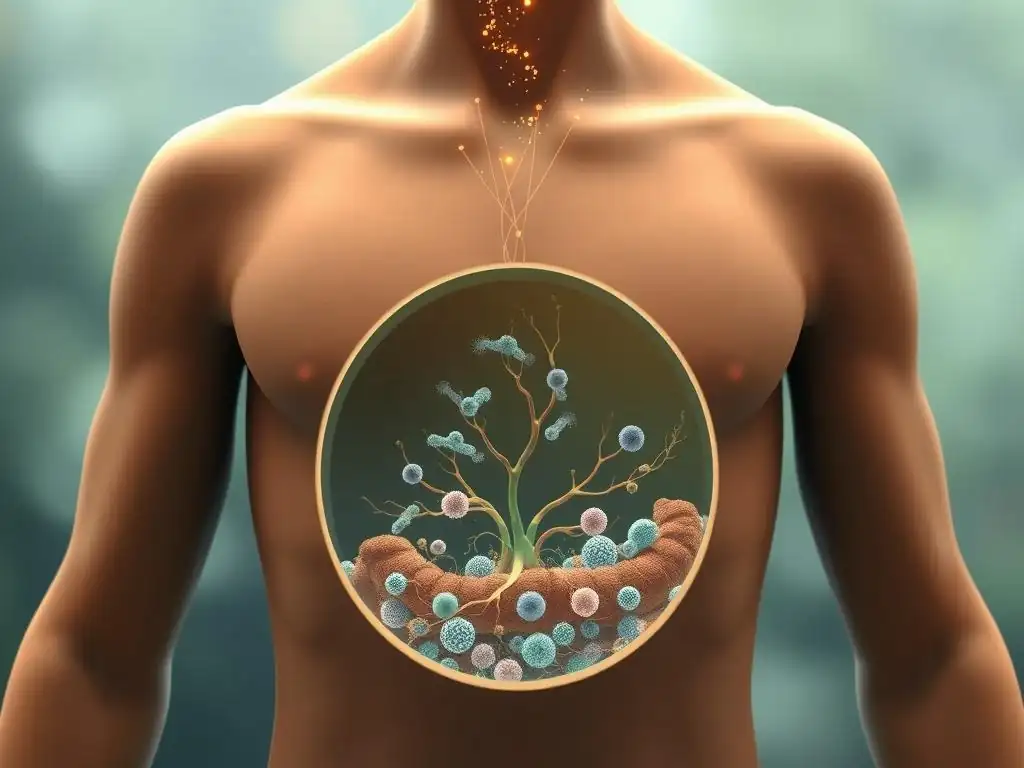
Defining the Gut Microbiome: Composition and Diversity
The gut microbiome refers to the vast and diverse community of microorganisms, including bacteria, archaea, fungi, and viruses, that inhabit the gastrointestinal tract. The majority reside in the large intestine. This ecosystem is incredibly complex, with estimates suggesting that a healthy adult gut can harbor hundreds to thousands of different species, totaling trillions of individual microbial cells. For perspective, the number of microbial cells in our gut is roughly equivalent to or even surpasses the number of human cells in the body.
The composition of the gut microbiome is highly individual and dynamic, influenced by genetics, age, geography, and crucially, diet and lifestyle. A diverse microbiome, characterized by a wide variety of microbial species and a balanced ratio of beneficial to potentially harmful bacteria, is generally associated with better health outcomes.
Conversely, a reduction in diversity or an imbalance (dysbiosis) has been linked to various health issues. Understanding the specific roles of different microbial groups is an ongoing area of research, but it's clear that this internal ecosystem is far from a passive passenger; it's an active participant in many bodily functions, including those related to gut health mental wellness.
The Gut Microbiome's Influence on Mood, Cognition, and Behavior
The gut microbiome exerts its influence on the brain and mental state through various mechanisms. As mentioned, microbes produce neuroactive compounds like SCFAs, which can impact brain function, inflammation, and neurotransmitter levels. They also interact with the immune system, influencing systemic inflammation, which is increasingly recognized as a factor in various mental health conditions. Studies have shown that gut microbes can influence the production and availability of neurotransmitters like serotonin, dopamine, and GABA, all critical for mood regulation.
Furthermore, the gut microbiome plays a role in modulating the body's stress response system, the hypothalamic-pituitary-adrenal (HPA) axis. A balanced microbiome can help regulate cortisol levels, while dysbiosis may contribute to HPA axis dysfunction and increased stress reactivity.
Research using germ-free animals (born without a microbiome) has demonstrated profound differences in brain development, stress response, and behavior compared to conventionally raised animals, highlighting the fundamental role of the microbiome. While translating these findings directly to humans is complex, observational and interventional studies suggest that the state of our gut microbes significantly impacts our mood, cognitive abilities, and overall gut health mental wellness.
Gut Dysbiosis: Implications for Mental Health Disorders
Gut dysbiosis, an imbalance in the composition and function of the gut microbiome, has been implicated in the development and exacerbation of several mental health disorders. This imbalance might involve a decrease in beneficial bacteria, an increase in potentially harmful microbes, or a reduction in overall diversity. When the gut barrier function is compromised, a condition sometimes referred to as "leaky gut," microbial products and inflammatory molecules can enter the bloodstream and potentially affect the brain, contributing to neuroinflammation.
Studies have found different microbial profiles in individuals with conditions like depression, anxiety, bipolar disorder, and even schizophrenia compared to healthy controls. For example, some research indicates that individuals with major depressive disorder may have lower levels of certain beneficial bacteria like Faecalibacterium and Coprococcus. While these associations don't prove causation, they suggest that the altered gut environment could be contributing to the symptoms or severity of these conditions. Addressing dysbiosis through targeted interventions aimed at restoring microbial balance is a promising area for improving gut health mental wellness.
Mental Health Disorders and the Gut Microbiome: Current Research
Anxiety Disorders and the Gut Microbiome: Research Findings
Research into the connection between the gut microbiome and anxiety disorders is a rapidly expanding field. Studies have shown that individuals with anxiety often exhibit different gut microbial compositions compared to those without anxiety. For instance, certain studies have found altered levels of bacteria producing GABA, a neurotransmitter with inhibitory effects known to reduce anxiety. Conversely, an increase in pro-inflammatory bacteria or a decrease in beneficial species that produce SCFAs (like butyrate) has been linked to heightened anxiety symptoms.
Animal studies provide compelling evidence, showing that transferring the gut microbiota from anxious mice to germ-free mice can induce anxious behaviors in the recipients. In humans, some small clinical trials using specific probiotics (often referred to as psychobiotics) have shown potential in reducing anxiety symptoms, although results are mixed and require further large-scale validation.
For example, a meta-analysis published around 2019 pooling data from several studies found that probiotic supplementation could have a modest beneficial effect on anxiety symptoms, particularly in certain populations. This growing body of evidence underscores the potential of targeting the gut microbiome as part of a comprehensive approach to managing anxiety and promoting gut health mental wellness.
Major Depressive Disorder and the Gut Microbiome: Exploring the Link
The link between the gut microbiome and major depressive disorder (MDD) is one of the most actively researched areas in the gut-brain axis field. Numerous studies have identified distinct microbial signatures in individuals with depression. For example, some research consistently reports lower levels of Faecalibacterium prausnitzii and species from the Coprococcus genus in depressed individuals compared to healthy controls. These bacteria are known producers of butyrate, an SCFA beneficial for gut barrier integrity and anti-inflammatory effects.
Mechanistically, gut dysbiosis may contribute to depression through increased inflammation, altered neurotransmitter metabolism, and disruption of the HPA axis. Clinical studies exploring the impact of dietary changes, prebiotics, and probiotics on depressive symptoms have yielded promising but varied results. A randomized controlled trial published in 2017, for instance, showed that dietary intervention focused on improving gut health significantly reduced depressive symptoms in participants compared to a control group. While not a standalone cure, these findings support the idea that modulating the gut microbiome can be a valuable adjunct strategy for managing depression and improving gut health mental wellness.
Irritable Bowel Syndrome (IBS) and Mental Health: The Gut-Brain Connection
Irritable Bowel Syndrome (IBS) is a classic example of a disorder strongly linked to the gut-brain axis. It is characterized by chronic abdominal pain, bloating, and altered bowel habits, and is highly comorbid with mental health conditions, particularly anxiety and depression. Studies show that between 50% and 90% of individuals with IBS also experience significant psychological distress, and vice versa. The bidirectional nature of the gut-brain axis is clearly evident here: stress can exacerbate IBS symptoms, and chronic gut discomfort can significantly impact mood and quality of life.
Research indicates that individuals with IBS often have altered gut microbiota profiles compared to healthy individuals. These alterations can lead to increased gut sensitivity, impaired gut barrier function, and low-grade inflammation, all of which can send signals to the brain that influence mood and pain perception.
For example, certain bacterial species, like Ruminococcus torques and Dorea species, have been found in higher abundance in some IBS subtypes. Treatments for IBS that target the gut, such as specific dietary changes, probiotics, or antibiotics, can sometimes also lead to improvements in associated psychological symptoms, further highlighting the importance of the gut-brain connection in managing both conditions and supporting overall gut health mental wellness.
Strategies to Improve Gut Health for Mental Well-being
Dietary Interventions for a Healthy Gut and Mind
Diet is arguably the most powerful modulator of the gut microbiome. What we eat directly feeds our gut microbes, influencing their composition, diversity, and the metabolites they produce. A diet rich in diverse plant fibers, fermented foods, and healthy fats, while being low in processed foods, refined sugars, and excessive saturated fat, is generally considered beneficial for gut health. Specific dietary strategies can target different aspects of the gut microbiome to support mental well-being.
Focusing on nutrient-dense foods provides the necessary building blocks for both a healthy gut and a healthy brain. For instance, foods rich in omega-3 fatty acids (like fatty fish) have anti-inflammatory properties that can benefit both the gut and the brain. Similarly, consuming a wide variety of fruits, vegetables, legumes, and whole grains ensures a diverse intake of fibers and polyphenols, which are essential for feeding a diverse microbial community. Implementing mindful eating practices can also reduce stress, which in turn positively impacts the gut-brain axis and contributes to gut health mental wellness.
Probiotic-Rich Foods: Sources and Benefits
Probiotic-rich foods contain live beneficial bacteria that, when consumed in adequate amounts, can confer health benefits to the host. Including these foods in your diet is a natural way to introduce beneficial microbes into your gut ecosystem. Examples include:
- Yogurt (look for "live and active cultures")
- Kefir (a fermented dairy drink)
- Sauerkraut (fermented cabbage)
- Kimchi (fermented vegetables)
- Tempeh (fermented soybeans)
- Miso (fermented soybean paste)
- Kombucha (fermented tea)
Consuming a variety of these foods can help increase the diversity of your gut microbes and potentially support the growth of beneficial species. For example, studies on fermented foods suggest they can increase gut microbial diversity and may have positive effects on inflammation markers and mood. Regular consumption is key to maintaining a healthy gut community and supporting gut health mental wellness.
Prebiotics: Fueling Beneficial Gut Bacteria
Prebiotics are non-digestible fibers that selectively stimulate the growth and activity of beneficial bacteria in the gut. Think of them as food for your good microbes. Including prebiotic-rich foods in your diet is just as important as consuming probiotics, as they help the beneficial bacteria already present or introduced via probiotics to thrive. Common sources of prebiotics include:
- Garlic
- Onions
- Leeks
- Asparagus
- Bananas (especially slightly green ones)
- Oats
- Apples
- Flaxseeds
- Chicory root
When gut bacteria ferment prebiotics, they produce beneficial compounds like short-chain fatty acids (SCFAs), such as butyrate. Butyrate is a primary energy source for the cells lining the colon and has significant anti-inflammatory properties. Ensuring adequate prebiotic intake through a varied diet is fundamental for fostering a healthy and functional gut microbiome, which in turn supports gut health mental wellness.
Limiting Inflammatory Foods: Impact on Gut and Mental Health
Certain foods can promote inflammation in the gut and throughout the body, potentially negatively impacting both gut health and mental well-being. Diets high in processed foods, refined sugars, unhealthy fats (like trans fats and excessive saturated fats), and excessive red meat have been associated with increased gut permeability (leaky gut) and altered microbial composition, often favoring pro-inflammatory species.
Chronic low-grade inflammation originating in the gut can contribute to neuroinflammation, which is increasingly linked to mental health conditions like depression and anxiety. By limiting or avoiding these inflammatory foods, you can help reduce gut irritation, support the integrity of the gut barrier, and create a more favorable environment for beneficial bacteria. Replacing these with whole, unprocessed foods, abundant in fiber and antioxidants, is a crucial step towards reducing inflammation and improving gut health mental wellness.
Fiber Intake: Supporting Gut Health and Mental Clarity
Dietary fiber is a cornerstone of gut health. Humans cannot digest fiber, but our gut microbes can. As mentioned, the fermentation of fiber by beneficial bacteria produces SCFAs, which nourish the gut lining, reduce inflammation, and have systemic effects, including influencing brain function. A diet high in diverse types of fiber from various plant sources provides the necessary substrate for a rich and diverse microbial community.
The recommended daily intake of fiber is typically around 25-30 grams for adults, but many people consume significantly less. Increasing fiber intake gradually through foods like whole grains, legumes, nuts, seeds, fruits, and vegetables can significantly improve gut microbial diversity and function. This improved gut environment can lead to better SCFA production, reduced inflammation, and potentially positive effects on mood and cognitive function, directly supporting gut health mental wellness.
Lifestyle Factors: Stress Reduction and Sleep Hygiene
Beyond diet, lifestyle factors significantly impact the gut-brain axis. Chronic stress, for instance, can profoundly alter gut motility, increase gut permeability, and shift the composition of the gut microbiome towards less beneficial species. Similarly, sleep disturbances have been shown to negatively affect gut microbial diversity and function. Addressing these lifestyle factors is therefore crucial for supporting both gut health and mental well-being.
Integrating stress management techniques and prioritizing good sleep hygiene can create a more favorable environment for the gut microbiome and dampen the negative feedback loops between the stressed brain and the distressed gut. This holistic approach acknowledges that mental wellness is not solely a function of the brain but is deeply intertwined with the physiological state of the body, including the gut. Focusing on these areas complements dietary interventions for comprehensive gut health mental wellness.
Stress Management Techniques: Impact on Gut Microbiota
Stress has a direct and rapid impact on the gut. Acute stress can slow digestion, while chronic stress can lead to increased gut permeability and inflammation. Studies in both animals and humans show that stress can significantly alter the composition and diversity of the gut microbiome, often leading to a decrease in beneficial bacteria and an increase in potentially pathogenic ones. This stress-induced dysbiosis can further exacerbate stress and anxiety through the gut-brain axis, creating a vicious cycle.
Implementing stress management techniques can help mitigate these negative effects. Practices such as mindfulness meditation, deep breathing exercises, yoga, spending time in nature, and engaging in regular physical activity have been shown to reduce stress levels. By calming the nervous system, these activities can positively influence gut motility, reduce inflammation, and potentially help maintain a healthier microbial balance. Prioritizing stress reduction is therefore an essential, non-dietary strategy for supporting gut health mental wellness.
Sleep's Role in Gut-Brain Communication and Mental Health
Sleep is vital for overall health, and disruptions in sleep patterns have been linked to alterations in the gut microbiome. Studies have shown that sleep deprivation can lead to changes in gut microbial composition and reduced diversity. Furthermore, the gut microbiome itself appears to play a role in regulating sleep-wake cycles, potentially through the production of neurotransmitters and other signaling molecules that affect the brain's sleep centers. This suggests a bidirectional relationship where sleep affects the gut, and the gut affects sleep.
Poor sleep is also a known risk factor for and symptom of many mental health conditions, including anxiety and depression. By disrupting the gut-brain axis, poor sleep may contribute to or worsen psychological symptoms. Prioritizing sleep hygiene – aiming for 7-9 hours of quality sleep per night, maintaining a consistent sleep schedule, and creating a conducive sleep environment – can help support a healthier gut microbiome and improve the communication along the gut-brain axis. This, in turn, can have positive effects on mood, stress resilience, and overall gut health mental wellness.
Probiotic Supplementation: Considerations and Consultation
While obtaining probiotics through food is beneficial, probiotic supplements offer a concentrated dose of specific strains of beneficial bacteria. The potential benefits of probiotic supplements for mental health are an area of active research, with some studies showing positive effects on mood, anxiety, and stress levels, particularly with specific strains like Lactobacillus helveticus and Bifidobacterium longum. However, it's important to note that the effects are strain-specific, and not all probiotics are created equal or will have the same impact.
Choosing the right probiotic supplement can be complex, as different strains target different health concerns. The efficacy of a supplement depends on the specific strains included, the dose (measured in Colony Forming Units or CFUs), and the individual's unique gut microbiome.
Before starting probiotic supplementation, especially for mental health purposes, it is highly recommended to consult with a healthcare professional, such as a doctor, registered dietitian, or a gut health specialist. They can help determine if a probiotic is appropriate for your specific needs and recommend a suitable product, ensuring a safe and potentially effective approach to supporting gut health mental wellness.
The Future of Mental Health: Targeting the Gut-Brain Axis
Novel Therapies: Microbiome-Based Interventions
The growing understanding of the gut-brain axis is paving the way for novel, microbiome-based therapies for mental health conditions. These interventions go beyond traditional psychopharmacology and psychotherapy, focusing directly on modulating the gut microbiome to influence brain function and behavior. One promising area is the use of "psychobiotics," which are probiotics or prebiotics that, when consumed in adequate amounts, produce a positive effect on mental health. Research is ongoing to identify the most effective strains and dosages for specific conditions.
Fecal microbiota transplantation (FMT), a procedure involving transferring fecal matter from a healthy donor to a recipient, has shown remarkable success in treating Clostridioides difficile infection. While still experimental for mental health, some preliminary studies and case reports suggest potential benefits in conditions like depression and bipolar disorder, though this approach is highly complex and requires rigorous clinical trials. Other experimental therapies include using postbiotics (beneficial compounds produced by bacteria) or targeting specific microbial enzymes. These novel approaches highlight the exciting potential of leveraging the gut microbiome for future advancements in gut health mental wellness treatment.
Personalized Nutrition: Tailoring Dietary Strategies for Mental Wellness
Recognizing that each individual's gut microbiome is unique is leading towards the concept of personalized nutrition for mental wellness. Instead of generic dietary advice, future approaches may involve analyzing an individual's specific gut microbial composition and function to recommend tailored dietary interventions. This could involve identifying microbial deficiencies or excesses and suggesting specific prebiotic fibers or probiotic strains most likely to benefit that person's unique ecosystem.
For example, if an individual's microbiome analysis reveals low levels of butyrate-producing bacteria, a personalized nutrition plan might emphasize foods rich in specific types of resistant starch or other fibers that specifically feed those bacteria. While still in its early stages, research is exploring how 'omics' technologies (like metagenomics and metabolomics) can be used to create highly individualized dietary recommendations. This personalized approach holds the potential for more effective interventions to improve gut health mental wellness by addressing the specific needs of an individual's gut ecosystem.
Holistic Approaches to Mental Health: Integrating Gut Health Interventions
The mounting evidence for the gut-brain connection reinforces the importance of adopting a holistic approach to mental health care. Traditionally, mental health treatment has focused primarily on the brain and psychological factors. However, integrating strategies aimed at improving gut health alongside conventional therapies could lead to more comprehensive and effective outcomes. This involves collaboration between gastroenterologists, psychiatrists, psychologists, registered dietitians, and other healthcare professionals.
A holistic plan for mental wellness might include not only therapy and medication (if needed) but also dietary counseling focused on gut-friendly foods, recommendations for stress management techniques known to benefit the gut, advice on optimizing sleep, and potentially targeted probiotic or prebiotic supplementation based on individual needs. This integrated perspective acknowledges that mental and physical health are inextricably linked and that addressing the health of the gut is a vital component of achieving true gut health mental wellness.
Conclusion: Prioritizing Gut Health for Improved Mental Well-being
Summary: The Gut-Brain Connection and Mental Health
The intricate and bidirectional communication between the gut and the brain, facilitated by the gut-brain axis, fundamentally impacts our mental and emotional health. The trillions of microbes residing in our gut, the gut microbiome, are not passive inhabitants but active participants in this dialogue, influencing mood, cognition, stress response, and behavior through neural, hormonal, and metabolic pathways. Dysbiosis, an imbalance in this microbial community, has been increasingly linked to various mental health conditions, including anxiety, depression, and IBS.
Research consistently shows that alterations in gut microbial composition are associated with these disorders, suggesting a potential causal or contributing role. The vagus nerve serves as a major neural highway, while microbial metabolites like SCFAs act as key chemical messengers, transmitting signals between the gut and the brain. Understanding these complex interactions is crucial for appreciating why focusing on gut health is a vital, and often overlooked, component of a comprehensive approach to achieving optimal gut health mental wellness.
Actionable Steps: Incorporating Gut Health Practices into Daily Life
Integrating gut-healthy practices into your daily routine doesn't require drastic changes, but rather consistent effort towards nourishing your gut microbiome. By making conscious choices about diet and lifestyle, you can positively influence the gut-brain axis and support your mental well-being. Start small and gradually incorporate more gut-friendly habits.
Consider the following actionable steps to prioritize your gut health for improved mental wellness:
- [ ] Increase Dietary Fiber: Aim for 25-30 grams of fiber daily from a diverse range of plant sources like fruits, vegetables, legumes, and whole grains.
- [ ] Include Fermented Foods: Regularly consume foods like yogurt (with live cultures), kefir, sauerkraut, or kimchi to introduce beneficial bacteria.
- [ ] Eat Prebiotic-Rich Foods: Incorporate foods like garlic, onions, asparagus, and bananas to nourish your beneficial gut microbes.
- [ ] Limit Processed Foods and Sugar: Reduce intake of foods high in refined sugars, unhealthy fats, and artificial additives that can negatively impact the gut.
- [ ] Manage Stress: Practice stress-reducing techniques such as mindfulness, deep breathing, or yoga daily.
- [ ] Prioritize Sleep: Aim for 7-9 hours of quality sleep each night and maintain a consistent sleep schedule.
- [ ] Stay Hydrated: Drink plenty of water throughout the day.
- [ ] Consider Professional Guidance: Consult a healthcare provider or registered dietitian before making significant dietary changes or starting probiotic supplements, especially if you have existing health conditions or concerns about gut health mental wellness.
By taking these steps, you empower yourself to support your gut health, which in turn can profoundly benefit your mental and emotional state, paving the way for enhanced gut health mental wellness.
Frequently Asked Questions
How is gut health connected to mental well-being?
The gut and brain are connected through the gut-brain axis, a complex communication network. Imbalances in the gut microbiome can influence neurotransmitter production and inflammation, directly impacting mental health.
What specific gut issues might affect my mental health?
Conditions like leaky gut or dysbiosis (an imbalance of gut bacteria) can lead to increased inflammation and altered neurotransmitter signaling. This can contribute to symptoms of anxiety and depression.
What foods can I eat to improve my gut health and potentially boost mental wellness?
Focus on a diet rich in fiber, probiotics, and prebiotics. Include foods like fruits, vegetables, fermented foods (yogurt, kimchi), and whole grains to support a healthy gut microbiome.
Can supplements help improve the gut-brain connection?
Yes, certain supplements like probiotics and prebiotics can help rebalance the gut microbiome. However, it's crucial to consult with a healthcare professional before starting any supplement regimen.
How long does it take to see improvements in mental wellness after improving gut health?
The timeline varies, but consistent dietary changes and lifestyle adjustments may lead to noticeable improvements in mood and overall well-being within a few weeks to months. Patience and consistency are key.
Final Reflection: The Mind-Gut Connection: A Path to Holistic Wellness
The undeniable link between gut health and mental wellness is no longer a fringe theory; it's a burgeoning field of research with profound implications for how we approach overall well-being. Ignoring this connection is akin to treating a fractured leg while ignoring the broken arm – a holistic approach is crucial for true healing and lasting health. The evidence is mounting, and the implications for preventative care and treatment are transformative.
The more I researched the intricate relationship between the gut microbiome and brain function, the more I realized how deeply intertwined our physical and mental health truly are. This understanding shifted my own perspective on wellness, prompting me to prioritize gut health in ways I hadn't considered before. The gut is the second brain,
a phrase often used, is more than just a catchy slogan; it's a powerful reminder of the profound influence our gut has on our mental state. This realization underscores the need for a more integrated approach to mental healthcare, one that considers the whole person, not just the mind in isolation.
Now, it's your turn. Consider your own relationship with your gut health. Are you nourishing your microbiome with a diverse diet rich in prebiotics and probiotics? Are you managing stress effectively, knowing its impact on your gut? Take this opportunity to reflect on your lifestyle choices and make conscious decisions to support both your gut and your mental well-being. Start small, perhaps by incorporating fermented foods into your diet or practicing mindfulness techniques to reduce stress. The journey to holistic wellness begins with a single step, and your gut will thank you for it.
Unlock Your Mind's Potential: Nurture Your Gut, Nurture Your Well-being
Thanks for taking the time to explore the fascinating connection between gut health and mental wellness! We hope this article provided valuable insights into how nurturing your gut can significantly impact your mental clarity and emotional balance. Ready to take the next step?
- Prioritize probiotic-rich foods: Start incorporating fermented foods like yogurt, kimchi, or sauerkraut into your daily diet. This is the most impactful step you can take towards improving your gut microbiome.
- Share your journey: Tell a friend or family member about what you've learned and encourage them to explore the gut-brain connection too. It's amazing how much support can help!
- Explore a mindful eating practice: Consider trying a simple mindfulness exercise while you eat – paying attention to the taste, texture, and feeling of your food.
What small change will you make today to better support your gut and mental well-being?