
The Serotonin Hypothesis of Depression: What Science Really Knows

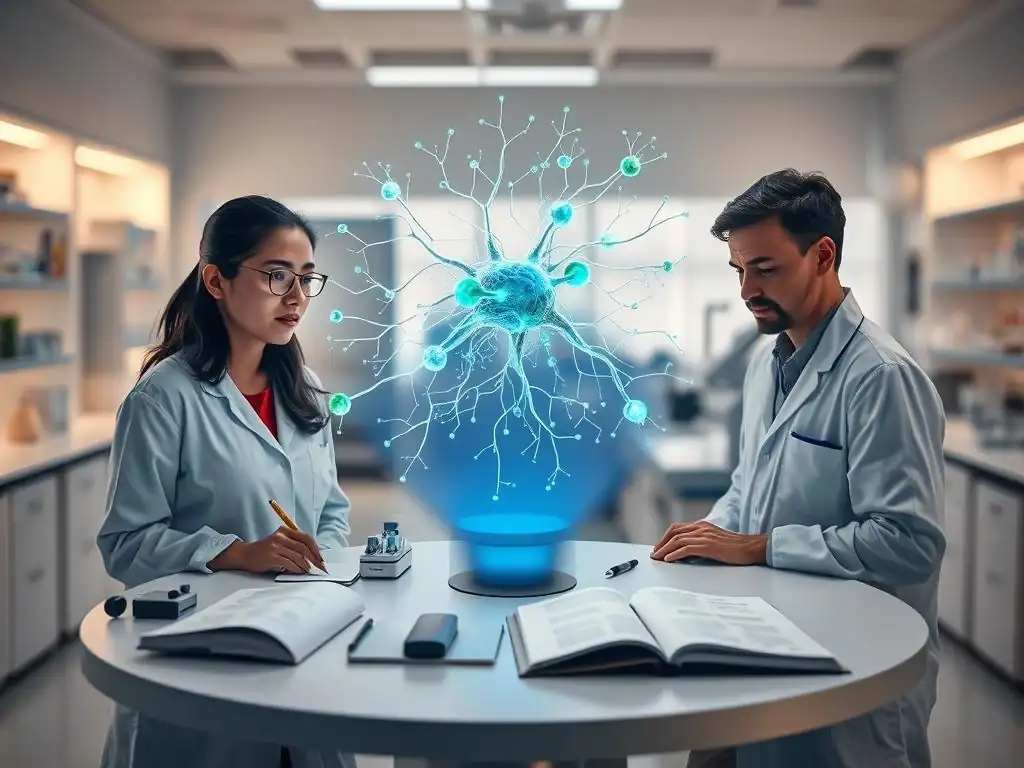
Welcome to Mind Care Guide, your trusted companion on the journey to mental well-being. Feeling lost in the complexities of depression and its potential treatments? We understand. Our latest article, "The Serotonin Hypothesis of Depression: What Science Really Knows," delves into the fascinating world of serotonin depression treatment strategies. Explore the science, unravel the myths, and discover evidence-based insights that could change how you understand and approach mental health. Intrigued? Let's explore the facts together...
The Serotonin Hypothesis of Depression: What Science Really Knows
- Introduction: Unraveling the Serotonin-Depression Connection
- Understanding Serotonin: The Neurotransmitter and Its Functions
- The Serotonin Hypothesis of Depression: A Simplified Explanation
- Challenging the Serotonin Hypothesis: Evidence and Research
-
Serotonin Depression Treatment Strategies: Medications and Alternatives
- Selective Serotonin Reuptake Inhibitors (SSRIs): How They Work
- Effectiveness of SSRIs: Clinical Trials and Real-World Outcomes
- Potential Side Effects and Risks Associated with SSRIs
- Alternative Depression Treatments: Therapy, Lifestyle Changes, and Holistic Approaches
- Exploring Non-SSRI Serotonin Depression Treatment Options: SNRIs, TCAs, and MAOIs
- The Complex Relationship Between Serotonin and Depression: A Modern Perspective
- Beyond Serotonin: A Holistic View of Depression
- Conclusion: Moving Beyond the Serotonin Myth
-
Frequently Asked Questions
- What is the "serotonin hypothesis of depression" and why is it important to understand?
- Has the serotonin hypothesis of depression been definitively proven as the sole cause of depression?
- What are some common "Serotonin depression treatment strategies" currently used?
- If low serotonin isn't the only cause of depression, what other factors might contribute to mental well-being challenges?
- Where can I find more comprehensive resources and support for managing depression and improving my mental well-being?
- Final Reflection: Unraveling the Serotonin Myth, Embracing Holistic Healing
- Unlock Your Mood: Take Charge of Your Mental Wellbeing
Introduction: Unraveling the Serotonin-Depression Connection
Depression is a complex and debilitating mental health condition affecting millions worldwide. For decades, a leading explanation for its biological underpinnings has been the "serotonin hypothesis," which posits that an imbalance, specifically low levels, of the neurotransmitter serotonin in the brain is a primary cause of depression. This idea has profoundly influenced research, public understanding, and the development of common serotonin depression treatment strategies.
However, the relationship between serotonin and depression is far more intricate than initially believed. While serotonin plays a crucial role in mood regulation, sleep, and other vital functions, current scientific understanding suggests that depression is not simply a matter of a chemical imbalance that can be fixed by boosting serotonin levels alone. Exploring the nuances of this relationship is key to understanding effective approaches to managing this condition.
The National Institute of Mental Health's Perspective on Mood Regulation and Serotonin
The National Institute of Mental Health (NIMH), a leading U.S. federal agency for research on mental disorders, acknowledges the role of neurotransmitters like serotonin in mood regulation but emphasizes that depression is a complex disorder with multiple contributing factors. They highlight that while changes in brain chemicals are involved, attributing depression solely to a "chemical imbalance" is an oversimplification.
According to the NIMH, current research points to a combination of genetic, environmental, psychological, and biological factors contributing to depression. While drugs targeting serotonin are effective for many individuals, the NIMH's perspective underscores that these medications likely work by influencing complex neural circuits and adaptive brain changes over time, rather than simply correcting a single deficit. This broader view informs modern serotonin depression treatment strategies, which often integrate medication with psychotherapy and lifestyle adjustments.
The Historical Context of the Serotonin Hypothesis
The serotonin hypothesis gained prominence in the 1960s, following observations related to the effects of certain drugs. Researchers noted that drugs like reserpine, used to treat high blood pressure, could deplete serotonin and other neurotransmitters and were associated with depressive symptoms in some patients. Conversely, early antidepressant drugs like iproniazid (a monoamine oxidase inhibitor) and imipramine (a tricyclic antidepressant) were found to increase the availability of neurotransmitters, including serotonin, in the brain.
These initial findings led to the compelling, albeit simplified, idea that increasing brain serotonin levels could alleviate depression. This hypothesis became a powerful driving force for pharmaceutical research and the development of new antidepressant classes, particularly the selective serotonin reuptake inhibitors (SSRIs) in the late 1980s. The widespread success and use of SSRIs further solidified the concept of serotonin's central role in depression in both scientific and public discourse, shaping early serotonin depression treatment strategies.
Understanding Serotonin: The Neurotransmitter and Its Functions
Serotonin, chemically known as 5-hydroxytryptamine (5-HT), is a monoamine neurotransmitter produced in the body. While often associated with the brain, the vast majority of the body's serotonin is actually found outside the central nervous system, primarily in the gut, where it plays a significant role in digestion and gut motility. However, the portion of serotonin that functions as a neurotransmitter in the brain is crucial for regulating various psychological and physiological processes.
Synthesized from the essential amino acid tryptophan, serotonin transmits signals between nerve cells. Its actions are diverse and depend heavily on the type of receptor it interacts with and the location of that interaction in the body. Understanding these functions is vital for appreciating why serotonin is implicated in conditions like depression and how various serotonin depression treatment strategies aim to modulate its activity.
What is Serotonin? A Closer Look at Its Chemical Structure
Serotonin (5-HT) has a relatively simple chemical structure derived from tryptophan. Its full chemical name is 5-hydroxytryptamine, reflecting its indole ring structure with a hydroxyl group (-OH) at the 5th position and an ethylamine side chain. This structure allows it to bind to specific receptor proteins on the surface of neurons and other cells.
The synthesis of serotonin involves two main enzymatic steps: first, tryptophan is converted to 5-hydroxytryptophan (5-HTP) by the enzyme tryptophan hydroxylase (TPH), and then 5-HTP is converted to 5-HT by the enzyme aromatic L-amino acid decarboxylase. While the brain contains TPH2, a specific isoform, the gut contains TPH1. This biochemical pathway is a target for some research, though most serotonin depression treatment strategies focus on regulating existing serotonin rather than directly boosting its synthesis.
Serotonin Receptors: Types and Locations in the Brain
The effects of serotonin are mediated by a diverse family of receptors, with at least 14 distinct types identified in humans. These receptors are classified into seven families (5-HT1 to 5-HT7), with many subtypes within these families (e.g., 5-HT1A, 5-HT2A, 5-HT6). Each receptor type has a unique distribution throughout the brain and body and can trigger different cellular responses.
For instance, 5-HT1A receptors are highly concentrated in areas like the hippocampus and raphe nuclei and are often associated with mood and anxiety. 5-HT2A receptors are prevalent in the cerebral cortex and are involved in cognition and perception. The widespread distribution and varied functions of these receptors explain why modulating serotonin activity can have broad effects, influencing not just mood but also sleep, appetite, cognition, and even pain perception. Different serotonin depression treatment strategies may target specific receptor subtypes or influence the general availability of serotonin to interact with multiple receptors.
The Role of Serotonin in Mood, Sleep, and Appetite
Serotonin is a key player in regulating several fundamental physiological and psychological processes. Its influence on mood is perhaps the most well-known, with disruptions in serotonin signaling linked to mood disorders like depression and anxiety. However, its role is complex; it doesn't simply dictate happiness but contributes to emotional processing, resilience, and stress response.
Beyond mood, serotonin significantly impacts the sleep-wake cycle. It is a precursor to melatonin, the hormone that regulates circadian rhythms, and also directly influences sleep architecture by acting on various brain regions. Serotonin also plays a role in appetite regulation and satiety signals, affecting eating behaviors. Furthermore, it influences cognitive functions such as memory and learning, social behavior, sexual function, and even body temperature regulation. The multifaceted nature of serotonin's roles underscores why disruptions can lead to a constellation of symptoms observed in depression, influencing the development of comprehensive serotonin depression treatment strategies.
The Serotonin Hypothesis of Depression: A Simplified Explanation
At its core, the original serotonin hypothesis of depression proposed a relatively straightforward mechanism: that insufficient levels or activity of serotonin in the brain were the direct cause of depressive symptoms. This idea provided a clear, albeit potentially misleading, framework for understanding the biological basis of a complex mood disorder.
This simplified view gained significant traction because it offered a seemingly tangible explanation for a subjective experience and pointed towards a clear target for pharmacological intervention. It suggested that if depression was caused by too little serotonin, then increasing serotonin should alleviate depression. This elegant simplicity was instrumental in guiding early research and drug development efforts focused on serotonin depression treatment strategies.
The Core Idea: Low Serotonin Levels Cause Depression
The central tenet of the original hypothesis was that a deficit in the brain's serotonin system directly resulted in the symptoms of depression. This meant that individuals with depression were presumed to have lower-than-normal levels of serotonin available to transmit signals between neurons. The theory suggested that this deficiency disrupted neural circuits responsible for mood regulation, leading to persistent sadness, loss of interest, fatigue, and other hallmark symptoms of the disorder.
This model provided a clear target for drug development: substances that could increase the amount of serotonin available in the synaptic cleft (the space between neurons) were expected to be effective antidepressants. This mechanistic view was a significant shift from earlier, purely psychological explanations of depression and paved the way for the development of drugs specifically designed to modulate serotonin levels as a primary approach in serotonin depression treatment strategies.
Early Research Supporting the Serotonin Imbalance Theory
Early research provided some evidence that appeared to support the serotonin imbalance theory. Studies using techniques available at the time, such as measuring serotonin breakdown products in the cerebrospinal fluid of individuals with depression, sometimes reported lower levels compared to control groups. Additionally, challenging participants with substances that interfere with serotonin synthesis (like tryptophan depletion) occasionally induced mood changes or transient depressive symptoms in vulnerable individuals.
Furthermore, the observation that drugs known to increase serotonin availability, such as the early MAOIs and TCAs, were effective antidepressants strongly bolstered the hypothesis. When SSRIs were developed, which selectively target the serotonin transporter to increase synaptic serotonin, their clinical success in treating depression was widely interpreted as definitive proof of the low-serotonin theory. For example, initial trials of fluoxetine (Prozac) in the late 1980s demonstrated efficacy compared to placebo in reducing depressive symptoms, reinforcing the idea that enhancing serotonin signaling was a valid therapeutic strategy.
Limitations and Oversimplifications of the Original Hypothesis
Despite its initial appeal and the success of serotonin-targeting drugs, the original serotonin hypothesis suffered from significant limitations and oversimplifications. One major challenge was the difficulty in directly measuring serotonin levels in the living human brain, leading researchers to rely on indirect measures (like metabolites in spinal fluid or blood), which may not accurately reflect brain activity. Studies attempting to measure these indirect markers often yielded inconsistent results, with many depressed individuals showing normal or even elevated levels.
Moreover, the hypothesis failed to explain several key observations:
- Antidepressants that primarily target other neurotransmitters (like norepinephrine or dopamine) are also effective in treating depression.
- While SSRIs rapidly increase serotonin levels in the synapse, their therapeutic effects on mood typically take several weeks to become apparent, suggesting a more complex downstream mechanism is involved.
- Many individuals with depression do not respond to serotonin-targeting medications; estimates vary, but around 30-40% of patients may not achieve adequate relief from a first-line SSRI.
These discrepancies highlighted that depression is likely caused by a complex interplay of factors beyond a simple serotonin deficit, leading scientists to seek more nuanced explanations and diverse serotonin depression treatment strategies.
Challenging the Serotonin Hypothesis: Evidence and Research

Over time, a growing body of research has challenged the original, simplified serotonin hypothesis. While serotonin is undoubtedly involved in brain function and mood, evidence suggests that depression is not simply caused by having "too little" of this neurotransmitter. This shift in understanding has paved the way for more complex models of depression and the exploration of alternative or complementary serotonin depression treatment strategies.
Recent studies using more advanced imaging techniques and genetic analyses have provided a more nuanced picture, indicating that alterations in the serotonin system might be more about receptor sensitivity, transporter function, or the complex interactions within neural circuits, rather than just a global deficiency. This evolving understanding is crucial for developing more effective and personalized treatments.
Studies Questioning the Direct Link Between Low Serotonin and Depression
Numerous studies have directly investigated the link between serotonin levels and depression, often yielding inconsistent or non-supportive results for the simple deficit model. For example, a large umbrella review published in 2022 analyzed data from dozens of studies on serotonin and depression, finding no consistent evidence that depression is associated with lower concentrations of serotonin or its metabolites, or with differences in serotonin receptor activity.
Furthermore, research using tryptophan depletion to lower serotonin levels has not consistently induced depression in healthy volunteers, although it can sometimes trigger a relapse in individuals with a history of depression who are in remission on antidepressants. This suggests that while changes in serotonin availability might impact mood, particularly in vulnerable individuals, low serotonin alone is not a universal cause of depression in all cases. These findings underscore the need for a broader perspective beyond just serotonin levels when considering serotonin depression treatment strategies.
The Role of Other Neurotransmitters: Norepinephrine, Dopamine, and More
While serotonin received significant attention, other neurotransmitters are also critically involved in mood regulation and are targeted by effective antidepressant medications. Norepinephrine, another monoamine, is involved in alertness, energy, and attention. Drugs like SNRIs (serotonin-norepinephrine reuptake inhibitors) that increase both serotonin and norepinephrine are often effective, sometimes even for individuals who didn't respond to SSRIs.
Dopamine, associated with reward, motivation, and pleasure, also plays a significant role. Dysfunction in the dopamine system is implicated in the anhedonia (inability to experience pleasure) often seen in depression. Other neurotransmitters and neuromodulators, such as glutamate, GABA, and even neuropeptides, are also subjects of ongoing depression research. The effectiveness of treatments targeting these various systems suggests that depression involves a broader dysregulation of multiple neurochemical pathways, not just a single serotonin deficit, influencing the diversity of serotonin depression treatment strategies available today.
Genetic Factors and Depression: Beyond Serotonin
Genetic predisposition plays a significant role in an individual's vulnerability to depression, but this goes far beyond genes directly controlling serotonin levels. Studies, including large-scale genome-wide association studies (GWAS), have identified numerous genetic variations associated with an increased risk of depression. However, these variations are often spread across many genes, each contributing a small effect, and they influence diverse biological pathways.
Some genes identified relate to neurotransmitter systems (including serotonin transporters or receptors), but others are involved in stress response pathways, inflammatory processes, neurodevelopment, or brain plasticity. For instance, variations in genes related to the hypothalamic-pituitary-adrenal (HPA) axis, the body's main stress response system, have been linked to depression risk. This indicates that genetic vulnerability to depression is complex and involves multiple biological systems, suggesting that effective serotonin depression treatment strategies may need to consider an individual's broader genetic landscape.
The Influence of Environmental Factors and Stress on Mental Health
It is widely accepted that environmental factors and life experiences play a crucial role in the development of depression, often interacting with genetic predispositions. Chronic stress, trauma (particularly early-life adversity), significant life changes, and lack of social support are well-established risk factors for depression. These factors can induce long-lasting changes in brain structure and function, including altering neurotransmitter systems, affecting inflammatory responses, and impairing neuroplasticity.
For example, chronic stress can lead to elevated levels of stress hormones like cortisol, which can damage neurons in brain regions critical for mood and cognition, such as the hippocampus. This highlights that depression is not solely an internal biological malfunction but a complex disorder arising from the interaction between an individual's genetic makeup, biological vulnerabilities, and their environment and experiences. Effective serotonin depression treatment strategies must therefore often address these psychosocial factors in addition to biological interventions.
Serotonin Depression Treatment Strategies: Medications and Alternatives
Despite the nuances of the serotonin hypothesis, medications that modulate the serotonin system remain cornerstone serotonin depression treatment strategies for many individuals. Selective Serotonin Reuptake Inhibitors (SSRIs) are the most commonly prescribed class, but other types of antidepressants also influence serotonin and other neurotransmitters.
However, it's important to recognize that medication is just one component of a comprehensive treatment plan. Many effective serotonin depression treatment strategies involve non-pharmacological approaches, either alone or in combination with medication. The choice of treatment depends on the severity of depression, individual preferences, potential side effects, and response to previous interventions.
Selective Serotonin Reuptake Inhibitors (SSRIs): How They Work
SSRIs are the most widely used class of antidepressants, first introduced in the late 1980s. Common examples include fluoxetine (Prozac), sertraline (Zoloft), paroxetine (Paxil), citalopram (Celexa), and escitalopram (Lexapro). Their primary mechanism of action is to block the reuptake of serotonin from the synaptic cleft back into the presynaptic neuron.
Normally, after serotonin transmits a signal across the synapse, it is quickly transported back into the releasing neuron by a protein called the serotonin transporter (SERT). By inhibiting SERT, SSRIs increase the concentration of serotonin in the synaptic cleft, allowing it to bind to postsynaptic receptors for a longer duration.
While this increase in synaptic serotonin happens relatively quickly, the therapeutic effects on mood often take 2-4 weeks or even longer to manifest, suggesting that the long-term benefits involve downstream adaptive changes in neural circuits, receptor sensitivity, and potentially neuroplasticity, rather than just the immediate increase in serotonin levels. Understanding this mechanism is key to discussing serotonin depression treatment strategies.
Effectiveness of SSRIs: Clinical Trials and Real-World Outcomes
Clinical trials have consistently demonstrated that SSRIs are more effective than placebo in treating moderate to severe depression. Meta-analyses of numerous studies show that around 40-60% of patients treated with an SSRI achieve a significant reduction in symptoms (response), and around 30-40% achieve remission (minimal or no symptoms). However, these figures are averages, and individual responses vary widely.
In real-world settings, effectiveness can be influenced by factors like adherence to medication, co-occurring conditions (such as anxiety disorders), and the presence of psychosocial stressors. While SSRIs are generally effective for many, a substantial portion of individuals do not achieve full remission with the first medication tried, highlighting the need for personalized serotonin depression treatment strategies, including trying different medications or combining approaches. Studies suggest that up to two-thirds of patients may require switching medications or adding another treatment modality to achieve remission.
Potential Side Effects and Risks Associated with SSRIs
Like all medications, SSRIs can cause side effects, which vary depending on the specific drug and the individual. Common side effects often experienced early in treatment include nausea, digestive issues, insomnia or drowsiness, headache, and sexual dysfunction (e.g., decreased libido, difficulty achieving orgasm). Many of these side effects are transient and improve within the first few weeks of treatment.
More serious, though less common, risks include an increased risk of bleeding (especially when combined with NSAIDs), hyponatremia (low sodium levels), and in rare cases, serotonin syndrome, a potentially life-threatening condition caused by excessive serotonin activity, often when SSRIs are combined with other serotonergic drugs. There is also a warning regarding a potential increased risk of suicidal thoughts and behaviors in children, adolescents, and young adults (typically under 25) starting antidepressant treatment, requiring close monitoring. Discussing potential side effects and risks is a critical part of implementing serotonin depression treatment strategies involving medication.
Alternative Depression Treatments: Therapy, Lifestyle Changes, and Holistic Approaches
Effective serotonin depression treatment strategies extend far beyond medication. Psychotherapy, particularly cognitive-behavioral therapy (CBT) and interpersonal therapy (IPT), is a highly effective treatment for depression, often as effective as medication for mild to moderate cases and a crucial component for severe depression. CBT helps individuals identify and change negative thought patterns and behaviors, while IPT focuses on improving relationships and social support.
Lifestyle changes also play a significant role. Regular physical exercise has demonstrated antidepressant effects, potentially by influencing neurotransmitters, reducing inflammation, and promoting neuroplasticity. Dietary adjustments, ensuring adequate intake of nutrients like omega-3 fatty acids and B vitamins, may also support mental health. Good sleep hygiene is essential, as sleep disturbances are common in depression. Holistic approaches, such as mindfulness meditation, yoga, and acupuncture, are also used by some individuals, though the evidence base for their efficacy in treating major depression varies. Combining these approaches often forms the most robust serotonin depression treatment strategies.
Exploring Non-SSRI Serotonin Depression Treatment Options: SNRIs, TCAs, and MAOIs
While SSRIs are the most commonly prescribed, other classes of antidepressants also influence serotonin and are part of the landscape of serotonin depression treatment strategies. Serotonin-Norepinephrine Reuptake Inhibitors (SNRIs) like venlafaxine (Effexor) and duloxetine (Cymbalta) block the reuptake of both serotonin and norepinephrine, offering a broader neurochemical effect that can be beneficial for some patients, particularly those with fatigue or pain symptoms accompanying depression.
Tricyclic Antidepressants (TCAs), such as amitriptyline and imipramine, were among the earliest antidepressants. They block the reuptake of serotonin and norepinephrine but also affect other neurotransmitter systems and receptors, leading to more side effects than SSRIs or SNRIs. Monoamine Oxidase Inhibitors (MAOIs), like phenelzine (Nardil), are also older antidepressants that prevent the breakdown of serotonin, norepinephrine, and dopamine.
Due to potential dangerous interactions with certain foods and medications, MAOIs are typically reserved for treatment-resistant depression but can be highly effective. These different classes highlight the varied ways the serotonin system and other neurotransmitter systems can be targeted in serotonin depression treatment strategies.
The Complex Relationship Between Serotonin and Depression: A Modern Perspective
Current scientific understanding views the relationship between serotonin and depression as far more complex than the simple "low serotonin" model. While serotonin is involved, depression is now understood as a disorder involving widespread dysfunction in brain circuits that regulate mood, motivation, and cognition. Serotonin's influence is seen as part of a larger network involving multiple neurotransmitters and biological systems.
A modern perspective acknowledges that while serotonin-targeting drugs can be effective, their benefits likely stem from inducing adaptive changes in the brain over time, rather than simply fixing a chemical deficit. This includes influencing neuroplasticity, reducing inflammation, and modulating the stress response system. This nuanced view informs more integrated and personalized serotonin depression treatment strategies.
Serotonin's Indirect Influence on Mood and Cognition
Rather than directly causing mood changes, serotonin is thought to exert its influence more indirectly by modulating the activity of critical neural circuits. Serotonin pathways project to many brain regions involved in mood, executive function, and emotional processing, such as the prefrontal cortex, hippocampus, amygdala, and basal ganglia. By influencing these areas, serotonin helps regulate emotional reactivity, stress response, and cognitive flexibility.
For example, serotonin signaling in the hippocampus is important for neurogenesis (the birth of new neurons) and synaptic plasticity, processes thought to be impaired in depression. Restoring healthy serotonin signaling may help repair or strengthen these circuits over time. This indirect, modulatory role explains why therapeutic effects of SSRIs take time and why they influence a range of symptoms, not just mood, contributing to the complexity of serotonin depression treatment strategies.
The Neuroplasticity Theory of Depression: Brain Changes and Adaptation
A leading modern theory of depression centers on impaired neuroplasticity – the brain's ability to change, adapt, and form new connections. Chronic stress, trauma, and other risk factors for depression can impair neuroplasticity, particularly in areas like the hippocampus (involved in memory and mood) and prefrontal cortex (involved in executive function and emotional regulation). This can lead to reduced brain volume in these areas and impaired communication between neural circuits.
Antidepressants, including those targeting serotonin, are now believed to work, at least in part, by promoting neuroplasticity. While SSRIs initially increase synaptic serotonin, over weeks and months, they can stimulate the production of growth factors, such as brain-derived neurotrophic factor (BDNF), which are essential for neuron survival, growth, and synaptic connections. This suggests that effective serotonin depression treatment strategies may be working by helping the brain "rewire" itself, restoring healthy circuit function over time.
Inflammation and Depression: The Role of the Immune System
Emerging research highlights a significant link between inflammation and depression. Studies show that individuals with depression often have elevated levels of inflammatory markers in their blood, such as C-reactive protein (CRP) and pro-inflammatory cytokines. Chronic inflammation can affect brain function by altering neurotransmitter metabolism (including serotonin synthesis and breakdown), impairing neuroplasticity, and disrupting the blood-brain barrier.
This inflammatory hypothesis suggests that for some individuals, depression may be partly driven by dysregulation of the immune system. While traditional serotonin depression treatment strategies like SSRIs are not primarily anti-inflammatory drugs, some research suggests they may have modest anti-inflammatory effects over time, which could contribute to their therapeutic benefits. This area is active research, potentially leading to new treatment approaches targeting the immune system.
The Gut-Brain Axis and Serotonin Production
An exciting area of research explores the gut-brain axis and its influence on mood. The gut is often referred to as the "second brain" because it contains an extensive nervous system (the enteric nervous system) and produces a significant amount of neurotransmitters, including around 90% of the body's serotonin. This gut-produced serotonin is primarily involved in regulating digestion and doesn't cross the blood-brain barrier to directly influence brain mood circuits.
However, the gut microbiota (the trillions of microorganisms living in the gut) can influence brain function and behavior through various mechanisms, including producing neuroactive substances, influencing inflammation, and affecting the production of tryptophan (the precursor to serotonin). Changes in gut bacteria composition have been linked to mood disorders in some studies. This suggests that the health of the gut and its communication with the brain may be another piece of the depression puzzle, potentially opening avenues for novel serotonin depression treatment strategies that involve targeting the gut microbiome.
Beyond Serotonin: A Holistic View of Depression
Understanding that depression is a multifaceted disorder involving complex interactions between biological, psychological, and environmental factors leads to a more holistic view of treatment. While modulating neurotransmitters like serotonin remains a valid approach for many, particularly in moderate to severe cases, effective management requires addressing the individual as a whole.
This means moving beyond a sole focus on chemical imbalances and embracing a comprehensive approach that includes psychotherapy, lifestyle interventions, and addressing underlying contributing factors. The goal is to empower individuals with a range of tools and strategies to manage their symptoms, improve their overall well-being, and build resilience. This integrated perspective is vital for developing truly effective serotonin depression treatment strategies.
Addressing the Root Causes of Depression: A Multifaceted Approach
Identifying and addressing the underlying factors contributing to an individual's depression is crucial for long-term recovery. This involves a thorough assessment that considers not only symptoms but also:
- Genetic predispositions
- Life history, including trauma and chronic stress
- Current stressors and environmental challenges
- Physical health conditions (e.g., thyroid problems, chronic pain)
- Nutritional status and lifestyle habits
- Social support network
A multifaceted approach recognizes that targeting only one aspect, such as serotonin levels with medication, may not be sufficient if significant stressors or unhealthy coping mechanisms remain unaddressed. Effective serotonin depression treatment strategies often involve a combination of interventions tailored to the individual's specific profile of contributing factors.
The Importance of Psychotherapy in Depression Management
Psychotherapy, such as CBT, IPT, Dialectical Behavior Therapy (DBT), or psychodynamic therapy, is a cornerstone of depression management. Therapy provides individuals with skills to challenge negative thoughts, regulate emotions, improve interpersonal relationships, and develop healthier coping mechanisms. Unlike medication, which primarily targets biological symptoms, therapy addresses the psychological and behavioral patterns that contribute to and maintain depression.
Research consistently shows that psychotherapy is effective for depression, sometimes with longer-lasting effects than medication alone after treatment ends. For moderate to severe depression, combining medication (which might include serotonin-targeting drugs as part of the serotonin depression treatment strategies) and therapy is often considered the most effective approach, addressing both the biological and psychological dimensions of the illness.
Lifestyle Interventions: Diet, Exercise, and Sleep Hygiene for Mood Improvement
Lifestyle factors significantly impact mental health and are essential components of a holistic depression treatment plan. Regular physical activity, aiming for around 150 minutes of moderate-intensity exercise per week, has been shown to improve mood and reduce depressive symptoms, potentially by increasing endorphins, reducing inflammation, and promoting neurogenesis.
Nutrition also plays a role; diets rich in fruits, vegetables, whole grains, lean proteins, and omega-3 fatty acids are associated with better mental health outcomes. Avoiding excessive processed foods, sugar, and alcohol can also be beneficial. Prioritizing sleep hygiene – maintaining a regular sleep schedule, creating a conducive sleep environment, and avoiding stimulants before bed – is critical, as sleep disturbances are both a symptom and a potential contributor to depression. Incorporating these lifestyle changes complements traditional serotonin depression treatment strategies.
Humans are social beings, and strong social connections are vital for mental well-being. Isolation and loneliness are significant risk factors for depression. Building and maintaining supportive relationships with family, friends, or community members can provide emotional support, a sense of belonging, and practical assistance during difficult times.
Engaging in social activities, joining support groups (either in-person or online), volunteering, or participating in community events can combat feelings of isolation and provide a sense of purpose. For individuals struggling with depression, reconnecting with others or building new social connections can be a challenging but crucial step in recovery. Integrating social support strategies into overall serotonin depression treatment strategies acknowledges the interpersonal dimension of mental health.
Conclusion: Moving Beyond the Serotonin Myth
The journey from the simple serotonin hypothesis to our current understanding of depression reflects the progress and complexity of neuroscience. While the idea of a single "chemical imbalance" was a useful starting point and spurred the development of effective medications targeting serotonin, it is now clear that depression is a far more intricate disorder. It involves dysregulation across multiple brain circuits, neurotransmitter systems, genetic vulnerabilities, inflammatory processes, and is profoundly influenced by life experiences and environmental factors.
Moving beyond the oversimplified serotonin myth allows for a more comprehensive and hopeful view of depression treatment. It emphasizes that there isn't a single cause or a single cure, but rather a range of effective serotonin depression treatment strategies that can be combined and tailored to the individual.
The Importance of Evidence-Based Depression Treatment
Given the complexity of depression, it is paramount that individuals seek evidence-based treatment from qualified healthcare professionals. This includes:
- A thorough diagnostic evaluation to rule out other medical conditions.
- Discussion of all potential treatment options, including medication (like SSRIs or SNRIs as part of serotonin depression treatment strategies), psychotherapy, and lifestyle changes.
- Collaboration between the patient and clinician to develop a personalized treatment plan.
- Regular monitoring of symptoms, side effects, and progress.
Relying solely on anecdotal evidence or unproven remedies can delay effective treatment and worsen outcomes. Evidence-based approaches, whether pharmacological or psychological, have been rigorously tested and shown to be effective for many people struggling with depression.
Empowering Individuals to Take Control of Their Mental Health
Understanding the multifaceted nature of depression can be empowering. It highlights that individuals are not simply passive recipients of a chemical malfunction but active participants in their recovery. While professional support is essential, individuals can take significant steps to improve their mental well-being by:
- Learning about their condition and treatment options.
- Actively participating in therapy.
- Adopting healthy lifestyle habits (diet, exercise, sleep).
- Building and maintaining social connections.
- Developing coping strategies for stress.
Taking control of one's mental health journey involves embracing a holistic perspective and actively engaging with the various components of effective serotonin depression treatment strategies.
Resources for Accurate and Up-to-Date Information.
Accessing reliable information about depression and its treatment is crucial. Reputable sources include:
- National mental health organizations (e.g., National Institute of Mental Health, National Alliance on Mental Illness).
- Professional psychological and psychiatric associations.
- Academic medical centers and research institutions.
- Healthcare providers (doctors, therapists, psychiatrists).
Staying informed about the latest research and understanding the nuances of conditions like depression and the available serotonin depression treatment strategies helps individuals make informed decisions about their care and fosters realistic expectations about the recovery process.
Frequently Asked Questions
What is the "serotonin hypothesis of depression" and why is it important to understand?
The serotonin hypothesis proposes that depression is caused by an imbalance or deficiency of serotonin in the brain. Understanding this is crucial because it's the basis for many common antidepressant medications.
Has the serotonin hypothesis of depression been definitively proven as the sole cause of depression?
No, the serotonin hypothesis has been significantly challenged. Current research suggests depression is far more complex and likely involves a combination of factors, not just serotonin levels.
What are some common "Serotonin depression treatment strategies" currently used?
Common strategies include Selective Serotonin Reuptake Inhibitors (SSRIs), which aim to increase serotonin levels in the brain. These are often combined with therapy and lifestyle changes for a holistic approach.
If low serotonin isn't the only cause of depression, what other factors might contribute to mental well-being challenges?
Other contributing factors include genetics, environmental stressors, and other neurotransmitter imbalances. Cognitive and behavioral patterns also play a significant role in mental health.
Where can I find more comprehensive resources and support for managing depression and improving my mental well-being?
The Mind Care Guide website offers information, support, and resources for various mental health challenges. You can also consult with a qualified mental health professional for personalized guidance.
Final Reflection: Unraveling the Serotonin Myth, Embracing Holistic Healing
The simplistic view of depression as solely a serotonin deficiency is outdated and misleading, yet its impact on treatment strategies remains profoundly significant. This oversimplification has led to a reliance on selective serotonin reuptake inhibitors (SSRIs) as a primary, often sole, treatment, neglecting the complex interplay of biological, psychological, and social factors contributing to this debilitating condition.
The pervasive influence of the serotonin hypothesis, while partially accurate, has overshadowed the crucial role of other neurotransmitters, lifestyle factors, and individual experiences in depression. This narrow focus has, at times, minimized the importance of holistic approaches, such as therapy, lifestyle changes, and alternative treatments. The mind is its own place, and in itself can make a heaven of hell, a hell of heaven.
– John Milton. This quote highlights the powerful influence of our internal world on our mental well-being, a factor often overlooked in the singular pursuit of serotonin modulation.
The journey towards understanding and treating depression is far from over. This article serves as a stepping stone, encouraging you to engage in a more nuanced understanding of this complex illness. Don't let the limitations of a simplified model define your path to recovery.
Explore the multifaceted nature of depression, advocate for comprehensive treatment plans that address your individual needs, and remember that healing is a journey, not a destination. Embrace the power of self-advocacy and seek out a holistic approach that integrates medication, therapy, lifestyle adjustments, and support systems tailored to your unique circumstances. Your well-being deserves a multifaceted approach, and your journey to healing is worth pursuing with unwavering determination.
Unlock Your Mood: Take Charge of Your Mental Wellbeing
Thanks for diving deep into the science of serotonin and depression with us! We hope you gained valuable insights into this complex topic. Now it's time to put that knowledge into action. Ready to feel better?
- Prioritize Daily Movement: Even a short walk can significantly boost your mood. Try a 15-minute mindful walk today and notice the difference! This is your key step to integrating what you've learned.
- Explore Serotonin-Boosting Foods: Incorporate foods rich in tryptophan (like turkey, eggs, and bananas) into your diet. Experiment and find what works for you!
- Share Your Insights: Discuss what you’ve learned with a friend or family member. Starting a conversation can be incredibly empowering.
What small step will you take today to nurture your mental wellbeing?