
Serotonin Receptors: Different Types and Their Impact on Mood

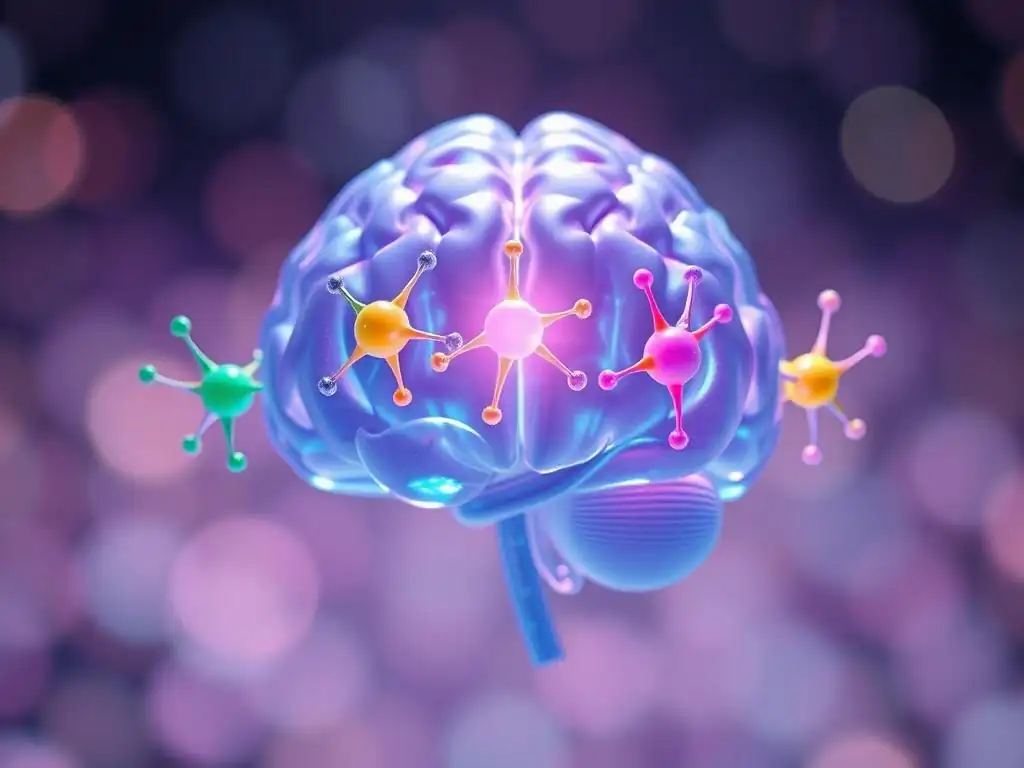
Welcome to Mind Care Guide, a safe space dedicated to nurturing your mental well-being. Feeling a little lost in the complexities of mood regulation? You're not alone. Dive into our exploration of Serotonin Receptors: Different Types and Their Impact on Mood, where we unravel how these tiny gatekeepers in your brain profoundly influence how you feel. What secrets do they hold, and how can understanding them empower you? Let's find out...
Serotonin Receptors: Diverse Roles in Physiology and Behavior
- Introduction to Serotonin Receptors and Neuromodulation
-
Serotonin Receptor Types: A Detailed Examination
- 5-HT1 Receptors: Subtypes and Their Functions
- 5-HT2 Receptors: Perception, Behavior, and Smooth Muscle Contraction
- 5-HT3 Receptors: Nausea, Vomiting, and Gut Function
- 5-HT4 Receptors: Gastrointestinal Motility, Cognition, and Anxiety
- 5-HT5 Receptors: Limited Understanding of Function
- 5-HT6 Receptors: Cognition, Learning, and Memory
- 5-HT7 Receptors: Thermoregulation, Sleep, and Mood
- Serotonin Receptor Activity and its Physiological Effects
- Serotonin Receptor Modulation: Therapeutic Strategies
- Future Directions in Serotonin Receptor Research and Therapeutics
- Conclusion: Serotonin Receptors as Therapeutic Targets
-
Frequently Asked Questions
- What are serotonin receptors, and how do they relate to mood?
- How many different types of serotonin receptors are there?
- Which serotonin receptor types are most closely linked to mood regulation?
- Can imbalances in serotonin receptor activity cause mood disorders?
- How can understanding serotonin receptor types help improve mental well-being?
- Final Reflection: Unlocking the Secrets of Mood Through Serotonin Receptors
- Unlock Your Mood's Potential: Take Charge of Your Serotonin
Introduction to Serotonin Receptors and Neuromodulation
Understanding the Role of Serotonin in Diverse Physiological Processes
Serotonin, also known as 5-hydroxytryptamine (5-HT), is a crucial monoamine neurotransmitter that plays an extensive role throughout the body, far beyond its well-known influence on mood. While often associated with feelings of well-being and happiness, serotonin is involved in a complex network of physiological processes. Approximately 90% of the body's serotonin is produced in the gastrointestinal tract, primarily by enterochromaffin cells, where it regulates gut motility and secretion. The remaining 10% is synthesized in the brainstem, specifically within the raphe nuclei, from where it projects to various brain regions to modulate neural activity.
Beyond its roles in the gut and brain, serotonin is also found in blood platelets, where it is taken up from the bloodstream and released upon platelet aggregation, contributing to hemostasis and wound healing. Its presence in multiple systems underscores its fundamental importance in maintaining homeostasis. Serotonin influences sleep-wake cycles, appetite regulation, body temperature, cardiovascular function, and even bone metabolism.
This widespread distribution and diverse functional profile highlight why disruptions in serotonin signaling can have cascading effects across multiple systems, impacting both physical health and mental state. Understanding how serotonin exerts these varied effects requires examining its interaction partners: the serotonin receptors.
Serotonin Receptors: Key Mediators of Serotonergic Signaling
The diverse actions of serotonin are mediated by a family of specialized proteins called serotonin receptors. These receptors are located on the surface of cells and bind to serotonin, triggering specific responses within the cell.
Think of serotonin as a key and the receptors as locks; different locks (receptor types) open up different pathways and effects when the key (serotonin) binds to them. The specific effect of serotonin in a particular tissue or brain region depends entirely on which types of serotonin receptors are present on the cells in that location and the concentration of serotonin available to bind to them.
There are seven main families of serotonin receptors (5-HT1 through 5-HT7), and within these families, there are numerous subtypes, bringing the total number of distinct serotonin receptor subtypes to at least 14 in mammals. These different serotonin receptor types are distributed heterogeneously throughout the brain and body, allowing for highly specific and localized serotonin signaling. Most serotonin receptors are G protein-coupled receptors (GPCRs), which means they initiate a cascade of intracellular events upon binding serotonin, leading to relatively slower, modulatory effects.
However, one family, the 5-HT3 receptors, are ligand-gated ion channels, mediating rapid excitatory neurotransmission. This molecular diversity is the basis for the multifaceted influence of serotonin on everything from mood and cognition to gut function and cardiovascular health.
Serotonin Receptor Types: A Detailed Examination
5-HT1 Receptors: Subtypes and Their Functions
The 5-HT1 receptor family consists of five subtypes: 5-HT1A, 5-HT1B, 5-HT1D, 5-HT1E, and 5-HT1F. These receptors are primarily inhibitory, typically coupled to Gi/Go proteins, which decrease cyclic AMP levels within the cell. They are strategically located in areas involved in mood, cognition, and vascular control.
Studies using PET imaging have shown reduced binding potential of 5-HT1A receptors in key brain regions like the prefrontal cortex and hippocampus in individuals with major depressive disorder, suggesting a link between 5-HT1A receptor function and mood regulation. Furthermore, genetic variations (polymorphisms) in the gene encoding the 5-HT1A receptor have been associated with increased susceptibility to anxiety and depression in some populations.
5-HT1A Receptors: Anxiety, Depression, and Cognition
The 5-HT1A receptor is one of the most extensively studied serotonin receptor types due to its prominent role in mood and anxiety disorders. These receptors are found in high concentrations in brain regions critical for emotional regulation, such as the amygdala, hippocampus, and prefrontal cortex. Notably, they function both as postsynaptic receptors, mediating the effects of serotonin released from neurons, and as presynaptic autoreceptors on serotonin-producing neurons in the raphe nuclei. As autoreceptors, they inhibit serotonin release, acting as a negative feedback mechanism.
Dysfunction of 5-HT1A receptors, particularly reduced sensitivity or expression, has been implicated in the pathophysiology of anxiety and depression. Many antidepressant and anxiolytic medications, while primarily targeting serotonin reuptake, are thought to exert some of their therapeutic effects by indirectly influencing 5-HT1A receptor signaling over time. For example, the anxiolytic drug Buspirone acts as a partial agonist at 5-HT1A receptors. Research also suggests a role for 5-HT1A receptors in cognitive processes like learning and memory, potentially through their influence on hippocampal activity.
5-HT1B Receptors: Migraine, Aggression, and Motor Control
5-HT1B receptors are found in various brain regions, including the basal ganglia and dorsal raphe nucleus, as well as in blood vessels. In the brain, they are often located on the terminals of neurons, where they function as autoreceptors regulating serotonin release or as heteroreceptors regulating the release of other neurotransmitters like dopamine and glutamate. Their presence in the basal ganglia suggests a role in modulating motor control circuits.
A significant clinical application targeting 5-HT1B receptors is in the treatment of migraine headaches. Medications known as triptans (e.g., Sumatriptan) are agonists at both 5-HT1B and 5-HT1D receptors. They exert their anti-migraine effect by causing vasoconstriction of cranial blood vessels that become dilated during a migraine attack and by inhibiting the release of pro-inflammatory neuropeptides from trigeminal nerves. Research in animal models has also linked 5-HT1B receptor activity to aggressive behavior, although the precise role in human aggression is still an area of investigation.
5-HT1D Receptors: Migraine and Vasoconstriction
The 5-HT1D receptor shares significant structural and functional similarity with the 5-HT1B receptor. Like 5-HT1B, it is expressed in the brain and in blood vessels. It also functions as an inhibitory receptor, coupled to Gi/Go proteins.
The primary clinical relevance of 5-HT1D receptors lies in their role in migraine therapy. As mentioned, triptan medications used to treat acute migraines are agonists at both 5-HT1B and 5-HT1D receptors. While 5-HT1B receptors are thought to mediate the vasoconstrictive effects on cranial arteries, 5-HT1D receptors are believed to contribute to the inhibition of neuropeptide release from trigeminal nerves, reducing pain signaling. The specific distribution and roles of 5-HT1D receptors differentiate them slightly from 5-HT1B, although their overlapping functions in migraine treatment highlight their shared therapeutic potential.
5-HT2 Receptors: Perception, Behavior, and Smooth Muscle Contraction
The 5-HT2 receptor family consists of three subtypes: 5-HT2A, 5-HT2B, and 5-HT2C. Unlike the 5-HT1 family, these receptors are primarily excitatory, coupled to Gq proteins, which activate phospholipase C and increase intracellular calcium levels. They are widely distributed in the brain and peripheral tissues and are involved in a broad range of physiological and behavioral effects, including sensory perception, cognitive function, and smooth muscle contraction.
Activation of 5-HT2 receptors, particularly 5-HT2A, is known to mediate the effects of classical psychedelic substances like LSD and psilocybin, which are agonists at this receptor subtype. This interaction highlights their critical role in modulating sensory processing and consciousness. Furthermore, dysfunction or altered expression of 5-HT2 receptors has been implicated in various psychiatric conditions, including schizophrenia and depression, underscoring their impact on mood and mental health.
5-HT2A Receptors: Hallucinations, Schizophrenia, and Platelet Aggregation
5-HT2A receptors are highly expressed in the cerebral cortex, particularly in pyramidal neurons, where they modulate excitatory neurotransmission. Their prominent location in cortical circuits is consistent with their role in sensory processing, cognition, and their implication in the effects of hallucinogenic drugs. Activation of cortical 5-HT2A receptors by substances like psilocybin leads to altered perception and subjective experiences, demonstrating their powerful influence on consciousness.
Beyond their psychoactive links, altered 5-HT2A receptor signaling has been associated with psychiatric disorders such as schizophrenia, where some atypical antipsychotic medications act as antagonists at these receptors. In the periphery, 5-HT2A receptors are found on platelets, and their activation promotes platelet aggregation, playing a role in thrombosis. They are also present on smooth muscle cells, contributing to vasoconstriction. Research continues to explore the complex interplay of 5-HT2A receptors in brain function and peripheral physiology.
5-HT2B Receptors: Valvular Heart Disease and Gastrointestinal Motility
5-HT2B receptors are expressed in various peripheral tissues, including the heart, lungs, and gastrointestinal tract, as well as in certain brain regions. While less abundant in the brain compared to 5-HT2A, they are present in areas like the nucleus accumbens and hypothalamus, suggesting potential roles in reward processing and appetite regulation.
A significant clinical concern related to 5-HT2B receptor activation is the risk of valvular heart disease. Certain medications, such as the withdrawn appetite suppressant Fenfluramine, were found to act as agonists at 5-HT2B receptors, leading to fibrous changes in heart valves in a significant percentage of patients. This adverse effect has made the 5-HT2B receptor a crucial target for screening potential drug candidates. In the gut, 5-HT2B receptors contribute to smooth muscle contraction and motility, influencing digestive processes.
5-HT2C Receptors: Appetite, Mood, and Prolactin Release
5-HT2C receptors are predominantly found in the central nervous system, with high expression in the choroid plexus, hypothalamus, and limbic system structures like the amygdala and hippocampus. They play a critical role in regulating appetite and energy balance, particularly through their actions in the hypothalamus, a key brain region controlling feeding behavior. Activation of 5-HT2C receptors in the hypothalamus inhibits appetite, and agonists targeting this receptor, like Lorcaserin, have been developed as weight-loss medications.
Beyond appetite, 5-HT2C receptors are involved in modulating mood and anxiety. Their distribution in limbic areas supports their influence on emotional processing. Some studies suggest that dysfunction of 5-HT2C receptors may contribute to depression and anxiety disorders. These receptors also regulate the release of several hormones, including prolactin and adrenocorticotropic hormone (ACTH), further linking serotonin signaling to broader endocrine function and stress responses.
5-HT3 Receptors: Nausea, Vomiting, and Gut Function
The 5-HT3 receptor family is unique among serotonin receptors because it is the only class that functions as a ligand-gated ion channel rather than a GPCR. These receptors are permeable to cations, primarily sodium (Na+), and their activation leads to rapid depolarization and excitation of the neuron. They are found in the central nervous system, particularly in the brainstem vomiting center, and in the peripheral nervous system, with high expression on neurons in the enteric nervous system (the "gut brain").
The critical role of 5-HT3 receptors in mediating nausea and vomiting has made them important therapeutic targets. Antagonists of 5-HT3 receptors, such as Ondansetron, Granisetron, and Palonosetron, are highly effective antiemetic drugs widely used to prevent nausea and vomiting associated with chemotherapy, radiation therapy, and surgery. In the gut, 5-HT3 receptors on enteric neurons contribute to the regulation of peristalsis and visceral sensation. Their rapid signaling properties are well-suited for mediating reflexes like the vomiting reflex and modulating gut motility.
5-HT4 Receptors: Gastrointestinal Motility, Cognition, and Anxiety
5-HT4 receptors are Gs-coupled receptors, meaning their activation increases intracellular cyclic AMP levels, leading to excitatory effects. They are found in various parts of the body, including the gastrointestinal tract, heart, bladder, adrenal glands, and in certain brain regions like the hippocampus and striatum.
In the gastrointestinal tract, 5-HT4 receptors play a significant role in promoting gut motility and secretion. Agonists targeting 5-HT4 receptors, such as Prucalopride and Tegaserod (though the latter had usage restrictions due to cardiovascular concerns), have been developed as prokinetic agents to treat conditions like chronic constipation and irritable bowel syndrome (IBS) with constipation. In the brain, the presence of 5-HT4 receptors in areas involved in learning and memory, such as the hippocampus, suggests a potential role in cognitive function. Some studies also indicate that modulation of 5-HT4 receptors may influence anxiety-like behaviors.
5-HT5 Receptors: Limited Understanding of Function
The 5-HT5 receptor family consists of two subtypes, 5-HT5A and 5-HT5B, although the 5-HT5B receptor is considered a pseudogene in humans (meaning it is present in the genome but not functional). The 5-HT5A receptor is a Gi/Go-coupled receptor, similar to the 5-HT1 family, suggesting it is inhibitory.
While 5-HT5A receptors are expressed in certain brain regions, including the hippocampus, hypothalamus, and cerebellum, their precise physiological roles remain largely unknown compared to other serotonin receptor types. Research into specific functions and potential therapeutic relevance of 5-HT5A receptors is still in its early stages. There are currently no medications in clinical use that specifically target 5-HT5A receptors, and their contribution to mood, cognition, or other processes is not yet well-defined.
5-HT6 Receptors: Cognition, Learning, and Memory
5-HT6 receptors are Gs-coupled receptors, leading to increased intracellular cyclic AMP. They are predominantly found in the central nervous system, with high expression levels in brain regions involved in cognition, such as the striatum, olfactory tubercle, and nucleus accumbens. Their restricted distribution within the brain suggests specific roles in neural circuits related to higher cognitive functions.
Research indicates that 5-HT6 receptors play a role in modulating neurotransmitter systems like dopamine, acetylcholine, and glutamate, which are crucial for learning and memory processes. Antagonists of 5-HT6 receptors have shown promise in preclinical studies as potential cognitive enhancers, particularly in models of Alzheimer's disease and schizophrenia, where cognitive deficits are prominent symptoms. Although drugs targeting 5-HT6 receptors have entered clinical trials for cognitive disorders, none have yet received regulatory approval, highlighting the ongoing challenges in translating preclinical findings to effective human therapies.
5-HT7 Receptors: Thermoregulation, Sleep, and Mood
5-HT7 receptors are Gs-coupled receptors, similar to 5-HT4 and 5-HT6 receptors, meaning they increase intracellular cyclic AMP. They are found in various brain regions, including the hypothalamus, thalamus, hippocampus, and cortex, as well as in some peripheral tissues like the gastrointestinal tract and blood vessels. Their distribution in areas like the hypothalamus suggests a role in regulating circadian rhythms and body temperature.
Emerging research points to significant roles for 5-HT7 receptors in mood regulation and sleep architecture. They are implicated in the pathophysiology of depression, and antagonists or inverse agonists of 5-HT7 receptors are being investigated as potential novel antidepressants. Their presence in the hippocampus also suggests a possible role in neuronal plasticity and memory. The involvement of 5-HT7 receptors in thermoregulation and sleep cycles further underscores the complex and interconnected nature of serotonin signaling, impacting not just mood but also fundamental physiological processes essential for well-being.
Serotonin Receptor Activity and its Physiological Effects
The Link Between Serotonin Receptor Dysfunction and Psychiatric Disorders
Dysfunction in serotonin receptor activity is strongly implicated in the development and manifestation of various psychiatric disorders, including major depressive disorder, anxiety disorders, schizophrenia, and obsessive-compulsive disorder (OCD). It's not simply a matter of "low serotonin," but rather intricate problems with how serotonin is received and processed by specific receptor types in different brain circuits.
For instance, studies using neuroimaging techniques have consistently reported alterations in the binding potential or density of specific serotonin receptor types in individuals with depression compared to healthy controls. Reduced availability or function of 5-HT1A receptors in the limbic system and prefrontal cortex is a common finding, which could impair the brain's ability to regulate mood and stress responses effectively.
Furthermore, imbalances in the activity of excitatory (e.g., 5-HT2A, 5-HT2C) and inhibitory (e.g., 5-HT1A) serotonin receptor types within specific neural pathways can disrupt the fine-tuned signaling necessary for emotional stability and cognitive function. For example, overactivity of 5-HT2A receptors in certain cortical areas has been hypothesized to contribute to the perceptual disturbances seen in schizophrenia, leading to the use of 5-HT2A antagonists as a strategy for some antipsychotic medications.
The complex interplay between different serotonin receptor types and their specific locations in the brain is crucial for understanding the diverse ways that serotonergic dysregulation can contribute to the wide spectrum of psychiatric symptoms.
Serotonin Receptors and Neurological Disorders: Complex Interactions
Beyond psychiatric conditions, serotonin receptor dysfunction also plays a role in several neurological disorders, often through complex interactions with other neurotransmitter systems. Migraine headaches, as previously mentioned, involve the activation of 5-HT1B and 5-HT1D receptors in cranial blood vessels and nerves, making these receptors direct therapeutic targets for acute relief. While Parkinson's disease is primarily characterized by dopamine depletion, alterations in serotonin signaling, including changes in serotonin receptor expression and function in the basal ganglia, are observed and are thought to contribute to some non-motor symptoms like depression, anxiety, and cognitive impairment commonly experienced by patients.
Irritable bowel syndrome (IBS), a disorder affecting the gut-brain axis, involves significant alterations in serotonin signaling within the enteric nervous system. Studies show changes in the number and activity of 5-HT3 and 5-HT4 receptors on enteric neurons and enterochromaffin cells in patients with IBS, contributing to symptoms like abdominal pain, bloating, constipation, and diarrhea. This highlights how serotonin receptor types in the periphery can directly impact conditions traditionally viewed as neurological or psychosomatic, underscoring the interconnectedness of the body's systems mediated by serotonin.
The Role of Serotonin Receptor Polymorphisms in Disease Susceptibility
Genetic variations, known as polymorphisms, in the genes that code for serotonin receptors can influence their expression levels, function, and distribution. These variations don't necessarily cause a disease directly but can alter an individual's susceptibility to developing certain conditions or influence their response to treatments. For example, polymorphisms in the gene encoding the 5-HT1A receptor have been studied extensively for their association with mood and anxiety disorders. Certain variants have been linked to altered receptor expression in the brain, potentially impacting the sensitivity of serotonergic circuits and increasing vulnerability to stress-induced depression.
Similarly, genetic variations in the 5-HT2A receptor gene have been investigated in relation to conditions like schizophrenia, depression, and treatment response to antidepressant or antipsychotic medications. While findings are often complex and require large studies to establish clear associations, the evidence suggests that individual genetic differences in serotonin receptor types can modify how a person's brain and body respond to serotonin signals. This area of research is critical for moving towards a more personalized approach to understanding disease risk and tailoring therapeutic interventions based on an individual's genetic makeup.
Serotonin Receptor Modulation: Therapeutic Strategies

Selective Serotonin Reuptake Inhibitors (SSRIs) and Serotonin Receptors
Selective Serotonin Reuptake Inhibitors (SSRIs) are among the most widely prescribed medications for depression and anxiety disorders. While SSRIs do not directly bind to serotonin receptors, their therapeutic action fundamentally depends on altering the concentration of serotonin available to interact with these receptors. SSRIs work by blocking the serotonin transporter (SERT), a protein responsible for reabsorbing serotonin from the synaptic cleft back into the presynaptic neuron. By inhibiting this reuptake process, SSRIs increase the concentration of serotonin in the synapse, allowing it to bind to and activate postsynaptic serotonin receptor types for a longer duration.
Initially, increasing synaptic serotonin can lead to the activation of presynaptic 5-HT1A autoreceptors, which transiently decreases serotonin release. However, with chronic SSRI treatment (typically several weeks), these autoreceptors become desensitized. This desensitization allows for sustained increases in synaptic serotonin levels, leading to enhanced activation of postsynaptic serotonin receptor types, particularly 5-HT1A receptors, which is thought to contribute significantly to the antidepressant and anxiolytic effects. The delayed onset of clinical benefit with SSRIs is often attributed to the time it takes for these adaptive changes in receptor sensitivity to occur.
Other Medications Targeting Serotonin Receptors: SNRIs, TCAs, and 5-HT Receptor Agonists/Antagonists
Beyond SSRIs, several other classes of medications used in mental health and other conditions directly or indirectly modulate serotonin receptor activity. Serotonin and Norepinephrine Reuptake Inhibitors (SNRIs) like Venlafaxine and Duloxetine block the reuptake of both serotonin and norepinephrine, influencing a broader range of receptor types. Tricyclic Antidepressants (TCAs), an older class of antidepressants, also block the reuptake of serotonin and norepinephrine but interact with numerous other receptors, including histamine and muscarinic receptors, leading to more side effects.
Several medications directly act as agonists (activating the receptor) or antagonists (blocking the receptor) at specific serotonin receptor types. For example, atypical antipsychotics like Clozapine and Risperidone are antagonists at 5-HT2A receptors, which is thought to contribute to their efficacy in treating the positive and negative symptoms of schizophrenia.
As mentioned earlier, Buspirone is a partial agonist at 5-HT1A receptors used for anxiety, triptans (e.g., Sumatriptan) are agonists at 5-HT1B/1D receptors for migraine, and Ondansetron is a 5-HT3 antagonist for nausea. These examples highlight the diverse therapeutic applications of targeting specific serotonin receptor types based on their unique functions and distribution.
Non-Pharmacological Approaches to Modulating Serotonin Activity: Diet, Exercise, and Light Therapy
While medications directly target serotonin signaling, non-pharmacological interventions can also influence serotonin activity and overall mental well-being, albeit often through indirect or complex mechanisms. Regular physical exercise has been shown in numerous studies to improve mood and reduce symptoms of depression and anxiety. While the exact mechanisms are multifaceted, exercise is believed to influence the synthesis, release, and breakdown of various neurotransmitters, including serotonin. Increased tryptophan availability (the precursor to serotonin), enhanced serotonin synthesis, and altered receptor sensitivity have all been proposed as ways exercise might modulate the serotonergic system.
Diet also plays a role, as tryptophan is an essential amino acid obtained from food. While simply consuming more tryptophan doesn't guarantee increased brain serotonin, a balanced diet supporting overall brain health is crucial. Furthermore, the gut microbiome, which is influenced by diet, can produce various neuroactive substances, including some that interact with serotonin signaling in the gut, potentially influencing the gut-brain axis.
Light therapy, particularly for seasonal affective disorder (SAD), is another non-pharmacological approach that impacts circadian rhythms and neurotransmitter systems, including serotonin. Exposure to bright light can influence serotonin transporter binding and serotonin synthesis, potentially modulating serotonin receptor activity and improving mood in individuals with SAD.
Future Directions in Serotonin Receptor Research and Therapeutics
Emerging Therapies Targeting Specific Serotonin Receptor Subtypes
Current research is increasingly focused on developing highly selective drugs that target specific serotonin receptor subtypes, aiming to achieve therapeutic effects with fewer off-target side effects. Instead of broadly increasing serotonin levels throughout the brain, future therapies may precisely modulate the activity of a particular receptor subtype in a specific brain region implicated in a disorder. For instance, there is significant interest in developing novel agonists or positive allosteric modulators (PAMs) for 5-HT1A receptors that selectively activate postsynaptic receptors without initially activating inhibitory autoreceptors, potentially leading to a faster antidepressant response.
Similarly, research into 5-HT7 receptor antagonists as novel antidepressants continues, based on preclinical evidence suggesting their role in mood regulation and neuronal plasticity. The potential of 5-HT6 receptor antagonists as cognitive enhancers for neurodegenerative and psychiatric conditions is also being explored. Furthermore, the therapeutic potential of classical psychedelics, which primarily act on 5-HT2A receptors, is being revisited in controlled clinical settings for conditions like treatment-resistant depression, anxiety, and PTSD, opening new avenues for understanding how modulating this specific receptor type can induce profound and potentially lasting therapeutic changes when combined with psychotherapy.
Personalized Medicine and Serotonin Receptor Biomarkers
The recognition that individuals respond differently to serotonergic medications is driving interest in personalized medicine approaches. Understanding how genetic variations in serotonin receptor types (polymorphisms) or differences in receptor expression levels might predict treatment response or disease risk is a key area of research. Developing biomarkers, such as specific patterns of serotonin receptor binding detectable via PET imaging or genetic profiles, could help clinicians select the most appropriate treatment for an individual patient based on their unique neurobiological characteristics.
For example, if a specific 5-HT1A receptor polymorphism is associated with poor response to SSRIs, a patient with that genetic profile might benefit more from a medication targeting a different system or a different serotonin receptor type. While this field is still developing, the goal is to move away from a trial-and-error approach to prescribing psychiatric medications and towards a more precise, evidence-based strategy guided by an individual's specific serotonin receptor profile and genetic background. This requires extensive research to validate these biomarkers and develop reliable diagnostic tools.
Conclusion: Serotonin Receptors as Therapeutic Targets
The Importance of Understanding Serotonin Receptor Diversity
The serotonin system is far more complex than a simple "happy chemical" model suggests. The diverse family of serotonin receptor types, each with unique distributions, signaling properties, and functions, underpins the multifaceted roles of serotonin in physiology and behavior. From regulating mood, anxiety, and cognitive function via 5-HT1A, 5-HT2A, 5-HT2C, 5-HT6, and 5-HT7 receptors in the brain, to controlling gut motility through 5-HT3 and 5-HT4 receptors in the enteric nervous system, and influencing cardiovascular function via 5-HT1B, 5-HT1D, and 5-HT2B receptors, these proteins are central to maintaining bodily homeostasis and mental well-being.
Understanding the specific roles of different serotonin receptor types is crucial for deciphering the complex mechanisms underlying psychiatric and neurological disorders. It clarifies why generalized approaches to modulating serotonin, like simply increasing its availability via reuptake inhibition, can have broad effects and sometimes unpredictable outcomes. Acknowledging the diversity allows for a more nuanced view of how serotonin signaling impacts everything from our emotional state (affecting serotonin receptor types mood extensively) to basic bodily functions.
Advancing Treatment Strategies Through Serotonin Modulation
The knowledge gained from studying serotonin receptor types has already revolutionized the treatment of various conditions. From the development of SSRIs and SNRIs for depression and anxiety, which indirectly modulate receptor activity, to targeted therapies like triptans for migraine (5-HT1B/1D agonists), antiemetics for nausea (5-HT3 antagonists), and prokinetics for gut motility disorders (5-HT4 agonists), targeting specific serotonin receptor types has proven highly effective.
Future advances in therapies for mental health and other conditions will likely involve developing even more selective drugs that finely tune the activity of particular serotonin receptor subtypes. This precision medicine approach, potentially guided by genetic and neuroimaging biomarkers, holds the promise of more effective treatments with fewer side effects. Continued research into the roles of less understood serotonin receptor types, like 5-HT5, and further exploration of the therapeutic potential of modulating receptors like 5-HT6 and 5-HT7, will undoubtedly yield new insights and innovative treatments, ultimately improving the lives of individuals affected by disorders involving serotonin system dysfunction.
Frequently Asked Questions
What are serotonin receptors, and how do they relate to mood?
Serotonin receptors are proteins that bind to serotonin, a neurotransmitter. They play a crucial role in regulating mood, emotion, and various physiological functions. Different types of serotonin receptors influence mood differently.
How many different types of serotonin receptors are there?
There are at least seven main families of serotonin receptors, named 5-HT1 through 5-HT7. Each family contains subtypes, resulting in a complex network of receptors. Each type can affect mood in unique ways.
Which serotonin receptor types are most closely linked to mood regulation?
While many types contribute, the 5-HT1A, 5-HT2A, and 5-HT3 receptors are often highlighted. These receptor types are commonly targeted by antidepressant medications to improve mood.
Can imbalances in serotonin receptor activity cause mood disorders?
Yes, dysfunction or imbalances in serotonin receptor activity are implicated in mood disorders like depression and anxiety. Variations in receptor gene expression and function can contribute.
How can understanding serotonin receptor types help improve mental well-being?
Knowing how different receptors affect mood can inform targeted treatment strategies. It enables researchers to develop more effective medications and therapies for mental health challenges.
Final Reflection: Unlocking the Secrets of Mood Through Serotonin Receptors
Understanding the intricate network of serotonin receptors is not merely an academic pursuit; it's the key to unlocking a deeper understanding of mood disorders and paving the way for more effective treatments. The information presented in this article highlights the significant impact that the diverse subtypes of serotonin receptors have on our emotional well-being, a fact that is increasingly relevant in our current climate of rising mental health concerns. This knowledge empowers us to approach mental health with a more nuanced and informed perspective.
The exploration of serotonin receptor function has profoundly shifted our understanding of depression, anxiety, and other mood disorders. It's moved beyond simplistic explanations of serotonin deficiency to a more complex picture involving the intricate interplay of various receptor subtypes and their downstream effects. This understanding is crucial for developing targeted therapies. The brain is an incredibly complex organ, and understanding its intricacies is crucial for developing effective treatments for mental illness.
This quote underscores the importance of continued research into the specific roles of each serotonin receptor subtype.
Now, consider the implications of this knowledge for your own life. Are you curious about your own emotional responses? Do you wonder how your individual neurochemistry might contribute to your experiences? This article serves as a starting point for that exploration.
Take the time to learn more about the fascinating world of serotonin receptors and how they influence your mood. By understanding the science behind our emotions, we can better navigate our mental health journeys and advocate for more personalized and effective care. The future of mental health treatment lies in this deeper understanding, and your engagement with this knowledge is a vital step forward.
Unlock Your Mood's Potential: Take Charge of Your Serotonin
Thanks for diving deep into the fascinating world of serotonin receptors with us! We hope you gained valuable insights into their impact on your mood and overall well-being. Ready to put this knowledge into action?
- Prioritize a Serotonin-Boosting Lifestyle: Consider incorporating regular exercise, a balanced diet rich in tryptophan, and mindfulness practices into your daily routine. This is the most impactful step you can take based on what you've learned.
- Share Your Journey: Connect with others and share your experiences in managing your mood. Discuss what resonates most with you from the article!
- Explore Further: Delve deeper into specific serotonin receptor types mentioned – research one that particularly interests you!
What small change will you make today to nurture your serotonin levels and improve your mood?