
Sleep, Stress, and the Gut: Unpacking the Interconnected Factors Affecting Mental Health


Welcome to Mind Care Guide, a sanctuary dedicated to nurturing your mental well-being.
Ever wondered about the hidden connections between your body and mind? This is especially true when we consider how gut health impacts mental health. Dive in to explore the fascinating science behind how what you eat, how you sleep, and how you manage stress can profoundly influence your mental landscape. Let's unravel these interconnected factors together and embark on a journey towards a healthier, happier you.
Sleep, Stress, and the Gut: Unpacking the Interconnected Factors Affecting Mental Health
- Introduction: Understanding the Triad - Sleep, Stress, and Gut Health's Impact on Mental Well-being
- The Gut's Influence on Mental Health: A Deep Dive
- The Impact of Stress on Gut Health and Mental Well-being
- Sleep Deprivation's Ripple Effect on the Gut and Mental State
- Practical Strategies for Improving Gut Health to Support Mental Well-being
- The Importance of a Holistic Approach to Mental Health: Addressing Sleep, Stress, and Gut Health Concurrently
- Conclusion: Prioritizing Gut Health for Improved Mental Wellness
-
Frequently Asked Questions
- What is the connection between gut health and mental well-being, as highlighted by Mind Care Guide?
- How do sleep patterns influence both gut health and mental health, according to the article?
- In what ways does stress impact the gut and subsequently affect mental health, according to Mind Care Guide?
- What practical steps can I take to improve my gut health to potentially benefit my mental well-being, as suggested in the article?
- Where can I find more information and resources on the relationship between gut health and mental health, as offered by Mind Care Guide?
- Final Reflection: Weaving the Threads of Mind, Body, and Gut
- Unlock Your Best Sleep: Reclaim Your Mental Wellness
Introduction: Understanding the Triad - Sleep, Stress, and Gut Health's Impact on Mental Well-being
The Growing Awareness of the Gut-Brain Axis and Mental Health
For decades, the focus of mental health treatment primarily centered on the brain. However, a significant shift is underway as scientific understanding deepens, revealing the profound connection between seemingly disparate parts of the body and our psychological state. This growing awareness is particularly strong regarding the gut-brain axis – a complex bidirectional communication system linking the central nervous system (brain and spinal cord) and the enteric nervous system (the nervous system of the gut).
This axis involves neural, hormonal, and immunological pathways, highlighting how deeply integrated our physical and mental landscapes truly are. Research in this area is rapidly expanding, providing compelling evidence that the health of our gut significantly influences our mood, cognition, and overall mental resilience. The concept that gut health impacts mental health is moving from a fringe idea to a central tenet in holistic well-being.
This evolving perspective emphasizes that mental wellness isn't solely a matter of neurochemistry within the skull but is influenced by a multitude of systemic factors, including the trillions of microorganisms residing in our digestive tracts – collectively known as the gut microbiome. Scientists are uncovering how imbalances in this microbial community can send signals to the brain that affect behavior and emotional regulation.
Conditions like anxiety, depression, and even neurological disorders are increasingly being investigated through the lens of gut health. This paradigm shift encourages a more comprehensive approach to mental well-being, looking beyond traditional psychological interventions to explore the foundational physiological contributors, making the exploration of the gut-brain connection vital for anyone seeking to understand and improve their mental state.
Why Sleep, Stress, and Gut Health Are Inextricably Linked
While the gut-brain axis is a powerful concept on its own, its influence is deeply intertwined with two other fundamental pillars of health: sleep and stress. These three factors form a dynamic triad, each influencing and being influenced by the others in a continuous feedback loop that profoundly affects mental health. Poor sleep can disrupt the delicate balance of the gut microbiome, just as gut issues can interfere with sleep quality.
Similarly, chronic stress is well-known to negatively impact both sleep patterns and gut function, often leading to digestive distress and exacerbating mental health symptoms. Conversely, a healthy gut can improve sleep and enhance the body's ability to manage stress, thereby fostering greater mental resilience.
Understanding this interconnectedness is crucial because addressing only one factor in isolation may yield limited results. For example, attempting to manage anxiety through therapy alone without considering the impact of chronic sleep deprivation or an unhealthy diet on gut health might not be as effective as a more integrated approach. The gut microbiome plays a key role in modulating the stress response and producing neurotransmitters involved in sleep regulation, further cementing its central position in this triad.
Recognizing that gut health impacts mental health through these interconnected pathways of sleep and stress allows for more effective, holistic strategies aimed at optimizing overall well-being. It underscores the importance of nurturing all three areas for robust physical and psychological health.
The Gut's Influence on Mental Health: A Deep Dive
How Gut Microbiota Affects Brain Function and Mood
The vast community of microorganisms in our gut, primarily bacteria, is far more than just an aid to digestion; it acts as a complex biochemical factory and a crucial communicator with the brain. These microbes produce a wide array of compounds, including short-chain fatty acids (SCFAs) like butyrate, propionate, and acetate, through the fermentation of dietary fibers. SCFAs can cross the blood-brain barrier or signal via the vagus nerve and bloodstream, influencing brain function, reducing inflammation, and providing energy to brain cells.
For instance, butyrate is a primary energy source for colon cells and has been shown in studies to have neuroprotective effects and influence mood regulation pathways in the brain. A diverse and balanced gut microbiome is associated with better cognitive function and more stable moods, while reduced diversity or dysbiosis (an imbalance) is frequently observed in individuals experiencing anxiety and depression.
Beyond SCFAs, gut microbes also influence brain function by modulating neurotransmitter levels and pathways. They can produce or influence the production of compounds that are identical or similar to neurotransmitters found in the brain, such as gamma-aminobutyric acid (GABA), serotonin, dopamine, and norepinephrine. GABA, for example, is a primary inhibitory neurotransmitter in the brain known for its calming effects; some gut bacteria can produce GABA, potentially influencing anxiety levels.
Similarly, while most serotonin is produced in the gut (an estimated 90% of the body's total), it primarily functions locally there, but gut microbes can influence its availability and signaling, which in turn can affect the brain via the gut-brain axis. This intricate microbial communication highlights how profoundly gut health impacts mental health by directly and indirectly shaping the neurochemical environment.
The Role of Neurotransmitters Produced in the Gut
The enteric nervous system (ENS), often dubbed the "second brain," is embedded in the walls of the gastrointestinal tract and contains hundreds of millions of neurons – more than the entire spinal cord. This extensive neural network communicates directly with the central nervous system (CNS) via the vagus nerve, a major nerve highway. The ENS utilizes many of the same neurotransmitters found in the brain, including serotonin, dopamine, acetylcholine, and norepinephrine, playing a critical role in regulating gut motility, secretion, and blood flow.
However, the gut microbiota also interacts significantly with this system and influences the production and signaling of these neurotransmitters. For instance, certain Lactobacillus and Bifidobacterium species are known to produce GABA, while others can influence serotonin production and metabolism within the gut.
The impact of these gut-derived neurotransmitters and microbial metabolites extends beyond local gut function. Through the vagus nerve and bloodstream, signals from the gut can reach the brain, influencing mood, behavior, and cognitive processes. Changes in gut microbial composition or activity can alter the availability or signaling of these neuroactive compounds, contributing to or alleviating symptoms of mental health conditions.
For example, a study involving probiotics containing Lactobacillus and Bifidobacterium strains showed improvements in mood and anxiety symptoms in participants, hypothesized to be partly due to the modulation of GABA pathways. This intricate interplay underscores the critical role of the gut microbiome and its metabolic activities in the complex equation of how gut health impacts mental health.
Inflammation in the Gut: A Potential Trigger for Mental Health Issues
Inflammation is a natural immune response, but chronic, low-grade inflammation in the gut is increasingly recognized as a significant contributor to a variety of systemic health issues, including mental health disorders. The gut lining acts as a crucial barrier, preventing harmful substances like toxins and undigested food particles from entering the bloodstream.
When this barrier is compromised, often due to factors like stress, poor diet, infections, or an imbalanced microbiome (dysbiosis), it can lead to increased gut permeability, sometimes referred to as "leaky gut." This allows inflammatory molecules and microbial products (like lipopolysaccharides or LPS) to leak into the circulation, triggering a systemic inflammatory response.
This chronic inflammation doesn't just stay in the gut; it can travel via the bloodstream and vagus nerve to the brain. Neuroinflammation, or inflammation in the brain, is strongly implicated in the development and exacerbation of conditions like depression, anxiety, and neurodegenerative diseases. Inflammatory molecules, such as cytokines, can interfere with neurotransmitter synthesis and signaling, disrupt neurogenesis (the creation of new neurons), and impair synaptic plasticity, all of which are vital for healthy brain function and mood regulation.
Therefore, addressing gut inflammation is a key strategy in supporting mental health. Understanding that chronic gut inflammation is a mechanism by which gut health impacts mental health provides a clear target for interventions aimed at reducing systemic inflammation and improving psychological well-being.
The Impact of Stress on Gut Health and Mental Well-being
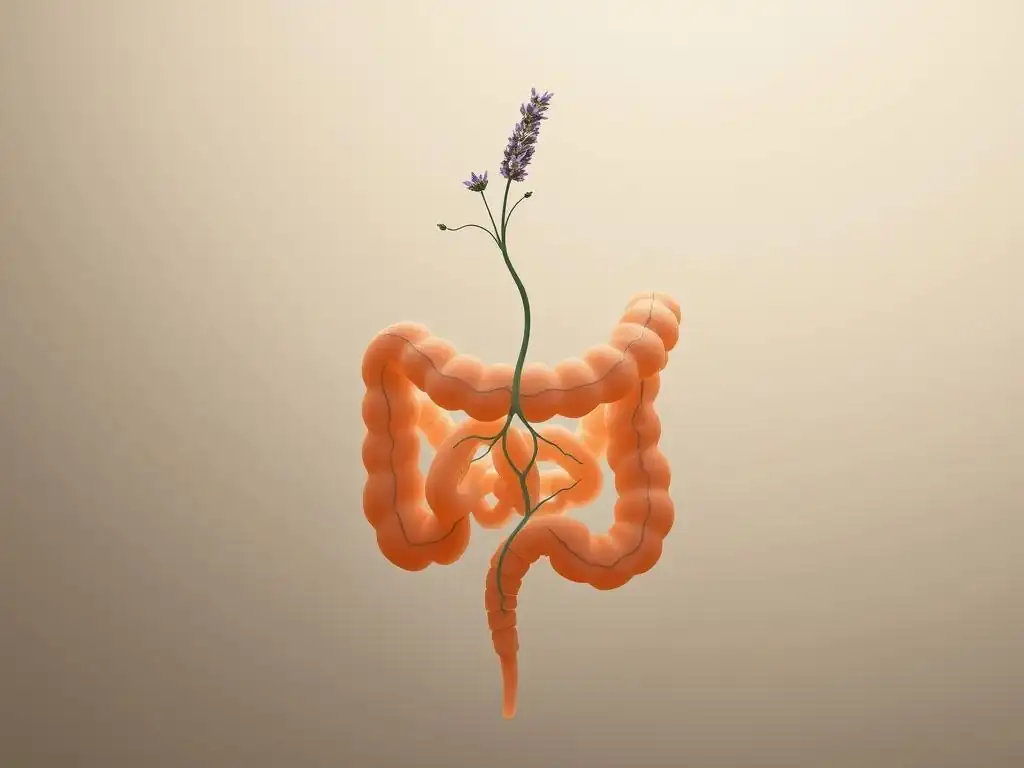
The Stress Response: How it Disrupts Gut Microbiome Balance
When the body perceives a threat, the stress response is activated, initiating a cascade of physiological changes mediated by the hypothalamic-pituitary-adrenal (HPA) axis and the sympathetic nervous system. While beneficial in acute situations, chronic stress can wreak havoc on the body, particularly the gut. Stress hormones like cortisol and catecholamines can directly influence the composition and function of the gut microbiome.
Studies in both animals and humans have shown that stress can rapidly alter the balance of beneficial and harmful bacteria, reduce microbial diversity, and promote the growth of potentially pathogenic microbes. For example, exposure to chronic stress has been linked to a decrease in beneficial Lactobacillus and Bifidobacterium species and an increase in bacteria associated with inflammation.
Furthermore, stress can slow down gut motility in the upper digestive tract while increasing it in the lower gut, leading to symptoms like indigestion, bloating, and diarrhea or constipation. It also increases intestinal permeability ("leaky gut"), allowing more toxins and inflammatory molecules to enter the bloodstream, as discussed earlier. This stress-induced dysbiosis and increased permeability can trigger low-grade inflammation, which, as we know, has systemic effects, including on the brain.
The disruption of the gut microbiome by stress creates a vicious cycle: stress harms the gut, and the compromised gut then sends distress signals back to the brain, potentially amplifying feelings of anxiety and vulnerability. This highlights the profound way in which stress directly interferes with how gut health impacts mental health.
Cortisol's Effect on Gut Permeability and Mental Health
Cortisol, the primary stress hormone released by the adrenal glands during the stress response, plays a significant role in modulating gut function and permeability. Elevated levels of cortisol, particularly when sustained due to chronic stress, can weaken the tight junctions that seal the intestinal lining. These tight junctions are critical for maintaining the gut barrier's integrity and preventing the passage of undigested food particles, bacteria, and toxins into the bloodstream. When cortisol compromises these junctions, gut permeability increases, leading to the "leaky gut" phenomenon.
Increased gut permeability allows inflammatory substances like bacterial lipopolysaccharides (LPS) to cross the gut barrier. Once in the bloodstream, LPS can trigger a systemic inflammatory response, including inflammation in the brain. Neuroinflammation caused by these circulating inflammatory mediators is strongly associated with the development and severity of various mental health conditions, including depression, anxiety disorders, and even fatigue.
By directly weakening the gut barrier, cortisol provides a clear pathway through which chronic stress contributes to systemic inflammation and negatively influences brain function and mood. Managing stress and its associated cortisol levels is therefore a crucial step in protecting gut integrity and supporting mental well-being, underscoring how stress directly impacts the mechanism by which gut health impacts mental health.
Chronic Stress and the Increased Risk of Digestive Disorders and Mental Health Conditions
The cumulative effect of chronic stress on the gut is not only temporary disruption but also an increased risk of developing chronic digestive disorders. Conditions like Irritable Bowel Syndrome (IBS), Inflammatory Bowel Disease (IBD), and even peptic ulcers are strongly linked to prolonged exposure to stress. The mechanisms involve stress-induced changes in gut motility, increased visceral sensitivity (leading to pain), altered gut microbiota composition, and persistent low-grade inflammation. It's estimated that a significant percentage of people with IBS report stress as a major trigger for their symptoms, and stress management is often a key component of treatment.
Furthermore, the bidirectional nature of the gut-brain axis means that chronic gut issues caused or exacerbated by stress can, in turn, worsen mental health. Living with chronic digestive pain, discomfort, and unpredictable symptoms is inherently stressful and can significantly impact quality of life, leading to increased rates of anxiety, depression, and social isolation. Studies show a high comorbidity rate between functional gut disorders like IBS and mood disorders.
This reinforces the cycle: stress harms the gut, leading to digestive problems, which then add to psychological stress, further impairing both gut and mental health. Recognizing this powerful link between chronic stress, gut dysfunction, and psychological vulnerability is essential for developing effective strategies to break the cycle and improve overall well-being, highlighting how sustained stress fundamentally alters the landscape where gut health impacts mental health.
Sleep Deprivation's Ripple Effect on the Gut and Mental State
The Link Between Poor Sleep Quality and Gut Microbiome Imbalance
Sleep is a fundamental biological process essential for physical and mental restoration, and its disruption has far-reaching effects, including on the gut microbiome. The gut microbiome exhibits its own circadian rhythm, with the activity and composition of microbial populations fluctuating over a 24-hour cycle, influenced by the host's sleep-wake patterns and feeding times.
When sleep patterns are irregular or sleep is insufficient, this can disrupt the microbes' natural rhythms, leading to dysbiosis – an imbalance in the gut microbial community. Studies, including those involving shift workers or individuals undergoing sleep restriction, have shown notable changes in gut bacterial profiles, often characterized by reduced diversity and shifts towards less beneficial species.
For example, research has indicated that even just a few nights of restricted sleep (e.g., 4-5 hours per night) can lead to detectable changes in the gut microbiome composition in healthy individuals. These changes might include a decrease in bacteria known to produce beneficial SCFAs and an increase in potentially pro-inflammatory species. This sleep-induced dysbiosis can compromise gut barrier function and contribute to low-grade inflammation, setting the stage for various health issues.
Given the gut microbiome's crucial role in signaling to the brain, alterations caused by poor sleep can directly impact neurochemical balance and inflammatory pathways, thereby influencing mood, stress reactivity, and cognitive function. This demonstrates how poor sleep quality directly interferes with the delicate balance through which gut health impacts mental health.
Sleep's Role in Regulating Inflammation and Protecting Gut Health
Sufficient, high-quality sleep is vital for maintaining the body's anti-inflammatory processes and supporting the integrity of the gut barrier. During sleep, the body undergoes repair and consolidation processes, including regulating the immune system. Chronic sleep deprivation, however, is a known pro-inflammatory state. It leads to increased levels of circulating inflammatory markers like C-reactive protein (CRP) and various cytokines. This systemic inflammation can negatively impact the gut lining, potentially increasing permeability and exacerbating any existing gut issues.
Moreover, sleep loss can disrupt the production of melatonin, a hormone primarily known for regulating sleep-wake cycles, but which also has significant antioxidant and anti-inflammatory properties, including protective effects on the gut lining. Melatonin receptors are found in the gut, and the hormone helps maintain the integrity of the intestinal barrier. Poor sleep reduces melatonin production, potentially weakening this protective mechanism.
By promoting systemic inflammation and potentially compromising the gut barrier, chronic sleep deprivation creates an environment less conducive to a healthy gut microbiome and increases vulnerability to gut dysfunction, thereby indirectly but significantly impacting mental health via the gut-brain axis. Prioritizing sleep is thus a fundamental strategy for supporting both gut health and mental well-being.
How Sleep Loss Exacerbates Stress and Worsens Mental Health Symptoms
The link between sleep deprivation, stress, and mental health is well-established. Lack of sleep significantly impairs the body's ability to cope with stress. Even mild sleep restriction can lead to increased activation of the amygdala, the brain's fear center, and decreased connectivity with the prefrontal cortex, which is involved in regulating emotions and executive function. This makes individuals more reactive to stressors and less able to manage their emotional responses effectively. Chronic sleep deprivation elevates cortisol levels and disrupts the normal diurnal rhythm of this stress hormone, keeping the body in a heightened state of alert.
This increased stress reactivity and elevated cortisol further impact the gut microbiome and gut permeability, creating a negative feedback loop. Poor sleep increases stress, stress harms the gut, and a compromised gut sends signals that can worsen mood and anxiety. For individuals already struggling with mental health conditions like anxiety or depression, sleep deprivation can significantly exacerbate symptoms, making it harder to recover.
Studies show that sleep disturbances are highly prevalent in individuals with depression and anxiety, often preceding or co-occurring with symptom onset. Addressing sleep is therefore not just about improving rest but is a critical component of managing stress, protecting gut health, and supporting overall mental recovery and resilience. It's a powerful example of how disruptions in one area (sleep) cascade to affect the entire triad, confirming that gut health impacts mental health within this complex system.
Practical Strategies for Improving Gut Health to Support Mental Well-being
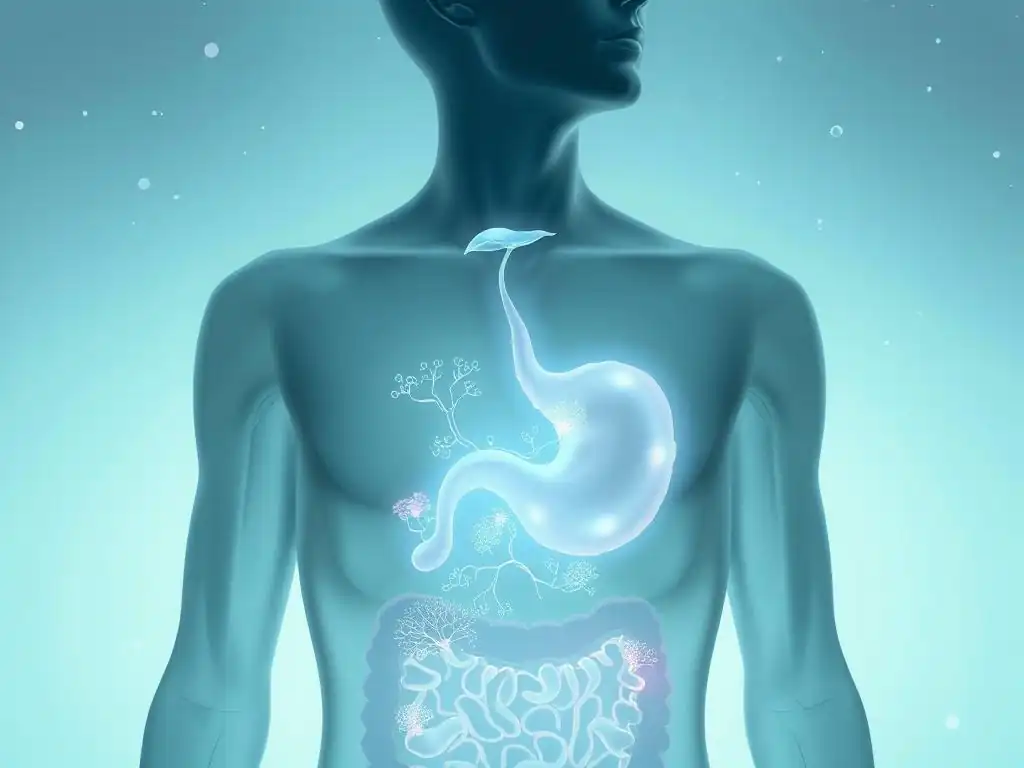
Dietary Changes to Promote a Healthy Gut Microbiome
Diet is perhaps the most direct way we can influence the composition and activity of our gut microbiome. A diverse, plant-rich diet provides the necessary fuel for beneficial bacteria to thrive. Focusing on whole, unprocessed foods is key. This involves increasing consumption of fruits, vegetables, legumes, nuts, and seeds, which are excellent sources of dietary fiber. Fiber isn't digested by human enzymes but is fermented by gut bacteria into beneficial compounds like short-chain fatty acids (SCFAs), which nourish gut cells and have systemic benefits.
Incorporating fermented foods and potentially probiotic supplements can also help introduce beneficial bacteria to the gut. Foods like yogurt (with live and active cultures), sauerkraut, kimchi, kefir, and kombucha contain probiotics, though the specific strains and quantities can vary.
While more research is needed to determine optimal strains and doses for mental health benefits, including diverse fermented foods in the diet is generally considered a positive step for gut diversity. Equally important is reducing the intake of foods that can negatively impact the microbiome and promote inflammation, such as highly processed foods, excessive sugar, and artificial sweeteners, which some studies suggest can disrupt microbial balance.
Increasing Fiber Intake for Gut Health and Mental Clarity
Dietary fiber is the cornerstone of a gut-healthy diet. It serves as a primary food source for beneficial gut bacteria, which ferment it into SCFAs. These SCFAs, particularly butyrate, are vital for the health of the colon lining, help reduce inflammation, and have been shown to influence brain function and mood. Aiming for the recommended daily fiber intake – about 25-30 grams for adults – is a crucial step. Most Western diets fall significantly short of this target, often providing less than 15 grams per day.
Good sources of fiber include lentils (about 15g per cup, cooked), black beans (about 15g per cup, cooked), broccoli (about 5g per cup, cooked), raspberries (about 8g per cup), oats (about 4g per half cup, dry), and almonds (about 3.5g per ounce). Gradually increasing fiber intake can help diversify the gut microbiome, enhance SCFA production, and improve gut motility. The resulting reduction in gut inflammation and improved gut function can send positive signals to the brain, contributing to better mood stability and potentially clearer cognitive function, demonstrating a tangible way that dietary choices supporting gut health impacts mental health.
Incorporating Probiotic-Rich Foods or Supplements for Gut Microbiome Diversity
Probiotics are live microorganisms that, when administered in adequate amounts, confer a health benefit on the host. Including probiotic-rich foods in your diet is a traditional way to support gut microbial diversity. Examples include:
- Yogurt (ensure it specifies "live and active cultures")
- Kefir (a fermented milk drink)
- Sauerkraut and Kimchi (fermented vegetables)
- Kombucha (fermented tea)
- Tempeh and Miso (fermented soy products)
While the exact strains and quantities of bacteria in fermented foods vary, regular consumption can contribute to a more diverse gut environment. Alternatively, probiotic supplements offer specific strains and dosages, often targeting particular health concerns. Research on probiotics and mental health is promising but still evolving.
Some studies have shown that certain strains, like Lactobacillus helveticus R0052 and Bifidobacterium longum R0175, or multi-strain formulations, may help reduce anxiety and depressive symptoms. It's often advisable to discuss probiotic supplement options with a healthcare provider, especially if targeting specific mental health concerns, to choose the most appropriate strains and dosages, reinforcing the idea that supporting gut health impacts mental health through microbial balance.
Reducing Processed Foods, Sugar, and Artificial Sweeteners to Minimize Gut Disruption
Just as certain foods nourish beneficial gut bacteria, others can feed less desirable microbes or directly harm the gut lining. Highly processed foods, which are often low in fiber and high in unhealthy fats, sugar, and additives, can contribute to dysbiosis. A diet high in refined sugars, for instance, can promote the growth of certain bacteria and yeasts that may contribute to inflammation and gut permeability. Studies have shown that diets high in sugar and saturated fat can negatively alter the gut microbiome composition within days.
Artificial sweeteners have also been shown in some research to potentially disrupt the gut microbiome, with effects varying depending on the specific sweetener. While more human research is needed, some studies suggest they can alter microbial diversity and function. Reducing consumption of these items decreases the load on the gut, minimizes inflammation, and creates a more favorable environment for beneficial bacteria to flourish.
This dietary modification is a proactive step in preventing gut dysbiosis and inflammation, thereby protecting the gut-brain axis and supporting mental well-being. By minimizing these disruptive elements, we directly support the mechanisms by which gut health impacts mental health.
Stress Management Techniques to Benefit Gut and Mind
Given the powerful impact of stress on the gut and brain, incorporating effective stress management techniques is crucial for supporting both digestive and mental health. Chronic stress triggers physiological responses that can lead to gut dysbiosis, increased permeability, and inflammation, all of which negatively affect the gut-brain axis. Techniques that activate the parasympathetic nervous system, the body's "rest and digest" mode, can counteract the effects of the stress response, calming both the nervous system and the gut.
Finding stress management practices that resonate with you and incorporating them consistently into your routine is key. This isn't about eliminating stress entirely, which is often impossible, but about building resilience and improving your body's ability to recover from stressful events. By mitigating the physiological toll of stress, these techniques directly protect gut integrity and function, thereby supporting the positive signaling between the gut and the brain. This dual benefit highlights the interconnected nature of stress, gut health, and mental well-being.
Mindfulness and Meditation for Stress Reduction and Gut Health
Mindfulness and meditation practices have been shown to significantly reduce stress by calming the nervous system and lowering stress hormones like cortisol. Regular meditation practice can lead to changes in brain structure related to stress regulation and emotional processing. By reducing the physiological stress response, these practices can indirectly benefit gut health. Lower cortisol levels are associated with reduced gut permeability and less disruption to the gut microbiome.
Furthermore, mindfulness can help individuals become more attuned to their bodily sensations, including those originating from the gut. This increased awareness can aid in recognizing and managing gut symptoms, particularly in conditions like IBS, which are highly influenced by stress.
Studies have explored the use of mindfulness-based therapies for functional gut disorders, showing promising results in reducing symptom severity and improving quality of life. Engaging in even short periods of mindfulness or meditation daily can be a powerful tool for calming both the mind and the gut, reinforcing how managing stress improves the pathway through which gut health impacts mental health.
Regular Exercise to Improve Mood and Gut Motility
Physical activity is a well-known stress reliever and mood booster. Exercise reduces stress hormones, stimulates the production of endorphins (natural mood elevators), and can improve sleep quality. Beyond its direct effects on the brain and stress levels, regular exercise also appears to have a positive impact on the gut microbiome. Studies suggest that individuals who engage in regular physical activity tend to have a more diverse gut microbial composition compared to sedentary individuals. Exercise may also improve gut motility, helping to prevent constipation and promote regular elimination, which is important for gut health.
The mechanisms by which exercise influences the gut microbiome are still being researched but may involve changes in gut transit time, alterations in bile acid metabolism, and effects on the immune system. For example, moderate exercise has been linked to increased levels of certain beneficial bacteria and increased production of SCFAs.
By reducing stress, improving mood, and positively influencing the gut microbiome, exercise offers a multifaceted approach to supporting both physical and mental well-being. Incorporating regular movement is a practical strategy that benefits the entire gut-brain axis, demonstrating another way proactive lifestyle choices contribute to how gut health impacts mental health.
Spending Time in Nature to Reduce Stress
Spending time outdoors, often referred to as "nature therapy" or "forest bathing," has been shown to reduce stress, lower blood pressure, and improve mood. The calming effects of nature are thought to be mediated by reducing the activation of the sympathetic nervous system and promoting relaxation. Removing oneself from urban stressors and immersing in natural environments can significantly lower cortisol levels and reduce feelings of anxiety and rumination.
This reduction in stress has a beneficial flow-on effect to the gut. Lower stress hormone levels help maintain gut barrier integrity and prevent stress-induced changes in the gut microbiome. Furthermore, some emerging research suggests that exposure to diverse natural environments might even directly influence the human microbiome, including the gut, through contact with environmental microbes, though this area requires much more study.
Regardless of the direct microbial exchange, the undeniable stress-reducing benefits of nature make it a valuable tool for supporting the gut-brain connection. Taking time to walk in a park, hike in the woods, or simply sit by a body of water can be a simple yet effective strategy for calming both the mind and the gut.
Optimizing Sleep Hygiene for a Healthier Gut-Brain Connection
Improving sleep quality is not only crucial for managing stress and enhancing cognitive function but also directly benefits gut health and the gut-brain axis. As discussed earlier, poor sleep can disrupt the gut microbiome's circadian rhythms and composition, contributing to dysbiosis and inflammation. Prioritizing sleep hygiene involves adopting habits and creating an environment conducive to consistent, restful sleep.
Aiming for 7-9 hours of quality sleep per night is a goal that supports overall physiological health, including the intricate communication between the gut and the brain. Establishing a consistent sleep schedule helps regulate the body's natural circadian rhythms, which in turn supports the healthy rhythms of the gut microbiome. Simple adjustments to evening routines and sleep environments can make a significant difference in improving sleep quality and, consequently, fostering a healthier gut-brain connection.
Establishing a Consistent Sleep Schedule to Regulate Circadian Rhythm
The body's internal clock, the circadian rhythm, regulates numerous physiological processes, including the sleep-wake cycle and digestive function. The gut microbiome also exhibits its own circadian rhythms, which are influenced by the host's patterns of sleep and eating. Going to bed and waking up at roughly the same time every day, even on weekends, helps to entrain these natural rhythms. This consistency signals to the body and the gut microbes when to be active and when to rest, promoting a more stable and balanced gut environment.
Disrupting the circadian rhythm, such as through shift work, jet lag, or inconsistent sleep patterns, has been shown to negatively impact gut microbial diversity and function. This disruption can contribute to digestive issues and potentially influence mood. By adhering to a consistent sleep schedule, you help synchronize the body's internal processes, supporting optimal gut function and communication along the gut-brain axis. This simple habit is a powerful tool for maintaining the rhythmic balance necessary for a healthy gut and stable mental state.
Creating a Relaxing Bedtime Routine to Promote Sleep Onset
The transition from wakefulness to sleep is smoother when the body and mind are prepared for rest. Establishing a relaxing bedtime routine signals to your body that it's time to wind down and prepare for sleep. This routine should ideally start 30-60 minutes before your target bedtime and involve calming activities. Examples include reading a physical book (avoiding screens), taking a warm bath, listening to quiet music, or practicing gentle stretching or relaxation exercises.
Avoiding stimulating activities like vigorous exercise, heavy meals, caffeine, alcohol, and screen time (due to blue light emission that suppresses melatonin) in the hours before bed is also crucial. A consistent, calming routine helps reduce stress and anxiety levels before sleep, which in turn benefits the gut. A relaxed state promotes parasympathetic nervous system activity ("rest and digest"), which is conducive to both sleep and healthy gut function. By reducing pre-sleep stress, you support the conditions necessary for restorative sleep and a healthy gut-brain connection.
Ensuring a Dark, Quiet, and Cool Sleep Environment for Optimal Rest
The physical environment in which you sleep plays a critical role in sleep quality. The bedroom should be a sanctuary dedicated to rest. Darkness is essential because light exposure, particularly blue light from electronic devices, suppresses the production of melatonin, the hormone that regulates sleep. Using blackout curtains or an eye mask can help ensure sufficient darkness.
Noise can disrupt sleep, even if you don't fully wake up. Using earplugs or a white noise machine can help block out distracting sounds. Temperature is also key; most people sleep best in a cool room, typically between 60-67°F (15-19°C). A comfortable mattress and pillows are also important for physical comfort. By optimizing your sleep environment, you minimize potential disruptions and create the ideal conditions for deep, restorative sleep. This improved sleep quality supports overall physiological resilience, including maintaining a healthy gut microbiome and strengthening the gut-brain axis, reinforcing the holistic link between sleep, gut health, and mental well-being.
The Importance of a Holistic Approach to Mental Health: Addressing Sleep, Stress, and Gut Health Concurrently
Why Treating Symptoms Alone Isn't Enough
Traditional approaches to mental health have often focused on managing symptoms through medication and talk therapy, primarily targeting brain function. While these interventions are invaluable and necessary for many, they sometimes overlook the significant physiological contributors that can underlie or exacerbate mental health challenges.
As we've explored, the triad of sleep, stress, and gut health is deeply interconnected, and imbalances in one area can profoundly impact the others and the brain. Treating anxiety or depression, for example, solely through medication or therapy without addressing severe sleep deprivation, chronic unmanaged stress, or significant gut issues may lead to incomplete recovery or persistent symptoms.
Imagine someone experiencing anxiety that is partly driven by chronic gut inflammation stemming from dysbiosis caused by a poor diet and high stress. While therapy can provide coping mechanisms for the anxiety, and medication might alleviate some symptoms, if the underlying gut issues and stress drivers are not addressed, the body continues to send distress signals to the brain, potentially undermining treatment effectiveness.
Focusing only on the psychological or neurochemical symptoms in isolation fails to address the root physiological imbalances that contribute to the problem. A holistic approach recognizes that true mental well-being arises from the harmonious functioning of the entire system, not just isolated parts, emphasizing that effectively addressing how gut health impacts mental health requires considering the broader physiological context.
The Benefits of Integrative Therapies for Gut-Brain Health
An integrative approach to mental health acknowledges the complex interplay between mind and body, incorporating strategies that address sleep, stress, and gut health alongside traditional psychological and psychiatric care. This might involve working with a team of practitioners, including a psychiatrist, therapist, registered dietitian or nutritionist specializing in gut health, and potentially a sleep specialist. The goal is to identify and address the specific physiological factors contributing to an individual's mental health symptoms.
Integrative therapies could include personalized dietary plans focused on gut health (e.g., increasing fiber, incorporating fermented foods, identifying sensitivities), targeted stress reduction techniques (like mindfulness, yoga, or biofeedback), sleep hygiene optimization, and potentially supplements like probiotics, prebiotics, or omega-3 fatty acids based on individual needs and assessment. By addressing multiple contributing factors simultaneously, this approach can lead to more profound and sustainable improvements in mental well-being. It empowers individuals with a broader range of tools and strategies, recognizing that optimizing physiological health, particularly gut health, is a powerful pathway to supporting mental resilience and recovery.
Seeking Professional Guidance for Personalized Support
Navigating the complex relationship between sleep, stress, and gut health can be overwhelming, and making significant dietary or lifestyle changes requires careful consideration. This is where professional guidance becomes invaluable. A healthcare provider, particularly one with an understanding of functional medicine or the gut-brain axis, can help assess your individual situation, identify potential underlying issues (like gut dysbiosis, food sensitivities, or sleep disorders), and recommend a personalized plan.
A registered dietitian can provide tailored dietary advice to support your gut health, ensuring you get adequate nutrients while addressing specific concerns. A therapist can help you develop effective stress management strategies and process the emotional aspects of dealing with health challenges. A sleep specialist can diagnose and treat underlying sleep disorders.
Working with professionals ensures that interventions are appropriate, safe, and targeted to your specific needs, maximizing the potential for positive outcomes. They can help you understand how your unique gut health impacts mental health and guide you on the most effective path forward, providing support and expertise on your journey towards holistic well-being.
Conclusion: Prioritizing Gut Health for Improved Mental Wellness
The Future of Gut-Brain Research and Mental Health Treatment
The field of gut-brain research is one of the most exciting frontiers in neuroscience and mental health today. Scientists are continually uncovering new mechanisms by which the gut microbiome communicates with the brain and influences behavior, mood, and cognition. Future research is likely to refine our understanding of specific microbial species and their metabolites that have the most significant impact on mental health, potentially leading to highly targeted probiotic or prebiotic interventions. Technologies like microbiome sequencing are becoming more accessible, offering the possibility of personalized gut health assessments that can inform mental health treatment strategies.
Furthermore, research is deepening into how dietary patterns, specific nutrients, and even fecal microbiota transplantation (FMT) might be used therapeutically for mental health conditions. As the evidence grows, we can expect to see a greater integration of gut-focused interventions into mainstream mental healthcare protocols. This evolving understanding promises more comprehensive and effective approaches to preventing and treating mental health challenges, moving towards a future where addressing the gut is a standard part of caring for the mind, solidifying the clinical recognition that gut health impacts mental health profoundly.
Empowering Yourself to Take Control of Your Gut Health and Mental Well-being
Understanding the powerful connections between sleep, stress, and gut health and their collective impact on mental well-being is the first step towards taking proactive control of your health journey. You are not a passive recipient of your circumstances; you have the power to influence these factors through informed lifestyle choices. While professional guidance is essential, particularly when dealing with existing health conditions, many foundational steps can be taken independently.
Prioritizing a nutrient-dense, fiber-rich diet, implementing effective stress management techniques, and establishing healthy sleep habits are tangible actions that can significantly improve your gut health and, consequently, your mental state. These are not quick fixes but sustainable lifestyle changes that build resilience over time.
By nurturing your gut, managing your stress, and optimizing your sleep, you are actively strengthening the vital communication pathways that support a healthy mind. Embrace this holistic perspective, listen to your body, and take consistent steps towards nurturing all aspects of your well-being, confident in the knowledge that supporting your gut health impacts mental health in profoundly positive ways.
Frequently Asked Questions
What is the connection between gut health and mental well-being, as highlighted by Mind Care Guide?
The connection lies in the gut-brain axis, a complex communication network. An imbalance in gut bacteria can lead to inflammation and affect neurotransmitter production, ultimately impacting mental health. Mind Care Guide emphasizes this link.
How do sleep patterns influence both gut health and mental health, according to the article?
Poor sleep disrupts the gut microbiome, leading to inflammation that can affect mood and increase stress levels. Consequently, this negatively impacts mental well-being.
In what ways does stress impact the gut and subsequently affect mental health, according to Mind Care Guide?
Stress can alter gut motility and permeability, leading to gut dysbiosis (an imbalance in gut bacteria). This can then trigger inflammation and affect neurotransmitter production, worsening mental health symptoms.
What practical steps can I take to improve my gut health to potentially benefit my mental well-being, as suggested in the article?
Focus on a balanced diet rich in fiber, probiotics, and prebiotics. Manage stress through techniques like mindfulness and ensure adequate sleep to support a healthy gut environment.
Where can I find more information and resources on the relationship between gut health and mental health, as offered by Mind Care Guide?
Mind Care Guide offers a comprehensive guide on their website, providing information, support, and resources for various mental health challenges related to gut health impacts mental health.
Final Reflection: Weaving the Threads of Mind, Body, and Gut
The intricate relationship between sleep, stress, and gut health is not merely an academic curiosity; it's a fundamental key to unlocking better mental well-being in our increasingly demanding world. Understanding this interconnectedness is no longer a niche interest, but a crucial step towards proactive mental healthcare. The evidence presented clearly demonstrates that neglecting any one of these three pillars—sleep, stress management, and gut health—can significantly destabilize the others, leading to a cascade of negative consequences for mental health.
The pervasive nature of stress in modern life, coupled with increasingly erratic sleep patterns and a widespread decline in dietary diversity, has created a perfect storm for mental health challenges. This isn't just a personal observation; it's a societal issue reflected in rising rates of anxiety and depression. The gut is the second brain,
a phrase often used, highlights the undeniable connection between our digestive system and our emotional state. This understanding empowers us to take control of our mental health by actively nurturing the health of our gut microbiome through diet and lifestyle choices.
You now possess a deeper understanding of how sleep, stress, and gut health intertwine to influence your mental well-being. Consider this: what small changes can you implement today to improve your sleep hygiene? How can you better manage stress in your daily life? What dietary adjustments might support a healthier gut microbiome? These are not insurmountable challenges; they are opportunities to invest in your mental and physical health. Start small, be consistent, and witness the transformative power of nurturing the intricate connection between your mind, body, and gut.
Unlock Your Best Sleep: Reclaim Your Mental Wellness
Thanks for taking the time to explore the fascinating connection between sleep, stress, and gut health! You've now armed yourself with valuable insights into improving your mental well-being. Let's put this knowledge into action:
- Prioritize a consistent sleep schedule: Aim for 7-9 hours of quality sleep each night. This is the cornerstone of improved mental and physical health. Try tracking your sleep for a week to see where you can make adjustments.
- Experiment with a gut-friendly diet: Introduce more fermented foods or consider a probiotic supplement to support a healthy gut microbiome, a key player in stress management and sleep quality. What changes might you make to your diet this week?
- Share your sleep journey: Discuss your experiences and any changes you make with friends, family, or in our Mind Care Guide community. Let's support each other on the path to better sleep and mental wellness!
Ready to embark on your journey to better sleep and a healthier mind? What small step will you take today?