
Stress, Glial Cells, and Brain Health: An Overlooked Biological Link

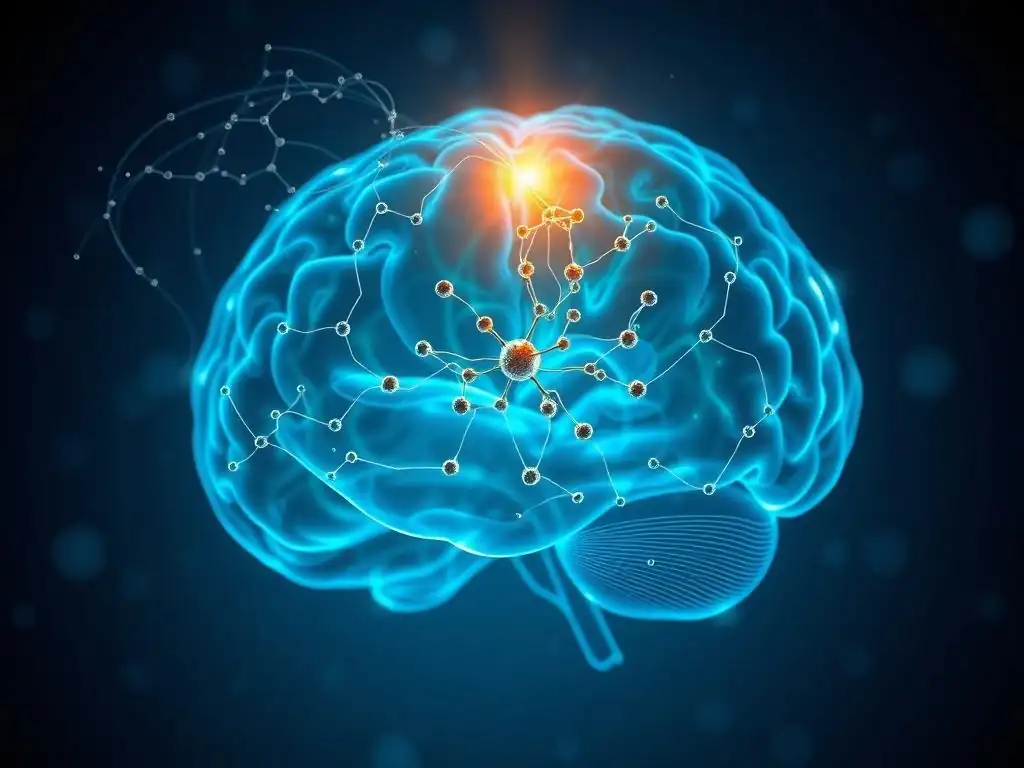
Welcome to Mind Care Guide, your sanctuary for understanding and nurturing your mental well-being.
Feeling overwhelmed by stress? You're not alone. But did you know that the key to managing stress and protecting your brain health might lie within tiny, often overlooked cells called glial cells? Dive into our latest article, " Stress, Glial Cells, and Brain Health: An Overlooked Biological Link," and uncover the fascinating science connecting these vital cells to your overall mental resilience. Let's explore this crucial connection together and discover how understanding it can empower you to build a healthier, happier mind.
Stress, Glial Cells, and Brain Health: An Overlooked Biological Link
- Introduction: The Stress-Brain Health Connection and the Role of Glial Cells
- Glial Cells: Key Players in Brain Function and Stress Response
- How Stress Impacts Glial Cell Function: A Biological Cascade
- Glial Cell Dysfunction: A Gateway to Mental Health Disorders?
- Protecting Your Brain: Strategies to Support Glial Cell Health and Resilience to Stress
- Conclusion: The Importance of Glial Cell Health for Overall Brain Well-being Under Stress
-
Frequently Asked Questions
- What are glial cells and why are they important for brain health?
- How can stress impact glial cell activity?
- What is the connection between glial cell activation and mental well-being?
- What strategies can be employed to mitigate the negative effects of stress on glial cells and brain health?
- Where can I find more information and support for managing stress and promoting mental well-being, specifically related to the role of glial cells?
- Final Reflection: Unraveling the Stress-Glial Cell Connection for a Healthier Future
- Unlock Your Brain's Resilience: Simple Steps to Support Glial Cell Health
Introduction: The Stress-Brain Health Connection and the Role of Glial Cells
Understanding the Impact of Chronic Stress on the Brain
Chronic stress exerts a profound and often detrimental influence on the structure and function of the brain. Unlike acute stress, which triggers a temporary fight-or-flight response, prolonged exposure to stressors can lead to significant alterations in brain regions critical for mood, memory, and cognition. For instance, research consistently shows that chronic stress can reduce the volume of the hippocampus, a brain area vital for learning and memory formation.
This reduction is often linked to impaired cognitive function and increased vulnerability to mental health conditions. The constant barrage of stress hormones, particularly cortisol, disrupts the delicate balance within neural circuits, impacting everything from synaptic plasticity – the ability of synapses to strengthen or weaken over time – to neurogenesis, the birth of new neurons.
Furthermore, chronic stress can increase activity in the amygdala, the brain's primary fear and threat processing center. This heightened state of alert contributes to symptoms commonly associated with anxiety disorders and can lead to a persistent feeling of unease and hypervigilance. The prefrontal cortex, responsible for executive functions like decision-making and emotional regulation, is also highly susceptible to the effects of prolonged stress. Its function can become impaired, leading to difficulties with focus, impulse control, and emotional resilience. Understanding these structural and functional changes is crucial for appreciating the biological depth of the stress-brain health connection.
Introducing Glial Cells: More Than Just Brain Glue
For decades, neurons were considered the undisputed stars of the brain, solely responsible for transmitting information and performing cognitive tasks. Glial cells, often referred to collectively as "glia," were largely relegated to a supporting role – providing structural support, insulation, and basic maintenance, hence the historical term "brain glue." However, this perception has dramatically shifted with advancements in neuroscience. We now understand that glial cells are dynamic and active participants in virtually all aspects of brain function, including synaptic communication, circuit formation, and the response to injury and disease. They are not passive bystanders but essential partners to neurons.
Glial cells constitute roughly half of the cells in the human brain, and their diverse functions are critical for maintaining the intricate environment necessary for optimal neural activity. They regulate the chemical composition of the extracellular space, provide metabolic support to neurons, and even play a direct role in shaping synaptic strength and connectivity. Crucially, glial cells are also the primary responders to stress and inflammation within the brain. Their activation and interaction with neurons are increasingly recognized as central to understanding how stress impacts brain health and contributes to various neurological and psychiatric disorders.
Glial Cells: Key Players in Brain Function and Stress Response
Types of Glial Cells and Their Specific Functions
Astrocytes: Regulating the Brain's Environment and Synaptic Transmission
Astrocytes are the most abundant type of glial cell in the central nervous system, characterized by their star-like shape and numerous processes that interact with neurons, blood vessels, and other glial cells. They play a vital role in maintaining the homeostasis of the brain's microenvironment, regulating the concentration of ions and neurotransmitters in the synaptic cleft.
For example, astrocytes efficiently clear excess glutamate, a major excitatory neurotransmitter, from synapses, preventing excitotoxicity that can damage neurons. They also form the gliovascular unit, a critical component of the blood-brain barrier, influencing blood flow and the delivery of nutrients and oxygen to neurons.
Beyond their supportive and regulatory roles, astrocytes are active participants in synaptic transmission. They can sense neuronal activity through receptors for neurotransmitters and, in turn, release their own signaling molecules, called gliotransmitters, which can modulate synaptic strength and plasticity. This bidirectional communication between astrocytes and neurons highlights their integral role in neural circuit function. Under conditions of stress, astrocytes can become reactive, changing their morphology and function, which can either be protective in the short term or contribute to neuroinflammation and dysfunction if the stress is chronic.
Microglia: The Brain's Immune Defenders and Synaptic Pruning
Microglia are the brain's resident immune cells, functioning as the primary form of active immune defense in the central nervous system. In their resting state, microglia constantly survey the brain environment, extending and retracting their processes to detect pathogens, cellular debris, or signs of injury. When activated by stressors, inflammation, or damage, microglia rapidly change morphology and function, migrating to the site of insult. They can then phagocytose (engulf and clear) damaged cells, pathogens, and protein aggregates, acting as the brain's clean-up crew.
Moreover, microglia play a crucial role in brain development and plasticity through a process called synaptic pruning. During development and throughout life, microglia actively remove weaker or less active synapses, refining neural circuits and ensuring efficient communication. This process is essential for learning and memory. However, under chronic stress or in the presence of persistent inflammatory signals, microglia can become chronically activated, leading to excessive release of pro-inflammatory cytokines and potentially aberrant synaptic pruning, which can disrupt neural networks and contribute to neurodegenerative and psychiatric conditions.
Oligodendrocytes: Myelin Production and Neural Communication
Oligodendrocytes are another crucial type of glial cell found in the central nervous system. Their primary function is the production of myelin, a fatty sheath that insulates the axons of many neurons. Myelin acts like insulation on an electrical wire, allowing for rapid and efficient transmission of electrical signals (action potentials) along the axon through a process called saltatory conduction. Without adequate myelination, signal transmission is slowed and can even fail, impairing communication between different brain regions.
Oligodendrocytes and their myelin sheaths are sensitive to stress and inflammation. Chronic stress can impair oligodendrocyte progenitor cells' ability to differentiate into mature, myelin-producing oligodendrocytes, potentially leading to demyelination or insufficient myelination in certain brain areas, such as the prefrontal cortex. This disruption in myelin integrity can contribute to cognitive deficits and altered connectivity observed in stress-related disorders. Maintaining healthy oligodendrocyte function is therefore vital for robust neural communication and overall brain health under stress.
The Crucial Role of Glial Cells in Maintaining Brain Health
Glial cells collectively perform a multitude of functions essential for maintaining the health and optimal function of the brain. They provide metabolic support, regulate the extracellular environment, contribute to the blood-brain barrier, prune synapses, produce myelin, and act as the brain's immune system. This extensive portfolio of roles means that glial cells are not merely support staff but active participants in all neural processes, from basic housekeeping to complex cognitive functions. Their health and proper functioning are intrinsically linked to neuronal health and circuit integrity.
When glial cells become dysfunctional, whether due to stress, injury, or disease, the consequences for brain health can be severe. Reactive astrocytes can release neurotoxic factors, chronically activated microglia can cause excessive inflammation and synaptic damage, and impaired oligodendrocytes can disrupt neural connectivity. Understanding the critical and diverse roles of glial cells is fundamental to grasping the biological underpinnings of brain health and how it can be compromised by factors like chronic stress.
How Stress Impacts Glial Cell Function: A Biological Cascade
Stress-Induced Inflammation and Glial Cell Activation
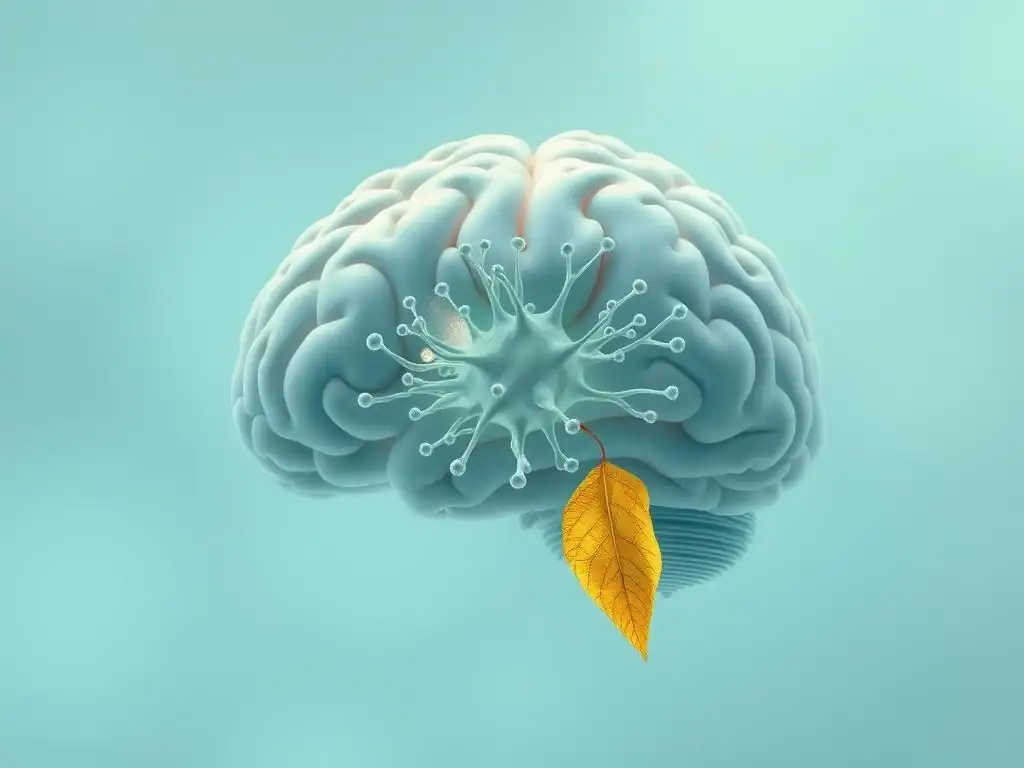
One of the primary ways stress impacts glial cell function is by triggering neuroinflammation. Psychological and physiological stressors activate the body's stress response systems, including the release of stress hormones and inflammatory mediators. These signals can cross the blood-brain barrier or be relayed from peripheral tissues to the brain, where they are detected by glial cells, particularly microglia and astrocytes. This leads to glial cell activation, a state characterized by changes in morphology, proliferation, and the release of various signaling molecules.
Activated microglia and astrocytes release pro-inflammatory cytokines such as Interleukin-1 beta (IL-1β), Tumor Necrosis Factor-alpha (TNF-α), and Interleukin-6 (IL-6). While acute glial activation and inflammation are part of the brain's protective response to injury or infection, chronic activation due to prolonged stress leads to persistent low-grade neuroinflammation. This chronic inflammatory state is detrimental to neurons and can disrupt synaptic function, impair neurogenesis, and contribute to neuronal damage, forming a critical link in how stress impacts glial cells and subsequent brain health.
The Effects of Stress Hormones (Cortisol) on Glial Cells
Stress hormones, particularly glucocorticoids like cortisol (the primary stress hormone in humans), exert significant influence on glial cells. Glial cells, including astrocytes, microglia, and oligodendrocytes, possess receptors for glucocorticoids. When chronic stress leads to persistently elevated cortisol levels, these hormones bind to their receptors on glial cells, altering their gene expression and function. For example, high levels of cortisol can modulate the inflammatory response of microglia, sometimes initially suppressing it, but under chronic conditions, contributing to a dysregulated and potentially neurotoxic inflammatory profile.
Cortisol can also affect astrocyte function, impairing their ability to regulate neurotransmitter levels or provide metabolic support to neurons. Furthermore, glucocorticoids can negatively impact oligodendrocyte progenitor cells, hindering myelin repair and potentially contributing to demyelination under chronic stress conditions. The direct interaction between stress hormones and glial cells highlights a key biological pathway through which stress influences glial cell function and ultimately, brain health.
Glial Cell Dysfunction and its Link to Neurodegenerative Diseases
While the focus of this article is on stress-related mental health disorders, it is important to note that chronic glial cell dysfunction, often exacerbated by stress-induced neuroinflammation, is strongly implicated in the pathogenesis of various neurodegenerative diseases. Conditions like Alzheimer's disease, Parkinson's disease, and Amyotrophic Lateral Sclerosis (ALS) are characterized by progressive neuronal loss and dysfunction, and studies have revealed significant abnormalities in glial cell morphology, distribution, and activity in the affected brain regions. For instance, in Alzheimer's disease, reactive astrocytes and microglia are found surrounding amyloid plaques and neurofibrillary tangles, contributing to the inflammatory environment that drives neurodegeneration.
Although glial activation can initially be protective by clearing protein aggregates or cellular debris, chronic or dysregulated activation, potentially fueled by factors like persistent stress and inflammation, can shift glial cells into a state where they release neurotoxic factors and contribute to neuronal damage. This underscores the delicate balance of glial function and how its disruption, potentially initiated or worsened by chronic stress impacting glial cells, can have far-reaching consequences for long-term brain health and vulnerability to neurodegenerative processes.
Glial Cell Dysfunction: A Gateway to Mental Health Disorders?
Stress, Glial Cells, and Depression: Exploring the Connection
Emerging research strongly suggests that glial cell dysfunction plays a significant role in the development and pathology of depression, particularly in cases linked to chronic stress. Studies in both animal models of stress and post-mortem brain tissue from individuals with depression have shown alterations in the number, morphology, and function of astrocytes and microglia in key brain regions like the prefrontal cortex and hippocampus. For example, some studies have reported a reduction in the density of certain types of astrocytes in the prefrontal cortex of depressed individuals, potentially impairing their ability to support neuronal function and regulate synaptic transmission.
Furthermore, chronic stress-induced activation of microglia and the subsequent release of pro-inflammatory cytokines are thought to disrupt neurotransmitter systems, particularly those involving serotonin, norepinephrine, and dopamine, which are known to be dysregulated in depression. These cytokines can impair the synthesis and reuptake of neurotransmitters and alter the sensitivity of their receptors. This biological cascade, starting with stress impacting glial cells and leading to neuroinflammation and neurotransmitter imbalances, provides a compelling biological explanation for some of the core symptoms of depression, such as anhedonia (loss of pleasure) and cognitive deficits.
Anxiety Disorders and Glial Cell Involvement: A Potential Pathway
Similar to depression, anxiety disorders are increasingly linked to alterations in glial cell function, often triggered or exacerbated by stress impacting glial cells and brain health. The amygdala, a key structure in processing fear and anxiety, contains a dense population of glial cells, and their activity is strongly influenced by stress. Chronic stress can lead to increased microglial activation and pro-inflammatory cytokine production in the amygdala and connected regions, contributing to heightened fear responses and anxiety-like behaviors observed in animal models.
Astrocytes also play a role in regulating synaptic activity within anxiety circuits. Changes in astrocyte function, such as impaired glutamate clearance, can lead to excessive excitatory signaling in anxiety-related brain regions, potentially contributing to the persistent state of hyperarousal characteristic of anxiety disorders. Understanding the specific ways stress alters glial cell function in circuits involved in fear and anxiety processing is a crucial area of research for developing novel therapeutic targets for these common conditions.
Schizophrenia and the Role of Glial Cell Abnormalities
Although the primary focus regarding stress glial cells brain health often centers on mood and anxiety disorders, evidence also points to glial cell abnormalities in neurodevelopmental and psychiatric conditions like schizophrenia. Studies have consistently found alterations in the density, distribution, and activation state of microglia and astrocytes in the brains of individuals with schizophrenia, particularly in regions like the prefrontal cortex and hippocampus. Some research suggests that abnormal synaptic pruning by microglia during critical developmental periods, potentially influenced by genetic factors or environmental stressors, could contribute to the altered brain connectivity seen in schizophrenia.
Furthermore, neuroinflammation, mediated by activated glial cells, is considered a potential contributor to the pathology of schizophrenia, particularly during periods of psychosis. While the exact mechanisms are still being elucidated, the presence of chronic stress and inflammation interacting with genetically predisposed glial vulnerabilities is an active area of investigation. These findings highlight that glial cell dysfunction is not only relevant to stress-induced conditions but may represent a broader vulnerability factor across a spectrum of psychiatric disorders, underscoring the importance of maintaining overall glial cell health.
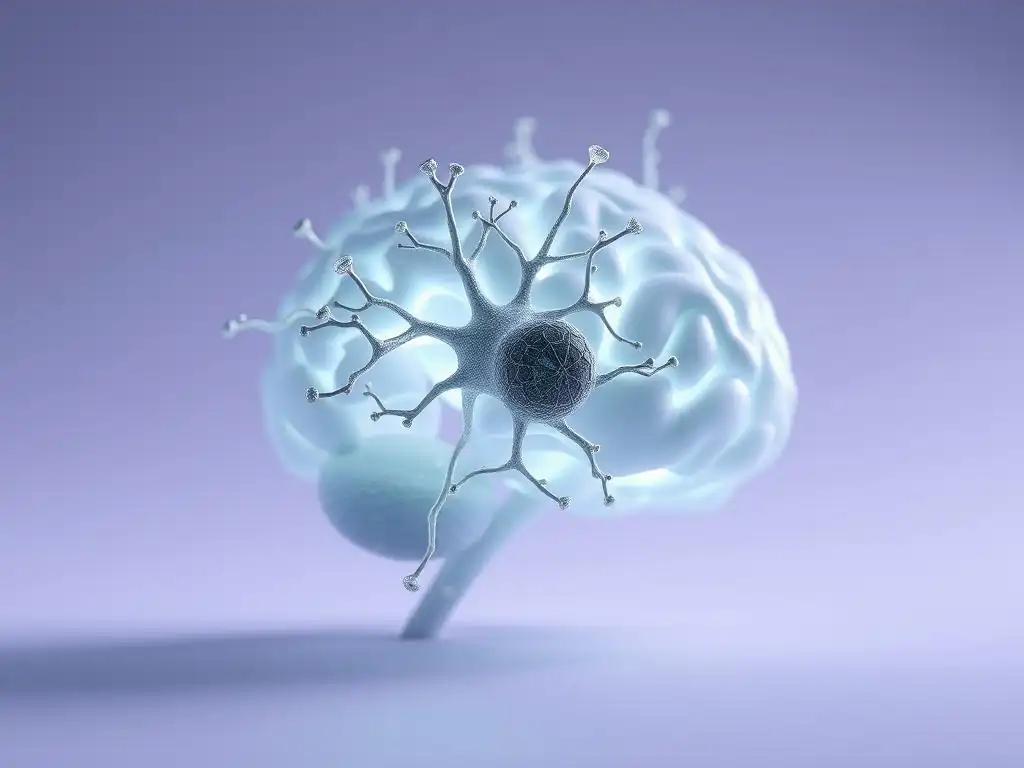
Protecting Your Brain: Strategies to Support Glial Cell Health and Resilience to Stress
Lifestyle Factors for Glial Cell Support
Diet and Nutrition: Fueling Healthy Glial Cell Function
What we eat has a significant impact on brain health, including the function of glial cells. A diet rich in anti-inflammatory foods can help mitigate the stress-induced inflammation that negatively affects glial cells. This includes foods high in omega-3 fatty acids, found in fatty fish like salmon and walnuts, which have been shown to reduce pro-inflammatory cytokine production. Antioxidant-rich fruits and vegetables, such as berries, leafy greens, and broccoli, help protect glial cells from oxidative stress.
Conversely, diets high in saturated fats, refined sugars, and processed foods can promote systemic and neuroinflammation, potentially leading to chronic glial activation and dysfunction. For example, studies suggest that a high-fat, high-sugar diet can increase microglial activation and impair cognitive function. Prioritizing a balanced, nutrient-dense diet is a foundational step in supporting healthy glial cell function and building resilience against the negative impacts of stress on glial cells and brain health.
Exercise and Glial Cell Activity: Enhancing Brain Resilience
Regular physical exercise is a powerful modulator of brain health and has been shown to positively influence glial cell function. Exercise can reduce systemic inflammation, which in turn reduces the inflammatory signals reaching the brain and activating glial cells. Furthermore, physical activity increases the production of neurotrophic factors, such as Brain-Derived Neurotrophic Factor (BDNF), which are known to support neuronal survival, synaptic plasticity, and also promote the health and function of glial cells, including encouraging beneficial states of microglia and astrocytes.
Exercise has also been shown to promote adult neurogenesis in the hippocampus, a process supported by glial cells, particularly astrocytes. Engaging in regular aerobic exercise, such as brisk walking, running, or swimming for at least 150 minutes per week, can enhance overall brain resilience, partly by optimizing the function of glial cells and counteracting the detrimental effects of stress on glial cells and brain health.
Sleep and Glial Cell Regeneration: The Importance of Rest
Adequate and restorative sleep is crucial for brain health, and its impact on glial cells is increasingly recognized. During sleep, particularly slow-wave sleep, the brain's glymphatic system, which is largely mediated by astrocytes, becomes highly active, clearing metabolic waste products and toxins that accumulate during wakefulness. This "brain cleansing" process is vital for preventing the build-up of potentially harmful substances that can activate microglia and contribute to neuroinflammation.
Chronic sleep deprivation, a common consequence of stress, impairs the glymphatic system's efficiency and can lead to chronic glial activation and neuroinflammation. Aiming for 7-9 hours of quality sleep per night supports the brain's natural restorative processes, including glial cell maintenance and the clearance of inflammatory byproducts, thereby protecting glial cells from the detrimental effects of stress and promoting overall brain health.
Stress Management Techniques for Glial Cell Protection
Mindfulness and Meditation: Reducing Inflammation and Promoting Glial Cell Balance
Mindfulness and meditation practices have been shown to reduce physiological markers of stress, such as cortisol levels, and can also influence inflammatory processes. Regular meditation has been linked to lower levels of pro-inflammatory cytokines in the body. Given the strong link between stress, inflammation, and glial cell activation, practices that reduce systemic inflammation can indirectly protect glial cells from becoming chronically activated and entering a neurotoxic state.
Furthermore, by reducing the overall stress burden on the brain, mindfulness and meditation can help maintain the delicate balance of glial cell function. These practices promote a state of calm that counteracts the stress-induced cascade leading to glial activation. Incorporating even short periods of mindfulness or meditation into a daily routine can be a valuable strategy for managing stress glial cells brain health in a positive way.
Social Connection and Glial Cell Health: The Power of Relationships
Social support and meaningful connections are powerful buffers against the negative effects of stress. Positive social interactions can reduce the release of stress hormones and promote feelings of well-being. Research suggests that social isolation and loneliness, conversely, are significant stressors that can increase inflammation and negatively impact brain health. While the direct mechanisms are still being explored, it is plausible that the chronic stress associated with social isolation contributes to glial cell dysfunction and neuroinflammation.
Engaging in supportive relationships and fostering a sense of community can help modulate the stress response, potentially protecting glial cells from chronic activation. The act of connecting with others can release oxytocin, a hormone known for its stress-reducing and anti-inflammatory properties. Prioritizing social connection is not just good for emotional well-being; it may also be a key component in supporting the health and resilience of glial cells and protecting the brain from the damaging effects of stress.
The growing understanding of the critical role of glial cells in the stress response and brain health has opened exciting avenues for future therapeutic interventions. Researchers are actively exploring ways to modulate glial cell function to treat stress-related mental health disorders and neurodegenerative conditions. This includes developing drugs that can specifically target dysfunctional microglia or astrocytes to reduce neuroinflammation or enhance their protective functions.
Other approaches involve promoting the differentiation of oligodendrocyte progenitor cells to improve myelination or developing strategies to enhance the brain's glymphatic clearance system. As we continue to unravel the complex interactions between stress, glial cells, and neurons, targeting glial cells holds significant promise for developing more effective treatments that address the underlying biological mechanisms of stress-related brain disorders, ultimately improving overall brain health under stress.
Conclusion: The Importance of Glial Cell Health for Overall Brain Well-being Under Stress
Recap of the Stress-Glial Cell-Brain Health Nexus
This exploration highlights the crucial and often overlooked link between stress, glial cells, and overall brain health. We've seen how chronic stress can trigger a cascade of biological events, leading to glial cell activation and dysfunction. Astrocytes, microglia, and oligodendrocytes, far from being mere support cells, are active participants in the brain's response to stress.
When their functions are compromised by prolonged stress and inflammation, it can disrupt neural circuits, impair neurogenesis, and contribute to the development and progression of various mental health disorders, including depression, anxiety, and potentially neurodegenerative conditions. The intricate interplay between stress hormones, inflammatory signals, and glial cell behavior forms a central biological pathway connecting our experiences of stress to tangible changes within the brain.
Empowering Brain Health Through Glial Cell Focused Strategies
Recognizing the vital role of glial cells empowers us to adopt strategies that specifically support their health and resilience, thereby enhancing our overall brain well-being in the face of stress. Lifestyle interventions such as maintaining a nutrient-rich, anti-inflammatory diet, engaging in regular physical exercise, and prioritizing adequate sleep are fundamental in mitigating stress-induced inflammation and supporting optimal glial function.
Furthermore, actively practicing stress management techniques like mindfulness, meditation, and nurturing strong social connections can help reduce the overall stress burden on the brain and protect glial cells from chronic activation. By focusing on these actionable steps, we can proactively support the health of our glial cells, build greater resilience to stress, and foster a healthier brain for the long term.
Frequently Asked Questions
What are glial cells and why are they important for brain health?
Glial cells are non-neuronal cells in the brain that provide support and protection to neurons. They play a crucial role in maintaining the brain's overall health and function.
How can stress impact glial cell activity?
Stress can trigger an inflammatory response that activates glial cells, causing them to release substances that can be harmful to neurons. This disruption can negatively impact brain health.
What is the connection between glial cell activation and mental well-being?
Over-activation of glial cells due to stress can contribute to the development and progression of various mental health challenges, such as anxiety and depression. This highlights the importance of managing stress levels.
What strategies can be employed to mitigate the negative effects of stress on glial cells and brain health?
Adopting stress management techniques like mindfulness meditation, regular exercise, and adequate sleep can help regulate glial cell activity and protect brain health from the damaging effects of stress.
Resources like Mind Care Guide offer comprehensive information, support, and guidance on understanding the role of glial cells and implementing strategies for stress reduction and improved mental well-being.
Final Reflection: Unraveling the Stress-Glial Cell Connection for a Healthier Future
The intricate relationship between stress, glial cells, and overall brain health is no longer a niche scientific curiosity; it's a critical understanding necessary for navigating the pressures of modern life. Ignoring this connection means overlooking a powerful pathway to improved cognitive function, emotional resilience, and even preventative measures against neurodegenerative diseases. The implications are profound and demand our attention.
The more we learn about the crucial role glial cells play in modulating neuronal activity and responding to stress, the clearer it becomes how deeply intertwined our mental and physical well-being truly is. This understanding shifts the paradigm from simply treating symptoms to proactively supporting the intricate biological systems that underpin our brain's health. The brain is not an island; it is deeply connected to the rest of the body, and its health is profoundly influenced by the health of the body as a whole.
This quote highlights the interconnectedness we've explored, emphasizing the importance of holistic approaches to brain health.
Consider the impact of chronic stress on your own life. Are you prioritizing self-care strategies that support the health of your glial cells – adequate sleep, mindful stress reduction techniques, and a balanced diet? This article has hopefully illuminated the importance of these seemingly simple actions. Take a moment to reflect on your lifestyle and identify areas where you can proactively nurture the health of your brain, starting with the often-overlooked support cells that are the unsung heroes of your cognitive well-being. The future of brain health depends on our collective understanding and proactive engagement with this vital connection.
Unlock Your Brain's Resilience: Simple Steps to Support Glial Cell Health
Thanks for taking the time to explore the fascinating world of glial cells and their impact on stress and brain health! You've gained valuable insights into a often-overlooked aspect of brain wellness. Now, let's put that knowledge into action.
Here's how you can start nurturing your glial cells today:
- Prioritize sleep and mindful relaxation techniques: This is your primary action – consistent, quality sleep directly supports glial cell function and reduces stress. Try incorporating a 15-minute meditation or a relaxing bath into your evening routine.
- Share this article with a friend or family member: Help spread awareness about the vital role of glial cells in brain health. Knowledge is power, and sharing is caring!
- Challenge yourself to try one new stress-reducing activity this week: Could it be a nature walk, listening to calming music, or trying a new hobby? Experiment and find what works best for you.
So, what simple change will you make today to prioritize your glial cell health and boost your brain's resilience?