
Is Neuroinflammation the Missing Link in Mental Illness? New Research Reveals All

Welcome to Mind Care Guide, a sanctuary dedicated to your mental well-being.
Feeling like something is off, but can't quite put your finger on it? You're not alone. Emerging research suggests a possible culprit behind many mental health struggles: neuroinflammation. Could understanding this link be the key to unlocking new pathways to healing? Dive into our latest article, " Is Neuroinflammation the Missing Link in Mental Illness? New Research Reveals All," to explore how this groundbreaking discovery is reshaping the landscape of neuroinflammation mental health support and what it could mean for you. Let's unravel this complex connection together.
Is Neuroinflammation the Missing Link in Mental Illness? New Research Reveals All
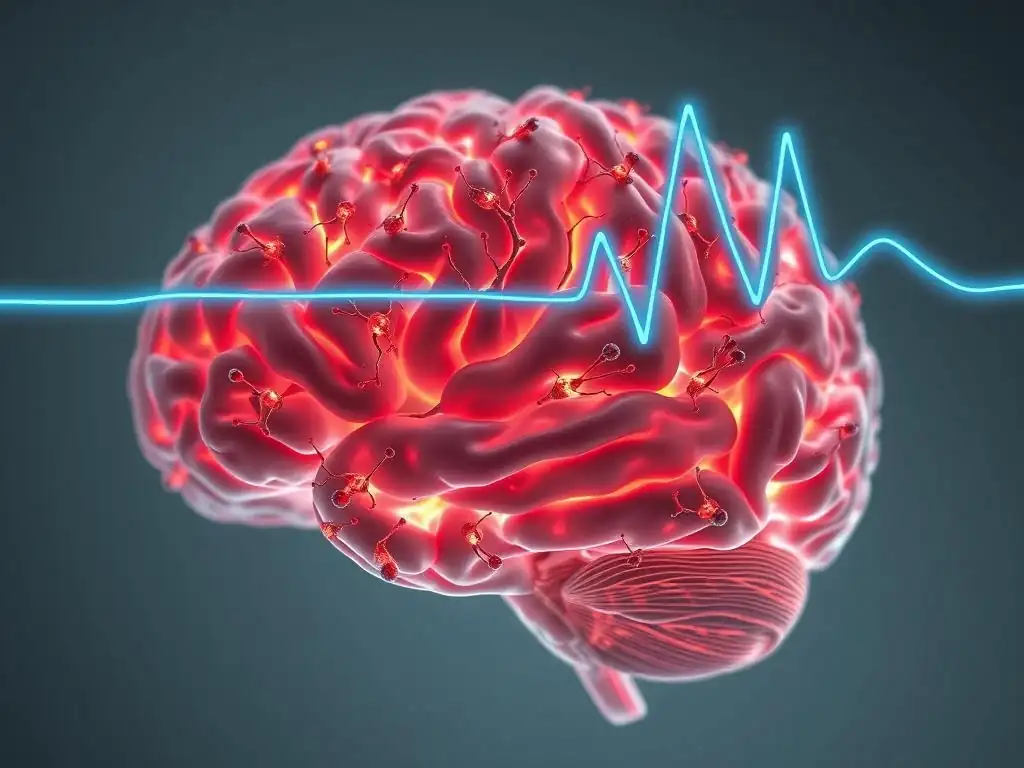
Neuroinflammation, a term increasingly discussed in the realms of neuroscience and mental health, refers to the inflammatory response within the brain or spinal cord. Unlike inflammation in other parts of the body, neuroinflammation involves specialized immune cells of the central nervous system, primarily microglia and astrocytes. While acute neuroinflammation is a crucial protective mechanism, helping the brain respond to injury, infection, or toxins by clearing damaged cells and pathogens, chronic or dysregulated neuroinflammation is implicated in various neurological disorders.
Understanding neuroinflammation is becoming paramount for anyone seeking comprehensive neuroinflammation mental health support. When this process becomes chronic, it can disrupt normal brain function, impairing neuronal communication, altering neurotransmitter levels, and potentially leading to neuronal damage or loss. This persistent inflammatory state can manifest in subtle ways, like changes in mood and cognition, or contribute significantly to the pathology of complex conditions.
- Understanding Neuroinflammation: A Key to Mental Health
- Neuroinflammation and Mental Illness: Exploring the Connection
- New Research on Neuroinflammation and Mental Health
- Neuroinflammation as a Potential Target for Mental Health Treatment
- Neuroinflammation and Mental Health: A Holistic Approach
- Future Directions in Neuroinflammation Research and Mental Health
-
Frequently Asked Questions
- What is neuroinflammation and how does it relate to mental health?
- What are the potential symptoms of neuroinflammation that might indicate a mental health issue?
- How does the article suggest addressing neuroinflammation for mental health support?
- What kind of research has been conducted to link neuroinflammation and mental illness?
- Where can I find resources for Neuroinflammation mental health support?
- Final Reflection: Unraveling the Inflammatory Threads of Mental Illness
- Unlock Your Brain's Potential: Take Charge of Your Mental Wellness
Understanding Neuroinflammation: A Key to Mental Health
What is Neuroinflammation and How Does it Affect the Brain?
Neuroinflammation is the activation of the brain's innate immune system in response to various stimuli, including infection, injury, toxins, or even chronic stress. The primary players in this process are glial cells, particularly microglia, which act as the brain's resident macrophages, and astrocytes, which support neuronal function and maintain the blood-brain barrier. When activated, these cells release pro-inflammatory molecules such as cytokines (like IL-1β, TNF-α, IL-6) and chemokines, as well as reactive oxygen species and nitrogen species.
These inflammatory mediators can have profound effects on brain function. They can interfere with synaptic plasticity, the brain's ability to reorganize and form new connections, which is vital for learning and memory. Furthermore, chronic exposure to these inflammatory signals can impair neurogenesis, the creation of new neurons, particularly in areas like the hippocampus, a region critical for mood and memory. This disruption of fundamental brain processes underscores why neuroinflammation is a significant area of study for neuroinflammation mental health support.
Neuroinflammation vs. Systemic Inflammation: Key Differences
While both neuroinflammation and systemic inflammation involve the body's immune response, they differ in their location, primary cell types involved, and the unique environment of the central nervous system (CNS). Systemic inflammation occurs throughout the body, involving circulating immune cells like neutrophils and macrophages, and is often a response to widespread infection or injury. It's characterized by classic signs like redness, swelling, heat, and pain in affected tissues.
Neuroinflammation, conversely, is confined within the brain and spinal cord, protected by the blood-brain barrier (BBB). The BBB is a highly selective semipermeable border that prevents most circulating immune cells and large molecules from entering the CNS. Therefore, neuroinflammation relies heavily on the brain's intrinsic immune cells (microglia, astrocytes, and oligodendrocytes). While systemic inflammation can induce neuroinflammation by releasing inflammatory signals that cross the BBB or activate brain endothelial cells, the processes are distinct, and therapies targeting systemic inflammation may not effectively address neuroinflammation due to the BBB's protective role.
The Role of the Immune System in Brain Health and Mental Well-being
The immune system's influence on brain health and mental well-being is far more integrated than previously understood. Beyond its role in fighting infection, the immune system constantly interacts with the nervous system through complex signaling pathways. Cytokines, for example, are not just inflammatory mediators but can also act as neuromodulators, affecting neurotransmitter synthesis, release, and reuptake.
A balanced immune response is essential for healthy brain function, including processes like synaptic pruning (removing unnecessary connections) and neurogenesis. However, chronic immune activation, whether originating peripherally and affecting the brain or initiating within the CNS as neuroinflammation, can disrupt this delicate balance. This persistent immune signaling can contribute to feelings of fatigue, loss of motivation, and altered mood, symptoms commonly seen in mental health conditions. Recognizing this intricate link is vital for developing holistic neuroinflammation mental health support strategies.
Neuroinflammation and Mental Illness: Exploring the Connection
Mounting evidence suggests a significant, albeit complex, relationship between neuroinflammation and various mental health conditions. This connection is not about the brain being "infected" in the traditional sense, but rather about dysregulated immune processes contributing to the underlying pathology and symptom severity of disorders like depression, anxiety, schizophrenia, and bipolar disorder.
Research indicates that individuals with mental illnesses often show markers of inflammation in their blood or cerebrospinal fluid, and post-mortem studies sometimes reveal evidence of glial cell activation in specific brain regions. While neuroinflammation is likely not the sole cause of mental illness, it appears to be a significant contributing factor or a consequence that perpetuates the illness cycle, highlighting the need for targeted neuroinflammation mental health support.
Neuroinflammation's Impact on Common Mental Health Conditions
The impact of neuroinflammation varies across different mental health conditions, but common threads include disruption of neurotransmitter systems, impaired neuroplasticity, and altered brain connectivity. Understanding these specific impacts is key to tailoring neuroinflammation mental health support.
Neuroinflammation and Major Depressive Disorder: A Closer Look
Major Depressive Disorder (MDD) is perhaps the most extensively studied mental illness in relation to neuroinflammation. Numerous studies have found elevated levels of pro-inflammatory cytokines (like IL-6, TNF-α, and CRP) in the peripheral blood of individuals with depression, particularly those with more severe or treatment-resistant forms. One meta-analysis pooling data from dozens of studies reported that depressed individuals had, on average, CRP levels about 50-70% higher than healthy controls.
This inflammatory state is thought to affect neurotransmitter metabolism, particularly serotonin, dopamine, and norepinephrine, all crucial for mood regulation. Inflammatory cytokines can activate enzymes like indoleamine 2,3-dioxygenase (IDO), which shunts tryptophan away from serotonin synthesis towards producing neurotoxic metabolites like kynurenine. This biochemical pathway provides a plausible mechanism by which inflammation could contribute to depressive symptoms, making anti-inflammatory approaches a potential area for neuroinflammation mental health support.
The Link Between Neuroinflammation and Generalized Anxiety Disorder
While less studied than depression, research also points to a link between neuroinflammation and Generalized Anxiety Disorder (GAD). Individuals with anxiety disorders have shown elevated inflammatory markers, though the findings are sometimes less consistent than in depression. Some studies have reported increased levels of IL-6 and TNF-α in anxious populations.
The proposed mechanisms involve neuroinflammation disrupting neural circuits involved in fear and anxiety processing, such as the amygdala and prefrontal cortex. Glial activation in these regions could alter neuronal excitability and synaptic function, contributing to heightened vigilance, worry, and physiological arousal characteristic of anxiety. Exploring this link is crucial for developing comprehensive neuroinflammation mental health support for anxiety.
Neuroinflammation in Schizophrenia: Emerging Evidence
Schizophrenia is increasingly viewed through a neurodevelopmental lens with inflammatory components. Studies have shown evidence of increased microglial activation and elevated pro-inflammatory cytokines in the brains of individuals with schizophrenia, particularly during acute psychotic episodes. Post-mortem brain studies have reported increased density or activated morphology of microglia in certain brain regions like the prefrontal cortex and hippocampus in individuals with schizophrenia compared to controls.
This neuroinflammatory process is hypothesized to contribute to synaptic pruning abnormalities during critical developmental periods, potentially leading to the cognitive deficits and altered brain connectivity seen in schizophrenia. While traditional antipsychotics primarily target neurotransmitters, understanding the inflammatory aspect opens avenues for adjunctive therapies and improved neuroinflammation mental health support.
Neuroinflammation and Bipolar Disorder: New Insights
Bipolar disorder, characterized by mood swings between depression and mania, also shows ties to neuroinflammation. Research indicates that individuals with bipolar disorder often exhibit chronic low-grade inflammation, with elevated levels of inflammatory markers like CRP, IL-6, and TNF-α observed during both depressive and manic episodes, though sometimes higher during depressive phases.
The cyclic nature of bipolar disorder might be influenced by fluctuating levels of inflammation affecting mood-regulating circuits. Glial cell dysfunction, potentially driven by inflammatory processes, could contribute to the instability of neuronal networks involved in mood stabilization. Targeting neuroinflammation represents a promising area for improving the management and neuroinflammation mental health support for individuals with bipolar disorder.
Specific Brain Regions Affected by Neuroinflammation in Mental Illness
Neuroinflammation does not affect the brain uniformly; certain regions appear particularly vulnerable or relevant to mental illness pathology.
- Prefrontal Cortex (PFC): Involved in executive functions, decision-making, and mood regulation. Inflammation here can impair cognitive control and contribute to symptoms of depression and schizophrenia.
- Hippocampus: Crucial for memory, learning, and mood. Neurogenesis in the hippocampus is particularly sensitive to inflammation, and reduced neurogenesis is associated with depression and anxiety.
- Amygdala: Involved in processing emotions, particularly fear and anxiety. Inflammatory processes in the amygdala can heighten its reactivity, contributing to anxiety disorders.
- Basal Ganglia: Involved in motor control, reward processing, and motivation. Inflammation in these areas may contribute to anhedonia (loss of pleasure) and psychomotor changes seen in depression and schizophrenia.
Understanding which regions are affected helps researchers pinpoint potential therapeutic targets and refine strategies for neuroinflammation mental health support.
New Research on Neuroinflammation and Mental Health
The field of neuroinflammation and mental health is rapidly evolving, driven by advancements in neuroimaging, biomarker discovery, and cellular research. New studies are not only strengthening the link between inflammation and psychiatric disorders but also identifying potential pathways for intervention and providing a clearer picture for those seeking neuroinflammation mental health support.
Recent research is moving beyond simply observing elevated inflammatory markers to investigating the specific mechanisms by which inflammation impacts neuronal function and behavior. This includes studying the role of specific glial cell phenotypes (e.g., pro-inflammatory M1 microglia vs. anti-inflammatory M2 microglia) and the influence of the gut-brain axis on neuroinflammation.
Studies Linking Neuroinflammation to Mental Disorders
Numerous studies across the globe are contributing to the growing body of evidence. A significant study using PET imaging to visualize microglial activation in living humans found increased binding of a radiotracer that targets activated microglia in the brains of individuals with depression, particularly in regions like the prefrontal cortex and anterior cingulate cortex. This provides direct in vivo evidence of neuroinflammation in depression.
Other research is exploring the temporal relationship – does inflammation cause mental illness, or does mental illness cause inflammation (e.g., through stress or lifestyle factors)? Longitudinal studies are beginning to shed light on this, suggesting a bidirectional relationship where chronic stress associated with mental illness can perpetuate inflammatory cycles, further emphasizing the need for integrated neuroinflammation mental health support strategies.
Biomarkers of Neuroinflammation: Identifying Potential Indicators
Identifying reliable biomarkers for neuroinflammation is a critical step towards diagnosis, prognosis, and personalized treatment. Currently, researchers are investigating several potential indicators:
- Peripheral Inflammatory Markers: Cytokines (IL-6, TNF-α), chemokines, and acute-phase proteins (CRP) in blood. While easily accessible, these reflect systemic inflammation and may not always directly correlate with brain inflammation due to the BBB.
- Cerebrospinal Fluid (CSF) Analysis: Measuring inflammatory mediators directly in CSF provides a more direct assessment of the CNS environment, but collection is invasive (lumbar puncture).
- Neuroimaging: PET imaging with radiotracers that bind to targets on activated glial cells (e.g., TSPO ligands) allows in vivo visualization of neuroinflammation. While promising, this technology is expensive and not widely available clinically yet.
Developing a panel of reliable and accessible biomarkers would revolutionize the ability to identify individuals who might benefit from neuroinflammation-targeted mental health support.
Research on Neuroinflammation in Autism Spectrum Disorder
Autism Spectrum Disorder (ASD) is another complex condition where neuroinflammation is being investigated. Post-mortem brain studies in individuals with ASD have revealed evidence of increased glial cell activation and elevated levels of inflammatory cytokines in specific brain regions. Some research has suggested that inflammatory processes during critical periods of brain development could contribute to the synaptic and connectivity abnormalities observed in ASD.
Studies are also exploring factors that might trigger neuroinflammation in susceptible individuals with ASD, such as early-life infections, maternal immune activation during pregnancy, or gut microbiome dysbiosis. While the link is still being fully elucidated, understanding the potential role of neuroinflammation could lead to new therapeutic approaches and improve neuroinflammation mental health support for individuals with ASD.
Neuroinflammation as a Potential Target for Mental Health Treatment
Given the growing evidence linking neuroinflammation to mental illness, targeting inflammatory pathways represents a promising frontier for novel treatments and enhanced neuroinflammation mental health support. This doesn't necessarily mean replacing existing therapies like psychotherapy or traditional medications, but rather exploring adjunctive strategies that address the inflammatory component.
Potential therapeutic avenues range from pharmacological interventions specifically designed to modulate neuroinflammation to lifestyle modifications that have known anti-inflammatory effects. The goal is to dampen the excessive or chronic inflammatory response in the brain without compromising the necessary protective functions of the immune system.
Anti-Inflammatory Strategies: Promising Avenues
Several types of anti-inflammatory agents are being investigated for their potential in treating mental health conditions:
- Non-Steroidal Anti-Inflammatory Drugs (NSAIDs): Some studies have explored the use of NSAIDs like aspirin or celecoxib as adjunctive treatments for depression. While some trials showed modest positive effects, especially in individuals with elevated baseline inflammatory markers, results have been mixed, and long-term use carries risks.
- Cytokine Inhibitors: These biological agents target specific pro-inflammatory cytokines like TNF-α. While highly effective for systemic inflammatory diseases (e.g., rheumatoid arthritis), their ability to cross the blood-brain barrier is limited, and their use for primary psychiatric conditions is still largely experimental.
- Minocycline: This antibiotic has known anti-inflammatory and neuroprotective properties and is being studied extensively (discussed further below).
- Omega-3 Fatty Acids: These dietary supplements have demonstrated anti-inflammatory effects and are being explored for their potential in improving mood and reducing symptoms in some mental health conditions.
These pharmacological approaches are being researched to determine their efficacy and safety profile specifically for neuroinflammation mental health support.
Dietary Interventions: Reducing Neuroinflammation and Improving Well-being
Diet plays a significant role in systemic inflammation, and emerging research suggests it can also influence neuroinflammation via the gut-brain axis. Adopting an anti-inflammatory diet is often recommended as part of a holistic approach to neuroinflammation mental health support.
- Mediterranean Diet: Rich in fruits, vegetables, whole grains, lean proteins, and healthy fats (olive oil, fish), this dietary pattern is consistently linked to lower levels of systemic inflammation and may support brain health.
- Limiting Processed Foods: Diets high in refined sugars, unhealthy fats (trans fats, excessive saturated fats), and processed foods are associated with increased inflammation. Reducing intake of these items can help.
- Increasing Omega-3s: Found in fatty fish (salmon, mackerel), flaxseeds, and walnuts, Omega-3 fatty acids (EPA and DHA) have potent anti-inflammatory properties.
While dietary changes are not a standalone cure, they can be a valuable complementary strategy for managing inflammation and supporting overall mental well-being.
Lifestyle Factors: Exercise, Sleep, and Stress Management
Beyond diet, several lifestyle factors significantly impact both systemic and neuroinflammation, making them crucial components of neuroinflammation mental health support.
- Regular Exercise: Physical activity has well-established anti-inflammatory effects. Moderate-intensity exercise can help reduce levels of pro-inflammatory markers and promote the release of anti-inflammatory molecules. Aiming for at least 150 minutes of moderate aerobic activity per week, as recommended by health guidelines, can be beneficial.
- Adequate Sleep: Chronic sleep deprivation disrupts the body's inflammatory balance, leading to increased levels of pro-inflammatory cytokines. Prioritizing 7-9 hours of quality sleep per night is essential for regulating inflammation and supporting brain health.
- Stress Management: Chronic psychological stress is a major driver of inflammation. Implementing stress-reducing techniques like mindfulness, meditation, yoga, or spending time in nature can help lower inflammatory markers and mitigate the impact of stress on neuroinflammation.
These lifestyle adjustments empower individuals to actively participate in managing their inflammation levels and supporting their mental health.
Investigating Minocycline as a Potential Treatment
Minocycline, a tetracycline antibiotic, has garnered significant interest in neuroinflammation research due to its properties beyond its antibacterial action. It is known to cross the blood-brain barrier and exhibits anti-inflammatory, antioxidant, and neuroprotective effects.
Studies have explored minocycline as an adjunctive treatment for various conditions linked to neuroinflammation, including depression, schizophrenia, and bipolar disorder. Research has shown that minocycline can inhibit microglial activation and reduce the release of pro-inflammatory cytokines in preclinical models. Clinical trials in humans have yielded mixed but promising results, with some studies suggesting it may improve symptoms, particularly in individuals with evidence of inflammation or those not responding to standard treatments.
For example, a meta-analysis of studies on minocycline in schizophrenia suggested it could improve negative symptoms when used alongside antipsychotics. While more large-scale trials are needed, minocycline represents a tangible area of investigation for pharmacological neuroinflammation mental health support.
Neuroinflammation and Mental Health: A Holistic Approach
Addressing neuroinflammation within the context of mental health requires a holistic perspective that integrates traditional mental health interventions with strategies aimed at modulating inflammation. This approach recognizes that mental illness is often multifactorial and that targeting underlying biological processes like neuroinflammation can enhance the effectiveness of treatment and improve long-term outcomes for those seeking neuroinflammation mental health support.
A holistic approach involves assessing potential inflammatory drivers, considering lifestyle factors, and exploring adjunctive therapies alongside standard care. It emphasizes the interconnectedness of physical and mental health and empowers individuals to take an active role in their well-being.
Integrating Neuroinflammation Awareness into Mental Health Care
Integrating awareness of neuroinflammation into clinical mental health practice is a crucial next step. This involves:
- Education: Training mental health professionals on the link between inflammation and mental health.
- Assessment: Considering inflammatory markers (where appropriate and accessible) or clinical indicators of inflammation (e.g., comorbid inflammatory conditions) during assessment.
- Treatment Planning: Developing personalized treatment plans that may include strategies targeting inflammation alongside psychotherapy and medication.
- Collaboration: Fostering collaboration between mental health professionals and physicians specializing in inflammatory conditions or functional medicine.
This integration would allow for a more nuanced understanding of a patient's condition and facilitate more targeted and effective neuroinflammation mental health support.
Resources and Support for Individuals
For individuals navigating mental health challenges and interested in the role of neuroinflammation, accessing reliable resources is key.
- Seek information from reputable sources like national mental health organizations, university research centers, and peer-reviewed scientific journals (though these can be complex).
- Explore patient advocacy groups focused on specific conditions that may discuss the latest research, including inflammation.
- Consider support groups where individuals share experiences and strategies, which may include discussions around lifestyle changes that impact inflammation.
Understanding the potential role of neuroinflammation can be empowering, providing a new framework for understanding symptoms and exploring pathways for recovery and neuroinflammation mental health support.
Finding Healthcare Professionals Knowledgeable About Neuroinflammation
Finding a healthcare professional knowledgeable about the intersection of neuroinflammation and mental health can be challenging, as this is a relatively new and evolving area.
- Start by discussing your interest with your current psychiatrist, therapist, or primary care physician. They may be aware of the latest research or be able to refer you to colleagues with relevant expertise.
- Look for professionals who describe their approach as "integrative," "functional," or "precision psychiatry," as these fields often incorporate a broader view of biological factors like inflammation.
- Academic medical centers and university hospitals are often at the forefront of this research, and their psychiatry or neurology departments may have clinicians or researchers working in this area.
Be prepared that not all practitioners will have extensive knowledge, but asking questions opens the door to discussion and helps identify those who are open to considering this perspective for your neuroinflammation mental health support.
Future Directions in Neuroinflammation Research and Mental Health
The field of neuroinflammation and mental health is poised for significant advancements. Future research will likely refine our understanding of the precise mechanisms involved, develop more accurate diagnostic tools, and lead to the creation of more targeted and effective therapies. This ongoing research is critical for improving neuroinflammation mental health support globally.
Key areas of focus include better understanding the heterogeneity of neuroinflammation in different individuals and conditions, exploring the influence of factors like genetics, environment, and the microbiome, and developing novel therapeutic agents that can safely and effectively modulate brain inflammation.
The Potential of Personalized Medicine
One of the most exciting future directions is the potential for personalized medicine based on an individual's inflammatory profile. Imagine a future where a simple blood test or non-invasive imaging scan could identify elevated neuroinflammation as a contributing factor to a person's symptoms.
This could lead to tailored treatment plans, selecting therapies (pharmacological, dietary, lifestyle) most likely to be effective for that specific individual based on their unique biological profile. Personalized neuroinflammation mental health support could optimize treatment outcomes and minimize trial-and-error approaches.
Long-Term Implications of Addressing Neuroinflammation
Successfully addressing chronic neuroinflammation in mental illness could have profound long-term implications. Beyond alleviating acute symptoms, reducing persistent brain inflammation might:
- Improve cognitive function, which is often impaired in conditions like depression, schizophrenia, and bipolar disorder.
- Potentially slow or prevent neurodegeneration that may be linked to chronic inflammation in some psychiatric contexts.
- Reduce the risk of comorbid physical health conditions (like cardiovascular disease or metabolic syndrome) that share inflammatory pathways with mental illness.
- Enhance the effectiveness and potentially reduce the dosage of traditional psychiatric medications in some cases.
These potential long-term benefits underscore the importance of continued research and the development of effective neuroinflammation mental health support strategies.
Areas of Future Research Needed
Several critical areas require further investigation to fully understand and harness the potential of targeting neuroinflammation for mental health:
- [ ] Developing more specific and non-invasive biomarkers of neuroinflammation that can differentiate between beneficial and detrimental glial activation.
- [ ] Conducting large-scale, placebo-controlled clinical trials to rigorously evaluate the efficacy and safety of various anti-inflammatory interventions (pharmacological, dietary, lifestyle) for specific mental health conditions.
- [ ] Investigating the complex interplay between genetics, environmental factors (stress, infection, diet), the gut microbiome, and neuroinflammation in the development and trajectory of mental illness.
- [ ] Understanding the impact of neuroinflammation across the lifespan, from early development to aging, and its role in the onset and persistence of mental health challenges.
- [ ] Exploring novel therapeutic targets beyond broad anti-inflammatory agents, focusing on specific inflammatory pathways or glial cell functions implicated in psychiatric disorders.
Addressing these questions through rigorous research will pave the way for more effective prevention and treatment strategies, ultimately improving neuroinflammation mental health support for countless individuals.
Frequently Asked Questions
What is neuroinflammation and how does it relate to mental health?
Neuroinflammation refers to inflammation in the brain. Recent research suggests it may be a significant factor in the development and progression of various mental illnesses. It can disrupt normal brain function.
What are the potential symptoms of neuroinflammation that might indicate a mental health issue?
Symptoms aren't always obvious, but may include fatigue, cognitive difficulties, and mood changes. These symptoms can overlap with those of mental health conditions, making diagnosis challenging.
How does the article suggest addressing neuroinflammation for mental health support?
The article likely explores different strategies, possibly including dietary changes, lifestyle modifications, and targeted therapies. Reducing inflammation could potentially improve mental well-being for some individuals.
What kind of research has been conducted to link neuroinflammation and mental illness?
Studies have used brain imaging techniques and analyzed inflammatory markers in individuals with mental health conditions. These studies aim to determine if there is a causal relationship between neuroinflammation and these conditions.
Where can I find resources for Neuroinflammation mental health support?
Resources may be available through mental health professionals, support groups, and online platforms like Mind Care Guide. Seeking professional guidance is crucial for personalized assessment and treatment.
Final Reflection: Unraveling the Inflammatory Threads of Mental Illness
The connection between neuroinflammation and mental illness is no longer a mere hypothesis; it's a rapidly expanding field of research revealing crucial insights into the biological underpinnings of conditions we once understood solely through a psychological lens. This understanding offers a powerful new avenue for developing more effective treatments and preventative strategies, moving beyond the limitations of current approaches. The implications are profound, promising a future where mental health support is deeply informed by the intricate biological processes at play.
The journey to understanding the role of neuroinflammation in mental health has been a long and winding one, but the accumulating evidence is undeniable. It's reshaping our understanding of conditions like depression, anxiety, and schizophrenia, forcing us to reconsider the simplistic nature-versus-nurture debate. The mind is not a separate entity, but an integral part of the body, and its health is profoundly influenced by the health of the body as a whole.
This quote encapsulates the shift in perspective that neuroinflammation research is driving, highlighting the interconnectedness of physical and mental well-being. This understanding has profoundly impacted my own perspective on mental health, emphasizing the importance of holistic approaches to treatment and prevention.
Consider the implications of this research for yourself. Are you ready to embrace a more holistic approach to your mental well-being, one that considers the intricate interplay between your mind and body? Explore lifestyle changes that may reduce inflammation, such as improving your diet, increasing physical activity, and managing stress effectively. Advocate for further research and support initiatives in this vital area. The future of mental health support lies in understanding and addressing the inflammatory processes that contribute to these debilitating conditions, and your engagement is crucial in shaping that future.
Unlock Your Brain's Potential: Take Charge of Your Mental Wellness
Thanks for diving deep into the fascinating world of neuroinflammation and its potential link to mental illness! We hope you found the research insights valuable and empowering. Now it's time to translate that knowledge into action.
- Prioritize your brain health today: Start incorporating simple, yet powerful, lifestyle changes like regular exercise, a balanced diet rich in anti-inflammatory foods, and sufficient sleep. This is your primary step towards a healthier mind.
- Share your insights: Discuss this article and its findings with your friends, family, or healthcare provider. Starting a conversation can spark important dialogues and raise awareness.
- Explore resources further: Delve into additional reputable sources for further information on brain health and mental wellness strategies. Discover what other steps you can take to nurture your cognitive wellbeing.
What small step will you take today to better understand and support your brain’s health?