
Antidepressants and Executive Function: Their Impact on the Prefrontal Cortex

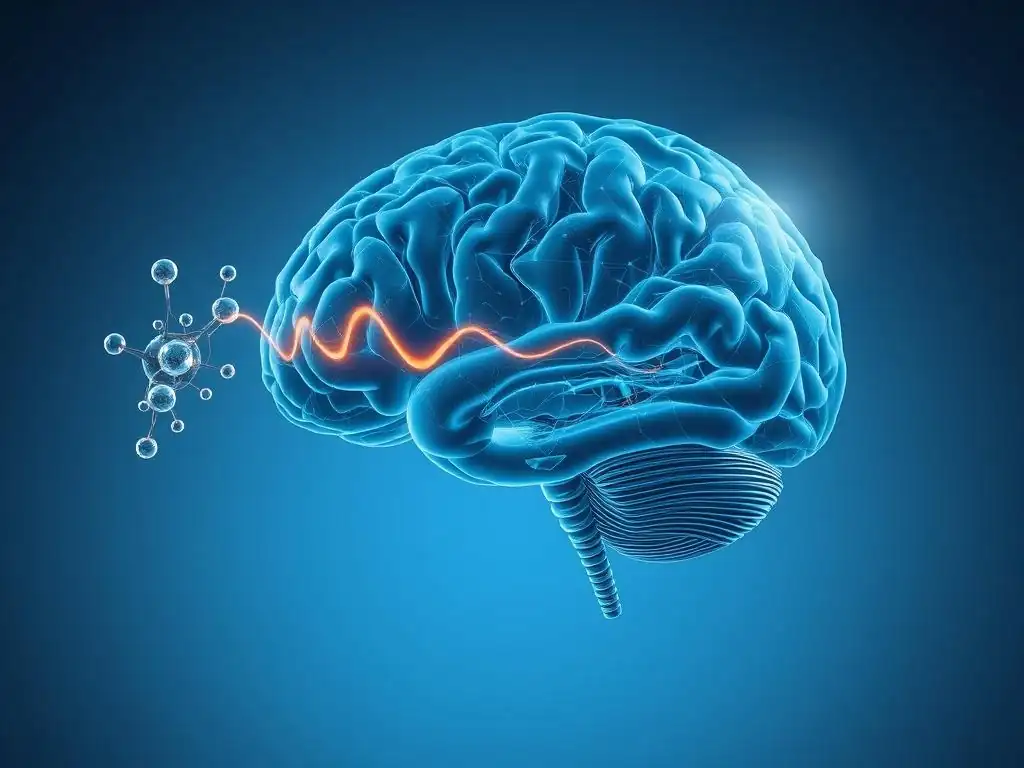
Welcome to Mind Care Guide, your compass in navigating the complexities of mental well-being.
Ever wondered how antidepressants impact the very core of your decision-making abilities? In our latest article, we delve into the fascinating neuroscience of mental health, exploring how antidepressants affect executive function and their connection to the prefrontal cortex. Uncover the potential effects and gain a deeper understanding of your mental landscape. Let's explore this crucial topic together.
Antidepressants and Executive Function: Impact on the Prefrontal Cortex
- Understanding the Connection: Antidepressants, Executive Function, and the Brain
- Antidepressants and Executive Function
- Potential Negative Impacts on Executive Function
- Managing Antidepressant-Related Cognitive Effects
- Long-Term Effects on Executive Function
- Conclusion: Balancing Benefits and Risks
-
Frequently Asked Questions
- How do antidepressants potentially affect executive function?
- What specific aspects of executive function might be affected by antidepressant use?
- Are all antidepressants equally likely to affect executive function?
- What factors can influence the degree to which antidepressants affect executive function?
- What steps can be taken if I suspect my antidepressant is negatively impacting my executive function?
- Final Reflection: Rethinking Executive Function in the Age of Antidepressants
- Unlock Your Brain's Potential: Take Control of Your Executive Function
Understanding the Connection: Antidepressants, Executive Function, and the Brain
What is Executive Function?
Executive function refers to a set of higher-level cognitive processes controlled primarily by the prefrontal cortex. These functions are essential for goal-directed behavior, problem-solving, and adapting to new situations. They act like the brain's command and control center, managing thoughts, actions, and emotions to help individuals navigate daily life effectively. Key components include working memory (holding and manipulating information), cognitive flexibility (switching between tasks or perspectives), planning (organizing steps to reach a goal), inhibition (controlling impulses), and decision-making.
Difficulties with executive function can manifest in various ways, such as struggling to stay organized, having trouble completing tasks, making impulsive decisions, or finding it hard to switch focus. These challenges significantly impact daily life, affecting everything from work and school performance to personal relationships and self-care. Research consistently shows that deficits in these areas are common across many mental health conditions, including depression, anxiety, and ADHD, highlighting their critical role in overall psychological well-being. Understanding these functions is key to appreciating how antidepressants affect executive function.
The Role of the Prefrontal Cortex
The prefrontal cortex (PFC), located at the very front of the brain, is the primary neural hub for executive function. This region is extensively connected to other brain areas, including those involved in emotion (like the amygdala) and memory (like the hippocampus), allowing it to integrate information from across the brain to guide complex behavior.
The PFC is not a single uniform area but comprises several subregions, each contributing uniquely to executive processes. For instance, the dorsolateral prefrontal cortex is heavily involved in working memory and planning, while the ventromedial prefrontal cortex plays a significant role in decision-making and regulating emotions.
Neuroimaging studies, such as fMRI and PET scans, have repeatedly demonstrated altered activity and structure within the prefrontal cortex in various conditions, including depression. These changes are often linked to observed executive dysfunction. The PFC relies heavily on neurotransmitter systems, particularly dopamine, norepinephrine, and serotonin, which are precisely the targets of many antidepressant medications. Therefore, any substance, including antidepressants, that influences these neurotransmitter systems is likely to have a profound impact on prefrontal cortex function and, consequently, on executive abilities.
Depression and Executive Dysfunction
Depression is far more than just sadness; it significantly impacts cognitive function, with executive dysfunction being a particularly common and often debilitating symptom. Studies estimate that between 50% and 70% of individuals experiencing a major depressive episode report difficulties with concentration, memory, and decision-making. These cognitive symptoms often persist even when mood symptoms improve, contributing to functional impairment and increasing the risk of relapse. The link between depression and impaired executive function is well-established in clinical research.
The neural basis for this cognitive deficit in depression is strongly tied to abnormalities in the prefrontal cortex and its connections. Neuroimaging studies frequently show reduced activity, decreased volume in certain subregions, and altered connectivity patterns within the PFC in depressed individuals. These changes are thought to disrupt the delicate balance of neurotransmitter signaling necessary for optimal executive functioning. The profound impact of depression on these critical brain areas explains why individuals struggle with tasks requiring planning, organization, and cognitive flexibility, underscoring the need for treatments that can potentially restore or improve these functions.
Antidepressants and Executive Function
Mechanism of Action
Antidepressants primarily work by altering the levels and activity of key neurotransmitters in the brain, most notably serotonin, norepinephrine, and dopamine. Different classes of antidepressants target these neurotransmitters through various mechanisms. For example, Selective Serotonin Reuptake Inhibitors (SSRIs) increase serotonin availability by blocking its reabsorption into the presynaptic neuron. Serotonin and norepinephrine reuptake inhibitors (SNRIs) block the reuptake of both serotonin and norepinephrine. Other classes, like tricyclic antidepressants (TCAs) and monoamine oxidase inhibitors (MAOIs), have broader or different mechanisms affecting multiple neurotransmitters.
These neurotransmitters play crucial roles in regulating mood, sleep, appetite, and cognitive processes, including those associated with executive function. The prefrontal cortex, being rich in receptors for serotonin, norepinephrine, and dopamine, is particularly sensitive to the effects of these medications. By modulating neurotransmitter levels in the PFC, antidepressants can influence neural circuits involved in attention, motivation, decision-making, and working memory. Understanding these mechanisms is crucial for appreciating how antidepressants affect executive function, potentially leading to both positive and negative cognitive outcomes depending on the individual and the specific medication.
Antidepressant Classes and Effects on the Prefrontal Cortex
SSRIs and Executive Function
Selective Serotonin Reuptake Inhibitors (SSRIs) are the most commonly prescribed type of antidepressant, including medications like fluoxetine (Prozac), sertraline (Zoloft), and escitalopram (Lexapro). Their primary action is increasing serotonin levels in the synaptic cleft, particularly in regions like the prefrontal cortex. Research on SSRIs' impact on executive function is complex, with studies showing varied results. Some studies suggest that by treating depression and restoring normal serotonin balance in the PFC, SSRIs can indirectly improve executive functions that were impaired by the illness itself, such as attention and processing speed.
However, other studies indicate that SSRIs can sometimes induce subtle cognitive side effects in some individuals, potentially affecting areas like verbal fluency or response inhibition. The exact impact seems to depend on factors like dosage, individual brain chemistry, and the presence of baseline cognitive deficits.
For example, a meta-analysis published in the Journal of Clinical Psychiatry examining cognitive effects of SSRIs found mixed results, suggesting that while they are generally not detrimental to cognition and can improve it by treating depression, individual responses can vary, and some specific cognitive domains might be transiently affected. The overall picture of how SSRIs affect executive function is one of potential improvement linked to mood stabilization, alongside a possibility of minor, often transient, cognitive changes.
SNRIs and Cognitive Performance
Serotonin and norepinephrine reuptake inhibitors (SNRIs) like venlafaxine (Effexor) and duloxetine (Cymbalta) increase the availability of both serotonin and norepinephrine. Norepinephrine is particularly important for modulating attention, vigilance, and processing speed – functions closely related to executive abilities. Because SNRIs target both systems, they are often hypothesized to have a more pronounced positive effect on cognitive symptoms of depression compared to SSRIs, especially those related to energy, focus, and processing speed.
Clinical studies investigating the impact of SNRIs on cognitive performance in depressed patients often show improvements in measures of attention and executive function as mood symptoms remit. For instance, research on duloxetine in patients with major depressive disorder has shown improvements in cognitive performance scores, including those related to executive function, alongside reductions in depressive symptoms. This suggests that for some individuals, the dual action on norepinephrine and serotonin systems might offer specific cognitive benefits in the context of depression treatment, potentially offering a different way antidepressants affect executive function compared to SSRIs alone.
TCAs and Executive Function
Tricyclic Antidepressants (TCAs), such as amitriptyline and imipramine, are older antidepressants that block the reuptake of norepinephrine and serotonin, but also affect other neurotransmitter systems, including histamine and acetylcholine. While effective for depression, their broader pharmacological profile often leads to more side effects, including significant cognitive effects. Anticholinergic effects, in particular, can impair memory, attention, and processing speed, which are all components of executive function.
Due to these potential cognitive side effects, TCAs are generally used less frequently as first-line treatments, especially in older adults who are more susceptible to cognitive impairment. Studies comparing TCAs to newer antidepressants often find that TCAs are associated with a higher incidence of cognitive complaints and objectively measured cognitive deficits. For example, research has shown that TCAs can negatively impact psychomotor speed and attention compared to SSRIs. While they can treat depression and thereby indirectly help cognition, their direct pharmacological effects can pose challenges regarding how these antidepressants affect executive function.
MAOIs and Cognitive Abilities
Monoamine Oxidase Inhibitors (MAOIs), like phenelzine (Nardil) and tranylcypromine (Parnate), are another older class of antidepressants. They work by inhibiting the enzyme monoamine oxidase, which breaks down neurotransmitters like serotonin, norepinephrine, and dopamine. This leads to increased levels of these neurotransmitters in the brain. MAOIs can be effective for certain types of depression, particularly atypical depression, but they require strict dietary restrictions and have potential interactions with other medications, limiting their use.
Research on the specific impact of MAOIs on executive function is less extensive than for newer classes. However, given their broad effects on multiple neurotransmitter systems crucial for cognition, they can influence executive abilities. Some reports suggest they can improve attention and processing speed in some patients by effectively treating depression. Conversely, like TCAs, they can sometimes cause side effects such as insomnia or orthostatic hypotension, which can indirectly affect cognitive performance. The overall impact of MAOIs on how antidepressants affect executive function appears complex and highly variable among individuals.
Dosage and Executive Function
The relationship between antidepressant dosage and its effect on executive function is not straightforward and can vary depending on the specific medication and the individual's response. Generally, the goal is to find the minimum effective dose that alleviates depressive symptoms, as higher doses may increase the risk of side effects, including cognitive ones. For some antidepressants, particularly those with anticholinergic or sedative properties (like some TCAs), higher doses are more likely to induce cognitive impairment, affecting memory, attention, and processing speed.
For newer antidepressants like SSRIs and SNRIs, the link between dose and cognitive effects is less clear-cut. While achieving a therapeutic dose is necessary to improve mood and thus indirectly enhance cognitive function, increasing the dose beyond the therapeutic range typically doesn't lead to further cognitive benefits and might increase the likelihood of side effects that could impair cognition, such as fatigue or difficulty concentrating. Finding the optimal dose is a process of careful titration and monitoring, balancing the antidepressant's effect on mood with its potential impact on how antidepressants affect executive function in a specific individual.
Potential Negative Impacts on Executive Function

Cognitive Side Effects
While antidepressants are crucial for treating depression and can indirectly improve cognitive function by alleviating symptoms, they can also sometimes cause cognitive side effects directly. These side effects are often subtle but can be noticeable to the individual and their loved ones. Common complaints include difficulty concentrating, impaired memory (especially verbal memory), reduced processing speed, and subjective feelings of mental fog or dullness. These effects are typically dose-dependent and vary significantly depending on the specific medication class and individual sensitivity.
For instance, medications with significant anticholinergic activity, like older TCAs, are particularly prone to causing memory and attention deficits. Even some newer agents, while generally better tolerated, can induce cognitive changes in a subset of patients. These cognitive side effects can be frustrating and impact a person's ability to function at work or school, sometimes leading individuals to discontinue their medication. It's important for patients and clinicians to recognize that while antidepressants affect executive function primarily by treating depression, there is also a potential for direct, sometimes negative, cognitive impact.
Research on Antidepressant-Induced Cognitive Impairment
Research into antidepressant-induced cognitive impairment is an ongoing area of study. While large-scale clinical trials often focus on mood symptoms, studies specifically assessing cognitive function have yielded mixed results. Some studies use objective cognitive tests and find minimal or no significant cognitive impairment directly attributable to common antidepressants like SSRIs or SNRIs in the general population. Others, however, particularly those focusing on specific patient groups or using more sensitive cognitive measures, do identify subtle deficits.
For example, a review of studies on SSRIs and cognition noted that while they often improve cognition by treating depression, some individuals might experience issues with specific tasks, such as those requiring rapid information processing or complex problem-solving. The picture is complicated by the fact that depression itself impairs cognition, making it challenging to isolate medication effects from the effects of the underlying illness.
Nevertheless, the clinical experience of some patients reporting cognitive dulling or difficulty concentrating while on antidepressants suggests that for a subset of individuals, these medications do have a direct impact on how antidepressants affect executive function that isn't solely linked to mood improvement.
Specific Areas of Executive Function Affected
Antidepressants, when they do cause cognitive side effects, tend to impact specific components of executive function more than others. These effects are not universal and depend heavily on the individual and the medication.
Impact on Working Memory
Working memory, the ability to hold and manipulate information in the mind over short periods, is a key executive function often affected by depression. While antidepressants can improve working memory by treating depression, some individuals report a subjective feeling of reduced mental agility or difficulty keeping track of multiple pieces of information while on medication.
Objective tests of working memory performance in individuals taking antidepressants have shown varied results, with some studies finding no significant change, while others suggest subtle impairments, particularly with complex working memory tasks. The effect likely depends on the specific neurotransmitter systems being modulated and their role in different working memory circuits within the prefrontal cortex.
Impact on Cognitive Flexibility
Cognitive flexibility, the ability to switch between different tasks, rules, or perspectives, is another critical executive function. It is often impaired in depression. Antidepressants, by improving mood and motivation, can help restore cognitive flexibility. However, there are suggestions that some medications might influence the neural pathways involved in task switching. While direct evidence linking common antidepressants like SSRIs or SNRIs to impaired cognitive flexibility is limited, the subjective experience of some patients feeling "stuck" or less adaptable mentally while on medication points to a potential area of impact.
Impact on Planning and Decision-Making
Planning and decision-making are complex executive functions that integrate information, evaluate options, and foresee consequences. These abilities are significantly compromised in depression. Effective antidepressant treatment typically leads to improvements in these areas as motivation returns and negative biases in thinking are reduced. However, there's a nuanced aspect: some research suggests that by altering emotional processing, antidepressants might influence decision-making strategies, potentially making individuals less sensitive to negative outcomes or more risk-averse in certain contexts. This isn't necessarily an impairment but a change in style, highlighting how antidepressants affect executive function not just in capacity but potentially in approach.
Individual Variability
It is critical to emphasize that the impact of antidepressants on executive function is highly variable among individuals. Factors such as genetics, age, overall health, the severity and type of depression, co-occurring conditions (like anxiety or ADHD), and individual differences in brain chemistry all play a role. What causes cognitive side effects in one person might have no such effect, or even a positive cognitive effect, in another.
For example, some individuals with significant baseline cognitive impairment due to severe depression might experience substantial cognitive improvement as their mood lifts, outweighing any potential direct negative effects of the medication. Conversely, someone with milder depression and less cognitive impairment might be more sensitive to subtle medication-induced cognitive changes. This underscores the importance of personalized treatment approaches and open communication between patients and healthcare providers about any cognitive changes experienced while taking medication. The way antidepressants affect executive function is a deeply personal experience.
Relieving Depression and Indirectly Improving Cognitive Function
The most significant way antidepressants positively affect executive function is by effectively treating the underlying depressive illness. As discussed, depression itself causes substantial cognitive impairment, particularly affecting the prefrontal cortex and its functions like concentration, memory, planning, and decision-making. By alleviating the core symptoms of depression – such as low mood, lack of motivation, fatigue, and negative thought patterns – antidepressants create an environment where cognitive functions can recover.
Numerous studies have demonstrated that successful treatment of depression with antidepressants leads to improvements in objective measures of cognitive performance. For instance, research often shows improvements in processing speed, attention, and verbal learning in depressed patients who achieve remission. This indirect improvement is arguably the most vital cognitive benefit of these medications, restoring the cognitive capacity that was diminished by the illness itself and highlighting the primary positive way antidepressants affect executive function.
Antidepressants and Neuroplasticity
Emerging research suggests that antidepressants may also exert positive effects on executive function through mechanisms related to neuroplasticity – the brain's ability to reorganize itself by forming new neural connections. Chronic stress and depression are associated with reduced neurogenesis (the birth of new neurons) and atrophy in certain brain regions, including the hippocampus and potentially parts of the prefrontal cortex.
Studies in animal models and some human research suggest that antidepressants can promote neurogenesis, increase levels of brain-derived neurotrophic factor (BDNF) – a protein crucial for neuron growth and survival – and potentially reverse some of the structural changes associated with depression. These neuroplastic effects could strengthen neural circuits involved in executive function, potentially leading to sustained cognitive improvements beyond the mere alleviation of mood symptoms. This represents a fascinating area of research into how antidepressants affect executive function at a fundamental biological level.
Treating Depression to Restore Executive Function
The primary goal of antidepressant treatment is to restore overall mental well-being, and a critical part of that restoration involves improving impaired executive functions. When depression lifts, individuals typically regain their ability to focus, make decisions more effectively, plan for the future, and engage in goal-directed behavior that was previously overwhelming or impossible. This restoration is often a key indicator of recovery and significantly improves quality of life.
Consider a person with severe depression who struggled to even initiate simple tasks like paying bills or grocery shopping due to profound lack of motivation and inability to plan steps. As antidepressant treatment takes effect and lifts the depressive cloud, that individual often finds these tasks becoming manageable again. This is a direct consequence of the medication successfully treating the illness, thereby allowing the brain's executive control systems, centered in the prefrontal cortex, to function more effectively. This positive impact on how antidepressants affect executive function through treating the core illness is a major therapeutic benefit.

Optimizing Antidepressant Treatment
Managing potential cognitive side effects of antidepressants begins with optimizing the medication regimen itself. This involves careful diagnosis to ensure depression is the primary issue or to identify co-occurring conditions that might impact cognition (like ADHD or sleep disorders). Choosing the right antidepressant is crucial, considering its known side effect profile and the patient's specific symptoms and sensitivities. Medications with lower propensity for anticholinergic or sedative effects are often preferred if cognitive concerns are prominent.
- Discuss cognitive concerns openly with your doctor.
- Explore alternative antidepressant classes if cognitive side effects are problematic with the current one.
- Adjust the dosage under medical supervision – sometimes a lower dose can reduce side effects while maintaining efficacy.
- Consider the timing of the dose (e.g., taking a sedating medication at night).
- Review all medications, as interactions can sometimes exacerbate cognitive issues.
Switching to a different medication, adjusting the dose, or using combination strategies (e.g., adding a different class of medication or an augmenting agent) are all options to minimize unwanted cognitive effects while ensuring adequate treatment of depression. The goal is to find the balance where antidepressants affect executive function positively by treating depression without causing significant direct cognitive impairment.
Cognitive Training and Rehabilitation
For individuals experiencing persistent executive dysfunction, whether related to depression, medication side effects, or both, cognitive training and rehabilitation techniques can be beneficial. These interventions are designed to target specific cognitive deficits and improve daily functioning. Cognitive behavioral therapy (CBT) techniques, for instance, can help individuals develop strategies to manage difficulties with planning, organization, and problem-solving.
Specific cognitive remediation programs, often delivered via computer programs or guided exercises, focus directly on improving areas like working memory, attention, and processing speed through repetitive practice. While research on the effectiveness of cognitive training specifically for antidepressant-induced cognitive impairment is limited, these methods have shown promise in improving cognitive function in individuals with depression and other conditions affecting the prefrontal cortex. Combining optimized medication with targeted cognitive strategies offers a multi-faceted approach to managing how antidepressants affect executive function and overall cognitive health.
Lifestyle Modifications
Lifestyle factors play a significant role in cognitive function and can help mitigate potential antidepressant-related cognitive effects. Encouraging healthy habits supports overall brain health and resilience. Regular physical exercise, for example, has been consistently shown to improve executive function and mood, potentially by increasing blood flow to the brain and promoting neurogenesis.
Ensuring adequate sleep is also vital, as sleep deprivation profoundly impairs attention, memory, and decision-making. Prioritizing good sleep hygiene can counteract some cognitive difficulties. A balanced diet rich in omega-3 fatty acids, antioxidants, and vitamins supports brain health. Stress management techniques, such as mindfulness or meditation, can also improve focus and reduce the cognitive load associated with anxiety. Implementing these lifestyle changes can complement medical treatment and help optimize how antidepressants affect executive function in a positive direction.
Alternative and Complementary Therapies
Exploring alternative and complementary therapies, in conjunction with medical treatment, can also be part of a comprehensive strategy for managing mental health and potential cognitive issues. While these should not replace prescribed antidepressants without medical consultation, some approaches may support cognitive function or help manage mood symptoms with fewer cognitive side effects.
Examples include specific types of psychotherapy known to improve cognitive coping strategies, such as CBT or Acceptance and Commitment Therapy (ACT). Some individuals find benefit from mindfulness-based practices, which can improve attention regulation. Nutritional supplements, such as omega-3 fatty acids, have some evidence supporting their role in brain health and mood, though they should be used cautiously and discussed with a healthcare provider. Exploring these options offers additional avenues for individuals seeking to optimize their mental and cognitive well-being while navigating how antidepressants affect executive function.
Long-Term Effects on Executive Function
Research on Long-Term Antidepressant Use
The long-term effects of antidepressant use on executive function are a subject of ongoing research and clinical interest. For many individuals with chronic or recurrent depression, long-term antidepressant therapy is necessary to maintain remission and prevent relapse. In these cases, the primary long-term cognitive effect is often the sustained improvement or normalization of executive functions that were impaired by the chronic illness. By preventing depressive episodes, long-term treatment prevents the recurrence of depression-related cognitive deficits.
However, concerns sometimes arise about whether very long-term use could have subtle, cumulative negative effects on cognition in some individuals, even in the absence of depressive symptoms. Current research does not provide definitive evidence of widespread, significant cognitive decline directly caused by long-term use of standard antidepressants like SSRIs or SNRIs in most people.
Studies often find that individuals who remain on antidepressants long-term maintain better cognitive function than those who discontinue and relapse, suggesting the protective effect of preventing depression outweighs potential direct medication effects for many. Nevertheless, continued monitoring of cognitive health is prudent for individuals on long-term therapy.
Discontinuing Antidepressants and Executive Function
When considering discontinuing antidepressants, the potential impact on executive function is an important factor. For individuals who have successfully treated their depression, discontinuing medication (always under medical supervision and with a gradual taper) can sometimes lead to a return of cognitive function to baseline levels, potentially resolving any subtle medication-induced cognitive effects they may have experienced.
However, discontinuing medication also carries the risk of depressive relapse, which would likely result in a return of depression-related executive dysfunction. This highlights a key consideration: for individuals prone to relapse, continuing medication might be the best strategy for maintaining both mood stability and cognitive health. The decision to discontinue involves weighing the potential benefits of resolving medication side effects against the risk of relapse and the return of significant cognitive impairment due to depression. This transition period requires careful monitoring of both mood and cognitive changes.
Maintaining Cognitive Health After Treatment
Whether discontinuing antidepressants or continuing long-term therapy, maintaining cognitive health requires proactive strategies. For individuals who have recovered from depression, sustaining the lifestyle modifications adopted during treatment – such as regular exercise, healthy diet, sufficient sleep, and stress management – is crucial for protecting both mood and cognitive function. These habits promote brain health and resilience.
Engaging in mentally stimulating activities, such as learning new skills, reading, puzzles, or social interaction, also helps maintain cognitive vitality. For those on long-term medication, regular medical check-ups that include a discussion of any cognitive changes are important. If cognitive difficulties persist after mood stabilization, further evaluation may be needed to rule out other causes. Ultimately, the goal is to empower individuals with strategies to support their cognitive well-being long after the acute phase of depression treatment, recognizing that how antidepressants affect executive function is part of a broader picture of brain health.
Conclusion: Balancing Benefits and Risks
Individualized Treatment Plans
Understanding how antidepressants affect executive function is complex and requires a highly individualized approach. While antidepressants are invaluable tools for treating depression and often lead to significant improvements in cognitive function by alleviating the underlying illness, they can also, in some cases, cause direct cognitive side effects. The balance between these potential positive and negative impacts varies greatly from person to person, depending on factors like the specific medication, dosage, individual vulnerability, and the severity of baseline cognitive impairment due to depression.
Therefore, effective treatment planning must consider not only mood symptoms but also the individual's cognitive profile and goals. An open dialogue between the patient and healthcare provider about cognitive concerns is essential. Treatment decisions, including medication choice, dosage adjustments, and duration of therapy, should be tailored to maximize the therapeutic benefit (treating depression and restoring cognitive function) while minimizing potential cognitive risks. This personalized approach acknowledges the nuanced ways antidepressants affect executive function in different people.
Informed Mental Health Management
Navigating the landscape of antidepressant treatment and its effects on executive function requires informed decision-making. Patients should feel empowered to discuss any cognitive changes they experience with their doctor and seek clarification on how their specific medication works and what potential side effects to anticipate. Understanding that depression itself significantly impairs cognition can help contextualize observed difficulties and appreciate the potential for cognitive recovery with successful treatment.
Furthermore, recognizing that cognitive health is influenced by multiple factors – including lifestyle, co-occurring conditions, and non-pharmacological interventions – allows individuals to adopt a comprehensive approach to their well-being. By staying informed, actively participating in their treatment plan, and utilizing available strategies for cognitive support, individuals can work towards optimal mental and cognitive health, ensuring that the benefits of antidepressant treatment are maximized while potential challenges related to how antidepressants affect executive function are effectively managed.
Frequently Asked Questions
How do antidepressants potentially affect executive function?
Antidepressants can impact executive function by influencing neurotransmitter levels in the prefrontal cortex, which is crucial for cognitive processes like planning and decision-making. These effects can be either beneficial or detrimental, depending on the individual and the specific antidepressant.
What specific aspects of executive function might be affected by antidepressant use?
Antidepressants may influence aspects like working memory, cognitive flexibility (shifting between tasks), and inhibitory control (impulse control). The impact varies, with some experiencing improved focus while others might find it more difficult to concentrate.
Are all antidepressants equally likely to affect executive function?
No, different classes of antidepressants affect neurotransmitters differently, leading to varying impacts on executive function. Selective serotonin reuptake inhibitors (SSRIs), for example, might have a different effect compared to norepinephrine-dopamine reuptake inhibitors (NDRIs).
What factors can influence the degree to which antidepressants affect executive function?
Individual factors like pre-existing cognitive abilities, age, and the presence of other mental health conditions can all play a role. Dosage and the duration of antidepressant use are also significant factors determining the extent of the impact.
What steps can be taken if I suspect my antidepressant is negatively impacting my executive function?
It's crucial to consult with your doctor to discuss your concerns. They can assess your situation, potentially adjust your dosage, or explore alternative treatment options that might be more suitable for you and your cognitive needs.
Final Reflection: Rethinking Executive Function in the Age of Antidepressants
The intricate relationship between antidepressants and executive function is not merely a clinical observation; it's a crucial conversation impacting millions navigating mental health challenges. Understanding how these medications influence the prefrontal cortex, the brain's command center for executive functions, is paramount to improving treatment strategies and fostering informed patient care. The implications extend far beyond the clinic, shaping our understanding of cognitive health and the complexities of mental well-being.
The ongoing research into the nuanced effects of antidepressants on executive functions highlights the need for personalized medicine and a more holistic approach to mental healthcare. We must move beyond simplistic narratives of "cure" and embrace a more nuanced understanding of the trade-offs and benefits involved in medication management. As we learn more about the intricate workings of the brain, the importance of open communication between patients and clinicians becomes even more critical. The goal is not to eliminate all symptoms, but to find a balance that allows individuals to live fulfilling lives.
This quote encapsulates the shift needed in our approach, focusing on functional improvement rather than solely symptom reduction.
Consider the impact of this information on your own life, or the lives of those you care about. Are you currently taking antidepressants? Have you experienced any changes in your cognitive abilities? Take the time to reflect on your experience, and if necessary, engage in open dialogue with your healthcare provider to explore potential adjustments to your treatment plan. By fostering a deeper understanding of the complex interplay between medication and cognitive function, we can pave the way for more effective and personalized mental healthcare, empowering individuals to live healthier, more fulfilling lives.
Unlock Your Brain's Potential: Take Control of Your Executive Function
Thanks for taking the time to explore the fascinating connection between antidepressants and executive function! We hope you gained valuable insights into how these medications can impact your prefrontal cortex and daily life. Now, let's put that knowledge into action.
- Prioritize one small, achievable goal today that directly utilizes your executive function skills (planning, organization, etc.). This could be something as simple as decluttering a drawer or creating a detailed to-do list for tomorrow. This is your first step towards actively improving your cognitive abilities.
- Share this article with someone who might benefit from understanding the relationship between antidepressants and executive function. Spreading awareness is key!
- Consider journaling about your experience: Reflect on how your executive function feels today, and note any areas where you'd like to improve. This mindful practice can further enhance self-awareness and personal growth.
Ready to make a positive change? What's one small step you'll take today to boost your executive function?