
Breathe Easy: Simple Breathing Exercises for Students to Calm Big Emotions

Welcome to Mind Care Guide, your sanctuary for navigating the complexities of mental well-being.
Feeling overwhelmed? You're not alone. Many students face anxiety, and finding effective coping mechanisms is crucial. Discover how simple techniques, like the student breathing exercises we explore in this article, can offer a powerful path to calm. Ready to breathe easier and reclaim your peace? Let's begin.
Breathe Easy: Simple Breathing Exercises for Students to Calm Big Emotions
- Mind Care Guide: Finding Calm Through Student Breathing Exercises
- Why Student Breathing Exercises are Essential for Emotional Wellbeing
-
Simple and Effective Student Breathing Exercises to Calm Anxiety
- 1. Diaphragmatic Breathing: The Foundation of Calm
- 2. Box Breathing: A Simple Technique for Focus and Calm
- 3. Alternate Nostril Breathing (Nadi Shodhana): Balancing Energy and Reducing Stress
- 4. 4-7-8 Breathing: A Quick Technique for Relaxation
- 5. Lion’s Breath (Simhasana): Releasing Tension and Boosting Confidence
- Incorporating Breathing Exercises into a Student’s Daily Routine
- Tips for Teaching Breathing Exercises to Students
- Measuring the Success of Breathing Exercises for Student Anxiety
- Student Breathing Exercises: A Powerful Tool for Emotional Wellbeing
-
Frequently Asked Questions
- What are the benefits of breathing exercises for students experiencing anxiety?
- How often should students practice breathing exercises to see a noticeable difference in their anxiety levels?
- Are there specific breathing exercises that are more effective for students than others?
- Can breathing exercises completely eliminate anxiety for students?
- Where can students find resources to learn more about breathing exercises and mental well-being?
- Final Reflection: Breathing Your Way to a Calmer Campus
- Unlock Your Calm: Breathe Your Way to a Stress-Free Life
Mind Care Guide: Finding Calm Through Student Breathing Exercises
In the journey of navigating the complexities of student life, mastering emotional regulation is a crucial skill. Students often face unique pressures, from academic demands and social interactions to future uncertainties. These challenges can manifest as significant stress and anxiety, impacting their ability to learn, connect, and thrive. Fortunately, there are accessible and effective tools available, and among the most powerful are simple breathing exercises. Mind Care Guide is dedicated to exploring these tools, providing students with practical strategies like student breathing exercises calm anxiety to foster greater emotional resilience and well-being.
Exploring student breathing exercises calm anxiety is not just about managing momentary stress; it's about building a foundation for lifelong emotional health. This guide will delve into the 'why' and 'how' of incorporating these techniques into a student's routine. We'll cover various methods, from foundational belly breathing to more dynamic techniques, illustrating how these simple practices can dramatically shift a student's emotional state, promoting calm, focus, and self-awareness in the face of big emotions and daily pressures.
Why Student Breathing Exercises are Essential for Emotional Wellbeing
Understanding Anxiety and Stress in Students
Anxiety and stress are increasingly prevalent among students across all age groups. Data from surveys often indicates that a significant percentage of high school and college students report high levels of stress, particularly around academic periods like exams. For instance, a 2023 survey might reveal that 60% of college students felt "more than average" or "tremendous" stress in the last year. This stress isn't just psychological; it can manifest physically as headaches, fatigue, and digestive issues, and academically through decreased concentration and performance.
The pressures are multifaceted: demanding coursework, standardized testing, college applications, social media pressures, and navigating complex peer relationships all contribute to a heightened state of alert that can easily tip into chronic stress or anxiety. Without effective coping mechanisms, students might turn to less healthy outlets or simply endure the emotional burden in silence, which can negatively impact their mental health trajectory and overall quality of life.
The Link Between Breathing and Emotional Regulation
The physiological connection between breathing and our emotional state is profound and well-documented. When we feel anxious or stressed, our breathing often becomes shallow, rapid, and originates from the chest. This pattern activates the sympathetic nervous system, commonly known as the "fight or flight" response, further intensifying feelings of panic and stress. Conversely, slow, deep, and controlled breathing, particularly from the diaphragm, stimulates the parasympathetic nervous system, which is responsible for the "rest and digest" state.
By consciously altering their breathing pattern, students can send a signal to their brain that they are safe and calm, effectively short-circuiting the stress response. This ability to intentionally shift from a state of high alert to one of relaxation is a powerful form of emotional regulation. Learning student breathing exercises calm anxiety provides students with a direct, physiological pathway to regain control when feeling overwhelmed by intense emotions or stressful situations.
Benefits of Regular Breathing Exercises for Students
Regularly practicing breathing exercises offers a myriad of benefits for students beyond immediate stress relief. Consistent engagement with these techniques can lead to improved focus and concentration, which is invaluable for academic tasks. For example, a student who practices mindful breathing before starting homework might find it easier to stay on task and absorb information more effectively than one who dives in feeling frazzled.
Furthermore, incorporating student breathing exercises calm anxiety into a routine can enhance emotional self-awareness, helping students recognize the early signs of stress or anxiety before they become overwhelming. Over time, this practice can contribute to better sleep quality, reduced physical tension (like tight shoulders or jaw clenching), and a greater sense of overall well-being. It empowers students by giving them a tangible tool they can use anytime, anywhere, fostering independence in managing their mental health.
Simple and Effective Student Breathing Exercises to Calm Anxiety
1. Diaphragmatic Breathing: The Foundation of Calm
Diaphragmatic breathing, often called belly breathing, is a fundamental technique that encourages full oxygen exchange and slows the heart rate, significantly reducing stress and anxiety. It involves engaging the diaphragm, a large muscle located below the lungs, rather than relying solely on the chest muscles. This deeper form of breathing is a cornerstone of many relaxation practices and is particularly effective for students learning to manage their stress responses.
Mastering this simple yet powerful technique provides students with an immediate tool to access a state of calm. By making belly breathing a regular practice, perhaps for just 5-10 minutes daily, students can build resilience and improve their ability to manage stressful situations like presentations or exams with greater composure. It's a foundational skill in learning how student breathing exercises calm anxiety effectively.
How to Practice Diaphragmatic Breathing (Belly Breathing)
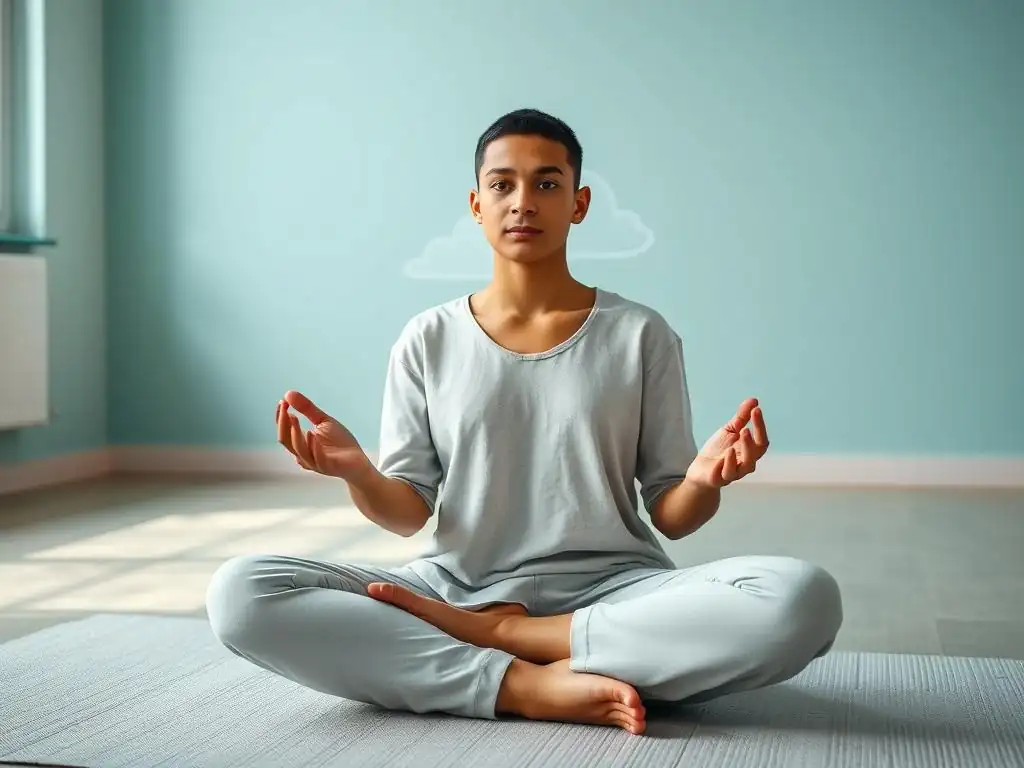
To practice diaphragmatic breathing, find a comfortable position, either sitting upright or lying down. Place one hand on your chest and the other on your belly, just below your rib cage. Gently inhale slowly through your nose, feeling your belly rise against your hand. Your chest should remain relatively still. As you exhale slowly through pursed lips (as if blowing out a candle), feel your belly gently fall inward. The exhalation should be slightly longer than the inhalation.
Focus your attention on the sensation of your belly expanding and contracting with each breath. Aim for smooth, even inhalations and exhalations. Start with just a few minutes and gradually increase the duration as you become more comfortable. This exercise can be done anywhere – at a desk, on a bus, or before falling asleep – making it incredibly accessible for students needing to calm anxiety students face daily.
Benefits of Belly Breathing for Student Anxiety Relief
The primary benefit of belly breathing for students is its direct impact on the nervous system. By activating the parasympathetic response, it helps lower heart rate, blood pressure, and the levels of stress hormones like cortisol. This physiological shift creates a sense of calm and relaxation, counteracting the physical symptoms of anxiety. For a student feeling overwhelmed by a looming deadline or a difficult social situation, a few minutes of focused belly breathing can provide immediate relief.
Beyond immediate calm, consistent belly breathing practice can improve respiratory efficiency and increase oxygen levels in the blood, which can positively impact cognitive function and energy levels. Students who incorporate this practice into their routine may find they experience fewer panic attacks, have improved concentration during study sessions, and feel more grounded throughout their day. It's a simple yet potent technique within the realm of student anxiety relief breathing.
2. Box Breathing: A Simple Technique for Focus and Calm
Box breathing, also known as square breathing, is a straightforward technique used by everyone from Navy SEALs to students preparing for exams. Its rhythmic nature makes it easy to follow and highly effective for clearing the mind, reducing stress, and improving focus. The structured count provides a mental anchor, diverting attention away from anxious thoughts and towards the present moment.
This method is particularly useful for students who struggle with racing thoughts or difficulty concentrating when stressed. The simple, four-part process creates a predictable rhythm that can quickly bring a sense of order and calm to a chaotic internal state. It's an excellent example of how structured student breathing exercises calm anxiety and enhance cognitive function.
Step-by-Step Guide to Box Breathing for Students
Box breathing involves four equal steps, each held for the same count (typically 4 seconds, but students can adjust this).
- Exhale completely to empty your lungs.
- Inhale slowly through your nose for a count of 4.
- Hold your breath at the top of the inhalation for a count of 4.
- Exhale slowly through your mouth for a count of 4.
- Hold your breath at the bottom of the exhalation for a count of 4.
Repeat this cycle multiple times. Visualize tracing the sides of a box as you perform each step: inhale up one side, hold across the top, exhale down the other side, and hold across the bottom. This visual aid can help maintain focus. Practicing this for just a few cycles can significantly reduce feelings of stress and improve clarity, making it a valuable student anxiety relief breathing technique.
Using Box Breathing to Manage Test Anxiety and Stress
Box breathing is an exceptionally effective tool for managing acute stress, such as test anxiety. Before entering an exam hall or during a stressful study session, taking a few minutes to practice box breathing can help calm the nervous system and improve focus. The structured counting provides a mental task that occupies the mind, preventing it from dwelling on worries about performance.
For example, a student experiencing pre-test jitters might find their heart racing and thoughts scattering. By pausing and engaging in 5-10 cycles of box breathing, they can lower their heart rate, quiet their anxious thoughts, and enter the test environment feeling more centered and capable. This technique empowers students with a practical strategy to calm anxiety students experience in high-pressure academic situations, allowing them to access their knowledge more effectively.
3. Alternate Nostril Breathing (Nadi Shodhana): Balancing Energy and Reducing Stress
Alternate Nostril Breathing, or Nadi Shodhana in Sanskrit, is a yogic breathing technique known for its ability to balance the left and right hemispheres of the brain, calm the mind, and reduce stress. It involves breathing through one nostril at a time, alternating between the two. This practice is thought to harmonize the body's energy channels (nadis) and promote a sense of equilibrium.
While it may seem slightly more complex than simple belly breathing, Nadi Shodhana is highly effective for students experiencing mental busyness or feeling emotionally unbalanced. It requires focus and coordination, which further aids in grounding the student in the present moment, away from stressors. It's a sophisticated yet accessible technique within the repertoire of student breathing exercises calm anxiety.
How to Perform Alternate Nostril Breathing Safely
Sit comfortably with your spine straight. Close your eyes or soften your gaze. Bring your right hand towards your face. Close your right nostril with your right thumb. Exhale completely through your left nostril. Inhale slowly and deeply through your left nostril. Close your left nostril with your ring finger and release your thumb from the right nostril. Exhale slowly through your right nostril. Inhale slowly and deeply through your right nostril. Close your right nostril with your thumb and release your ring finger from the left nostril. Exhale slowly through your left nostril.
This completes one cycle. Continue alternating, always inhaling through the nostril you just exhaled from. Start with 5-10 cycles and gradually increase. If you feel lightheaded, stop and rest. This practice can be done for 5-15 minutes to achieve significant calm and balance, proving its worth as a student anxiety relief breathing method.
Benefits of Nadi Shodhana for Reducing Student Stress Levels
Nadi Shodhana is particularly beneficial for students struggling with overwhelming stress or feelings of being scattered. By balancing the breath flow through the nostrils, it is believed to balance the autonomic nervous system, promoting relaxation and reducing the physiological symptoms of stress. Students who practice this regularly may report feeling more centered, less reactive to stressors, and experiencing improved mental clarity.
For example, a student feeling frazzled after a day packed with classes and extracurriculars might use Nadi Shodhana to transition from a state of high activity to one of calm before starting homework or preparing for sleep. The rhythmic, focused nature of the breath work helps to quiet the mental chatter that often accompanies student stress, making it a powerful technique among student breathing exercises calm anxiety.
4. 4-7-8 Breathing: A Quick Technique for Relaxation
The 4-7-8 breathing technique, popularized by Dr. Andrew Weil, is a simple yet profound method for promoting relaxation and easing anxiety. It acts as a natural tranquilizer for the nervous system. The longer exhale helps slow the heart rate and promotes a sense of calm, while the brief breath hold allows for a full exchange of gases in the lungs.
This technique is especially useful for students who need a quick way to de-stress or who have trouble falling asleep due to anxious thoughts. It's incredibly portable and can be done discreetly almost anywhere, making it an ideal tool for managing sudden surges of anxiety or stress during the school day or at home. It's a go-to method when students need to quickly calm anxiety students often face before challenging situations or bedtime.
Instructions for the 4-7-8 Breathing Method
Sit or lie down comfortably. Place the tip of your tongue against the ridge of tissue just behind your upper front teeth and keep it there throughout the exercise. You will exhale through your mouth around your tongue.
- Exhale completely through your mouth, making a whoosh sound.
- Close your mouth and inhale quietly through your nose for a count of 4.
- Hold your breath for a count of 7.
- Exhale completely through your mouth, making a whoosh sound, for a count of 8.
This completes one breath cycle. Repeat for a total of four breath cycles when first starting. You can gradually increase to eight cycles as you become more comfortable. The key is the ratio of the counts (4:7:8), not the absolute speed, although slower is generally more relaxing. This structured approach makes it easy for students to practice and quickly feel the benefits of student anxiety relief breathing.
Using 4-7-8 Breathing for Sleep and Anxiety Management for Students
The 4-7-8 technique is particularly effective for students who struggle with sleep onset insomnia caused by racing thoughts or anxiety about the next day. Practicing this method while lying in bed can significantly reduce the time it takes to fall asleep. The focus on the counts and the extended exhale helps to quiet the mind and relax the body, counteracting the physiological arousal associated with anxiety.
Beyond sleep, students can use 4-7-8 breathing in any situation where they feel overwhelmed or anxious – before a presentation, during a difficult conversation, or when feeling stressed about homework. For instance, a student might use this in the quiet moments before class to center themselves. It's a powerful, quick-acting tool in the toolkit of student breathing exercises calm anxiety and promote restful sleep.
5. Lion’s Breath (Simhasana): Releasing Tension and Boosting Confidence
Lion's Breath is a more dynamic and expressive breathing exercise that is excellent for releasing tension, stress, and frustration. It involves a forceful exhale with a roar-like sound and a wide-open mouth and eyes. While it might feel silly at first, the physical release and vocalization can be incredibly cathartic and empowering for students.
This technique is less about quiet calm and more about active release and empowerment. It can help students externalize pent-up emotions like anger, frustration, or nervousness in a safe and controlled way. It also encourages confidence by prompting a bold, expressive action. It's a unique addition to the list of student breathing exercises calm anxiety by offering a different approach: releasing the emotion rather than solely soothing it.
Performing Lion’s Breath: A Fun and Effective Exercise
Sit comfortably, perhaps in a cross-legged position, or kneeling. Place your hands on your knees, fingers spread wide like a lion's claws. Inhale deeply through your nose. As you exhale forcefully through your mouth, open your mouth wide, stick out your tongue towards your chin, open your eyes wide, and make a loud "ha" or roaring sound from your throat.
Repeat this 3-5 times. It can be done individually or in a group setting (where it often leads to laughter and shared release). Encourage students to fully commit to the expression; the more they lean into the "roar," the more tension they can release. This playful yet effective technique is a great way for students to actively use student breathing exercises calm anxiety and other big emotions.
Benefits of Lion’s Breath for Students' Emotional Release
Lion's Breath offers a physical outlet for trapped emotional energy. Students, who might feel pressure to always be composed, can use this technique to safely release frustration, anger, or anxiety that they might otherwise hold in. The vocalization and exaggerated facial expression help to break through emotional blockages and reduce physical tension in the face, jaw, and throat – common areas where students hold stress.
Beyond release, the bold nature of Lion's Breath can also boost confidence. Performing such an expressive action can feel empowering, helping students step out of their comfort zone and feel more capable of handling challenging emotions. It provides a sense of agency and control over their emotional state, making it a valuable, albeit different, approach among student anxiety relief breathing methods.
Incorporating Breathing Exercises into a Student’s Daily Routine
Creating a Consistent Mindfulness Practice for Students
Consistency is key to reaping the full benefits of breathing exercises. Encouraging students to view these practices not just as reactive tools for anxiety but as proactive components of their daily routine is essential. This could involve setting aside just 5-10 minutes each morning or evening for focused breathing, or incorporating short breathing breaks throughout the day.
Suggestions for building consistency include using habit stacking – linking breathing practice to an existing habit, like doing a few minutes of belly breathing after brushing teeth. Using apps, timers, or visual reminders can also help students remember to practice. The goal is to make student breathing exercises calm anxiety a natural, integrated part of their day, building resilience over time rather than just using it in crisis moments.
Integrating Breathing Exercises into the Classroom
Educators play a vital role in introducing and normalizing breathing exercises for students. Simple practices can be integrated into the classroom setting in various ways. This could be starting the day with a minute of mindful breathing, taking a 30-second box breathing break before a test or after a transition, or using a guided breathing exercise to help students refocus after a lively activity.
For example, a teacher might lead the class in three cycles of 4-7-8 breathing before handing out a pop quiz to help students manage potential stress. Another might use a guided visualization paired with diaphragmatic breathing after recess to help students transition back to academic work. Integrating student breathing exercises calm anxiety into the school environment helps students see these techniques as normal, accessible tools for managing their emotions throughout the day.
Different breathing exercises can be more or less effective depending on the specific situation. For test anxiety, quick focus techniques like Box Breathing or 4-7-8 breathing can be done discreetly at a desk. For social anxiety, practicing Diaphragmatic Breathing before entering a social situation can help ground the student and reduce physical symptoms like a racing heart.
For general daily stress, incorporating a longer session of Nadi Shodhana or Diaphragmatic Breathing into a morning or evening routine can build overall resilience. Lion's Breath can be a great tool to use privately at home to release frustration accumulated throughout the day. Teaching students this flexibility empowers them to choose the right student anxiety relief breathing technique for their specific need at that moment.
Tips for Teaching Breathing Exercises to Students
Creating a Safe and Supportive Environment
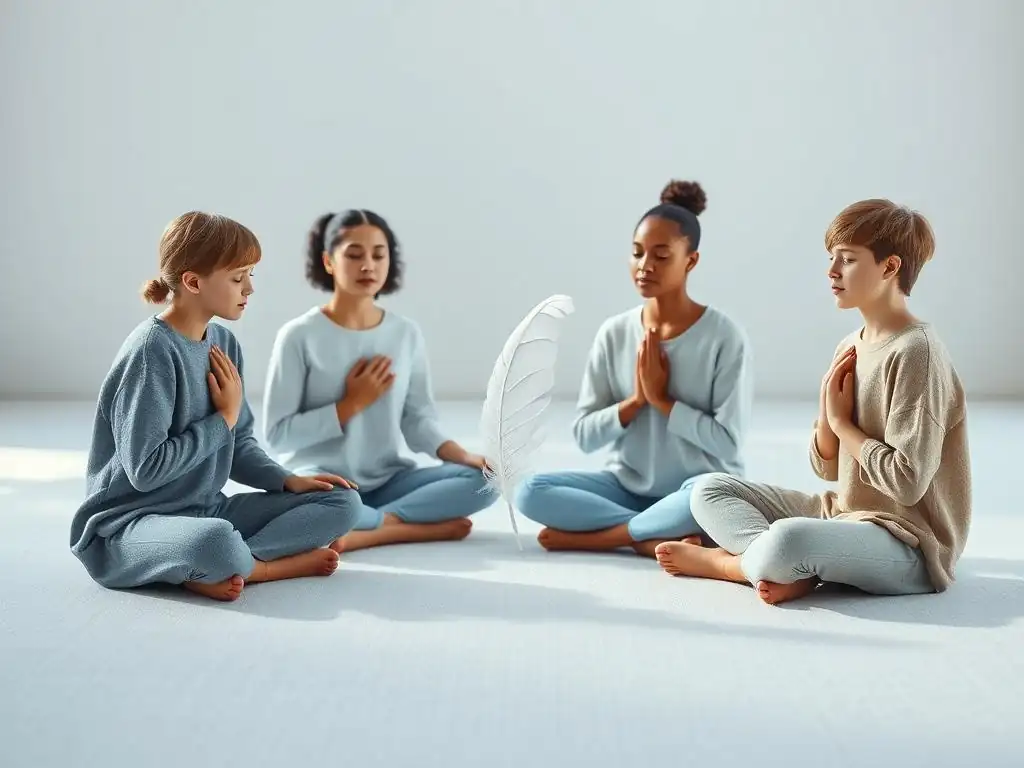
When introducing breathing exercises, it's crucial to create an environment where students feel safe, comfortable, and unjudged. Explain why breathing is important for managing feelings, linking it to the body's natural stress response in simple terms. Avoid making it feel like another test or chore. Encourage experimentation and emphasize that there's no single "right" way to breathe, only ways that feel calming to them.
Allow students to choose their position (sitting, standing, or even lying down if appropriate) and remind them that it's okay if their mind wanders – the practice is in gently bringing attention back to the breath. Sharing a personal anecdote about how breathing helps you manage stress can also make the practice feel more relatable and less intimidating. This supportive approach makes it easier for students to embrace student breathing exercises calm anxiety.
Making Breathing Exercises Fun and Engaging for Students
Especially with younger students, incorporating playfulness and creativity can make breathing exercises more engaging. Use imagery: "smell a flower" (inhale deeply) and "blow out a candle" (exhale slowly), or "balloon breathing" (belly expands). Have them imagine breathing in a favorite color and breathing out a color associated with stress.
For older students, framing it as a skill used by athletes or performers to manage pressure can be motivating. Using apps with guided meditations or visually appealing timers can also help. Incorporating movement, like gentle stretching or yoga poses alongside breathing, can also enhance engagement. The more enjoyable the practice, the more likely students are to consistently use student anxiety relief breathing techniques.
Adjusting Exercises for Different Age Groups and Abilities
Breathing exercises need to be adapted to suit the developmental stage and abilities of the students. Younger children may benefit from shorter durations and more playful, imaginative techniques like "Bunny Breath" (short, quick sniffs) or "Snake Breath" (hissing exhale). Counting methods like Box Breathing might start with a count of 3 instead of 4.
Teenagers and young adults can often engage with more complex techniques like Nadi Shodhana and longer durations. For students with respiratory issues or certain disabilities, modifications may be necessary, such as focusing on gentle, relaxed breathing rather than deep or forceful inhales/exhales, or using visual cues instead of verbal instructions. Ensuring inclusivity allows all students to benefit from student breathing exercises calm anxiety.
Measuring the Success of Breathing Exercises for Student Anxiety
Tracking Changes in Student Behavior and Emotional Regulation
Measuring the impact of breathing exercises can involve observing changes in student behavior over time. Do students appear calmer before tests? Are there fewer outbursts or conflicts stemming from frustration? Do students seem better able to recover from stressful events? Teachers and parents can note these shifts. Students themselves might report feeling less overwhelmed or more in control of their reactions.
Gathering anecdotal evidence from students, teachers, and parents provides valuable insights into the effectiveness of the practices. For instance, a teacher might note that after incorporating a 2-minute breathing exercise before math class, students seem more settled and ready to learn, leading to fewer disruptive behaviors. This observation helps validate the impact of student breathing exercises calm anxiety in real-world settings.
Using Student Feedback to Improve Breathing Exercise Practices
Directly asking students about their experience with breathing exercises is crucial for refining approaches. Simple check-ins like "How did that breathing feel?" or using a simple scale (e.g., 1-5, how calm do you feel now?) can provide immediate feedback. More detailed feedback can be gathered through journals, anonymous surveys, or class discussions.
Students can share which techniques they find most helpful, when they feel most likely to use them, and what challenges they face. This feedback allows educators and parents to tailor the practices, introduce new techniques, or address barriers to consistency. For example, if many students find a specific technique difficult, a variation or clearer instruction can be provided. This student-centered approach ensures that student anxiety relief breathing strategies are relevant and effective for those who need them most.
Student Breathing Exercises: A Powerful Tool for Emotional Wellbeing
Empowering Students with Self-Regulation Techniques
Teaching students breathing exercises is about much more than just momentary calm; it's about empowering them with lifelong self-regulation skills. In a world where external pressures are constant, the ability to internally access a state of calm is invaluable. These techniques give students agency over their own nervous system and emotional responses, fostering independence and self-reliance in managing challenges.
By learning how student breathing exercises calm anxiety, students gain confidence in their ability to handle difficult emotions without relying solely on external support or potentially unhealthy coping mechanisms. They learn that they possess an innate capacity for calm and resilience, accessible anytime through the power of their own breath. This sense of empowerment is foundational to developing healthy emotional intelligence.
Long-Term Benefits of Mindfulness and Breathing Exercises for Students
Integrating mindfulness and breathing exercises early in life can have profound long-term benefits. Students who develop these habits are likely to be better equipped to navigate the stresses of college, career, and adulthood. They may experience lower rates of anxiety and depression, improved physical health outcomes related to stress reduction, and stronger interpersonal relationships due to better emotional regulation.
Furthermore, the increased self-awareness cultivated through these practices can lead to greater academic success, improved decision-making, and a more positive outlook on life. Investing time in teaching student breathing exercises calm anxiety is an investment in a student's future well-being, equipping them with essential skills to thrive in a complex world. They learn not just to survive stress, but to navigate it with grace and resilience.
Frequently Asked Questions
What are the benefits of breathing exercises for students experiencing anxiety?
Breathing exercises can help students regulate their nervous system, reducing feelings of anxiety and promoting calmness. They are a quick and accessible tool for managing stress.
How often should students practice breathing exercises to see a noticeable difference in their anxiety levels?
Regular practice is key. Even a few minutes of daily breathing exercises can significantly reduce anxiety over time. Consistency is more important than duration.
Are there specific breathing exercises that are more effective for students than others?
The best breathing exercise is one the student finds comfortable and easy to use. However, diaphragmatic breathing (belly breathing) and box breathing are often recommended for their effectiveness in calming the nervous system.
Can breathing exercises completely eliminate anxiety for students?
While breathing exercises are a valuable tool, they are not a cure-all. They can significantly reduce anxiety symptoms and improve coping mechanisms, but may need to be combined with other strategies or professional help for more severe cases.
Where can students find resources to learn more about breathing exercises and mental well-being?
Mind Care Guide offers a comprehensive guide to mental well-being, including information, support, and resources for various mental health challenges, including student anxiety and breathing exercises.
Final Reflection: Breathing Your Way to a Calmer Campus
The relentless pressure faced by students today—academics, social life, and future anxieties—often manifests as overwhelming stress and anxiety. Learning simple breathing techniques isn't just a fleeting trend; it's a vital tool for navigating the complexities of student life and building resilience for the long haul. These exercises offer a readily accessible pathway to emotional regulation, empowering students to take control of their mental well-being in a world that often feels out of control.
The impact of consistent stress on the student population is undeniable, affecting academic performance, relationships, and overall mental health. The simple act of pausing to breathe deeply can be profoundly transformative. It's a reminder that amidst the chaos, we have the power to find inner peace. The breath is the bridge between the mind and the body.
This quote highlights the interconnectedness of our physical and mental states, emphasizing how conscious breathing can directly influence our emotional landscape. The exercises discussed in this article offer a practical pathway to bridge that gap and cultivate a sense of calm amidst the storm.
Now, consider how these breathing techniques can become a part of your daily routine. Imagine incorporating a few minutes of mindful breathing into your study schedule, before a big exam, or even during a stressful moment in your social life. Don't underestimate the power of these simple practices; they are not a quick fix, but rather a sustainable strategy for managing stress and cultivating a more peaceful and productive life. Make the conscious choice to breathe deeply, and watch as your ability to navigate the challenges of student life—and life beyond—transforms for the better.
Unlock Your Calm: Breathe Your Way to a Stress-Free Life
Thanks for taking the time to explore simple breathing techniques! We hope you found valuable tools to manage stress and anxiety. Now, let's put those techniques into practice.
- Prioritize your breath: Dedicate just 5 minutes today to practicing one of the exercises from the article. Notice the difference in your energy levels and focus.
- Share this newfound knowledge!: Tell a friend or family member about a technique that resonated with you. Helping others can be a powerful way to reinforce your own learning.
- Explore further: Search online for guided meditations incorporating these breathing methods. Combining mindfulness and breathing can enhance your relaxation even more.
Ready to experience the transformative power of mindful breathing? What simple change will you make today to prioritize your mental well-being?