
Finding Your Center: Mindfulness for College Students Facing Pressure

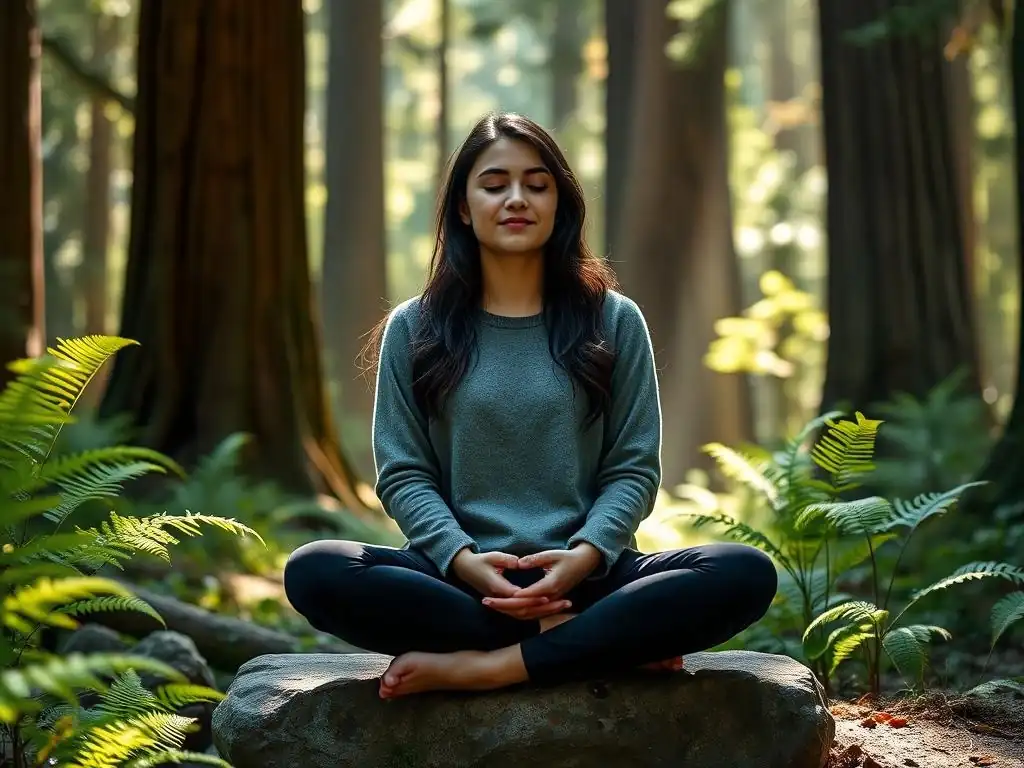
Welcome to Mind Care Guide, your trusted companion on the journey to mental well-being.
Feeling overwhelmed by the pressures of college life? You're not alone. Many students struggle to balance academics, social life, and personal well-being. But what if there was a way to navigate these challenges with greater ease and resilience? Our comprehensive guide to mindfulness for college stress explores practical techniques and insights to help you find your center amidst the chaos. Curious to learn how mindfulness can transform your college experience? Let's begin.
- Understanding Mindfulness for College Stress: An Introduction to Mindfulness Techniques for Students
- Recognizing the Unique Stressors: Common Causes of College Stress and Anxiety
- How Mindfulness Practices Reduce Stress and Enhance Mental Clarity in College Students
- Practical Mindfulness Exercises Tailored for College Students Experiencing Stress
- Creating a Mindfulness Routine to Combat College Stress Effectively
- Integrating Mindfulness into the College Environment: Tips for Students and Educators
- Overcoming Common Challenges in Practicing Mindfulness for College Stress
- Measuring the Benefits: Positive Outcomes of Mindfulness for College Stress Management
- Resources and Support Systems for Students Interested in Mindfulness for Stress Relief
-
Frequently Asked Questions
- How can mindfulness help with college stress?
- What are some simple mindfulness exercises students can do daily?
- Is mindfulness a replacement for therapy or medication for serious mental health issues?
- How much time should college students dedicate to mindfulness practice each day?
- Where can college students find mindfulness resources and support?
- Final Reflection: Cultivating Calm Amidst the Chaos
- Unlock Your Calm: Start Your Mindfulness Journey Today
Understanding Mindfulness for College Stress: An Introduction to Mindfulness Techniques for Students
What Is Mindfulness and How It Relates to Managing College Pressure
Mindfulness is essentially the practice of intentionally bringing one's attention to the present moment without judgment. It's about noticing your thoughts, feelings, bodily sensations, and surrounding environment as they are, right now, without getting caught up in analyzing, criticizing, or wishing things were different.
For college students navigating the intense pressures of academic life, social dynamics, and personal growth, cultivating this present-moment awareness can be a powerful tool. It helps create distance from overwhelming thoughts about the future (exams, job prospects) or regrets about the past (missed deadlines, social slip-ups), anchoring the student in the only moment they truly have control over: the present.
Connecting mindfulness to the specific challenges of college stress means applying this non-judgmental awareness to the sources of pressure. This could involve noticing the physical tension that arises before a presentation, observing anxious thoughts about grades without believing them as absolute truth, or simply paying attention to the taste of your food rather than rushing through a meal while thinking about assignments.
By practicing mindfulness for college stress, students can begin to identify their stress triggers more clearly and develop a more considered, less reactive response to them. Instead of being swept away by anxiety or frustration, they learn to observe these feelings, acknowledge their presence, and choose how to respond, fostering a greater sense of control and calm amidst the chaos of college life.
The Impact of Academic Stress on Mental Health and Well-Being
Academic stress is a pervasive issue in higher education, significantly impacting students' mental health and overall well-being. Studies and surveys consistently highlight the high rates of anxiety and depression among college populations. For instance, data from organizations like the American College Health Association often indicate that a majority of students report feeling overwhelmed, exhausted, and stressed, with a significant percentage meeting criteria for anxiety or depression. This chronic stress isn't just about feeling busy; it can manifest physically through headaches, fatigue, and digestive issues, and emotionally through irritability, difficulty concentrating, and feelings of hopelessness.
Beyond the immediate discomfort, prolonged academic stress can have serious long-term consequences. It can lead to burnout, a state of emotional, physical, and mental exhaustion caused by excessive and prolonged stress. Burnout can diminish academic performance, lead to social withdrawal, and contribute to substance use as a coping mechanism. Furthermore, it can exacerbate pre-existing mental health conditions or trigger new ones. Addressing this impact is crucial, and strategies like mindfulness for college stress offer students practical ways to build resilience and mitigate these negative effects, helping them navigate their academic journey with greater emotional stability.
Why Mindfulness Matters for College Students Facing Stress and Anxiety
Mindfulness matters deeply for college students because it offers a direct antidote to the mind's tendency to either ruminate on problems or worry about the future – both major contributors to stress and anxiety. College life is inherently demanding, requiring students to juggle coursework, social obligations, financial concerns, and often part-time jobs or extracurricular activities. This constant pressure can lead to a state of perpetual worry and mental overload.
Practicing mindfulness teaches students how to step back from this mental chatter, creating space between themselves and their stressful thoughts. This space allows for clearer thinking, better problem-solving, and a reduced sense of being overwhelmed.
Furthermore, mindfulness cultivates self-compassion, which is particularly important for students who may struggle with perfectionism or fear of failure. Instead of harshly judging themselves for not meeting impossible standards or for experiencing anxiety, mindfulness encourages them to observe these feelings with kindness and understanding. This shift in perspective can significantly reduce the internal pressure students place on themselves. Implementing mindfulness for college stress provides students with a practical, evidence-based strategy to not only manage their immediate stress levels but also build long-term emotional resilience and a more positive relationship with themselves.
Recognizing the Unique Stressors: Common Causes of College Stress and Anxiety
Academic Demands and Performance Pressure as Stress Triggers
The academic environment itself is a primary source of stress for college students. The sheer volume of coursework, coupled with demanding deadlines and high expectations, can be overwhelming. Students face constant pressure to perform well in assignments, exams, and presentations, with the perceived consequence of poor grades impacting future opportunities, such as graduate school admissions or job prospects. This intense focus on evaluation can lead to significant test anxiety, procrastination fueled by fear of failure, and a feeling that their worth is tied solely to their academic achievements.
Moreover, the transition from high school to college often involves a significant leap in academic rigor and independence. Students are expected to manage their time effectively, study independently, and engage with complex material without constant supervision. This increased responsibility, combined with competitive academic environments, amplifies performance pressure. The constant cycle of studying, testing, and grading, often with limited immediate feedback, can create a stressful loop. Developing effective strategies, including applying mindfulness for college stress, helps students navigate these pressures by fostering better focus, reducing test anxiety, and promoting a healthier perspective on academic outcomes.
Navigating the social landscape of college is another significant stressor, particularly for students living away from home for the first time. Building new friendships, fitting into social groups, and dealing with potential feelings of isolation or homesickness can be challenging. The pressure to be constantly social or to maintain a certain image on social media adds another layer of complexity. Students may experience anxiety around social interactions, fear of rejection, or difficulty balancing social life with academic demands.
Furthermore, issues such as roommate conflicts, navigating romantic relationships, and dealing with discrimination or exclusion based on identity can profoundly impact a student's mental health. A lack of strong social connections can exacerbate feelings of loneliness and vulnerability, making it harder to cope with academic or personal difficulties. Learning how to manage college stress through mindfulness can help students develop greater self-awareness in social situations, improve communication skills, and build resilience against social anxieties, enabling them to form more meaningful and supportive connections.
Balancing Responsibilities: Time Management and Overwhelm
A core challenge for college students is effectively balancing multiple responsibilities. Beyond academics, students often juggle part-time jobs, extracurricular activities, sports, volunteer work, and personal obligations. This requires sophisticated time management skills that many are still developing. The feeling of having too much to do and not enough time is a major contributor to overwhelm and stress. Students may struggle with prioritizing tasks, setting realistic goals, and saying no to commitments, leading to packed schedules and little time for rest or self-care.
This constant state of busyness and the pressure to succeed in multiple areas can lead to chronic stress and exhaustion. The inability to effectively manage time often results in last-minute cramming, sleep deprivation, and a pervasive feeling of being behind. Techniques learned through mindfulness for college stress, such as mindful scheduling and taking intentional breaks, can help students become more aware of how they spend their time and energy, allowing them to make more conscious choices about their commitments and reduce the feeling of being constantly overwhelmed.
How Mindfulness Practices Reduce Stress and Enhance Mental Clarity in College Students
The Science Behind Mindfulness and Stress Reduction
The effectiveness of mindfulness for college stress is supported by a growing body of scientific research. Studies utilizing neuroimaging techniques like fMRI have shown that regular mindfulness practice can lead to observable changes in brain structure and function. For example, research suggests that mindfulness can decrease the activity in the amygdala, the brain region associated with fear and the fight-or-flight response, while increasing activity in the prefrontal cortex, which is involved in executive functions like planning, decision-making, and emotional regulation.
Physiologically, mindfulness has been shown to reduce levels of stress hormones such as cortisol. Chronic exposure to high cortisol levels can disrupt sleep, impair immune function, and contribute to mental health issues. By practicing mindfulness, students can help regulate their physiological stress response, leading to a calmer state of being. Furthermore, mindfulness can improve heart rate variability, an indicator of the body's ability to handle stress effectively. This scientific evidence underscores why incorporating mindfulness techniques offers tangible benefits for managing college stress and improving overall physiological and psychological well-being.
Mindfulness Meditation: Techniques to Calm the Mind and Body
Mindfulness meditation is a foundational practice for managing college stress. It typically involves sitting quietly and focusing attention on a specific anchor, most commonly the breath. When the mind inevitably wanders (which it will), the practice is simply to notice the wandering thought or distraction without judgment and gently guide the attention back to the breath. This repeated process of noticing and returning trains the mind to be more present and less reactive to distracting or stressful thoughts. Even just 5-10 minutes of daily practice can begin to make a difference.
Other forms of mindfulness meditation suitable for students include body scan meditation, where attention is systematically brought to different parts of the body to notice sensations, and loving-kindness meditation, which involves cultivating feelings of warmth and compassion towards oneself and others. These practices help students develop a greater awareness of their physical and emotional states, allowing them to recognize signs of stress early and respond with greater calm. Regular engagement with mindfulness meditation provides students with a reliable method for calming both their racing minds and tense bodies, directly addressing the symptoms of college stress.
Breathing Exercises and Grounding Methods for Immediate Stress Relief
When feeling overwhelmed by college stress, simple breathing exercises and grounding methods can provide immediate relief. Mindful breathing, like the 4-7-8 technique (inhale for 4 counts, hold for 7, exhale for 8) or box breathing (inhale for 4, hold for 4, exhale for 4, hold for 4), can quickly activate the body's relaxation response.
Focusing on the breath redirects attention away from stressful thoughts and slows down the heart rate, helping to calm the nervous system in the moment. These techniques are discreet and can be used anywhere – before an exam, during a difficult lecture, or while waiting in line.
Grounding methods are techniques that help bring your attention back to the present moment and your physical surroundings when you feel disconnected or overwhelmed by anxiety. A common grounding technique is the 5-4-3-2-1 method: acknowledging 5 things you can see, 4 things you can feel, 3 things you can hear, 2 things you can smell, and 1 thing you can taste.
These sensory-focused techniques pull the mind out of abstract worries and anchor it in concrete reality. Incorporating these quick, accessible strategies into a student's toolkit for managing college stress provides them with powerful tools for immediate self-regulation during moments of intense pressure.
Practical Mindfulness Exercises Tailored for College Students Experiencing Stress

Guided Mindfulness Meditation for Beginners to Manage Academic Anxiety
For college students new to mindfulness, guided meditations offer an accessible starting point, particularly for managing academic anxiety. These meditations, often available via apps or online platforms, provide verbal instructions that lead the listener through the process of focusing attention, typically on the breath or body sensations. A guided meditation specifically targeting anxiety might encourage acknowledging anxious thoughts or feelings without judgment, visualizing a sense of calm, or focusing on releasing tension in the body. A 10-15 minute guided session can be a manageable addition to a busy study schedule.
A typical guided meditation for academic anxiety might start with finding a comfortable seated position, closing the eyes, and bringing attention to the breath. The guide might then instruct the listener to notice any thoughts about assignments or exams that arise, acknowledging them briefly before returning focus to the breath. This process helps students practice observing their anxious thoughts from a distance, reducing their power. Using guided mindfulness for college stress management provides students with a structured way to learn the practice and apply it directly to their academic worries.
Body Scan and Progressive Muscle Relaxation to Release Tension
College stress often manifests physically as muscle tension, headaches, or fatigue. Body scan meditation and progressive muscle relaxation (PMR) are mindfulness-based techniques effective in addressing these physical symptoms. A body scan involves systematically bringing awareness to different parts of the body, from the toes to the head, noticing any sensations like tingling, tightness, or warmth without trying to change them. This practice increases interoceptive awareness – the ability to notice internal bodily states – which helps students recognize stress signals earlier.
Progressive Muscle Relaxation involves tensing a specific muscle group for a few seconds and then consciously releasing the tension, moving through different muscle groups in the body. By intentionally tensing and then relaxing muscles, students become more aware of the difference between tension and relaxation and learn how to actively release physical stress. Both the body scan and PMR are excellent tools for students to use before bed to improve sleep quality or during study breaks to release accumulated tension, offering direct physical relief from the effects of college stress.
Incorporating Mindful Walking and Movement into Daily Student Life
Mindfulness doesn't always require sitting still. Mindful walking is a simple practice that can be easily integrated into a student's daily routine, offering a way to manage college stress while moving. Instead of rushing from class to class or walking while preoccupied with thoughts, mindful walking involves paying deliberate attention to the physical sensations of walking: the feeling of your feet hitting the ground, the movement of your legs, the swing of your arms, and the rhythm of your breath. It's about being fully present during the act of walking.
Students can practice mindful walking on their way to class, during a break on campus, or even while walking to the dining hall. This provides a refreshing break from mental tasks and helps ground them in the present moment. Similarly, incorporating mindful movement, whether it's stretching, yoga, or just mindfully doing chores, can help students connect with their bodies and release tension. These active forms of mindfulness for college stress make the practice accessible even when students feel they don't have time to sit down for a formal meditation.
Creating a Mindfulness Routine to Combat College Stress Effectively
Establishing Consistent Practice Amidst a Busy Academic Schedule
One of the biggest hurdles for college students is finding time for mindfulness amidst demanding schedules. Establishing a consistent practice doesn't mean dedicating hours each day; even short, regular sessions are beneficial. The key is consistency. Suggesting students start with just 5-10 minutes daily, perhaps first thing in the morning before checking emails or before bed, makes it less daunting. Linking the practice to an existing habit, like brushing teeth or drinking coffee, can help it stick. For example, a student might commit to one minute of mindful breathing while their coffee brews.
Creating a visible reminder, like setting a daily alarm or placing a sticky note on a desk, can also help maintain consistency. It's also important to emphasize that consistency doesn't mean perfection; some days will be missed, and that's okay. The practice is simply returning to it when remembered. By prioritizing even brief moments of mindfulness for college stress management, students build a habit that can significantly impact their ability to cope with pressure over time, showing that even small efforts yield results.
Using Mindfulness Journaling to Track Stress and Emotional Patterns
Mindfulness journaling is a powerful tool for college students to gain insight into their stress triggers and emotional patterns. Unlike traditional journaling, mindful journaling isn't just about recounting events; it involves observing thoughts and feelings as they arise without judgment. Students can dedicate a few minutes each day to writing about their experiences, focusing on how they felt physically and emotionally during stressful situations, what thoughts were present, and how they responded.
For example, a student might write about feeling overwhelmed before an exam, noting the tight knot in their stomach and the recurring thought "I'm not prepared." By simply observing and recording these sensations and thoughts mindfully, they create distance from them and begin to see patterns. They might notice that certain situations consistently trigger anxiety or that specific coping mechanisms (healthy or unhealthy) tend to follow. This self-awareness cultivated through mindful journaling is invaluable for developing effective strategies to manage college stress.
Leveraging Technology: Mindfulness Apps and Online Resources for Students
In today's digital age, technology offers numerous resources to support mindfulness practice for college students. Numerous mindfulness apps, such as Headspace, Calm, and Insight Timer, offer guided meditations of varying lengths, body scans, breathing exercises, and sleep stories tailored to different needs, including stress and anxiety. Many offer student discounts or free basic access. These apps provide structure, guidance, and the convenience of practicing anytime, anywhere.
Beyond apps, countless websites, podcasts, and YouTube channels offer free mindfulness resources. Universities themselves often provide access to mindfulness programs or recommend specific online tools. These platforms make learning and practicing mindfulness highly accessible, allowing students to explore different techniques and find what resonates with them. Utilizing these technological resources is a practical way for students to integrate mindfulness for college stress relief into their busy digital lives, making the practice more attainable and engaging.
Integrating Mindfulness into the College Environment: Tips for Students and Educators
Mindfulness Strategies for Classroom Settings to Reduce Student Stress
Integrating mindfulness into the classroom can create a more supportive learning environment and directly address student stress. Students can practice mindful note-taking by focusing their full attention on the lecture or reading material without distraction, noticing when their mind wanders and gently bringing it back. Before a test or presentation, a professor could lead the class in a brief 60-second mindful breathing exercise to help students calm nerves and focus attention.
Educators can also incorporate mindful listening during discussions, encouraging students to fully listen to their peers without formulating their own response, fostering empathy and better communication. Simple practices like starting a class with a moment of silence or a brief guided centering exercise can help students transition from the busyness of campus life to focus on the present learning environment. These small, consistent applications of mindfulness for college stress within the academic setting can cumulatively reduce anxiety and improve engagement.
Encouraging Peer Support and Mindful Communication on Campus
Building a supportive community is vital for managing college stress, and mindfulness can enhance peer interactions. Students can practice mindful listening when a friend is sharing their struggles, offering their full, non-judgmental attention. Encouraging open and honest communication about stress and mental health among peers can reduce feelings of isolation and stigma. Campus groups or workshops focused on mindfulness can provide a space for students to connect with others who are also exploring these practices.
Students can also practice mindful communication in their daily interactions, paying attention to their tone of voice, body language, and the impact of their words. This can help prevent misunderstandings and reduce conflict, which can be significant sources of stress. Organizing peer-led mindfulness sessions or study groups that incorporate short mindfulness breaks can foster a sense of community and shared coping strategies, leveraging the power of peer support in managing college stress.
Role of Educators in Promoting Mindfulness and Mental Wellness
Educators play a crucial role in promoting mindfulness and mental wellness on campus. By modeling mindful behavior, such as responding calmly to challenges or openly discussing the importance of well-being, they set a positive example. Faculty can incorporate brief mindfulness exercises into their classes, as mentioned earlier, or simply create space for students to breathe and re-center during long lectures or before stressful activities.
Beyond the classroom, educators can inform students about campus mental health resources, including mindfulness programs and counseling services. They can also design assignments and deadlines with student well-being in mind where possible, promoting realistic workloads. By demonstrating empathy and understanding towards student stress, educators contribute to a campus culture that values mental health. Their support and encouragement can empower students to explore and adopt practices like mindfulness for college stress management, making it feel like a supported and legitimate coping strategy.
Overcoming Common Challenges in Practicing Mindfulness for College Stress

Addressing Skepticism and Misconceptions About Mindfulness
Some college students may initially be skeptical about mindfulness, viewing it as too "woo-woo," simply relaxation, or another chore to add to their list. It's important to address these misconceptions directly. Mindfulness isn't about emptying the mind or achieving a blissful state; it's about training attention and awareness. It's a practical skill, much like learning a sport or an instrument, that requires practice but yields tangible benefits in managing stress and improving focus.
Sharing the scientific evidence behind mindfulness can help overcome skepticism. Explaining how it impacts the brain and body can resonate with students who value empirical data. Highlighting that mindfulness is simply paying attention to the present moment – something they already do sometimes, like getting lost in a favorite song or activity – can make it feel less alien. Framing mindfulness for college stress as a tool for enhancing performance and well-being, rather than just a relaxation technique, can also increase its appeal to goal-oriented students.
Managing Distractions and Maintaining Focus During Practice
A common challenge in practicing mindfulness is the wandering mind and external distractions, especially in busy college environments. Students might feel discouraged if their mind is constantly thinking about assignments or social events during meditation. It's crucial to normalize this experience; the mind will wander. The practice isn't about not having thoughts, but about noticing when the mind has wandered and gently bringing it back. Each time the mind wanders and is brought back, it's a successful "rep" for the attention muscle.
Students can try different environments for practice – a quiet corner of the library, a park bench, or their dorm room during a less busy time. Using noise-cancelling headphones or earplugs can help minimize external distractions. For internal distractions (racing thoughts), acknowledging them briefly ("Okay, thinking about the paper deadline") before returning to the breath or chosen anchor is key. Consistency, even with a wandering mind, is more important than achieving perfect stillness. Recognizing that managing distractions is the practice helps students persevere with mindfulness for college stress.
Adapting Mindfulness Techniques for Different Stress Levels and Personalities
Mindfulness is not a one-size-fits-all solution, and techniques may need to be adapted to suit different stress levels and individual personalities. For students experiencing very high levels of anxiety, sitting still for extended periods might be challenging. In such cases, active mindfulness practices like mindful walking or mindful movement might be more accessible initially. Brief, 1-2 minute breathing exercises can also be less intimidating than longer meditations.
Students with more energetic personalities might find mindful walking or mindful yoga more engaging than seated meditation. Those who are highly analytical might benefit from journaling or exploring the scientific basis of mindfulness. The key is encouraging students to experiment with different techniques – guided meditations, body scans, mindful eating, mindful listening – to find what feels most comfortable and effective for them. Tailoring the approach makes implementing mindfulness for college stress more sustainable and personally relevant for each student.
Measuring the Benefits: Positive Outcomes of Mindfulness for College Stress Management
Improved Emotional Regulation and Resilience in Students
One of the most significant benefits of practicing mindfulness for college stress is improved emotional regulation. Mindfulness helps students become more aware of their emotions as they arise, without immediately reacting to them. Instead of being overwhelmed by anxiety before an exam or frustrated by a difficult assignment, they learn to observe these feelings with a degree of detachment. This awareness creates a pause, allowing students to choose a more constructive response rather than being driven by automatic emotional reactions.
Regular mindfulness practice also builds emotional resilience. By repeatedly facing challenging thoughts and feelings during meditation (like impatience or restlessness) and learning to stay present with them non-judgmentally, students develop the capacity to tolerate discomfort in real-life situations. This increased resilience helps them bounce back more effectively from setbacks, manage disappointment, and navigate the inevitable ups and downs of college life with greater stability. Studies have shown that students who engage in mindfulness report reduced negative affect and increased positive affect over time.
Enhanced Academic Performance and Concentration Through Mindfulness
While seemingly counterintuitive to a busy schedule, dedicating time to mindfulness can actually enhance academic performance. By improving focus and concentration, mindfulness helps students engage more deeply with lectures, retain information better during study sessions, and perform more effectively on tests and assignments. The practice of gently bringing a wandering mind back to the present moment directly trains the ability to sustain attention, a critical skill for academic success.
Furthermore, by reducing anxiety and stress, mindfulness clears mental clutter that often interferes with cognitive function. Students who practice mindfulness report less rumination about past mistakes or worries about the future, freeing up mental energy to focus on the task at hand. Reduced test anxiety, a common issue, can also lead to improved performance under pressure. Research suggests a correlation between mindfulness practice and higher GPAs or improved scores on standardized tests, illustrating the direct academic benefits of managing college stress with mindfulness.
Long-Term Mental Health Benefits and Reduced Risk of Burnout
Beyond immediate stress relief and academic gains, mindfulness offers significant long-term mental health benefits for college students. By cultivating self-awareness and emotional regulation, students develop healthier coping mechanisms for stress and difficult emotions, reducing reliance on maladaptive strategies like avoidance or substance use. This proactive approach to mental well-being can help prevent the escalation of stress into more severe mental health conditions.
Moreover, mindfulness is a powerful tool in preventing burnout, a common risk for high-achieving students. By encouraging presence, self-compassion, and recognizing limits, mindfulness helps students maintain a healthier relationship with their academic and personal demands. It promotes a sense of balance and allows students to appreciate their efforts and experiences without getting solely caught up in outcomes. Embedding mindfulness for college stress into daily life equips students with a lifelong skill for maintaining mental wellness and navigating future challenges beyond their college years.
Resources and Support Systems for Students Interested in Mindfulness for Stress Relief
Campus-Based Mindfulness Programs and Workshops
Many colleges and universities now offer campus-based mindfulness programs and workshops specifically designed for students. These resources provide structured learning opportunities, often led by trained professionals from the counseling center or health services. Programs might include introductory mindfulness courses, drop-in meditation sessions, or workshops focused on applying mindfulness to specific challenges like test anxiety or public speaking.
These campus resources offer students a convenient and accessible way to learn mindfulness techniques in a supportive group setting. They also provide an opportunity to connect with peers who share similar interests in well-being. Checking the university's health services, counseling center, or student activities website is often the best way to find information on these valuable on-campus initiatives for managing college stress through mindfulness.
Recommended Books, Podcasts, and Online Courses on Mindfulness for Students
For students who prefer self-guided learning or need resources outside of campus offerings, there is a wealth of high-quality books, podcasts, and online courses available. Books like "Mindfulness for Students" or "The Mindful Twenty-Something" offer practical exercises and relatable perspectives. Podcasts dedicated to mindfulness often feature guided meditations, interviews with experts, and discussions on applying mindfulness to daily life.
Online courses, sometimes offered by reputable institutions or mindfulness centers, provide structured instruction and can deepen understanding of the practice. Many are available for free or at a low cost. Exploring these resources allows students to learn at their own pace and choose formats that suit their learning style, providing flexible options for incorporating mindfulness for college stress into their lives.
Connecting with Mental Health Professionals Specialized in Mindfulness Practices
For students facing significant stress, anxiety, or other mental health challenges, connecting with a mental health professional is crucial. Many therapists and counselors now integrate mindfulness-based approaches, such as Mindfulness-Based Stress Reduction (MBSR) or Mindfulness-Based Cognitive Therapy (MBCT), into their practice. These professionals can provide personalized guidance, support, and help students work through underlying issues contributing to their stress.
Campus counseling centers are an excellent starting point, often offering free or low-cost services. If seeking off-campus support, students can look for therapists who list mindfulness or specific mindfulness-based therapies as their areas of expertise. Working with a professional can help students apply mindfulness for college stress in a way that addresses their unique needs and challenges, providing a higher level of support for their mental well-being journey.
Frequently Asked Questions
How can mindfulness help with college stress?
Mindfulness techniques, such as meditation and deep breathing, can help reduce anxiety and improve focus, allowing students to manage stress more effectively. It helps you become aware of your thoughts and feelings without judgment, leading to better emotional regulation.
What are some simple mindfulness exercises students can do daily?
Students can try mindful breathing exercises, focusing on their breath for a few minutes. Another option is body scan meditation, paying attention to sensations in the body to increase awareness and reduce tension. Even mindful walking, focusing on the experience of walking, can be beneficial.
Is mindfulness a replacement for therapy or medication for serious mental health issues?
No, mindfulness is not a replacement. It can be a valuable complementary tool, but professional help, such as therapy or medication, is essential for managing serious mental health conditions. Always consult a mental health professional.
How much time should college students dedicate to mindfulness practice each day?
Even just 5-10 minutes of mindfulness practice daily can make a significant difference. Consistency is key, so finding a time that works and sticking to it is more important than the duration of each session.
Where can college students find mindfulness resources and support?
Many colleges offer counseling services and mindfulness workshops. Online resources, like the "Mind Care Guide," and mindfulness apps can also provide guidance and support. Seeking out peer support groups can also be helpful.
Final Reflection: Cultivating Calm Amidst the Chaos
The relentless pressure cooker of college life is a reality for millions, and the need for effective stress management techniques has never been more critical. The rising rates of anxiety and depression among students underscore the urgency of finding healthy coping mechanisms, and mindfulness offers a powerful antidote to the overwhelming demands of academics, social life, and the uncertainties of the future.
Mindfulness, as explored throughout this article, is more than just a trendy buzzword; it's a fundamental shift in perspective that allows us to engage with the present moment without judgment. It's a practice that has profoundly impacted my own life, teaching me to navigate challenges with greater clarity and resilience. The mind is everything. What you think you become.
– Buddha. This quote encapsulates the transformative power of cultivating a mindful approach, not just to alleviate stress, but to shape a more positive and fulfilling life experience. The ongoing influence of mindfulness extends beyond individual well-being; it fosters a culture of self-compassion and encourages a more holistic approach to education, prioritizing mental health alongside academic achievement.
Now, I invite you to consider how you can integrate mindfulness into your own daily routine. Start small – perhaps with just five minutes of focused breathing each day. Experiment with different mindfulness techniques, from meditation to mindful walking, and discover what resonates most with you. Remember, the journey towards finding your center is a personal one, and the rewards of cultivating inner peace and resilience are immeasurable. Embrace the challenge, and discover the transformative power of mindfulness in navigating the complexities of college life and beyond.
Unlock Your Calm: Start Your Mindfulness Journey Today
Thanks for taking the time to explore the power of mindfulness! We hope this article equipped you with practical tools to navigate the pressures of college life. Now it's time to put those tools to work.
- Begin your daily mindfulness practice: Even 5 minutes a day can make a world of difference. Try focusing on your breath, a calming image, or a gentle body scan. This is your key to a more peaceful semester.
- Share your experiences: Connect with other students facing similar challenges. Starting a conversation about your mindfulness journey can build a supportive community.
- Explore guided meditations: Many free apps offer guided meditations tailored for students. Experiment to find what resonates with you – this could be your secret weapon for stress relief.
What small step will you take today to cultivate more peace and focus in your college life?